Foreign Visitor Fishing License Rules in Florida
Arriving in Florida, a foreign visitor, with dreams of reeling in a trophy tarpon or a delicious snapper, can quickly find themselves tangled in a web of confusing fishing license rules. It’s a common frustration, trying to navigate regulations in a new country, especially when you just want to enjoy the incredible fishing Florida has to offer. This comprehensive guide will untangle those rules for you, specifically breaking down everything foreign visitors need to know about obtaining a Florida fishing license, ensuring your trip is filled with fish, not fines.
Understanding What Makes You a "Foreign Visitor" for Licensing
One of the biggest misconceptions travelers often have is about their residency status when it comes to official licenses. Many assume that because they're simply visiting, the rules might be more relaxed, or that there's a special "tourist" category. In reality, Florida's Fish and Wildlife Conservation Commission (FWC) has very clear definitions, and as a foreign visitor, you'll almost always fall into the "non-resident" category.
Defining Non-Resident Status in Florida
For fishing license purposes, a "resident" in Florida is generally someone who has established a permanent domicile in the state for at least six continuous months, among other criteria like voter registration, homestead exemption, or full-time enrollment in a Florida school. If you're visiting from another country, even if you own property here but don't meet the continuous residency requirements, you are considered a non-resident. This distinction is paramount because it dictates the types of licenses available to you and their associated costs, which are typically higher for non-residents to help fund the state's conservation efforts.
It's not about where your passport is from, but where your primary residence is located. So, whether you're from Canada, the UK, Germany, Brazil, or any other nation, if Florida isn't your permanent home, you're a non-resident in the eyes of the FWC. This means you’ll need to adhere to the Florida Nonresident Fishing License Rules which are specifically designed for those who don't permanently reside in the Sunshine State. Don't be surprised by the different pricing; it's a standard practice across many states to differentiate between those who contribute to the local tax base year-round and those who are visiting.
Why Your Home Country's License Won't Work
It might seem logical to think that your valid fishing license from your home country, say, a provincial license from Ontario or a national rod license from England, would carry some weight or provide an exemption in Florida. However, this is simply not the case. Florida's fishing regulations are specific to its state waters and are enforced by its own FWC officers. There are no reciprocity agreements with foreign nations for recreational fishing licenses.
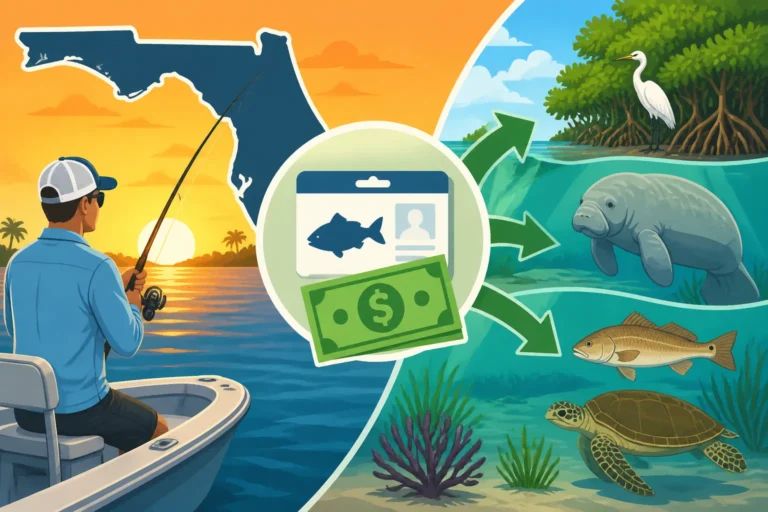
Every state in the U.S. has its own set of rules and licensing requirements, and Florida is no exception. These licenses contribute directly to the management, conservation, and restoration of Florida's diverse aquatic ecosystems, from the Everglades to the pristine coral reefs of the Keys. Therefore, possessing a license from anywhere else in the world, or even another U.S. state, will not exempt you from needing a valid Florida fishing license if you plan to cast a line here. Even if you've been fishing internationally for decades, you must obtain the proper Florida credentials.
Navigating Florida's Fishing License Options for Foreigners
Once you understand that you're a non-resident, the next step is figuring out which license you need. This often boils down to two main factors: where you plan to fish (freshwater or saltwater) and how long you'll be staying and fishing in Florida. The FWC offers various options to accommodate different visitor plans, from short vacation stints to extended stays.
Freshwater vs. Saltwater: The Crucial Distinction
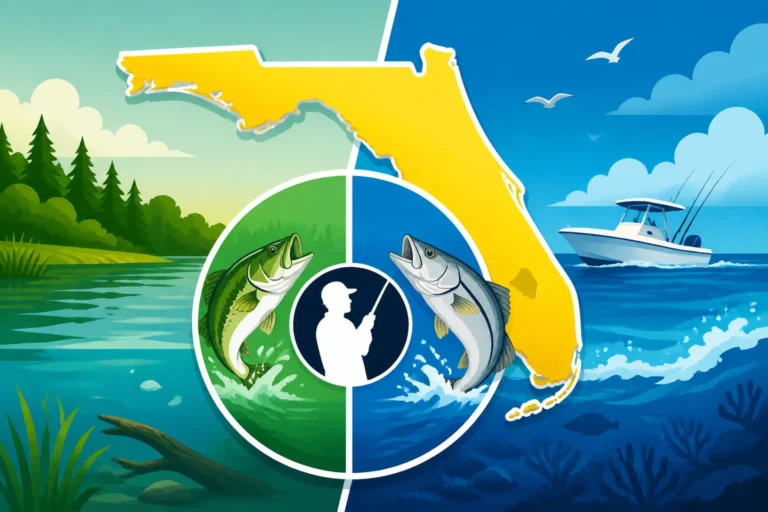
Florida is unique in that it requires separate licenses for freshwater and saltwater fishing, or a combination license if you plan to do both. This can be a bit perplexing for visitors from regions where a single license covers all types of fishing. If your dream is to battle a largemouth bass in Lake Okeechobee, you'll need a freshwater license. If you're hoping to reel in snapper or grouper in the Gulf of Mexico, a saltwater license is your requirement.
Many foreign visitors come to Florida with visions of fishing both the inshore saltwater flats for redfish and snook, and the freshwater canals for peacock bass. In such cases, purchasing a Florida combination freshwater and saltwater license often makes the most sense. This will cover you across all public recreational waters in Florida, simplifying your planning and ensuring you're legally covered no matter where your angling adventures take you. Understanding the Florida Saltwater vs Freshwater Fishing License difference is key to avoiding any missteps.
Short-Term vs. Annual Licenses: Choosing Your Duration
For non-residents, including foreign visitors, Florida offers several duration options designed to fit various travel plans. This is particularly helpful for those who might only be in the state for a short holiday. You can choose between:
- 3-Day Non-Resident Fishing License: Perfect for a quick fishing weekend or a short trip focused solely on angling.
- 7-Day Non-Resident Fishing License: A great option for a full week's vacation where fishing is a primary activity.
- Annual Non-Resident Fishing License: Best for those planning extended stays, multiple trips within a year, or if you simply want the convenience of having it covered for 12 months.
The choice largely depends on the length of your visit and how much fishing you intend to do. Generally, if you plan to fish for more than 7 days within a 12-month period, the annual license might become more cost-effective. You can find detailed breakdowns of these costs and types by checking out Florida Nonresident Fishing License Types and Costs. Always check the most current prices as they can be adjusted periodically by the FWC.
Additional Permits You Might Need (Snook, Lobster, etc.)
Just having a basic saltwater or freshwater license isn't always enough, especially if you're targeting specific, highly sought-after species or engaging in certain activities. Florida has special permits for certain types of fishing that are required in addition to your regular fishing license.
For instance, if you're planning to target Snook, a highly popular game fish in Florida's saltwater estuaries and nearshore waters, you'll need a special Florida Snook Permit Requirements in addition to your saltwater license. Similarly, if your visit aligns with the exciting lobster mini-season or regular season, and you intend to harvest spiny lobster, a Florida Lobster Permit Requirements is mandatory. These permits exist to help manage specific fisheries, ensuring their sustainability. Always consult the latest FWC regulations for seasonal closures and bag limits, as these can change.
How and Where to Purchase Your Florida Fishing License
Obtaining your Florida fishing license is relatively straightforward, and the FWC has made several convenient options available to non-residents and foreign visitors alike. You won't need to visit a special government office just for international travelers; the same purchasing channels are open to everyone.
Buying Online Through FWC GoOutdoorsFlorida
The easiest and most recommended way to purchase your Florida fishing license, especially for foreign visitors, is online through the Florida Fish and Wildlife Conservation Commission's official licensing platform, GoOutdoorsFlorida.com. This portal allows you to purchase your license 24/7 from anywhere in the world before you even arrive in Florida.
The online process is designed to be user-friendly: you create an account, select the desired licenses and permits, provide your personal information (name, date of birth, address, etc.), and complete the payment. You'll then receive a temporary license that you can print or display digitally on your smartphone, which is valid immediately. This convenience means you can have your license ready to go the moment you land, allowing you to hit the water without delay. For a step-by-step guide, you might find information on How to Buy a Fishing License Online helpful.
In-Person Purchase Locations
If you prefer to purchase your license once you've arrived, or if you encounter any issues with the online system, there are numerous authorized vendors throughout Florida where you can buy a license in person. These locations often include:
- Local Bait and Tackle Shops: These are excellent spots, as the staff can often provide valuable fishing advice alongside your license.
- Sporting Goods Stores: Larger chains like Bass Pro Shops or some independently owned stores will have licensing capabilities.
- Walmart Stores: Many Walmart locations in Florida sell fishing licenses at their customer service desks.
- County Tax Collector's Offices: These government offices are always a reliable place to obtain licenses.
When purchasing in person, you'll simply need to provide the necessary identification. Keep in mind that some smaller vendors might have limited hours, so it's always a good idea to check before you go. To locate the closest vendor to your accommodation, you can search for Where to Buy a Florida Fishing License Near You.
What Documentation You'll Need
For foreign visitors purchasing a non-resident Florida fishing license, the documentation requirements are generally straightforward. You won't typically need a host of specialized foreign documents. Usually, all you'll need is:
- Valid Photo Identification: A valid passport or driver's license from your home country is sufficient. This is primarily for identity verification.
- Personal Information: Your full name, date of birth, and your physical address from your home country.
Since you're applying for a non-resident license, you don't need to provide proof of Florida residency. The process is designed to be as simple as possible to encourage visitors to enjoy Florida's natural resources legally. While you can't buy your license on Amazon, it's a great place to stock up on tackle, sunscreen, or fishing apparel before your trip, making sure you have all your gear ready to go!
Key Exemptions and Important Regulations to Remember
Even with a comprehensive licensing system, Florida offers certain exemptions and rules that foreign visitors should be aware of. Understanding these can save you time, money, and potential headaches, ensuring your fishing trip remains pleasant and compliant with the law.
Fishing on Charter Boats and Licensed Piers
Here’s a common point of confusion that often delights foreign visitors: when you're fishing from a licensed charter boat or a public pier that holds a valid recreational fishing pier license, you typically do not need to purchase your own individual Florida fishing license. This is a significant perk for many visitors, especially those trying fishing for the first time or only planning a single outing.
- Charter Boats: When you book a trip with a professional Florida Fishing Charter Guide, the captain's vessel usually operates under a blanket license that covers all passengers. This means you can fish legally without buying a personal license. It's a fantastic way to experience Florida's waters, and the captain will also be well-versed in all current regulations. Always confirm this with your charter captain before your trip, but it's standard practice. Check out Do You Need a License to Fish From a Charter Boat in Florida? for more details.
- Licensed Piers: Similarly, many major public fishing piers along Florida's coastline hold a special pier license that covers anglers fishing from their structure. This is a huge benefit for those who enjoy the relaxed atmosphere of pier fishing. Before you cast a line, look for signs indicating that the pier has a valid recreational fishing pier license, or ask at the bait shop usually located on the pier. More information can be found at Do You Need a License to Fish From a Florida Pier?.
Understanding Bag Limits and Season Closures
While the charter boat or pier might cover your license, it does not exempt you from following Florida's stringent fishing regulations regarding bag limits, size limits, and season closures. These rules are put in place to protect fish populations and ensure sustainable fishing for generations to come.
- Bag Limits: This refers to the maximum number of fish of a particular species you are allowed to keep in a single day. For example, you can only keep a certain number of Spotted Seatrout per day. Exceeding this limit is illegal.
- Size Limits: Many species have minimum and/or maximum size requirements. A Snook, for instance, must be within a specific slot limit (e.g., between 28 and 33 inches) to be legally harvested. Anything smaller or larger must be released.
- Season Closures: Certain popular species, like Snook, Red Snapper, and various Grouper, have specific seasons when they can be harvested. Outside of these seasons, even if you catch one, it must be immediately released unharmed. These closures are often critical for spawning periods or to allow populations to rebound.
It is your responsibility as an angler to know and abide by these rules, even if you are a foreign visitor. The FWC provides comprehensive guides to Florida Fishing Regulations and Bag Limits on their website and through their GoOutdoorsFlorida mobile app. ignorance of the law is not an excuse, and FWC officers are diligent in their enforcement.
Consequences of Fishing Without a Valid License
This is where understanding the rules becomes absolutely critical. Fishing without a valid license, or failing to adhere to bag and size limits, can lead to serious consequences, dampening your vacation experience significantly. FWC officers patrol Florida's vast waterways, from the smallest freshwater canals to the expansive offshore areas, and they do check for licenses.
- Fines: The most common penalty for fishing without a license is a monetary fine. These fines can range from a few hundred dollars to more, depending on the severity of the offense and whether other violations (like keeping undersized fish) are involved.
- Confiscation of Gear: In some cases, FWC officers have the authority to confiscate your fishing gear, including rods, reels, and even your boat, if you are found to be in egregious violation of fishing laws.
- Arrest: While less common for a first-time, minor offense, repeated violations or serious infractions (like poaching protected species) can lead to arrest and even jail time.
It's simply not worth the risk. The cost of a non-resident license, even an annual one, pales in comparison to the potential fines and legal troubles. Always ensure you have your license on your person (either physical or digital) and are familiar with the current regulations for the species you are targeting. To avoid these unpleasant scenarios, make sure you understand What Happens If You Fish Without a License.
Here's a quick reference table for non-resident license types and estimated costs (please note these are subject to change by FWC, always check GoOutdoorsFlorida.com for current pricing):
| License Type | Covers | Duration | Estimated Cost (USD) | Notes |
|---|---|---|---|---|
| Non-Resident Freshwater | Freshwater | 3-Day | $17.00 | For short freshwater fishing trips. |
| Non-Resident Freshwater | Freshwater | 7-Day | $30.00 | For a week-long freshwater fishing vacation. |
| Non-Resident Freshwater | Freshwater | Annual | $47.50 | Best for multiple trips or extended stays. |
| Non-Resident Saltwater | Saltwater | 3-Day | $17.00 | For short saltwater fishing trips. |
| Non-Resident Saltwater | Saltwater | 7-Day | $30.00 | For a week-long saltwater fishing vacation. |
| Non-Resident Saltwater | Saltwater | Annual | $47.50 | Best for multiple trips or extended stays. |
| Non-Resident Combination | Both | Annual | $79.00 | Covers both freshwater and saltwater for one year. |
| Snook Permit | Snook | Annual | $10.00 | Required in addition to a saltwater license for snook harvest. |
| Lobster Permit | Spiny Lobster | Annual | $5.00 | Required in addition to a saltwater license for lobster harvest. |
Note: Prices are approximate and subject to change. Always verify current prices on the official FWC GoOutdoorsFlorida website.
Disclaimer
The information provided in this guide is intended for general informational purposes only and is subject to change. Fishing regulations in Florida, including license requirements, bag limits, and season dates, are established by the Florida Fish and Wildlife Conservation Commission (FWC) and can be modified at any time. While we strive to provide accurate and up-to-date information, it is the sole responsibility of the angler to consult the official FWC website (GoOutdoorsFlorida.com or MyFWC.com) or contact the FWC directly for the most current and authoritative regulations before engaging in any fishing activities. Compliance with all applicable laws is mandatory.