Retention Pond Fishing License Rules in Florida
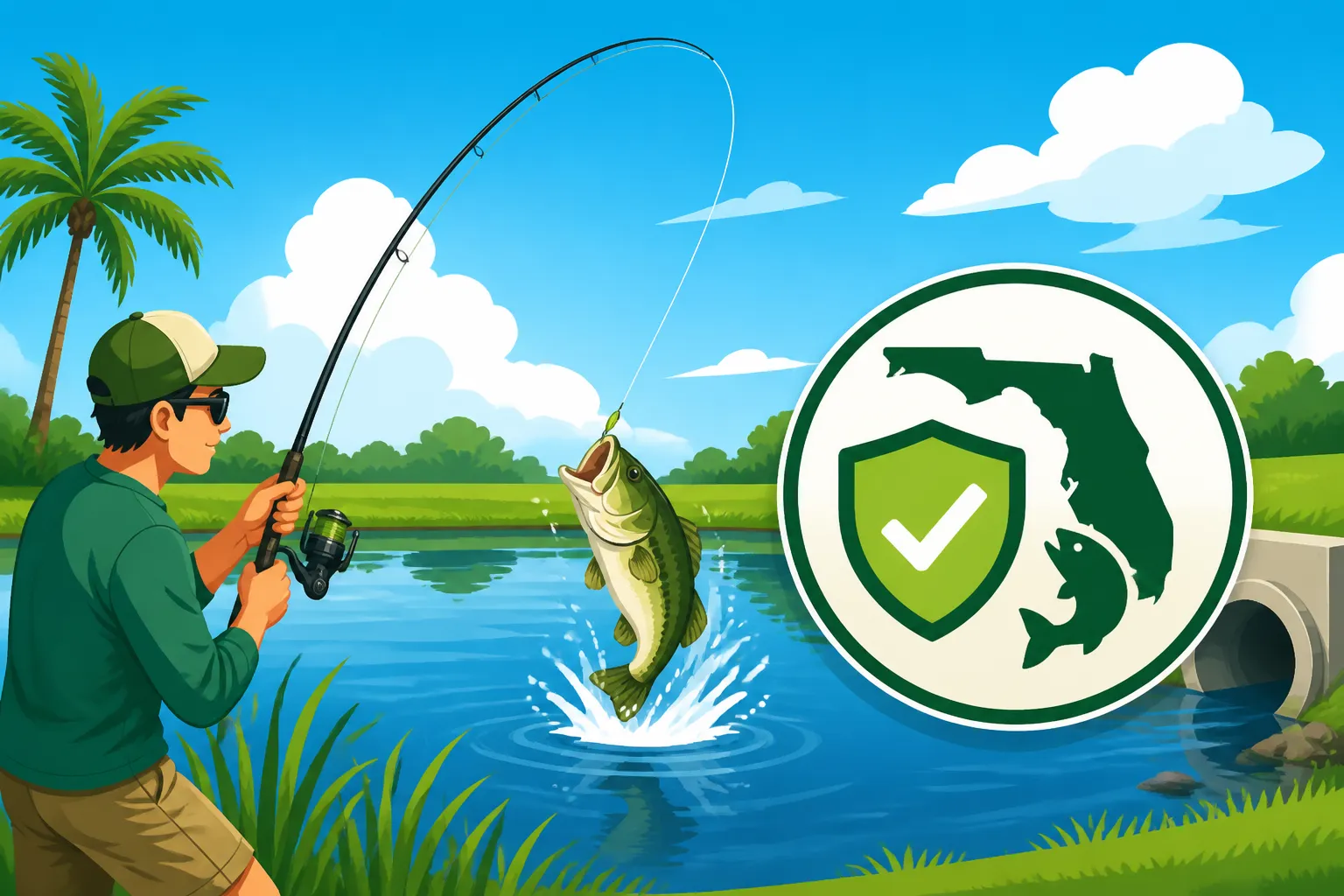
It's frustrating when you just want to drop a line in a seemingly innocent retention pond behind your house or in a local park, but then that little voice in your head pipes up: "Do I actually need a fishing license for this?" The Sunshine State's fishing regulations can feel like a labyrinth, especially when it comes to these ubiquitous, man-made water bodies. This guide will cut through the confusion and clarify the Florida fishing license rules specifically for retention ponds, so you can fish with confidence and stay on the right side of the law.
What Exactly is a Retention Pond?
Before we dive into licenses, it's really important to understand what we're talking about when we say "retention pond." In Florida, these aren't just decorative water features; they serve a crucial environmental purpose. Many people mistakenly think of them as glorified puddles, but they're much more complex than that.
Defining Retention Ponds in Florida
Retention ponds are engineered basins designed to collect and hold stormwater runoff. Think about those heavy Florida rains – all that water has to go somewhere. Retention ponds capture it, preventing flooding, filtering pollutants, and slowly releasing the water back into the environment, often into larger natural water systems like canals, rivers, or even the ocean. They're a common sight in residential communities, commercial areas, and along highways.
What this means for fishing is significant: because they are part of a larger hydrological system, even if they look isolated, many retention ponds are considered "public waters" by the Florida Fish and Wildlife Conservation Commission (FWC). This connection to other waterways, however small or infrequent, is a key factor in determining license requirements. They aren't just private puddles; they are part of Florida's intricate water management network.
Common Misconceptions About These Ponds
There are so many myths floating around about retention pond fishing. One of the biggest is, "It's on private property, so I don't need a license." This is a widespread misunderstanding. While the land around the pond might be privately owned by an HOA or commercial entity, the water itself is often considered public property for fishing purposes, especially if it's connected to other public waters.
Another common misconception is that if a pond isn't visibly stocked by the FWC, then it doesn't fall under their jurisdiction. The reality is that many species, like largemouth bass, bluegill, and even exotic species like peacock bass in South Florida canals, naturally find their way into these ponds through connecting pipes, overflow, or even during heavy floods. They are often thriving ecosystems, capable of supporting a variety of fish, and thus fall under the same management principles as any other public waterway. Don't assume that just because it's man-made or small, it's exempt from state fishing regulations.
Do You Need a Fishing License for Retention Ponds in Florida?
This is the million-dollar question, and the straightforward answer for most retention ponds in Florida is yes, you absolutely need a fishing license. It might seem counterintuitive for a pond in your neighborhood, but the FWC takes a broad view of what constitutes "public waters" for conservation and management purposes.
The Default Rule: License Required
Unless specifically exempted, anyone aged 16 or older fishing in a retention pond in Florida needs a valid Florida fishing license. This applies whether you're targeting freshwater species like bass or saltwater species that might have migrated in. The FWC's regulations are designed to manage fish populations across the entire state's aquatic ecosystems, and retention ponds, being interconnected, play a role in that larger picture.
Many retention ponds, particularly in developed areas, drain into larger canal systems, rivers, or even coastal estuaries. This means that fish can move freely between these ponds and other public waters. Because of this connectivity, and the potential for fish populations to be impacted by unregulated fishing, the state mandates licenses to ensure proper management and to fund crucial conservation efforts. If you're wondering, "Who Needs a Fishing License in Florida?", it's almost always you if you're over 16.
Understanding Private Property vs. Public Access
Here's where it gets tricky and often confuses people. Many retention ponds are located within private residential communities, golf courses, or commercial properties. While the land immediately surrounding the pond might be private, the water itself might still be considered public. The key distinction is whether the water body is completely self-contained with no connection to other public waters, and if it's truly managed as a private pond. Most retention ponds in Florida simply do not meet this strict definition.
Even if a pond is on private land, if it has an inflow or outflow that connects to a ditch, canal, or natural body of water, it's generally considered public navigable water for fishing purposes. This means that even with the landowner's permission to be on their property, you still need a fishing license to fish in that water body. It’s not just about land ownership, but water connectivity.
Importance of Knowing Who Owns the Pond
While land ownership doesn't always dictate license requirements, it's vital to know who owns the land around the pond for permission to access it. Fishing in a retention pond on private property without permission is trespassing, regardless of whether you have a fishing license or not. Always seek permission from the property owner, homeowner's association (HOA), or management company before casting a line. Even if you hold a valid Florida fishing license, you cannot simply walk onto someone's property to reach a pond. Getting clarity from your HOA or property manager about access rules and who the FWC considers the responsible party for the pond's management can prevent a lot of headaches.
Exceptions and Specific Scenarios for Retention Pond Fishing
While the default is that you need a license, Florida does have specific exemptions. However, for retention ponds, these exemptions are much narrower than many people assume. It’s rare for a typical retention pond to qualify as a "private pond" in the eyes of the FWC.
Truly Private Ponds Exemptions
The most significant exemption for fishing without a license relates to truly private ponds. According to Florida's regulations, you generally don't need a license to fish in a "private pond" where the water is entirely enclosed on private land and has no connection to public waters. This usually means the pond must be self-contained, with no inflow or outflow from other water bodies, and the fish within it are not freely able to enter or exit from public waters.
Here’s the catch for retention ponds: most of them are designed with overflow systems, culverts, or connections to drainage canals that link them to larger public water networks. This connectivity immediately disqualifies them from the "private pond" exemption. So, if you're eyeing that pond in your neighborhood or office park, it's highly unlikely to be truly private for fishing license purposes. For more details on this often misunderstood rule, check out our guide on Florida Private Pond and Farm Pond Fishing Rules.
Fishing in Community Ponds
Many retention ponds are part of planned communities, managed by HOAs or community development districts. Even though these might feel "private" to residents, the FWC generally considers fishing in these community ponds to require a license if they connect to public waters. Some communities might even stock their ponds, but this doesn't change the state's licensing requirements if there's a connection to Florida's broader aquatic system.
For example, a pond in a large Orlando-area development like Lake Nona might connect to an extensive canal network that eventually flows into a larger river system. Therefore, even residents fishing in their community pond would need a Florida Freshwater Fishing License Rules. It's always best to assume a license is required unless you have definitive, FWC-backed information to the contrary. When in doubt, a quick check of the FWC website or a call to their regional office is a smart move.
Kids and Exemptions for Certain Ages
Good news for the youngsters! In Florida, children under the age of 16 are exempt from needing a fishing license. This applies to retention ponds just as it does to any other fishing spot in the state. So, if you're taking your kids out to the local pond, they can fish without a license, as long as they are under 16. However, if you are 16 or older and fishing alongside them, you will still need your own valid license. For more comprehensive information on this, explore our article on Florida Fishing License Age Requirements or specifically Do Kids Need a Florida Fishing License?.
Here's a quick summary table for clarity:
| Pond Type | Connection to Public Waters? | Land Ownership | License Required for 16+? | Important Notes |
|---|---|---|---|---|
| True Private Pond | No | Private | No | Must be completely self-contained with no ingress/egress for fish from public waters. Very rare for retention ponds. |
| Typical Retention Pond | Yes | Private/Public | Yes | Most retention ponds connect to public drainage systems, making them public waters for fishing. Always need permission to access private land. |
| Public Park Pond | Varies, usually Yes | Public | Yes | Ponds in public parks often connect to other waterways. Access is typically open, but a license is still required. |
| Community HOA Pond | Usually Yes | Private (HOA) | Yes | Even within private communities, if the pond connects to larger systems, a license is required. Always get HOA permission for access. |
Why These Rules Matter: Conservation and Enforcement
It's easy to grumble about needing a license for what feels like a small, insignificant pond, but these rules are in place for very good reasons. They are the backbone of Florida's efforts to maintain healthy fish populations and protect our precious aquatic environments.
The Role of Licenses in Funding Fisheries
Every time you purchase a fishing license, those fees go directly back into managing and conserving Florida's diverse fisheries. This includes funding for habitat restoration, fish stocking programs, scientific research, and law enforcement. Without these funds, the FWC wouldn't be able to monitor fish populations, enforce bag limits, or ensure that Florida remains a premier fishing destination for everyone.
Think about it this way: the diverse array of fish you might find in even a retention pond – from a feisty largemouth bass to an unexpected snook that made its way in from saltwater – are all part of a larger ecosystem that benefits from these funds. For a deeper dive into where your money goes, check out our article on How Florida Fishing License Fees Fund Conservation. It's a testament to how every angler, even those fishing local ponds, contributes to the bigger picture.
Penalties for Unlicensed Fishing
Fishing without a valid license in Florida is a violation of state law. The penalties can range from fines to even more serious consequences, depending on the specifics of the situation, such as repeat offenses or combining it with other infractions like trespassing. A first offense for fishing without a license is typically a second-degree misdemeanor. This can result in a fine of up to $500, up to 60 days in jail, and court costs. It's a pretty hefty price to pay for simply trying to enjoy a quiet afternoon of fishing.
FWC officers regularly patrol various fishing locations, including seemingly out-of-the-way ponds, and they are well-versed in Florida's intricate water connectivity. They can, and do, issue citations for unlicensed fishing. It's far better to spend a small amount on a license than face the hassle and expense of a citation. You can easily purchase a license online through the FWC website, or at many sporting goods stores like those found at Bass Pro Shops, or even pick up some essential gear like a compact tackle box and a measuring tape on Amazon while you're at it. For more detailed information on the repercussions, see our guide on Penalty for Fishing Without a License in Florida.
Staying Compliant and Enjoying Your Time on the Water
Navigating Florida's fishing regulations can feel daunting, but it doesn't have to be. The best approach for retention pond fishing is to always assume you need a license if you are 16 or older. This simple rule of thumb will keep you compliant in almost every scenario.
How to Get Your Florida Fishing License
Getting a fishing license in Florida is incredibly easy and convenient. You have several options:
- Online: The quickest way is through the FWC's Go Outdoors Florida website. You can purchase your license anytime, anywhere, and often print it immediately or display it on your phone via the GoOutdoorsFL app.
- In Person: Many bait and tackle shops, sporting goods retailers (like a local Bass Pro Shops or even Walmart), and county tax collector's offices sell fishing licenses. This is a great option if you prefer a physical license or want to grab some last-minute gear.
- By Phone: You can also call the FWC license customer service line to purchase a license.
Remember, whether you need a freshwater license, a saltwater license, or a combination, depends on the species you're targeting and the water type. Most retention ponds will require a freshwater license, but some coastal ponds might have brackish water with saltwater species migrating in, potentially requiring a saltwater license. A good rule of thumb for retention ponds near the coast is to get a combination license, or carry both if you're unsure. You can find comprehensive details on the different types and costs in our Florida Fishing License Guide.
Essential Gear for Retention Pond Anglers
Retention ponds can be surprisingly productive and offer a fantastic opportunity for anglers, especially those just starting out or looking for a quick fishing fix without a boat. While specific gear will depend on what you're targeting, here are a few essentials:
- Light Tackle: A medium-light spinning rod and reel combo with 6-10 lb test line is versatile enough for most pond species. Brands like Ugly Stik or Shimano offer great budget-friendly options that can be found on Amazon.
- Lures and Bait: Soft plastic worms, small crankbaits, spinnerbaits, and even basic live bait like worms or crickets work wonders for bass and panfish.
- Pliers and Line Cutters: Always handy for removing hooks and cutting line.
- Measuring Device: Many species have size and bag limits, even in retention ponds. A simple tape measure or a fishing ruler is crucial. You can find affordable, easy-to-read options on Amazon.
- Sun Protection: Hat, sunglasses, and sunscreen are non-negotiable in the Florida sun, even for a short session by a pond.
- Valid Fishing License: The most important piece of gear in your tackle box!
With the right understanding of the rules and some basic gear, retention ponds can become your go-to spot for convenient and exciting fishing adventures. Just remember to always check for property access permissions and have your license ready!
Disclaimer
The information provided in this guide is for general informational purposes only and does not constitute legal advice. Fishing regulations in Florida can change, and interpretations may vary based on specific circumstances. Always consult the official Florida Fish and Wildlife Conservation Commission (FWC) website or contact their offices directly for the most current and accurate regulations before fishing.