Islamorada, Florida Fishing Spots
If you've ever dreamt of casting a line in a place where turquoise waters meet endless horizons, you've probably pictured Islamorada. But for many anglers, the sheer abundance of potential fishing grounds in this "Sportfishing Capital of the World" can feel overwhelming. Trying to figure out where to even start, from the shallow, skinny waters of Florida Bay to the deep blue of the Atlantic, can be a real head-scratcher. This comprehensive guide is designed to cut through that confusion, helping you pinpoint the most productive and exciting fishing spots Islamorada has to offer, ensuring your next trip is filled with unforgettable catches, not just endless searching.
Understanding Islamorada's Unique Fishing Landscape
Islamorada isn't just one island; it's a village made up of six different islands, each contributing to a truly unparalleled fishing ecosystem. This unique geography, nestled between the vast, shallow expanse of Florida Bay and the deep, rich currents of the Atlantic Ocean, creates an incredible diversity of habitats that support a mind-boggling array of fish species. It's this natural buffet of fishing environments that truly sets Islamorada apart, offering something for every angler, no matter their preference or skill level.
The Chain of Islands and Waterways
The very structure of Islamorada, as a series of connected islands like Tea Table Key, Lower Matecumbe Key, and Upper Matecumbe Key, forms a natural barrier and conduit for water movement. This intricate network of islands creates numerous channels, cuts, and tidal creeks that act as highways for baitfish and, consequently, their predators. Think of it as a natural funnel system, concentrating fish movement and making certain areas particularly productive during specific tides. The proximity of these varied environments means you can be poling a flats boat in mere inches of water on one side of the Overseas Highway, and just a short drive later, be heading out into the deep Atlantic aboard an offshore charter. This isn't just convenient; it's what makes Islamorada such a dynamic fishing destination, allowing anglers to pivot quickly if conditions change or if a different species calls. Understanding this interconnectedness is key to unlocking the area's full potential, as fish often move between these zones, using the channels as pathways.
The coral rock base of these islands also plays a crucial role. Beneath the surface, the limestone structures create ledges, potholes, and small crevices that provide shelter for smaller marine life, which in turn attracts larger game fish. Even the bridges connecting the keys, while man-made, have become integral parts of the ecosystem, creating artificial reefs that draw in bait and predatory species alike. This blend of natural geological features and human-made structures amplifies the habitat diversity, making virtually every stretch of water around Islamorada a potential hotspot. For those looking to explore, spending time studying local charts or chatting with local tackle shops can reveal hidden gems within this complex chain of waterways.
Florida Bay vs. The Atlantic Ocean
The most significant distinction for any angler in Islamorada is the stark contrast between fishing the shallow, brackish Florida Bay side and the deep, clear Atlantic Ocean side. These two bodies of water offer completely different experiences, target species, and fishing techniques. On the Florida Bay side, the waters are typically shallower, often less than ten feet deep, with expansive grass flats, intricate mangrove shorelines, and a softer, often muddy bottom. This environment is largely protected from the open ocean's heavy swells by the barrier islands and the mainland beyond, making it generally calmer and clearer on calm days.
Conversely, the Atlantic side plunges quickly into deeper waters, often reaching hundreds or even thousands of feet deep within a few miles of the coast. Here, you'll find vibrant coral reefs, shipwrecks, and the powerful currents of the Gulf Stream, which brings in pelagic giants. The water clarity is usually exceptional, a beautiful deep blue, and the conditions can range from glassy calm to significant swells, especially further offshore. Understanding which side you want to fish is the first step in planning your Islamorada adventure, as it dictates everything from your choice of boat and tackle to the species you'll be targeting. The differences are so profound that many experienced guides specialize in one side or the other, mastering the unique nuances each offers.
Prime Backcountry and Flats Fishing Spots
The backcountry and flats of Islamorada are legendary, famous for their crystal-clear, shallow waters teeming with elusive game fish. This is where the thrill of sight fishing truly comes alive, demanding stealth, precision, and patience. Anglers here chase species like bonefish, permit, and tarpon, often referred to as the "Big Three" of the flats, alongside robust redfish and predatory snook. The intricate network of grass flats, mangrove islands, and winding channels on the Florida Bay side offers an unparalleled shallow-water experience.
Targeting the Flamingo Area and Everglades National Park
Venturing into the Flamingo area, deep within Everglades National Park, from Islamorada is an adventure in itself, often requiring a longer run but promising incredible rewards. This vast, wild expanse is a sanctuary for a myriad of species, offering a stark contrast to the more developed areas of the Keys. Here, the water becomes a blend of brackish and fresh in some areas, supporting an incredible diversity of fish, including formidable snook, schooling redfish, and even the occasional largemouth bass further up into the river systems. The journey itself through the maze of mangrove tunnels and wide-open bays is part of the experience, immersing you in true wilderness. It’s not uncommon to spot alligators, crocodiles, and countless bird species, making it a wildlife photography paradise as well.
Fishing the Flamingo backcountry is about embracing the wild. The clear, calm waters allow for exceptional sight fishing opportunities, but the fish are often wary, demanding long, accurate casts with artificial lures or live bait. During certain times of the year, particularly spring and fall, massive tarpon migrate through these waters, offering some of the most exhilarating shallow-water fights imaginable. While it's a bit of a trek from Islamorada, the solitude and the chance at truly trophy-sized fish in an untouched environment make it a bucket-list destination for many. If you're planning a trip to this unique area, consider exploring our guide on the Flamingo Everglades Fishing Guide for more detailed insights.
The Productive Flats of Florida Bay
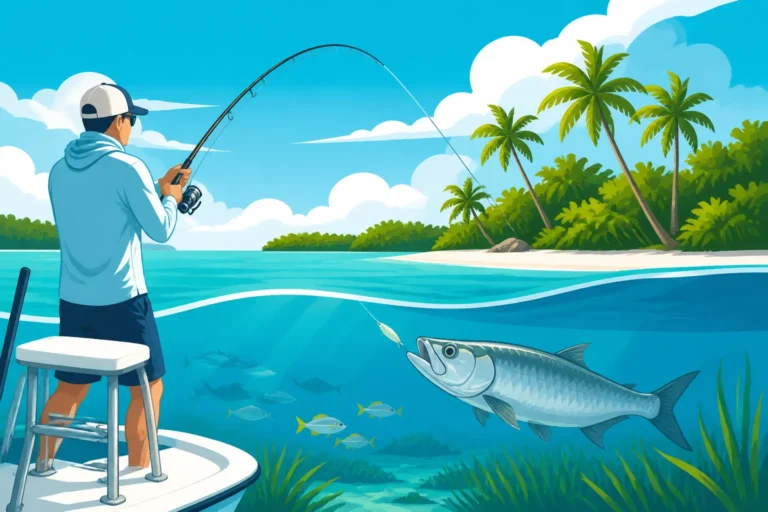
Just behind Islamorada, the extensive grass flats of Florida Bay are perhaps the most iconic fishing grounds in the Upper Keys. These vast, shallow expanses of turtle grass and sandy potholes are prime hunting grounds for the Big Three: bonefish, permit, and tarpon. The gin-clear water, often only a foot or two deep, makes sight fishing the predominant and most exciting method here. Anglers, often poling quietly on a specialized flats boat, scan the horizon for subtle signs of fish – a tailing bonefish, the tell-tale black sickle fin of a cruising permit, or the rolling silver of a tarpon. The challenge lies in making a precise, delicate cast without spooking these notoriously wary creatures.
Specific areas like the Lignumvitae Channel flats or the expansive areas west of Snake Creek are particularly well-known for their productivity. The tides play a crucial role on these flats; an incoming tide often brings in cooler, cleaner water and baitfish, spurring game fish into feeding activity. Many anglers swear by fishing the first half of the incoming tide and the last half of the outgoing tide. For those new to sight fishing or targeting specific species like the elusive permit, local knowledge is invaluable. A skilled guide can put you on fish you might otherwise never see, teaching you the nuances of presentation and reading the water. Dive deeper into these specific techniques and locations with our Best Flats Around Islamorada for Sight Fishing article, which offers advanced tips for spotting and hooking these challenging species.
Mangrove Edges and Hidden Creeks
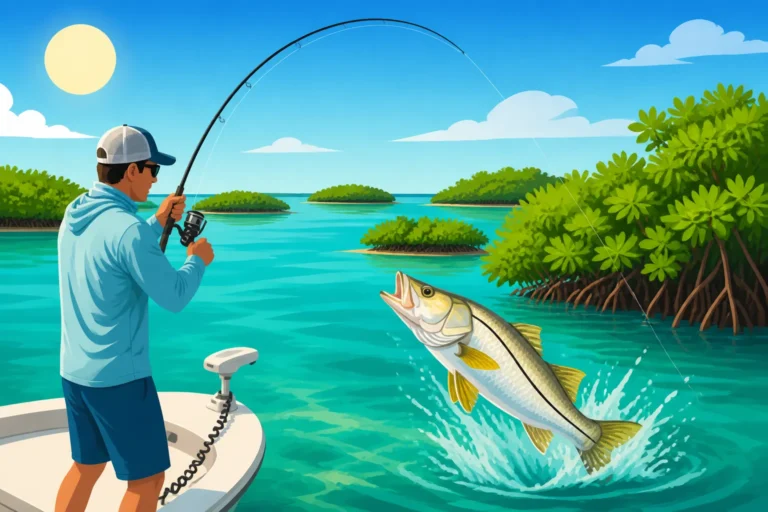
Beyond the open flats, the intricate labyrinth of mangrove shorelines and hidden creeks that dissect the islands of Islamorada offers another fantastic shallow-water fishery. These dense mangrove root systems provide vital shelter, shade, and an abundant food source for a variety of inshore species. Snook and redfish, in particular, are masters of ambushing prey from the tangled roots, making these areas prime targets for anglers skilled at accurate casting into tight spaces. The dappled sunlight under the mangroves can make spotting fish tricky, but knowing where to cast your lure or bait is half the battle.
Fishing these mangrove edges often involves working soft plastic paddle tails, shallow-diving plugs, or live shrimp along the banks. The currents through these creeks can be surprisingly strong, especially on a tide change, concentrating bait and creating excellent feeding opportunities. Anglers often find success by targeting points, fallen trees, or any structure that breaks the current. These areas are not just about snook and redfish; you might also encounter mangrove snapper, juvenile tarpon, and various species of jack. Exploring these hidden creeks and pockets can be a rewarding experience, often yielding some of the most exciting and acrobatic fights in shallow water. It truly offers a different kind of challenge and a chance to immerse yourself in the natural beauty of the Keys' coastline.
Reef, Wreck, and Offshore Adventures
While the flats fishing often gets the spotlight, Islamorada's proximity to the deep waters of the Atlantic Ocean provides world-class reef, wreck, and offshore fishing opportunities. Just a short boat ride from shore, anglers can access vibrant coral reefs, mysterious shipwrecks, and the prolific currents of the Gulf Stream, each offering a distinct challenge and a different suite of impressive game fish.
The Famous Islamorada Hump and Other Pelagic Hotspots
When it comes to offshore fishing in Islamorada, the "Islamorada Hump" is a name whispered with reverence among seasoned anglers. This isn't just a bump on the seafloor; it's an underwater mountain, rising dramatically from depths of over 1,000 feet to about 250 feet below the surface. Located roughly 12-15 miles offshore, this unique geological feature acts as a massive attractor for baitfish, which in turn draws in a spectacular array of pelagic predators. We're talking about schooling mahi-mahi (dolphin fish), powerful blackfin tuna, elusive wahoo, and even various species of billfish like sailfish and marlin.
Fishing the Hump typically involves a combination of trolling with artificial lures or rigged ballyhoo, and live baiting with pilchards or goggle-eyes. The action can be fast and furious, especially during peak seasons when migrating fish congregate. It's a place where you truly never know what might hit your line, making every strike an adrenaline-pumping surprise. Beyond the Hump, other offshore structures and temperature breaks further out in the Gulf Stream serve as additional pelagic hotspots, particularly for targeting species like swordfish on overnight drops. Understanding the currents and how they interact with these underwater features is crucial for success. For a comprehensive look at how to maximize your chances in these deep waters, check out our guide on the Best Spots to Fish the Gulf Stream From the Keys.
Patch Reefs and Deeper Reef Lines
Closer to shore, the waters off Islamorada are dotted with an extensive system of patch reefs and deeper reef lines, forming a natural underwater city for countless marine inhabitants. The patch reefs, typically found in 10-30 feet of water, are vibrant ecosystems of coral heads, sponges, and various hard bottoms. These areas are prime territory for bottom fishing, yielding delicious table fare such as mangrove snapper, yellowtail snapper, cero mackerel, and even the occasional hogfish. Anglers often anchor upcurrent and deploy chum bags to bring the fish directly to them, then fish with light tackle using live or cut bait.
As you move further offshore, the deeper reef lines in 60-120 feet of water become home to larger and more formidable bottom dwellers. This is where you'll find impressive gag grouper, red grouper, and various types of snapper, including mutton snapper and the highly sought-after red snapper (during their short, highly anticipated seasons). Fishing these deeper reefs requires heavier tackle, often using live pinfish, grunts, or large chunks of cut bait. Understanding the seasonal closures and bag limits for these species is critical for responsible angling. You can learn more about specific regulations and techniques for these delicious fish in our detailed guides like the Florida Grouper Fishing Guide and the Florida Red Snapper Fishing Guide. The sheer abundance of life on these reefs makes every drop a potential adventure, as you never know what will latch onto your hook.
Wreck Fishing for Amberjack and Other Bottom Dwellers
Scattered across the Atlantic seabed off Islamorada are numerous shipwrecks and artificial reefs, purposeful deployments that have become magnets for marine life. These sunken structures create complex habitats and ambush points, attracting a different class of fish from the natural reef lines. Wreck fishing is particularly renowned for targeting hard-fighting amberjack, often called "reef donkeys" for their powerful, stubborn fights. These fish congregate in massive schools around wrecks, often requiring heavy tackle and a strong back to bring them to the surface. Vertical jigging with large metal jigs is a popular and effective method for exciting wreck fishing action.
Beyond amberjack, wrecks can also hold large permit, particularly on sandy bottom wrecks in deeper water, as well as various species of grouper and snapper. Even some pelagic species like king mackerel and barracuda will patrol these structures, ambushing baitfish that seek refuge. The specific depth and type of wreck often dictate the species you'll find. Some wrecks are in relatively shallow water, accessible to smaller boats, while others lie in hundreds of feet of water, requiring specialized electronics and gear. For any angler seeking a challenging fight and a chance at some truly impressive fish, wreck fishing off Islamorada offers an exhilarating experience that combines historical intrigue with thrilling angling.
Convenient Shore and Bridge Fishing Locations
Not every fantastic fishing experience in Islamorada requires a boat. For those who prefer to keep their feet on solid ground or who want a more accessible option, Islamorada offers some surprisingly productive spots from its many bridges and public shorelines. These locations provide easy access to a variety of fish species, often without the need for specialized gear or extensive planning. They are perfect for a casual outing, a family fishing trip, or for anglers who simply enjoy the convenience of land-based fishing.
Fishing from Islamorada's Bridges
The bridges that connect the islands of Islamorada are far more than just transportation routes; they are thriving artificial reefs that offer incredible fishing opportunities. Iconic spans like the Channel Two Bridge and the Channel Five Bridge, with their deep channels and strong currents, are particularly popular. These structures attract a diverse range of fish, from hungry mangrove snapper and grunts to powerful snook and even migratory tarpon. The pilings and bridge foundations create complex ecosystems, providing shelter and feeding stations for baitfish, which in turn draw in larger predators. Anglers often fish with live shrimp, pinfish, or cut bait, letting the current carry their offerings under the bridge or casting parallel to the pilings.
When fishing from bridges, it's important to be mindful of boat traffic, other anglers, and of course, your own safety. Using a bridge net to land larger fish is often necessary, as pulling them straight up can be nearly impossible. Dawn and dusk, and especially during strong tide changes, are often the most productive times. While immensely rewarding, remember that some bridges might have specific regulations or restricted access, so always check local signage. For a deeper understanding of the rules and best practices when fishing from these unique structures, our Bridge Fishing License Rules in Florida guide offers essential information to ensure a smooth and legal fishing experience.
Public Piers and Shoreline Access Points
For anglers seeking an even more relaxed experience, Islamorada provides several public piers and shoreline access points where you can wet a line without the need for a boat or even navigating bridge traffic. These spots are fantastic for families, beginners, or anyone who simply wants to enjoy the Keys' ambiance while fishing. One popular spot is the small pier at Islamorada Library Park, offering easy access to the bay side, where you might catch small snapper, jacks, or even ladyfish. Another excellent option is Anne's Beach, known for its shallow, calm waters and scenic boardwalks, which provide opportunities to spot and sometimes catch smaller species. While typically not trophy grounds, these locations are perfect for consistent action and introducing kids to the joys of fishing.
Fishing from these public access points usually involves lighter tackle, often with shrimp or small pieces of cut bait. You might encounter mangrove snapper, grunt, various small baitfish, and perhaps even a curious barracuda patrolling the shallows. The convenience and accessibility are the main draws, allowing you to simply walk up, cast your line, and enjoy the beautiful surroundings. Always be respectful of other users and remember to pack out everything you pack in, keeping these precious areas pristine. For more general information on fishing from piers, including tips and expected catches, our article on the Best Piers for Fishing Without a Boat can provide valuable insights for your next shoreline adventure.
Essential Gear and Local Insight for Islamorada Fishing
Having the right gear is crucial for a successful fishing trip in Islamorada, but equally important is tapping into the wealth of local knowledge that the Keys have to offer. From choosing the correct rod and reel setup for specific species to understanding the ever-changing conditions, a little preparation and insider advice can significantly elevate your angling experience.
Recommended Tackle and Baits
Given Islamorada's incredible diversity of fishing environments, your tackle box will need to be equally versatile. For shallow-water flats fishing, a medium-light spinning rod (7-7.5 feet) paired with a 2500-3000 size reel spooled with 10-15 lb braided line and a fluorocarbon leader (20-30 lb) is a common and effective setup. This allows for long, accurate casts to wary fish. Live shrimp, pilchards, and small crabs are often the baits of choice for bonefish and permit, while artificials like soft plastic jerkbaits or small topwater plugs work wonders for snook and redfish.
For reef and wreck fishing, you'll need to step up your gear. A medium-heavy to heavy conventional or spinning rod (6.5-7 feet) with a 5000-8000 size reel spooled with 30-60 lb braided line and a heavier fluorocarbon leader (50-80 lb) is necessary to handle the larger, stronger fish found in deeper water. Live pinfish, grunts, or large chunks of cut bait like bonita or sardine are highly effective. For offshore pelagics, heavy conventional outfits with 50-80 lb class line are standard for trolling or live baiting for mahi-mahi, tuna, or billfish. Don't forget a good pair of polarized sunglasses for spotting fish, a wide-brimmed hat, and plenty of sunscreen, as the Florida sun is intense!
The Value of a Local Guide
While it's certainly possible to explore Islamorada's fishing grounds on your own, especially if you have your own boat and experience, the value of hiring a local fishing guide cannot be overstated. A skilled Islamorada guide possesses an unparalleled understanding of the local waters, including the ever-changing tides, bait movements, and secret spots that only years of experience can reveal. They know exactly where the fish are biting, what they're biting on, and the best techniques to employ for your target species. This insight is particularly critical for challenging species like tarpon, bonefish, and permit on the flats, or for navigating the complex offshore structures.
Guides also provide all the necessary gear, bait, and often the required licenses (though it's always good to double-check). This means you can show up ready to fish without worrying about tackle specifics or navigating unfamiliar waters. For first-time visitors or those looking to maximize their chances at a specific trophy, a guide is an investment in a successful and memorable trip. Platforms like FishingBooker are excellent resources for finding reputable Islamorada guides and charter captains, allowing you to read reviews, compare services, and book with confidence. To help you make the best choice for your needs, be sure to consult our How to Choose a Florida Fishing Guide and Islamorada Fishing Charter Rates guides, which offer detailed advice on what to look for and expect.
Navigating Permits and Regulations
Fishing in Florida, especially in an ecologically sensitive area like the Keys, comes with its own set of rules and regulations. Understanding and adhering to these is not just a legal requirement but also crucial for preserving the incredible fisheries that make Islamorada so special. The primary requirement for most anglers is a valid Florida fishing license. Whether you're a resident or a visitor, and whether you're fishing freshwater or saltwater, a license is generally needed unless you fall under specific exemptions. While many fishing charters will cover the license for their clients, if you're fishing independently, you'll need to purchase one.
Beyond the general license, certain species like snook, tarpon, or lobster require additional permits or have specific closed seasons and slot limits. For instance, tarpon is primarily a catch-and-release fishery, with specific rules for keeping one, and snook have distinct regional season closures. These regulations are subject to change, so it's always best to check the latest rules from the Florida Fish and Wildlife Conservation Commission (FWC) before you head out. Familiarize yourself with the Florida Fishing License Guide and the comprehensive Florida Fishing Regulations and Bag Limits to ensure you're fishing responsibly and legally. This not only protects you from fines but also contributes to the conservation efforts that keep Islamorada a premier fishing destination for generations to come.
Islamorada Fishing Hotspots at a Glance
| Fishing Spot Category | Primary Location | Target Species (Examples) | Best Fishing Method(s) | Key Considerations |
|---|---|---|---|---|
| Backcountry/Flats | Florida Bay | Bonefish, Permit, Tarpon, Redfish | Sight fishing, Fly fishing | Tides crucial, stealth required, shallow water craft |
| Mangrove Edges | Along shorelines | Snook, Redfish, Mangrove Snapper | Casting lures/bait into cover | Accurate casting, strong leader, tidal flow |
| Islamorada Hump | 12-15 miles offshore | Mahi-Mahi, Tuna, Wahoo, Sailfish | Trolling, Live baiting | Deep water, strong currents, offshore-capable boat |
| Patch Reefs | Nearshore Atlantic | Snapper, Grouper, Hogfish | Bottom fishing, Chumming | Chumming for yellowtail, understanding limits |
| Deeper Wrecks | Offshore Atlantic | Amberjack, Grouper, Permit | Jigging, Live baiting | Heavy tackle, potential for strong fights |
| Bridges | Channel 2, Channel 5 | Snook, Tarpon, Snapper, Jacks | Live bait, Lures, Current flow | Bridge net, safety, current strength |
| Public Piers | Islamorada Library Park | Snapper, Jacks, Baitfish | Light tackle, Live shrimp | Easy access, family-friendly, smaller fish typically |
Disclaimer
Fishing conditions, regulations, and access can change rapidly. Always consult the latest Florida Fish and Wildlife Conservation Commission (FWC) guidelines and local authorities before your trip. This guide is for informational purposes only and does not constitute professional advice. Enjoy your time on the water, and fish responsibly!