Marathon Florida Fishing Spots
Trying to figure out where to cast your line in Marathon, Florida, can feel a bit overwhelming, especially with so many incredible options vying for your attention. It's easy to get lost in the sheer volume of choices, from the vast expanse of the open ocean to the intricate maze of the backcountry. This comprehensive guide will break down the absolute best fishing spots in Marathon, offering detailed insights for every type of angler, from those seeking the thrill of offshore battles to the quiet serenity of backcountry flats, helping you make the most of your time on the water.
Marathon's Legendary Offshore Fishing Grounds
When people dream of fishing in the Florida Keys, often it's the image of a screaming reel and a bent rod on the open ocean that comes to mind. Marathon's location in the Middle Keys offers unparalleled access to some of the most productive offshore waters in the world. The Gulf Stream, a powerful current teeming with bait and pelagic predators, is often just a short run away, making it a prime target for serious anglers. But it’s not just about the big blue; there are also incredible deep-water structures closer to shore that hold an abundance of delicious bottom fish.
Beyond the Reef: Targeting Pelagic Species
Once you venture past the vibrant coral reefs surrounding Marathon, you enter the realm of pelagic species—those incredible fish that roam the open ocean. This is where you'll find the true gladiators of the sea. Anglers often target spots like the Marathon Hump, an underwater seamount that rises dramatically from the seafloor, creating an upwelling of nutrients that attracts a full food chain. Here, you might hook into a majestic mahi-mahi (also known as dolphin fish), a powerful wahoo, or even an acrobatic sailfish. The excitement of offshore trolling with a spread of baits and lures, watching for that telltale strike, is an experience that truly gets your heart pounding.
Beyond the Hump, other offshore structures and temperature breaks can concentrate baitfish and, consequently, their predators. Many captains rely on their local knowledge and advanced sonar to locate these subtle indicators. When planning a trip, considering the Florida Fishing Seasons Explained is crucial, as different pelagic species have their peak times. For instance, the spring and summer months typically bring in a consistent mahi-mahi bite, while sailfish can be found year-round but are often more prevalent during the cooler winter months. Knowing what to expect allows you to tailor your gear and techniques for the best chance at success, whether you're looking for a trophy or just a fantastic fight.
Deep Dropping for Bottom Dwellers
While the thrill of pelagic fishing is undeniable, there’s also a unique satisfaction in deep dropping for the denizens of the deep. Marathon's offshore waters boast depths that quickly plunge to hundreds of feet, revealing an entirely different ecosystem. Here, you can target species like snowy grouper, golden tilefish, and various types of snapper that inhabit the rocky ledges and deep-water canyons. This technique often involves specialized electric reels and heavy lead weights to get baits down to where these fish reside, sometimes as deep as 1,000 feet.
The challenge of deep dropping lies not just in the gear, but in accurately pinpointing these deep-water structures. Local knowledge or a knowledgeable guide found through services like FishingBooker can be invaluable, as they know the subtle contours and hidden spots that hold fish. These deep-water species are often incredibly tasty, making them highly sought after for the dinner table. When you're successful, reeling in a prized grouper from the depths is a rewarding physical effort, and the bounty you bring back is often the highlight of the meal. Remember, specific regulations apply to these species, so be sure to check the Florida Grouper Season Guide and other relevant bag limits before you head out.
Exploring the Rich Inshore and Flats of Marathon
Stepping away from the blue waters of the Gulf Stream, Marathon's inshore and flats fishing offers a completely different, yet equally exhilarating, experience. This is a world of crystal-clear shallow waters, intricate mangrove shorelines, and vast seagrass beds, all teeming with life. For many anglers, the challenge and reward of stalking elusive game fish in these skinny waters is the ultimate pursuit. It requires a keen eye, stealth, and precise casting, but the payoff can be truly unforgettable.
Navigating the Backcountry for Tarpon and Snook
Marathon's backcountry is a labyrinth of mangrove islands, tidal creeks, and protected channels that stretches towards Florida Bay. This intricate ecosystem provides shelter and feeding grounds for some of the most iconic inshore species, especially the "silver king," tarpon, and the elusive snook. During the spring and summer, the backcountry lights up with tarpon as they migrate through the Keys, offering incredible sight-fishing opportunities. Poling quietly through shallow channels, spotting a massive tarpon rolling on the surface, and making a perfect cast with a live crab or fly is the stuff of legends. Be sure to check the Florida Tarpon Fishing Season Guide for optimal times and regulations.
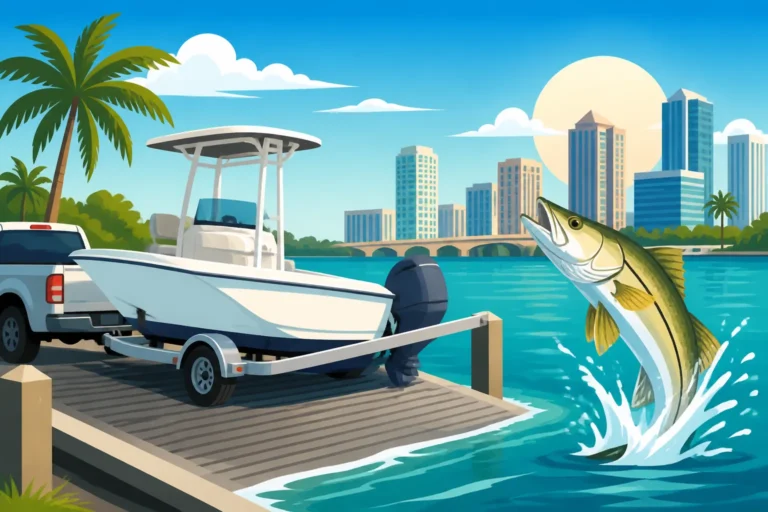
Snook, known for their powerful strikes and acrobatic jumps, are another prime target in these mangrove-lined waters. They often hide in ambush points, waiting for baitfish to swim by. Fishing around the intricate root systems of the mangroves during an outgoing tide, when bait is flushed out, can be incredibly productive. Light tackle and accurate casting with artificial lures or live pilchards are key to enticing these wary predators. Many anglers find the intense focus required for backcountry fishing incredibly meditative, a true escape into nature. Knowing Florida Snook Fishing Guide details like their habits and preferred habitats will significantly increase your chances of success in these beautiful, wild areas.
The Pristine Flats: Hunting Bonefish and Permit
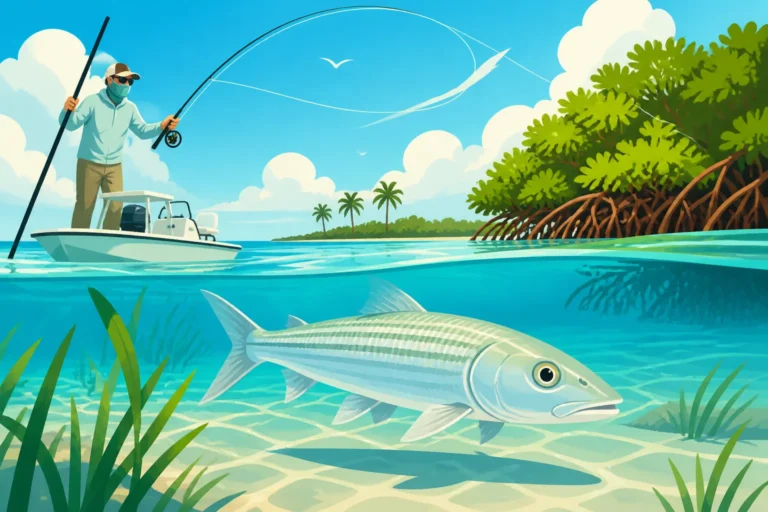
Just outside the mangrove edges, the vast, sun-drenched flats of Marathon stretch out, offering a world-class playground for sight-fishing enthusiasts. These shallow, clear waters are home to two of the most revered shallow-water game fish: bonefish and permit. Known for their incredible speed and elusive nature, catching either a bonefish or a permit on the flats is considered a pinnacle achievement for many anglers. It's a highly visual form of fishing where you, often with a skilled guide, spend hours scanning the water for the subtle signs of cruising fish – a tail waving in the air, a shadow moving over the grass, or a nervous school of bait.
Stalking bonefish typically involves a quiet approach, often poling a shallow-draft skiff, and making long, delicate casts with small jigs, flies, or pieces of shrimp to intercept the fish's path. These "ghosts of the flats" are incredibly wary, and a heavy cast or sudden movement can send them fleeing in a flash. Permit fishing is often considered even more challenging, as these intelligent fish are notoriously picky eaters. They frequent deeper edges of the flats, sometimes around wrecks or deeper channels, and are targeted with small crabs or specific flies. For those interested in mastering this art, exploring resources like the Florida Bonefish Fishing Guide and Florida Permit Fishing Guide can provide invaluable insights into their behavior and the best techniques. The pure satisfaction of outsmarting one of these magnificent fish in their natural element is an experience that lingers long after the fight is over.
Productive Bridge and Pier Fishing in Marathon
One of the unique charms of fishing in Marathon, especially for those without a boat or looking for easy access, is the incredible opportunity presented by its bridges and piers. The iconic Seven Mile Bridge, in particular, isn't just a marvel of engineering; it's a superhighway for fish and a hotspot for anglers. These structures create ideal habitats, offering shelter, ambush points, and attracting baitfish, making them productive spots year-round. It's an accessible way to experience the thrill of Keys fishing without needing a guide or charter boat, perfect for a casual outing or a serious land-based assault.
Fishing the Iconic Seven Mile Bridge
The original Seven Mile Bridge, now repurposed for pedestrian and cycling use in parts, and the modern bridge running alongside it, are magnets for a vast array of species. The sheer volume of structure, combined with strong tidal currents, creates an ecosystem where fish thrive. Underneath and around the bridge pilings, you'll find everything from mangrove snapper and sheepshead to barracuda and even large tarpon, particularly during their spring migration. Many anglers access the fishing opportunities from the sections of the old bridge that are open to the public, or from boat underneath the new bridge.
Fishing the bridge requires understanding the tides, as the currents can be incredibly strong. An incoming or outgoing tide often brings bait and actively feeding fish. Live shrimp, pilchards, or cut bait are excellent choices for bottom fishing around the pilings, while artificial jigs can tempt predatory fish lurking in the shadows. For a truly unforgettable experience, try night fishing under the bridge lights, which attract massive schools of baitfish and, consequently, large predators like snook and tarpon. Just remember to be mindful of your surroundings, as this can be a busy area. Many local tackle shops, like those you might find recommendations for on FishingBooker, can offer current advice on the hottest spots and best baits for the bridge.
Other Accessible Shoreline Spots
While the Seven Mile Bridge is a standout, Marathon offers several other accessible shoreline fishing spots that don't require a boat. Public piers, seawalls, and designated fishing areas provide fantastic opportunities for anglers of all skill levels. For example, the Sombrero Beach Pier, located on the Atlantic side, offers excellent access to deeper waters where you might catch mackerel, snapper, or even small sharks. It's a family-friendly spot, perfect for setting up a few rods and enjoying the beautiful Marathon scenery.
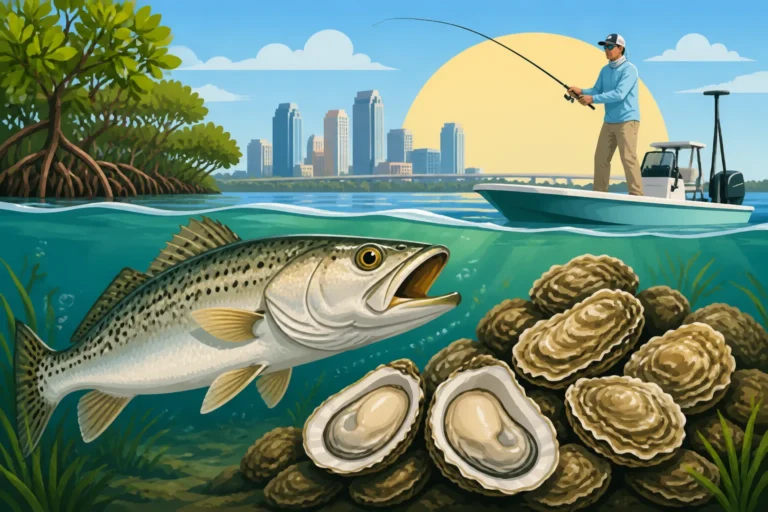
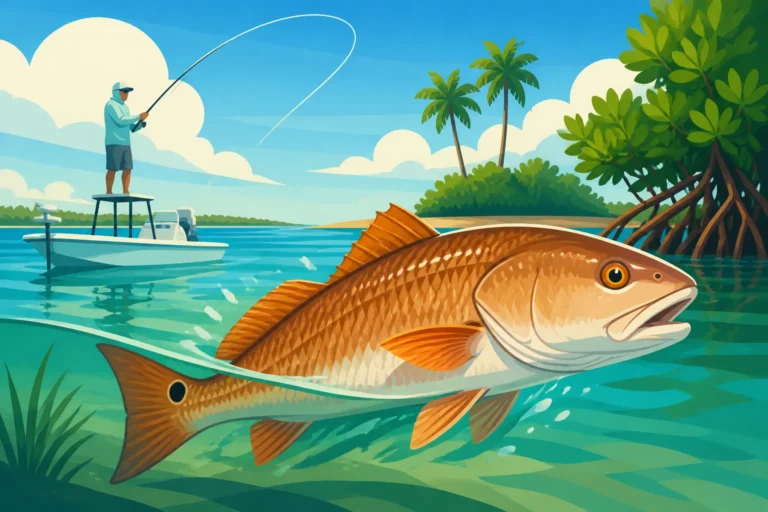
Another great option is fishing from the shorelines around various public parks or the causeways that connect the smaller islands. These areas often provide access to grass flats and channels where you can target speckled trout, redfish, and smaller snappers. The key is to look for areas with good water flow, structure like rocks or docks, and signs of baitfish. A simple setup with a spinning rod, some live shrimp or artificial lures, and a keen eye for fish activity can lead to a very productive day. Always be aware of any posted fishing regulations or restricted areas, and remember that a Florida Saltwater Fishing License Rules applies unless you fall under specific exemptions like fishing from a licensed pier.
Diving into Marathon's Wreck and Reef Fishing Opportunities
Marathon's proximity to both the Atlantic Ocean and the Gulf of Mexico means a treasure trove of wrecks and reefs are within easy reach. These underwater structures, both natural and artificial, serve as vital ecosystems, attracting a diverse range of marine life from tiny baitfish to massive predators. For anglers, they represent consistent fishing grounds where a variety of species can be targeted, often providing a thrilling mix of action and delicious table fare.
Natural Reefs and Artificial Habitats
Just a few miles offshore on the Atlantic side, Marathon boasts a vibrant natural reef system, part of the Florida Reef Tract. These living coral reefs are teeming with colorful fish and provide habitat for snapper (like mangrove and mutton snapper), grouper (including gag and red grouper), hogfish, and various schooling fish. Fishing on the natural reefs often involves anchoring up-current from the structure and deploying baits, either on the bottom or suspended in the water column, to attract fish out of their hiding spots. The clarity of the water on these reefs can be stunning, making it a beautiful place to spend a day on the water, even if the fish are playing hard to get.
In addition to the natural wonders, Florida has an active artificial reef program, and Marathon benefits from several purpose-sunk structures. These include old barges, concrete culverts, and even retired military equipment that have been strategically placed to create new habitats. The most famous artificial reef near Marathon is the Thunderbolt Wreck, a 188-foot ship sunk in 1986. These artificial reefs quickly become colonized by marine life, attracting large schools of baitfish, which in turn draw in larger predatory species like amberjack, permit, and goliath grouper. Understanding the different species that inhabit these various structures will inform your choice of bait and tackle, giving you a better chance to land your desired catch.
Targeting Specific Wreck Species
Each wreck and reef in the Marathon area has its own unique character and tends to attract specific types of fish, depending on its depth, structure, and location relative to currents. For instance, deeper wrecks further offshore are often prime locations for amberjack, a powerful fighting fish known for its relentless runs. Jigging with heavy metal jigs or live baits like pinfish or blue runners directly over the wreck can provoke aggressive strikes from these bruisers. A full-day Florida Offshore Fishing Charter Guide can take you to these more remote wrecks.
Closer in, shallower wrecks and reefs provide excellent opportunities for a variety of snapper and grouper species. You might find large schools of mangrove snapper around the perimeter of a wreck, while gag grouper might be lurking closer to the structure itself. Hogfish, a delicious and highly prized bottom fish, are often found pecking around rocky areas and small wrecks, and are frequently targeted with light tackle and live shrimp or fiddler crabs. When booking a trip through a platform like FishingBooker, you can often specify the type of fishing you're interested in, ensuring your captain takes you to the spots best suited for your target species and preferred techniques. Always adhere to the Florida Fishing Regulations and Bag Limits to ensure sustainable fishing practices.
Unique Freshwater Fishing Experiences Near Marathon
When most people think of Marathon and the Florida Keys, visions of sparkling blue saltwater, vast oceans, and stunning coral reefs immediately come to mind. And for good reason – the saltwater fishing here is truly world-class. However, for those who might prefer the tranquility of freshwater or are looking for a different angling challenge, the options directly within the Middle Keys are extremely limited. It’s important to understand this distinction before planning your trip, so you’re not left searching for a non-existent bass pond.
Understanding Freshwater Limitations in the Middle Keys
Marathon and the surrounding Keys are essentially coral islands, a long chain of limestone formations surrounded by saltwater. This geographical reality means there are no natural freshwater lakes, rivers, or large ponds directly on the islands themselves. The freshwater lens that exists beneath some of the larger Keys is typically brackish or too small and inaccessible for recreational fishing. Therefore, if your heart is set on catching largemouth bass, crappie, or bluegill, you'll need to adjust your expectations for the immediate Marathon area.
This doesn't mean Florida doesn't have incredible freshwater fishing – quite the opposite! Places like Lake Okeechobee, the St. Johns River, and countless other lakes and canals in mainland Florida offer phenomenal opportunities. But for a trip specifically to Marathon, you'll be immersed in saltwater angling. It's a common misconception for visitors, so managing expectations early can help prevent disappointment. Instead, embrace the fantastic saltwater opportunities, from offshore adventures to inshore flats, and explore the incredibly diverse marine life the Keys are famous for.
Alternative Freshwater Destinations and Species
If you find yourself in Marathon but still have a hankering for some freshwater action, your best bet is to plan a day trip or an extended stay on the Florida mainland. The closest significant freshwater fishing opportunities would be found as you head north towards Miami or west into the Everglades. For example, the urban canals of South Florida, particularly around Miami and Fort Lauderdale, are renowned for their incredible peacock bass fishing. These vibrant, hard-fighting fish are an introduced species that thrive in the warm, clear waters of the canal systems, offering a unique and exciting freshwater challenge.
Alternatively, a trip into the Everglades, while primarily known for its brackish water fishing for snook and tarpon in certain areas, also has freshwater sections where you can target largemouth bass and various panfish. These locations require a significant drive from Marathon, typically 2-3 hours or more, depending on your exact destination. So, while Marathon itself doesn't offer freshwater fishing, Florida's mainland certainly makes up for it. If you're passionate about freshwater species, it's worth allocating specific time in a different part of the state to fulfill that angling desire. And remember, even for freshwater, you'll likely need to secure a Florida Freshwater Fishing License Rules from the Florida Fish and Wildlife Conservation Commission (FWC).
Planning Your Marathon Fishing Adventure
Marathon, Florida, is truly a fishing paradise, offering an unparalleled diversity of angling experiences. From the adrenaline-pumping offshore battles with pelagic giants to the subtle art of sight-fishing on the flats, there's something for everyone. Planning your trip wisely, understanding the local conditions, and knowing where to go can make all the difference between a good trip and an unforgettable one.
Choosing Between Guided Charters and DIY Fishing
One of the biggest decisions you'll face when fishing in Marathon is whether to hire a professional guide or venture out on your own. Both options have their merits. Hiring a guide, especially through a reputable service like FishingBooker, offers immense advantages. Local captains possess an intimate knowledge of the waters, the best fishing spots, current patterns, and the right techniques and bait for the conditions. They provide all the necessary gear, bait, and often handle the Florida Fishing License Requirements for Boat Captains, meaning you don't need to purchase your own license for the day (though it's always good to confirm). This option is ideal for beginners, those looking to maximize their chances of success, or anglers targeting specific, hard-to-find species. While Marathon Florida Fishing Charter Rates can seem like an investment, the expertise and experience often lead to a much more productive and enjoyable day.
| Fishing Option | Target Species | Experience Level | Cost (Estimate) | Pros | Cons |
|---|---|---|---|---|---|
| Offshore Charter | Mahi-mahi, Tuna, Sailfish, Grouper, Snapper | All | $$$$ | Access to remote spots, expert guidance, specialized gear | Higher cost, can be weather-dependent |
| Inshore/Flats Guide | Tarpon, Snook, Bonefish, Permit, Redfish | Intermediate-Expert | $$$$ | Local knowledge of shallow waters, sight fishing techniques | Requires patience, can be physically demanding |
| Bridge/Pier Fishing | Snapper, Mackerel, Tarpon, Barracuda | Beginner-Intermediate | $ | Highly accessible, low cost, no boat needed | Can be crowded, limited mobility |
| DIY Boat Rental | Redfish, Trout, Snapper | Intermediate-Expert | $$ | Flexibility, explore at your own pace | Requires navigation skills, own gear/bait |
For the more adventurous or budget-conscious angler, DIY fishing from a rental boat or public access points can be incredibly rewarding. Marathon has several marinas and boat rental companies that offer vessels suitable for navigating the shallow backcountry or nearshore waters. This option requires you to bring your own gear, bait, and have a good understanding of navigation and local regulations. It's a fantastic way to explore at your own pace and discover your own secret spots. Just make sure you understand the local channels and shallow areas to avoid running aground, and always carry appropriate safety equipment. Regardless of your choice, knowing What to Bring on a Florida Fishing Charter or a personal boat trip, such as polarized sunglasses, sunscreen, and plenty of water, is essential for a comfortable and successful day.
Essential Gear and Local Regulations
No matter where you cast your line in Marathon, having the right gear is crucial. For inshore and flats fishing, light to medium spinning tackle is generally preferred, spooled with 10-20 lb braided line and a fluorocarbon leader. A good selection of artificial lures, including soft plastics, topwater plugs, and jigs, alongside live bait options like shrimp, pilchards, or crabs, will cover most situations. For offshore endeavors, heavier conventional or spinning setups with 30-80 lb line are common, designed to handle larger game fish and deeper depths. Don't forget an array of terminal tackle, including hooks, weights, and swivels.
Beyond the tackle, understanding and adhering to Florida's fishing regulations is paramount. The Florida Fish and Wildlife Conservation Commission (FWC) sets strict rules regarding fishing licenses, bag limits, size limits, and closed seasons for various species. It’s your responsibility as an angler to be familiar with these rules before you hit the water. For example, some species like snook and certain grouper have specific closed seasons to protect spawning populations. You can find comprehensive information on the FWC website or pick up a regulation booklet from most bait and tackle shops. Remember that different rules apply to federal waters versus state waters, and some species may require special permits, such as a Florida Snook Permit Requirements. Always be sure to clarify whether you need a Florida Fishing License Guide and if there are any Florida Fishing License Exemptions that apply to your situation, especially if you're a visitor or senior. A quick check will save you from potential fines and ensures you're contributing to sustainable fishing practices for future generations.
Disclaimer
The information provided in this guide is for general informational purposes only and is subject to change. Fishing regulations, seasons, and local conditions can vary. Always consult the latest rules and advisories from the Florida Fish and Wildlife Conservation Commission (FWC) and local authorities before engaging in any fishing activities. Fishing carries inherent risks, and safety precautions should always be observed.