Best Oyster Beds in Tampa Bay for Trout
Finding those truly productive fishing spots in Florida can feel like searching for a needle in a haystack, especially when you're targeting elusive, yet abundant, spotted seatrout in a vast estuary like Tampa Bay. Many anglers find themselves wondering where the best places are to consistently hook into these beautiful fish. This guide is here to unravel that mystery, focusing specifically on the thriving oyster beds within Tampa Bay, which are absolute magnets for trout, and detailing exactly how you can find and successfully fish them.
Understanding Why Trout Love Oyster Beds
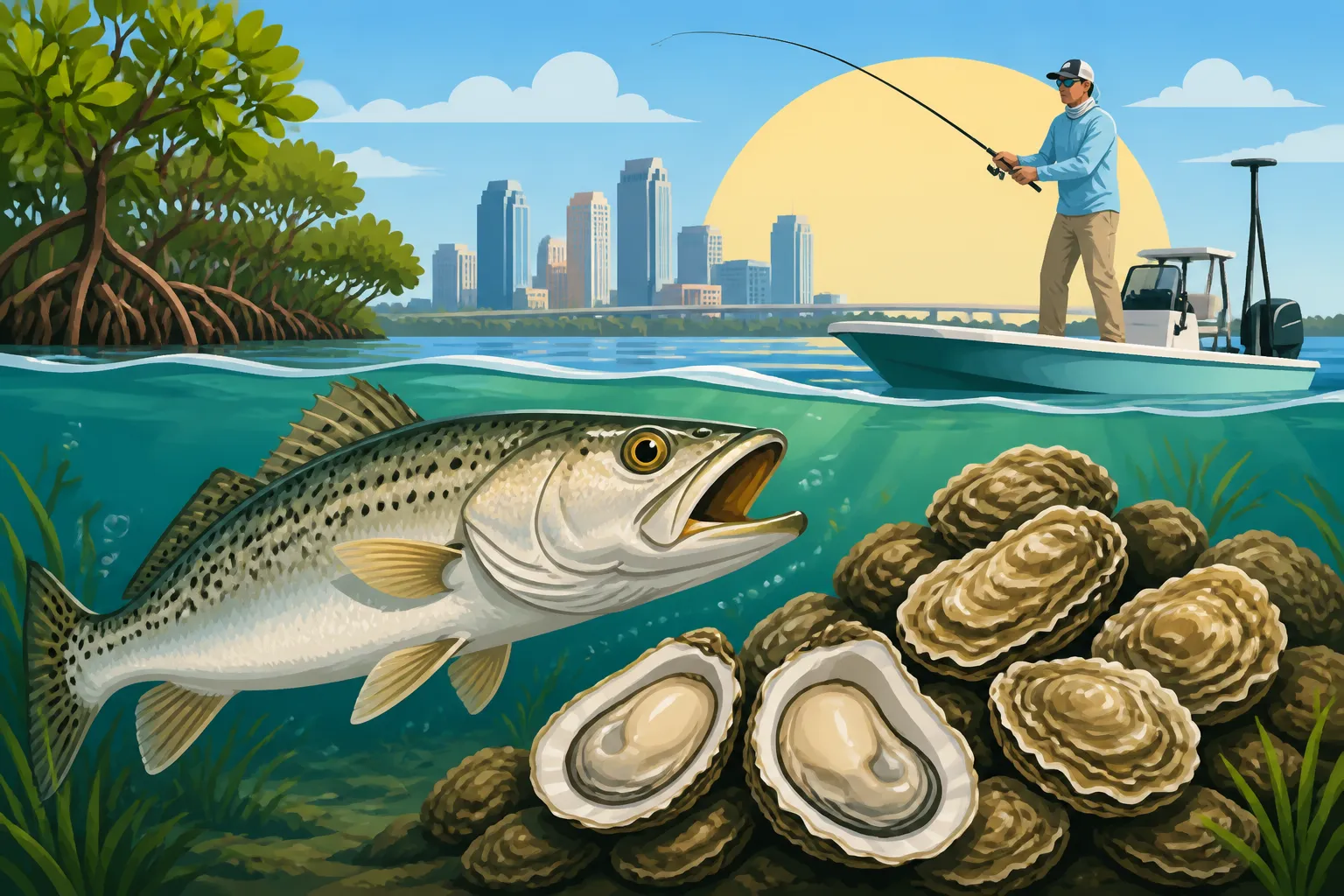
Oyster beds aren't just fascinating marine structures; they're bustling underwater cities teeming with life, and trout absolutely know it. These natural formations are some of the most productive habitats you can find in Florida's inshore waters, creating an irresistible environment for spotted seatrout to feed, hide, and ambush prey.
The Ecological Niche of Oyster Beds
Think of an oyster bed as a living reef, a vibrant apartment complex for countless marine creatures. The oysters themselves filter vast amounts of water, helping to maintain the water quality in the surrounding areas, which is crucial for a healthy ecosystem. As they grow and attach to each other, they create a complex, three-dimensional structure that dramatically increases the surface area available for other organisms to live on and in.
This intricate structure becomes a perfect home for a wide variety of smaller baitfish like scaled sardines, pilchards, and mullet, as well as crustaceans such as shrimp and small crabs. These creatures find both refuge from larger predators and a rich food source among the oysters. Spotted seatrout, being opportunistic feeders, quickly learn that these oyster beds are prime dining locations. They instinctively know that where there's an abundance of bait, there's an easy meal. The presence of these foundational species creates a consistent food chain, attracting trout to the area day after day.
How Oyster Beds Provide Shelter and Ambush Points
Beyond simply attracting food, the jagged, irregular surfaces of oyster beds offer invaluable shelter. For smaller fish and invertebrates, the crevices and overhangs provide places to hide from the ever-present threat of larger predators. They can dart into these protected zones when danger looms, making the oyster bed a safe haven.
However, this shelter isn't just for the prey; it's also a tactical advantage for the predators. The complex structure breaks up current flow, creating eddies and calm spots where trout can sit comfortably, conserving energy while waiting for an unsuspecting meal to drift by. These current breaks are also fantastic delivery systems, bringing food particles and small baitfish directly into the trout's strike zone. From these strategic ambush points within or just on the edges of the oyster beds, spotted seatrout can quickly dart out, snatch their prey, and retreat back into the safety of the structure. It’s a perfect hunting ground, offering both concealment and an endless buffet, making oyster beds an essential target for any angler hoping to catch more trout.
Top Oyster Bed Fishing Zones in Tampa Bay for Spotted Seatrout
Tampa Bay is a massive and diverse estuary, offering a multitude of environments for spotted seatrout. While oyster beds are scattered throughout, certain areas are renowned for their consistent productivity, often due to a combination of ideal conditions and extensive oyster formations. Knowing where to focus your efforts can significantly improve your chances of a successful trout outing.
Central Tampa Bay's Productive Flats
When it comes to central Tampa Bay, areas around St. Petersburg and the vast flats leading up to Weedon Island Preserve are legendary for their healthy oyster beds and robust trout populations. The waters here are often clear, especially on higher tides, allowing you to sometimes spot the darker patches of oyster rock just beneath the surface. These beds are typically found interspersed with lush seagrass flats, creating a dynamic habitat that trout absolutely love. Look for areas where the seagrass transitions into exposed oyster shell or where small, broken oyster patches are scattered across a sand or mud bottom.
Popular spots often include the numerous islands and mangrove shorelines that dot the central bay. Fishing the edges of these beds, particularly where there's a slight drop-off or a channel, can be incredibly productive. Trout will often stage on the deeper side, waiting to ambush baitfish pushed over the beds by the current. Early mornings and late afternoons, especially during an incoming or outgoing tide, are prime times. Using topwater lures during low light or soft plastic jigs bounced along the bottom can yield excellent results here. For those looking to explore with a seasoned professional, using a platform like FishingBooker can connect you with local guides who have spent years navigating these specific, productive waters.
Southern Tampa Bay's Estuarine Gems
Heading south into regions like Terra Ceia Bay and Bishop Harbor, you'll encounter extensive estuarine systems that are rich in oyster beds. These areas often have more pronounced freshwater influence from rivers like the Manatee, leading to slightly different water conditions but equally vibrant oyster habitats. The oyster beds here can be vast and dense, forming large clusters that provide incredible structure for trout and their prey.
In these southern pockets of Tampa Bay, the tidal flow plays an even more critical role. The strong currents can push vast schools of baitfish over and around these large oyster formations, triggering aggressive feeding from trout. During cooler months, these areas can hold impressive numbers of larger spotted seatrout, often referred to as "gator trout." Focusing on the deeper channels and cuts adjacent to the largest oyster bars, especially on a falling tide, can be highly effective. Live shrimp or a Gulp! shrimp on a light jig head are often irresistible to the trout in these spots. If you're wondering about the best time to target these larger fish, exploring guides on Best Time to Fish Tampa Bay for Big Trout can give you an edge. Many skilled captains found through FishingBooker specialize in unlocking the secrets of these southern bay strongholds.
Northern Reaches and River Mouths
While the southern and central parts of Tampa Bay often get the most attention for oyster beds, the northern reaches and areas around river mouths like the Little Manatee River and Alafia River also offer unique opportunities. Here, the oyster beds might be less expansive but are often found in critical transition zones where brackish water meets the more saline bay waters. These areas are ecological hotbeds, supporting a diverse array of baitfish that thrive in fluctuating salinities.
Trout in these northern river-influenced zones tend to congregate heavily around oyster beds during specific tidal phases, particularly when the salinity is favorable for their feeding patterns. The darker, nutrient-rich waters can make for excellent fishing, though it might require a different approach than the clear flats. Look for oyster clusters near creek mouths, along submerged points, or where the river channels meet the main bay. Fishing artificial lures with strong profiles or scent, or even live finger mullet, can be very effective in these slightly murkier waters. Remember that regulations can vary slightly, so it's always wise to consult a Florida Fishing License Guide to ensure you're compliant.
Techniques and Tactics for Targeting Trout on Oyster Beds
Fishing over oyster beds requires a blend of finesse, understanding of trout behavior, and careful attention to your gear. The sharp, abrasive nature of oysters means that gear choices and presentation are crucial to both success and preventing frustrating break-offs.
Essential Gear and Bait Selection
When targeting spotted seatrout over oyster beds, a balanced and sensitive setup is key. I typically recommend a medium-light to medium power spinning rod, around 7 feet in length, paired with a 2500 or 3000 series spinning reel. Spooling it with 10-15 lb braided line is ideal, as it offers superior casting distance, sensitivity, and strength, which is vital when a trout tries to dart back into the oyster shells. A fluorocarbon leader of 20-30 lb test is a must – it's practically invisible underwater and offers excellent abrasion resistance against those sharp shells. You can learn more about specific setups in a guide like Best Rod and Reel Setup for Florida Inshore Fishing.
For baits, live shrimp are almost always a universal trout killer. They're a natural food source and irresistible when presented correctly. You can rig them with a small jig head (1/8 to 1/4 ounce, depending on depth and current) or under a popping cork. Pinfish and scaled sardines (also known as whitebait) are also fantastic live bait options, especially for larger trout.
If you prefer artificials, soft plastic paddle tail or jerk baits, like those from Z-Man or Gulp!, rigged on a jig head are incredibly effective. Bounce them slowly along the bottom, mimicking a struggling baitfish or shrimp. Topwater plugs, especially during low light conditions or when trout are actively busting bait on the surface, can create exhilarating strikes. Work them with a "walk-the-dog" retrieve over the shallower parts of the oyster beds.
Approaching and Fishing Oyster Beds Effectively
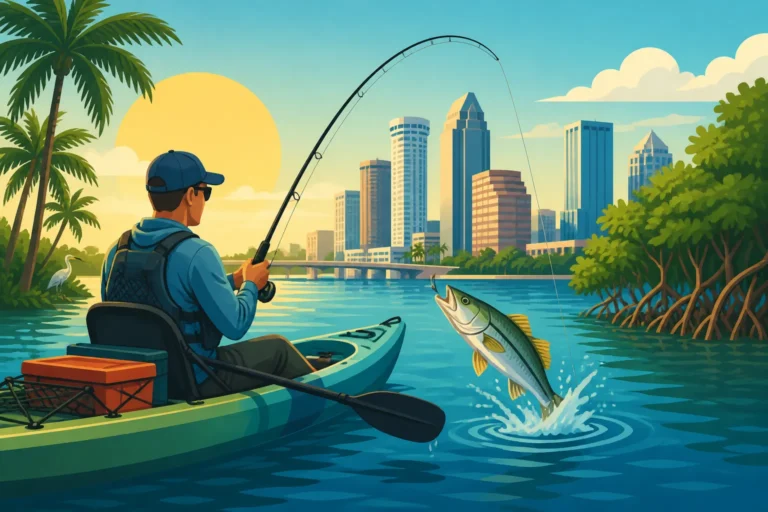
Stealth is your best friend when approaching oyster beds. Trout are highly sensitive to sudden noises and vibrations. If you're in a boat, use your trolling motor sparingly and approach upwind or upcurrent to drift silently over the desired area. For kayak anglers, paddling quietly and making long casts is the way to go. If you’re considering kayaking these productive zones, check out Best Spots to Fish From a Kayak in Florida for more insights.
Once you're in position, cast your bait or lure beyond the oyster bed and work it back slowly, allowing it to bump gently along the edges or over the tops of the oysters. The key is to stay in contact with the bottom without getting constantly snagged. When using soft plastics, a slow, methodical retrieve with pauses can entice a strike. For live bait, allow the shrimp or baitfish to swim naturally near the structure. Pay close attention to your line for any subtle taps or changes in tension, as trout bites can sometimes be very light. Understanding how to rig your live bait, for instance, learning How to Rig a Live Shrimp for Trout, can make a significant difference.
Tides play a crucial role in fishing oyster beds. Trout often feed most actively during moving tides (incoming or outgoing) as the current washes bait over and through the oyster formations. Slack tide can sometimes be slower, but it's worth experimenting. For deeper dives into understanding tidal movements, guides like Best Tides for Inshore Fishing in Florida offer invaluable information.
Navigating and Protecting Oyster Bed Habitats
Oyster beds are vital to the health of Tampa Bay, acting as natural filters and critical nurseries for many species. It's incredibly important to navigate these areas with care to avoid damaging them. Prop scarring from boat motors can destroy years of oyster growth in minutes. Always be aware of your depth, trim your motor up in shallow water, and consider using a push pole or trolling motor to navigate over very shallow beds.
Practicing good conservation habits is also paramount. Many trout caught over oyster beds are healthy, robust fish that contribute to the fishery. While tempting to keep a full limit, consider practicing catch and release, especially for larger breeding-size trout. Be gentle when handling fish, use de-hooking tools, and minimize their time out of the water. For more information on responsible angling, refer to Florida Fishing Regulations and Bag Limits and Spotted Seatrout Size and Bag Limits to ensure you're up to date on current rules. Knowing How Many Trout Can You Keep in Florida? is essential for ethical and legal fishing. The continued health of these oyster bed ecosystems depends on all of us doing our part. FishingBooker, for instance, often highlights guides who are committed to sustainable fishing practices, further emphasizing the importance of protecting these habitats.
| Oyster Bed Zone | Key Characteristics | Best Tidal Stage | Recommended Baits/Lures | Primary Advantages |
|---|---|---|---|---|
| Central Tampa Bay | Interspersed with seagrass, near islands & mangroves, often clear water | Incoming/Outgoing | Soft Plastics, Topwaters, Live Shrimp | Consistent action, good for sight fishing |
| Southern Tampa Bay | Large, dense formations, stronger currents, freshwater influence possible | Falling/Incoming (strong) | Live Shrimp, Pinfish, Gulp! Shrimp | Potential for "gator" trout, productive year-round |
| Northern River Mouths | Smaller, isolated beds, fluctuating salinity, murkier water, near creek mouths | Moving Tides | Scented Soft Plastics, Live Mullet | Unique challenges, can hold surprising numbers of fish |
Disclaimer
The information provided in this guide is for general informational purposes only. Fishing regulations, seasons, and bag limits in Florida are subject to change by the Florida Fish and Wildlife Conservation Commission (FWC). Always consult the latest FWC regulations before heading out on the water. Fishing conditions can vary widely based on weather, tides, and other environmental factors.