Fishing the J&S Canal on Lake Okeechobee
Navigating the vast expanse of Lake Okeechobee can feel overwhelming, especially for anglers looking for those reliable, productive spots that consistently yield good fishing. It’s easy to get lost in the sheer size of the "Big O," but knowing specific, well-defined areas like the J&S Canal can dramatically increase your chances of success. This guide will walk you through everything you need to know to effectively fish the J&S Canal, from understanding its unique features to mastering the best techniques and finding the prime fishing seasons.
Understanding the J&S Canal: A Vital Artery of Lake Okeechobee
The J&S Canal isn't just another ditch; it's a critical man-made waterway that plays a significant role in the hydrology and fisheries of Lake Okeechobee. Connecting the lake to surrounding agricultural areas and ultimately draining into the St. Lucie River estuary, this canal acts as both a conduit and a fantastic fishing habitat. Its unique characteristics make it a prime target for a variety of species, offering a different kind of challenge and reward compared to fishing the open lake.
What Makes the J&S Canal Unique?
The J&S Canal stands out because of its distinct environment. Unlike the sprawling, often shallow flats of Lake Okeechobee, the canal offers deeper, more stable water conditions. This depth provides a crucial refuge for fish, especially during periods of extreme weather, such as intense heat or sudden cold fronts. Fish will often retreat to these deeper, more temperature-stable waters when conditions on the main lake become uncomfortable or unproductive.
Furthermore, the canal features a consistent current, dictated by water management operations. This flow brings nutrients and baitfish through the system, creating a conveyor belt of food that attracts predatory fish. The banks of the canal are often lined with thick vegetation, like cattails and hydrilla, which provide excellent ambush points for bass, crappie, and other species. These structural elements, combined with the deeper water and current, create a complex and vibrant ecosystem that is rich in fishing opportunities.
Key Features and Access Points
The J&S Canal stretches for miles, offering numerous promising sections. One of the most common access points for anglers looking to explore this area is the J&S Fish Camp, located near Port Mayaca. This spot offers amenities for anglers, including a boat ramp, making it a convenient launch point. Another popular access point is the Port Mayaca Lock and Dam area, which is part of the Okeechobee Waterway. The flow of water through the lock can create eddies and current breaks that are magnets for baitfish and the predators that chase them.
Throughout its length, the canal is characterized by submerged structures, culverts, and bridge pilings from numerous road crossings. These man-made structures provide additional cover and current breaks, creating perfect habitats for fish. Anglers often focus on these specific points, as fish tend to congregate around them. Familiarizing yourself with a local map, or even using a fishing app, to identify these features before you head out can give you a significant advantage in locating productive fishing grounds.
Prime Species and Seasonal Considerations in the J&S Canal
The J&S Canal is renowned for its diverse fishery, attracting both freshwater enthusiasts and those looking for unique Central Florida experiences. Knowing what species to target and when is key to a successful outing. The canal's consistent conditions often mean good fishing year-round, but peak seasons definitely exist for certain fish.
Target Species and Their Habits
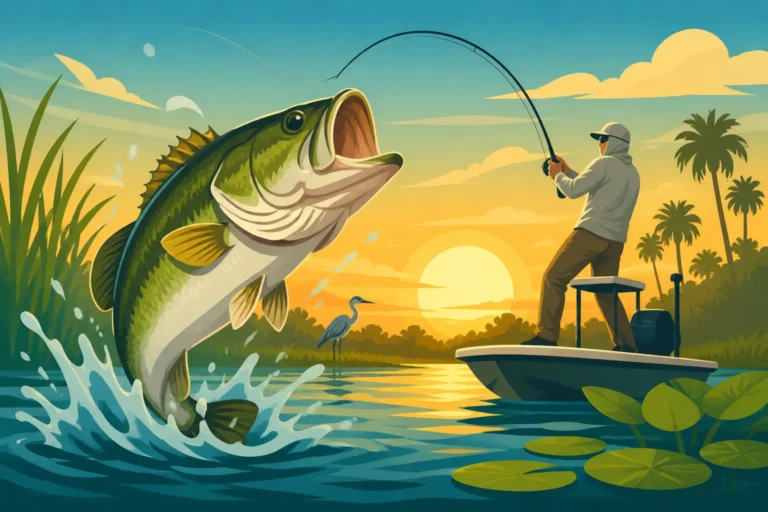
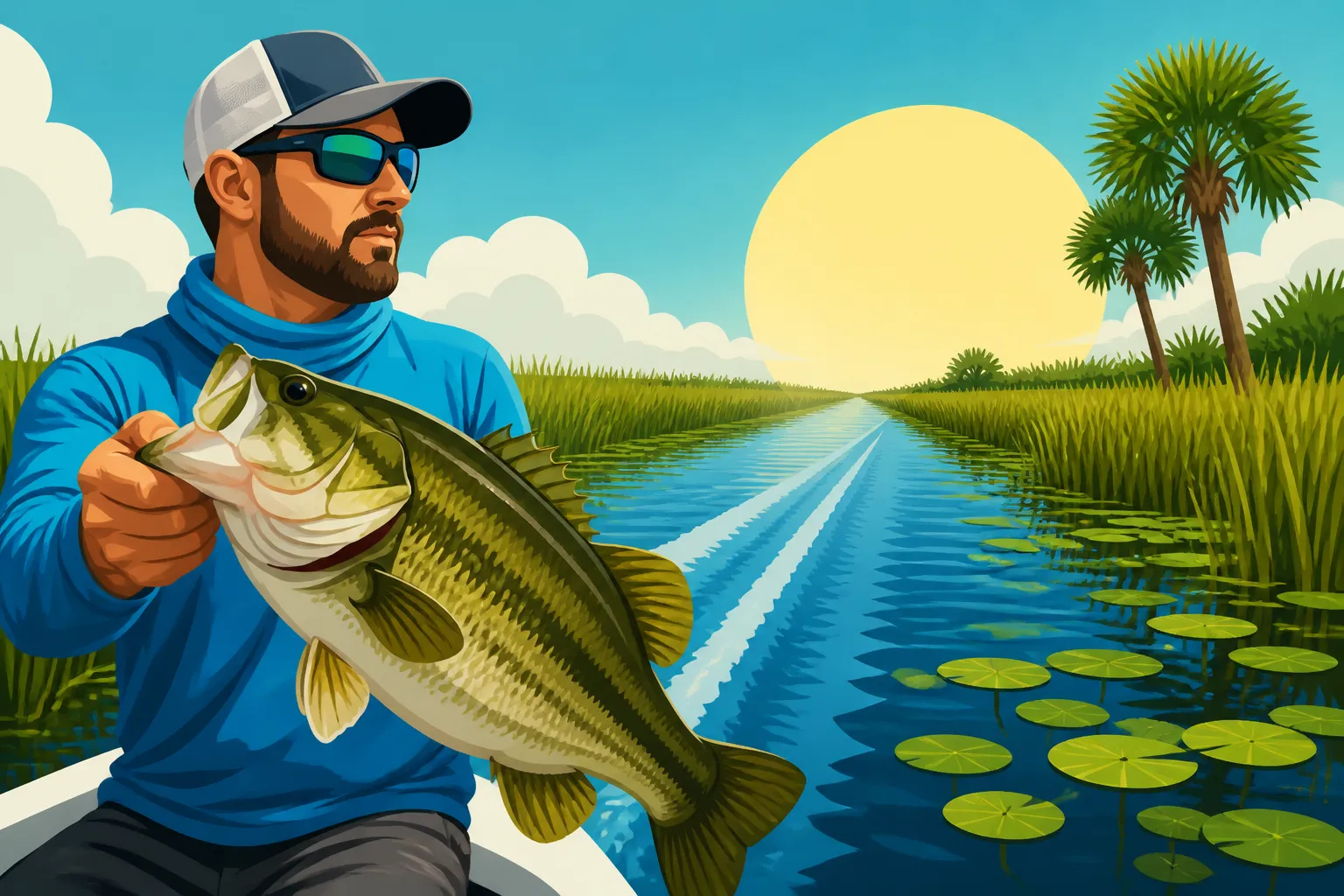
Without a doubt, the Largemouth Bass is the star attraction of the J&S Canal. These fish thrive in the canal's deeper waters and abundant cover. You’ll find them tucked under overhanging vegetation, around submerged logs, or lurking near culverts, waiting to ambush prey. The bass here can grow quite large, offering exciting battles, especially if you're targeting them with heavy cover techniques. Many anglers enjoy the challenge of catching a trophy bass, and the canal often delivers.
Beyond bass, the J&S Canal is a fantastic spot for Black Crappie, locally known as specks. These delicious panfish congregate in schools, often preferring deeper holes and shaded areas, especially during cooler months. If you find one, you're likely to find many more. Bluegill and other bream species are also abundant, offering fun action for anglers of all skill levels, particularly those who enjoy lighter tackle. Additionally, the canal sometimes holds Sunshine Bass (a hybrid striped bass), which provide a powerful fight, and even exotic species like Peacock Bass have been known to show up in certain stretches, offering a thrilling surprise for the unsuspecting angler.
Seasonal Fishing Strategies
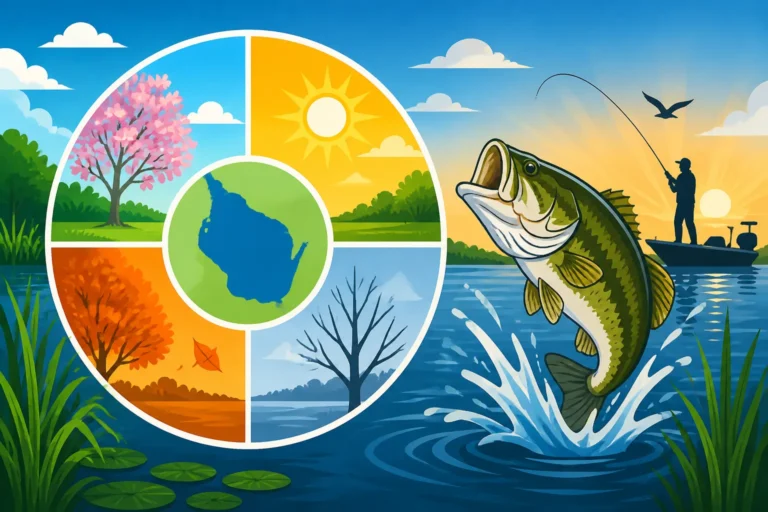
Understanding the seasons is crucial for maximizing your catch in the J&S Canal. Spring (March-May) is prime time, particularly for largemouth bass, as they move into shallower areas to spawn. During this period, bass are more aggressive and easier to locate as they guard their nests. You'll find them closer to the canal banks and around emergent vegetation. This is also a fantastic time for crappie as they become more active after winter.
As summer (June-August) heats up, fish tend to retreat to the deeper, cooler sections of the canal and seek shade under dense cover. Early mornings and late evenings become the most productive times. Bass will still be active, but you'll need to work baits slower and target structure more precisely. Crappie fishing remains strong, often requiring anglers to probe deeper channels with jigs and live minnows.
Fall (September-November) sees a resurgence in activity as water temperatures begin to drop. Fish become more aggressive, feeding heavily in preparation for winter. This is a great time for both bass and crappie, as they move more freely throughout the water column. Look for schooling activity, especially around baitfish concentrations. Finally, winter (December-February) brings consistent crappie action in the deeper sections of the canal. Bass can be caught, but they’ll be less active, often holding tight to cover or suspending in deeper pockets. Slow presentations are key during these cooler months. Don't forget to check the official Florida Fishing Regulations and Bag Limits before you head out, as seasons and limits can vary.
Essential Techniques and Tackle for J&S Canal Success
Successfully fishing the J&S Canal requires a blend of versatility and specific techniques tailored to its unique environment. From selecting the right bait to mastering your casting, being prepared will make all the difference between a frustrating day and a fantastic haul.
Go-To Baits and Lures
For targeting largemouth bass in the J&S Canal, you'll want a diverse tackle box. Soft plastic worms and creature baits Texas-rigged or Carolina-rigged are indispensable for working through dense vegetation and around submerged structure. Popular colors like junebug, black and blue, or watermelon seed tend to produce well in these waters. When bass are actively feeding, crankbaits that dive to medium depths can be very effective, especially those with rattles that mimic fleeing baitfish. If you're fishing during low light conditions or over heavy cover, topwater lures like frogs or poppers can elicit explosive strikes. Don't underestimate the power of a good old-fashioned spinnerbait or chatterbait, especially when fishing parallel to weed lines or through patchy vegetation.
When it comes to crappie and other panfish, simplicity often wins. Small jigs tipped with a live minnow or a scented soft plastic are incredibly effective. A simple lead head jig with a curly tail grub in chartreuse, white, or black is a staple. Live minnows, fished under a bobber at varying depths, are also irresistible to crappie. For bluegill, try tiny Beetle Spins, crickets, or even just a small piece of worm on a hook under a float. Remember, the Best Live Bait for Florida Inshore Fishing often works wonders in freshwater canals too!
Rods, Reels, and Line Choices
Your tackle setup will depend on your target species and preferred technique. For largemouth bass, a medium-heavy to heavy action baitcasting rod, 6'6" to 7'6" in length, is ideal. This gives you the backbone needed to pull fish out of thick cover and accurately cast heavier lures. Pair this with a high-speed baitcasting reel spooled with 15-20 lb fluorocarbon or 30-50 lb braided line. Braided line is particularly useful in heavy cover due to its strength and sensitivity, allowing you to feel subtle bites and cut through weeds. You'll also want to consider a fluorocarbon leader for abrasion resistance and stealth.
For crappie and panfish, a much lighter touch is required. A light to ultralight action spinning rod, 5'6" to 6'6" long, paired with a small spinning reel, will be perfect. Spool it with 4-8 lb monofilament or light braided line. The sensitivity of this setup allows you to detect the often-subtle bites of crappie and bluegill, making the fight more enjoyable and increasing your hook-up ratio. A light fluorocarbon leader can be beneficial, especially in clear water conditions.
Mastering Canal Fishing Tactics
Fishing the J&S Canal effectively isn't just about having the right gear; it’s about mastering specific tactics. Casting accuracy is paramount, especially when targeting bass holding tight to cover. You’ll need to pitch and flip lures into small openings in vegetation or under docks and culverts. Practice makes perfect here! Pay close attention to current. Fish will often position themselves facing into the current, waiting for food to drift by. Presenting your bait upstream and allowing it to drift naturally into a likely holding spot can be incredibly effective.
When fishing deeper sections, vertical jigging or slow trolling with electric motors can be excellent for crappie. Use your electronics to locate schools of fish and then drop your baits directly to them. Don't be afraid to experiment with retrieve speeds and depths until you find what the fish are responding to. Remember that canal systems often have predictable patterns, so once you find fish in one section with a particular technique, try replicating that approach in similar spots further down the canal. If you're new to the area, considering a local guide found on platforms like FishingBooker can provide invaluable insights into these specific tactics, as they live and breathe these waters.
Navigating and Planning Your Trip to the J&S Canal
A successful fishing trip to the J&S Canal isn't just about what you do on the water; it's also about thorough planning and safe navigation. Knowing the ins and outs of getting there and staying safe can make all the difference.
Boat Access and Navigation Tips
As mentioned, J&S Fish Camp and the Port Mayaca Lock and Dam area are primary boat launch points. If you're trailering a boat, ensure your vessel is suitable for canal fishing. While the main canal is wide and deep enough for many types of boats, some of the smaller side canals or shallower edges might require a poling skiff or a boat with a shallow draft. Always adhere to posted speed limits within the canal, as many sections are marked as idle speed or slow speed zones due to residential areas or critical habitats.
Navigation requires paying attention to local markers and water levels. Lake Okeechobee's water levels can fluctuate, which in turn affects the depth in the canal. Keep an eye out for submerged debris or hazards, especially after heavy rains or high winds. A good GPS unit or a reliable marine navigation app on your phone or tablet is invaluable. Don't solely rely on older charts, as conditions can change. Always carry a spare prop, tools, and sufficient safety gear, including life jackets for all passengers. Before heading out, check the local weather forecast, especially during Florida's unpredictable summer thunderstorm season.
Hiring a Local Guide for the J&S Canal
While adventurous anglers can certainly explore the J&S Canal on their own, there's immense value in hiring a local, experienced fishing guide. A guide offers not just expertise on the specific hot spots within the canal but also invaluable knowledge about the current conditions, fish patterns, and the most effective techniques for that particular day. They can save you hours of searching and experimenting, often putting you on fish faster than you could on your own. Platforms like FishingBooker make it incredibly easy to find and book reputable guides who specialize in Lake Okeechobee and its surrounding canal systems.
A good guide will provide all the necessary tackle, bait, and often even a cooler with drinks and snacks. More importantly, they can teach you nuances of canal fishing, from reading the current to identifying subtle signs of fish activity. This is particularly beneficial for those new to the area or even experienced anglers looking to hone their skills. For instance, a local expert can guide you to the Best Bass Fishing Hot Spots on Lake Okeechobee, Florida that might be tricky to find independently, or explain intricate seasonal movements of crappie. Investing in a day with a guide is often an investment in your future fishing success, equipping you with knowledge that will serve you on subsequent trips. Whether you're interested in Florida Bass Fishing Techniques or simply want to maximize your chances of a great day out, a guide can be an excellent resource.
Summary of J&S Canal Fishing
To help you quickly reference the best times and methods for fishing the J&S Canal, here’s a handy table:
| Target Species | Best Seasons | Recommended Baits/Lures | Key Locations/Tactics |
|---|---|---|---|
| Largemouth Bass | Spring, Fall | Soft plastics, Crankbaits, Topwater, Spinnerbaits | Heavy cover, Culverts, Docks, Weed lines, Current breaks |
| Black Crappie | Winter, Spring, Fall | Jigs (live minnows/grubs) | Deeper holes, Shaded areas, Structure, Schools |
| Bluegill/Bream | Spring, Summer | Worms, Crickets, Small Jigs, Beetle Spins | Vegetated banks, Shaded areas, Around docks |
| Sunshine Bass | Fall, Winter | Live shiners, Jigs, Spoons | Deeper channels, Current, Schooling baitfish |
Remember, while this table provides a great starting point, flexibility and observation are key to adapting to changing conditions on the water.
Final Considerations for a Successful Trip
Fishing the J&S Canal, like any angling adventure, comes with its own set of responsibilities. Beyond just catching fish, it's about respecting the environment and ensuring a safe, enjoyable experience for everyone. Always practice catch and release for fish you don't intend to keep, and handle them with care to ensure their survival. Being mindful of private property along the canal banks is also essential.
Consider carrying a personal first-aid kit, plenty of water, sunscreen, and insect repellent, especially during the warmer months. Given Florida's intense sun, protective clothing and a wide-brimmed hat are also highly recommended. The J&S Canal offers an incredible fishing experience, combining the tranquility of canal fishing with the robust fishery of Lake Okeechobee. With the right preparation, knowledge, and perhaps a little help from a local expert found on FishingBooker, you're set for a memorable day on the water.
Disclaimer
The information provided in this guide is for general informational purposes only and should not be taken as professional advice. Fishing regulations, conditions, and best practices can change rapidly. Always consult the latest regulations from the Florida Fish and Wildlife Conservation Commission (FWC) before fishing. Exercise caution and good judgment when on the water.