Fishing Harney Pond Canal on Lake Okeechobee
Trying to navigate the massive expanse of Lake Okeechobee for a productive fishing trip can feel like searching for a needle in a haystack, especially if you're not intimately familiar with its sprawling waters. It's a common frustration to spend hours casting without a bite, wondering if you're even in the right spot. This comprehensive guide is here to cut through that uncertainty, zeroing in on one of the Big O's most consistent and rewarding fishing grounds: Harney Pond Canal. We'll explore exactly what makes this particular stretch of water so special, detail the best strategies to hook up, and provide practical tips to ensure your next outing is a memorable one.
Why Harney Pond Canal is a Prime Florida Fishing Destination
Lake Okeechobee, often affectionately called "The Big O," is an incredible fishery, but its sheer size can be overwhelming. That's why targeting specific, high-percentage areas like Harney Pond Canal can dramatically improve your chances of success. This canal isn't just a ditch leading to the lake; it's a vibrant ecosystem in its own right, offering consistent action when other areas might be slow.
Understanding Harney Pond's Unique Structure and Ecosystem
Harney Pond Canal is much more than just a man-made waterway; it's a vital artery connecting the western side of Lake Okeechobee to surrounding areas and, eventually, to the Gulf of Mexico via the Caloosahatchee River. This connection is key. The canal features varying depths, with sections that can drop to 10-15 feet in places, providing cooler, more stable water during Florida's scorching summers and warmer havens during winter cold snaps. The banks are often lined with thick stands of cattails, hydrilla, and other aquatic vegetation, creating abundant cover for baitfish like shiners, shad, and bluegill. These natural structures act as ambush points for predatory fish.
What really sets Harney Pond apart is its consistent flow. Even subtle currents created by rainfall, wind, or the operation of the S-73 lock near Lakeport can concentrate baitfish and, consequently, game fish. These currents act like a conveyor belt, bringing food to waiting predators. Anglers who pay close attention to where the water is moving, and how it’s swirling around structure, often find the most success. This dynamic environment means the canal is rarely stagnant, always offering new opportunities depending on the conditions. It's a miniature, self-contained fishing paradise within the larger Lake Okeechobee system, offering more predictable fishing than the open lake. If you're looking for more general information on fishing this iconic body of water, our detailed Lake Okeechobee Fishing Guide can provide an excellent overview.
The Diverse Fish Species Calling Harney Pond Home
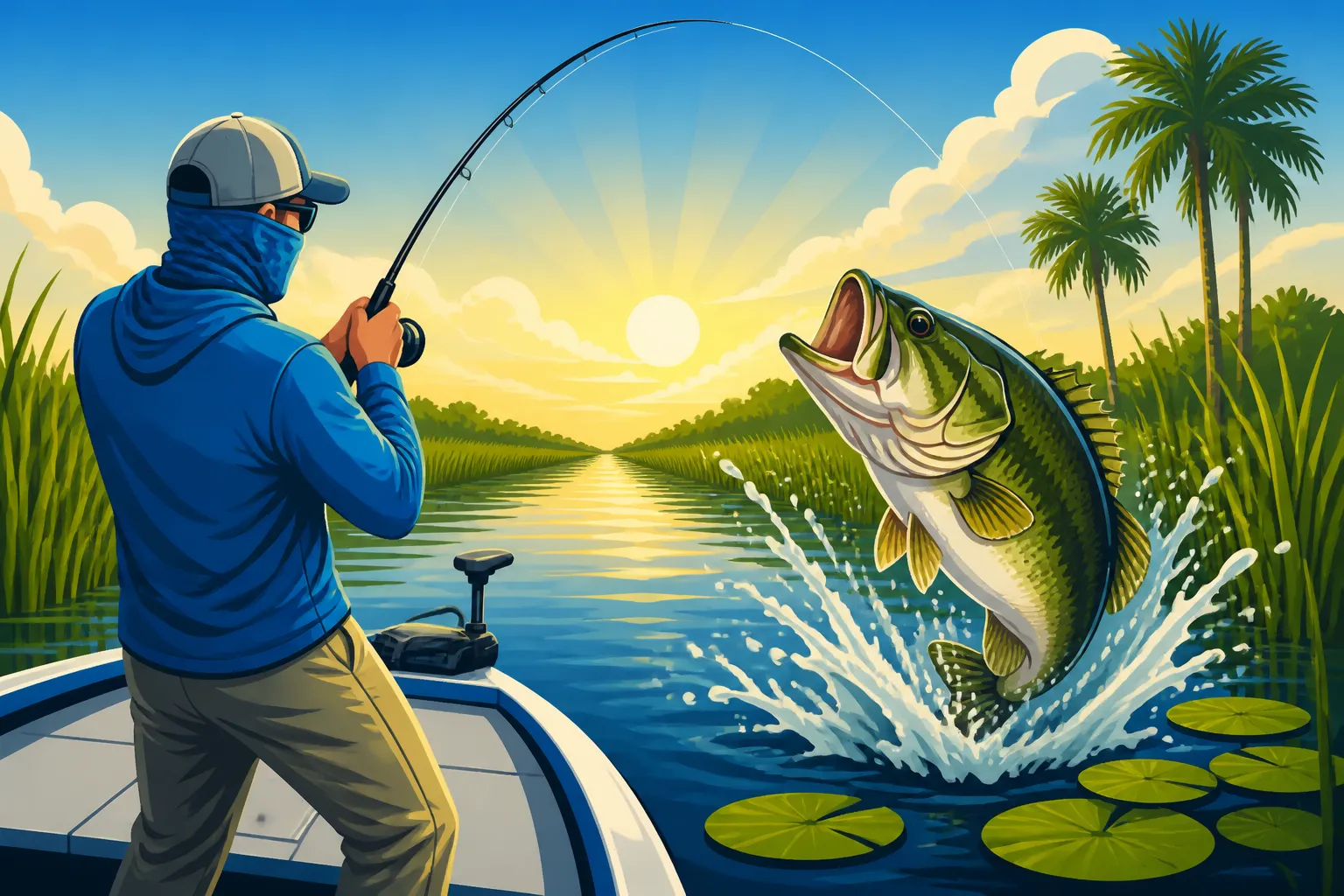
While Harney Pond Canal is perhaps most famous for its incredible Largemouth Bass fishing, it's truly a multi-species angler's dream. The canal's rich ecosystem supports a wide variety of fish, making it an exciting place to cast a line no matter what you're targeting. For bass anglers, the canal is legendary. During the cooler months, especially from late fall through spring, big bass move into the canal's calmer, shallower sections to feed and spawn. They'll hug the dense vegetation, submerged logs, and drop-offs, making them prime targets for a variety of techniques. Many anglers come here specifically with a trophy bass in mind, and Harney Pond frequently delivers. Our Florida Largemouth Bass Fishing Guide has more in-depth information about these elusive giants.
But don't overlook the other fantastic fishing opportunities. Harney Pond is also an excellent spot for Black Crappie (often called specks by locals), especially during their winter and early spring schooling periods. These panfish provide fantastic light tackle action and are superb table fare. Additionally, various sunfish species like Bluegill and Redear Sunfish are abundant, offering steady entertainment for families or those looking for a relaxing day of catching. You might even encounter Chain Pickerel, a feisty predator that provides a thrilling fight. This diversity means you can tailor your trip to your preferences, or simply enjoy whatever bites! If you want to dive deeper into targeting crappie specifically, our Florida Crappie Fishing Guide offers plenty of expert advice.
Mastering the Techniques and Tackle for Harney Pond Success
Fishing Harney Pond Canal isn't just about showing up; it's about understanding the specific techniques and tackle that give you the edge in this unique environment. The cover is often thick, the fish can be cunning, and a well-thought-out approach makes all the difference.
Top Baits and Lures for Harney Pond Canal
When it comes to tempting the fish in Harney Pond Canal, you'll want a versatile tackle box. Live bait often reigns supreme, especially for larger, more finicky bass. Wild shiners, readily available at local bait shops in towns like Okeechobee or Clewiston, are a perennial favorite. Fished under a float or free-lined near cover, they often elicit explosive strikes from trophy bass. For crappie and other panfish, small live minnows or crickets and worms under a bobber are incredibly effective. The natural action and scent of live bait can be hard for any predator to resist, making it a go-to choice, especially when the bite is tough.
Artificial lures, however, offer the advantage of covering more water and targeting specific depths and structures. Soft plastics are a must-have for bass. Stick worms (like Senkos), creature baits, and flukes rigged Texas or Carolina style are excellent for flipping and pitching into dense cover or working slowly along the canal's edges. Popular colors include junebug, green pumpkin, and black-and-blue. For covering water, crankbaits that dive to medium depths (4-8 feet) can be deadly, especially those with natural baitfish patterns. Spinnerbaits and chatterbaits are fantastic for working through hydrilla and cattails, creating vibration and flash that bass can't ignore. For more on selecting the right artificials, check out our Best Lures for Florida Bass Fishing guide.
Here's a quick reference for popular baits and lures at Harney Pond:
| Species Targeted | Best Live Baits | Recommended Artificial Lures | Typical Depth/Presentation |
|---|---|---|---|
| Largemouth Bass | Wild Shiners, Large Minnows | Soft Plastic Worms, Creature Baits, Crankbaits, Jigs | Pitching, Flipping, Slow Rolling |
| Black Crappie | Live Minnows, Small Jigs | Tiny Jigs (1/16 – 1/8 oz), Hair Jigs, Small Spinnerbaits | Vertically Jigging, Suspending |
| Bluegill/Sunfish | Worms, Crickets, Bread Balls | Micro Jigs, Small Poppers (topwater) | Under a Bobber, Fly Fishing |
| Chain Pickerel | Shiners, Spoons | Spinnerbaits, Spoons, Jerkbaits | Fast Retrieve, Weedlines |
Strategic Approaches to Canal Fishing
Fishing a canal like Harney Pond requires a more refined approach than simply casting into open water. You need to be strategic and methodical. One of the most productive techniques is flipping and pitching. This involves silently presenting your bait or lure into tight spots within dense cover – think thick cattails, submerged brush, or under docks – where big bass often ambush prey. Use a heavy action rod and strong braided line to pull fish out of this heavy cover. Another effective strategy is slow-rolling soft plastics or spinnerbaits along the canal edges, especially near any submerged structure or subtle depth changes. This imitates a slow-moving baitfish, a tempting target for lurking predators.
Don't underestimate the power of current. Fish will often position themselves facing into the current, waiting for food to be swept to them. Look for eddies behind points, culverts, or bridge pilings where the current slows down, as these are prime holding areas. Fan-casting to cover a wide area, then focusing on specific productive spots once you've located fish, is also a smart move. Pay attention to how your boat is positioned and whether you're creating too much noise. Stealth is paramount, especially in narrower canal settings. For a deeper dive into bass-specific tactics, our Florida Bass Fishing Techniques article offers a wealth of knowledge.
Recommended Gear for Targeting Harney Pond's Fish
Having the right gear makes a substantial difference when tackling Harney Pond. For bass, a medium-heavy to heavy action casting rod, typically 7 to 7.5 feet in length, paired with a reliable baitcasting reel, is ideal. This setup provides the power needed to cast heavier lures and, more importantly, to wrestle big fish out of thick vegetation. Spool your reel with 50-65 lb braided line, which offers superior strength and sensitivity, especially when fishing around abrasive cover. For leader material, 20-30 lb fluorocarbon is a good choice for its invisibility and abrasion resistance.
If you're targeting crappie or panfish, a lighter spinning setup is much more enjoyable. A 6-7 foot light or ultralight action spinning rod paired with a small spinning reel spooled with 6-8 lb monofilament or braided line is perfect. This lighter gear allows for delicate presentations of small jigs and live baits. Don't forget a good pair of pliers or forceps for hook removal, a net large enough for whatever you might catch, and a selection of terminal tackle including various hooks (worm hooks, jig heads), weights (bullet weights, split shots), and bobbers. Always be prepared for a fight, because the fish in Harney Pond can be surprisingly strong.
Navigating the Conditions and Access Points of Harney Pond Canal
Understanding when and where to fish Harney Pond, along with knowing how to get there, can turn a good fishing trip into a truly fantastic one. Environmental factors play a huge role, as does local knowledge.
Optimizing Your Trip with Seasonal and Environmental Factors
Florida's fishing seasons can dramatically impact success at Harney Pond. Generally, the cooler months from late fall through spring (roughly November to May) offer the most consistent and often the best fishing for bass. This is when water temperatures are more comfortable for the fish, leading to more active feeding and spawning behaviors. The spring spawn, usually peaking between February and April depending on water temperatures, sees some of the biggest bass moving shallow, offering incredible opportunities. However, even summer can be productive, especially during early mornings, late evenings, or after heavy rain, when the canal's flow increases and oxygen levels are boosted. For a broader perspective on how the year unfolds for Florida anglers, our Florida Fishing Seasons Explained article is a great resource.
Environmental conditions like water levels, current flow, and weather patterns are critical. After heavy rains, the canal may have increased flow, which can sometimes turn the fish on, or make them seek refuge in calmer eddies. Conversely, stable water levels and clear skies can also be fantastic. Cold fronts can shut down the bite temporarily, pushing fish into deeper, more stable water, but the days immediately before a front can be phenomenal as fish gorge themselves. Always check the local weather forecast before heading out. The best time of day for fishing in Harney Pond often mirrors general fishing wisdom: dawn and dusk are prime. The lower light conditions make fish more comfortable moving and feeding, especially larger predators. If you're looking for more general advice on timing your outings, check out our guide on the Best Time of Day to Fish in Florida.
Finding Your Way: Public Access and Boat Ramps
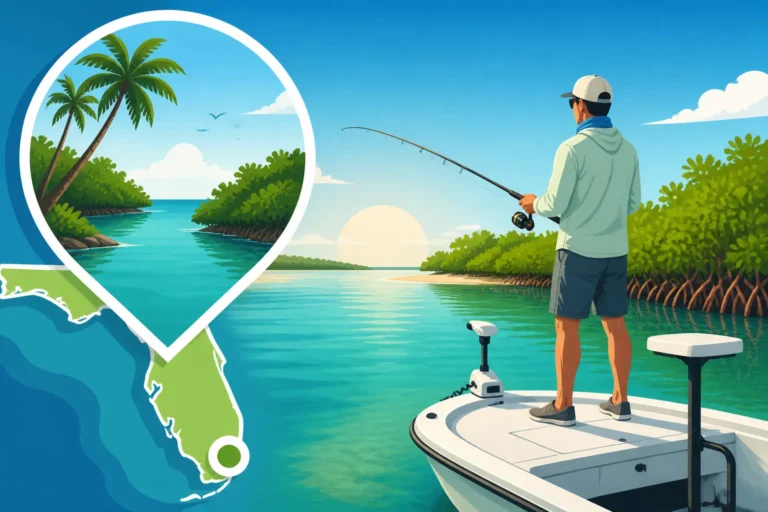
Accessing Harney Pond Canal is relatively straightforward, but having an idea of where to launch and what to expect is key. The canal is primarily located in Glades County, and a common access point for boaters is near the S-73 lock structure. This area provides access directly to the canal, which then leads to Lake Okeechobee. There are typically public boat ramps available in the vicinity, offering paved launches and parking for trailers. It’s always a good idea to scout the ramp conditions beforehand, especially after heavy rains, to ensure smooth launching and retrieval.
When planning your trip, consider nearby towns like Lakeport or the larger community of Okeechobee City, which offer amenities like bait shops, fuel, and lodging. While the canal itself is navigable, anglers often use smaller bass boats or flat-bottomed skiffs to effectively navigate its often-vegetated banks and shallower sections. Remember that a valid Florida Freshwater Fishing License Rules is required for most anglers. You can find comprehensive details about where to launch your boat on the entire lake by consulting our Best Public Boat Ramps on Lake Okeechobee guide, which will help you pinpoint the best spot for your Harney Pond adventure.
Enhancing Your Experience with Local Expertise
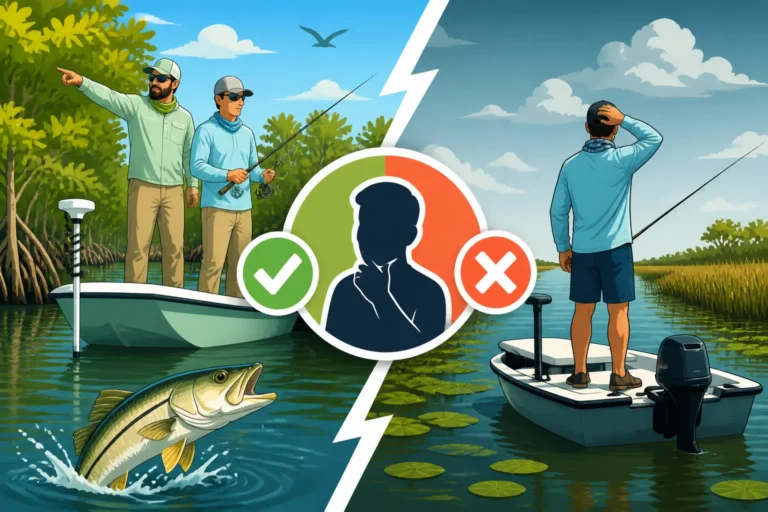
While this guide provides a solid foundation, there's nothing quite like local knowledge. The subtleties of Harney Pond Canal – which specific stretches are producing, what bait is working today, or how the current is affecting the bite – are often best understood by seasoned local guides. These professionals spend countless hours on the water and can put you on fish much faster than you might find them on your own. Hiring a guide is an investment not just in catching fish, but in learning invaluable techniques and understanding the nuances of the local fishery.
Platforms like FishingBooker make it incredibly easy to connect with reputable local fishing guides who specialize in Lake Okeechobee and its canals, including Harney Pond. You can browse profiles, read reviews, and find a captain whose expertise aligns with your fishing goals, whether you're chasing a trophy bass or a cooler full of crappie. A good guide will provide all the necessary gear, bait, and most importantly, the expertise to navigate the canal safely and effectively. They'll also ensure you're compliant with all Florida Fishing Regulations and Bag Limits. If you're considering a guided trip, our article on How to Find a Reputable Fishing Guide in Florida offers excellent advice on making the right choice. Investing in a day with a local expert can be one of the most rewarding parts of your Florida fishing experience.
Disclaimer
The information provided in this guide is for general informational purposes only. Fishing conditions, regulations, and access points can change frequently. Always consult the latest Florida Fish and Wildlife Conservation Commission (FWC) regulations and local authorities before planning your fishing trip to ensure compliance and safety. Exercise caution and practice responsible angling at all times.