Best Spots in Tampa Bay for Snook
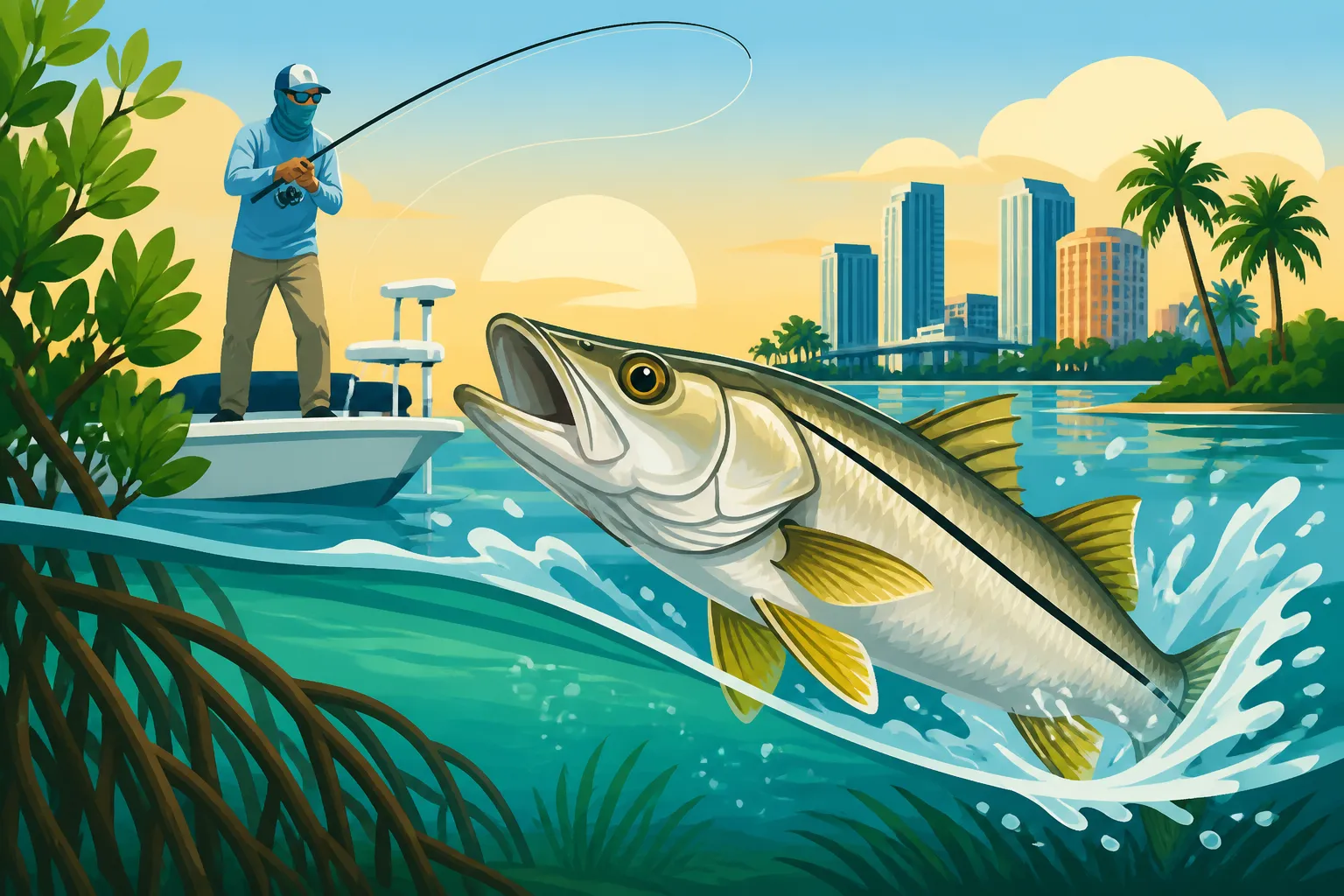
If you've spent any time casting lines in Florida, you know the elusive snook is a prized catch. But let's be real, Tampa Bay is a massive and complex estuary, and trying to figure out where these finicky fish are hiding can feel like searching for a needle in a haystack. Many anglers get frustrated, wasting precious fishing time in unproductive waters. This comprehensive guide is here to unravel the mystery, providing you with detailed insights into the best spots in Tampa Bay for targeting snook, along with the strategies and knowledge you need to succeed.
Unlocking Tampa Bay's Snook Secrets: Understanding Their Habits
To consistently catch snook in Tampa Bay, you first need to understand their unique behaviors and preferences. These intelligent predators aren't just randomly swimming around; they have specific needs for food, shelter, and comfort that dictate their movements. Ignoring these patterns is a surefire way to come back with an empty cooler and a bruised ego.
Seasonal Movements and Habitat Preferences
Snook are incredibly sensitive to water temperature. When the mercury drops too low, say below 60 degrees Fahrenheit, snook become lethargic and can even die. This sensitivity drives their seasonal migrations. During the colder winter months, usually from November through February, snook retreat deep into warmer, stable waters. This means moving into residential canals, power plant discharge areas, deep creeks, and protected backwater coves where the water temperature fluctuates less. They huddle together, often near warm water outflows or dark-bottomed canals that absorb more heat from the sun. Finding these winter sanctuaries is key to a successful cold-weather snook hunt.
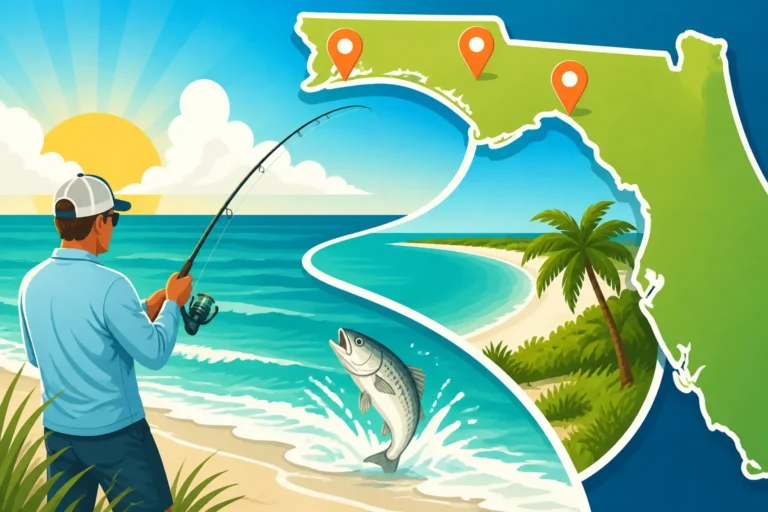
As the weather warms in spring, typically March to May, snook begin to disperse from their winter havens. They move towards the bay's flats, mangrove shorelines, and barrier islands, fattening up on baitfish in preparation for spawning. This is a fantastic time for anglers, as the fish are active and hungry. By early summer, from June through August, snook move out of the bays and onto the beaches, into passes, and around the mouths of inlets to spawn. This migration to higher salinity waters is crucial for their reproductive cycle. Targeting snook in these areas during the spawn requires specific techniques and a good understanding of the tides. After the spawn, as fall approaches, snook gradually migrate back into the bay and towards their wintering grounds, providing another excellent fishing window as they feed heavily. For a deeper dive into the annual patterns, check out our Florida Snook Season Guide.
Tidal Influences and Feeding Patterns
Tides are perhaps the single most critical factor when fishing for snook in Tampa Bay. Snook are ambush predators, and they use tidal currents to their advantage, positioning themselves to intercept baitfish as they're swept by. An understanding of the Best Tides for Inshore Fishing in Florida is vital. Generally, a moving tide, whether incoming or outgoing, is far more productive than slack tide.
On an incoming tide, snook often position themselves on the edges of flats, points, and around mangrove islands where the rising water brings in fresh bait. They'll wait for shrimp, crabs, and baitfish to be pushed within striking distance. As the tide floods, they might move deeper into the mangroves or onto the shallow flats, foraging in areas that were previously dry. An outgoing tide, on the other hand, can be incredibly productive as well. As water recedes from the flats and mangrove estuaries, it funnels baitfish out of these protected areas, often through bottlenecks like cuts, creeks, and narrow channels. Snook will stack up in these pinch points, waiting for an easy meal to be washed past them. Look for areas with strong current breaks, like submerged structure, oyster bars, or even a deep hole where the current creates an eddy. These are prime ambush points.
Navigating Tampa Bay: Top Spots for Targeting Snook
Tampa Bay is a mosaic of different habitats, each holding its own potential for snook. Knowing the specific types of locations they prefer within this vast system will dramatically improve your chances. It’s not just about getting on the water; it’s about getting on the right water.
Mangrove Edges and Estuaries
The intricate network of mangrove shorelines, oyster bars, and shallow grass flats forms the backbone of Tampa Bay's snook habitat. These areas offer everything a snook needs: abundant bait, protection from predators, and shelter from strong currents and extreme temperatures. Anglers often find success working their way along these natural structures.
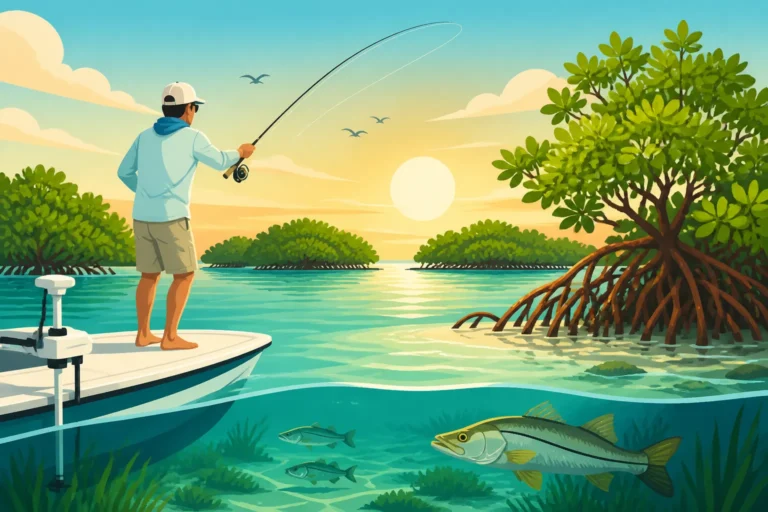
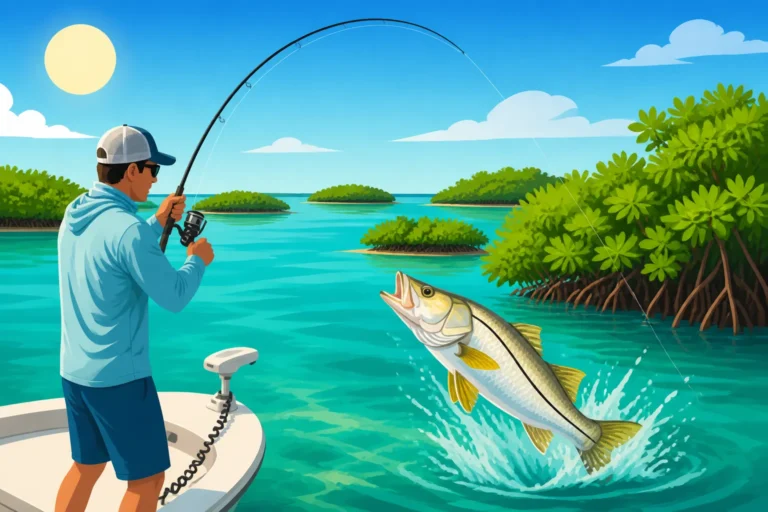
During warmer months, snook will cruise the mangrove lines, especially on an incoming tide, looking for an easy meal. They'll hide deep under the mangrove roots, darting out to snatch a passing mullet or pilchard. When the tide is high, don't be afraid to cast right into the shadows of the mangroves; that's often where the biggest snook are lurking. Weedon Island Preserve, for example, offers miles of productive mangrove shoreline, both from kayaks or small boats, and even some wade fishing opportunities. Similarly, the myriad of smaller islands and cuts throughout the bay, particularly on the western side near St. Petersburg and Clearwater, are prime targets. Learning to read the water here, spotting subtle disturbances or nervous baitfish, can be a game-changer. These are also fantastic spots for a comprehensive Florida Inshore Fishing Techniques approach.
| Location Type | Best Tide | Typical Depth | Structure/Features | Ideal Season | Access Methods |
|---|---|---|---|---|---|
| Mangrove Edges | Incoming/Outgoing | 2-5 feet | Roots, overhangs, cuts, oyster bars | Spring/Summer/Fall | Kayak, small boat, wade |
| Docks & Piers | Moving Tide | 5-20 feet | Pilings, lights, debris, current breaks | Year-round | Shore, boat, kayak |
| Bridge Pilings | Moving Tide | 10-40+ feet | Concrete, shadows, strong current | Year-round | Boat, kayak |
| Residential Canals | High Tide | 4-15 feet | Seawalls, docks, storm drains, warm water | Winter/Spring | Shore, kayak, small boat |
Docks, Piers, and Bridge Pilings
Human-made structures are absolute magnets for snook, offering deep water access, current breaks, and an endless buffet of baitfish that seek shelter around them. Tampa Bay is riddled with such structures, presenting incredible opportunities for both land-based and boat anglers. The Gandy Bridge, the Howard Frankland Bridge, and the Skyway Bridge are all renowned for holding snook, especially around their pilings and associated structures. Snook will use these pilings as ambush points, allowing the current to bring food to them. Casting artificial lures or live bait up-current and letting it drift naturally past the pilings is often the most effective approach.
Private docks in residential canals, particularly those with underwater lights that attract bait at night, can be phenomenal snook spots. Many anglers, especially those targeting trophy snook, swear by night fishing these illuminated docks. The snook will hold in the shadows, waiting to dart out and ambush anything caught in the light. The fishing piers like those at St. Pete Pier or Fort De Soto Park, while requiring attention to Florida Fishing License Rules, often provide access to deeper water and structure that shore anglers wouldn't typically reach. Just remember that fishing directly around and under these structures requires precise casting and quick reflexes to prevent being cut off. If you're using live bait, consider targeting the largest bait you can comfortably cast for the biggest snook.
Artificial Reefs and Wrecks
While often thought of for grouper or snapper, many of Tampa Bay's artificial reefs and wrecks also attract snook, especially larger ones. These underwater structures provide significant relief and complexity in an otherwise relatively flat bay bottom. They become oases for baitfish, which in turn attract predators like snook. Locations such as the Port Tampa Bay Reefs or the Pinellas County Artificial Reefs are excellent examples.
Snook will often hold tight to these structures, seeking shelter and ambush points. They might not be as numerous here as in the mangroves, but the fish you find tend to be bigger, more solitary hunters. Fishing these spots often involves vertical jigging with artificial lures or dropping live bait down to the structure. You'll need to be quick to get the fish away from the structure once hooked, or they'll try to cut you off. Navigating these spots effectively often requires a good GPS and depth finder to pinpoint the exact location of the structure. Many anglers prefer to hire a local charter through platforms like FishingBooker, as captains intimately know the coordinates and the best approach angles for these submerged treasures.
Equipping for Success: Gear and Techniques for Tampa Bay Snook
Having the right tackle and knowing how to present your bait or lure effectively is crucial for landing snook in Tampa Bay. These fish are powerful, can make explosive runs, and are notorious for finding ways to break off. Don't skimp on your gear, and certainly don't underestimate their fighting ability.
Recommended Rods, Reels, and Line
For inshore snook fishing in Tampa Bay, you'll want a medium-heavy spinning rod, typically 7 to 7.5 feet in length. This provides enough backbone to fight powerful fish away from structure, while still offering the sensitivity needed to detect subtle bites and the casting distance required to reach distant targets. A fast action tip is preferred for quick hook sets. Pair this with a reliable spinning reel in the 3000-5000 series. Look for a reel with a smooth, strong drag system – this is non-negotiable for snook. Brands like Penn, Shimano, or Daiwa offer excellent options that can withstand the rigors of saltwater use.
For your mainline, 20-30 lb braided line is the standard. Braid offers incredible sensitivity, zero stretch, and a thinner diameter for its breaking strength, allowing for longer casts. Crucially, you'll need a fluorocarbon leader. Snook have sharp gill plates and rough mouths that can easily fray or cut through monofilament. A 30-50 lb fluorocarbon leader, about 2-4 feet long, is recommended. The lighter leaders are better for clearer water and finicky fish, while the heavier ones are necessary around abrasive structures like bridge pilings or oyster bars. Learning how to properly tie a strong knot, like an FG knot or an Albright Special, to connect your braid to your fluorocarbon leader is a skill worth mastering.
Best Baits and Lures for Snook
Snook are opportunistic feeders, but they do have preferences. When it comes to natural presentations, live bait is often king. Greenbacks (scaled sardines), pilchards, pinfish, and finger mullet are all excellent choices. Depending on the season and location, one type might outperform another. For instance, smaller pilchards are fantastic for casting into mangrove roots, while a frisky mullet might entice a larger snook lurking in a pass. Shrimp, especially live shrimp, are also highly effective, particularly in cooler water or when snook are being selective. Make sure you know Best Bait for Snook Fishing in Florida to match your local conditions.
Artificial lures offer versatility and cover more water. Topwater plugs like Heddon Super Spooks or MirrOlure MirrOdines can trigger aggressive strikes, especially at dawn or dusk, or when snook are actively busting bait on the surface. For a thrilling experience, delve into Topwater Lure Fishing for Snook. Soft plastic jerkbaits or paddle tails rigged on a weedless hook or a jig head are incredibly versatile. Brands like Z-Man or Gulp! are popular for their lifelike action and scent. Hard-bodied suspending twitchbaits like the MirrOlure MirrOdine or Paul Brown's Fat Boy are deadly when snook are holding deeper or are more lethargic. Jigs with bucktail or synthetic hair can also be very effective, especially around bridge pilings or other deeper structures. The key with artificials is to match the hatch – try to mimic the size and color of the baitfish present in the area.
Effective Fishing Strategies
Beyond just knowing where and what to use, how you fish makes all the difference. Patience and persistence are key, but so is a strategic approach. When targeting mangrove edges, focus on casting parallel to the shoreline, or pitching baits deep into the shadows and undercuts where snook like to hide. A quiet approach is paramount; avoid spooking fish with loud noises or sudden movements.
Around docks and bridges, the strategy shifts to working the structure. Cast your lure or bait past the pilings and retrieve it in a way that mimics a baitfish struggling in the current. Vary your retrieve speed and add twitches to impart a lifelike action. When fishing residential canals at night, focus on the edges of light and shadow created by dock lights. Snook will often sit just outside the bright light, waiting to ambush anything that ventures into view. Accuracy is vital here; a well-placed cast that lands softly near the strike zone will dramatically increase your chances. Don't be afraid to experiment with different depths, presentations, and retrieve speeds until you find what triggers a bite.
Preserving the Future: Responsible Snook Fishing in Tampa Bay
Snook are a precious resource in Florida, and their populations are carefully managed to ensure sustainable fishing for generations to come. As responsible anglers, it's our duty to understand and adhere to the regulations and practice ethical fishing methods. Ignoring these rules not only harms the snook population but can also lead to significant legal penalties, including fines and even jail time if you are caught without a proper Florida Fishing License Guide for the area you are fishing.
Florida Snook Size and Slot Limits
Florida has specific regulations for snook designed to protect the breeding stock and allow smaller fish to grow. For the Gulf Coast, which includes Tampa Bay, snook have a strict slot limit. This means you can only keep fish that fall within a specific size range, measured from the most forward point of the head to the farthest tip of the tail. Currently, the slot limit for snook in Gulf waters is typically 28 to 33 inches. Fish smaller than 28 inches and larger than 33 inches must be immediately released unharmed. The bag limit is one fish per person per day. It’s absolutely critical to carry a measuring device on your boat or in your tackle box to ensure you comply with these rules. These regulations, along with specific closed seasons, are put in place by the Florida Fish and Wildlife Conservation Commission (FWC) to protect snook during vulnerable times, such as their spawning season and when they are sensitive to cold weather. You can always find the most up-to-date information on Florida Snook Size and Slot Limits by checking the FWC website or using their Fish Rules app. These regulations can change, so staying informed is crucial.
Catch and Release Best Practices
Because of their value as a sport fish and their sensitivity to environmental changes, many anglers practice catch and release for snook, even when they fall within the legal slot limit. When you do catch a snook, especially a large one, handling it properly is paramount to its survival. Avoid using a gaff or lip gaff unless you intend to keep the fish and it's within the legal slot. Instead, use a knotless, rubberized landing net to minimize damage to their fins and slime coat. If you must handle the fish by hand, support its belly with one hand and gently cradle the lower jaw with the other, avoiding holding it vertically by the jaw, which can damage its spine and internal organs.
Minimize the time the fish is out of the water. Have your camera ready for a quick photo, then release the fish promptly. If the snook appears exhausted, gently revive it by holding it upright in the water and moving it forward to force water over its gills until it swims away strongly. Cut the line as close to the mouth as possible if the fish has swallowed the hook deeply, rather than trying to remove it, as this often causes more harm. These Catch and Release Best Practices for Snook ensure that more fish survive to fight another day, contributing to the health of Tampa Bay’s vibrant ecosystem. Remember, fishing isn't just about catching; it's about protecting the future of the sport we all love.
Disclaimer
The information provided in this guide is for general informational purposes only. Fishing regulations, seasons, and local conditions in Florida can change frequently. Always consult the latest rules and regulations from the Florida Fish and Wildlife Conservation Commission (FWC) before heading out on the water. Fishing inherently involves risks, and safety precautions should always be observed.