Topwater Lure Fishing for Snook
There's nothing quite like the explosive thrill of a snook blowing up on a topwater lure, and if you haven't experienced it, you're missing out on one of Florida's most exciting angling adventures. Many anglers get frustrated trying to coax these clever fish to strike on the surface, but with the right techniques and lure choices, you can unlock incredible action. This comprehensive guide will walk you through everything you need to know to master topwater lure fishing for snook, transforming your frustrating misses into heart-pounding successes.
What Makes Topwater Fishing for Snook So Exciting
For many anglers, the visual spectacle of a fish striking a surface lure is the ultimate adrenaline rush, and snook deliver it in spades. They're powerful, acrobatic fighters, and when they commit to a topwater bait, it's often with a violent, unforgettable splash. This isn't just fishing; it's a dynamic interaction that engages all your senses.
The Visual Thrill of the Strike
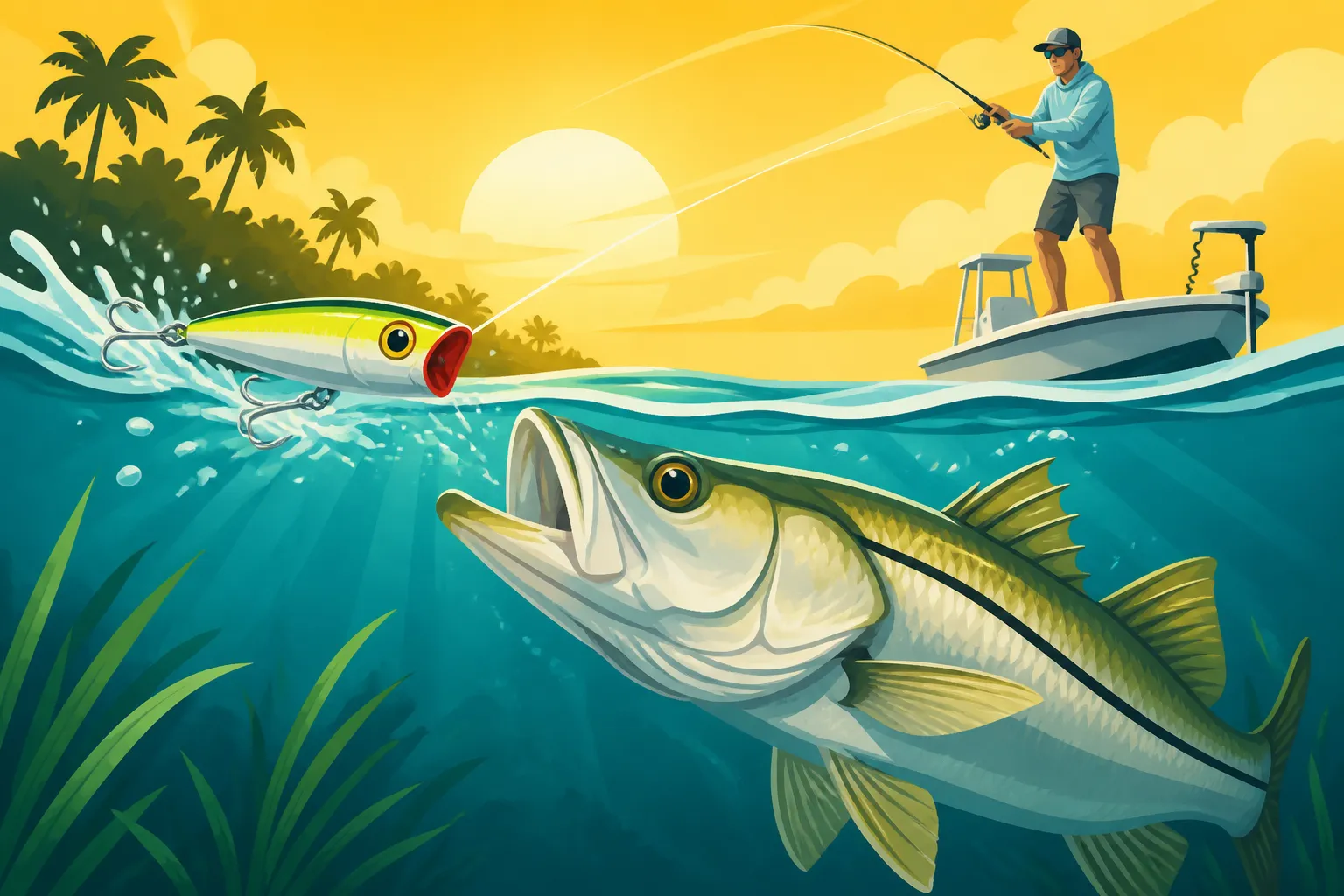
Imagine this: a calm, glassy morning, the sun just peeking over the horizon, painting the sky in hues of orange and pink. You cast your lure with precision, letting it land softly near a mangrove overhang. A few twitches, then BAM! The water explodes as a snook, seemingly out of nowhere, annihilates your lure. It's not just a tug on the line; it's a full-on ambush, a spectacle you see unfold right before your eyes. This visual component is what hooks so many anglers on topwater fishing. You watch the lure's action, anticipating the strike, and when it happens, it's a pure, unadulterated jolt of excitement.
There’s a primal satisfaction in seeing the entire event, from the lure’s presentation to the fish’s aggressive take. Unlike subsurface bites where you only feel the strike, topwater action provides a complete sensory experience. It's like watching a perfectly choreographed hunt, with you as the orchestrator. This intense visual feedback loop makes every cast an anticipation, every retrieve a potential eruption.
Why Snook Love Surface Baits
Snook are opportunistic predators with an incredible ambush instinct. They often position themselves in areas where they can easily intercept prey, such as along mangrove edges, under docks, or near oyster bars. When a baitfish, shrimp, or even a small lizard falls into the water, it creates surface disturbance – exactly what a topwater lure mimics. The commotion, the gurgle, the splash, and the "walk" of a topwater plug all scream "wounded prey" to a snook.
Their powerful, elongated bodies are perfectly designed for explosive bursts of speed to snatch prey from the surface. They’re built for speed and power, making them perfectly adapted to striking prey that's making a ruckus up top. The erratic, struggling action of a topwater lure often triggers a strong predatory response, especially during low-light conditions when snook are actively hunting. It's less about a gentle nibble and more about a commitment to a meal, making topwater strikes particularly aggressive and memorable. Understanding their predatory behavior is key to understanding why they're so susceptible to a well-presented surface lure.
Choosing the Right Topwater Lures for Snook
The world of topwater lures is vast, but for snook, there are a few tried-and-true styles that consistently deliver. Knowing which lure to throw and when can make all the difference between a productive day and a frustrating one. You'll want a selection of these in your tackle box to cover various conditions and snook moods.
Poppers and Chuggers
These lures are characterized by a concave or cupped face that "pops" or "chugs" water forward when retrieved. This creates a significant splash and gurgle, mimicking a struggling baitfish or a surface-feeding commotion. Poppers are excellent when snook are active and aggressively feeding, or when you need to draw them out from heavy cover like dense mangroves. The louder the pop, the more attention it generally gets.
Popular examples include the Heddon Super Spook Jr. (a classic for a reason!), Rapala Skitter Pop, or the MirrOlure MirrO Prop. When snook are in thick grass or tight against structure, a popper's loud splash can be just the ticket to get them to investigate. You can find a wide array of colors and sizes on platforms like Amazon, but don't overlook natural baitfish patterns for clear water. The key is to experiment with retrieve speed and the force of your pops until you find what the fish prefer on any given day.
Walk-the-Dog Style Baits
"Walk-the-dog" lures are perhaps the most iconic and effective topwater baits for snook. These slender, often cigar-shaped lures don't have a cupped face but are designed to glide side-to-side across the surface with a rhythmic retrieve. This zigzagging motion, often described as a "walk," imitates a frantic or injured baitfish perfectly. It's a more subtle presentation than a popper but incredibly enticing.
The Zara Spook (original or Super Spook Jr.), or a similar Z-Man Walking FrogZ lure, are prime examples. Mastering the "walk-the-dog" retrieve takes a bit of practice but is incredibly rewarding. It’s achieved by using a continuous series of short, downward rod tip twitches while steadily reeling in the slack. The lure darts from side to side, creating a mesmerizing action that snook find irresistible. This is often the go-to choice when snook are a bit more finicky or when fishing in slightly calmer water where a loud splash might spook them. The subtlety of the walk can be the deciding factor when fish are pressured.
Prop Baits and Stickbaits
While less common than poppers or walkers for snook, prop baits and stickbaits certainly have their place. Prop baits feature one or two small propellers, usually at the front or back, which churn water and create a unique buzzing sound and commotion. They can be very effective when snook are keyed in on a specific type of struggling prey. The noise and vibration can draw strikes from a distance, especially in stained or murky water.
Stickbaits, on the other hand, are typically long, slender, and have minimal action on their own, often requiring an angler to impart action through rod work. Some might sink slowly, while others float high. For snook, a floating stickbait can be worked similarly to a walk-the-dog lure, but with a different profile. It's a great option to present a slightly different look when fish have seen everything else. While you might not find a huge selection of snook-specific prop baits at your local tackle shop, the online options on Amazon or specialty tackle sites will offer more variety. Always consider the water clarity and the mood of the fish when deciding whether to throw a prop bait over a more traditional popper or walker.
Mastering Topwater Retrieve Techniques
Having the right lure is only half the battle; knowing how to work it effectively is where the real magic happens. Each type of topwater lure responds best to specific retrieve techniques, and adapting your approach to the conditions and the fish's mood is paramount for consistent success.
The Walk-the-Dog Retrieve
This is arguably the most important retrieve to master for snook on walk-the-dog style baits. It looks complicated, but it's really about rhythm and consistency. Start by casting your lure to your target zone. Let it sit for a few seconds, allowing the ripples to dissipate. Then, lower your rod tip to about 9 or 10 o'clock and give a short, sharp twitch. As the lure darts to one side, reel in the slack line. Immediately, give another short twitch, and the lure will dart to the other side. Continue this rhythmic twitch-reel-twitch-reel motion.
The key is to maintain slack in the line just enough for the lure to swing freely, but not so much that you lose control. Your rod tip action should be subtle, not a huge sweep. Practice makes perfect, and soon you'll be creating a smooth, enticing zigzag that perfectly mimics a confused or injured baitfish. Remember, the pace can vary. Sometimes a fast, erratic walk is best; other times, a slow, deliberate "walk-and-pause" cadence will draw more strikes. Pay attention to how the snook are reacting and adjust accordingly.
Popping and Pausing
For poppers and chuggers, the name of the game is creating that attention-grabbing splash and gurgle. Cast your popper and let it rest on the surface. Then, with your rod tip pointed towards the water, give a quick, firm snap of the rod. This will cause the lure's cupped face to push water, creating a "pop" or "chug" sound. After the pop, immediately drop your rod tip back towards the water to allow the lure to pause and the ripples to settle.
The pause is often as crucial as the pop. Snook are ambush predators, and that brief moment of stillness can trigger their strike instinct. Experiment with the length of your pauses – sometimes a quick 1-2 second pause is enough, other times a longer 5-10 second pause is necessary, especially if the fish are a bit wary. You can vary the intensity of your pops too; soft bloops might be better in calm, clear water, while aggressive splashes are ideal in choppy conditions or around heavy cover. Think of it as telling a story with your lure: a loud splash to get attention, followed by a moment of vulnerability to seal the deal.
Twitching and Gliding
This technique is often used with stickbaits or even occasionally with a walk-the-dog lure when you want a different, less aggressive action. Instead of a continuous walk or hard pop, this involves gentle twitches of the rod tip, allowing the lure to subtly glide or shimmy just under or on the surface. It mimics a very weak or dying baitfish that's barely moving.
Cast out and let the lure settle. Give a soft, short twitch of the rod, letting the lure glide a few inches or a foot. Reel up the slack, then pause. Repeat. The pauses can be extended, allowing the lure to sit almost motionless, mimicking a dead bait. This retrieve is particularly effective in very calm, clear water when snook might be easily spooked by aggressive splashes. It's also great for highly pressured fish that have seen every other trick in the book. It's a subtle approach, but sometimes subtlety is exactly what you need to coax a wary snook into striking. For more general advice on how different retrieve speeds affect different species, you might want to read our article on Florida Inshore Fishing Techniques.
Best Times and Conditions for Topwater Snook
Snook are creatures of habit and environment, and certain conditions stack the odds in your favor for topwater success. Timing is everything, and knowing when to throw a topwater can significantly increase your hook-up rates.
Dawn and Dusk Strikes
Without a doubt, the prime time for topwater snook fishing is during low-light conditions – dawn and dusk. As the sun rises or sets, the lower light levels give snook an advantage over their prey, making them feel more confident to hunt in the shallower water where topwater lures shine. The shadows are longer, the air is cooler, and the fish are generally more active and less wary.
During these windows, snook often move out of deeper ambush points and actively cruise shorelines, mangrove edges, and grass flats. A well-presented topwater lure at first light or last light can trigger incredibly aggressive strikes. The reduced visibility also makes it harder for the snook to inspect the lure too closely, increasing the chances they'll strike out of instinct. Don't be afraid to be on the water before the sun even cracks the horizon; those first 30 minutes can be absolutely magical.
Tides and Water Movement
Tide is a critical factor for snook fishing, and it’s especially important for topwater. Moving water is almost always better than slack tide. Snook use current to ambush prey, and a strong current often positions them in predictable areas where they can easily pick off bait being swept past. An outgoing tide, especially when water is draining from a flat or mangrove system, can be particularly productive as baitfish are flushed out. Similarly, an incoming tide can bring new bait and renewed feeding activity.
Look for areas where current creates eddies, choke points, or current breaks – these are prime ambush spots for snook. Docks, bridge pilings, and oyster bars are classic examples. The moving water also helps to activate the topwater lure, giving it a more natural, struggling action. Pay close attention to the What Tide Is Best for Snook Fishing? as understanding the nuances of how water moves can make or break your topwater success. Sometimes, even a slight ripple on the surface from a gentle breeze can help obscure your line and give your lure a little extra action, making it more enticing.
Post-Rain Bite
Many anglers overlook the incredible potential of fishing after a good rain shower, especially in brackish or estuarine environments. A summer rainstorm can often trigger a fantastic snook bite, and topwater lures can be highly effective during these times. Rain can do a few things that benefit topwater fishing: it washes insects and small critters into the water, creating new food sources that snook will key in on. It also cools down the surface water temperature, which can make snook more active, particularly during the hot Florida summers.
Furthermore, the overcast skies and reduced light conditions that often accompany post-rain periods mimic the low-light scenarios of dawn and dusk, emboldening snook to hunt on the surface. The disturbance on the water's surface from raindrops also helps to camouflage your lure and line, making it harder for wary snook to detect any unnatural elements. Just be mindful of lightning and heavy downpours, but once the immediate storm passes, grab your topwater rods and get out there!
Advanced Tips for Success with Topwater Snook
While the basics will get you started, refining your approach with advanced tactics can truly elevate your topwater snook game. These tips focus on presentation, gear, and reading the subtle cues the environment offers.
Stealth and Presentation
Snook have excellent eyesight and are notoriously wary, especially in clear, shallow water. Your presentation matters immensely. Avoid slamming your lure down directly on top of the fish; instead, aim to cast past your target zone and then retrieve the lure into the strike zone. This minimizes splash-down impact near the fish. Moreover, keep a low profile in your boat or kayak, and minimize unnecessary noise. Poling or using a trolling motor quietly is often better than a noisy gas engine in shallow water.
Another crucial aspect of presentation is where your lure lands relative to cover. Snook love to hide under mangroves, docks, and overhanging vegetation. A cast that lands as close as possible to these structures, without getting hung up, is often the most effective. Sometimes, a "skip cast" that allows the lure to bounce under an obstacle can be incredibly effective. Consider the angles; approach your target from downwind or with the current to ensure a natural drift and presentation. Remember, you're trying to fool a smart, observant predator.
Gear Selection for Topwater
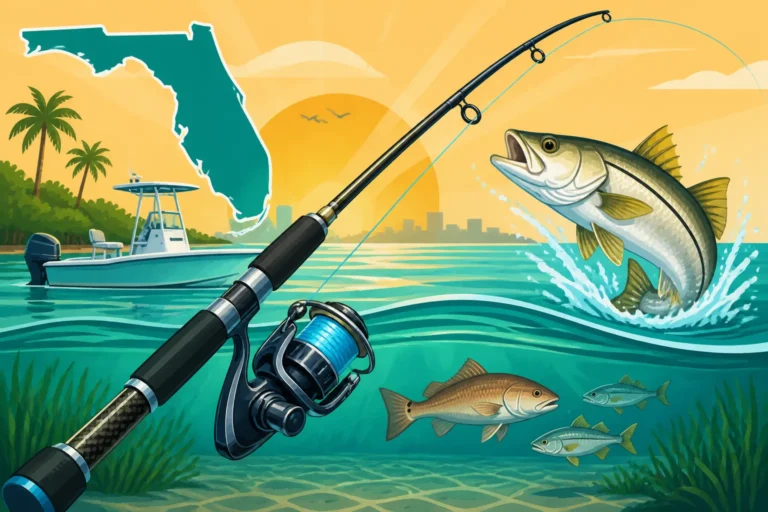
While you don't need highly specialized gear, optimizing your rod, reel, and line can significantly improve your topwater experience. A medium-heavy to heavy power rod, usually 7 to 7.5 feet in length, with a fast action tip is ideal. This combination provides the backbone to cast larger lures and fight powerful snook, while the fast tip allows for precise lure manipulation for walking and popping. Many anglers favor a good quality spinning reel in the 3000-4000 size range, spooled with braided line.
Braided line, typically 20-30 lb test, is a game-changer for topwater. Its low stretch means you have direct contact with the lure, allowing for superior feel and control when working the bait, and it dramatically improves hook sets. You'll want to tie a fluorocarbon leader (30-50 lb test) to your braid using an FG knot or similar strong knot. The fluorocarbon leader is less visible to the fish and provides abrasion resistance against snook's rough mouths and gill plates. Make sure your leaders are long enough, usually 2-3 feet, to provide ample stealth. For a deeper dive into rod and reel choices, check out our Best Rod for Inshore Fishing in Florida guide.
Here's a quick reference table for recommended gear:
| Gear Component | Recommendation | Why It Works for Topwater Snook |
|---|---|---|
| Rod | 7' – 7'6" Medium-Heavy to Heavy, Fast Action | Casting distance, lure control, powerful hook sets. |
| Reel | 3000-4000 Series Spinning Reel | Handles braid, smooth drag for fighting snook. |
| Main Line | 20-30 lb Braided Line | No stretch for lure control, strong, long casts. |
| Leader | 30-50 lb Fluorocarbon (2-3 feet long) | Low visibility, abrasion resistance, protects braid. |
| Knots | FG Knot (braid to fluoro), Loop Knot (leader to lure) | Strong, low-profile connections for optimal lure action. |
Reading the Water for Snook Activity
Successful topwater fishing isn't just about casting and retrieving; it's about observation. Learn to read the water for signs of snook activity. Look for baitfish scattering, nervous water, or even subtle swirls on the surface. These are tell-tale signs that predators are in the vicinity and actively feeding. Birds diving can also indicate baitfish schools, which often attract snook.
Also, pay attention to the structure and features of the environment. Are there oyster bars creating current breaks? Are mangroves offering deep shade? Are docks providing cover? These are all potential snook lies. Understanding the Best Freshwater Fishing Lakes in Florida or Best Saltwater Fishing Spots in Florida can help you pinpoint general areas, but specific snook hunting grounds require careful observation. When you see signs of activity, present your topwater lure in a way that capitalizes on that natural feeding behavior. Sometimes, a single snook will give away its position with a subtle swirl near the mangroves, offering a perfect target for your next cast.
Common Mistakes to Avoid
Even seasoned anglers can make mistakes, and when it comes to topwater snook fishing, some common pitfalls can turn a promising day into a frustrating one. Knowing what to avoid is just as important as knowing what to do.
Rushing the Hookset
This is perhaps the most common and heartbreaking mistake in topwater fishing. When a snook explodes on your lure, your instinct is to set the hook immediately. Resist this urge! Often, the fish misses the lure on the first strike, or it's still just "slurping" it in. If you pull the lure away prematurely, you've missed your shot.
The mantra for topwater strikes is: "Wait until you feel the fish." See the splash, hear the slurp, but don't react with your rod until you feel the weight of the fish on your line. Once you feel that solid pull, then deliver a strong, sweeping hookset. This ensures the fish has fully committed to the lure and you have a better chance of burying the hook. It takes discipline, especially with the adrenaline pumping, but mastering this patience will dramatically increase your hook-up ratio. It's a testament to the fact that sometimes, doing nothing is the hardest, yet most effective, thing to do.
Incorrect Lure Selection
While we've covered the best types of topwater lures, using the wrong one for the conditions is a common mistake. For example, throwing a large, loud popper in calm, crystal-clear water might spook wary snook, whereas a subtle walk-the-dog lure would be more appropriate. Conversely, using a small, subtle lure in choppy, turbid water might not generate enough commotion to get noticed.
Consider the prevailing conditions: water clarity, light levels, wind, and current. If the water is murky, a louder lure with a strong vibration might be best. If it's clear and calm, opt for more natural colors and a less aggressive retrieve. Also, match the hatch if possible. If you see specific baitfish or shrimp around, try to choose a lure that mimics their size and profile. Having a variety of topwater lures from brands available on Amazon, covering different sizes, shapes, and colors, will allow you to adapt to whatever the snook are preferring on any given day. Don't be afraid to change lures often until you find what works.
Ignoring Changing Conditions
Florida weather and water conditions can change rapidly, and successful anglers are those who adapt. A common mistake is sticking to a technique or lure that worked an hour ago, even when the conditions have clearly shifted. Maybe the sun has risen high, making the fish more wary, or the tide has gone slack. Perhaps a cold front has moved in, affecting the Best Water Temperature for Snook Fishing.
If the bite slows down on topwater, don't be afraid to switch tactics. This might mean trying a subsurface lure, moving to a different spot with better cover, or even changing your retrieve entirely. For instance, if the sun gets too high and bright, snook might retreat to deeper shade or become less willing to hit a surface bait. This is when switching to a slower, bottom-oriented presentation, or fishing around structure might be more effective. Remaining flexible and observant of your surroundings is key to consistent success. The snook will tell you what they want if you pay attention.
Disclaimer
Fishing conditions and regulations in Florida can change frequently. Always consult the latest rules and guidelines from the Florida Fish and Wildlife Conservation Commission (FWC) before heading out. This guide is for informational purposes only and does not constitute official legal advice.