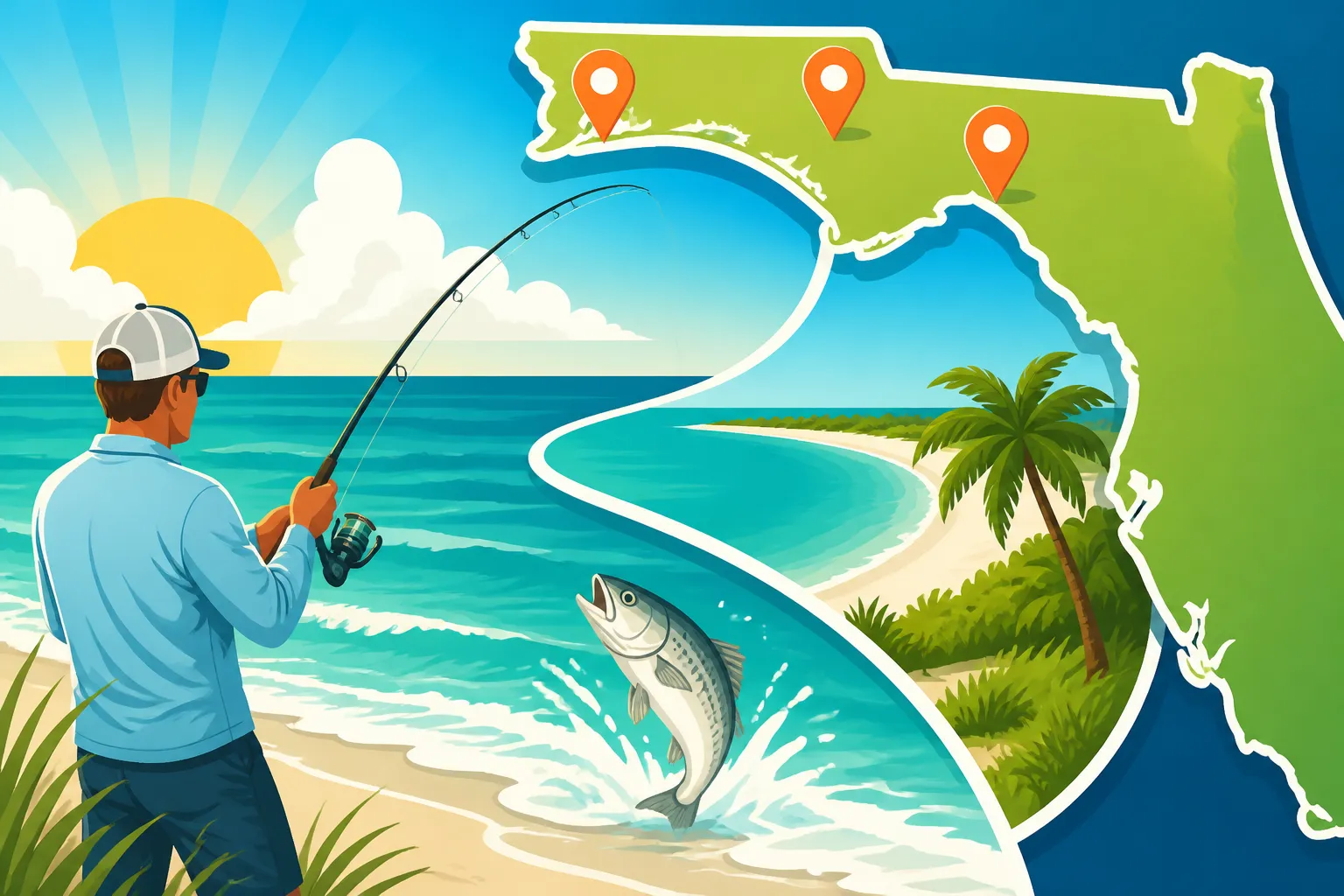
Best Spots to Surf Fish in the Florida Panhandle
The Florida Panhandle, with its stunning sugar-white sand and emerald green waters, offers an unparalleled backdrop for surf fishing. But for many anglers, especially those new to the area or new to the sport, figuring out where to cast a line along miles of seemingly identical beach can be a real head-scratcher. It's frustrating to arrive at a pristine beach, gear in hand, only to wonder if you're even in a productive spot. This guide is here to cut through that uncertainty, pinpointing the best surf fishing locations in the Panhandle and giving you the insider tips you need to make your next beach adventure a success.
The Unique Appeal of Surf Fishing in the Florida Panhandle
There's something truly magical about standing on the pristine shores of the Florida Panhandle, the waves crashing at your feet, and the promise of a fresh catch hanging in the salty air. Unlike other parts of Florida, the Panhandle boasts incredibly clear, emerald-green waters and dazzling white sand that almost squeaks underfoot. These unique characteristics don't just make for beautiful scenery; they significantly influence how and where you'll find fish when surf fishing.
Unique Characteristics of Panhandle Beaches
The distinct geology of the Panhandle, primarily composed of quartz sand from the Appalachian Mountains, results in shallower, clearer nearshore waters compared to the darker, often tannin-stained, or murky waters found on Florida's Gulf Coast further south or even the Atlantic coast. This clarity means fish can be spookier, requiring a more subtle approach, but it also offers incredible opportunities for sight fishing in calm conditions. The gentle slope of many Panhandle beaches often creates distinct sandbars and troughs close to shore, which act as highways and feeding grounds for various species. These structures are dynamic, constantly shifting with storms and currents, so what was a productive trough last week might be a flat today. Adaptability and keen observation are your best friends here.
Key Species to Target from the Surf
When you're casting lines from the Panhandle surf, you're primarily aiming for a fantastic array of inshore species that cruise the shallow waters, often chasing baitfish or foraging in the sand. Knowing what you're after helps immensely in choosing your tackle and bait.
- Pompano: These are the superstars of Panhandle surf fishing. Known for their delicious, flaky white meat and spirited fight, pompano migrate along the coast, especially during cooler months and spring. They love foraging in the troughs for sand fleas and small crustaceans.
- Whiting (Gulf Kingfish): Often caught alongside pompano, whiting are smaller but equally tasty. They're less picky eaters and a great target for consistent action, making them perfect for beginners or a family outing.
- Redfish (Red Drum): While often associated with flats fishing, bull redfish and slot-sized reds frequently cruise the surf zones, especially around deeper troughs, jetties, or near passes. They're powerful fighters and a prized catch.
- Spanish Mackerel: These toothy speedsters can be found closer to shore, especially when baitfish are schooling. They strike fast and hard, offering exciting action for anglers using spoons or fast-moving lures.
- Ladyfish: Often called the "poor man's tarpon," ladyfish are acrobatic fighters that provide endless entertainment, though they aren't typically kept for the table. They're a good indicator that baitfish are present.
- Flounder: These ambush predators lie camouflaged on the sandy bottom, especially near structure or cuts, waiting for an unsuspecting meal. They require a patient approach but are incredibly rewarding to catch and excellent table fare.
- Small Sharks and Rays: While often caught as bycatch, bonnethead sharks, blacktip sharks, and various rays are common in the surf, especially when using cut bait. Always handle these species with care and proper release tools.
Gear, Techniques, and Reading the Water for Panhandle Surf Fishing Success
Having the right equipment and knowing how to interpret the subtle clues the ocean provides are paramount for successful surf fishing in the Florida Panhandle. It's not just about casting as far as you can; it's about understanding the environment.
Rods, Reels, and Rigging for Success
For most Panhandle surf fishing, you'll want a longer rod to achieve casting distance and keep your line above the waves. A 9- to 12-foot medium-heavy spinning rod paired with a durable 4000 to 6000 series spinning reel is ideal. Spool your reel with 15-20 lb braided line, which offers superior casting distance and sensitivity, and use a 20-30 lb fluorocarbon leader for abrasion resistance and invisibility.
The most common and effective rigs are:
- Pompano Rigs: These typically feature two dropper loops with small, sharp circle hooks (often Kahle hooks or similar sizes #1 to 1/0). A pyramid sinker (2-4 oz, depending on current) is tied at the bottom to hold your bait in place against the waves. This rig is fantastic for pompano, whiting, and small redfish.
- Fish-Finder Rigs: For larger species like redfish, black drum, or even small sharks, a fish-finder rig is excellent. It consists of a leader (2-3 feet of 30-50 lb fluorocarbon) tied to a hook (2/0-5/0 circle hook), with a sliding sinker sleeve above a swivel that connects to your main line. This allows the fish to take the bait without feeling the weight of the sinker immediately.
When considering your setup, remember that different species and conditions might call for slight variations. For deeper insights into versatile setups, you might find valuable information in a comprehensive guide on Florida Inshore Fishing Techniques.
Best Baits and Lures for the Region
The Panhandle's clear waters often mean natural baits shine.
- Sand Fleas (Mole Crabs): These are the undisputed champions for pompano. You can often find them by digging in the wash zone at the water's edge. Live sand fleas are irresistible, but artificial versions like Fishbites Sand Flea flavor are also highly effective.
- Fresh Peeled Shrimp: A universal bait that works for almost everything. Small pieces on a pompano rig will catch whiting, pompano, and even small redfish.
- Fishbites: These synthetic baits come in various flavors (shrimp, clam, crab, sand flea) and colors. They're durable, stay on the hook well, and are incredibly popular for pompano and whiting.
- Cut Bait: Small pieces of mullet, ladyfish, or even squid can attract larger redfish, black drum, and small sharks.
- Lures:
- Goofy Jigs: Small, colorful jigs (1/4 to 3/4 oz) tipped with a small piece of Fishbites or shrimp are deadly for pompano when jigged slowly along the bottom in troughs.
- Spoons: Silver or gold spoons (1/2 to 1 oz) retrieved quickly are fantastic for Spanish mackerel and ladyfish, especially during feeding frenzies.
Learning How to Cast Net for Live Bait like small mullet or pinfish can also provide excellent fresh options for a variety of species.
Reading the Beach and Tides for Optimal Fishing
You can have the best gear and bait, but if you're casting into a barren stretch of water, you won't catch anything. Learning to "read the beach" is a game-changer.
- Gutters and Troughs: These are deeper channels that run parallel to the shore, often between sandbars. Fish use them as highways to move along the beach and feeding grounds where bait gets trapped. Look for darker water, or a calmer section of water directly behind the breaking waves.
- Cuts and Rips: These are openings or depressions in a sandbar where water rushes in or out. They're essentially doorways for fish moving between the ocean and the calmer, shallower troughs. Look for areas where waves aren't breaking, or where water is noticeably moving.
- Points and Structure: Any natural or man-made structure (piers, jetties, rock piles) will create current breaks and attract bait, which in turn attracts predators.
- Tides: The incoming tide often pushes baitfish and crustaceans closer to shore, making it an excellent time to fish. The outgoing tide can also be productive, as it washes bait out of the troughs and sloughs into deeper water. Consult a local tide chart for the most productive windows.
Resources like FishingBooker, while primarily for charter bookings, often feature local captains who share their knowledge of these very conditions, which can be invaluable for understanding the subtle nuances of a particular spot.
Premier Surf Fishing Locations Across the Panhandle
The Florida Panhandle offers an incredible diversity of surf fishing opportunities, from bustling beach towns with ample amenities to secluded stretches of natural coastline. Each location has its own charm and fishing potential.
Navarre Beach
Often dubbed "Florida's Most Relaxing Place," Navarre Beach lives up to its name, offering a serene atmosphere with fantastic fishing. The star attraction here is the Navarre Beach Fishing Pier, which is one of the longest in Florida. While the pier itself is a fishing hotspot, the areas immediately adjacent to it on either side are prime surf fishing territory.
The pier acts like a magnet for baitfish, which in turn draws in predatory species. You'll often find deeper troughs running parallel to the shore here, created by the currents around the pier structure. These troughs are perfect for targeting pompano and whiting with pompano rigs and sand fleas. Redfish and even Spanish mackerel will also cruise these areas, especially near the pier pilings. The beach is wide and generally clean, making for easy access and setup. Don't be afraid to walk a little distance from the main public access points to find less pressured water.
Pensacola Beach and Perdido Key
Just west of Navarre, Pensacola Beach offers expansive sugar-white sands. While the areas closer to the main commercial district can be crowded, heading east or west from the Pensacola Beach Pier (which also has excellent fishing) can lead you to quieter, highly productive surf fishing spots.
Traveling west towards Perdido Key will immerse you in a more natural setting. Perdido Key State Park is a fantastic option, offering protected dunes and pristine beach access. The untouched nature of Perdido Key often means less fishing pressure and healthier fish populations. Look for deep cuts and strong current lines, particularly on an outgoing tide, which can hold good numbers of redfish, flounder, and pompano. The currents here can be robust, so a heavier pyramid sinker might be necessary to hold your bait in place. The unblemished environment of Perdido Key makes it a top choice for those seeking solitude and a true natural angling experience.
Destin and Fort Walton Beach
While Destin is famous for its offshore fishing charters and bustling harbor, the surf fishing along its pristine beaches, and those of neighboring Fort Walton Beach, is often overlooked but highly productive. The proximity to Destin Pass (East Pass) means that nutrient-rich waters and migrating baitfish frequently move along these shores.
Beaches like Henderson Beach State Park in Destin offer a more natural and managed fishing experience. The currents near the passes can create deep sloughs and rip currents that funnel bait, making them excellent ambush points for larger redfish, pompano, and Spanish mackerel. Fishing near the jetties or rock structures at the mouth of the passes can also be very rewarding, but be mindful of boat traffic and strong currents. Early mornings or late evenings are often the best times to fish here, both to avoid the crowds and to capitalize on active feeding periods. Even if you're not planning a charter, looking at local fishing reports, sometimes found through guides listed on platforms like FishingBooker, can give you real-time insights into what's biting in Destin's surf.
Panama City Beach
Panama City Beach (PCB) boasts miles of easily accessible coastline, making it a popular destination. While the central areas can be very busy, there are plenty of excellent surf fishing opportunities if you know where to look.
St. Andrews State Park is a standout location. Its eastern jetty extends into the Gulf, creating a protected inlet and strong current flows on its Gulf side, which are perfect for surf fishing. The western side of the park, facing the pass, also offers unique conditions. Anglers regularly pull pompano, whiting, redfish, flounder, and Spanish mackerel from the surf here. The park offers amenities and a less crowded experience than the city's main beaches. For those seeking more solitude on PCB's main stretch, try fishing further east or west from the bustling Pier Park area. The sheer length of the beach means that if one spot isn't producing, another might be just a short walk away.
St. George Island and Cape San Blas
For those who prefer a quieter, more rustic surf fishing experience, the beaches of St. George Island and Cape San Blas offer unparalleled opportunities. These areas are less developed, with vast stretches of natural coastline that can feel like your own private fishing paradise.
St. George Island State Park on the eastern end of the island is a phenomenal spot, offering miles of undeveloped beach with excellent sandbar and trough formations. The park is renowned for its diverse fishery, including robust populations of pompano, whiting, redfish, and even speckled trout from the surf, especially near the easternmost point.
Further west, Cape San Blas (part of the St. Joseph Peninsula State Park) offers a unique geographical hook shape that creates varied current patterns and protected waters. The surf fishing here can be truly exceptional, with consistent catches of pompano, whiting, redfish, and even large flounder. The relative remoteness means less pressure, and the natural beauty is simply breathtaking. These locations are perfect for a full day of fishing, where you can truly immerse yourself in the natural environment.
Here's a quick comparison of some of these fantastic Panhandle surf fishing spots:
| Location | Primary Target Species | Key Features & Tips | Best Conditions |
|---|---|---|---|
| Navarre Beach | Pompano, Whiting, Redfish, Spanish Mackerel | Near long pier for structure/bait; look for distinct troughs. | Incoming tide, mild surf, cooler months |
| Perdido Key State Park | Pompano, Whiting, Redfish, Flounder | Pristine, less crowded. Focus on cuts in sandbars. | All tides, calm to moderate surf |
| Henderson Beach State Park | Pompano, Redfish, Spanish Mackerel | Natural dunes, deeper water near shore. Fish away from main crowds. | Early morning/late evening, incoming tide |
| St. Andrews State Park | Pompano, Whiting, Redfish, Flounder, Trout | Jetty creates varied currents; protected areas. Diverse fishery. | All tides, especially around jetty |
| St. George Island State Park | Pompano, Whiting, Redfish, Speckled Trout | Undeveloped miles of beach; excellent sandbar/trough formations. | Cooler months, calm surf, incoming tide |
| Cape San Blas | Pompano, Whiting, Redfish, Flounder | Unique hook shape creates varied fishing. Less crowded, natural. | Fall/Spring migrations, mild surf |
Navigating Regulations and Ethical Practices for Panhandle Anglers
Fishing in Florida is a privilege that comes with responsibilities. Understanding the rules and practicing ethical angling ensures the sustainability of our amazing fisheries for generations to come.
Understanding Bag and Size Limits
Before you even wet a line, it is absolutely essential to familiarize yourself with the current Florida Fishing Regulations and Bag Limits set by the Florida Fish and Wildlife Conservation Commission (FWC). These regulations change seasonally and vary by species, so what was legal last year might not be this year. For saltwater fishing, a Florida Saltwater Fishing License is generally required for residents and non-residents alike, with some specific Florida Fishing License Exemptions for certain groups or situations.
Always double-check the FWC website or use their Fish|Hunt FL app for the most up-to-date information on species like pompano, whiting, redfish, and Spanish mackerel. Ignoring these rules can lead to hefty fines and damage your reputation as a responsible angler. Remember that even if you're fishing from the shoreline, a license is likely required unless you meet specific criteria, so make sure you understand the nuances of the Florida Shoreline Fishing License Explained if you're a resident.
Practicing Responsible Angling
Beyond the legal requirements, ethical angling is about respecting the resource and other users of the beach.
- Catch and Release: If you're not planning to eat your catch or if a fish is outside the legal slot limit, practice proper catch and release techniques. Minimize handling, use dehooking tools, and revive fish gently before letting them go.
- Leave No Trace: Pack out everything you pack in, and then some. This includes all your fishing line, bait containers, and any other trash. Our beautiful Panhandle beaches are shared by everyone, and keeping them pristine is vital.
- Respect Wildlife and Others: Be mindful of nesting birds, sea turtles, and other marine life. Also, give fellow beachgoers and anglers plenty of space. A little courtesy goes a long way.
- Know Your Fish: Learn to properly identify the fish you catch. This is crucial for adhering to bag and size limits and for understanding if a fish is a protected species.
Adhering to these practices ensures that the incredible surf fishing opportunities in the Florida Panhandle remain vibrant and enjoyable for all.
Disclaimer
The information provided in this guide is for general informational purposes only and is not intended as legal advice regarding fishing regulations. Fishing rules and regulations in Florida are subject to change by the Florida Fish and Wildlife Conservation Commission (FWC). Always verify current regulations before fishing by checking the official FWC website or consulting a local FWC office. Adherence to all applicable laws is the responsibility of the angler.