Best Spots to Surf Fish on the Atlantic Coast
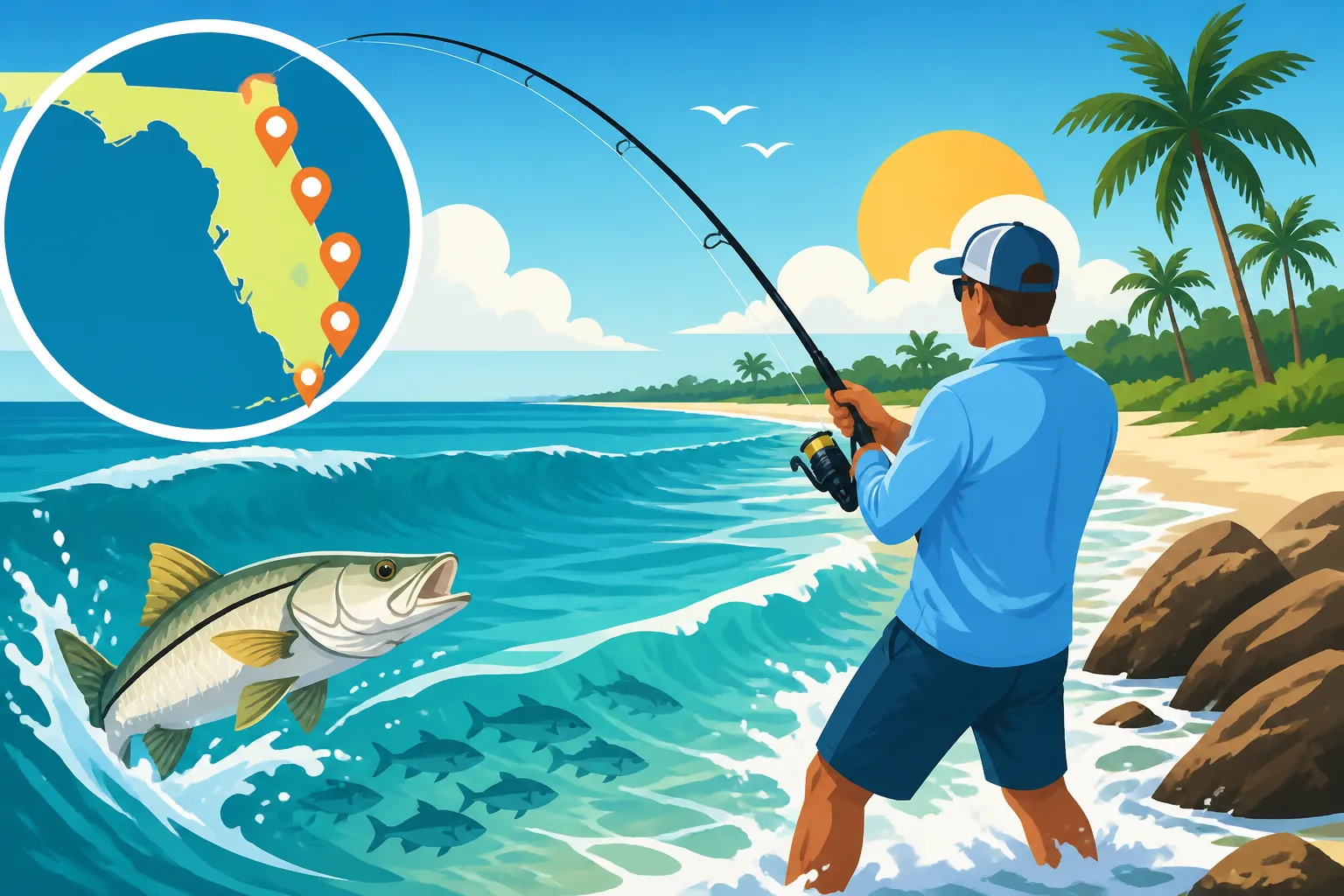
Trying to figure out where to cast your line along Florida's massive Atlantic Coast for surf fishing can feel like a real treasure hunt. With miles of beautiful, sandy beaches, knowing which stretches of sand are truly productive and which might leave you scratching your head can be a huge frustration. This guide is here to cut through all that guesswork, offering you the insider scoop on the very best spots to surf fish and dramatically boost your chances of a great catch, turning those long walks into successful fishing adventures.
Why Florida's Atlantic Coast is a Surf Fishing Paradise
Florida's Atlantic Coast is an absolute gem for surf anglers, offering a unique blend of diverse marine life, consistent wave action, and an almost year-round fishing season. From the northern reaches near Amelia Island down to the bustling shores of South Florida, this coastline provides endless opportunities to reel in a wide variety of species right from the beach. It’s not just about the sunshine and the scenery; there’s a real, vibrant ecosystem just beyond the breaking waves that makes this stretch of shoreline so incredibly special for those of us who love the feel of sand between our toes and a rod in our hands.
Diverse Habitats and Species
What makes the Atlantic Coast so fantastic for surf fishing is its incredible biodiversity, supported by a rich array of habitats. You've got everything from sweeping, sandy beaches perfect for pompano and whiting, to areas with coquina rock outcroppings and jetties that create ideal ambush points for larger predators. These varied structures provide shelter, food sources, and migratory pathways for an impressive roster of fish species. You're not just limited to one type of fish; depending on the season and location, you could be targeting anything from feisty Spanish mackerel to elusive snook. This constant variety keeps things exciting, ensuring that every trip to the beach offers the potential for something new and unexpected. Understanding the different underwater structures, even subtle ones like troughs and sandbars, is key to unlocking the full potential of these diverse habitats.
The Influence of the Gulf Stream
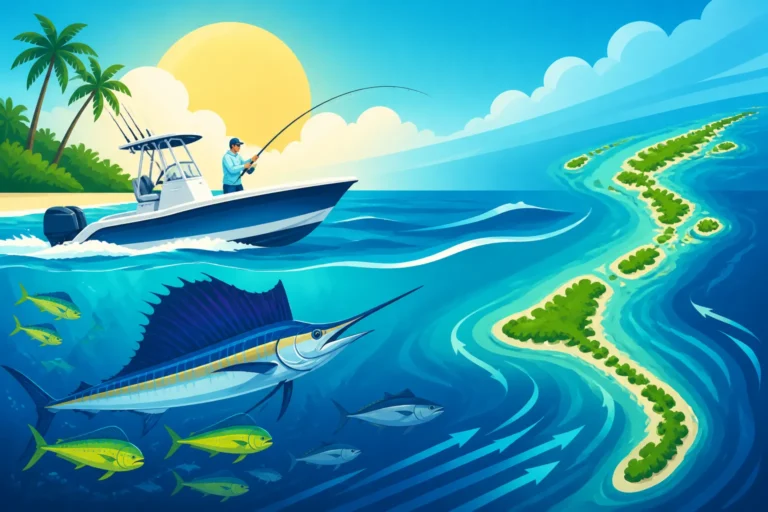
The proximity of the Gulf Stream plays a significant role in making Florida's Atlantic Coast such a productive fishery. This powerful ocean current brings warm, nutrient-rich waters close to shore, acting like a superhighway for migratory fish. Pelagic species like king mackerel, mahi-mahi (dolphin), and even sailfish can occasionally be caught within casting distance of the beach, especially when conditions align. The Gulf Stream also influences water temperatures, keeping them milder in winter, which allows many species to stay in the area longer or move through more consistently. This constant influx of warm water and baitfish contributes to the overall health and abundance of the fishery, making it a dynamic environment where you never quite know what might show up on the end of your line. It's a truly amazing natural phenomenon that fuels the entire coastal ecosystem.
Top Atlantic Coast Surf Fishing Destinations
Florida's Atlantic Coast offers an incredible array of surf fishing spots, each with its own charm and target species. It's crucial to remember that while the state offers some fantastic fishing opportunities, everyone over the age of 16 needs to comply with Florida Saltwater Fishing License Rules before casting a line. These regulations help protect our precious marine resources for future generations.
Northeast Florida's Productive Beaches
When you head up to Northeast Florida, think beautiful, expansive beaches and a slightly cooler climate than further south, which often means different fishing patterns. Places like Amelia Island and the beaches around St. Augustine are perennial favorites.
Amelia Island and Fernandina Beach
Amelia Island, with its historic charm and pristine beaches, is a fantastic spot for surf fishing. The beaches in Fernandina Beach, in particular, offer anglers ample space to spread out. Here, you can expect to consistently catch whiting, pompano, and occasionally red drum, especially during the cooler months. The currents can be strong, so a sturdy surf rod and heavier tackle are often beneficial. Anglers frequently use Pompano Rigs with Fishbites or fresh shrimp as bait. The jetties at the mouth of the St. Marys River, while requiring a bit of a walk, can also be incredibly productive, holding larger fish that move in and out with the tide. This area truly offers a blend of natural beauty and fishing action, making it a favorite for many local anglers.
St. Augustine and Vilano Beach
St. Augustine's beaches, particularly Vilano Beach and Crescent Beach, are known for their accessibility and consistent action. These areas have a mix of sandy bottom and coquina shell hash, which holds plenty of baitfish. Pompano and whiting are staples, with Spanish mackerel and bluefish making strong appearances during their migrations. You might even hook into a snook or redfish patrolling the troughs close to shore, especially around structure or during bait migrations. Many anglers here rely on a standard surf fishing setup, often employing multiple rods spread along the beach. Local bait shops can often give you the most up-to-date information on what's biting, and knowing the Best Tides for Inshore Fishing in Florida can significantly improve your success rate in these areas.
Central Florida's Surf Fishing Hubs
Moving south into Central Florida, the climate warms up, and the fishing pressure increases in some highly popular spots. This region truly shines as a surf fishing destination.
New Smyrna Beach and Cocoa Beach
New Smyrna Beach and Cocoa Beach are iconic Central Florida destinations, famous for their surf breaks and, equally, their incredible surf fishing. These beaches offer miles of uninterrupted sand, often featuring distinct sandbars and troughs that hold fish. Pompano are a major draw here, especially from late fall through spring. Whiting are almost always present, making for consistent action, particularly for beginners or families. During warmer months, you'll also find a good population of catch-and-release snook and redfish. Fishing early mornings or late evenings often yields the best results, as fish are more actively feeding when the sun isn't directly overhead. Many anglers use bright-colored surf fishing floats and small jigs to attract pompano in the clear water.
Sebastian Inlet State Park
Sebastian Inlet is, without a doubt, one of Florida's most renowned fishing spots, and its surf fishing opportunities are legendary. Located between Melbourne and Vero Beach, this unique area offers access to both the Atlantic Ocean and the Indian River Lagoon. From the jetties and surrounding beaches, anglers target a staggering array of species. Snook and redfish are major draws, with massive schools moving through the inlet, particularly during tidal changes. You can also catch pompano, bluefish, Spanish mackerel, flounder, and even tarpon from the jetties. Because of the strong currents and larger fish, a heavier Best Rod and Reel Setup for Florida Inshore Fishing is often recommended here. Due to its popularity, it can get crowded, so arriving early is always a good strategy, and checking for any specific rules for fishing within the park is essential.
South Florida's Warm Water Opportunities
Down in South Florida, the warm, clear waters create a distinctly different surf fishing experience, with species more accustomed to tropical climates and often a year-round bite.
Hutchinson Island and Jensen Beach
Hutchinson Island, including areas like Jensen Beach and Fort Pierce, offers fantastic surf fishing. This region is known for its beautiful, less-crowded beaches compared to further south. Here, you'll find an excellent population of snook, often caught right in the surf line, especially around structure or outfalls. Pompano, whiting, and croaker are also plentiful. The water here is often clearer, so lighter leaders and stealthier approaches can be beneficial. Live shrimp, sand fleas, and fresh cut bait are all highly effective. This area tends to have a good mix of species throughout the year, making it a reliable destination for consistent action. Always be mindful of local Florida Fishing Regulations and Bag Limits for snook and other prized game fish, as they can change seasonally.
Jupiter and Palm Beach
Further south, the beaches around Jupiter and Palm Beach continue the trend of warm, clear waters and diverse fishing opportunities. These areas benefit from their direct exposure to the Gulf Stream, sometimes bringing pelagic species surprisingly close to shore. While pompano and whiting are still common, the focus shifts more towards larger snook, tarpon (especially during their migrations), and even permit in certain spots. The presence of rocky ledges and reefs just beyond the surf also attracts a variety of snapper and grouper species, though these are harder to target consistently from shore. For serious anglers, using live bait like pilchards or mullet, cast into the deeper troughs, can be highly effective. If you're looking to target a specific species like snook, understanding their habits is key, and our Florida Snook Fishing Guide can provide invaluable insights for these warmer waters.
Essential Tips for Successful Atlantic Surf Fishing
Surf fishing, while seemingly straightforward, has its nuances. Knowing the right gear and how to "read" the beach can make all the difference between a slow day and a banner catch. Don't forget, understanding Florida Fishing Seasons Explained can help you target the most active fish at any given time of year along the Atlantic Coast.
Gear and Tackle Recommendations
Having the right equipment is paramount for surf fishing success. It's not just about having a rod; it's about having the right rod for the conditions and target species.
Rods, Reels, and Line
For most surf fishing on Florida's Atlantic Coast, you'll want a rod that's between 10 to 12 feet long. This length gives you the casting distance needed to get your bait out past the breaking waves and into deeper troughs where fish often feed. Medium-heavy to heavy power rods are ideal to handle heavier weights (2-4 oz pyramid sinkers are common) and fight strong currents and larger fish. Pair this with a robust spinning reel, sized 5000 to 8000, capable of holding 250-300 yards of line. Braided line, typically 20-30 lb test, is a popular choice for its casting distance and sensitivity, but a good quality monofilament (15-20 lb test) also works well, especially for its stretch which can cushion strong runs. Always remember to rinse your rod and reel thoroughly with fresh water after each trip to combat the corrosive effects of saltwater.
Rigs and Bait
When it comes to rigs, the "Pompano Rig" is a workhorse on the Atlantic Coast. It typically consists of a main line with two dropper loops, each holding a small, sharp hook (size 1 or 2 circle hooks are common), often adorned with colorful floats or beads to attract attention. A pyramid sinker (2-4 oz) is tied to the bottom to hold your bait in the surf. For bait, fresh sand fleas are king, especially for pompano and whiting. Live or fresh peeled shrimp are also incredibly effective for almost everything. Clams, fiddler crabs, and even small pieces of cut bait like mullet or bluefish can attract a wider variety of species. Artificial options like Fishbites are also hugely popular, especially when combined with natural bait for added scent and attraction. Always consider having a variety of baits on hand to see what the fish are preferring on any given day.
Reading the Beach and Tides
Understanding the dynamics of the beach itself is a skill that separates consistent surf anglers from those who just cast and hope. The ocean isn't a flat bathtub; it has contours and currents that dictate where fish will be.
Identifying Productive Structure
The "gut," "trough," or "swash channel" is a key feature to look for. This is the deeper water that runs parallel to the beach, typically between the shoreline and the first sandbar. This is often where fish feed, sheltered from the heaviest waves and finding bait that gets washed in. Look for darker water, or calmer water when the waves are breaking further out. Another critical structure is the "rip current" or "cut." These are deeper channels through sandbars where water rushes back out to sea. Fish often stage in these cuts, waiting for bait to be pulled out to them. Look for areas where waves aren't breaking, or where there's a distinct flow of water offshore. Points, jetties, and rock piles also create current breaks and ambush points for fish. Don't be afraid to walk the beach at low tide to scout these structures and remember their locations for high tide fishing.
Timing Your Fishing with Tides
Tides are everything in surf fishing. Generally, an incoming tide, especially the last two hours of the incoming and the first hour of the outgoing, is often considered the best time to fish. As the tide pushes in, it brings cooler, cleaner water and washes baitfish, shrimp, and crabs closer to shore, activating the fish's feeding instincts. However, different species might prefer different stages of the tide, and certain structures might fish better on an outgoing tide as bait is pulled out. Stronger tidal flows often mean more active fish. Paying attention to lunar phases can also impact fish activity; many experienced anglers swear by fishing around new and full moons, when tidal currents are at their strongest. Always check a local tide chart before heading out, and consider how the specific beach structure will interact with the changing water levels. If you want to dive deeper into timing your trips, our guide on the Best Time of Day to Fish in Florida can offer more strategic advice.
Common Species You'll Catch From the Surf
The variety of fish you can hook from the Atlantic Coast surf is truly one of its greatest attractions. Knowing what you're likely to encounter helps you prepare your tackle and tactics.
Pompano and Whiting
These two species are the bread and butter of Atlantic Coast surf fishing, offering consistent action and delicious table fare.
Pompano: The Surf Fishing Prize
Florida pompano are highly prized for their hard fighting nature and their delectable white meat. They are typically caught in the surf from late fall through spring, though some are present year-round, especially in Central and South Florida. Pompano cruise the troughs and cuts, often in schools, looking for sand fleas, small crabs, and shrimp. They love clean, clear water and moderate surf. The key to catching pompano is often a good presentation with a Pompano Rig, using small, sharp hooks and fresh bait. Brightly colored floats on your rig can also attract their attention. Many anglers consider the last two hours of an incoming tide to be the prime time. If you’re serious about targeting these magnificent fish, check out our guide on the Best Bait for Pompano Fishing in Florida for more specific tips.
Whiting: Consistent and Abundant
Whiting, also known as gulf kingfish or southern kingfish, are incredibly abundant along the Atlantic Coast and are an excellent target for anglers of all skill levels. They are often caught right alongside pompano, feeding on similar baits like sand fleas and shrimp, but they are less picky. Whiting can be found in a wide range of conditions, from calm to rough surf, and provide consistent action throughout the year. They don't grow as large as pompano, but they are spirited fighters on light tackle and are absolutely delicious pan-fried. A simple Pompano Rig with a small piece of fresh shrimp or Fishbites is usually all you need to entice them. They make great targets for beginners and can keep the rod bent even when other species are elusive.
Redfish and Snook
While often associated with flats and estuaries, both redfish and snook are frequently caught by surf anglers, especially in certain locations and during specific times of the year.
Targeting Redfish from the Sand
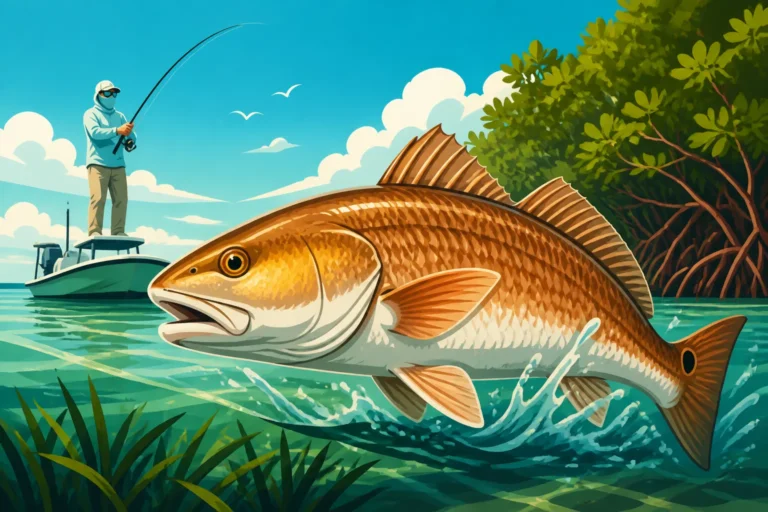
Redfish, known for their distinct tail spot and powerful runs, are a highly sought-after species. While they typically prefer the calmer waters of the intercoastal, they will venture into the surf, especially around inlets, jetties, and areas with strong baitfish presence. Look for them feeding in the deeper troughs or near cuts in the sandbars. Live bait like mullet, pinfish, or large shrimp are very effective. Many anglers also have success with cut bait like ladyfish or mullet on a fish-finder rig. Artificial lures such as spoons or soft plastic jerkbaits can also be productive when cast into the surf, mimicking fleeing baitfish. Our comprehensive Florida Redfish Fishing Guide has more detailed information on targeting these formidable fish, including specific techniques that can be adapted for surf fishing.
Snook: The Elusive Beach Predator
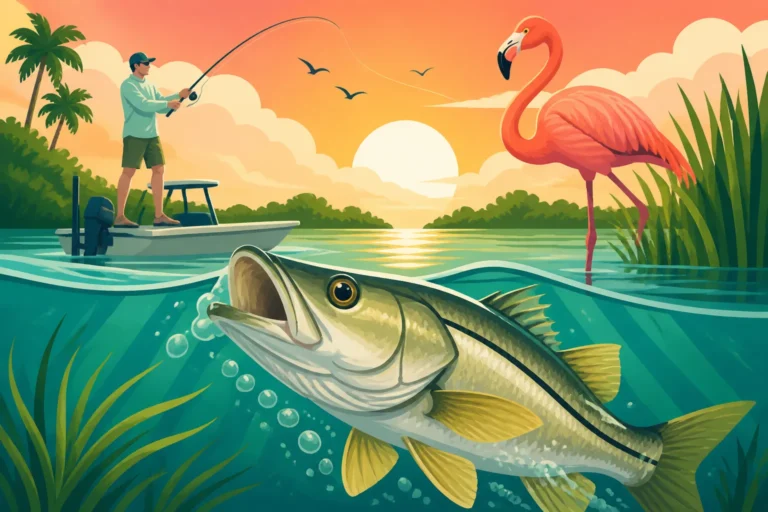
Snook are perhaps the most iconic game fish on Florida's Atlantic Coast. While they are usually found in brackish water or around mangroves, they are notorious for patrolling the surf zone, especially during warmer months, around inlets, and where schools of baitfish are present. Catching a snook from the beach is an exhilarating experience due to their explosive strikes and acrobatic fights. Live bait is king for snook: pilchards, mullet, or large shrimp free-lined or fished on a light Carolina rig are highly effective. Artificial lures like topwater plugs, lipless crankbaits, or large soft plastics can also draw strikes, especially at dawn, dusk, or under low light conditions. Remember, snook are highly regulated, so always know the current slot limits and closed seasons. Releasing them quickly and carefully is crucial to their survival.
Other Fun Catches
Beyond the main targets, the Atlantic surf can surprise you with a variety of other exciting species.
Spanish Mackerel and Bluefish
These toothy predators are common migratory visitors to Florida's Atlantic beaches, especially during spring and fall. Spanish mackerel are known for their blistering runs and can be caught casting spoons, Gotcha plugs, or even small pieces of cut bait. Bluefish are aggressive and will hit almost anything, including spoons, cut bait, or even topwater lures. Both species often travel in schools, so where there's one, there are usually more. Be sure to use a wire leader or heavy fluorocarbon leader when targeting these species, as their sharp teeth can easily cut through lighter line. They provide excellent action and are a blast on light tackle.
Sharks and Larger Game Fish
For the adventurous angler, the surf can also yield larger species. Smaller sharks, like blacktips, spinners, and sandbar sharks, are common catches, particularly when using larger cut baits on heavier tackle. They put up an incredible fight and require specialized gear and handling techniques for a safe release. Occasionally, even tarpon or king mackerel can be hooked from the beach, especially near inlets or during bait runs. For those looking for a true challenge, some anglers even target larger sharks from the beach, requiring very heavy gear and specialized bait presentation. If you're interested in booking a guided trip to explore more of Florida's amazing fishing opportunities, platforms like FishingBooker can help you find experienced captains, whether you're looking for an offshore adventure or a dedicated surf fishing guide.
| Destination / Region | Primary Target Species | Best Time of Year | Common Bait / Lures | Notes |
|---|---|---|---|---|
| Northeast Florida | ||||
| Amelia Island | Whiting, Pompano, Red Drum | Cooler months (fall-spring) | Sand Fleas, Shrimp, Fishbites, Cut Bait | Less crowded, strong currents |
| St. Augustine | Pompano, Whiting, Spanish Mackerel | Spring, Fall, Winter | Sand Fleas, Shrimp, Fishbites, Spoons | Good accessibility, coquina shell bottom |
| Central Florida | ||||
| New Smyrna/Cocoa Beach | Pompano, Whiting, Snook, Redfish | Fall-Spring (pompano), Summer (snook) | Sand Fleas, Shrimp, Fishbites, Mullet, Topwater Lures | Iconic surf spots, distinct sandbars |
| Sebastian Inlet | Snook, Redfish, Pompano, Spanish Mackerel | Year-round (species dependent) | Live Bait (mullet, shrimp), Jigs, Spoons, Plugs | Legendary spot, strong currents, can be crowded |
| South Florida | ||||
| Hutchinson Island | Snook, Pompano, Whiting, Croaker | Year-round | Live Shrimp, Sand Fleas, Cut Bait | Clearer water, good snook population |
| Jupiter/Palm Beach | Snook, Pompano, Tarpon, Permit | Warmer months (snook, tarpon) | Live Bait (pilchards, mullet), Plugs, Jigs, Spoons | Gulf Stream influence, potential for larger game fish |
Disclaimer
The information provided in this guide is for general informational purposes only. Fishing regulations, seasons, bag limits, and licensing requirements in Florida can change frequently. Always consult the latest rules and regulations from the Florida Fish and Wildlife Conservation Commission (FWC) before heading out on any fishing trip. Adherence to these rules is the responsibility of each individual angler. This guide does not constitute legal advice or an exhaustive list of all regulations.