Best Spots on the Withlacoochee River for Bass
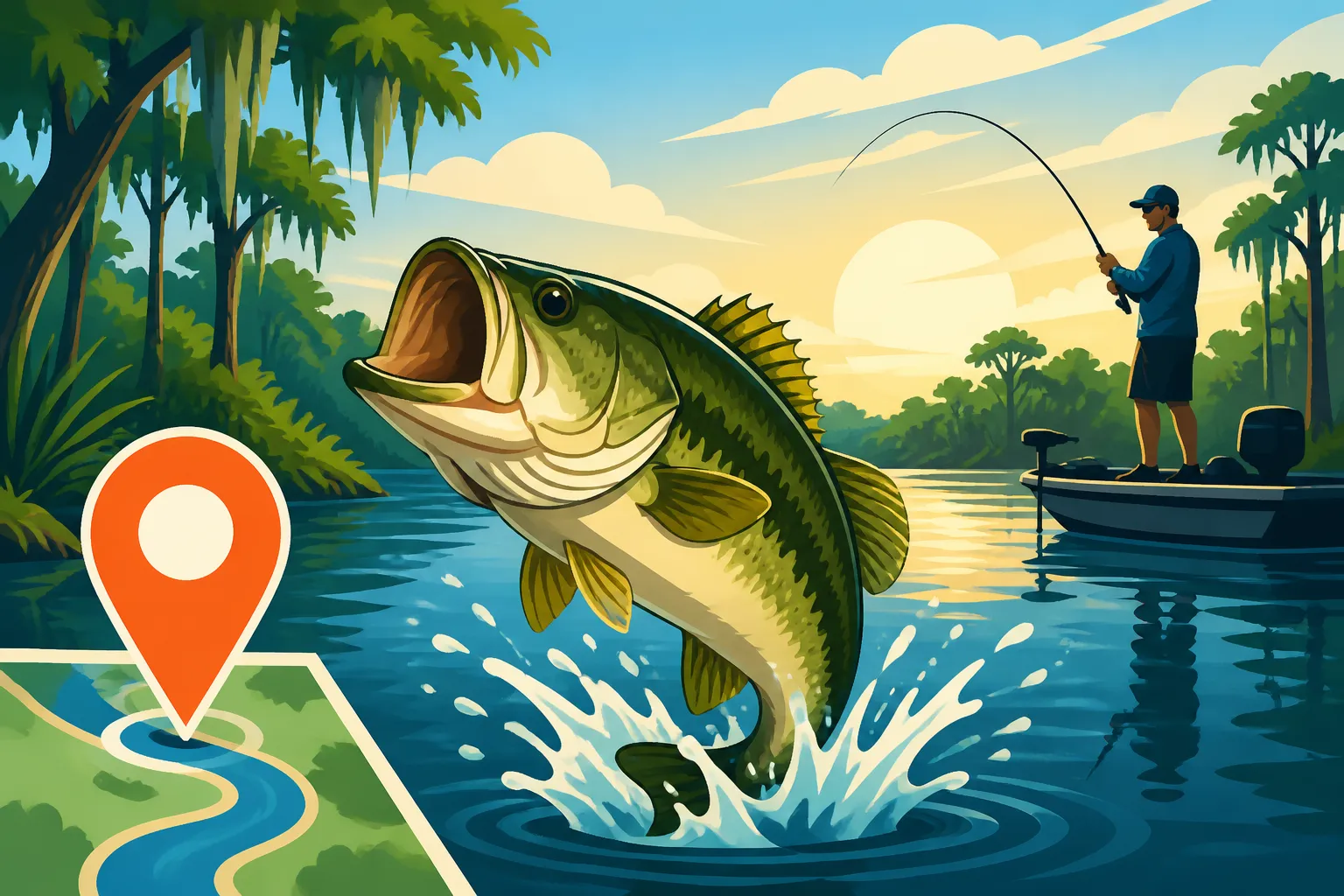
Navigating the vast and varied waters of the Withlacoochee River in search of that trophy largemouth bass can feel like trying to find a needle in a haystack for many anglers. Its winding course, diverse habitats, and ever-changing conditions present both exciting opportunities and significant challenges. This comprehensive guide is designed to cut through the confusion, pinpointing the best spots and strategies to consistently catch bass on this incredible Florida waterway.
Understanding the Withlacoochee River's Unique Bass Habitats
The Withlacoochee River, unlike some of Florida's more uniform waterways, offers an incredibly diverse range of environments that largemouth bass absolutely thrive in. From its headwaters near the Green Swamp to its eventual flow into the Gulf of Mexico, it's a dynamic system. Understanding these characteristics is key to unlocking its bass potential.
River Characteristics and Flow Patterns
The Withlacoochee River is a true Florida gem, characterized by its dark, tannic waters, which are stained by decaying vegetation. This tannin stain significantly impacts light penetration, making certain lure colors more effective. The river isn't a straight shot; it's a winding, meandering waterway, full of oxbows, sharp bends, and areas where the current can vary dramatically. Upstream, particularly near the chain of lakes it feeds, the flow can be slower and more consistent. As it moves downstream towards the Gulf, especially around the Inglis Dam area, current becomes a much more dominant factor, creating current breaks and eddies that are magnets for bass. Water levels can fluctuate with rainfall, impacting how accessible certain areas are and how fish position themselves. A higher water level might push bass into flooded vegetation, while lower levels will concentrate them in deeper channels and around existing cover. Knowing how to read these flow patterns and adjust your approach is a vital part of Florida Bass Fishing Techniques.
Key Structure and Cover for Largemouth Bass
The Withlacoochee is a textbook example of diverse bass habitat. Anglers seeking largemouth will find an abundance of natural and man-made structures. Cypress trees, with their gnarled knees and intricate root systems, line many stretches of the river, providing crucial shade, ambush points, and cover from current. Massive lily pad fields, often extending far into the shallows, create dense overhead cover and perfect hunting grounds for bass. Beneath the surface, you'll encounter extensive hydrilla beds, especially in the calmer sections and connected lakes, which act as oxygen factories and prime feeding zones. Submerged logs, brush piles, and fallen trees are also common, creating structure that attracts baitfish and, consequently, hungry bass. The numerous oxbow lakes, remnants of old river channels, are often overlooked but can hold significant concentrations of fish, especially when the main river channel experiences high flow or increased boat traffic. These areas typically have slower currents and more stable water, making them ideal for bass to relax and feed.
Prime Bass Fishing Hotspots Along the Withlacoochee
While the entire Withlacoochee River holds bass, certain areas consistently produce better results due to their unique features. Focusing your efforts on these hotspots will drastically improve your chances of success.
The Lake Rousseau and Inglis Dam Area
As the Withlacoochee River makes its final push towards the Gulf, it flows into Lake Rousseau, a large impoundment formed by the Inglis Dam. This area is a true bass factory, especially when water is being released through the dam. The current created by the outflow concentrates baitfish, and big bass are always nearby, waiting to ambush. Look for current breaks directly below the dam, where the water slows down just enough for bass to hold without expending too much energy. Deeper holes and channels in this area are also crucial, providing cooler water and stable environments for fish. Anglers often find success casting jigs, lipless crankbaits, or Texas-rigged worms near any submerged structure or eddy lines. The rock rip-rap along the dam itself provides excellent habitat, as do any fallen trees or brush piles that have accumulated with the current. This stretch can be particularly productive after heavy rains when increased flow energizes the fishing. It’s a powerful area, and knowing how to fish it safely and effectively is paramount. You might even consider booking a local guide through a service like FishingBooker to help navigate these waters.
The Chain of Lakes: Tsala Apopka and Panasoffkee
Further upstream, the Withlacoochee River connects to a series of interconnected lakes, most notably Lake Tsala Apopka and Lake Panasoffkee. These are vast, shallow, and incredibly fertile lakes that act as extensions of the river, offering a different but equally rewarding bass fishing experience.
Lake Tsala Apopka's Productive Pools
Lake Tsala Apopka isn't a single lake but rather a chain of several interconnected pools, each offering unique bass opportunities. These pools are often shallow, characterized by extensive hydrilla, lily pads, and cypress tree lines. Bass here love to hide in the thick vegetation, ambushing prey. Flipping and pitching heavy jigs or soft plastics into dense cover is a highly effective technique. Topwater frogs and buzzing baits can be explosive in the early mornings or late evenings over the lily pads. The numerous cuts and channels connecting the different pools are also excellent transition areas where bass often stage. Anglers need to pay close attention to water levels here; lower water can concentrate fish in channels, while higher water opens up more shallow cover. These interconnected lakes are a testament to the diverse Best Fishing Spots in Florida.
Lake Panasoffkee's Abundant Bass
Lake Panasoffkee, another prominent lake in the chain, is renowned for its healthy population of largemouth bass. Similar to Tsala Apopka, it's generally shallow and rich in aquatic vegetation. Hydrilla beds are rampant here, creating vast underwater cities for bass. The edges of these beds, especially where they meet open water or a slight depth change, are prime targets. Spinnerbaits and chatterbaits retrieved along these edges can draw aggressive strikes. For anglers looking to work deeper into the cover, punching mats with heavy weights and stout tackle is often the ticket. The natural flow of the Withlacoochee into and out of Lake Panasoffkee also creates current pockets and funnel points that can be fantastic during feeding times. If you're planning a trip to this area, checking out what local guides are saying on platforms like FishingBooker can provide invaluable, up-to-date insights on current conditions and productive patterns.
Upstream Sections and Secluded Oxbow Lakes
Beyond the larger lakes and dam areas, the upstream sections of the Withlacoochee River, particularly those winding through more rural or natural landscapes, hold a different kind of bass fishing magic. These areas often see less pressure and can offer incredible solitude along with fantastic fishing.
Winding River Channels and Timber Piles
As you venture further upstream from the main lakes, the Withlacoochee narrows in places, and the influence of current becomes more subtle. Here, the river is a mosaic of cypress trees, fallen timber, and sharp bends. These winding channels are perfect for casting spinnerbaits, crankbaits, or even larger swimbaits along the bends and log jams. Bass will often position themselves on the downstream side of any obstruction, waiting for baitfish to be swept past. Target shaded areas created by overhanging trees, as bass will use these for both ambush and thermal refuge, especially on bright, sunny days. The more secluded nature of these upstream stretches means fish might be less pressured and more willing to bite.
The Hidden Gems of Oxbow Lakes
The numerous oxbow lakes that dot the Withlacoochee's path are true hidden gems. These isolated pockets of water, often only accessible by smaller boats or even kayak, are old river channels that have been cut off from the main flow. They tend to have very little current, stable water conditions, and a rich ecosystem of vegetation and baitfish. Largemouth bass absolutely thrive in these serene environments. Fishing these oxbows often requires a different approach: think stealth, precision, and working lures slowly. Flipping jigs and heavy Texas-rigged soft plastics into the thickest cover is highly effective. Weedless frogs and buzzbaits fished over matted vegetation can also produce explosive strikes. Because these areas are less disturbed, the fish can be quite large and aggressive. Finding these can be a bit of an adventure, but the reward of a pristine fishing spot and unpressured bass is well worth the effort.
Seasonal Strategies and Essential Baits for Withlacoochee Bass
Fishing success on the Withlacoochee River, much like any dynamic waterway in Florida, hinges on understanding seasonal bass behavior and selecting the right tools for the job.
Spring Spawning and Post-Spawn Tactics
Spring is an exciting time on the Withlacoochee as largemouth bass transition from their wintering grounds to shallower waters for spawning. This usually happens when water temperatures consistently reach the mid-60s to low 70s Fahrenheit, typically from February through April, though it can vary. Understanding Florida Bass Spawning Season is key.
Pre-Spawn Aggression and Bedding Bass
During the pre-spawn, bass are on the move, actively feeding to bulk up for the rigors of spawning. They'll often stage in slightly deeper areas adjacent to spawning flats, such as creek channels, points, and hydrilla edges. Lipless crankbaits, spinnerbaits, and medium-diving crankbaits can be deadly during this phase, as bass are aggressive and looking for substantial meals. Once the water temperature is right, bass will move onto shallow flats with hard bottoms, often near cypress trees, lily pads, or other cover, to build their nests. This is when sight fishing for bedding bass becomes popular. Pitching soft plastics like creature baits, senkos, or jigs onto or near the bed can trigger a protective strike. Remember to exercise good conservation practices when targeting bedding fish, minimizing stress and ensuring a quick release.
Post-Spawn Recovery and Secondary Patterns
After the spawn, bass enter a post-spawn phase, often retreating to slightly deeper water to recover. They might be a bit lethargic at first, but soon they'll start feeding again, often around the same areas they spawned, but slightly deeper. Look for them holding on the outside edges of hydrilla beds, under shady overhangs, or around submerged timber. Topwater lures like prop baits or walking baits can be very effective in the early morning or late evening, imitating baitfish that have ventured too close. Swim jigs and Texas-rigged worms worked slowly through sparse cover or along drop-offs can also entice these recovering fish. It's a transitional period, and patience is often rewarded.
Summer and Fall Feeding Patterns
As Florida's heat sets in, the bass on the Withlacoochee adjust their routines. Summer fishing often means early mornings, late evenings, and targeting deeper or heavily shaded areas.
Beating the Summer Heat
Summer on the Withlacoochee typically means warm water temperatures, which can make bass lethargic during the middle of the day. Your best bet for active fish is to hit the water at dawn or stay out until dusk. During these cooler periods, topwater action can be fantastic over lily pads and hydrilla, especially with frogs, buzzbaits, or poppers. As the sun rises, bass will seek shade and cooler water. This means focusing on dense canopy cover from cypress trees, thick mats of vegetation, or deeper channels. Flipping and pitching jigs, heavy Texas-rigged worms, or punching creature baits through heavy cover are prime tactics. Best Time of Day to Fish in Florida often dictates success during these warmer months. Fishing services like FishingBooker can help you find guides who specialize in these challenging summer conditions, maximizing your chances of a successful outing.
Fall Transition and Renewed Activity
Fall brings a slight cooling trend and often renewed feeding activity for bass as they sense the approaching winter. Baitfish schools become more concentrated, and bass will actively chase them. Look for schooling activity in open water, particularly in the connected lakes. Spinnerbaits, chatterbaits, and crankbaits that mimic baitfish are excellent choices for covering water and triggering reaction strikes. Bass will also start moving out of the thickest summer cover and positioning themselves on points, ledges, and creek channel bends. Working plastic worms or jigs slowly along these structures can be very productive. The fall is a fantastic time for both numbers and quality fish on the Withlacoochee.
Winter Patterns and Cold Front Adjustments
Winter on the Withlacoochee can be feast or famine, depending heavily on cold fronts. Bass generally become less active but can be caught consistently if you know where to look and how to present your bait.
Slow and Deep After Cold Fronts
Florida winters, while mild compared to northern states, still bring cold fronts that can drastically drop water temperatures. How Cold Fronts Affect Winter Fishing in Florida is a crucial piece of knowledge here. When a cold front passes, bass often retreat to deeper, more stable water in the main river channel, oxbows, or the deeper sections of the connected lakes. Their metabolism slows, so presentations need to be much slower. Jigs, Texas-rigged worms, and Carolina rigs worked painstakingly slowly along the bottom are often the most effective. Suspending jerkbaits can also draw strikes from lethargic fish that won't commit to a fast-moving bait. Look for subtle changes in depth, log jams, or rock piles in these deeper areas.
Consistent Cold Weather Fishing
During periods of consistent cold weather, without dramatic swings, bass can often be found in predictable deep-water haunts. They might relate to submerged brush piles, deep bends in the river, or the base of cypress trees in slightly deeper water. Vertical jigging spoons or blade baits can sometimes trigger strikes in these deeper areas. The key to winter fishing is patience; bites will be fewer and far between, but they can often be from larger, quality fish. Choosing the right Best Rod and Reel Setup for Florida Inshore Fishing is important here, often meaning a sensitive rod to detect those light winter bites.
Top Baits for Consistent Success
Regardless of the season, a core set of baits will consistently produce bass on the Withlacoochee.
| Bait Type | Best Use Case | Target Structure | Key Retrieve |
|---|---|---|---|
| Plastic Worms | All-around, versatile; Texas/Carolina rig | Hydrilla, lily pads, timber | Slow drag, twitch, lift-drop |
| Jigs (Flipping) | Heavy cover, punching mats | Cypress trees, matted vegetation | Pitch, drop, subtle shake |
| Spinnerbaits | Covering water, stained water, windy conditions | Grass lines, wood, open water | Steady retrieve, slow roll |
| Crankbaits | Open water, targeting depth, current seams | Channels, points, dam outflow | Varying retrieve, deflection |
| Topwater Frogs | Dense lily pads, matted grass, calm mornings | Thick vegetation, open pockets | Walk-the-dog, pop, pause |
| Lipless Cranks | Schooling fish, grass beds, pre-spawn aggression | Grass flats, open water, current | Rip-retrieve, yo-yo, steady |
Beyond this table, it's worth noting that live bait, particularly wild shiners, are incredibly effective on the Withlacoochee for targeting trophy bass. While artificial lures offer a sporting challenge, few things can match the allure of a frisky shiner. To learn more about lure selection, check out our guide on Best Lures for Florida Bass Fishing, and for a deeper dive into their diet, our piece on What Do Largemouth Bass Eat? is invaluable. Ultimately, experimenting with presentation and retrieve is crucial, as the bass on the Withlacoochee can be particular about how they want their meal served.
Disclaimer
Fishing conditions and regulations in Florida can change frequently. Always consult the latest Florida Fish and Wildlife Conservation Commission (FWC) guidelines before heading out on the water to ensure you are aware of current rules, bag limits, and licensing requirements. Safety first, and tight lines!