Where to Fish Without a Boat in the Florida Keys
The dream of fishing the stunning turquoise waters of the Florida Keys often comes with the assumption that you absolutely need a boat. For many anglers, whether you’re visiting from out of state or just don’t own a vessel, that can feel like a real roadblock to experiencing some of the best fishing Florida has to offer. But here’s the good news: you absolutely do not need a boat to have an incredible fishing adventure in the Keys! This guide is going to walk you through all the fantastic options for fishing the Florida Keys from land, ensuring you don't miss out on the action.
The Allure of Florida Keys Fishing Without a Boat
There's something uniquely appealing about casting a line in the Florida Keys. The vibrant blue-green waters, the swaying palms, the sheer abundance of diverse marine life – it’s an angler's paradise. But let's be honest, not everyone has the luxury of trailering their own boat down the Overseas Highway or the budget to rent one for their entire trip. The good news is, the Keys are incredibly accessible, even without a hull beneath your feet.
Why Anglers Seek Boat-Free Options in the Keys
So, why would someone choose to fish from land in a place famed for its flats and offshore charters? The reasons are varied and totally understandable. For starters, the cost of boat ownership, maintenance, and trailering can be prohibitive for many. If you're flying into South Florida for a vacation, bringing a boat is simply not feasible. Even renting a boat or a Florida Fishing Charter Guide can add up quickly, especially if you're planning multiple days of fishing.
Beyond the practicalities, some anglers just prefer the tranquility and simplicity of land-based fishing. There’s no complex navigation, no worrying about engine troubles, and often, it’s a much more spontaneous endeavor. You can wake up, grab your gear, and be casting lines within minutes, fitting fishing seamlessly into a family vacation without the demands of a full-day offshore excursion. Plus, the close proximity to hotels, restaurants, and other attractions makes it a convenient choice. For those new to the area, it's also a great way to scout potential fishing spots and get a feel for the local environment before perhaps considering a guided trip down the line.
The Diverse Ecosystems Accessible from Shore
What makes the Florida Keys so special for boat-free anglers is the incredible diversity of ecosystems that come right up to the land's edge. This isn't just about catching small baitfish from a crowded pier. We're talking about opportunities to target everything from hard-fighting game fish to delicious table fare, all without stepping foot on a boat.
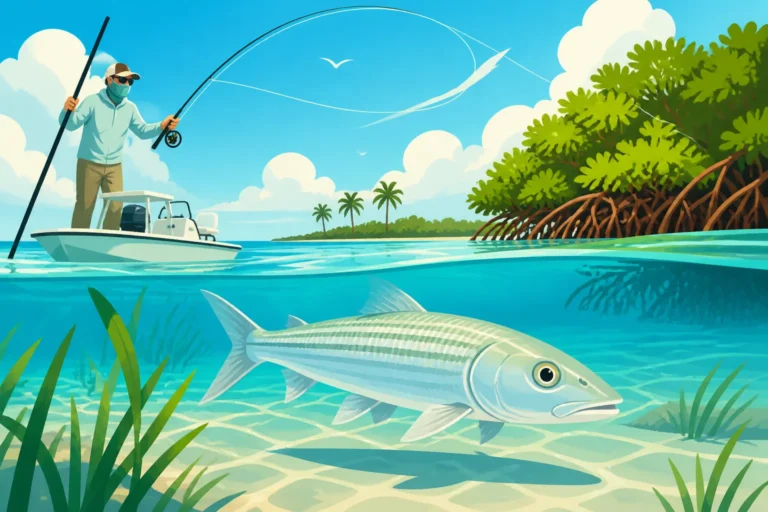
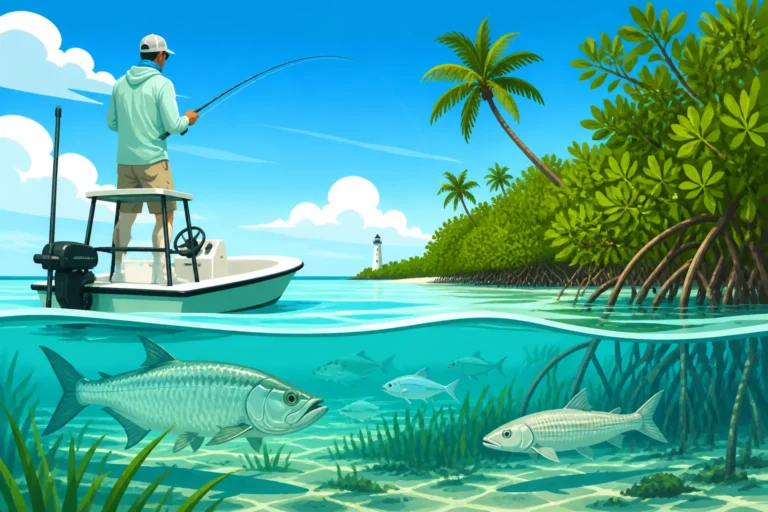
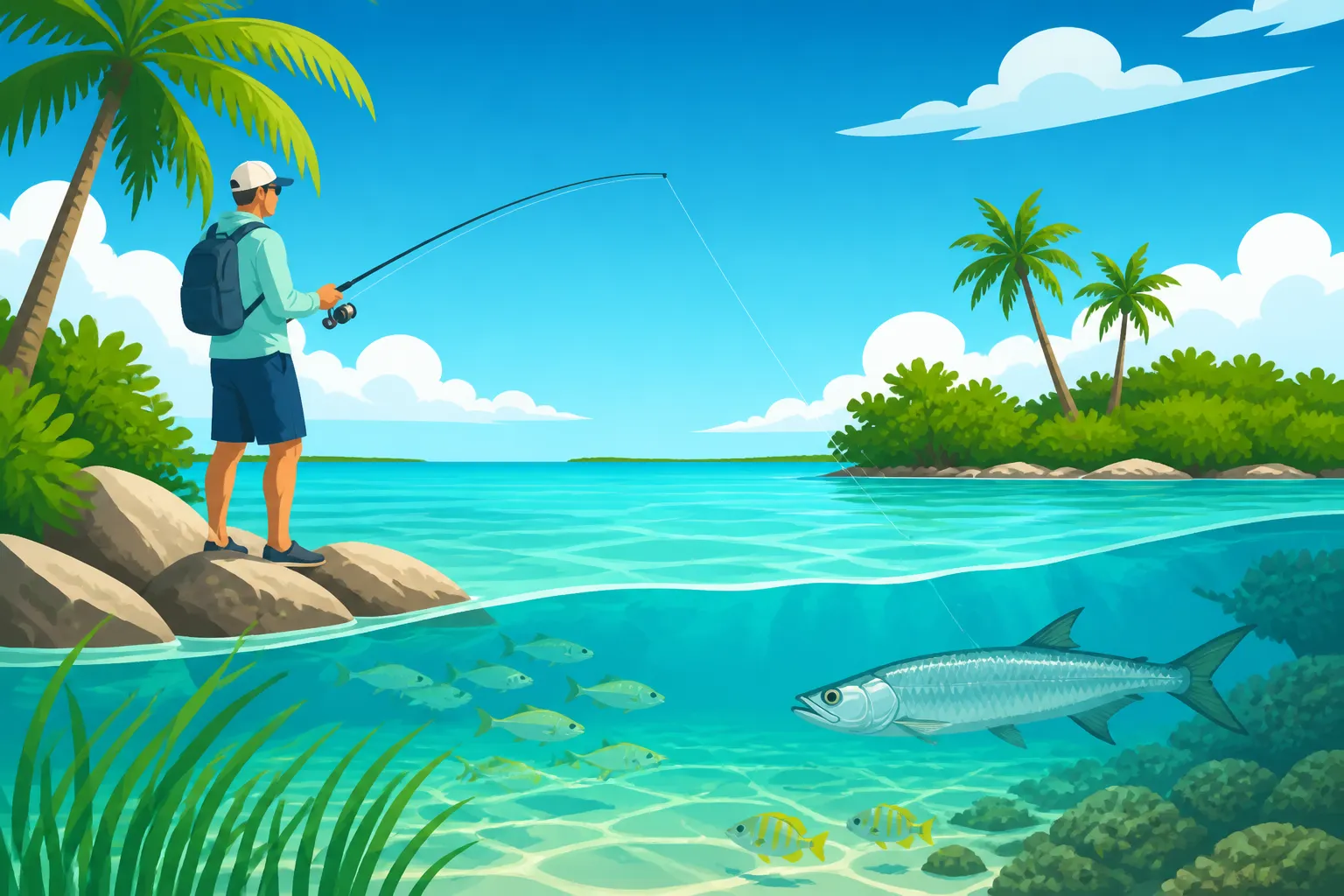
From the shore, you can access the nearshore flats that hold bonefish, permit, and redfish. The channels and deep cuts under bridges are highways for tarpon, snook, snapper, and even small sharks. Mangrove shorelines, easily reachable by foot in many areas, are nurseries and hunting grounds for juvenile snook, mangrove snapper, and various species of jacks. You might even find yourself casting into deeper currents where Spanish mackerel, barracuda, and other pelagic species pass through. The clear waters of the Keys mean that often, you can sight fish for your targets, adding an exciting visual element to your angling. Understanding the Florida Fishing Regulations and Bag Limits for each species you might encounter is crucial for a successful and legal outing.
Top Spots for Shore Fishing in the Florida Keys
The Florida Keys chain, stretching over 100 miles, is dotted with incredible land-based fishing opportunities. From iconic bridges to serene state parks, there’s a spot for every type of angler.
Public Piers and Bridges: Your Gateway to Deeper Waters
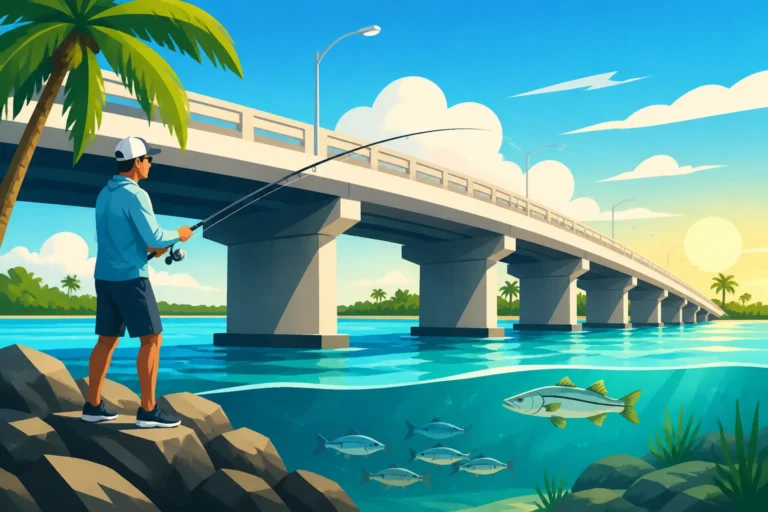
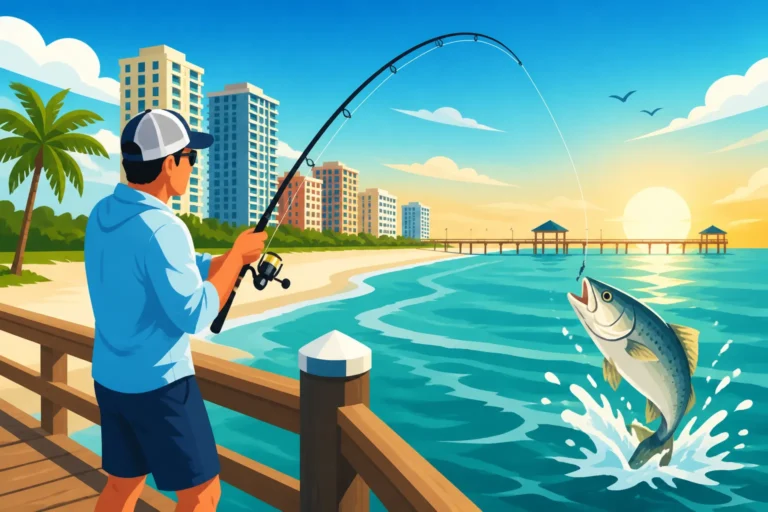
When you think about fishing without a boat in the Keys, bridges and piers are probably the first things that come to mind – and for good reason! These structures act like giant artificial reefs, attracting baitfish and, in turn, larger predatory species. They offer access to deeper water and strong currents that are otherwise only reachable by boat.
One of the most famous spots is the Old Bahia Honda Bridge within Bahia Honda State Park on Big Pine Key. This historical landmark offers incredible access to both the Gulf and Atlantic sides. From the old bridge sections, you can cast into deep channels, targeting barracuda, snapper, tarpon, permit, and various kinds of jacks. The strong currents here mean you'll need heavier tackle, but the rewards can be huge. The park itself is a fantastic destination, offering beaches and camping, making it ideal for a longer fishing trip.
Further north, the Old Seven Mile Bridge in Marathon (now a pedestrian and cycling path) provides unparalleled access to the legendary waters of the Middle Keys. While you can’t fish from the entire length, specific sections are open to anglers, particularly at the Marathon end. This bridge is a known hotspot for migrating tarpon during their spring run, but throughout the year, you'll find plenty of snapper, grouper, mackerel, and even sharks. Always check local signage for specific fishing rules and restricted areas. For the best chance at a wide variety of fish, consider checking out some of the Best Pier Fishing Spots in Florida – many are in the Keys.
In Key West, several public piers offer excellent opportunities. The White Street Pier (or "Civic Center Pier") extends far into the Atlantic, providing access to deeper water where you can target snapper, mackerel, and even some offshore species on occasion. It’s also a popular spot for catching baitfish. The Edward B. Knight Pier (Sigsbee Park) is another great option, offering access to the calmer Gulf side, which can be excellent for pompano, permit, and various bottom fish. Don't forget, most piers require you to have a Florida Saltwater Fishing License Rules if you are fishing from them, unless it's a designated pier that holds a blanket license (always verify locally!).
Beach Access Points and Causeway Overlooks
The Keys aren't just about bridges; many areas offer fantastic beach and shoreline access for casting directly into the rich nearshore waters. Surf fishing along the Atlantic side can yield pompano, whiting, snook, and even small sharks, especially during cooler months when pompano migrate.
Anne's Beach in Islamorada is a local favorite, known for its shallow, calm waters on the bay side. While it's primarily a wading spot, you can walk out along the boardwalks and cast into the seagrass flats. This is a prime location for targeting spotted seatrout, small snook, and redfish. It's a particularly good spot for beginners or families with kids due to the calm, shallow conditions. For a broader overview of similar spots, check out our guide on the Best Beaches for Surf Fishing in Florida.
The numerous causeways connecting the different Keys also offer overlooked opportunities. Many have pull-offs and small sandy or rocky areas where you can set up shop. These spots often provide access to channels and deeper cuts that run under the bridges, serving as ambush points for predatory fish. Just be mindful of traffic and ensure you're not obstructing any boat ramps or private property. A great example would be the causeways leading into Key West, which can offer decent access to canals and shallow flats, perfect for targeting snapper or even some ambitious bonefish with the right approach.
State Parks and Preserves with Fishing Access
Florida's State Parks are gems, and several in the Keys offer excellent, well-maintained fishing access. These parks often provide amenities like restrooms, picnic areas, and sometimes even bait and tackle shops, making for a comfortable day of fishing.
Beyond Bahia Honda, Long Key State Park (currently undergoing renovations but will re-open better than ever) is another fantastic location. With its extensive shoreline and easy access to both the ocean and the backcountry flats, it's a prime spot for sight-fishing for bonefish and permit, or casting for snook and redfish in the tidal creeks. When it fully re-opens, it will undoubtedly remain one of the best spots to fish from shore.
The beauty of fishing in a state park is that the environment is typically well-preserved, and the fish populations tend to be healthier. Always check with the park rangers about specific fishing zones, regulations, and any potential closures before you head out. These spots are not only great for fishing but also offer incredible natural beauty and wildlife viewing opportunities.
Essential Gear and Techniques for Keys Land-Based Anglers
Having the right tackle and knowing how to use it effectively is paramount when you're fishing the Florida Keys without a boat. The conditions can vary wildly from deep, fast-moving currents under a bridge to shallow, calm flats.
Rods, Reels, and Line Choices for Shore Fishing
Choosing your gear wisely can make all the difference. For most land-based fishing in the Keys, you'll want versatile setups that can handle a range of species and conditions.
- For General Purpose/Flats Fishing: A 7-foot to 7-foot, 6-inch medium-light to medium power spinning rod paired with a 3000-size reel is a great all-around choice. Spool it with 10-15 lb braided line, which offers excellent casting distance and sensitivity. Top it with a 20-30 lb fluorocarbon leader for abrasion resistance and invisibility. This setup is perfect for casting light jigs, soft plastics, or live shrimp on the flats and around mangrove edges, targeting spotted seatrout, small redfish, snapper, and even smaller snook.
- For Bridges and Deeper Channels: If you're targeting bigger fish from bridges or areas with strong currents, you'll need something more substantial. An 8-foot to 10-foot medium-heavy to heavy power spinning rod with a 5000-6000 size reel spooled with 30-50 lb braid will give you the power and casting distance needed. Use a 40-60 lb fluorocarbon leader, especially if you're going after tarpon or barracuda. This rig is essential for handling stronger currents and larger, more powerful fish like grouper (if in season and of legal size), large snappers, and the formidable silver kings. You can learn more about specific requirements in our Florida Tarpon Fishing Guide.
Best Baits and Lures for Keys Shore Species
What you tie on the end of your line is just as important as the tackle itself. The Keys' diverse ecosystem means a variety of baits and lures can be effective.
- Live Bait: This is often king in the Keys, especially for finicky fish. Live shrimp are almost universally effective for everything from snapper and trout to snook and redfish. Small pilchards, pinfish, or mullet (if you can catch them with a cast net – read our guide on How to Cast Net for Live Bait) are excellent for targeting larger predators like snook, tarpon, and barracuda. Fiddler crabs are fantastic for permit and bonefish on the flats. You can often purchase live bait at local bait and tackle shops, which are invaluable resources for current conditions and local hot spots.
- Artificial Lures: Don't underestimate the power of artificials.
- Jigs: Jig heads (1/8 oz to 1 oz, depending on depth and current) paired with soft plastic paddle tails, shrimp imitations, or jerk shads are incredibly versatile. Colors like white, chartreuse, natural shrimp, and root beer are consistently productive.
- Topwater Plugs: For snook and redfish in low light conditions (dawn/dusk), a walk-the-dog style topwater plug can produce explosive strikes.
- Spoons: Casting spoons are excellent for covering water and attracting Spanish mackerel, bluefish, and ladyfish.
- Hard Baits: Suspending or diving twitch baits can be deadly for snook and larger trout around structure.
- For a comprehensive look at what works, consider our Best Live Bait for Florida Inshore Fishing guide.
Mastering Techniques for Land-Based Success
It's not just about showing up; knowing how to fish from shore makes a huge difference.
- Reading the Tides: This is probably the single most important factor in Keys fishing, especially from land. Incoming and outgoing tides create currents that move bait and position predatory fish. Often, the hour leading up to and after a tide change is the most productive. Learning How to Read a Tide Chart for Fishing is a critical skill.
- Targeting Structure: Bridges, pier pilings, mangrove roots, rocky outcrops, and even subtle depth changes (like a trough running parallel to a beach) are all prime holding areas for fish. Cast parallel to these structures or work your bait/lure along their edges.
- Stealth and Observation: Especially on shallow flats or clear waters, approaching your fishing spot quietly is key. Fish can be easily spooked by heavy footsteps or loud noises. Take time to observe the water before casting – look for signs of baitfish, nervous water, or even cruising predators.
- Responsible Catch and Release: Many of the Keys' prized game fish, like snook and tarpon, are catch-and-release only or have strict slot limits. Always handle fish with wet hands, minimize their time out of water, and use appropriate tools like lip grippers to ensure a healthy release. This ensures these incredible resources are there for future generations.
Navigating Regulations and Maximizing Your Experience
Fishing in Florida, especially in the sensitive ecosystems of the Keys, comes with specific regulations. Being prepared and informed will ensure a stress-free and successful trip.
Understanding Florida Fishing License Rules
First and foremost, you'll need a fishing license. It's a common misconception that you don't need a license to fish from shore or a public pier. In most cases, you absolutely do. The only major exemption for residents is the Florida Free Shoreline Fishing License for Residents, which covers basic saltwater fishing from land or structures attached to land. However, this doesn't cover fishing from boats or for certain species that require permits, like snook or lobster.
For non-residents, or if you're a resident planning to fish from a boat at any point, you'll need a standard Florida saltwater fishing license. You can purchase these online through the Florida Fish and Wildlife Conservation Commission (FWC) website, at local bait and tackle shops, or even through services like FishingBooker if you're booking a guide for a different part of your trip. Always check the FWC website for the most current information regarding Who Needs a Fishing License in Florida and specific requirements like the Florida Snook Permit Requirements or Florida Lobster Permit Requirements if you plan to target those species.
Best Practices for Safety and Success
Fishing in the Keys is usually a beautiful experience, but it pays to be prepared for the elements and other considerations.
- Sun Protection: The Florida sun is no joke! Wear a wide-brimmed hat, polarized sunglasses, and UV-protective clothing. Apply sunscreen regularly, even on cloudy days.
- Hydration: Bring plenty of water, especially during the warmer months. Dehydration can sneak up on you quickly.
- Footwear: Wear sturdy, closed-toe shoes that can get wet and offer good grip. You might be walking on uneven terrain, slippery rocks, or sharp shell bottoms.
- Tidal Awareness: Beyond fishing strategy, be aware of rising and falling tides for safety, especially if you're wading or fishing from areas that can become submerged.
- Respect Private Property: Always be mindful of "No Trespassing" signs and avoid fishing on private docks or property without explicit permission.
- Leave No Trace: Pack out everything you pack in, including fishing line, bait containers, and food wrappers. Let's keep the Keys beautiful for everyone.
Leveraging Local Knowledge and Resources
Even without a boat, local knowledge can drastically improve your fishing success.
- Bait and Tackle Shops: These are goldmines of information. The folks working there are usually local anglers themselves and can tell you what's biting, what baits are working, and even point you to specific boat-free spots. They're also the perfect place to grab those live shrimp or the perfect jig.
- Online Resources and Forums: Many online fishing forums and local Facebook groups are dedicated to Keys fishing. You can glean a lot of real-time information from fellow anglers, but always take specific spot recommendations with a grain of salt and respect local etiquette.
- Consider a Guide (Even Once!): While this guide is about fishing without a boat, if you want a truly immersive experience and learn the ropes from a professional, booking a half-day trip with a local guide, perhaps through a platform like FishingBooker, can be incredibly educational. They know the subtle nuances of the tides, the fish patterns, and the best techniques, and often run small skiffs that can access shallow areas you can't reach from shore, teaching you skills you can apply to your land-based fishing.
Fishing the Florida Keys without a boat is not just possible; it's an incredibly rewarding way to experience this unique angler's paradise. With the right gear, a bit of planning, and respect for the environment, you're set for an unforgettable adventure.
| Fishing Spot Type | Accessibility | Target Species (Examples) | Recommended Gear | Notes |
|---|---|---|---|---|
| Public Piers | Easy, paved access, amenities | Snapper, Mackerel, Barracuda, Tarpon, Jacks, Grouper | Medium-heavy to Heavy Spinning (8-10ft, 5000-6000 size reel, 30-50lb braid) | Best for deeper water, strong currents. Check local blanket licenses. |
| Bridges (Pedestrian Sections) | Moderate, often long walks | Tarpon, Permit, Snapper, Jacks, Barracuda, Sharks | Heavy Spinning (9-10ft, 6000+ size reel, 50lb+ braid) | Can have very strong currents. Be mindful of traffic and open fishing areas. |
| Beaches/Shorelines | Easy, sandy/rocky access | Pompano, Whiting, Snook, Redfish, Spotted Seatrout | Medium-light to Medium Spinning (7-8ft, 3000-4000 size reel, 10-20lb braid) | Best for surf fishing, wading flats. Look for troughs and structure. |
| State Parks | Easy, designated parking/paths | Snook, Redfish, Bonefish, Permit, Trout, Snapper | Medium-light to Medium Spinning (7-7.6ft, 3000-4000 size reel, 10-20lb braid) | Often offer amenities. Respect park rules & conservation efforts. |
| Causeway Overlooks | Variable, roadside pull-offs | Snook, Redfish, Jacks, Small Snapper | Medium Spinning (7-8ft, 4000-5000 size reel, 20-30lb braid) | Great for targeting channel edges and deeper cuts. Be aware of traffic. |
Disclaimer
Please note that fishing regulations, seasons, and local access points in the Florida Keys can change. Always consult the latest Florida Fish and Wildlife Conservation Commission (FWC) guidelines and local signage before heading out. This guide is for informational purposes only and does not constitute legal advice.