Best Spots for Offshore Fishing Out of Key West
Oh, the allure of offshore fishing out of Key West! It's a dream for so many anglers, but let's be real, staring out at that vast blue expanse can feel a bit overwhelming when you're trying to figure out where the best bites are. There's nothing more frustrating than spending hours on the water without a tug, which is why having a solid understanding of the prime offshore fishing spots and what lurks beneath is absolutely crucial. This guide is here to cut through the guesswork, helping you pinpoint those productive zones and giving you the insider knowledge to make your next Key West offshore adventure a truly memorable one.
Understanding Key West's Offshore Fishing Grounds
Key West isn't just a picturesque island; it's a strategic launching point to some of the most diverse and abundant offshore fishing grounds in the world. The unique geography here creates a perfect storm of conditions that draw in a huge variety of pelagic and bottom-dwelling species.
The Unique Geography of the Florida Keys
Imagine a narrow chain of islands, the Florida Keys, stretching into the Gulf of Mexico. To the south, just a few miles offshore from Key West, the seabed drops dramatically into what's known as "The Wall." This isn't a solid structure, but rather a steep continental shelf that plunges thousands of feet into the abyss of the Florida Straits. This sudden change in depth creates upwellings and currents that bring nutrient-rich waters to the surface, forming an underwater highway for baitfish and, consequently, their predators.
Before you even reach The Wall, you'll find a series of natural reefs and artificial wrecks. The famous Florida Reef Tract, the third-largest barrier reef system in the world, extends along the Keys. While much of it is protected, its deeper edges and surrounding structures still hold incredible fishing potential. These natural and man-made structures provide shelter, feeding grounds, and spawning areas for a multitude of fish. It's a complex underwater landscape, often much more varied than anglers realize, influencing everything from the smallest baitfish to the largest billfish.
Why Key West is a Prime Offshore Destination
What really sets Key West apart as an offshore fishing mecca is its unparalleled access to the mighty Gulf Stream. This powerful, warm ocean current flows northward just beyond The Wall, acting like a conveyor belt for pelagic species. Think about it: a constant supply of warm water, full of nutrients and baitfish, moving past your fishing grounds. This attracts migratory species like mahi-mahi, wahoo, and various tuna species as they travel their oceanic routes. The consistency of this current means that even when conditions are slow elsewhere, there's often something moving offshore from Key West.
Furthermore, the proximity to the deep waters of the Gulf of Mexico and the Atlantic Ocean creates a dynamic environment. You're not just limited to one type of fishing; you can transition from trolling for migratory species in blue water to dropping baits over deep wrecks for snapper and grouper, all within a reasonable boat ride. This versatility makes Key West an ideal destination, whether you're targeting specific trophies or just looking to fill the cooler. If you're exploring different options for getting on the water, you might want to look into various Key West Fishing Charter Rates to understand the costs involved.
Top Offshore Fishing Spots Near Key West
When you head offshore from Key West, you're entering a world of deep water, dynamic currents, and incredible fish. Knowing where to focus your efforts can make all the difference.
The Wall (Florida Straits)
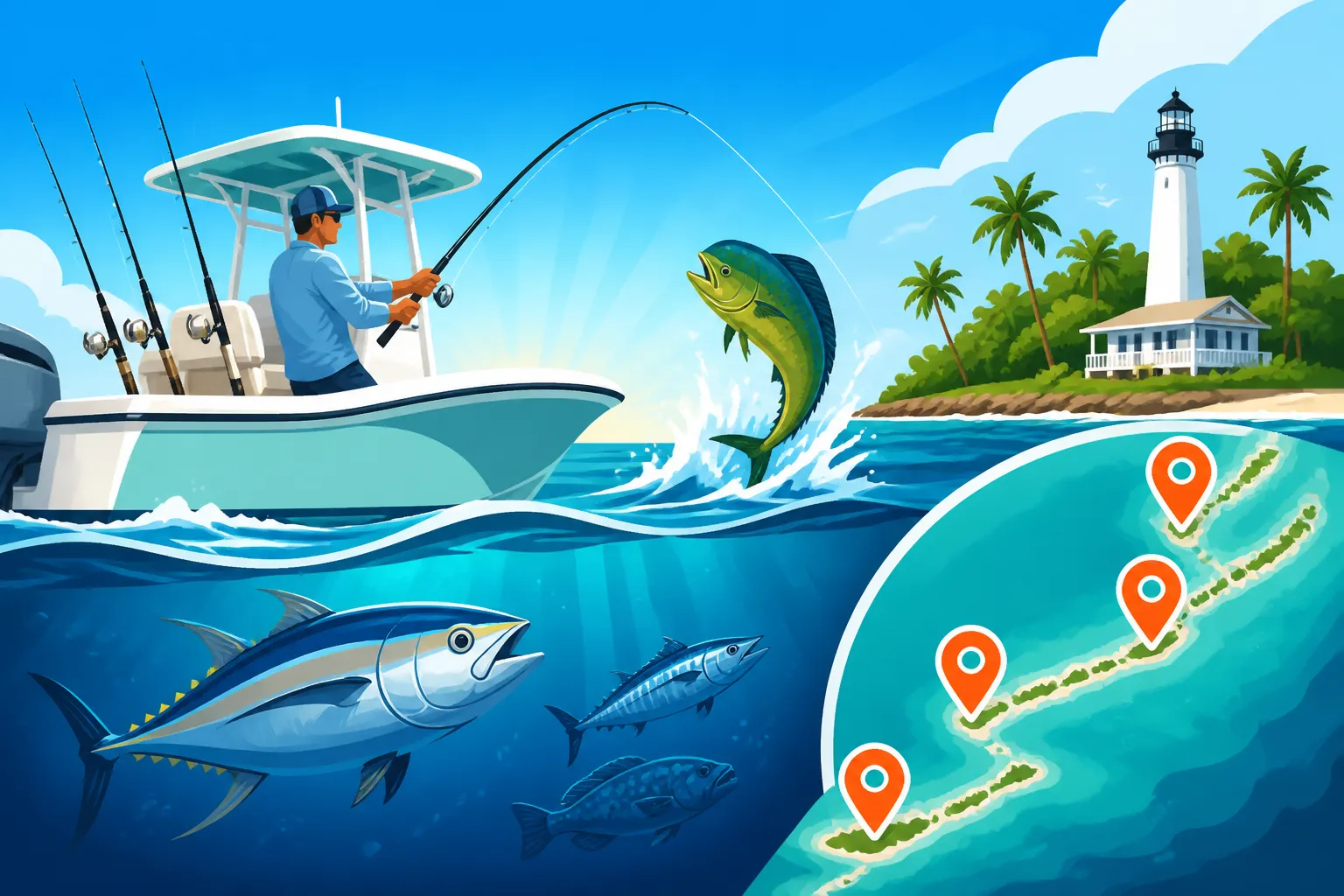
This is the holy grail for serious offshore anglers out of Key West. "The Wall" refers to the continental shelf break, where the seafloor dramatically drops from a few hundred feet to several thousand feet in the Florida Straits. It's usually found anywhere from 8 to 20 miles south of Key West, depending on your exact departure point. The deep blue water here is where you'll encounter the true giants of the ocean.
Trolling along The Wall is a popular and highly effective strategy. You're looking for color changes in the water, current rips, weed lines, and baitfish schools – all indicators that larger predatory fish are nearby. This is prime territory for large pelagics such as wahoo, which love to ambush prey around structure and current breaks. You'll also find various tuna species, including hard-fighting blackfin tuna, especially during cooler months. For those seeking the ultimate challenge, this is also where you might encounter blue marlin and white marlin, particularly during their migratory seasons. The sheer depth and vastness of this area mean that careful observation and understanding of currents are key to success.
Reef Edge and Wrecks
While the shallow coral reefs themselves are often protected and regulated, the deeper reef edge, typically found in 100 to 300 feet of water, and the numerous artificial and natural wrecks scattered around Key West offer fantastic bottom fishing opportunities. These submerged structures act as magnets for fish, providing habitat and hunting grounds.
Anglers often target various snapper species, including large mutton snapper and mangrove snapper, around these deeper reefs and wrecks. Gag grouper and black grouper are also common inhabitants, providing a challenging fight and excellent table fare. You'll need stout tackle and patience to pull these fish away from the structure before they can break you off. Amberjack, known for their immense power and stamina, are another prime target on these wrecks. Look for wrecks like the USS Wilkes-Barre, a popular spot for advanced wreck fishing, or general areas marked on charts as promising structures. Dropping live baits like pinfish, pilchards, or even squid can be incredibly effective here. Keep in mind that for specific species like grouper, there are Florida Grouper Fishing Guide regulations to follow regarding seasons and sizes.
The Gulf Stream's Influence
As mentioned, the Gulf Stream is a game-changer for offshore fishing in Key West. It typically runs several miles offshore, often paralleling The Wall, but its exact location and strength can vary. Smart anglers pay close attention to sea surface temperature charts and current predictions to locate the edges and eddies of this powerful current.
The interface where the Gulf Stream meets cooler, greener inshore waters is often incredibly productive. These "rips" concentrate baitfish, Sargassum weed lines, and debris, creating a vibrant ecosystem. Mahi-mahi (also known as dolphin fish) absolutely love these weed lines, using them for shelter and hunting grounds. You can often find them in schools, sometimes in incredible numbers, especially during the spring and summer. Trolling lures or pitching live baits to patches of floating debris or weed lines is the go-to method here. Other species like wahoo and king mackerel will also patrol these current breaks, eagerly looking for an easy meal. Understanding the movement and nuances of this current is paramount to locating where the fish are holding.
FADs and Deeper Structures
Beyond the natural reef lines and commonly known wrecks, many anglers also look for Fish Aggregating Devices (FADs) or other deeper, lesser-known structures. While there aren't many publicly maintained FADs specifically offshore from Key West, skilled captains often have their own privately deployed FADs or know of natural deep-water humps and ledges that attract pelagic species. These can be incredible spots for wahoo, tuna, and even billfish.
These deeper structures, often in water depths of 500 feet or more, are often targeted by charter boats that specialize in deep dropping or high-speed trolling. When you're considering a trip, especially if you're venturing far offshore, working with experienced captains, perhaps found through platforms like FishingBooker, is invaluable. They have the local knowledge and specialized gear to pinpoint these elusive spots. Remember, fish finders and bathymetric charts are your best friends out here, helping you identify subtle changes in the seafloor that might indicate a holding spot for fish.
Targeting Specific Species Offshore from Key West
Key West's offshore waters boast a diverse array of target species, each with its own preferred habitat and feeding habits. Knowing what you're after can help you choose the right spot and technique.
Mahi-Mahi (Dolphin Fish)
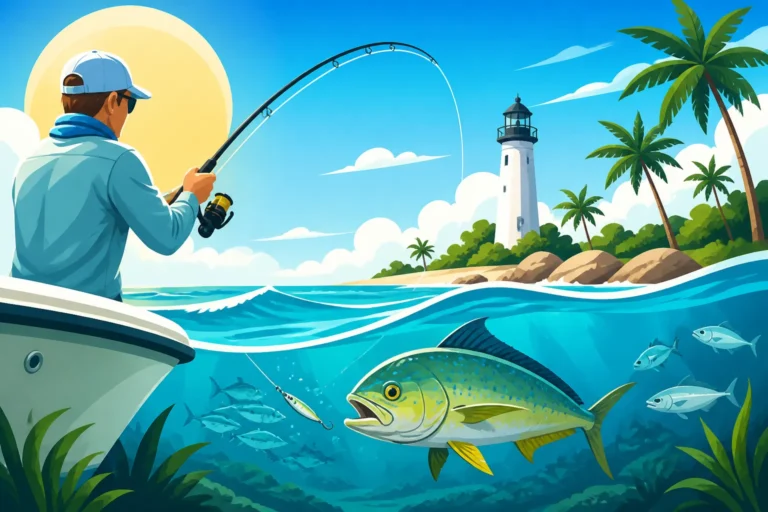
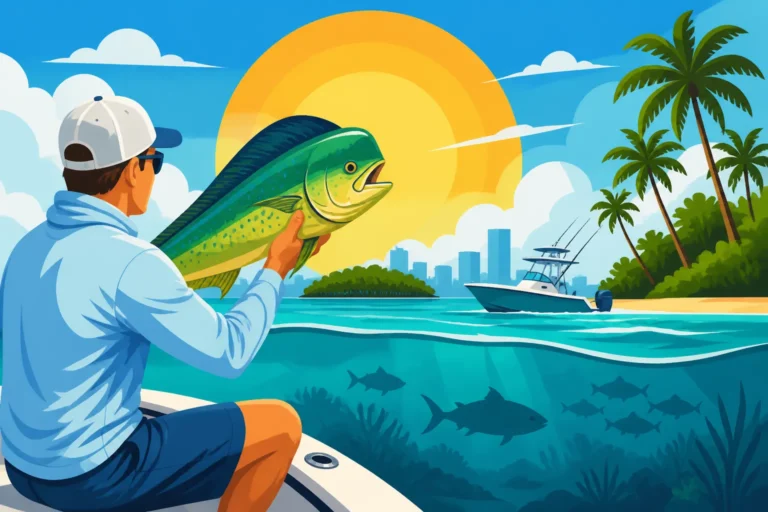
Mahi-mahi, often affectionately called dolphin fish (though unrelated to marine mammals), are one of the most sought-after offshore species out of Key West. Known for their vibrant colors, acrobatic fights, and delicious meat, they're a true prize. You'll typically find them along weed lines, floating debris, and current rips in the Gulf Stream. The best time to target them is generally from spring through late summer, when the water is warm and the Gulf Stream is strong.
When you find one mahi, chances are there are more. They often travel in schools, and a common tactic is to keep the first fish in the water to attract its companions while others cast out additional lines. They hit both live bait, such as pilchards or ballyhoo, and artificial lures like colorful skirts and chuggers trolled at various speeds. For a deeper dive into these vibrant fish, check out our Florida Mahi Mahi Fishing Guide. Many charters booked through services like FishingBooker specifically target mahi-mahi during peak season, promising a thrilling and productive day.
Tuna (Blackfin and Yellowfin)
Tuna species, primarily blackfin tuna and occasionally yellowfin, are another popular target offshore. Blackfin tuna are abundant and can be found year-round, though they tend to be more active during cooler months or at specific times of day. They often school around The Wall and deeper structures, feeding on baitfish. Yellowfin tuna are less common but are still caught, usually further offshore in deeper waters.
Trolling small diving lures or natural baits like ballyhoo is effective for blackfins, especially at dawn and dusk. Chumming with cut bait can also draw them in. Look for diving birds, which often indicate tuna feeding below. Jigging with metal jigs over deep structure is another popular method, particularly when you mark them on your sonar. The sheer power and speed of these fish make them an exhilarating catch on light to medium tackle.
Sailfish and Marlin
For many offshore anglers, billfish represent the pinnacle of the sport. Key West offers excellent opportunities for sailfish and, for the truly adventurous, marlin. Sailfish are most abundant during the fall and winter months when cold fronts push baitfish south and the sailfish follow. They patrol the edges of the reef and The Wall, hunting for schooling bait.
Marlin, both blue and white, are less common but are present, especially in the deeper waters of the Florida Straits during the warmer months. Targeting them requires heavier tackle and a dedicated effort, often involving trolling large natural baits or artificial lures along current breaks and deep ledges. Catching a sailfish or marlin is a true test of skill and patience, often requiring a full day offshore. Many captains specialize in billfish, and consulting platforms like FishingBooker can help you find a charter with experience in this exciting fishery. Our Florida Sailfish Fishing Guide provides more detailed information on techniques and seasons.
Grouper and Snapper Species
While not strictly pelagic, many grouper and snapper species are prime targets in Key West's offshore waters, particularly around wrecks, ledges, and the deeper reef lines. These bottom-dwelling fish offer fantastic sport and are highly prized for their delicious meat. Red grouper, gag grouper, black grouper, mutton snapper, and lane snapper are among the most commonly caught.
Bottom fishing with heavy tackle is the primary method for these species. Anglers drop natural baits like live pinfish, squid, cut bait, or even whole ballyhoo directly to the seafloor over known structures. Electric reels are often used for deep dropping in several hundred feet of water, making the retrieval of heavy weights and large fish less exhausting. The challenge lies in pulling these powerful fish away from the structure quickly before they can "rock" you, breaking your line on the sharp edges. Always be mindful of current regulations, as species like red snapper have very specific and often short seasons in both federal and state waters. A good resource for understanding these rules is the Florida Red Snapper Fishing Guide.
Essential Gear and Techniques for Key West Offshore
Being prepared with the right gear and knowledge of effective techniques is just as important as knowing where to go. Offshore fishing in Key West demands robust tackle and strategic thinking.
Rods, Reels, and Line Selection
Offshore fishing is no place for flimsy gear. You'll need tackle that can handle strong currents, deep depths, and powerful fish.
- Rods: For trolling for mahi-mahi, tuna, or wahoo, medium-heavy to heavy conventional rods, typically 6 to 7 feet in length with a fast to moderate action, are ideal. These rods need enough backbone to fight a powerful fish but enough tip sensitivity to handle lures or detect subtle bites. For bottom fishing for snapper and grouper over wrecks, much heavier conventional rods are required, often with parabolic actions to absorb the shock of a big fish trying to break you off.
- Reels: Matching your reel to your target species and fishing style is crucial. For pelagic trolling, 30-pound to 50-pound class conventional reels are common, spooled with monofilament or braided line. Brands like Penn, Shimano, and Accurate are popular choices among offshore anglers for their reliability and drag systems. For deep dropping for grouper and snapper, larger 50-pound to 80-pound class conventional reels are often used, sometimes electric reels, spooled with heavy braided line for its minimal stretch and strength.
- Line: Braided line (50-80 lb test for trolling, 80-150 lb test for deep dropping) is favored by many for its strength-to-diameter ratio and lack of stretch, which provides better feel for the bite. However, monofilament (30-50 lb test) still has its place, particularly for trolling, as its stretch can act as a shock absorber. Regardless of your main line, fluorocarbon leader material (60-100 lb test for most pelagics, 80-200 lb test for bottom fish) is essential for its abrasion resistance and invisibility underwater.
Live Bait vs. Artificial Lures
This is an age-old debate in fishing, and offshore in Key West, both have their time and place.
- Live Bait: Often considered king, especially for finicky fish or larger predators. Live ballyhoo, pilchards, goggle eyes, and blue runners are excellent choices for targeting mahi-mahi, tuna, wahoo, and sailfish. For bottom fishing, live pinfish, grunt, or legal-sized small snappers are irresistible to grouper and large snapper. The challenge with live bait is often catching or procuring it, keeping it alive, and rigging it correctly to swim naturally.
- Artificial Lures: Modern artificial lures are incredibly effective and offer convenience. Skirted lures in various colors and sizes, often rigged over a ballyhoo, are staples for trolling for mahi-mahi, wahoo, and billfish. Diving plugs, cedar plugs, and metal jigs are also highly effective for tuna and wahoo. Soft plastic baits on jig heads can work for snapper. The advantage of lures is their durability and the ability to cover vast amounts of water efficiently. Many anglers find a combination of both live bait and artificial lures on the spread offers the best chances.
Trolling, Bottom Fishing, and Jigging
These are the three foundational techniques for offshore fishing in Key West. Each has its nuances and is best suited for particular species and conditions.
- Trolling: This involves dragging baits or lures behind a moving boat to cover large areas and attract predatory fish. It's the go-to method for pelagics like mahi-mahi, wahoo, tuna, and billfish. The speed, spread (how many lines are out and their distance behind the boat), and type of lures or baits are crucial. Different species prefer different trolling speeds; wahoo often hit high-speed lures, while sailfish prefer slower, livelier baits. For general advice on this, you can refer to our Florida Offshore Fishing Techniques guide.
- Bottom Fishing: As the name suggests, this involves dropping bait directly to the seafloor to target fish that live near the bottom, like grouper, snapper, and amberjack. It can be done by anchoring over a wreck or drifting over a productive ledge. Heavy weights are necessary to get the bait down quickly through strong currents. The key is to feel the bite and set the hook before the fish has a chance to retreat into structure.
- Jigging: This technique involves rapidly moving a weighted lure (a jig) up and down through the water column to mimic a distressed baitfish. It's incredibly effective for a wide range of species, including tuna, amberjack, and even grouper and snapper. There are various types of jigs, from fast-falling metal jigs to slower-action butterfly jigs. The retrieve style and speed are critical, often involving sharp jerks followed by pauses. This is a very active form of fishing that can be incredibly rewarding.
Ultimately, the best approach often involves adapting to the conditions and the bite. Many successful offshore trips utilize a combination of these techniques, switching gears as circumstances dictate. For those looking to maximize their chances, hiring a local guide through platforms like FishingBooker can provide invaluable real-time insights into what's biting and where.
Here's a quick reference table for some popular Key West offshore species:
| Species | Best Time of Year | Typical Depth/Location | Primary Technique(s) | Preferred Bait/Lures |
|---|---|---|---|---|
| Mahi-Mahi | Spring – Late Summer | Weed lines, current rips, floating debris in Gulf Stream | Trolling, Pitching | Live pilchards/ballyhoo, Skirted lures |
| Blackfin Tuna | Year-round (cooler months/low light best) | The Wall, deeper structures, bait schools | Trolling, Jigging, Chumming | Live ballyhoo, Cedar plugs, Metal jigs |
| Wahoo | Winter – Early Spring | The Wall, deep current breaks, FADs | High-speed Trolling | Skirted lures, Wire-rigged ballyhoo |
| Sailfish | Fall – Winter | The Wall, reef edge, current breaks | Trolling (live bait/dead bait), Kite fishing | Live ballyhoo, Goggle eyes |
| Grouper | Varies by species/season | Deep wrecks, ledges (100-400+ ft) | Bottom fishing, Deep dropping | Live pinfish/grunt, Squid, Cut bait |
| Snapper | Year-round (mutton best in summer) | Deep wrecks, reefs, ledges (80-300+ ft) | Bottom fishing | Live pinfish, Squid, Cut bait |
| Amberjack | Year-round | Deep wrecks, large structures | Jigging, Bottom fishing | Live pinfish, Large metal jigs |
Remember, getting out to these prime spots often means having a reliable vessel and experienced crew. If you're not bringing your own boat, considering a charter is a fantastic option. You can compare various Florida Fishing Charter Cost Guide options to find one that fits your budget and target species. Many anglers find the convenience and expertise offered by booking through services like FishingBooker invaluable for a hassle-free experience. Before you even leave the dock, ensure you're familiar with all the Florida Fishing Regulations and Bag Limits for your target species, as these can change frequently. Don't forget that a valid Florida Fishing License Guide is required for most anglers, even on a charter boat if you plan to fish, so make sure you're properly licensed!
Disclaimer
Fishing conditions and regulations in Florida can change frequently. Always consult the latest rules and advisories from the Florida Fish and Wildlife Conservation Commission (FWC) before heading out. Safety should always be your top priority when venturing offshore.