Best Wrecks Off Pensacola for Snapper
If you've ever dreamt of battling a hefty snapper in Florida's prolific waters, you know the frustration of finding those elusive honey holes. It's not always about where the fish might be, but where they are hiding, and for snapper, that often means submerged structure. Pensacola, with its rich history and strategic location on the Gulf of Mexico, is a true mecca for wreck fishing, offering some of the most consistent and exciting snapper action you'll find anywhere. This guide is your deep dive into uncovering the best wrecks off Pensacola, helping you understand not just where they are, but why they're so productive, what gear you'll need, and how to maximize your chances of a successful catch.
Why Pensacola's Wrecks Are Snapper Havens
Pensacola's reputation as a fishing hotspot isn't just about beautiful beaches; it's deeply tied to the incredible underwater topography created by a dedicated artificial reef program. These submerged structures are magnets for marine life, especially bottom-dwelling species like snapper, making the area an angler's paradise.
Artificial Reef Program and Its Success
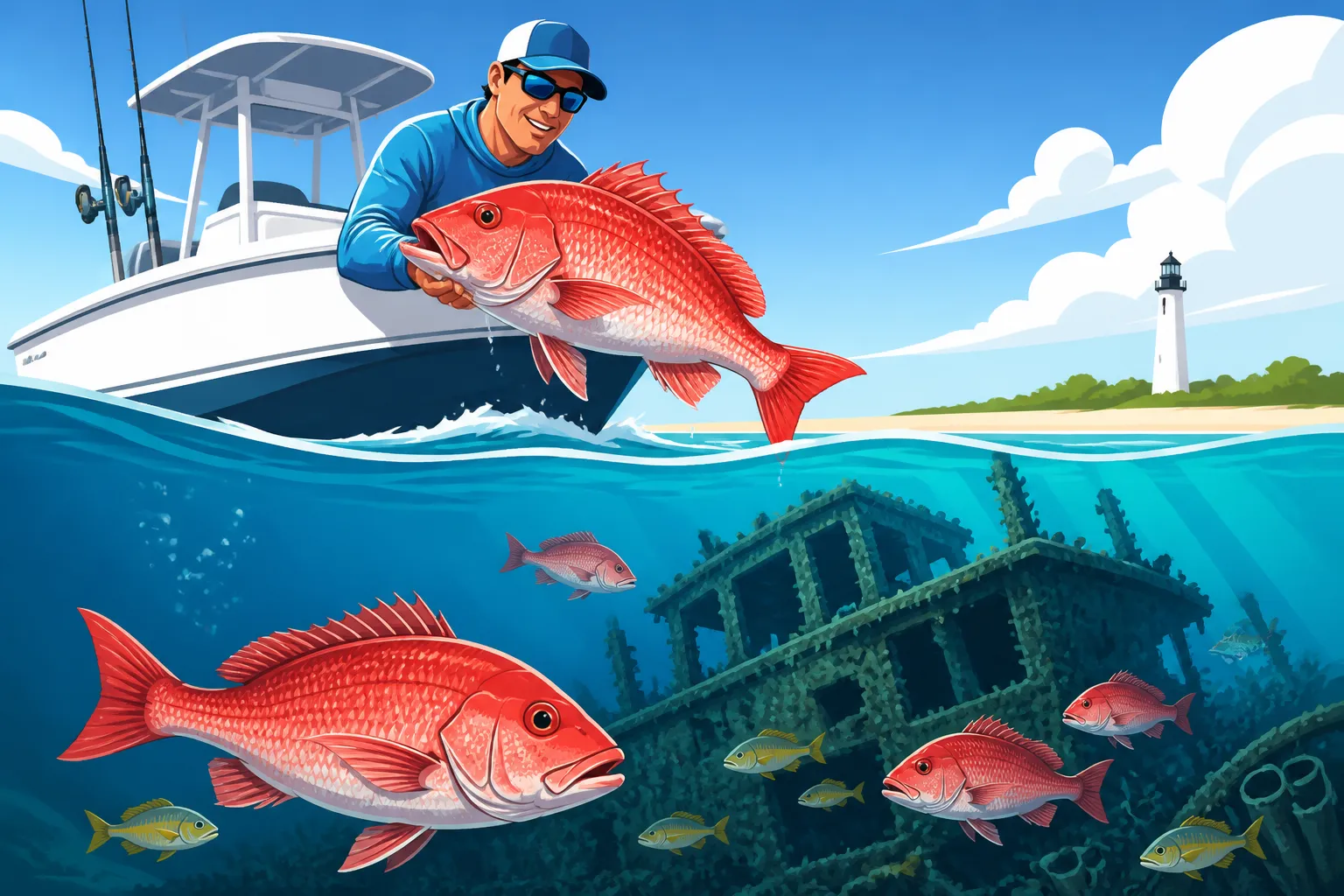
Florida, particularly the Panhandle region, has invested heavily in creating an extensive network of artificial reefs. These aren't just random dumps of debris; they're meticulously planned ecosystems designed to promote marine biodiversity and enhance recreational fishing opportunities. Around Pensacola, you'll find everything from decommissioned military vessels and old barges to concrete culverts and pyramid structures. Each piece of material adds another layer of complexity to the underwater landscape, providing shelter, feeding grounds, and spawning sites.
These artificial reefs mimic natural rocky bottom habitats, which are scarce in the sandy expanse of the Gulf. Over time, they become encrusted with barnacles, corals, and algae, attracting smaller baitfish like cigar minnows and pinfish. This abundance of small prey then draws in larger predators, including various species of snapper, grouper, and amberjack. The sheer volume and diversity of these structures mean that anglers have numerous options, spreading out the fishing pressure and maintaining healthy populations. It's a testament to thoughtful conservation efforts, ensuring that the rich fishing heritage of the area continues to thrive for generations.
The Allure of Bottom Fishing for Snapper
There's something uniquely satisfying about bottom fishing, especially when you know there's a good chance of hooking into a powerful snapper. These fish, known for their aggressive strikes and strong fights, are perfectly adapted to life around structure. They use the wrecks and reefs for protection from larger open-water predators like sharks, and they ambush unsuspecting baitfish moving along the currents that sweep past these underwater mountains.
The challenge comes from successfully presenting your bait right in their strike zone without getting hopelessly snagged on the very structure that attracts them. It requires a combination of precise boat positioning, appropriate tackle, and a good understanding of current conditions. Fishing depths off Pensacola can vary significantly, from relatively shallow inshore wrecks to deeper federal water structures that can be hundreds of feet down. Each depth range presents its own set of considerations for tackle and technique, adding to the thrill and complexity of the hunt. Species like the highly sought-after Red Snapper, as well as Mangrove Snapper, Lane Snapper, and even Gag Grouper, commonly inhabit these wreck systems, offering a diverse and exciting fishing experience.
Top Wreck Systems Near Pensacola for Snapper
Pensacola boasts an impressive array of wrecks, each with its own character and resident fish populations. Knowing which ones to target can make all the difference, especially when you're looking for those feisty snapper.
Popular Public Wrecks and Their Offerings
When it comes to wreck fishing off Pensacola, a few names consistently rise to the top. These spots are renowned for their structure and the abundance of fish they hold, though their popularity means they can sometimes see heavier fishing pressure.
One of the most famous is the USS Oriskany, often called the "Great Carrier Reef." This massive aircraft carrier was intentionally sunk in 2006 and now rests upright in about 212 feet of water, with its flight deck at around 145 feet. It's a truly incredible sight and an absolute magnet for marine life. The Oriskany is prime real estate for large Red Snapper, Amberjack, and various grouper species. Fishing here is an adventure due to its depth and sheer size. You'll often find charters specifically targeting this wreck, and it's certainly a bucket-list spot for many anglers.
Another significant wreck is the USS Massachusetts, a battleship scuttled in 1921. Lying closer to shore in about 30 feet of water, it offers a different experience. While not as deep as the Oriskany, it provides excellent habitat for a variety of species, including Mangrove Snapper and Spanish Mackerel, especially during their runs. Its shallower depth makes it more accessible for smaller boats on calm days. The Fort Pickens Reefs are a series of smaller, scattered artificial reefs located off the coast of Pensacola Beach. These include pyramid modules, concrete culverts, and bridge rubble, creating diverse habitats. They're excellent for Mangrove Snapper, Lane Snapper, and even occasional larger species, depending on the specific structure. These spots are often well-marked on local fishing charts and offer great opportunities for a variety of bottom fish.
Further out, the Whiskey Wreck (originally a supply vessel, the San Pablo) lies in around 75-80 feet of water. It’s a popular spot known for holding good numbers of Red Snapper and Amberjack when in season. Its depth makes it a great middle-ground option for many offshore boats. While identifying exact coordinates of every productive wreck can be a challenge, many experienced captains share their knowledge, and booking a trip through platforms like FishingBooker can connect you with local guides who specialize in these specific spots. These guides often have years of accumulated knowledge on where the fish are biting, saving you countless hours of searching. They provide not just a ride to the spot, but expertise in offshore fishing techniques and the right gear to ensure you're fishing effectively.
Navigating Permits and Regulations for Wreck Fishing
Fishing the wrecks off Pensacola isn't just about finding the fish; it's also about understanding and adhering to the complex web of regulations that govern these waters. This is especially true when targeting snapper species, which are heavily managed to ensure sustainable populations. First and foremost, anyone fishing in saltwater off Florida needs a valid Florida Fishing License Guide, specifically a Florida Saltwater Fishing License Rules. There are very few exemptions, so always assume you need one.
Beyond the general license, specific species like Red Snapper have very strict seasons and bag limits. The Florida Red Snapper Season Dates in the Gulf are notoriously short and vary year to year, typically opening in federal waters during the summer months. It's absolutely crucial to check the latest regulations from the Florida Fish and Wildlife Conservation Commission (FWC) or the Gulf of Mexico Fishery Management Council before you head out. These regulations cover minimum sizes, daily bag limits, and even the type of hooks you must use (e.g., non-stainless steel circle hooks are often mandatory for certain species to reduce mortality rates). Ignoring these rules can lead to significant fines, as outlined in "How Much Is a Fishing Without a License Fine in Florida?", and even confiscation of your catch and gear.
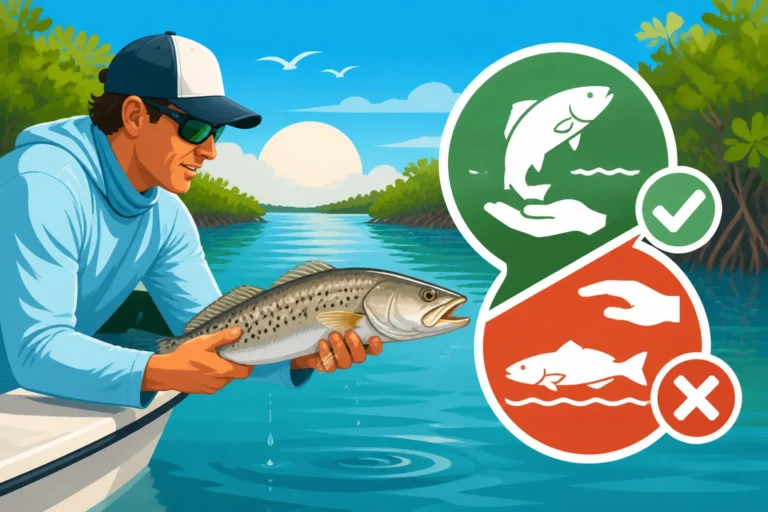
Understanding the difference between state and federal waters is also critical, as regulations can change at the imaginary line. Generally, state waters extend nine nautical miles offshore in the Gulf of Mexico. Many of the prominent wrecks, especially those deeper than 100 feet, will fall into federal waters, which often have stricter rules and shorter seasons. Always have a reliable GPS and chart plotter that can show you these boundaries. If you accidentally catch a fish that is out of season or undersized, you must release it immediately and unharmed. Familiarize yourself with Catch and Release Best Practices for Snook (the principles apply to all fragile species) to ensure the fish has the best chance of survival. Regularly consulting the FWC website or using their Fish Rules app is the smartest way to stay informed about current Florida Fishing Regulations and Bag Limits, including specific limits like Red Snapper Size and Bag Limits.
Essential Gear and Techniques for Pensacola Wreck Snapper Fishing
Successfully targeting snapper on Pensacola's wrecks requires more than just luck; it demands the right equipment and a dialed-in approach. The environment is challenging – deep water, strong currents, and jagged structure – so your gear needs to be up to the task.
Recommended Rods, Reels, and Terminal Tackle
When you're pulling a powerful Red Snapper off a wreck in 100+ feet of water, you'll be glad you invested in robust gear. Start with a heavy-action rod, typically 6 to 7 feet long, designed for deep-water bottom fishing. Look for rods with a strong backbone to handle the weight of the fish and heavy sinkers, but with enough sensitivity in the tip to detect subtle bites. Brands like Penn, Shimano, and Daiwa offer excellent conventional rods suitable for this kind of fishing.
For reels, conventional (levelwind or star drag) reels are generally preferred over spinning reels for deep dropping due to their superior cranking power and line capacity. A reel in the 20-30 class, spooled with 50-80 pound braided line, is a good starting point. Braided line is crucial because it has almost no stretch, allowing for immediate hook sets and better feel of bites at depth. On the business end, you'll want to use a heavy fluorocarbon leader, typically 60-100 pound test, to provide abrasion resistance against the rough structure and reduce visibility to wary snapper. Attach your leader to your main line with a strong knot like an FG knot or a double uni knot.
Sinker weight is critical and depends heavily on depth and current. You might need anywhere from 8 to 20 ounces, sometimes more, to get your bait down and hold it near the bottom. Pyramid or cannonball sinkers are common choices. For hooks, circle hooks are often mandated for bottom fish like snapper to minimize gut hooking, which improves post-release survival. Sizes ranging from 6/0 to 9/0 are typical for targeting various snapper species. Always check local regulations to ensure you're using legal hook types.
| Component | Recommendation | Notes |
|---|---|---|
| Rod | 6-7 ft Heavy Action Conventional Rod | Strong backbone, sensitive tip, rated for 50-100 lb line |
| Reel | Conventional Reel (e.g., Penn Fathom, Shimano Talica) | 20-30 class, high line capacity, strong drag |
| Main Line | 50-80 lb Braided Line | Low stretch for sensitivity, high strength |
| Leader | 60-100 lb Fluorocarbon Leader | Abrasion resistance, low visibility |
| Hooks | 6/0-9/0 Circle Hooks (non-stainless steel) | Often legally mandated, improves catch & release survival |
| Sinkers | 8-20 oz Pyramid or Cannonball | Weight varies by depth and current, ensures bait reaches bottom |
| Swivels | Heavy-duty barrel or ball-bearing swivels | Prevents line twist, strong connection |
Best Baits and Rigging Strategies
Choosing the right bait can often be the deciding factor between a slow day and a hot bite. For snapper, both live bait and cut bait are highly effective. Live baits like pinfish, cigar minnows, pilchards, and even small mullet are irresistible to snapper. They offer natural movement and scent, often eliciting aggressive strikes. You can catch these baits yourself with a cast net in shallower waters or buy them from local bait shops.
When live bait isn't available or preferred, cut bait can be incredibly potent. Fresh-cut chunks of sardines, squid, bonito, or mackerel are excellent choices. The strong scent trail they release in the water can attract snapper from a distance. Squid strips are particularly durable and can withstand multiple bites, making them a good option when you're dealing with bait stealers.
Rigging is relatively straightforward but crucial for wreck fishing. A common setup is a simple knocker rig or a Carolina rig, where your sinker slides directly above a swivel, to which your leader and hook are tied. This allows the bait to move more naturally. Another popular choice is a dropper loop rig, where you tie two or more loops above your sinker to attach hooks at different depths, increasing your chances of finding the feeding zone. The key is to get your bait as close to the structure as possible without getting snagged. This requires constant attention to your line and often "feeling" the bottom. Boat positioning is paramount; your captain will try to drift the boat directly over or just upstream of the wreck, allowing your bait to free-fall or drift down into the snapper's lair. Many experienced guides on FishingBooker come equipped with live wells full of prime bait and will teach you these rigging strategies firsthand.
Employing Sonar and GPS for Precision
In the complex world of wreck fishing, technology isn't just a luxury; it's a necessity. Modern sonar (fish finder) and GPS units are indispensable tools for locating and effectively fishing these submerged structures. A good fish finder allows you to "see" the underwater landscape. You can identify the wreck itself, gauge its height off the bottom, and, crucially, spot schools of fish holding around it. Look for arches or distinct marks that indicate fish. Sometimes, snapper will hold directly on the structure, while other times they might be suspended slightly above or off to one side. A high-resolution side-scan or down-scan sonar can provide incredibly detailed images of the wreck, helping you understand its orientation and identify key areas where fish might be concentrated.
GPS is equally important. Once you've located a promising wreck or identified a productive patch of structure, you can mark its exact coordinates. This allows you to navigate back to the spot precisely, which is especially important offshore where visual landmarks are non-existent. A good GPS unit also helps with boat positioning. Your captain will use it to set up drifts, ensuring your baits pass directly over the target. Without accurate GPS data, you could spend hours drifting over barren sand, missing the small footprint of the wreck entirely. Modern chart plotters often come pre-loaded with known wreck locations and artificial reef coordinates, further enhancing your ability to find these hotspots. Learning how to effectively use your electronics, or fishing with a guide who does, is a game-changer for successful wreck fishing.
Pensacola's wrecks offer some of the most exhilarating snapper fishing opportunities in Florida. By understanding why these artificial reefs are so effective, knowing which prominent structures to target, respecting the essential regulations, and equipping yourself with the right gear and techniques, you'll be well on your way to a memorable day on the Gulf. Remember that patience, persistence, and a healthy respect for the marine environment are always part of the angler's code. If you're looking for an expert to guide you, considering a Florida Offshore Fishing Charter Guide can greatly enhance your experience, providing local knowledge and specialized equipment. For those newer to the sport or visiting, hiring a guide is often the best way to get on the fish and learn the ropes. Before heading out, always consult the current regulations for Florida Fishing Regulations and Bag Limits as seasons and rules can change.
Disclaimer
The information provided in this guide is for general informational purposes only and is subject to change. Fishing regulations, seasons, and bag limits are dynamic and can be updated by state and federal agencies at any time. Always consult the official Florida Fish and Wildlife Conservation Commission (FWC) website or other relevant regulatory bodies for the most current and accurate information before planning any fishing trip. Adherence to all local, state, and federal laws is the responsibility of the angler.