Best Spots to Avoid Crowds While Fishing in Florida
There's nothing quite like the dream of a peaceful day on the water, rod in hand, with only the sounds of nature for company. But in Florida, with its immense popularity, that dream can often turn into a frustrating reality of crowded boat ramps, elbow-to-elbow pier fishing, and flats boats buzzing around like hornets. This guide is here to help you escape that hustle, revealing strategies and types of locations where you can truly find solitude and excellent fishing in the Sunshine State.
Why Avoiding Crowds Enhances Your Florida Fishing Experience
Let's be honest, part of the allure of fishing is the tranquility it offers, a chance to connect with nature and clear your head. When you're constantly dodging other anglers, fighting for a spot, or listening to loud conversations, that peace quickly evaporates. But it's not just about the ambiance; avoiding crowds can significantly improve your actual fishing success.
The Frustration of Popular Hotspots
Imagine this: you arrive at a public pier before dawn, hoping to get a prime spot, only to find it already packed. Or you launch your boat at a well-known ramp on a Saturday morning, only to face a long line and then spend your day on the water competing with dozens of other vessels. These scenarios are all too common in Florida's premier fishing destinations. High-traffic areas like major fishing piers, well-publicized boat ramps, or famous inshore flats can feel more like a theme park queue than a serene fishing ground. The constant pressure from anglers, boats, and general human activity can spook fish, making them warier and harder to catch. It takes away from the experience, turning what should be a relaxing outing into a stressful one. Nobody wants to feel like they're just one more face in the crowd when they're trying to unwind and catch some fish.
Unlocking Better Fishing Opportunities
Fish, much like us, respond to pressure. In heavily fished areas, they become educated and cautious. They've seen every lure, heard every prop chop, and felt the sting of a hook too many times. By seeking out less-pressured waters, you’re essentially fishing for "dumber" fish – fish that are more aggressive, less wary, and more likely to strike. These fish haven't been harassed daily, so they tend to feed more naturally and are often larger. Furthermore, less crowded spots often mean less competition for bait and more productive territory all to yourself. You can work an area thoroughly without feeling rushed or worried about another boat moving in on your honey hole. This translates directly to more bites, more hookups, and a more enjoyable, successful day on the water. It also gives you a chance to truly observe fish behavior and patterns without external distractions.
Strategies for Finding Secluded Fishing Spots
Finding these hidden gems isn't always about secret coordinates, but more about a mindset and a willingness to explore. It involves a bit of research and sometimes a little extra effort, but the rewards are almost always worth it.
Leveraging Local Knowledge and Online Resources
One of the best ways to uncover less-pressured spots is to tap into local knowledge. This doesn't mean asking the guy at the tackle shop for his secret GPS numbers (he won't give them to you!), but rather engaging in conversations about types of areas or specific access points that aren't widely advertised. Look for smaller, family-run bait and tackle shops away from the main tourist hubs; their owners often have decades of experience and can offer invaluable insights into less-traveled waters. Online, delve into local fishing forums or Facebook groups focused on specific regions, particularly those that cater to kayak anglers or shore-bound fishermen. People are often more willing to share general areas or strategies rather than exact spots. While services like FishingBooker are excellent for finding reputable guides who know their local waters inside and out, sometimes the goal is to find spots where you don't need a guide, just peace. You might even find a guide who specializes in taking anglers to very specific, remote locations. Remember to cross-reference any information with mapping apps to identify potential access points and understand the surrounding terrain. Also, familiarize yourself with the nuances of a Florida Fishing License Guide for the specific type of water you're exploring, as rules can vary.
Exploring Lesser-Known Public Access Points
Florida is blessed with an abundance of public lands and waterways, but not all access points are created equal in terms of popularity. Instead of heading to the busiest state parks or well-known boat ramps, look for:
- Smaller County Parks or Preserves: Many counties manage smaller parks, some with basic kayak launches or shoreline access that don't see the same crowds as larger facilities. These might not have amenities like restrooms or paved parking, which often deters casual visitors.
- Under-the-Radar Boat Ramps: Zoom in on satellite maps to find smaller, often older, boat ramps tucked away on less-trafficked canals or tributaries. These might be dirt ramps or require a four-wheel-drive vehicle, but they open up new avenues to peaceful waters. For those interested in larger bodies of water, even a huge lake like Okeechobee has less frequented ramps compared to the very popular ones listed in a guide to the Best Public Boat Ramps on Lake Okeechobee.
- Conservation Areas and Wildlife Management Areas (WMAs): These state-managed lands often have extensive trail systems and designated fishing areas that require a bit more effort to reach, making them less crowded. Be sure to check FWC regulations for specific rules regarding access, permits, and activities within these areas, as they can differ from standard state park rules. Always confirm if you need a specific Florida Fishing License Exemptions for these areas or if a standard license is sufficient.
- Hidden Shoreline Spots: Look for small pull-offs along roads bordering canals, rivers, or bays that offer a safe place to park and walk down to the water. These are often used by locals and can provide excellent shore fishing opportunities away from bustling piers or crowded beaches.
Specific Types of Less-Crowded Fishing Environments in Florida
Florida's diverse ecosystems offer a plethora of options for finding solitude, whether you prefer freshwater or saltwater. The key is to think beyond the obvious destinations.
Remote Freshwater Lakes and Rivers
While Lake Okeechobee and the St. Johns River are famous, their popularity means certain areas can get crowded. To find seclusion, focus on:
- Smaller, Inland Lakes: Florida has thousands of smaller lakes, many of which are not widely known outside of their local communities. These often hold healthy populations of largemouth bass, bluegill, and crappie. Research lakes in more rural counties, check local community pages, or simply drive around with a map. If you're targeting bass, remember our comprehensive Florida Largemouth Bass Fishing Guide for tips and techniques that will work even in these secluded spots.
- Tributaries and Upper Reaches of Rivers: Instead of the main, wide sections of large rivers, explore their smaller tributaries or go further upstream where the river narrows and navigation might be trickier for larger boats. These areas can be fantastic for both bass and catfish, offering a truly wild experience. Think about lesser-known stretches of the Suwannee River or the Withlacoochee River that aren't major access points.
- Canal Systems in Rural Areas: Beyond the urban peacock bass canals of Miami, many rural areas have extensive canal networks used primarily for drainage. These can be incredible fisheries, often overlooked by those heading for the big lakes. Access might be limited to small kayaks, canoes, or simply walking the bank.
Secluded Backcountry and Estuarine Areas
Florida's saltwater backcountry offers arguably the best opportunities for crowd-free fishing, especially if you're willing to put in some effort.
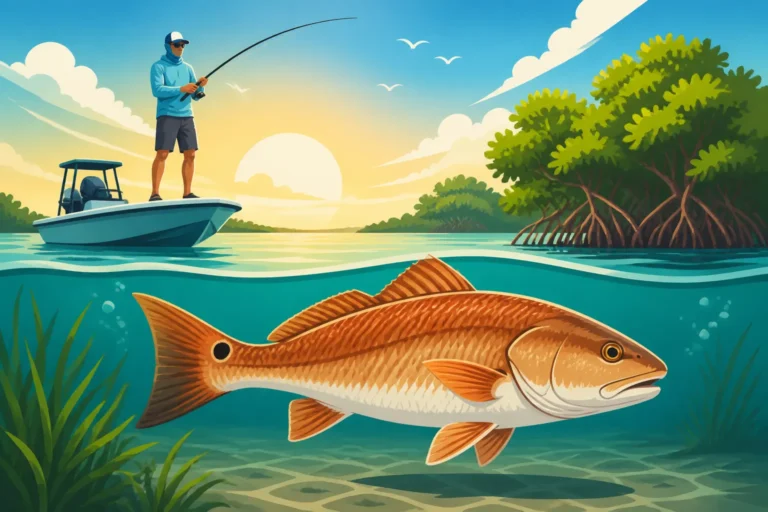
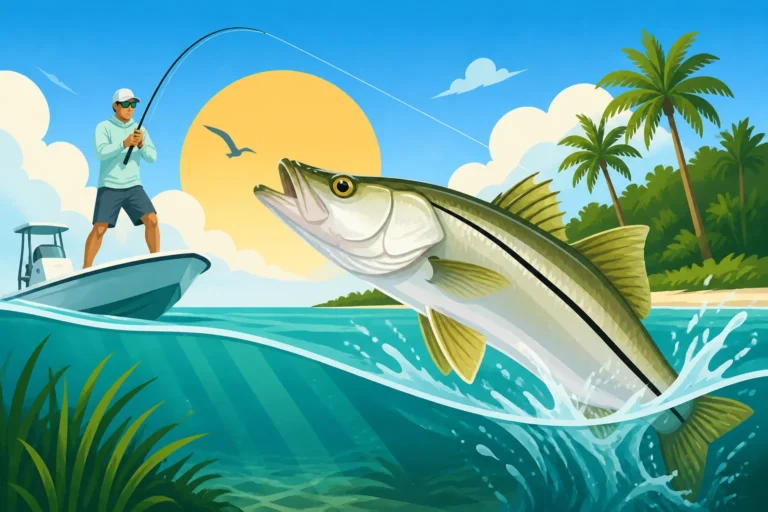
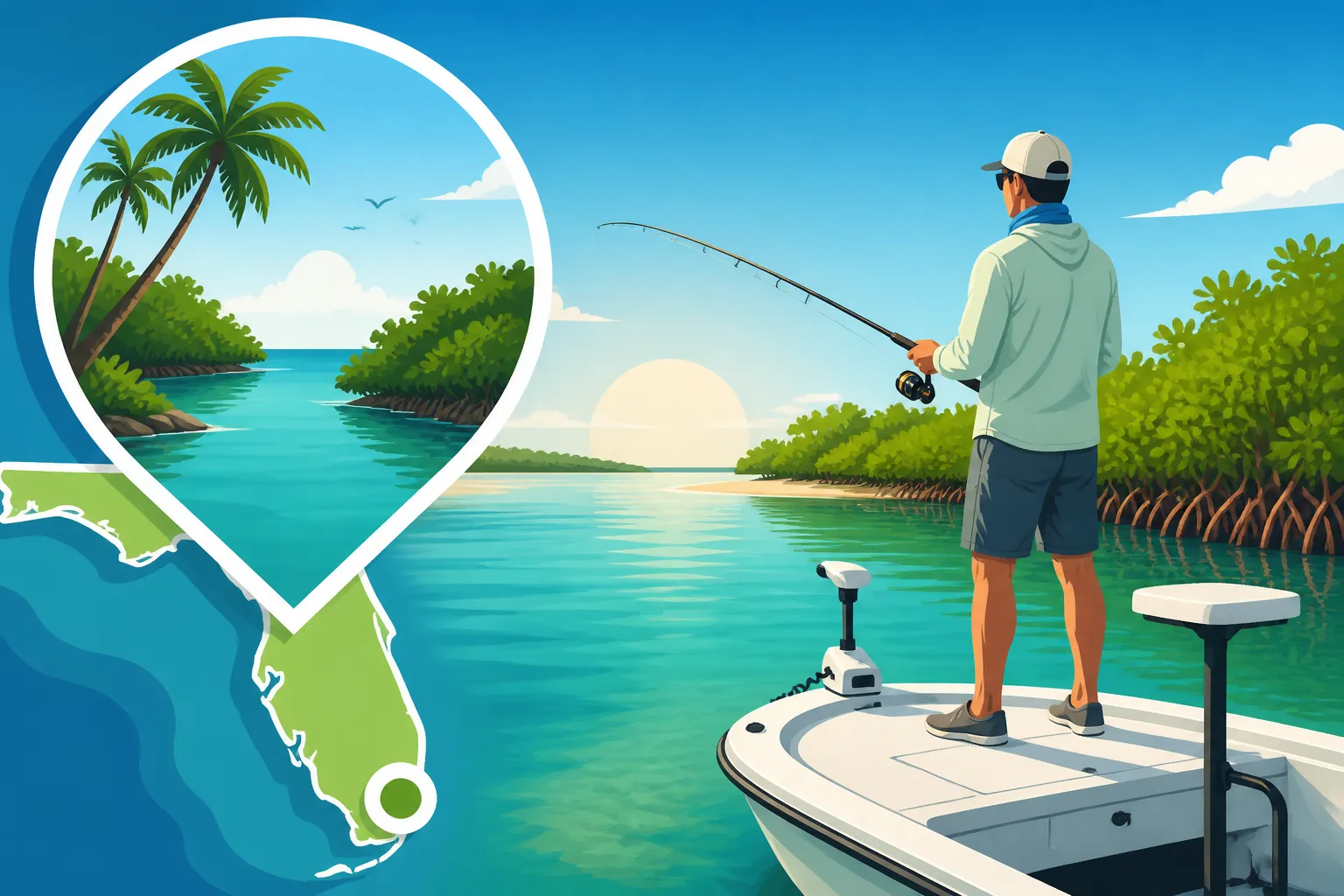
- Mangrove Tunnels and Creeks: Accessible primarily by kayak, paddleboard, or very shallow-draft skiffs, the intricate networks of mangrove tunnels and creeks in areas like the Ten Thousand Islands or parts of the Everglades offer unparalleled solitude. These labyrinthine environments are home to snook, redfish, and trout that rarely see artificial presentations. Exploring these requires good navigation skills and an understanding of tides. Consider checking out the Best Kayak Fishing Spots in Florida for more ideas on accessing these types of areas.
- Shallow Flats Away from Major Channels: Most anglers stick to the well-known grass flats near inlets or popular residential areas. Look for expansive flats further into bays or those protected by islands, requiring a longer run or more careful navigation to reach. These are prime hunting grounds for tailing redfish and cruising trout. Always be aware of the Florida Saltwater Fishing License Rules when exploring these coastal areas.
- Remote Barrier Islands and Keys: Many small, uninhabited barrier islands and keys along Florida's coastline offer fantastic wade fishing opportunities. Reaching them often involves a boat ride or a long paddle, deterring most anglers. These spots can be teeming with game fish like snook and redfish.
Underrated Shoreline and Bridge Fishing Locations
Even if you prefer to fish from land, there are ways to escape the crowds without needing a boat.
- Less Accessible Beach Fronts: Instead of the main public beaches with large parking lots, look for smaller beach access points that require a bit of a walk or are found in residential areas with limited parking. These can offer excellent surf fishing for pompano, whiting, and redfish. For a different perspective, even the famous Best Spots to Fish From the Shore in the Florida Keys have their less-trafficked corners if you know where to look.
- Quiet Bridge Sections: While some bridges are notorious fishing hotspots, many smaller bridges over canals, creeks, or less-trafficked waterways go largely unnoticed. These can hold a surprising variety of species, from snook to sheepshead. Always prioritize safety when fishing from bridges, ensuring you're not obstructing traffic or creating a hazard.
- Private Pond and Farm Pond Fishing: Often overlooked, many private ponds and farm ponds across Florida offer excellent fishing with virtually no crowds. Gaining access usually requires permission from the landowner. While not always "public," these definitely qualify as secluded. Be sure to understand Florida Private Pond and Farm Pond Fishing Rules before casting a line, as licensing requirements can sometimes vary.
Best Practices for Enjoying Your Secluded Fishing Adventure
Finding and fishing in less-crowded areas comes with its own set of responsibilities and preparations to ensure a safe, enjoyable, and sustainable experience.
Preparation and Safety for Remote Areas
When venturing into secluded spots, you are often leaving the immediate reach of typical emergency services or readily available amenities. Therefore, thorough preparation is paramount:
- Navigation: Carry reliable GPS devices or mapping apps on your phone (with downloaded offline maps) in addition to physical maps. Cell service can be spotty in remote areas. Mark your access points and planned routes.
- Communication: Inform someone of your float plan, including where you're going, when you expect to return, and who to contact if you don't check in. A satellite communication device (like a Garmin inReach) is a smart investment for truly remote excursions.
- Weather and Tides: Always check the forecast and tide charts before you go. Sudden weather changes in Florida are common, and tides can significantly impact accessibility in shallow backcountry areas. Understanding Best Tides for Inshore Fishing in Florida is crucial for both safety and fishing success.
- Gear and Supplies: Pack more water than you think you'll need, snacks, sun protection (hat, sunscreen, long sleeves), insect repellent, a first-aid kit, and emergency signaling devices (whistle, mirror). If kayaking or paddleboarding, always wear a PFD. Don't forget your fishing essentials, and make sure you understand Florida Fishing Regulations and Bag Limits for the species you might encounter. Having your Florida GoOutdoors App Fishing License handy on your phone is also a good idea.
Practicing Ethical Angling in Untouched Waters
The privilege of fishing in pristine, uncrowded environments comes with the responsibility to protect them. These untouched waters are often fragile ecosystems, and it's up to us to ensure they remain healthy for future generations.
- Catch and Release: Consider practicing catch and release, especially for sensitive species or in areas where fish populations might be more vulnerable to pressure. If you do keep fish, only take what you need and adhere strictly to size and bag limits.
- Leave No Trace: Pack out everything you pack in, including all trash, fishing line, and any other waste. Do not leave behind bait containers, lure packaging, or food wrappers. The goal is for no one to know you were ever there.
- Minimize Disturbance: Be mindful of your noise and movements. Poling or paddling quietly through flats and mangrove creeks, rather than using a noisy motor, will not only improve your fishing success by not spooking fish but also preserve the tranquility of the environment. Employing Florida Inshore Fishing Techniques that emphasize stealth and presentation will also greatly help.
- Respect Wildlife and Habitat: Give wildlife ample space. Avoid disturbing nesting birds, wading animals, or sensitive vegetation. Be cautious with your anchor in seagrass beds, opting for a push pole or stake-out pole instead.
Here's a quick comparison of fishing characteristics between popular and secluded spots:
| Feature | Popular Fishing Spots | Secluded Fishing Spots |
|---|---|---|
| Crowd Level | High, constant competition | Low to none, peaceful solitude |
| Fish Pressure | High, wary and educated fish | Low, more aggressive and less wary fish |
| Catch Success Rate | Variable, often lower due to pressure | Generally higher due to less pressure |
| Access Difficulty | Easy, well-marked roads and ramps | Moderate to difficult, often requires local knowledge |
| Amenities | Restrooms, bait shops, paved parking | Limited to none, primitive access |
| Effort Required | Low, but high competition | Moderate to high (research, travel, navigation) |
| Nature Immersion | Limited, often noisy and built-up | High, truly wild and quiet experience |
| Typical Species | Wide variety, but often smaller or harder to catch | Often larger, more aggressive specimens of target species |
| Best For | Casual anglers, social outings, easy access | Serious anglers, those seeking peace and bigger fish |
Ultimately, finding and enjoying Florida's less-crowded fishing spots is about more than just catching fish; it's about reconnecting with the sport and the natural world on a deeper, more personal level. It takes a bit more effort, but the rewards—peace, better fishing, and a truly authentic Florida experience—are well worth it. If you're looking for an unforgettable trip for the whole family, remember that some of these quieter areas can also be among the Best Family-Friendly Fishing Spots in Florida, provided you prepare properly for the remoteness. And if you’re looking to truly fish a new spot you've never tried, a guide on How to Fish a New Spot You've Never Tried can be invaluable.
Disclaimer
Fishing conditions, regulations, and access points can change rapidly in Florida. Always check the latest Florida Fish and Wildlife Conservation Commission (FWC) regulations before heading out. Safety should always be your top priority when exploring new and remote fishing locations.