Florida Fishing Seasons Explained
Fishing in Florida is a dream for many, but if you've ever planned a trip based on "spring fishing" like you would up north, you've probably scratched your head. Florida doesn't follow the same predictable four-season rhythm, and understanding how its unique climate impacts fish behavior is key to a successful outing. This comprehensive guide will unravel the mysteries of Florida's fishing seasons, detailing what to expect throughout the year in both freshwater and saltwater, and how to adapt your strategies for consistent bites.
Florida's Unique Climate: The Year-Round Fishing Paradox
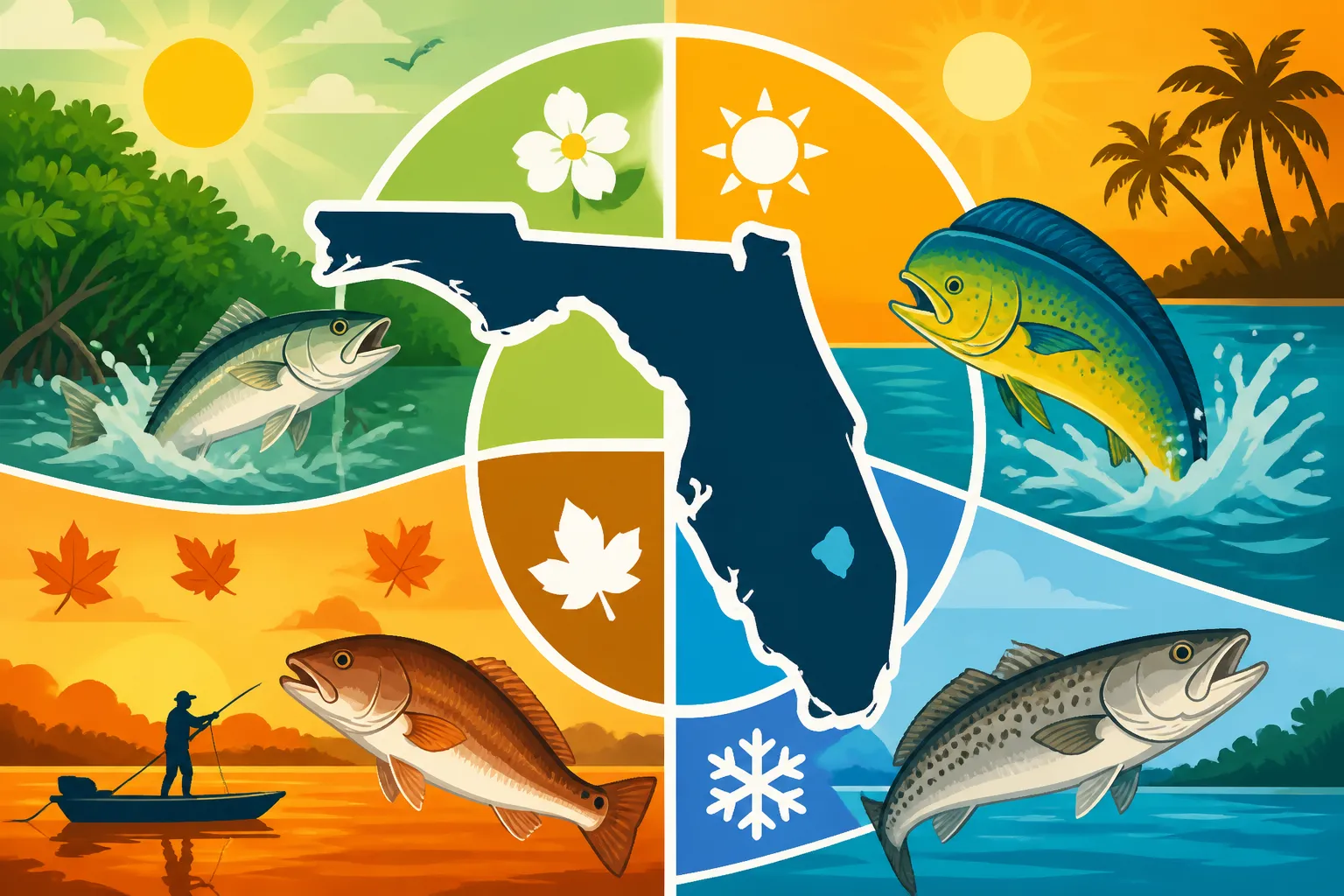
Unlike most places, Florida doesn't really have the distinct "spring, summer, fall, winter" fishing seasons you might be used to. Instead, the Sunshine State offers a complex tapestry of conditions that shift more subtly, making fishing a year-round pursuit, but one that demands an understanding of its unique climate drivers. The biggest frustration for anglers coming from colder climates is realizing that what works in October in Michigan won't necessarily work in October in Miami.
Beyond Four Traditional Seasons: What Florida Really Offers
Forget those neat, distinct seasonal changes. Florida's weather is dominated by its subtropical and tropical zones, meaning warm temperatures prevail for most of the year. Instead of four dramatic shifts, think of it more as a prolonged warm period with a mild "cool" season, primarily defined by rainfall patterns, hurricane activity, and the occasional cold front pushing down from the north. This lack of a harsh winter means many species, especially in saltwater, don't migrate as far or go into complete dormancy. This is a huge advantage for anglers, as there's always something biting somewhere, but it requires a different mindset. You're not just waiting for "the bite to turn on" in spring; you're constantly adjusting to micro-seasons within the broader annual cycle.
The Crucial Role of Water Temperature
If there's one single factor that dictates fish behavior in Florida more than any other, it's water temperature. Both freshwater and saltwater species are highly sensitive to even slight changes. Warmer waters generally mean higher metabolism, more active feeding, and faster growth for many species, while cooler waters can slow them down significantly. For example, snook, a highly sought-after inshore species, become very lethargic and vulnerable when water temperatures drop below 60 degrees Fahrenheit. Conversely, many offshore species like mahi-mahi thrive in warmer currents. Understanding the optimal temperature ranges for your target species is paramount, as fish will actively seek out comfortable water, often moving shallower or deeper, or into different bodies of water entirely, to find it. This means paying attention to local water temperature readings is far more important than just checking the air temperature.
Weather's Daily Influence: Sun, Rain, and Wind
Beyond temperature, Florida's daily weather patterns play a huge role. The intense sun, especially during summer, can push fish into deeper, shadier areas. Afternoon thunderstorms, a daily summer ritual, can temporarily cool water and stir up baitfish, creating excellent feeding opportunities right after the rain passes. Wind, too, is a major factor, affecting water clarity, tidal flows, and how comfortable it is to fish certain areas. A strong easterly wind might make fishing the Atlantic coast a challenge, pushing dirty water inshore, while a west wind could flatten the Gulf, opening up opportunities. Understanding these daily micro-climates and how they interact with the broader seasonal trends is crucial. You might think a sunny, calm day is perfect, but sometimes a bit of cloud cover or a light chop can actually improve the bite by making fish feel less exposed.
Spring: The Great Awakening of Florida Fisheries
Spring in Florida, generally spanning March, April, and May, is an exhilarating time for anglers. The weather is typically fantastic – mild temperatures, lower humidity, and fewer daily thunderstorms compared to summer. This period sees a massive surge in activity as baitfish move inshore and many game fish begin their annual spawning migrations, making it one of the most productive times to wet a line.
March: Transition and Early Spawners
March often feels like a true transition month. The last lingering cold fronts typically pass through early in the month, giving way to consistently warmer days. Water temperatures begin a steady climb, signaling many species to become more active. In freshwater, largemouth bass are often in their post-spawn recovery or still staging for spawning, making them aggressive and hungry. Anglers focusing on the Kissimmee chain of lakes or Lake Okeechobee might find some of the best bass fishing of the year. For saltwater, species like redfish and spotted seatrout become incredibly active on the flats, especially as baitfish like pilchards and mullet start to show up in larger numbers. You might even encounter early runs of migratory species like Spanish mackerel and king mackerel moving along the coasts. It's a great time to start thinking about lighter tackle and sight-fishing opportunities as the water clears up and fish move into shallower foraging areas.
April: Peak Inshore Action
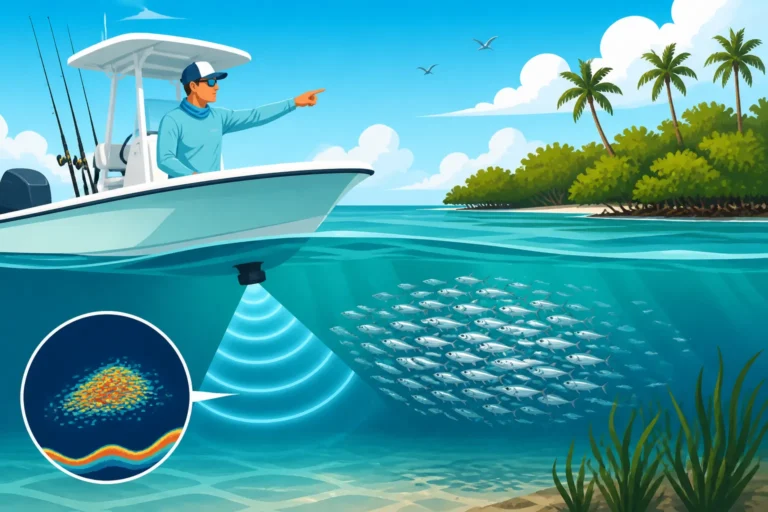
April is often considered the prime month for inshore saltwater fishing across much of Florida. The water temperatures are consistently warm, bait is abundant, and many of the premier inshore species are in full swing. Snook, redfish, and trout are actively feeding and can be found in a variety of habitats, from mangrove edges to oyster bars and seagrass flats. This is also when the tarpon migration truly kicks off in Southwest Florida and the Florida Keys. The famous Boca Grande Pass Tarpon Fishing is legendary this time of year, with anglers flocking to try and hook the "Silver King." Fly fishing for Florida Tarpon can be particularly rewarding. Offshore, pelagic species like mahi-mahi and blackfin tuna start to become more predictable targets as the Gulf Stream pushes closer to the coast, bringing warm water and baitfish with it. It’s a fantastic month for anglers looking for variety, whether they prefer stalking fish in the skinny water or heading out to the blue.
May: Heading Offshore and Late Spawners
As May progresses, temperatures continue to climb, signaling the approach of summer. While inshore fishing remains excellent, many anglers start to turn their attention further offshore. Mahi-mahi are often plentiful, and the first pushes of king mackerel and wahoo can be found. May is also a key month for grouper and snapper species, though it's crucial to be aware of the ever-changing Florida Grouper Season Guide and Florida Red Snapper Season Guide, as specific seasons can open or close. Nearshore, tripletail can often be found congregating around crab trap lines and floating debris. In freshwater, the peak of bass spawning might be winding down in the south, but panfish like bluegill and shellcracker are becoming extremely active, offering great opportunities for light tackle or cane pole fishing, especially in Central and North Florida. It's a month of abundance, but the increasing heat also means adjusting your fishing times to early mornings or late evenings to beat the midday sun.
Summer: Navigating the Heat and Bounty of Florida's Waters
Florida summers, from June through August, are synonymous with heat, humidity, and daily thunderstorms. While these conditions can be challenging, they also bring incredible fishing opportunities, particularly for offshore species and those inshore fish that thrive in warm water. Don't let the heat deter you; just adapt your strategy.
June: Early Morning and Evening Bites
June truly ushers in the full Florida summer experience. The days are long, and the sun is intense. This means smart anglers shift their schedules to capitalize on the cooler parts of the day. Early morning, right at dawn, is often the most productive time for inshore species like snook and redfish, as they feed aggressively before the sun gets too high and drives them into deeper, shadier cover. Similarly, fishing during the late evening and into the night can be exceptionally rewarding, especially for snook under dock lights or around bridge fenders. Offshore, June is prime time for species like snapper and grouper, though again, check the latest regulations. Migratory tarpon are still present in many areas, offering thrilling fights for those willing to brave the heat. It’s also a fantastic month for kids to catch a variety of panfish in freshwater ponds as bluegill and bream are readily available.
July: Battling the Mid-Summer Slump
July is arguably the hottest and most humid month in Florida, and it can present a "mid-summer slump" for some inshore species. The water temperatures in shallow flats can soar, making fish lethargic or pushing them into cooler, deeper channels or shaded mangrove tunnels. This is when understanding structure and current becomes vital. Targeting areas with strong tidal flow or deeper holes where water temperatures are more stable can be key. For freshwater bass, focus on shaded areas, submerged hydrilla beds, or early morning topwater bites. Offshore, however, July can be spectacular. Mahi-mahi are often abundant, and larger pelagics like tuna and wahoo can be found further out. Many anglers embrace Florida offshore fishing techniques this time of year, venturing into the Gulf Stream for a shot at these powerful fish. Remember to stay hydrated and protect yourself from the sun, especially if you're out during peak hours.
August: Offshore Excitement and Hurricane Season Considerations
August continues the summer trend of heat and afternoon storms, but it also marks a peak for offshore activity. The Gulf and Atlantic waters are teeming with life, and species like snapper, grouper, and various pelagics are actively feeding. It's an excellent month to target mahi-mahi offshore, often found around weed lines and floating debris. Inshore, the bite can still be challenging during the day, but savvy anglers will continue to focus on low-light conditions, strong currents, and deeper ambush points. However, August is also the heart of hurricane season in Florida. While most days are clear, it's crucial to monitor weather forecasts closely and prioritize safety. Unpredictable tropical systems can form rapidly, leading to sudden changes in weather and sea conditions. Always check the forecast before heading out, and consider having a NOAA weather radio or a reliable weather app on your phone.
Fall: Migration Madness and Cooling Trends
Fall in Florida, typically from September to November, is a favorite time for many anglers, and for good reason. The scorching summer heat begins to subside, the humidity drops, and the daily afternoon thunderstorms become less frequent. This creates ideal conditions for both anglers and fish, coinciding with one of the most exciting natural phenomena: the annual mullet run.
September: Post-Summer Relief and Early Migrations
September brings a welcome relief from the relentless summer heat. While still warm, the air and water temperatures begin a gradual decline, signaling fish that a change is coming. This often ignites a feeding frenzy as many species try to fatten up for the cooler months ahead. Inshore, snook, redfish, and trout become incredibly active, often found ambushing baitfish along mangrove lines, oyster reefs, and grass flats. Offshore, the pelagic bite can still be very strong, with mahi-mahi and king mackerel making their presence known. This month also sees the beginning of the fall bait migrations, particularly the smaller mullet pushing along the beaches, which acts as a precursor to the larger run. It's a fantastic time for surf fishing and casting spoons or topwater lures along the coast.
October: The Legendary Mullet Run
October is arguably the most famous fishing month in Florida, primarily due to the legendary "mullet run." Millions of finger mullet, along with other baitfish, migrate south along Florida's Atlantic coast, creating a chaotic feeding spectacle. Every predatory fish in the ocean seems to key in on this massive buffet. Along the beaches, anglers can witness incredible sight-fishing opportunities for snook, tarpon, redfish, jacks, and even sharks, all gorging themselves on the abundant bait. This is a time when even novice anglers can experience phenomenal action. For those looking to target specific species, like tarpon, Florida Tarpon Fishing Season Guide can provide more detailed information on their movements during this period. The Gulf Coast also experiences its own bait migrations, though perhaps not as concentrated as the Atlantic's mullet run, leading to excellent fishing for similar species. This month is a true angler's paradise, but also one of the busiest on the water.
November: Cooling Waters and Stronger Bites
As November arrives, the cooler air temperatures become more noticeable, particularly in North and Central Florida. Water temperatures continue their downward trend, which can be a signal for some of the more cold-sensitive species to begin moving into deeper, warmer sanctuaries. However, for many other species, this cooling trend invigorates them. Redfish and spotted seatrout remain extremely active on the flats and in estuaries, often moving into shallower sun-baked areas during the day to warm up. Snook fishing can still be excellent, especially around structure and inlets, but they will start seeking warmer water refuge as the month progresses. Offshore, king mackerel and wahoo can still be found, and the first pushes of winter species like cobia might start to appear nearshore around structure. Freshwater fishing for largemouth bass remains strong, as they become more predictable, often schooling up in deeper areas as the water cools. November offers some of the most pleasant fishing weather of the year, making for comfortable days on the water.
Winter: Cold Fronts, Clear Waters, and Hot Bites
Winter in Florida, from December through February, is quite different from what most people imagine. While truly frigid temperatures are rare, cold fronts do push through, dropping temperatures and often leading to some of the most exciting and unique fishing opportunities. The water often becomes crystal clear, allowing for incredible sight-fishing.
December: First Cold Snaps and Species Movement
December often kicks off the "winter" fishing season with the arrival of the first significant cold fronts. These fronts can dramatically drop air and water temperatures, especially in shallow inshore areas. This causes a major shift in fish behavior. Species like snook and tarpon, which are sensitive to cold, will seek out warmer, deeper water in rivers, canals, and protected basins. Anglers targeting these species will focus on these thermal refuges. Other species, like redfish and spotted seatrout, may "school up" in large numbers on dark-bottomed flats that absorb more heat from the sun or in deep holes in estuaries. This schooling behavior can lead to phenomenal fishing when you find them. Offshore, species like king mackerel might move further south or offshore, but bottom fishing for snapper and grouper remains strong in deeper federal waters, assuming weather windows allow. It's a month of adaptation, where understanding fish movements in response to temperature is paramount.
January: Prime Time for Sight Fishing
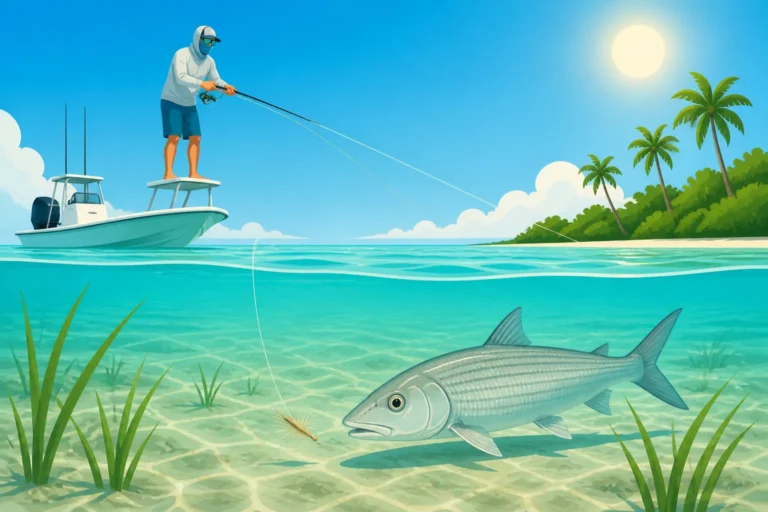
January is typically the coldest month in Florida, characterized by often calm, clear, and cooler waters. While some days can be chilly, many are sunny and pleasant. This clear water, combined with fish congregating in predictable areas, makes it prime time for sight fishing, especially for redfish and large spotted seatrout on the flats. Anglers poling shallow water can often spot schools of fish from a distance, allowing for precise presentations. Freshwater bass fishing can also be excellent, particularly on those sunny days following a cold front, as bass become more active. They'll often be found near deeper structure or slowly cruising warming shallow flats. This is a month where patience and keen observation pay off. Many anglers find the slower pace and strategic nature of winter fishing to be incredibly rewarding. Look for baitfish activity, as schools of mullet or pilchards will often signal warmer water and active predators.
February: Preparing for the Spring Transition
February in Florida can feel like a teasing glimpse of spring, particularly towards the latter half of the month. While cold fronts can still occur, they tend to be less severe and shorter-lived. Water temperatures begin a slow but steady climb, signaling the impending spring spawn for many species. Inshore, snook and tarpon will start to emerge from their winter haunts, becoming more active and willing to chase baits, though they might still be sluggish on cooler days. Redfish and trout remain strong targets on the flats. Offshore, the bite for migratory species like cobia starts to pick up significantly, often found around buoys, wrecks, and along the beaches. Many anglers use heavy jigs and live baits to target these powerful fish. Freshwater bass begin to move into pre-spawn patterns, making them excellent targets for those utilizing Florida Bass Fishing Techniques. It’s a month of anticipation, as anglers prepare for the explosion of activity that spring will bring.
Key Species and Their Seasonal Windows
Understanding Florida fishing seasons isn't just about general weather patterns; it's crucially about knowing when your target species are most active, catchable, and ethically available. Each species has its own peak season, driven by spawning cycles, migration, and feeding habits related to water temperature and bait availability.
Saltwater Favorites: Inshore and Offshore Peaks
Florida's vast coastline offers an incredible array of saltwater species, each with its prime time.
- Snook: While present year-round, snook are most active in warmer months, particularly during spring and fall. The Florida Snook Season Guide details when you can actually keep them, as they have seasonal closures to protect spawning. In winter, they seek warmer water in canals and rivers.
- Redfish: Redfish are a fantastic year-round target, but their activity peaks in spring and fall during the mullet runs when they are aggressively feeding. Winter offers excellent sight-fishing opportunities in clear, shallow waters.
- Spotted Seatrout: Much like redfish, trout are available year-round. Spring and fall are prime, with winter offering big gator trout on shallow, dark-bottomed flats.
- Tarpon: The "Silver King" has a distinct migratory season, with peak numbers moving through Florida's waters from April through July, especially along the Gulf Coast and Florida Keys. The Florida Tarpon Fishing Season Guide is essential reading for targeting these majestic fish.
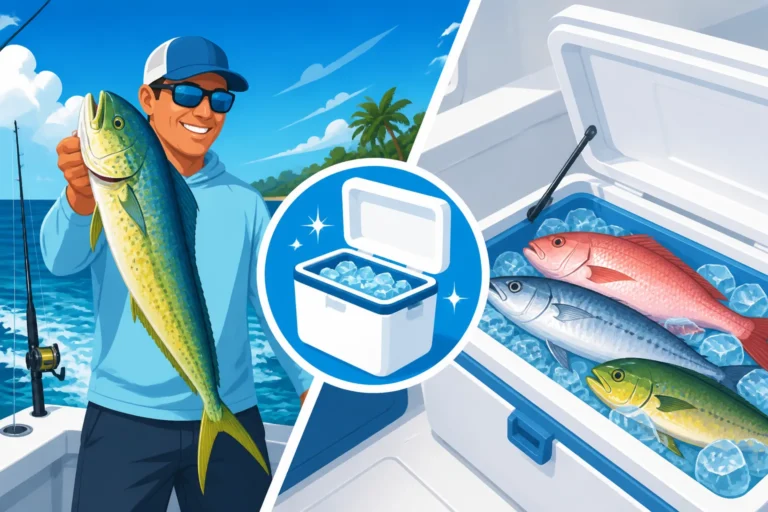
- Mahi-Mahi (Dolphin): These offshore pelagics are typically a warm-water species, with their peak season running from late spring through summer (April to August), often found around weed lines and sargassum patches.
- King Mackerel: Kingfish are migratory, with distinct runs in spring and fall along both coasts as they follow baitfish. They can be caught year-round in some southern areas.
- Grouper and Snapper: These bottom-dwelling species are a staple of offshore fishing. While available year-round in various depths, specific species have strict seasonal closures, making it imperative to consult the Florida Grouper Season Guide and Florida Red Snapper Season Guide for open dates. For example, gag grouper typically have a specific open season in the Gulf of Mexico, often starting in the summer and extending through much of the fall.
Freshwater Giants: Bass and Panfish Seasons
Florida's freshwater systems are equally productive, primarily known for their world-class largemouth bass fishing.
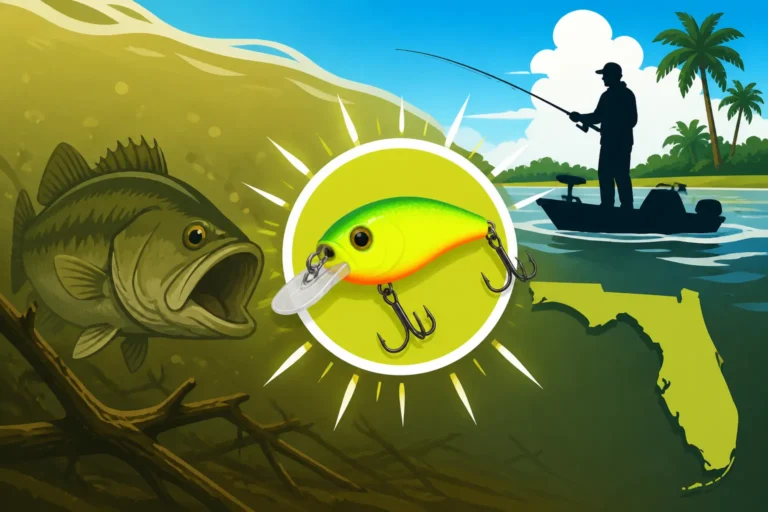
- Largemouth Bass: The peak for trophy bass fishing typically occurs in late winter and early spring (January to April) during their pre-spawn and spawn periods. This is when the big females are shallow and most accessible. While available year-round, summer bass fishing requires early mornings or late evenings and targeting deeper water or heavy cover.
- Crappie (Speckled Perch): Crappie fishing heats up in the cooler months, generally from fall through early spring (October to March). They move into shallower waters to spawn, making them easier to target.
- Bluegill and Other Panfish: These accessible species are active year-round, but their peak activity and spawning occur in the warmer months of spring and summer, making them excellent targets for family-friendly fishing trips.
Navigating Spawning Periods and Conservation
A significant aspect of Florida's fishing seasons revolves around spawning periods. Many species have strict regulations, including size limits, bag limits, and seasonal closures, designed to protect them during these crucial reproductive times. For instance, snook have periods where they are catch-and-release only, often during cold snaps or their summer spawning aggregations. Understanding when and where fish spawn not only helps you find them but also encourages responsible angling practices. Always consult the official Florida Fishing Regulations and Bag Limits published by the Florida Fish and Wildlife Conservation Commission (FWC) before heading out. Protecting these spawning aggregations ensures healthy fish populations for future generations.
Adapting Your Approach to Florida's Dynamic Seasons
Successfully navigating Florida's fishing seasons requires more than just knowing when to go; it's about understanding how to fish effectively in ever-changing conditions. This means adjusting your gear, timing, and techniques to match the seasonal behavior of the fish and the environment.
Gear and Tackle Adjustments for Every Season
The "one size fits all" approach rarely works in Florida fishing. Your gear needs to adapt to the season and the species you're targeting. In spring and fall, when fish are active and often chasing bait in shallow water, a versatile medium-light to medium spinning rod with 10-20 lb braided line is often ideal for inshore work. Think about picking up a good quality outfit from a brand like Penn or Daiwa, which can be found readily on Amazon. You'll want to have a selection of artificial lures, including soft plastics, topwater plugs, and spoons, to mimic the abundant bait.
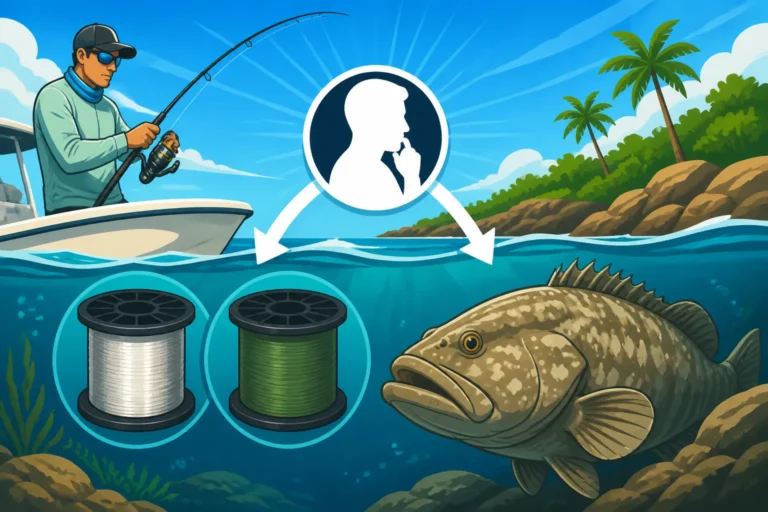
Come summer, with its intense heat, you might need heavier gear for offshore trips, including robust conventional reels for bottom fishing or trolling for pelagics. Conversely, if you're targeting bass in heavy cover, a stout baitcasting setup with stronger line might be necessary. In winter, with clearer waters, lighter fluorocarbon leaders become crucial for stealth, especially when sight-fishing for wary redfish. It's not just about the rod and reel; consider appropriate clothing, from lightweight, UV-protective shirts in summer to wind-resistant layers in winter, and always a good pair of polarized sunglasses for spotting fish.
Strategic Fishing Times and Locations
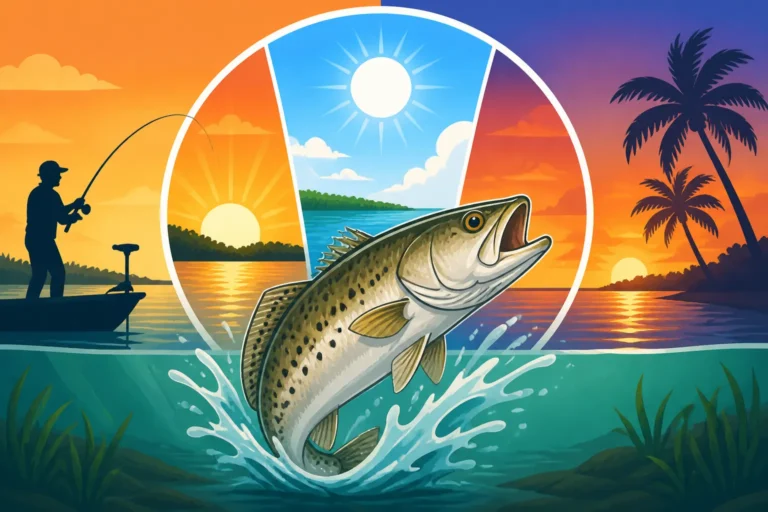
The time of day you fish is almost as important as the season in Florida. During the intense heat of summer, the bite for many inshore species dies down significantly in the midday sun. Anglers who hit the water before dawn or fish into the evening often find far more success. These low-light conditions make fish feel safer and encourage them to move into shallower feeding areas. Similarly, during winter cold fronts, fish might be lethargic in the early morning but become more active as the sun warms the shallow flats in the afternoon.
Location is equally critical. In summer, fish might retreat to deeper channels, shaded mangrove edges, or under docks and bridges to escape the heat. In winter, they’ll often gravitate to dark-bottomed flats that absorb sunlight or deep, warm pockets in canals and rivers. Understanding these seasonal movements and being willing to explore different habitats is key. If your usual spot isn't producing, don't be afraid to move and try a different depth or structure type that might offer more favorable conditions for the current weather. Checking local fishing reports and tide charts religiously can give you a significant edge.
Embracing Seasonal Techniques
Different seasons lend themselves to different fishing techniques.
- Spring: Live baiting with pilchards or threadfin herring is extremely effective for snook and tarpon as they push inshore. Topwater lures are also great for active fish on the flats.
- Summer: Early morning topwater action for snook and redfish. Jigging deep for snapper and grouper offshore. Trolling for mahi-mahi. Night fishing under lights for snook and trout.
- Fall: Casting artificials into schools of bait during the mullet run. Surf fishing with cut bait or spoons. Fly fishing for redfish and snook in the backcountry.
- Winter: Sight fishing with light tackle and stealthy presentations for redfish and trout. Slow-moving artificials or live shrimp in deeper channels for snook. Jigging spoons or lipless crankbaits for bass in deeper holes.
Don't be afraid to experiment! What works one month might not work the next. Continuously learning and adapting your techniques to the prevailing conditions will make you a much more successful Florida angler. For those interested in expanding their repertoire, guides like Florida Inshore Fishing Techniques and Florida Offshore Fishing Techniques offer a deeper dive into specific methods.
Understanding Florida's Seasonal Fishing Regulations
Florida's fishing regulations are designed to protect fish populations and ensure sustainable angling for future generations. These rules can be complex and often change seasonally, by region, and even by specific species. Staying informed is not just good practice, it's essential for avoiding fines and contributing to conservation efforts.
Florida Fish and Wildlife Conservation Commission (FWC) Guidelines
The primary authority for managing recreational and commercial fishing in Florida is the Florida Fish and Wildlife Conservation Commission (FWC). The FWC sets all the rules regarding fishing licenses, seasons, bag limits, and size limits for both freshwater and saltwater species. They continuously monitor fish populations and adjust regulations based on scientific data to ensure sustainability.
It's absolutely critical to familiarize yourself with the FWC's current regulations. Their website is the most reliable source for up-to-date information. They also offer a free "Fish|Hunt FL" app for smartphones, which provides easy access to regulations, identifies fish species, and even allows you to purchase licenses on the go. Always double-check before you head out, as regulations can change, sometimes with short notice, especially for highly managed species like red snapper or snook. This due diligence is part of being a responsible angler.
Seasonal Closures and Permits
Many popular Florida species are subject to seasonal closures. These closures are typically implemented to protect fish during their spawning periods, allowing them to reproduce undisturbed and replenish stocks. For example, snook frequently have closed seasons during winter cold weather events and during parts of their summer spawning season. Similarly, species like gag grouper and red snapper have very specific open seasons, which can vary between the Gulf and Atlantic coasts, and even between state and federal waters.
Beyond general fishing licenses, specific species may require additional permits or endorsements. The Florida Snook Permit Requirements and Florida Lobster Permit Requirements are good examples, where a separate permit might be needed in addition to your regular fishing license if you intend to harvest those species. These permits help the FWC track harvest numbers and further manage these valuable resources. Always check the full Florida Fishing License Guide to ensure you have all the necessary endorsements for your target species and fishing location.
Staying Informed and Compliant
Staying informed about Florida's fishing regulations is an ongoing process. Here's how to ensure you're always compliant:
- FWC Website and App: Make it your first stop for any regulation questions. The Florida Fishing Regulations and Bag Limits page is a must-bookmark.
- Local Tackle Shops: The staff at local bait and tackle shops are often incredibly knowledgeable about current local conditions and regulations. They can provide insights into specific nuances in your immediate fishing area.
- Fishing Guides: If you hire a fishing guide or charter, they are typically experts in local regulations and will ensure you adhere to them. However, it's still good practice to understand the basics yourself.
- Fish Identification: Be able to correctly identify the fish you catch. Misidentifying a fish can lead to inadvertently violating size or bag limits, or keeping a protected species. The FWC app has great identification tools.
- Measure and Release: Carry a reliable measuring device (a stiff ruler or tape measure is better than a flexible one) and understand how to properly measure fish (usually from the tip of the nose to the fork or tip of the tail, depending on species). When in doubt, it’s always best to release the fish unharmed.
By staying on top of the regulations, you not only avoid potential penalties but also play a vital role in preserving Florida's incredible fishing heritage for generations to come.
Florida Fishing Seasons at a Glance
To give you a quick overview, here's a table summarizing some popular species and their general peak seasons and key characteristics. Remember, this is a general guide; specific regulations always override general seasonal trends.
| Species | Peak Season | Key Characteristics | Common Locations |
|---|---|---|---|
| Largemouth Bass | Late Winter/Early Spring | Spawning activity, big females shallow, aggressive post-spawn bite. | Lakes, rivers, ponds statewide (freshwater) |
| Snook | Spring/Fall | Active feeding, spawning aggregations (summer), cold-sensitive (winter). | Mangroves, inlets, passes, rivers (saltwater) |
| Redfish | Spring/Fall | Following bait, schooling (winter), sight-fishing opportunities. | Flats, oyster bars, backcountry (saltwater) |
| Spotted Seatrout | Spring/Fall/Winter | Active on flats, big "gator" trout in winter, readily available. | Seagrass flats, estuaries (saltwater) |
| Tarpon | Spring/Summer | Annual migration, powerful fighters, catch-and-release focus. | Beaches, passes, backcountry, nearshore (saltwater) |
| Mahi-Mahi | Late Spring/Summer | Warm water pelagic, found around weed lines and floating debris, great table fare. | Offshore, Gulf Stream (saltwater) |
| King Mackerel | Spring/Fall | Migratory, fast-moving, often caught by trolling, follows baitfish. | Nearshore/Offshore, beaches, reefs (saltwater) |
| Gag Grouper | Summer/Fall (Gulf) | Bottom dwellers, specific open seasons, found on reefs and wrecks. | Offshore reefs, wrecks, ledges (saltwater) |
| Red Snapper | Summer (Gulf) | Highly regulated, short open seasons, excellent table fare. | Offshore reefs, wrecks, ledges (saltwater) |
| Crappie | Fall/Winter/Early Spring | Schooling, moving shallow for spawning, excellent for panfish enthusiasts. | Lakes, rivers, canals (freshwater) |
Disclaimer
The information provided in this guide is for general informational purposes only and is based on typical conditions and regulations. Florida fishing regulations, seasons, and bag limits are set by the Florida Fish and Wildlife Conservation Commission (FWC) and can change frequently. It is the angler's responsibility to check the most current FWC regulations before engaging in any fishing activity. Always prioritize safety, responsible angling practices, and environmental stewardship.