Best Lure Color for Murky Water in Florida
Fishing in Florida can be an angler's dream, but sometimes you arrive at your favorite spot only to find the water isn't the clear, inviting turquoise you remember. Murky water, whether from recent rains, tidal stirs, or even an algae bloom, can be incredibly frustrating, making you wonder if your carefully chosen lures stand a chance. This comprehensive guide will dive deep into understanding why some lure colors perform better than others in these challenging conditions, helping you confidently select the best options to entice fish when visibility is low.
Understanding Murky Water Conditions in Florida
Florida’s waters are dynamic, and what looks like a gin-clear flat one day can turn into a chocolate milk shake the next. It’s a common scenario that can throw even experienced anglers for a loop, but understanding the root causes and how fish react is the first step to overcoming the challenge.
What Makes Florida Waters Murky?
Murky water isn't just one thing; it's a spectrum of conditions, each with its own characteristics. Heavy rainfall is a prime culprit, flushing sediments and tannins from land into rivers, lakes, and coastal estuaries. Think of those massive summer thunderstorms – they might cool things down, but they often leave behind stained water that looks like strong tea. Tidal movements, especially around inlets and passes, can also churn up the bottom, suspending fine particles and reducing visibility significantly. Imagine a strong outgoing tide scouring a shallow flat, lifting all sorts of organic matter and silt. Beyond natural phenomena, human activities like dredging or prop wash from boats can temporarily cloud the water. Even natural events like significant algae blooms, which often occur in warmer months or after nutrient runoff, can make the water appear green or brown and severely limit light penetration. To learn more about environmental factors impacting fishing, you might want to read our guide on How Red Tide Affects Fishing in Florida.
How Murky Water Affects Fish Behavior
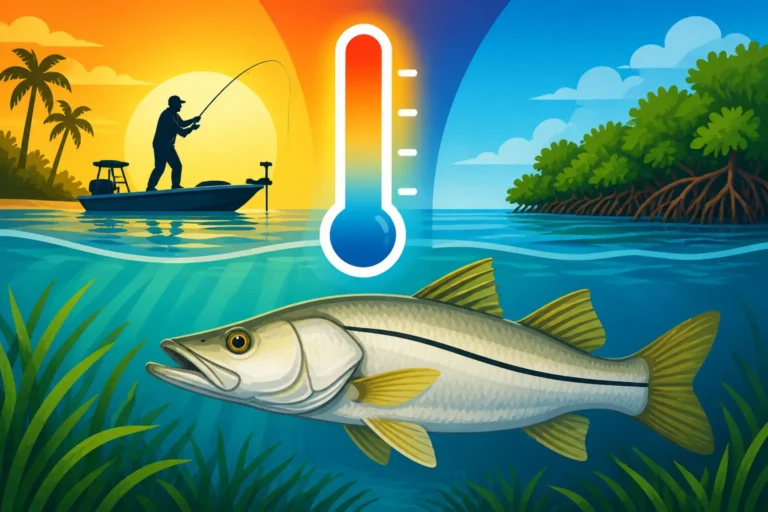
When the water gets murky, fish don't just disappear; they adapt. Their primary senses, especially sight, become less effective, which changes how they hunt and navigate. In clear water, fish like snook or redfish are highly visual predators, relying on their keen eyesight to spot prey from a distance. But in low visibility, that advantage is gone. They become more reliant on their other senses: their lateral line to detect vibrations, their olfactory system to smell food, and their hearing to pick up sounds. This means they often become less active in pursuit, preferring to ambush prey from closer quarters or stick to areas where they can detect movement rather than see it. They might also move to shallower areas or edges where there's a slight increase in light penetration, or conversely, retreat to deeper structure where they feel more secure and can use the low light to their advantage for ambushes.
The Challenge of Lure Selection
This shift in fish behavior directly impacts lure selection. The vibrant, realistic patterns that excel in clear water often become invisible in murky conditions. It's like trying to see a ghost in a fog – there's just not enough contrast or light refraction to make it pop. Many anglers fall into the trap of sticking with their "tried and true" lures, only to be met with frustrating silence. The key isn't just to pick any color; it's to select colors and lure characteristics that actively compensate for the reduced visibility. You need something that screams "I'm here, eat me!" without relying heavily on visual detail. This often means choosing colors that maintain their visibility in low light, create strong silhouettes, or incorporate features that appeal to a fish's other heightened senses, forcing them to investigate.
The Science Behind Lure Color in Murky Water
It’s not just about what looks good to us above the water; it’s about what fish can actually perceive underwater, especially when the water quality isn’t ideal. Understanding a bit of the science can really help you make smarter lure choices.
Light Penetration and Color Visibility
Water isn't just transparent; it's a filter. As sunlight penetrates the water, different wavelengths (colors) of light are absorbed at varying rates. Red light, for instance, is absorbed very quickly and essentially disappears within the first few feet of water. That bright red lure you love? It probably looks grey or black just a few feet below the surface, even in relatively clear conditions, let alone murky ones. Orange follows, then yellow, and finally, blue and green penetrate the deepest. In murky water, this absorption is drastically accelerated. The suspended particles scatter and absorb even more light, severely limiting how far any color can be seen. This is why certain fluorescent colors and those on the blue-green spectrum often perform better – they retain their color properties longer as light diminishes, or they actively reflect more of the available light back to the fish's eye.
The Importance of Contrast and Silhouette
Since true color is often lost quickly in murky conditions, contrast becomes incredibly important. Fish are looking for a clear outline of a potential meal against the diffused light coming from the surface or the darker bottom. A lure that creates a strong silhouette will be much more noticeable than one that blends in. Think about it: a dark lure (like black or dark purple) cast against a brighter sky or water surface will create a very defined shape. Conversely, a very bright or fluorescent lure can create its own "glow" or intense point of focus against a dark, murky background. It's about maximizing the difference between your lure and its surroundings. This is often why two-tone lures with high contrast (like black and chartreuse or white and red) are so effective, as they offer both a strong silhouette and a visible flash of color. For specific lure types, check out our guide on Topwater Lure Fishing for Snook.
Vibrations, Scent, and Other Attractors
When fish can't see, they rely heavily on their other senses. This is where the non-visual aspects of your lure become absolutely critical.
- Vibrations: The lateral line system of a fish is highly sensitive, allowing them to detect subtle pressure changes in the water. Lures with features that displace a lot of water – like paddle tails, deep-cupped poppers, or those with internal rattles – send out strong vibrations that fish can home in on, even if they can't see the lure until it's very close. A crankbait with a distinct wobble or a soft plastic with a strong tail kick can make all the difference. Many effective murky water lures often incorporate rattles to amplify these vibrations.
- Scent: Fish also possess an incredible sense of smell. Adding scent to your lures can be a game-changer in murky water. Whether it's a pre-scented soft plastic or an external attractant applied to your lure, the scent trail can draw fish in from a greater distance and encourage them to strike even if the visual appeal is minimal. Brands like Pro-Cure, Berkley Gulp!, and Fishbites are popular choices for their potent scents. You can often find a wide variety of these scent additives on platforms like Amazon.
- Sound: Beyond rattles, some lures are designed to create specific sounds – clacking, splashing, or thumping – that mimic distressed baitfish or crustaceans. A topwater plug that makes a good "blooper" sound or a jig that thumps the bottom can alert fish to its presence before they ever see it. Combining these auditory cues with strong vibrations and a good color choice creates a multi-sensory attack that's hard for a fish to ignore in low visibility.
Top Lure Colors and Patterns for Murky Florida Waters
When facing murky conditions, you want lures that scream "EAT ME!" even when the water looks like coffee. Certain colors and patterns consistently outperform others because they address the challenges of low light and reduced visibility head-on.
Chartreuse and Fluorescent Greens
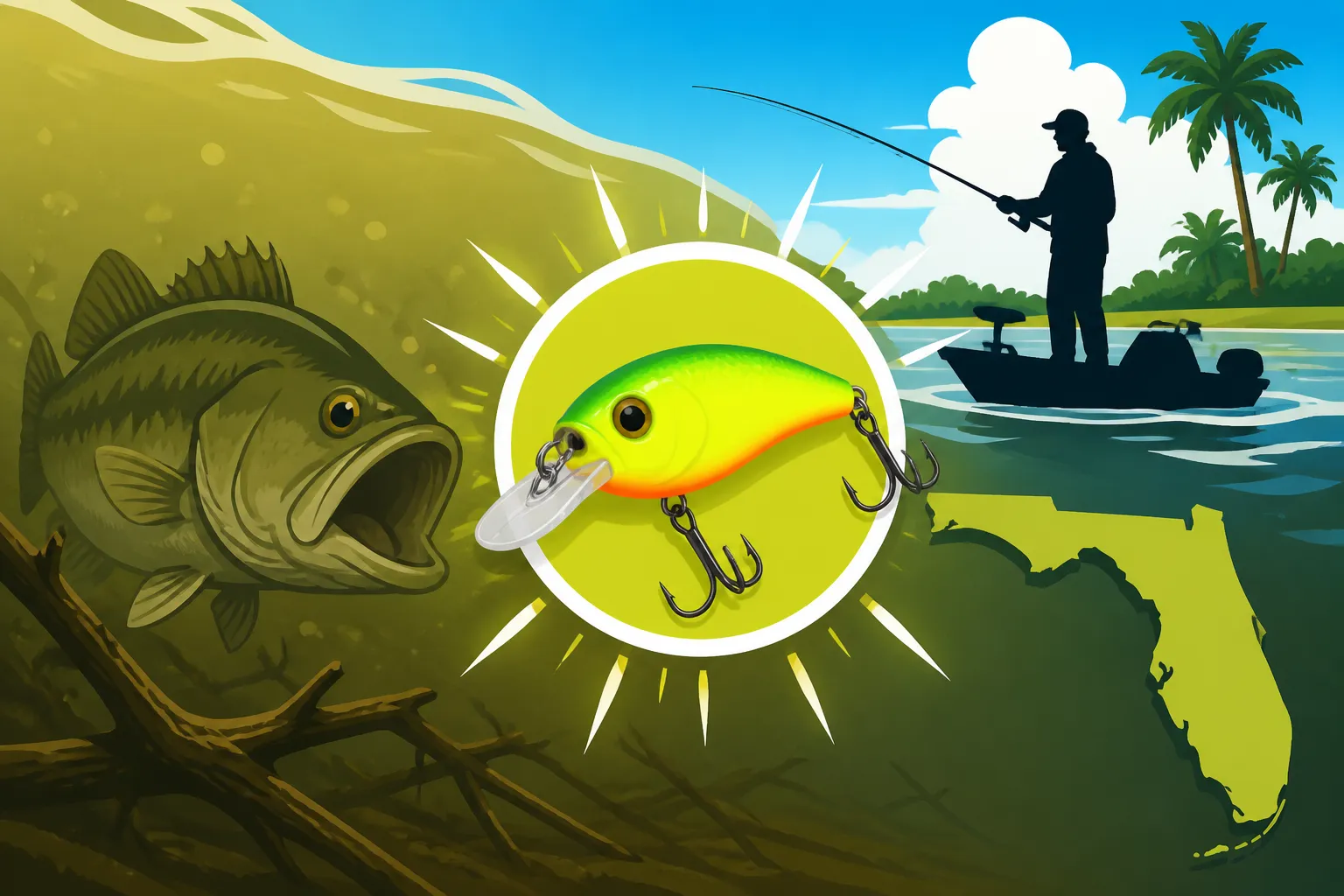
Hands down, chartreuse is often considered the king of murky water lure colors, and for very good reason. This vibrant, almost neon green-yellow color is a powerhouse because it's highly visible in low light conditions. The specific wavelengths of light that make up chartreuse penetrate turbid water better than many other colors, and its fluorescent properties allow it to "pop" by reflecting more of the available ambient light. Whether it's a chartreuse soft plastic paddle tail, a jig head painted chartreuse, or a crankbait in this striking hue, fish seem to pick it up even when they can barely see their fins. It creates excellent contrast against dark water and can be particularly effective when targeting species like Florida Redfish Fishing Guide and Florida Spotted Seatrout Fishing Guide in tannin-stained or silty estuaries. Many anglers swear by lures from brands like Z-Man, which offer incredibly durable chartreuse soft plastics.
Bright Oranges and Reds
While red light doesn't penetrate deep water well, bright oranges and reds can still be incredibly effective in murky, shallow water or when used in combination with other colors. In very shallow, turbid water, there's still enough light for these colors to stand out. More importantly, red can often be associated with injured baitfish or crustaceans, triggering a predatory response. A vibrant orange or red can create a noticeable flash as it moves through the water column, especially if it has some reflective properties or is part of a two-tone design. Think of a red jig head paired with a white soft plastic tail; the red provides a pop of color at the "head" of the bait, drawing attention. These colors are particularly useful when you're fishing areas with dark mud or vegetation where a different kind of contrast is needed.
Dark and Silhouetted Lures
This might seem counterintuitive when we just talked about bright colors, but dark lures are equally crucial for murky water success. When fish are looking up towards the diffused light of the surface, a dark lure creates a strong, defined silhouette. It's not about the color itself, but the lack of light reflection. Black, dark purple, and dark blue lures appear as a solid, prominent shape against the lighter background of the sky or even the lighter, murky water above. This strong contrast makes them easy for fish to spot. Imagine a snook ambushing bait in a dark canal; a black or dark purple soft plastic will present a much clearer target than a light-colored lure that might blend into the ambient murkiness. These are fantastic choices for species like Florida Snook Fishing Guide, particularly during low light hours or in heavily stained water.
Gold and Silver Flakes/Blades
Beyond solid colors, the flash and vibration created by metallic flakes or spinner blades can be irresistible in murky water.
- Gold: Gold provides a warmer, more subtle flash that can be very effective in tannin-stained or brownish murky water. It mimics the scales of many common baitfish like mullet or pinfish, which have a golden hue. A gold spoon, a soft plastic with gold glitter, or a spinnerbait with gold blades can be incredibly enticing. The flash catches the minimal light available and sends out quick, attention-grabbing signals.
- Silver: Silver, on the other hand, offers a brighter, more aggressive flash, often performing well in more greyish or silty murky conditions. It imitates baitfish with silver scales like sardines or shiners. Both gold and silver flakes, when molded into soft plastics, add an extra dimension of visual appeal without relying solely on a solid color. You can find excellent selections of these flashy lures, including spoons and spinnerbaits, on Amazon. The combination of flash and vibration is a powerful one in low visibility.
Two-Tone Combinations
Sometimes, the best solution isn't one color, but two, strategically combined to maximize contrast and visibility. Classic combinations like black and chartreuse offer the best of both worlds: the strong silhouette of black paired with the high visibility of chartreuse. Red and white is another potent pairing, especially if the white is a bright, opaque variety that can stand out. The idea here is to create distinct boundaries and flashes within the lure itself, making it more complex and appealing to a fish's limited visual field. For instance, a red head with a white body, or a black body with a chartreuse tail, can trigger strikes when a single solid color might be overlooked.
Practical Tips for Fishing Murky Water in Florida
Successfully fishing in murky water isn't just about picking the right lure color; it's about combining that choice with smart techniques and a willingness to adapt. The subtle shifts you make can dramatically improve your chances of success.
Experimentation is Key
No two murky water scenarios are exactly alike, and what worked yesterday might not work today. This is why active experimentation is your best friend. Start with your go-to murky water colors (chartreuse, dark colors, or bright fluorescents), but don't be afraid to switch things up if you're not getting bites. Try different shades of chartreuse, different sizes of dark lures, or even different brands, as their specific dyes and materials can affect how they appear underwater. Sometimes, the subtle difference between a true fluorescent green and a slightly duller lime green can make all the difference. Keep a mental note or even a small log of what colors and lures worked in specific murky conditions. You might discover that a certain lure, like a Heddon Super Spook, in a particular color pattern performs exceptionally well in post-rain stained water, while another, perhaps a soft plastic from D.O.A. Lures, is the ticket in a churned-up inlet.
Combining Color with Other Attractors
Remember, in murky water, fish aren't just relying on their eyes. Maximize your lure's appeal by engaging all their senses.
- Rattles: Many effective murky water lures come with internal rattles. If your favorite soft plastic doesn't have one, consider using a jig head with an integrated rattle or inserting a small rattle chamber into the soft plastic itself. The sound and vibration are powerful drawing cards.
- Scent: Don't underestimate the power of smell. Apply a strong scent attractant to your lures. Products like Pro-Cure, MegaStrike, or even simple garlic oil can leave a scent trail that guides fish to your lure. Many anglers apply scent to their soft plastics before every few casts, especially in murky water where the scent can dissipate.
- Thump and Movement: Choose lures that displace a lot of water. Paddle-tail soft plastics, crankbaits with a wide wobble, or spinnerbaits with large thumping blades send out strong vibrational signals. Vary your retrieve speed and technique; sometimes a slow, deliberate presentation with plenty of pauses allows the fish more time to locate the lure, while other times a fast, erratic retrieve might trigger an aggressive reaction. Our guide on Florida Inshore Fishing Techniques covers many of these methods.
Matching the Hatch (Even in Murky Water)
While exact color matching is less important in murky water, presenting a lure that broadly matches the size and profile of the baitfish or crustaceans prevalent in the area is still a good strategy. Fish still have an idea of what their natural prey looks and feels like. If you know there's a lot of small pilchards or shrimp around, a smaller profile lure might be more effective than a large, imposing one. If larger mullet are common, a bigger soft plastic or topwater might be more appropriate. Even if the fish can't see the specific color, they can often perceive the general size and shape. Check out resources like What Do Snook Eat? or Best Bait for Redfish Fishing in Florida for common prey in Florida waters. The goal is to present something that looks and acts like a meal, even if it's just a blurry outline.
Consider Water Depth and Light Conditions
The depth of the water and the overall ambient light can influence lure color effectiveness even within murky conditions. In very shallow murky water (a few feet deep), you might still get some benefit from brighter colors that can pick up the limited light. As you move into deeper murky water, where even less light penetrates, the emphasis shifts even more towards strong silhouettes (dark colors) and lures that create significant vibration and sound.
- Overcast days: On dark, overcast days, when light is already scarce, bright fluorescents or dark silhouettes become even more critical.
- Sunny days with murky water: If the water is murky but the sun is bright, metallic flakes (gold or silver) might be able to catch and reflect more light, creating enticing flashes. Also consider the time of day, as this impacts light penetration. You can learn more about this in Best Time of Day to Fish in Florida. Don't forget that water temperature and other environmental factors, like those discussed in How Hot Weather Affects Summer Fishing in Florida, can also play a role in how fish respond to lures in these conditions.
Here's a quick guide to help you choose:
| Murky Water Condition | Recommended Lure Colors/Patterns | Why They Work | Key Considerations |
|---|---|---|---|
| Tannin-Stained (Brownish) | Chartreuse, Dark Purples, Gold Glitter, Black/Red | High contrast, chartreuse retains visibility, gold mimics natural bait. | Focus on strong silhouettes and vibrant contrast. |
| Silty/Muddy (Greyish) | Fluorescent Greens, Bright Orange, Silver Flakes, Black | Intense visibility, silver offers bright flash, black for strong silhouette. | Maximize light reflection and distinct shapes. |
| Algae Bloom (Greenish) | Dark Blues, Black, Chartreuse (contrasting green) | Dark colors provide contrast against green, chartreuse for penetration. | Avoid greens that blend in; aim for strong opposition. |
| Churned-Up Inlet/Pass | Chartreuse, Dark Colors, White/Red Combos, Glitter | High visibility in turbulent water, strong silhouettes, attention-grabbing flash. | Combine with heavy vibration and scent to cut through the chaos. |
| Low Light (Dawn/Dusk) | Black, Chartreuse, Two-Tone (e.g., Black/Chartreuse) | Best visibility during minimal natural light, strong silhouettes are critical. | Dark colors are paramount; fluorescents for added pop. |
Final Cast Considerations
Fishing in murky water doesn't have to be a frustrating experience that sends you home empty-handed. By understanding the science behind how light and color behave underwater, how fish adapt their senses, and by strategically selecting lures with the right attributes, you can turn a challenging day into a productive one. Always remember that a lure's effectiveness in low visibility extends beyond just its color; it's a combination of contrast, vibration, sound, and scent that ultimately triggers a strike. Keep experimenting, keep learning, and keep that fishing passion burning, no matter what the water conditions throw your way in Florida!
Disclaimer
The information provided in this guide is for general informational purposes only and does not constitute professional fishing or safety advice. Always consult the latest regulations from the Florida Fish and Wildlife Conservation Commission (FWC) before engaging in any fishing activities. Fishing conditions can change rapidly, and safety should always be your top priority.