Best Time of Day to Fish in Florida
The age-old question for every angler, whether a seasoned pro or a hopeful beginner, isn't just where to fish in Florida, but when. It's a frustrating riddle to solve, especially with Florida's dynamic weather and diverse fisheries. You’ve likely woken up at dawn, only to find the bite slow, or ventured out midday convinced you’d struck gold, only to be met with shimmering, lifeless water. This comprehensive guide is here to unravel the mysteries of timing your fishing trips, helping you understand the rhythms of Florida’s waters and greatly increasing your chances of a successful day on the water.
Understanding Florida's Unique Fishing Rhythms
Florida's fishing isn't a "one size fits all" endeavor, and the best time of day to cast a line often hinges on a complex interplay of natural forces. Unlike some other regions where a simple "early morning" might suffice, the Sunshine State demands a deeper understanding of how tides, moon phases, and the ever-present weather influence fish activity throughout the day. It's about becoming a student of the water, not just an angler.
The Crucial Role of Tides
For saltwater anglers, tides are arguably the most significant factor dictating fish behavior, more so than the time on the clock. Fish, especially those inshore species like snook, redfish, and trout, rely heavily on tidal movements to feed, seek shelter, and navigate their environment. An incoming or outgoing tide creates current, which disorients baitfish and washes crustaceans from the bottom, turning the feeding switch on for predators. Many experienced anglers in places like the Indian River Lagoon will tell you that a moving tide, whether it's the first hour of the incoming or the last two hours of the outgoing, is almost always more productive than slack tide. The actual time of day these favorable tides occur changes daily, so relying on a simple clock can be misleading. Always check your local tide charts – they are your bible for saltwater success.
Moon Phases and Their Subtle Influence
While not as immediately impactful as the daily tides, the moon phases exert a powerful, albeit often subtle, influence on fish behavior, particularly for larger species and in offshore environments. Full moons and new moons, known as "spring tides," bring the strongest tidal currents. These intensified movements can lead to aggressive feeding frenzies as more bait is pushed through pinch points and over flats. However, they can also make fishing challenging if the currents become too strong, making it difficult for fish to ambush prey or for anglers to present baits naturally. Quarter moons, or "neap tides," bring weaker currents. While this might sound less exciting, it can make for more predictable fishing in certain areas where strong currents typically make the bite tough. The key is understanding how each phase might affect the specific species you're targeting and adjusting your approach accordingly.
Weather's Impact on Daily Bites
Florida's weather is famously unpredictable, often swinging from calm, sunny mornings to intense afternoon thunderstorms. These shifts dramatically affect when and where fish bite. High-pressure systems, often associated with clear skies and calm winds, can make fish lethargic and less willing to bite, especially in shallow water. Conversely, a approaching low-pressure system, often bringing clouds and light rain, can trigger a feeding spree right before a cold front moves in. Even subtle changes, like cloud cover, can extend the "golden hours" of dawn and dusk, offering more opportunities for active fish. For example, a heavily overcast day in summer might provide excellent topwater action for a snook or redfish throughout the morning, whereas a bright, sunny day would send them deep into the mangroves by 9 AM. Always keep an eye on the forecast, and don't be afraid to adjust your plans. Many anglers find the NOAA Weather Radio app invaluable for minute-by-minute updates.
Dawn and Dusk: The Golden Hours
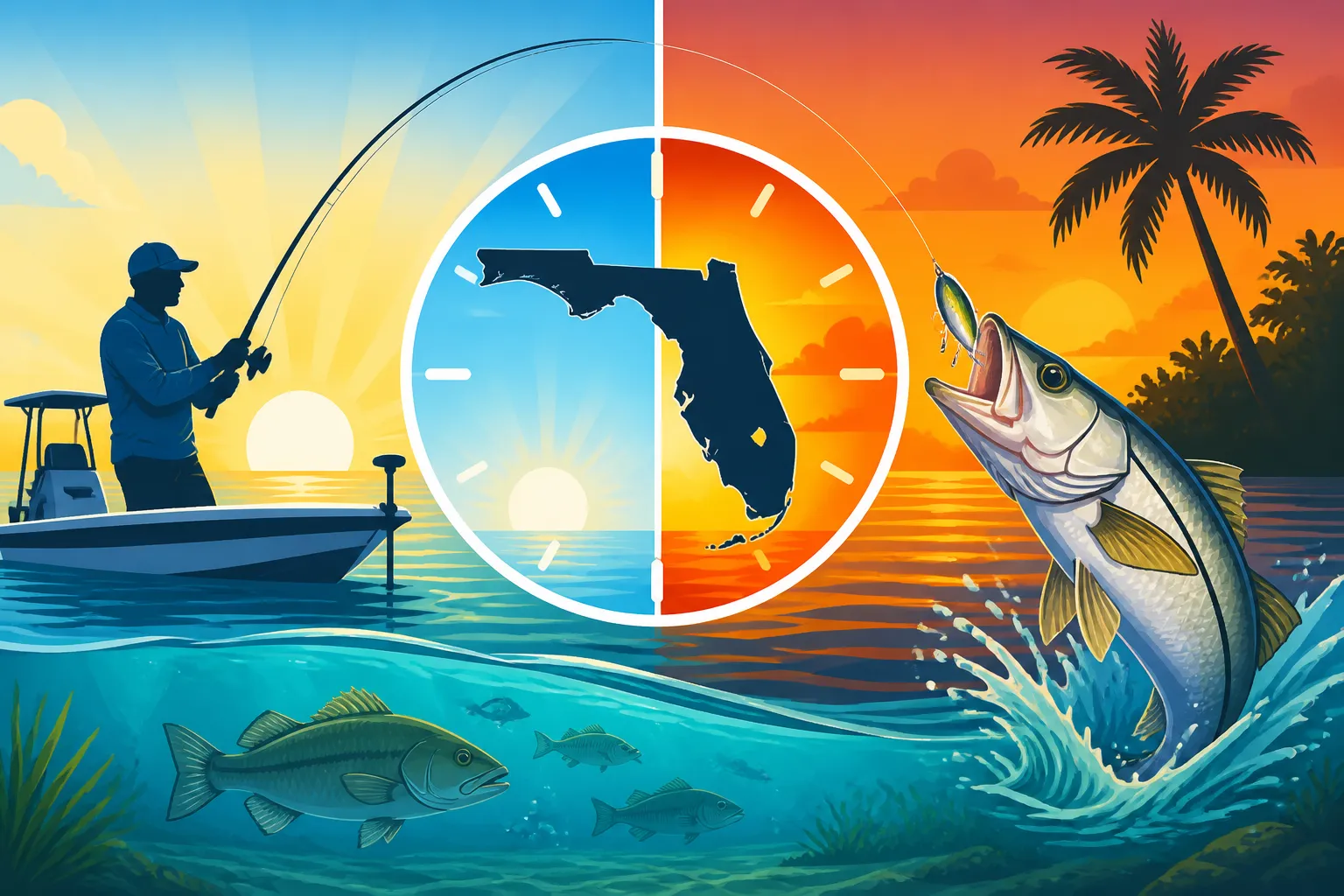
For countless anglers, the very best times to fish in Florida are the hours surrounding sunrise and sunset. These transitional periods offer a magical window of opportunity, a prime feeding time when many species are at their most active. The reasons are simple: changes in light, temperature, and baitfish activity all converge to create ideal hunting conditions.
Why Fish Feed Actively During Twilight
As the sun begins to peek over the horizon or dip below it, the underwater world undergoes a significant transformation. The low light conditions give predatory fish a distinct advantage. Their eyes are often better adapted to low light than those of their prey, making it easier for them to ambush unsuspecting baitfish and crustaceans. Think of it like a game of hide-and-seek where the predator can see better in the dim light. The ambient light at dawn and dusk also creates long shadows and diffused light patterns that break up the outline of predators, allowing them to approach their prey more stealthily. This reduced visibility for prey, coupled with cooler water temperatures after a long day or night, makes fish more comfortable and willing to expose themselves in open areas to feed. You’ll often find them moving out of deeper, sheltered spots onto flats, ledges, and along mangrove edges.
Targeting Specific Species at Sunrise/Sunset
While many fish are active during these golden hours, some species truly shine. Snook, for instance, are notoriously crepuscular, meaning they are most active during dawn and dusk. You'll often find them ambushing baitfish along mangrove lines, near oyster bars, or around bridge pilings as the light changes. Redfish, especially the larger "bull" reds, also frequently move onto shallow flats and into skinny water during these times, making them prime targets for sight fishing. Spotted seatrout will spread out over grass flats, eagerly snatching up small baits. Freshwater species like largemouth bass are no different; they'll often move into shallower water to feed on topwater lures or live shiners as the sun rises or sets. For those chasing offshore species, the early morning bite can be fantastic for mahi-mahi and king mackerel as they follow bait schools pushing towards the surface.
Capitalizing on Low Light Conditions
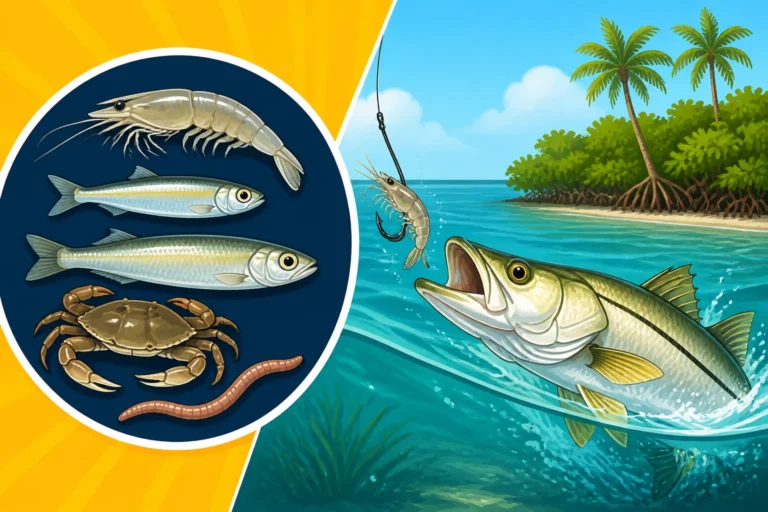
To make the most of dawn and dusk, you need to adapt your techniques. Topwater lures are incredibly effective during these times because fish are often looking upwards for prey, and the low light hides your line and mistakes. Soft plastics and jerkbaits worked near the surface can also be deadly. When it comes to bait, live pilchards, mullet, or shrimp are hard to beat, as their natural movements are amplified in the dim light. Pay close attention to baitfish activity – if you see bait showering on the surface, you can bet there are predators nearby. Using polarized sunglasses, even in low light, can help cut through any surface glare and allow you to spot subtle movements or even cruising fish. Having a good quality headlamp, like those available on Amazon, is also essential for rigging tackle before dawn or after dusk.
Midday Challenges and Opportunities
While dawn and dusk steal much of the fishing glory, the midday hours in Florida, especially during the scorching summer, present unique challenges. The bright sun, high temperatures, and often slack tides can make fishing seem impossible. However, dedicated anglers know that "impossible" often means "time to change tactics." There are still plenty of opportunities if you know where to look and how to adjust your approach.
Dealing with the Sun's Intensity
The biggest hurdle during midday in Florida is the relentless sun. Not only is it uncomfortable for you, but it significantly impacts fish behavior. As the sun climbs higher, water temperatures in shallow areas can rise dramatically, sending most inshore species scurrying for cover. The intense light also makes fish more wary, causing them to hug the bottom, hide deep in mangrove shadows, or retreat to deeper pockets where they feel more secure. For anglers, the glare off the water can make it nearly impossible to spot fish, even with the best polarized lenses. This is where patience and persistence become your greatest allies. Don't expect the same aggressive topwater bites you found at sunrise; instead, prepare for a more subtle approach.
Finding Deeper Water Sanctuaries
When the sun is high and the flats are baking, fish will seek refuge in cooler, deeper water. This means focusing your efforts on different types of structure. Inshore, look for species like snapper, sheepshead, and even snook and redfish hunkering down in residential canals, under docks, beneath bridges, or in the deeper channels of tidal creeks. These spots offer both shade and cooler water. Offshore, this is prime time for bottom fishing for grouper and snapper on wrecks and reefs, or trolling for pelagic species like kingfish and wahoo in deeper water where they're less affected by surface temperatures. Even freshwater bass will retreat to deeper holes, creek channels, or under thick vegetation mats where they can find cooler water and ambush prey from below. Understanding the local geography and having a good fish finder can be invaluable for locating these midday sanctuaries.
When to Adjust Your Techniques
Midday fishing demands a complete shift in technique. Forget the fast-moving topwater baits; instead, think slow, deliberate, and often vertical. Live bait, presented slowly on the bottom or under a dock, often outperforms artificial lures. Drop a weighted shrimp or a small live mullet into the shaded pockets or alongside pilings where fish are hiding. If using artificials, jigs with soft plastics, Carolina rigs, or slow-bounced Texas-rigged worms can entice a bite from reluctant fish. Consider using smaller, more natural-looking presentations that don't spook easily agitated fish. In deeper water, vertical jigging or slow-trolling can be effective. This is also a good time to ensure your gear is in top shape; consider adding items like sun protection, plenty of water, and even a fishing cooler with ice, all easily found on Amazon, to make your midday outings more bearable and productive.
| Time of Day | Common Target Species | Best Conditions/Techniques |
|---|---|---|
| Dawn (Sunrise – 2 hours after) | Snook, Redfish, Trout, Bass, Mahi-Mahi, King Mackerel | Low light, cooler temps, moving tide. Topwater lures, live bait near surface/edges. |
| Morning (2 hours after sunrise – Midday) | Redfish, Trout, Tarpon (migration), Permit, Offshore Pelagics | Brightening light, increasing temps. Sight fishing (flats), trolling (offshore), live bait. |
| Midday (Late Morning – 2 hours before sunset) | Grouper, Snapper, Sheepshead, Deeper-holding Bass | High sun, high temps, slack tide possible. Bottom fishing (wrecks/reefs), deep docks/canals, slow presentations, live bait. |
| Afternoon (2 hours before sunset – Sunset) | Snook, Redfish, Trout, Bass, Tarpon | Cooling temps, decreasing light, moving tide. Transition from deeper areas to shallower feeds. |
| Dusk (Sunset – 2 hours after) | Snook, Redfish, Trout, Tarpon, Speckled Sea Trout (freshwater) | Low light, cooling temps, moving tide. Topwater lures, live bait, focusing on ambush points. |
| Night (After dark) | Snook, Tarpon, Trout, Mangrove Snapper, Sharks, Catfish | Dark, cooler temps, lights attract bait. Bridge fishing, dock lights, glow lures, live bait. |
Night Fishing: Unlocking a Different World
As the sun sets and the stars begin to pepper the vast Florida sky, a whole new world of fishing opportunities awakens. Night fishing in Florida is not just a secondary option; for many dedicated anglers, it's the preferred time to target some of the most sought-after species, especially during the sweltering summer months. The cooler temperatures and reduced boat traffic make for a more peaceful and often more productive experience.
Top Species to Target After Dark
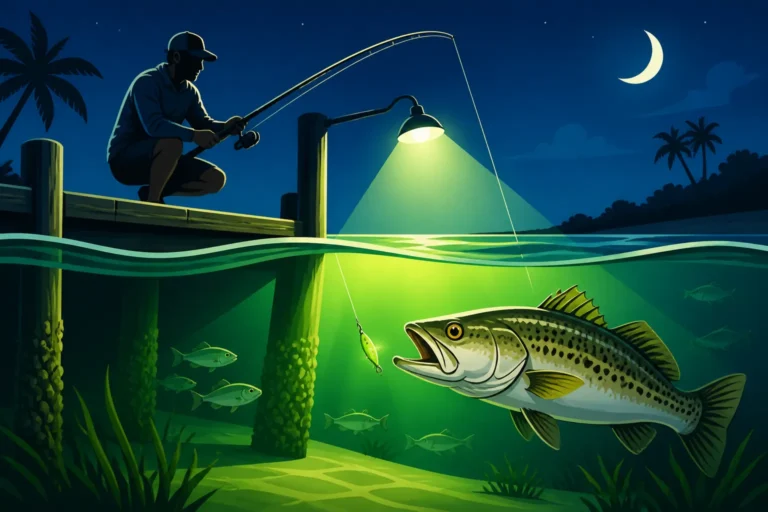
Night fishing in Florida is particularly rewarding for a select group of species that thrive in the cover of darkness. Snook, those elusive line-siders, become incredibly active at night, especially around artificial lights such as those found on docks, bridges, and channel markers. The lights attract a smorgasbord of baitfish, creating a perfect feeding ground. Similarly, large migratory tarpon can often be found rolling and feeding under bridges or in channels, offering a truly epic battle. Spotted seatrout also tend to school up heavily under dock lights, making for fantastic light tackle action. Furthermore, mangrove snapper are often bolder and more aggressive after dark, readily taking a variety of baits. For freshwater anglers, catfish and even large bass can be caught at night, moving into shallower areas they might avoid during the day. Don't forget the thrill of shark fishing from the beach or a pier at night; it's an entirely different beast!
Essential Gear for Safe and Productive Night Trips
Safety and preparedness are paramount for night fishing. Good lighting is crucial, not just for rigging your tackle but also for navigating and ensuring you can see what's happening around you. A powerful headlamp with a red light option (to preserve night vision) is a must, along with a handheld spotlight for scanning the water. You can find excellent options for both on Amazon. Having spare batteries is also a smart move. A VHF radio or fully charged cell phone is vital for communication in case of an emergency, especially if you're on the water. Bug spray is practically non-negotiable, particularly in Florida, and a small first-aid kit is always a good idea. For fishing, heavier leader material is often recommended as fish can be less discerning in the dark. Glow-in-the-dark lures, soft plastics with scent, and noisy topwater plugs can be incredibly effective at attracting attention in the absence of light.
Techniques for Fishing Under Lights
The strategy for night fishing often revolves around the presence of artificial lights. These lights, whether from docks, bridges, or even your boat, create a self-contained ecosystem that attracts baitfish, which in turn attracts predators. When approaching a lighted area, be stealthy. Cast your bait or lure just outside the main light halo and work it back into the brighter zone. This mimics a baitfish trying to escape the shadows. For dock lights, a live shrimp or small baitfish free-lined into the current is often irresistible. When targeting tarpon under bridges, large live baits like mullet or pinfish are usually the ticket, presented down-current. Remember to be mindful of your presentation; even in the dark, a natural drift is key. For those targeting trout under lights, a small jig or a twitch bait can work wonders. Be prepared for aggressive strikes; fish in these feeding zones are often hyper-focused on securing a meal. If you're looking for more specific advice on this, our guide on "Night Fishing Technique for Trout Under Dock Lights" has even more detail.
Seasonal Variations and Time of Day
Florida's seasons, while not as dramatic as those in more northern climates, still significantly influence the best time of day to fish. What works in January won't necessarily work in July, and understanding these shifts is key to consistent success. The angling calendar in Florida is a nuanced dance between water temperature, spawning patterns, and bait migrations, all of which dictate when fish will be most active throughout the day.
Summer's Early Mornings and Late Evenings
Florida summers are defined by heat and humidity, which means the "golden hours" of dawn and dusk become even more critical. The water temperatures rise significantly throughout the day, pushing most game fish into deeper, cooler water or dense, shaded cover by mid-morning. For species like snook, redfish, and bass, the early morning bite, often starting well before sunrise, can be explosive. As the sun climbs, the bite typically slows considerably. This is also when you'll find offshore species like mahi-mahi active in the morning before seeking deeper, cooler water. Late evenings, as the sun begins to set and the water cools, offer another excellent window, often extending into the night for many inshore predators. Fishing during the middle of a summer day often requires targeting specific, deep structures or waiting out the heat.
Winter's Midday Warm-Up
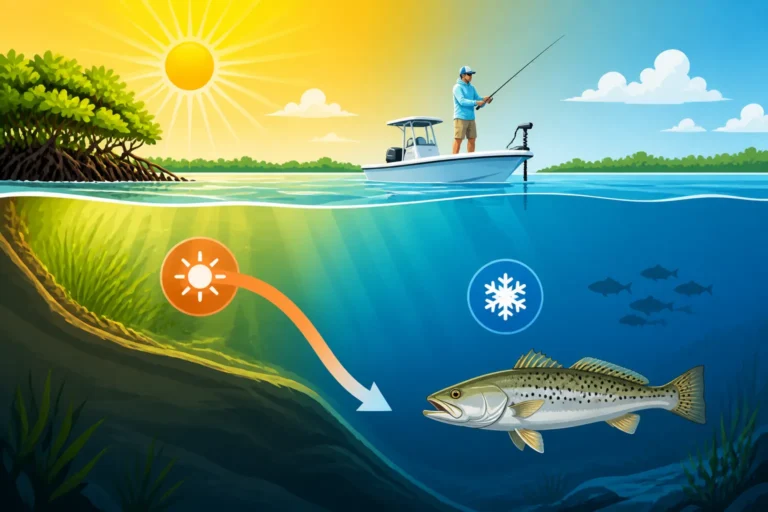
When winter cold fronts sweep through Florida, they bring significantly cooler water temperatures. Unlike summer, where mornings are often best, winter can see the midday sun become your friend. As the sun warms up the shallow flats, seagrass beds, and dark mud bottoms, it draws heat-seeking fish out of deeper channels and onto these sun-drenched areas to feed and warm themselves. This is a prime time for sight fishing redfish and trout on sun-exposed flats, or targeting bass in lakes that have had a chance to absorb some warmth. The early mornings can be painfully slow in winter, as water temperatures are at their lowest. Fishing an incoming tide on a warm winter afternoon can be particularly productive. Even inshore species like snook, which can be sensitive to cold, will often seek out sun-exposed areas later in the day during a winter cold snap.
Spring and Fall: Peak Activity Throughout the Day
Spring and fall are often considered the prime fishing seasons in Florida, and for good reason. During these transitional periods, water temperatures are generally moderate and stable, creating conditions where many fish species are active throughout much of the day, not just at dawn and dusk. In spring, as fish prepare for spawning, they feed aggressively. This means you might find hot bites for snook and redfish inshore throughout the morning and into the early afternoon. Fall brings cooler temperatures and significant bait migrations, like the famous mullet run, which can spark feeding frenzies all day long for a variety of predatory species, from tarpon to king mackerel. During these seasons, while dawn and dusk remain excellent, you often have more flexibility to find active fish at almost any time, making them ideal for longer fishing trips. To learn more about how specific times of year impact your fishing, check out our guide on "Florida Fishing Seasons Explained".
Practical Tips for Timing Your Florida Fishing Trips
Mastering the art of timing your Florida fishing trips is an ongoing journey, but there are some fundamental tools and practices that can give you a significant advantage. It's about blending science with observation, and always being prepared to adapt.
Using Tide Charts and Weather Apps
Your most valuable assets for timing your saltwater fishing trips are up-to-date tide charts and reliable weather apps. Websites like Saltwater Tides or apps like Tides Near Me provide precise high and low tide times for specific locations, often with moon phase information included. Don't just look at the high or low; focus on the moving water. Aim for the first two hours of an incoming tide or the last two hours of an outgoing tide, as these are typically when currents are strongest and bait is most active. For weather, use apps that offer hourly forecasts, radar, and wind predictions. Sudden thunderstorms are common in Florida, especially in summer, and you'll want to avoid being caught in one. Wind direction and speed also play a huge role; a strong east wind can make fishing the Gulf coast difficult, while a west wind can chop up the Atlantic side.
Observing Local Conditions
Beyond charts and apps, becoming a keen observer of your local environment is crucial. Spend time on the water even when you're not fishing, just watching. Notice when baitfish are active, where birds are diving, and how water levels change with the tides. Pay attention to water clarity – clear water might require a more stealthy approach, while murky water can make scent and vibration more important. Ask local bait shop owners or other reputable anglers for their insights; they're often a wealth of real-time information. They might tell you that a certain bridge fishes best on the outgoing tide after a recent rain, or that the trout are schooling under the lights at a specific pier right now. Trust your instincts and learn from every outing. Our guide on "How to Read a Tide Chart for Fishing" delves deeper into this essential skill.
Flexibility is Key
Perhaps the most important tip of all: be flexible! Florida fishing rarely goes exactly as planned. The weather can change in an instant, a hot bite can suddenly shut down, or your ideal tide might coincide with an unexpected red tide event. Being able to pivot your plans – whether it's moving to a different spot, switching up your target species, or even changing your fishing time entirely – will make you a more successful and less frustrated angler. If the morning bite isn't happening, don't be afraid to try a deep canal midday. If an afternoon storm rolls in, consider rescheduling for a night trip. The more you learn about the various factors influencing fish behavior, the better equipped you'll be to adapt and find success, no matter what time of day you find yourself on the water. Remember, every moment spent fishing in Florida is a learning experience!
Disclaimer
The information provided in this guide is for general informational purposes only and does not constitute professional fishing advice. Fishing regulations, seasons, and local conditions in Florida can change frequently. Always consult the latest Florida Fish and Wildlife Conservation Commission (FWC) regulations before engaging in any fishing activities. Adherence to all applicable laws and safety guidelines is the responsibility of the angler.