Fishing During Florida’s Hurricane Season
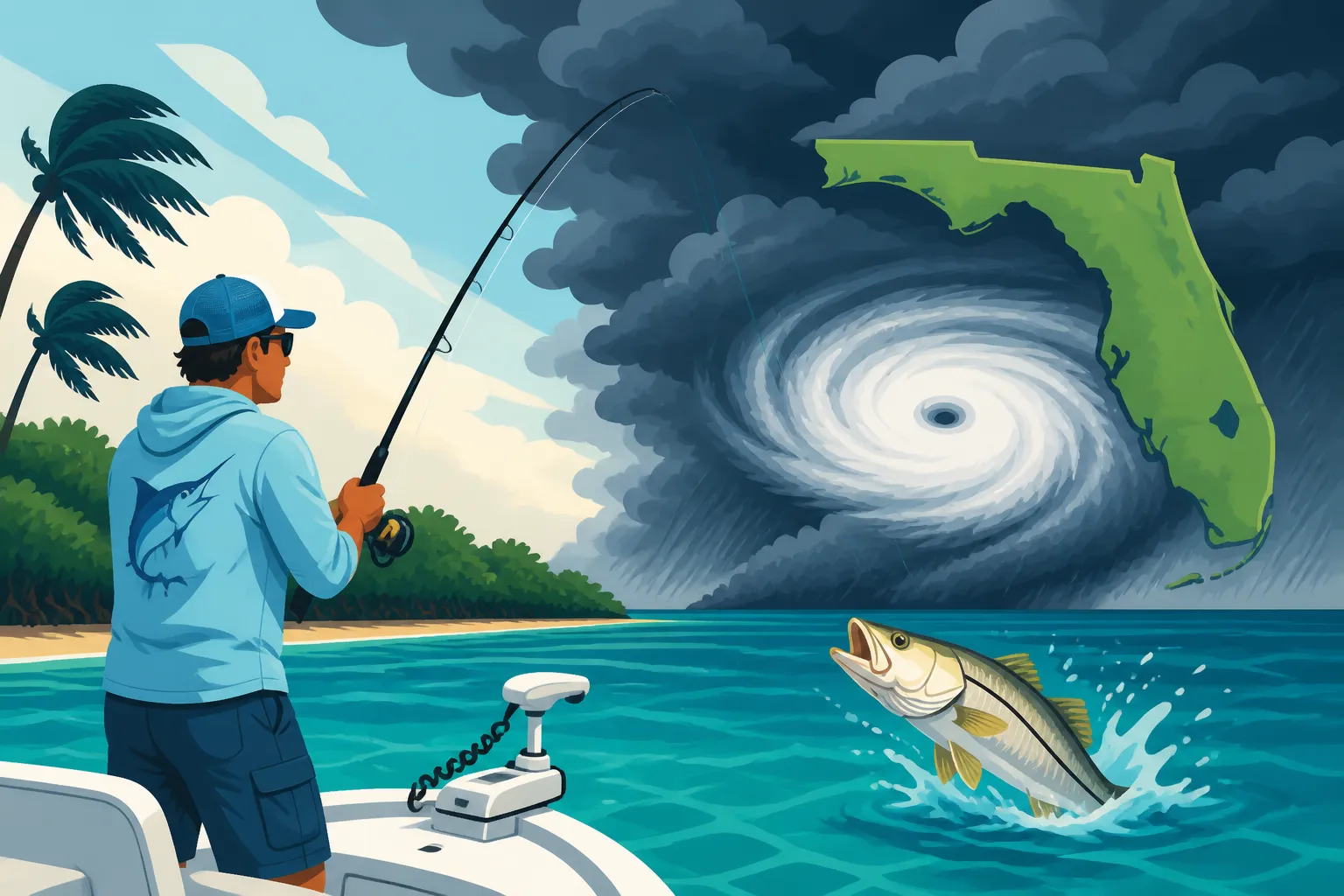
Ah, Florida's hurricane season. For us anglers, it's a real love-hate relationship. On one hand, the anticipation of a big blow can throw all our carefully planned fishing trips into disarray, leaving us frustrated and staring longingly at our rods. On the other hand, the unique conditions before and after a storm can offer some truly exceptional angling opportunities if you know how to read the signs and, most importantly, prioritize safety. This guide will walk you through the nuances of fishing when hurricanes loom, offering practical advice to navigate these challenging yet potentially rewarding times.
Understanding Florida's Hurricane Season Impact on Fishing
Hurricane season in Florida isn't just about the big, named storms you see on the news; it's a whole period of unpredictable weather that profoundly impacts our waters and the fish within them. Knowing when to expect these changes and how they generally manifest is the first step in smart fishing.
When Hurricane Season Hits Florida
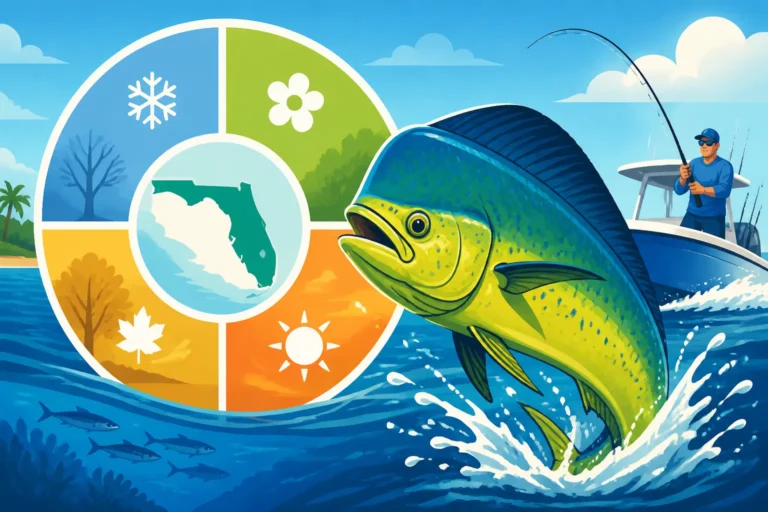
Officially, hurricane season in the Atlantic Basin, which includes Florida, runs from June 1st to November 30th. However, experienced Florida anglers know that the most active period, when we really start paying attention, tends to be from August through October. This is when water temperatures are at their highest, fueling intense storm development. During these months, even distant tropical depressions can send heavy swells and torrential rain our way, drastically changing water clarity, salinity levels, and currents. It's a time when you need to be constantly checking forecasts, not just for the day you plan to fish, but for the week ahead, because conditions can shift rapidly.
The lead-up to a storm, even a minor one, often brings noticeable changes to fishing patterns. You might experience intense humidity, shifting winds, and a general feeling of unease in the atmosphere – and the fish feel it too. Post-storm, the environment can be completely transformed, with new debris fields, altered bottom structures, and displaced baitfish, creating both challenges and fresh opportunities. Understanding these seasonal rhythms is crucial for anyone looking to cast a line in the Sunshine State during these turbulent months. For a broader perspective on the angling calendar, check out our guide on Florida Fishing Seasons Explained.
Immediate Dangers and Safety Precautions
Let's be brutally honest: fishing during a hurricane is not only irresponsible, it's incredibly dangerous and absolutely not recommended. The immediate dangers associated with tropical systems – high winds, massive waves, lightning, torrential rainfall, and powerful storm surges – can turn a fishing trip deadly in minutes. Even before a storm officially makes landfall, the outer bands can bring squalls, waterspouts, and severe thunderstorms that are a significant threat to anyone on the water. This isn't just about getting wet; it's about life and limb.
If a storm is anywhere in the forecast, the smartest move is to secure your boat, batten down the hatches, and stay safely on shore. Checking marine weather forecasts, local news advisories, and the National Hurricane Center website multiple times a day is non-negotiable. If you're out on the water and see a rapidly developing weather pattern, don't try to get in one last cast. Head for port immediately. Equip your vessel with proper safety gear, including a reliable VHF radio, a GPS with updated charts, extra life jackets, and flares. You can find excellent waterproof dry bags and emergency radios on Amazon that are essential for any boat, especially during this season. Never put yourself or others at risk for a fish.
Long-Term Environmental Changes Post-Storm
Once the immediate threat of a hurricane has passed, the true scale of its environmental impact on our fisheries becomes apparent. The most common changes include drastically altered water clarity. Massive amounts of freshwater runoff from heavy rains can turn normally clear saltwater estuaries into murky, tannin-stained soup, and even impact nearshore ocean waters. This influx of freshwater can also significantly lower salinity levels in brackish and inshore areas, often driving saltwater species further offshore or into areas where salinity remains higher.
Debris is another major concern. From submerged trees and construction materials to everyday household items, hurricanes can scatter hazards throughout waterways. This debris not only creates navigation risks but can also alter existing fish habitats, forming new structures for fish to congregate around or destroying old ones. The movement of sand and sediment can also change bottom contours, creating new channels or filling in old ones, all of which influences where fish will be found. Understanding these shifts is key to successful post-storm fishing, as the fish will inevitably adapt to their new environment.
Strategies for Pre-Storm Fishing
There's a well-known phenomenon among seasoned Florida anglers: the pre-storm bite. Many believe that fish become incredibly active just before a major weather event. While it’s crucial to never put yourself in harm's way, understanding this behavior can lead to some incredible fishing experiences if you hit the water safely during the calm before the storm.
Reading the Barometer and Fish Behavior
It's not just an old wives' tale; fish really do seem to react to changes in atmospheric pressure. As a hurricane or even a strong tropical storm approaches, the barometric pressure drops. Many species, particularly inshore predators like snook, redfish, and even some freshwater bass, sense this change and often go on an aggressive feeding binge. Scientists suggest this might be an instinctive response, a last-ditch effort to gorge themselves before the turbulent conditions make feeding difficult or push their prey out of reach. Think of it as them filling their pantry before the grocery store closes for an extended period.
This pre-storm period can be marked by an almost eerie stillness in the air, often with light and variable winds, before the true wind and rain begin to pick up. During these moments, fish can be surprisingly bold and active. Anglers who carefully watch the weather, tracking pressure systems with apps and simple barometers, can capitalize on this window. It's about being prepared to go at a moment's notice when conditions allow and knowing when to pack it in as the weather truly sours. However, always remember that no fish is worth risking your life.
Targeting Specific Species That Respond to Pressure Changes
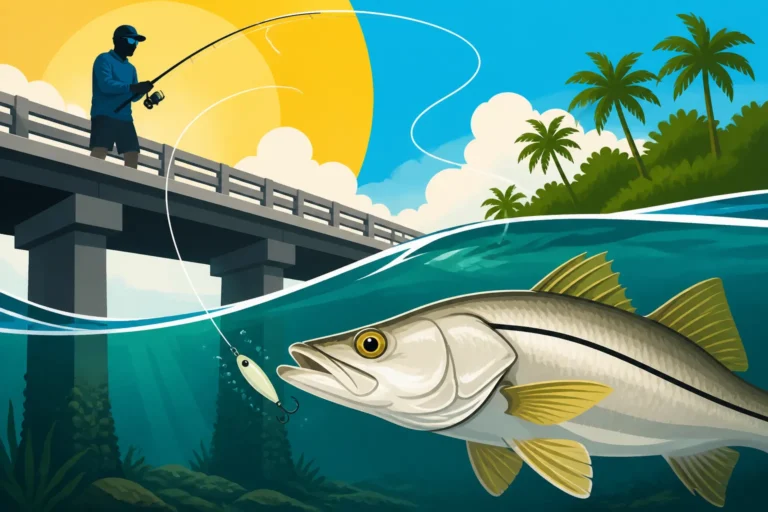
When the barometer starts to fall, certain species seem to respond with more enthusiasm than others. In Florida's inshore waters, snook are notorious for their pre-storm aggression. They’ll often move into shallower areas, ambushing baitfish that are also trying to find refuge. Redfish, too, can become very active, rooting around in the grass flats and oyster beds with renewed vigor. Even tarpon, which can be fickle, might make a more aggressive showing as the pressure drops, especially in estuaries and passes.
For these species, throwing larger baits or more aggressive lures can often trigger a strike. Topwater plugs, especially for snook, can be incredibly effective during these times as they feed on nervous baitfish pushed to the surface. Live bait, such as pilchards or mullet, can also be irresistible. Pay attention to structure and ambush points where fish might congregate, like mangrove edges, dock pilings, or channel edges. Remember, this window is often short, so make your time on the water count, but always prioritize your safe return. Learning about Florida Snook Fishing Guide or Florida Tarpon Fishing Guide can help you prepare for these opportune moments.
Essential Gear and Preparations
Preparing for pre-storm fishing isn't just about what tackle to bring; it's about overall safety and readiness. Before you even think about launching, check your boat's fuel levels, navigation lights, and bilge pump. Make sure your anchor and anchor line are in excellent condition, as unexpected squalls can pop up quickly. Having a good quality rain suit, even if it looks clear, is always a smart move. Winds can shift dramatically, making a smooth ride out a bumpy, wet trip back.
For your tackle, consider bringing a selection of lures that create a lot of vibration or flash, as lower light conditions or murky water can make sight-feeding more challenging. Heavier jig heads for soft plastics might be necessary to cut through stronger currents. And for securing your actual vessel, whether it's a small skiff or a larger center console, having robust dock lines and fenders is critical. If you have a boat on a trailer, ensure the tires are in good shape and tie-downs are secure for quick evacuation if needed. You can find robust marine-grade ropes and emergency weather radios easily on Amazon, which are crucial investments for this time of year.
Navigating Fishing During the "Aftermath"
Once a hurricane passes, a whole new world of fishing challenges and opportunities unfolds. The landscape, both above and below the water, can be dramatically changed, requiring anglers to completely rethink their approach.
Assessing Conditions Post-Storm
The period immediately following a hurricane, or even a severe tropical storm, is perhaps the most critical for safety and strategic thinking. Before you even consider heading out, you absolutely must assess the conditions. This isn't just about whether the sun is shining; it's about what the storm left behind. Water clarity will likely be poor, especially inshore, due to massive freshwater runoff and disturbed sediments. This murky water can extend miles offshore. Salinity levels in estuaries and shallow coastal areas will also be significantly lower, which can push saltwater species out of their usual haunts.
Navigation hazards are perhaps the biggest concern. Submerged debris, from tree limbs to entire sections of docks, can be hidden just beneath the surface, posing serious threats to props, lower units, and even hulls. Waterways can be littered with floating debris, requiring constant vigilance. Boat ramps and access points might be damaged or blocked. Always check with local authorities, like the Florida Fish and Wildlife Conservation Commission (FWC) or county emergency services, for updates on waterway safety and access before venturing out. Patience and a cautious approach are paramount.
Where Fish Go After a Hurricane
When their world gets shaken up, fish don't just disappear; they relocate. Understanding these movements is key to finding them again. After heavy rains and freshwater intrusion, many inshore saltwater species like snook, redfish, and trout will often retreat to areas of higher salinity. This might mean moving closer to inlets, deeper channels, or even just slightly further offshore where the freshwater runoff hasn't had as much impact. They seek out pockets of more stable, saltier water.
Offshore, pelagic species like mahi-mahi and king mackerel might follow new current lines or gather around floating debris, which can create temporary ecosystems. Bottom-dwelling fish, like snapper and grouper, might find refuge in deeper wrecks or reefs that offered more protection from the storm's surge and turbidity. It’s a dynamic situation where familiar spots might be barren, and new, unexpected ones might hold a bounty. You'll often find fish pushed against hard structures or shorelines seeking refuge from strong currents. This means shallower areas that were once quiet might now hold concentrations of fish.
Adjusting Techniques for Post-Storm Waters
Fishing in post-storm conditions demands flexibility and an open mind. Since water clarity is often poor, sight fishing becomes nearly impossible. Instead, you need to rely on lures and baits that create sound and vibration. Rattling crankbaits, noisy topwater plugs, and jigs with scent-impregnated soft plastics become much more effective. Live bait, especially hardy options like pilchards or mullet, can also be irresistible in murky conditions, as fish rely more on scent and lateral lines to locate food.
Slow your retrieve. Fish might be lethargic or simply need more time to locate your offering in the reduced visibility. Focus on areas with current breaks or distinct changes in water color, which can indicate a salinity line where baitfish might be congregating. Fishing depths where conditions are more stable, or targeting newly formed structures, can also pay off. Don't be afraid to experiment with different colors, focusing on darker hues like black, purple, or chartreuse, which provide better contrast in stained water. This is where a Florida Inshore Fishing Techniques guide can really come in handy for adapting your approach.
Best Practices for Safety and Ethical Angling
Safety isn't a suggestion during hurricane season; it's a mandate. And ethical angling ensures our precious resources remain healthy for years to come, especially when they're recovering from a natural disaster.
Monitoring Weather and Local Advisories
During hurricane season, your phone should be glued to weather apps and local news. Trustworthy sources like the National Weather Service, NOAA, and the Florida Fish and Wildlife Conservation Commission (FWC) are your best friends. They provide real-time updates on storm tracks, marine forecasts, and any temporary closures or advisories for waterways. Don't rely solely on what you see out your window; conditions offshore or just around the bend can be vastly different and change in a heartbeat.
It's not just about a hurricane making landfall. Even distant tropical systems can generate dangerous swells and rip currents along Florida's coastline, making Florida Shoreline Fishing License Explained a risky venture. Heavy rains can cause localized flooding and strong river currents, impacting freshwater fishing spots. Always inform someone on land about your float plan – where you're going, when you expect to return, and who is with you. A small detail like this can be a lifesaver if an unexpected situation arises.
Debris Awareness and Navigation Hazards
After a storm, waterways can become minefields of debris. This is not an exaggeration. Everything from small plastic bottles to entire trees and sections of docks can be floating or submerged. This debris poses significant hazards:
- Propeller and Lower Unit Damage: Hitting a submerged log or a sheet of metal can severely damage your outboard or stern drive, leaving you stranded.
- Hull Damage: Striking large, heavy objects can compromise your boat's hull, leading to leaks or even capsizing.
- Navigation Obstructions: Debris can block channels, making navigation difficult or impossible in certain areas.
Always operate at a reduced speed, especially in unfamiliar or recently affected waters. Keep a sharp lookout, both for floating debris and for signs of submerged objects like subtle disturbances on the water's surface. Using a shallow-water anchor system, like a Power-Pole or Talon, can be incredibly helpful for stopping quickly to assess a potential hazard. Be especially wary around bridges, inlets, and areas with dense mangrove forests, as these tend to collect a lot of storm-driven debris.
Respecting Ecosystem Recovery and Regulations
Ecosystems are incredibly resilient, but they need time and space to recover after a major storm. Fish populations might be stressed, their habitats altered, and their food sources disrupted. It's vital that anglers respect this recovery process. The FWC sometimes implements temporary closures or modifies bag limits for certain species or areas to aid in recovery. Always check the latest Florida Fishing Regulations and Bag Limits before you go.
Practicing catch and release, especially for stressed fish, can be a great way to enjoy fishing without adding undue pressure to recovering populations. Handle fish gently, minimize their time out of water, and use proper release techniques. If you notice signs of environmental stress, like fish kills or unusual water conditions, report them to the FWC. Ethical angling during these sensitive times is about more than just following the rules; it's about being a steward of Florida's natural resources and ensuring that future generations can enjoy the same incredible fishing opportunities we do.
Species-Specific Considerations During Hurricane Season
Different fish species react to and cope with hurricane season's challenges in their own unique ways. Knowing these behaviors can significantly improve your chances of success.
Inshore Species Adaptations
Florida's inshore species are particularly susceptible to the rapid environmental shifts caused by hurricanes, primarily due to changes in water salinity and clarity. Fish like snook, redfish, and spotted seatrout thrive in brackish waters, but excessive freshwater runoff can drive them out of their usual feeding grounds.
- Snook: These temperature-sensitive fish are often among the first to react. Before a storm, they might go on a feeding frenzy. After the storm, if salinity drops too low or water temperatures fluctuate wildly, they will often seek out higher salinity areas closer to inlets, deeper channels, or even offshore structures where the water is more stable. They are also highly susceptible to cold snaps after the storm, which can lead to fish kills if temperatures drop too low. Learning about Florida Snook Closed Season Dates is crucial, as closures often coincide with their vulnerable periods.
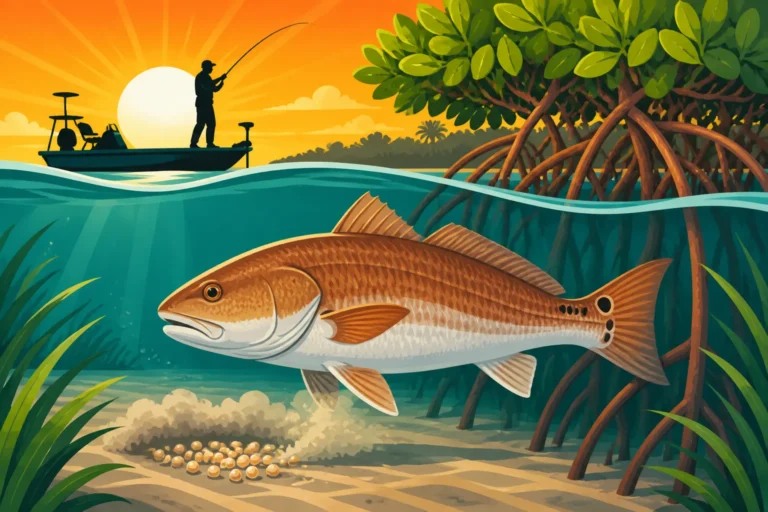
- Redfish: Redfish are a bit more tolerant of varying salinity than snook but still prefer stable conditions. They might move into deeper pockets, canals, or creeks during heavy rain events, seeking refuge from strong currents and turbid water. Post-storm, they’ll often be found foraging along newly formed current lines or near structure that collects baitfish.
- Spotted Seatrout: Trout are generally less tolerant of low salinity than redfish. They’ll often move to deeper grass flats, channel edges, or even out of estuaries altogether into nearshore Gulf or Atlantic waters to find more saline conditions. Targeting deeper holes or areas with a good current flow can sometimes yield results for trout after a storm.
Adjusting your approach to these species often means focusing on vibration and scent in murky water, and being prepared to find them in unusual locations as they adapt to the altered environment.
Offshore Species Movement
Offshore species also react to hurricanes, though their movements are often influenced by different factors like ocean currents, upwellings, and the presence of baitfish.
- Pelagics (Mahi-Mahi, King Mackerel, Sailfish): Strong winds and waves can scatter baitfish and disrupt feeding patterns. However, hurricanes can also create new opportunities. Floating debris, like trees or sargassum lines torn from their usual spots, can become temporary fish-attracting devices, concentrating baitfish and, subsequently, larger predators like mahi-mahi. Anglers might find excellent fishing around these new debris fields. King mackerel and sailfish can be found along temperature breaks or current lines that get repositioned by the storm.
- Bottom Fish (Grouper, Snapper): Deeper water offers more stability during a storm, so grouper and snapper on established reefs and wrecks might weather the storm relatively well. However, currents can still shift sand and sediment, potentially burying or exposing parts of their habitat. Post-storm, they might be more lethargic or need a few days to resume normal feeding patterns. The key here is to locate intact structures or new features that could hold fish. Using heavy jigs and natural baits can be effective as visibility might still be reduced, even offshore. For those interested in deeper waters, our Florida Offshore Fishing Charter Guide provides excellent resources.
Freshwater Fish Resilience
Even freshwater systems in Florida are profoundly affected by hurricanes, primarily through heavy rainfall, flooding, and resulting water level fluctuations.
- Largemouth Bass: Bass are incredibly resilient. During heavy rains and flooding, they might spread out into newly inundated areas, following the rising water to access new feeding grounds and cover. They often move closer to submerged vegetation or structure. As water levels recede, they'll often fall back into main channels, canals, or deeper lake sections. The influx of new water can sometimes trigger a good bite as new food sources become available.
- Panfish (Crappie, Bluegill): Similar to bass, panfish will disperse during high water, seeking out new cover and food. They might be found in flooded ditches, fields, or areas usually inaccessible. Post-storm, as waters stabilize, they'll typically return to their usual haunts around submerged timber, lily pads, or other vegetation.
- Catfish: Catfish are perhaps the most resilient of all freshwater species to storm conditions. They thrive in murky water and are excellent at using their barbels to locate food by scent. Heavy rains often stir up the bottom, releasing new food sources, which can make for excellent catfish angling after a storm, especially in rivers and larger canals.
For freshwater anglers, focus on areas with stable cover, current breaks, and where feeder creeks meet larger bodies of water, as these can concentrate baitfish and predatory species.
Essential Gear and Preparedness for Fishing During Hurricane Season
Being prepared is half the battle when fishing during Florida's hurricane season. Beyond your standard tackle, there are crucial items that enhance safety and comfort.
Waterproofing and Protection for Electronics
In Florida, a sudden downpour isn't just an inconvenience; it can be intense, especially during hurricane season. Protecting your electronics is paramount. Your cell phone, VHF radio, GPS unit, and even your car keys can be rendered useless if exposed to water.
- Dry Bags: Invest in several high-quality dry bags in various sizes. Companies like SealLine and Sea to Summit offer excellent options that are truly waterproof. Keep your phone, wallet, first-aid kit, and spare clothing in these. You can find a wide selection of these essential items on Amazon.
- Waterproof Cases: For your phone, consider a hard-shell waterproof case that allows you to still operate the screen. These are invaluable for checking radar or making emergency calls without exposing your device to the elements.
- VHF Radio: A handheld, floating VHF radio is a critical piece of safety equipment. Should your boat's power fail or your cell service cut out, it's often the only way to contact the Coast Guard or other vessels. Make sure it's fully charged and stowed in a dry, accessible place.
Even on a clear day, a pop-up thunderstorm can turn treacherous, so having your electronics protected isn't just a hurricane season tip – it's year-round wisdom for Florida fishing.
Emergency Kits and Communication
Every boat, regardless of size, should have a well-stocked emergency kit, and during hurricane season, it becomes even more vital. This isn't just for you but for anyone else on board.
- First-Aid Kit: A comprehensive kit with bandages, antiseptic wipes, pain relievers, and any personal medications is non-negotiable. Ensure it's waterproof and easily accessible.
- Signaling Devices: Flares (both visual and audible), a whistle, and a signal mirror are crucial for attracting attention if you get stranded. Check expiration dates on flares regularly.
- Communication: Beyond your VHF, consider a satellite messenger device like a Garmin inReach. These allow you to send SOS messages and communicate even when out of cell service, which can happen frequently during stormy weather or in remote areas.
- Basic Supplies: Pack extra water, non-perishable snacks, a flashlight with spare batteries, a multi-tool, and a utility knife. A space blanket can also be a lifesaver if you're stuck out after dark and temperatures drop. For more ideas on what to bring, consult What to Pack for a Florida Offshore Fishing Trip.
It's better to have these items and not need them than to need them and not have them. Seriously, don't skimp on safety.
Robust Tackle for Challenging Conditions
Hurricane season fishing often means dealing with more challenging conditions – stronger currents, murkier water, and potentially larger, more aggressive fish pre-storm. Your tackle needs to be up to the task.
- Stronger Lines: Upgrade your main line and leader. If you typically fish 15-pound braid, consider bumping up to 20 or 30-pound. Use heavier fluorocarbon leaders (e.g., 30-50 lb) for abrasion resistance, especially around new debris or snags.
- Heavier Weights: Stronger currents require heavier jig heads or sinkers to get your bait down to the strike zone and keep it there. Don't be afraid to go up a size or two from what you'd normally use.
- Durable Lures: Soft plastics with durable materials, strong hooks on your hard baits, and corrosion-resistant hardware are key. The conditions can be rough on gear, so choose quality over quantity.
- Rod and Reel: Ensure your rod and reel combos are well-maintained, with smooth drags and no signs of corrosion. A robust spinning or baitcasting setup that can handle larger fish and tougher conditions is essential.
Remember, fish can be harder to land in strong winds or currents, so having tackle that won't fail under pressure is crucial.
| Strategy Type | Description | Species to Target (Examples) | Key Gear Considerations | Safety Notes |
|---|---|---|---|---|
| Pre-Storm | Angling during the drop in barometric pressure, often characterized by a feeding frenzy. Calm conditions might precede heavy weather. | Snook, Redfish, Tarpon (inshore); Mahi-Mahi, Tuna (offshore) | Aggressive lures (topwater, crankbaits), live bait, heavy-duty tackle (for potential larger fish), full fuel tank. | CONSTANTLY monitor weather; know your escape route; have all safety gear ready; return to shore at the first sign of deteriorating conditions. Never fish if a storm is imminent. |
| Post-Storm | Fishing after the storm has passed and immediate dangers have subsided. Characterized by murky water, altered salinity, and widespread debris. | Redfish, Snook (deeper areas), Catfish (freshwater), Grouper, Snapper (offshore reefs), some Pelagics (near new debris) | Scented baits/lures, rattling lures, heavier jig heads, strong abrasion-resistant leader, GPS with updated charts, spotlight. | Extreme caution for submerged/floating debris; slow navigation speed; check all local advisories for waterway closures; be aware of stressed fish and practice careful catch and release. Avoid affected areas. |
Disclaimer
Please be aware that fishing during Florida's hurricane season carries inherent risks due to unpredictable and potentially dangerous weather conditions. Always prioritize your safety and well-being above all else. This guide provides general information and recommendations, but conditions can change rapidly and vary by location. Consult official weather forecasts, marine advisories, and local authorities (such as the Florida Fish and Wildlife Conservation Commission) for the most current and accurate information before planning any fishing trip. The author and publisher are not responsible for any accidents, injuries, or damages that may occur from following the advice presented herein. Fish responsibly and safely.