Fly Fishing for Florida Tarpon
The thrill of chasing the "Silver King" on a fly rod is an experience that hooks anglers for life, but the reality of landing one of these acrobatic giants requires a level of preparation, skill, and sheer grit that can feel overwhelming at first. Many aspiring fly anglers in Florida struggle with knowing where to begin, from selecting the right gear to understanding the subtle techniques these wary fish demand. This comprehensive guide will strip away the mystery, walking you through everything you need to know to confidently pursue Florida tarpon with a fly rod, transforming your dream of a chrome-plated jump into a tangible, exhilarating reality.
The Allure of Florida Tarpon on Fly
There's something uniquely captivating about tarpon that sets them apart from almost any other game fish, especially when you're trying to coax them onto a fly. Their power, their beauty, and their sheer unwillingness to surrender without an epic fight create a challenge that is both deeply frustrating and incredibly rewarding. Many anglers spend a lifetime in pursuit, forever refining their approach to these magnificent creatures.
Why Tarpon Are the Ultimate Fly Rod Challenge
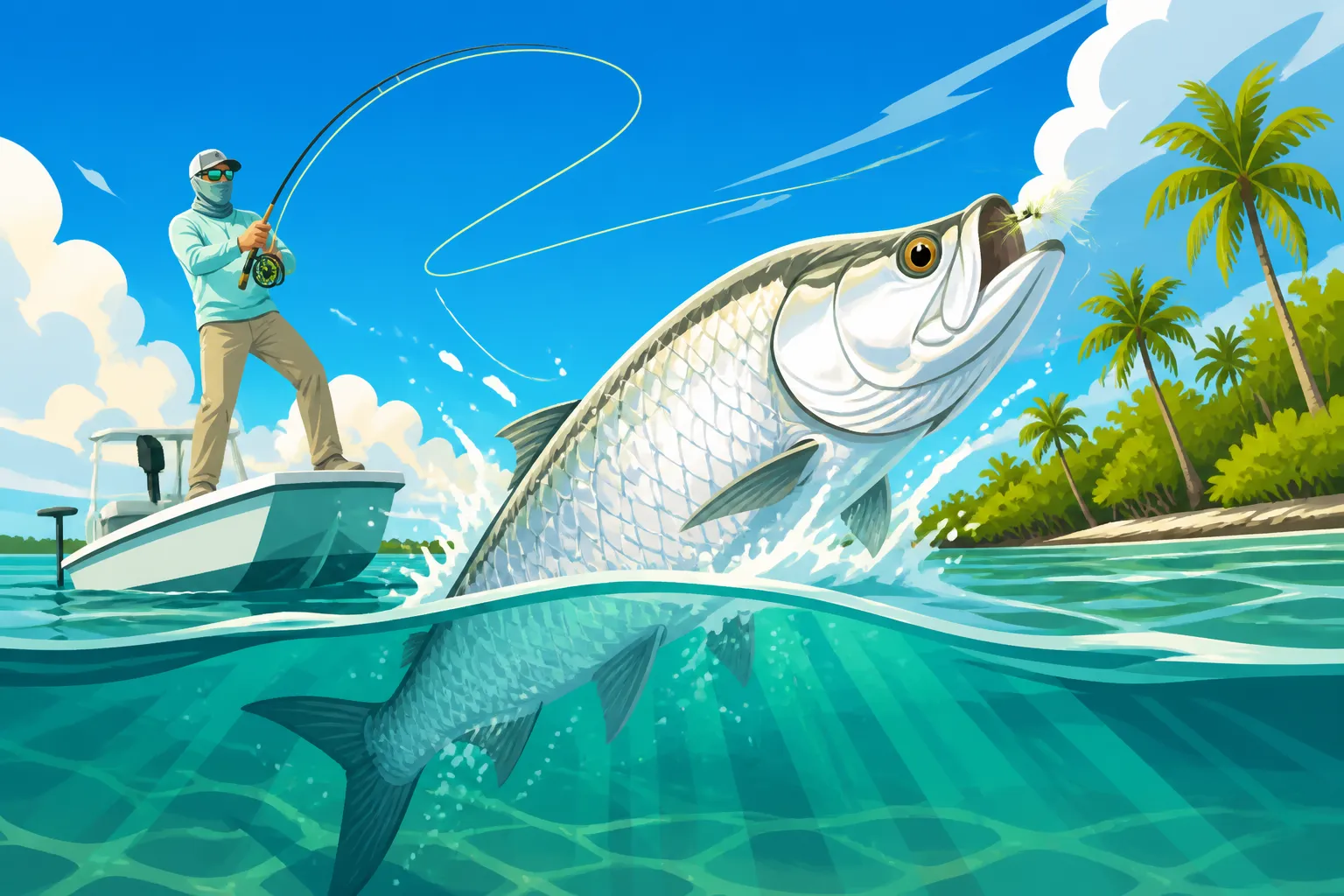
Tarpon, or the "Silver King" as they're affectionately known, represent the pinnacle of fly fishing in Florida for a reason. They are notoriously finicky eaters, often ignoring perfectly presented flies, and their eyesight is legendary, making stealth and presentation absolutely critical. But it's not just their elusiveness that makes them a challenge; it's what happens after they eat. Once hooked, a tarpon will launch itself skyward in a series of breathtaking jumps, shaking its head violently in an attempt to dislodge the hook. These aerial displays are not only spectacular to witness but also put immense strain on your tackle and test your knot-tying skills to their absolute limit.
Beyond the physical fight, there's a mental game involved. You might spend hours poling silently across flats, squinting into the glare, seeing dozens of fish roll and cruise, only to have them spook at the slightest disturbance or refuse every fly you offer. The frustration can be intense, yet it's this very difficulty that elevates the eventual success to something truly monumental. It’s a pursuit that requires patience, perseverance, and a deep respect for the fish itself, making the moment you finally hold that massive silver flank for a quick photo truly unforgettable.
Understanding Tarpon Behavior and Habitats
To even stand a chance at fly fishing for tarpon, you need to become a student of their behavior and the diverse habitats they frequent throughout Florida. These migratory fish move with the seasons, influenced heavily by water temperature, bait availability, and their spawning urges. In the spring and early summer, huge schools of mature tarpon migrate along Florida's coastline, particularly in areas like the Florida Keys and Boca Grande Pass Tarpon Fishing in Southwest Florida. They can be found in a variety of environments, from shallow grass flats and mangrove-lined estuaries to deep channels and offshore reefs.
Juvenile tarpon, often referred to as "resident" fish, inhabit brackish and freshwater canals, rivers like the St. Johns River, and even retention ponds year-round, especially in South Florida. These younger fish are often more aggressive and less wary, offering a fantastic opportunity for anglers to hone their skills before tackling the larger, more challenging migratory giants. Understanding where tarpon are likely to be found based on the time of year and the prevailing conditions is the first step in successful fly fishing. Factors like tide cycles—especially the incoming tide—and water clarity play a massive role, as tarpon often prefer clean water where they can spot prey (and you can spot them!). Learning to read the subtle signs of their presence, like a rolling fish or a slight disturbance on the surface, is paramount.
Essential Gear for Fly Fishing Florida Tarpon
Trying to tackle a tarpon with inadequate gear is like bringing a butter knife to a sword fight—it simply won't end well for you or the fish. The sheer power of these animals demands specialized equipment that can withstand immense pressure and deliver flies with precision and speed. Don't skimp on quality here; your success, and the well-being of the tarpon, depend on it.
Rods, Reels, and Lines Built for Battle
When it comes to the "big three" of fly fishing gear for tarpon, think power and durability. You'll typically be looking at a 10-weight to 12-weight fly rod. A 10-weight is often suitable for smaller, resident tarpon or when conditions demand a lighter touch, while an 11 or 12-weight is the standard for larger migratory fish in windy conditions or when you need to cast heavy flies. A fast-action rod is generally preferred, as it generates higher line speed, which is crucial for quick, accurate casts into the wind or at rapidly moving fish. Brands like Sage, Scott, and Thomas & Thomas are popular among serious tarpon anglers for their robust construction and casting performance.
The reel is arguably even more important than the rod. It needs a butter-smooth, sealed drag system capable of handling scorching runs and protecting delicate tippet. Tarpon can peel off hundreds of yards of line in seconds, so a large arbor reel with plenty of backing capacity (at least 250-300 yards of 30-50lb braid) is essential. Abel, Tibor, and Hatch are renowned for making reels that can withstand the brutal punishment of a tarpon fight. As for line, a tropical saltwater fly line designed for warm water is a must. These lines have a stiff coating that prevents them from wilting in the heat, maintaining their slickness and castability. They typically feature an aggressive front taper to turn over large, air-resistant tarpon flies and often have a dark color on the running line to reduce flash and spooking. Make sure you match your line weight to your rod. You can often find excellent options for all these components on Amazon, making it convenient to compare specifications and prices.
| Gear Type | Recommended Specifications | Key Features for Tarpon |
|---|---|---|
| Fly Rod | 10-12 weight, 9-foot length | Fast action for power and quick casts; durable construction |
| Fly Reel | Large arbor, fully sealed drag | Smooth, powerful drag system; 250-300+ yards of 30-50lb backing capacity |
| Fly Line | Tropical saltwater floating line | Stiff coating for warm weather; aggressive front taper for large flies; weight-forward design |
The Flies That Fool the Silver King
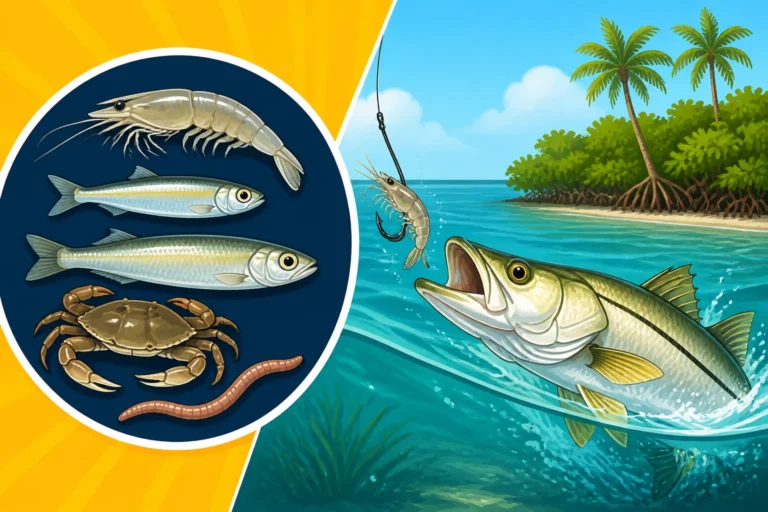
Choosing the right fly can feel like a dark art when it comes to tarpon. They can be incredibly selective, and what worked yesterday might not even get a sniff today. The key is to have a diverse selection in your fly box. The most common and effective tarpon flies mimic baitfish or crabs, two of their primary food sources. Classic baitfish patterns include the "Black Death" (black and purple), the "Cockroach" (dark brown and grizzly), and various EP (Enrico Puglisi) baitfish patterns in natural colors like grey, olive, or tan. These flies typically range from 2 to 4 inches in length and are tied on strong, sharp hooks (like Gamakatsu SL12S or Tiemco 600SP).
Crab patterns, such as the "Avalon" or "Permit Crab," are also highly effective, especially when tarpon are observed tailing or mudding on shallow flats. These patterns should be weighted to sink slowly and imitate the natural scuttling motion of a crab. Color selection can be crucial; light colors (white, tan, clear) are great for clear, sunny days, while darker colors (black, purple, olive) tend to stand out better in overcast conditions or murky water. It's always a good idea to have a few brighter "attractor" patterns, like chartreuse and orange, for when the fish are aggressive or water visibility is low. Don't be afraid to experiment with different sizes and colors until you find what the tarpon are keying in on.
Leaders and Tippet for Stealth and Strength
The leader system for tarpon fly fishing is a specialized setup designed to absorb the shock of a strike, withstand the abrasion of a tarpon's rough mouth, and provide the necessary stealth to fool these wary fish. A typical tarpon leader is not a single piece of monofilament or fluorocarbon but a carefully constructed assembly. It starts with a heavy butt section (60-80 lb fluorocarbon or monofilament) that tapers down to a class tippet, followed by a shock tippet.
The class tippet is the lightest section, typically 12-20 pounds, and is the breaking point for IGFA (International Game Fish Association) record purposes. It’s what connects your fly line to the heavier shock tippet. For most recreational fishing, a 40-50 lb class tippet is common. The shock tippet is then tied to the class tippet using a strong knot like a triple surgeon's or Albright knot. This section is usually 60-80 lb fluorocarbon and is about 12-24 inches long. Its purpose is to prevent the tarpon's abrasive mouth and gill rakers from cutting your line during the fight. Fluorocarbon is preferred for the shock tippet due to its invisibility underwater and superior abrasion resistance. You can purchase pre-tied tarpon leaders or tie your own, which many experienced anglers prefer for customization. Knowing What Pound Test Line for Tarpon Fishing is critical, and a balanced leader system ensures both strength and stealth.
Mastering Tarpon Fly Fishing Techniques
Catching a tarpon on fly is a dance, a delicate balance of precision, power, and quick reflexes. It's not just about casting far or having the strongest gear; it's about understanding the nuances of how these fish interact with their environment and presenting your fly in a way that triggers an instinctual strike. Many a hopeful angler has been humbled by the Silver King's discerning eye.
The Art of the Presentation Cast
The cast is king when pursuing tarpon on fly. Unlike freshwater bass fishing where a noisy plop might attract attention, a tarpon demands a soft, accurate, and often quick presentation. You'll frequently be casting to moving targets, and the wind, especially in the open flats of the Florida Keys, will almost always be a factor. The goal is to present the fly naturally, allowing it to sink or swim into the tarpon's strike zone without spooking the fish. This usually means leading the fish by several feet, anticipating its direction and speed, and placing the fly slightly ahead and to the side.
The "strip strike" is another critical component of tarpon fly fishing. When a tarpon eats your fly, you don't raise the rod tip like you would with a trout. Instead, you keep the rod tip pointed at the fish and pull back sharply on the fly line, setting the hook with the line itself. This technique is essential because a tarpon's mouth is incredibly bony, and a strong strip strike is needed to drive the hook home. Practice double-hauling and quick, accurate casts at various distances, both forehand and backhand, as tarpon rarely present themselves perfectly. A well-placed cast can make all the difference between a refusal and an explosive take.
Setting the Hook and Fighting the Jump
Hooking a tarpon is just the beginning of the battle; keeping it on the line is the real challenge. As mentioned, the strip strike is paramount. Once you feel the fish, continue with several hard, short strip strikes to ensure the hook penetrates. The moment that hook is set, prepare for the explosion. Tarpon are famous for their acrobatic jumps, often leaping high out of the water the instant they feel the hook. When a tarpon jumps, it's crucial to "bow to the king." This means dropping your rod tip and feeding slack line to the fish as it’s in the air. This momentary slack prevents the fish from landing on a tight line, which would almost certainly snap your leader or pull the hook. It's a counter-intuitive move but absolutely vital for survival.
After the jump, the fight begins in earnest. Keep constant pressure on the fish, using your reel's drag and rod's backbone to wear it down. Be ready for scorching runs, especially if you're on a flat where they can run for miles. Guide your fish, try to keep its head up, and avoid letting it get into mangroves or structure. Remember, a long, drawn-out fight can exhaust the fish to the point where it can't recover, so fight hard but fairly. Understanding Catch and Release Best Practices for Snook can be easily applied to tarpon to ensure their healthy return.
Reading the Water and Spotting Tarpon
Finding tarpon is often more challenging than catching them, especially on the vast flats and estuaries of Florida. This is where good polarized sunglasses, a sharp eye, and the ability to "read the water" become invaluable. Look for subtle signs: a "string of pearls" of air bubbles as a tarpon rolls to gulp air, a distinct shadow moving beneath the surface, a flash of silver, or even the slight disturbance of a fish pushing water. On calm days, you might see them cruising just under the surface, making them easier to spot.
When the water is choppy or slightly stained, spotting becomes much harder, and you'll have to rely on seeing their rolls or pushing water. If you're fishing with a guide, they will often be positioned on a poling platform, giving them a higher vantage point to spot fish from a distance. Communication with your guide is key—listen carefully to their directions on where to cast and how to retrieve your fly. Patience is critical; you might spend hours scanning the horizon before finally seeing that elusive flash of silver. Mastering this skill truly elevates your chances of a successful encounter.
Key Seasons and Prime Locations for Tarpon on Fly
Florida is truly the epicenter of tarpon fly fishing, offering opportunities for these magnificent fish almost year-round, depending on the region and the specific behavior you're targeting. However, certain times and places are undeniably better than others, aligning with the Florida Tarpon Migration Timing. Planning your trip around these peaks can significantly increase your chances of success.
Understanding the Florida Tarpon Migration Timing
The "tarpon migration" is a legendary event, drawing anglers from around the globe to Florida's coastlines. While you can find resident tarpon throughout the year, the main migratory push occurs from late spring through early summer, typically peaking in May and June. During this time, massive schools of mature tarpon move along both the Gulf and Atlantic coasts, staging in areas like the Florida Keys and the famed Boca Grande Pass for spawning. Water temperature is the primary driver of this migration; tarpon prefer waters above 75 degrees Fahrenheit.
By mid-summer, many of these migratory fish have dispersed, with some moving offshore to deeper waters and others heading into the backcountry. Fall can offer another excellent opportunity for larger tarpon as they begin to move south again, feeding heavily before cooler temperatures set in. In winter, tarpon become less active and seek out warmer water pockets, often congregating in canals, deep river bends, and power plant outflows. While less numerous, these winter fish can still be caught on fly, particularly on warmer days, and require a slower presentation. For a more detailed breakdown, check out our Florida Tarpon Fishing Season Guide.
Top Fly Fishing Destinations for Tarpon
Florida boasts several world-class destinations for fly fishing the Silver King, each offering a slightly different experience.
- The Florida Keys: This chain of islands is arguably the most famous tarpon fly fishing destination on Earth. From Islamorada to Key West, the shallow flats, channels, and backcountry offer incredible sight-fishing opportunities for large migratory tarpon. Anglers often target rolling fish in the channels or cruising fish on the flats. The sight-fishing here is legendary, but the fish are also incredibly wary. You can learn more in our comprehensive Florida Keys Fishing Guide.
- Boca Grande Pass: Located on Florida's southwest coast, this pass is renowned as the "Tarpon Capital of the World" and is a critical spawning ground. While primarily known for conventional gear fishing, fly anglers do find success, especially during the morning and evening "hill tides" when tarpon are actively feeding on small crabs. Fishing here often involves anchoring or drifting among large schools of tarpon.
- Everglades National Park: The vast wilderness of the Everglades Fishing Guide offers an entirely different tarpon experience. Here, you'll find more juvenile and resident tarpon, often in brackish waters and mangrove tunnels. It's a fantastic place to target smaller, aggressive fish, offering high-volume action and breathtaking scenery. The Everglades is also an excellent option during the off-season for migratory fish.
- South Florida Canals and Backcountry: Cities like Miami and Fort Lauderdale are crisscrossed by a network of canals that hold surprising numbers of resident tarpon, alongside other exotics like peacock bass. These urban and suburban waterways offer accessible opportunities for anglers without a boat, though a kayak or small skiff can unlock more productive spots. This is a great area to pursue tarpon on fly during the cooler months when other areas might be slower.
No matter where you choose to fish, consider hiring a local Florida Fishing Charter Guide who specializes in fly fishing for tarpon. Their local knowledge, specialized equipment, and expertise can dramatically increase your chances of success, especially if you're new to the area or the technique.
Conservation and Ethical Angling Practices
The majestic tarpon is not just a sportfish; it's a vital part of Florida's delicate marine ecosystem. Their long lifespans, migratory patterns, and importance to the angling economy make their conservation paramount. As fly anglers, we have a unique responsibility to ensure the long-term health and abundance of the Silver King for future generations. Respecting the fish means more than just following regulations; it means adopting ethical angling practices that prioritize the tarpon's well-being.
Best Practices for Catch and Release
Almost all tarpon caught on fly are released, making careful handling crucial for their survival. Here are some key best practices:
- Minimize Fight Time: While exciting, a prolonged fight can exhaust a tarpon to the point of no return. Use appropriate gear to land the fish as quickly as possible without breaking your tackle. This means using the correct Florida Fishing Regulations and Bag Limits and understanding your reel's drag system.
- Keep the Fish in the Water: Tarpon are large, heavy fish. Removing them from the water, even for a quick photo, can cause severe internal organ damage and stress. If you absolutely must take a photo, keep the fish submerged as much as possible, supporting its weight horizontally. A quick "grip and grin" with the fish partially out of the water is better than hoisting it vertically.
- Gentle Handling: Avoid touching a tarpon's eyes or gills. Use wet hands or gloves to handle the fish to protect its slime coat, which is vital for its immune system. If a landing net is used, ensure it's a rubberized, knotless net to minimize scale and slime damage.
- Proper Dehooking: Use long-nosed pliers or a dehooking tool to quickly and carefully remove the fly. If the fish is deeply hooked, cut the leader as close to the fly as possible rather than tearing at the hook.
- Revive the Fish: After a hard fight, a tarpon may be exhausted. Hold the fish gently by the tail and jaw (using a lip gripper if available) and face it into the current, allowing water to flow over its gills. Look for strong tail kicks and renewed vigor before releasing it. Do not release a tarpon until it can swim away under its own power. This is similar to the care taken for Catch and Release Best Practices for Snook.
- No "Jaw Jacking": Avoid vertically hanging or "jaw jacking" a large tarpon by its lower jaw. This can dislocate its jaw, damage its spine, and significantly reduce its chances of survival.
The Importance of Protecting Tarpon Habitats
Tarpon rely on a diverse array of habitats throughout their life cycle, from the shallow, brackish nurseries of mangrove estuaries to the deep, open waters of the Gulf and Atlantic. The health of these habitats is directly linked to the health of the tarpon population. As anglers, we can contribute to habitat protection in several ways:
- Support Conservation Organizations: Organizations like the Florida Fish and Wildlife Conservation Commission (FWC), The Bonefish & Tarpon Trust, and local watershed groups work tirelessly to research, protect, and restore critical tarpon habitats. Supporting them through donations or volunteer work directly benefits the species.
- Mind Your Wake and Anchoring: When operating boats in shallow waters, be mindful of your wake, which can erode fragile shorelines and disturb sensitive seagrass beds. Anchor in sandy spots rather than on seagrass, or use a push pole when possible.
- Reduce Pollution: Every piece of trash that ends up in Florida's waterways can harm marine life. Participate in local cleanups, properly dispose of fishing line and waste, and be an advocate for clean water.
- Report Violations: If you witness illegal fishing practices, habitat destruction, or pollution, report it to the proper authorities. Protecting tarpon often means protecting the very places they call home. By understanding the Best Time of Year to Fish in Florida and respecting the environment, we can ensure these incredible fish continue to thrive.
Disclaimer
The information provided in this guide is for general informational purposes only and does not constitute professional advice. Fishing regulations, seasons, and local conditions in Florida can change frequently. Always consult the latest regulations from the Florida Fish and Wildlife Conservation Commission (FWC) before planning any fishing trip. Safety should always be your top priority on the water.