How to Fish a Soft Plastic Jerkbait for Bass
For many bass anglers in Florida, the soft plastic jerkbait can feel like a secret weapon that's tough to master. You've probably seen pros on TV or local legends pull lunker after lunker from seemingly barren water, making those weightless plastics dance with an almost magical quality, while your own attempts feel clunky and unproductive. It’s frustrating to know a bait is effective but struggle to unlock its potential. This comprehensive guide will break down the exact techniques, rigging methods, and strategies you need to confidently fish a soft plastic jerkbait for Florida bass, turning that frustration into consistent success.
Understanding Soft Plastic Jerkbaits for Florida Bass
Soft plastic jerkbaits are incredibly versatile lures, and understanding why they work so well is the first step to mastering them. They don't have built-in action like crankbaits or spinnerbaits; instead, their magic comes from the angler's manipulation, allowing for incredible customization in how they present to bass.
What Makes Them So Effective?
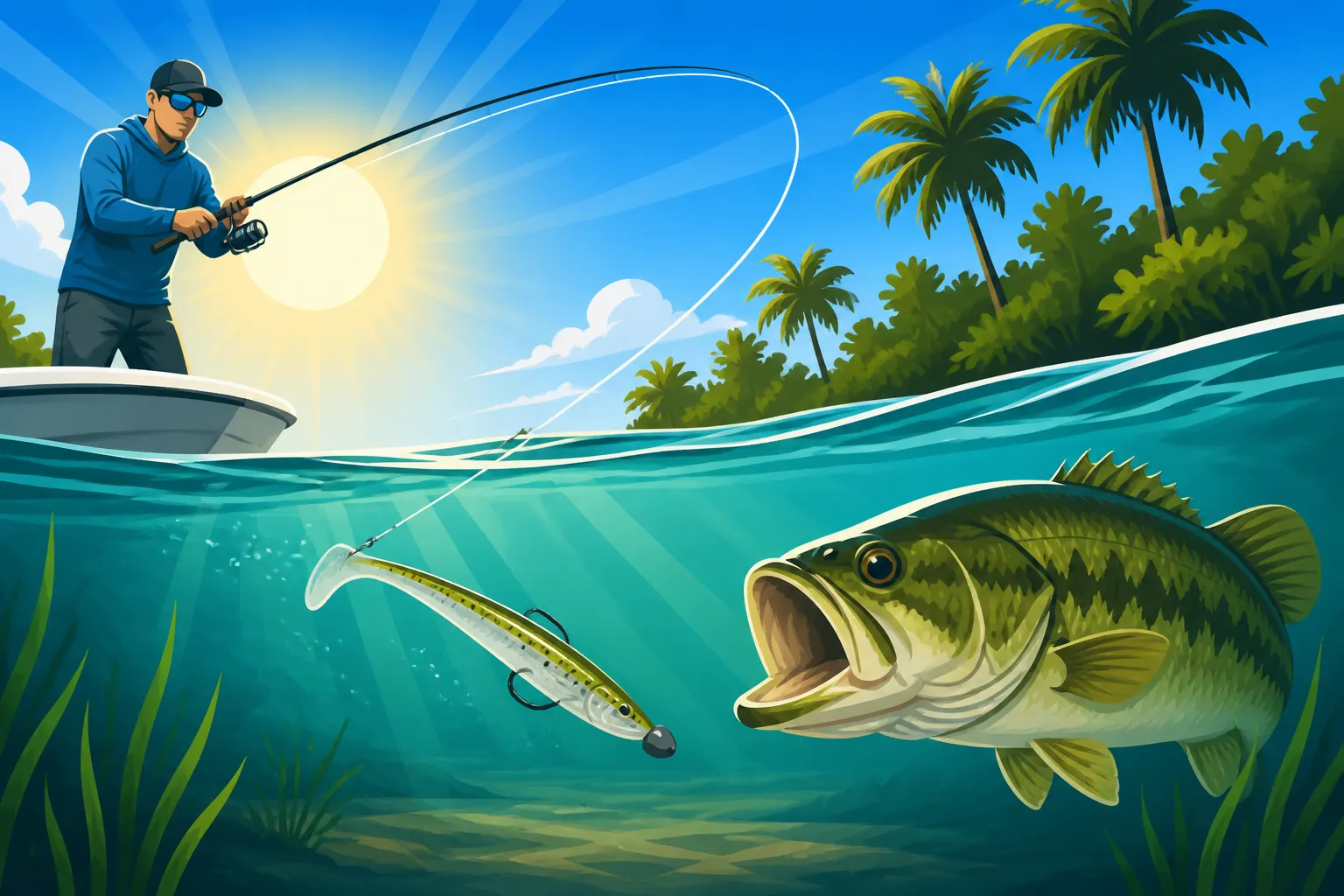
The primary appeal of a soft plastic jerkbait lies in its ability to mimic a dying or wounded baitfish with uncanny realism. Think about a shiner or a shad that’s been stunned or is struggling near the surface – it darts erratically, pauses, twitches, and then sinks slowly. That unpredictable, injured movement triggers a predatory response in bass that larger, healthier baitfish often don't. Unlike hard jerkbaits, soft plastics are often weightless, allowing for a slower, more natural fall, which can be absolutely deadly when bass are finicky or during specific times of the year, like when bass are guarding beds during the spawn. They can be worked through heavy cover without snagging, which is a huge advantage in Florida’s vegetation-rich waters.
Types and Styles of Soft Plastic Jerkbaits
When you walk into a tackle shop or browse online at retailers like Amazon, you’ll find a surprising variety of soft plastic jerkbaits. The most common style is often called a "fluke" or "swim-shad," characterized by a slim, elongated body with a forked tail. Brands like Zoom Bait Company's Super Fluke or Strike King's Caffeine Shad are classic examples. These are designed to be fished weightless and dart side-to-side. Then you have fatter, more rounded jerkbaits that might have a paddle tail or a more pronounced V-tail, offering a slightly different swimming action or a more subtle glide. Some are impregnated with salt for added weight and a faster sink rate, while others are buoyant to stay higher in the water column. Experimenting with these slight variations can make a big difference, depending on the mood of the fish and the depth you're targeting.
Choosing the Right Colors and Sizes
Picking the right color and size can often feel overwhelming, but a few basic principles apply to Florida bass fishing. For clear water, natural baitfish colors like pearl white, silver, shad patterns, or light greens with flecks are usually excellent choices. These mimic shiners, shad, and other forage common in Florida's lakes and rivers. When the water gets stained or murky, you might want to switch to brighter colors like chartreuse, white, or even some patterns with blues or purples to offer better contrast. As for size, a 4-inch to 5-inch soft plastic jerkbait is a fantastic all-around option. However, if you're targeting truly giant bass or they're keying in on larger forage, don't be afraid to go up to 6 or 7 inches. Conversely, if the bite is tough or the bass are feeding on tiny baitfish, scaling down to a 3-inch bait can entice strikes. Always consider what the bass are actually eating in that particular body of water.
Essential Gear and Rigging Techniques
Having the right gear and knowing how to rig your soft plastic jerkbait correctly is crucial for achieving that lifelike action that tempts bass into striking. Without the proper setup, even the best retrieve won't perform as intended.
Recommended Rod and Reel Setup
For fishing soft plastic jerkbaits, a medium-heavy power rod with a fast action is generally ideal. This combination gives you enough backbone to set the hook effectively and control a fighting bass, while the fast tip allows for precise twitching and sensitivity to feel subtle bites. A rod length between 6'6" and 7'3" provides excellent casting distance and accuracy. You can opt for either a spinning or baitcasting setup. Many anglers prefer a spinning reel and rod for lighter jerkbaits and more finesse presentations, especially in open water or when casting for distance. If you're using heavier jerkbaits or punching through light cover, a baitcasting combo offers more power and control. Pair your reel with 10-15 lb fluorocarbon or monofilament line. While braided line offers sensitivity, its lack of stretch can sometimes rip the hook out of a bass's mouth, and fluorocarbon's invisibility underwater is a huge plus when fishing clear Florida waters. If you do opt for braid, use a fluorocarbon leader. When considering a new setup, think about what kind of Best Rod for Inshore Fishing in Florida you might already use, as there can be some crossover in terms of action and power.
Best Hooks for Soft Plastic Jerkbaits
The choice of hook is paramount for both presentation and hook-up ratio. The most popular choice for weightless soft plastic jerkbaits is a wide gap (EWG) worm hook, typically in sizes ranging from 3/0 to 5/0, depending on the size of your bait. An EWG hook ensures a good hook-up because it provides ample gap for the hook point to clear the plastic and penetrate the fish's mouth. For baits with a slimmer profile, a straight shank worm hook can also work well, especially if you're Texas rigging it. Ensure the hook is sharp, as soft plastic jerkbaits often require a strong, sweeping hookset to drive the point home through the plastic. You can also nose-hook smaller jerkbaits with a fine-wire circle hook for a more subtle presentation, particularly when bass are spooky or you’re fishing around docks and grass lines where a less intrusive bait is needed. Check out reputable brands like Gamakatsu or Owner for quality hooks that won't let you down.
Popular Rigging Methods Explained
Rigging your soft plastic jerkbait correctly is fundamental to its action. The most common method is the weightless Texas rig. To do this, insert the hook point into the nose of the bait about a quarter-inch, then bring it out and thread the bait up the shank, rotating it so the hook point can be re-inserted into the body, making it weedless. This allows the bait to fall slowly and naturally with a subtle wobble, perfect for mimicking injured baitfish. Another effective method, especially for very finesse presentations or when fishing around docks, is nose-hooking the bait on a drop shot or even just a small jig head. This gives the bait a very natural, horizontal posture. If you're fishing in really dense vegetation, some anglers might even wacky rig a fluke-style bait, though it's less common. No matter the method, the key is to ensure the bait hangs straight and has an unobstructed path to glide and dart when twitched. Learning these rigging techniques is a core part of effective Florida Bass Fishing Techniques.
| Rigging Method | Description | Pros | Cons | Ideal Use Case |
|---|---|---|---|---|
| Weightless Texas Rig | Hook inserted through nose, threaded, then skin-hooked for weedlessness. | Excellent weedless properties, natural horizontal fall. | Can sometimes impede action if not rigged perfectly. | Heavy cover, grass lines, targeting active bass. |
| Nose-Hooked | Hook inserted only through the nose of the bait. | Maximum action, very natural presentation. | Not weedless, higher chance of snagging. | Open water, drop-shotting, clear water, spooky bass. |
| Wacky Rig (less common) | Hook inserted through the middle of the bait's body. | Unique fluttering fall, very subtle presentation. | Not weedless, can tear baits easily. | Finesse situations, open water, near docks/structure. |
Mastering the Retrieve: Making Your Jerkbait Dance
The retrieve is where the art of fishing a soft plastic jerkbait truly comes alive. It's not about reeling in steadily; it's about making that plastic come to life, convincing a bass it's an easy meal.
The Classic Jerk-Jerk-Pause Retrieve
This is the bread and butter of soft plastic jerkbait fishing. Cast your bait out, let it sink for a few seconds (adjusting depth based on conditions), then twitch your rod tip downward or to the side a few times. This makes the bait dart erratically. Immediately after the twitches, give it a pause. This pause is absolutely critical; it's when the bait slowly sinks or suspends, mimicking an injured baitfish struggling for life. This is often when a bass will strike, so pay close attention for any tap, line movement, or unusual slack. After the pause, repeat the jerk-jerk-pause. The duration of your pause is a key variable. Sometimes bass want a quick, aggressive flurry, and other times they prefer a long, drawn-out pause of several seconds. This technique is particularly effective when you're exploring different depths and trying to locate active fish in varying conditions.
Varying Your Cadence and Depth
Don't get stuck in a rut with one retrieve speed. Florida bass can be incredibly moody, and what works one day might not work the next. Start by experimenting with your cadence: try a single jerk followed by a long pause, then maybe three quick twitches followed by a short pause. Pay attention to how the bait reacts. You can also vary the depth by adjusting your sink time before starting the retrieve. Let it sink longer to get deeper into the water column, or keep it closer to the surface with shorter pauses. When bass are lethargic, a slow, methodical retrieve with extended pauses can be deadly. If they're aggressive, a faster, more erratic retrieve might trigger a reaction strike. Always be thinking about what kind of baitfish you're trying to imitate and how that baitfish would naturally behave in those specific conditions. This adaptability is what separates successful anglers from those who struggle.
Reading the Bass and Conditions
The environment plays a huge role in how bass will react to your jerkbait. If you're fishing after a cold front has moved through, bass might be tucked into thicker cover and less willing to chase. In these scenarios, a slower retrieve with longer pauses, allowing the bait to stay in the strike zone longer, will often be more productive. Conversely, on warm, overcast days, bass might be more active and willing to chase a faster-moving bait. Water temperature is also a major factor. Learning about Best Water Temperature for Bass Fishing can help you predict how fish will behave. If you see baitfish jumping or busting on the surface, a faster, more aggressive retrieve simulating a fleeing baitfish could be the ticket. Always observe the water, the weather, and any signs of baitfish or bass activity to inform your retrieve strategy. Sometimes, just changing the angle of your cast or the speed of your pause can be the difference between a frustrating day and a fantastic one.
When and Where to Fish Soft Plastic Jerkbaits in Florida
Soft plastic jerkbaits are effective year-round in Florida, but knowing when and where to deploy them can significantly increase your catch rates. Florida's unique environment, from sprawling lakes to intricate canals, offers diverse opportunities.
Seasonal Strategies for Florida Bass
Florida's mild winters and long summers mean bass behaviors shift throughout the year, impacting jerkbait effectiveness.
- Winter: During cooler months, especially after a Fishing After a Cold Snap in Florida, bass can become lethargic. Soft plastic jerkbaits fished slowly with long pauses can be highly effective. Bass might hold tight to deep hydrilla or submerged structures, and a slowly sinking jerkbait mimicking a dying baitfish is irresistible to them. Concentrate on warmer parts of the day.
- Spring (Pre-spawn & Spawn): This is prime time! Pre-spawn bass are actively feeding to bulk up for the spawn. Jerkbaits mimicking shad or shiners are deadly around staging areas near spawning flats. During the spawn, a weightless fluke twitched over a bed can trigger an aggressive strike from a bedding bass looking to defend its territory, even if it's not actively feeding.
- Summer: When water temperatures soar, bass often seek refuge in deeper, cooler water or dense overhead cover. Soft plastic jerkbaits can be skipped under docks, twitched through thick vegetation lines, or worked along deep grass edges. Early mornings and late evenings are often the best times.
- Fall: As temperatures begin to drop, bass become highly active, chasing baitfish in open water. This is an excellent time for a faster, more erratic jerkbait retrieve, covering water to find schooling bass.
Understanding these seasonal patterns is key to getting the most out of your soft plastic jerkbait. More general information can be found in a Florida Largemouth Bass Fishing Guide to enhance your seasonal understanding.
Targeting Key Structures
Florida offers a smorgasbord of structures where bass love to hide, and soft plastic jerkbaits excel in many of them.
- Grass Lines and Hydrilla: Florida is famous for its extensive vegetation. Weightless jerkbaits can be twitched through open pockets in hydrilla or along the edges of grass lines without snagging, making them superior to many other lure types. Bass often ambush prey from these thick areas.
- Docks and Pilings: Skipping a soft plastic jerkbait far under docks provides a natural, subtle entry into areas where bass often reside in the shade. The erratic action can draw them out. This is a great place to use a nose-hooked bait for better accuracy and less splash.
- Open Water and Baitfish Schools: When bass are actively busting schools of baitfish, a soft plastic jerkbait is one of the best imitators. Cast into the frenzy and use an aggressive retrieve.
- Laydowns and Brush Piles: These submerged woody structures are bass magnets. The weedless nature of a Texas-rigged jerkbait allows you to work it confidently through these snaggy areas where other lures would get hung up instantly. This allows you to present a tempting meal right in front of the bass’s face.
Applying the Technique in Different Water Types
Whether you're fishing the expansive waters of Lake Okeechobee or the intricate canal systems of South Florida, soft plastic jerkbaits have a place. For instance, on a massive lake like Lake Okeechobee, you might use a larger, saltier fluke to cast for distance and allow it to sink deeper into the vast grass flats. In a narrower Canal Fishing License Rules in Florida or urban pond, a smaller bait with a more subtle retrieve might be more appropriate, especially around residential docks or seawalls. The key is to adapt your bait size, color, and retrieve speed to the specific conditions of the water you're fishing, matching the local forage and water clarity. Remember that bass are opportunistic predators, and a wounded baitfish presentation works whether they're in a massive natural lake or a smaller, man-made waterway. You can also explore Best Public Lakes for Bass Fishing Near Orlando for more specific application spots.
Disclaimer
Fishing conditions and regulations in Florida can change frequently. Always consult the latest rules and guidelines from the Florida Fish and Wildlife Conservation Commission (FWC) before heading out on the water. This guide is for informational purposes only and does not constitute legal advice.