How to Bottom Fish for Snapper
Oh, the elusive snapper! There's nothing quite like the thrill of feeling that distinctive thump on your line, knowing you've connected with one of Florida's most sought-after bottom dwellers. But let's be real, bottom fishing for snapper can sometimes feel like you're just feeding the reef, right? Dealing with snags, bait stealers, and the frustration of coming home empty-handed is a common struggle. This guide is here to cut through the confusion and arm you with the knowledge, gear, and techniques you need to consistently put delicious snapper in your cooler, saving you from those head-scratching moments offshore.
Understanding Florida Snapper Species and Their Habits
Before you even think about dropping a line, it's crucial to understand the stars of the show: the various snapper species that call Florida waters home. Each has its own quirks, preferred hangouts, and dietary preferences, and knowing these details is your first step to success. Forget the idea that all snapper are the same; recognizing the differences will make you a much more effective angler.
Common Snapper You'll Encounter
Florida is a snapper paradise, hosting a variety of species that range from inshore dwellers to deep-water giants. When most people talk about "snapper," they're often thinking of the venerable Red Snapper, but there are so many more incredible species to target.
The Red Snapper is perhaps the most famous, known for its vibrant red color and delicious taste. They're typically found in deeper offshore waters, often congregating around natural and artificial reefs. Catching one during their highly anticipated season is a bucket-list item for many. Then there's the Mangrove Snapper, also known as Gray Snapper. These guys are incredibly adaptable, found everywhere from coastal estuaries and mangrove shorelines to offshore wrecks and reefs. They're known for being a bit more cagey and challenging to hook. You'll often find them lurking around docks, bridges, and oyster bars, especially when they're younger. Another popular species is the Lane Snapper, identifiable by its pinkish-red hue and distinctive yellow stripes. These are smaller than their red and mangrove cousins but make up for it in abundance and willingness to bite, often found on shallower reefs and hard bottom, making them a great target for those newer to offshore bottom fishing. Don't forget about the Mutton Snapper either, a truly prized game fish renowned for its fight and large size, though often a bit harder to target consistently. Knowing the subtle differences between these species, even down to how to identify a Mangrove Snapper from a Mutton Snapper Up Close, can help you fine-tune your approach.
Where Snapper Hang Out
Snapper are structure-oriented fish, plain and simple. If you want to find them, you need to find something they can call home, hide in, or ambush prey from. This applies whether you're fishing inshore or miles offshore.
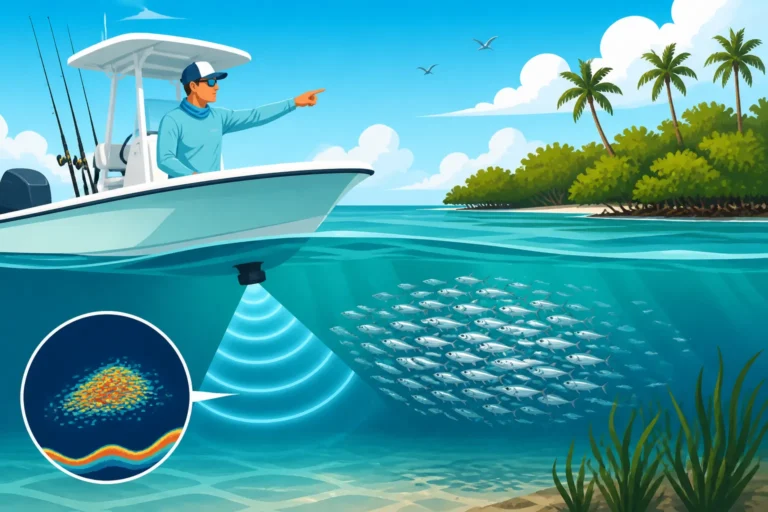
Inshore, Mangrove Snapper love the cover of, you guessed it, mangrove roots, rocky outcrops, bridge pilings, and even submerged culverts. They use these spots to hide from predators and dart out to snatch passing baitfish or crustaceans. Offshore, the habitat preference shifts to deeper structures. Think natural coral reefs, artificial wrecks, rock piles, ledges, and even significant changes in bottom contour. Red Snapper and larger Mutton Snapper will stack up on these structures, sometimes in impressive numbers, waiting for food to drift by. The key is that they need something to relate to – a place to feel secure and have a tactical advantage for feeding. If you're fishing over a vast expanse of barren sand, your chances of finding snapper are significantly lower. Modern fishfinders and GPS are invaluable tools for locating these honey holes.
What Snapper Love to Eat
Getting your bait right is half the battle when it comes to snapper. These fish aren't usually incredibly picky, but they definitely have preferences, and presenting the right meal can make all the difference. Most snapper species are opportunistic predators, feasting on whatever small baitfish, shrimp, crabs, and squid are available in their environment.
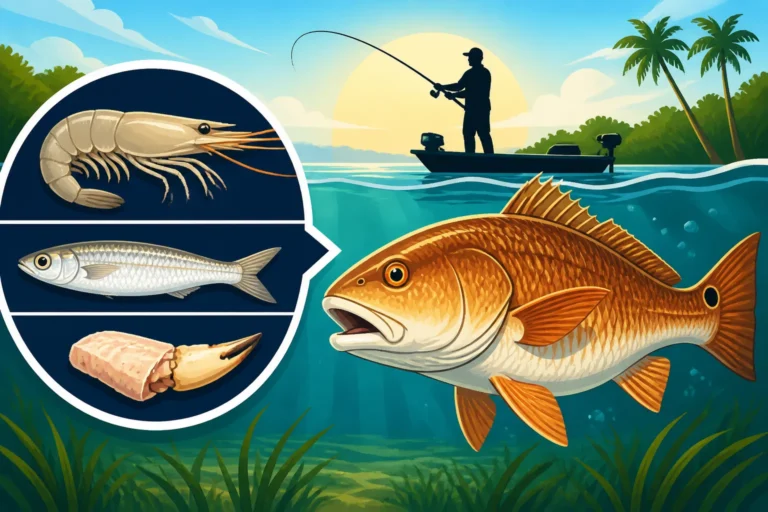
For inshore Mangrove Snapper, live shrimp are often irresistible. Fiddler crabs, small pinfish, and pilchards also work wonders. They respond well to a slow-moving, natural presentation. When you move offshore, the menu expands. Red Snapper, Mutton Snapper, and Lane Snapper have a particular fondness for live baits like cigar minnows, pilchards, pinfish, and threadfin herring. These active baits, wiggling enticingly near structure, are often too much for a hungry snapper to resist. Cut bait, such as chunks of squid, bonita, or Spanish mackerel, can also be highly effective, especially if you're trying to create a scent trail to draw them in. Sometimes, simply having a variety of fresh baits can make the difference between a slow day and a successful one, similar to knowing the Best Baits for Grouper Fishing in Florida, as many of these species share similar diets. Always prioritize fresh, lively bait when possible, as it dramatically increases your chances.
Essential Gear for Bottom Fishing Success
You wouldn't show up to a fancy dinner in your pajamas, right? The same goes for fishing. Having the right tackle is fundamental to bottom fishing for snapper in Florida. Using inadequate gear will not only lead to lost fish but also a whole lot of frustration. Investing in quality equipment that's properly matched for the job will pay dividends in your catch rates and overall enjoyment.
Rods, Reels, and Line Selection
Choosing the right rod, reel, and line combination is critical for effectively targeting snapper, especially when you consider the varied sizes and fighting capabilities of different species, and the depth you'll be fishing.
For offshore snapper species like Red Snapper, a medium-heavy to heavy conventional rod, roughly 6 to 7 feet in length with a fast action, is usually your best bet. This provides the backbone needed to pull large fish away from structure and absorb powerful runs. Pair this with a conventional reel, sometimes called a "star drag" or "lever drag" reel, that has a high line capacity and a smooth, strong drag system. Look for reels from reputable brands like Penn, Shimano, or Daiwa; models like the Penn Fathom or Shimano TLD are popular choices among seasoned bottom fishermen. For line, 50 to 80 lb braided line is highly recommended. Braid has minimal stretch, which means you'll feel even the slightest tap, and its thin diameter for its breaking strength allows for more line capacity and less current resistance. However, you'll need a monofilament or fluorocarbon leader, typically 50-80 lb test, to provide abrasion resistance against rough structure and to make your presentation less visible to the fish. For inshore Mangrove Snapper, a medium-heavy spinning rod and reel combo, spooled with 20-30 lb braided line and a 30-40 lb fluorocarbon leader, offers a good balance of sensitivity and power. This setup provides a more sporting fight and is easier to cast in shallower waters. Getting the Best Rod and Reel Setup for Florida Offshore Fishing will set you up for success across multiple species.
The Right Terminal Tackle for Snapper Rigs
Your terminal tackle – the business end of your fishing line – is where all the magic happens. A properly tied rig ensures your bait is presented effectively and that you have the strength to land a big fish. There are a few tried-and-true rigs for bottom fishing.
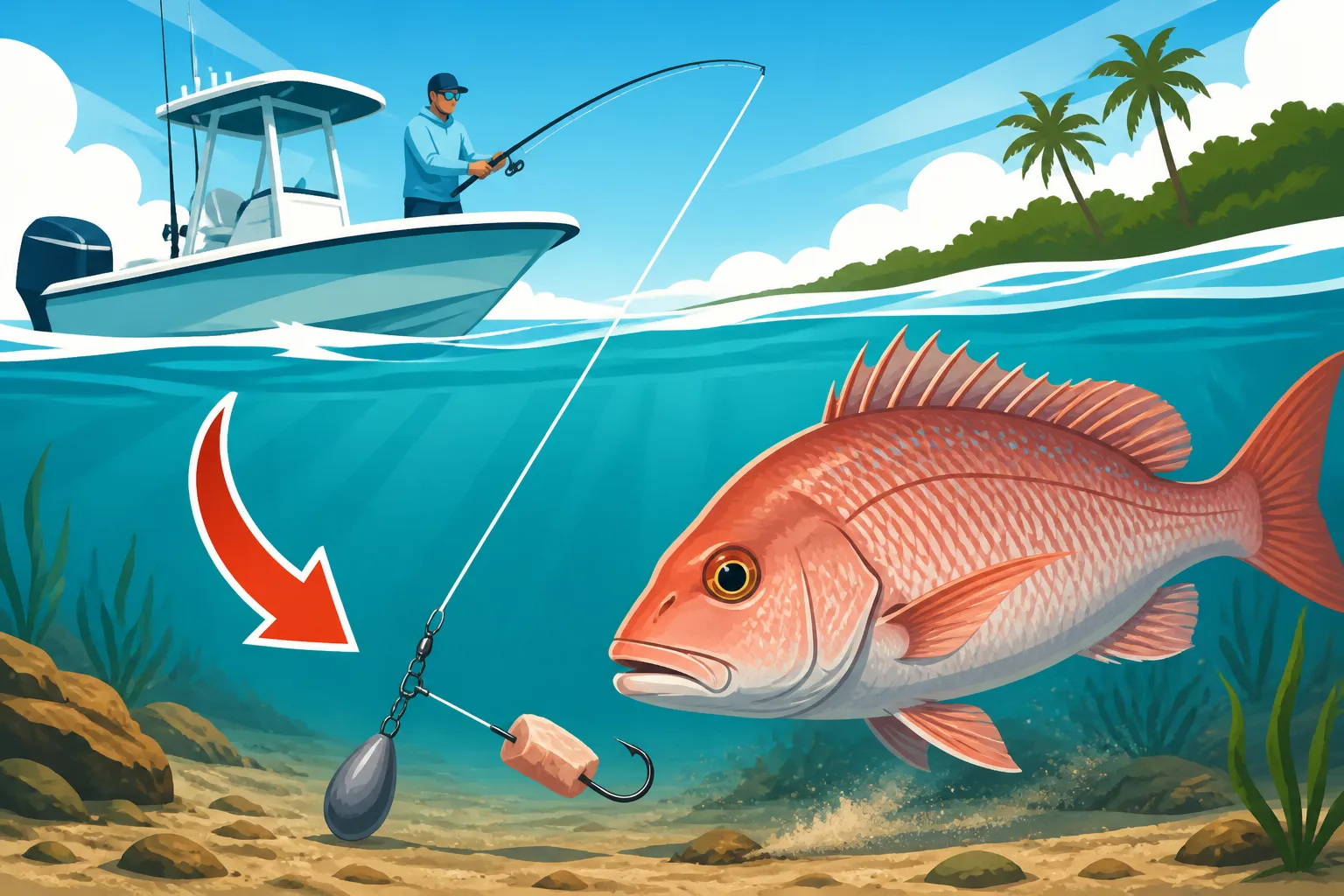
The most common and effective rig for snapper is the Knocker Rig or the Carolina Rig. For a Knocker Rig, you thread an egg sinker directly onto your mainline, then tie on a swivel, followed by a fluorocarbon leader (typically 3-6 feet) and then your hook. The sinker "knocks" right up against the swivel, keeping it close to your bait and allowing for excellent bite detection. For a Carolina Rig, the setup is similar, but the egg sinker is separated from the hook by a longer leader, giving the bait more natural movement. A variation is the Sinker Slide Rig, which uses a plastic sleeve that slides on your mainline, allowing you to quickly change sinker weights without re-tying your entire rig. Hook size is crucial; for Red Snapper and larger Mutton Snapper, a 6/0 to 8/0 circle hook is ideal. Circle hooks are fantastic because they almost always hook the fish in the corner of the mouth, reducing gut-hooking and making for easier release if needed. For smaller Mangrove or Lane Snapper, a 2/0 to 4/0 circle hook will suffice. Always use high-quality, sharp hooks that can withstand the power of these strong fish. Ensure your leader material is abrasion-resistant fluorocarbon, as snapper often live in rocky, unforgiving environments.
Best Baits to Entice Snapper
Let's talk about what makes a snapper's mouth water! As we touched on earlier, the right bait can make or break your bottom fishing trip. Snapper are primarily carnivorous, so fresh, natural baits are almost always superior to artificials when bottom fishing.
Live bait is the king for snapper. Small, lively finfish such as cigar minnows, pinfish, pilchards (also known as whitebait), threadfin herring, and sardines are incredibly effective. Snapper find their erratic movements irresistible. When using live bait, hook it carefully through the nose, the lips, or just behind the dorsal fin to keep it alive and swimming naturally for as long as possible. The more natural your bait looks and acts, the better your chances. Cut bait is another fantastic option, especially if live bait is scarce or you're fishing deeper water where live bait might not stay frisky. Fresh strips or chunks of squid, bonita, Spanish mackerel, or even smaller portions of baitfish work well. The scent trail created by cut bait can draw snapper in from a distance, making it great for chumming effects. For Mangrove Snapper inshore, live shrimp and fiddler crabs are often irresistible. They're easy to come by at most bait shops and are a go-to for many anglers. When you buy bait from your local tackle shop or catch your own with a cast net, keep it fresh and lively. A good livewell or a cooler with an aerator is paramount. Remember, snapper have excellent eyesight, especially in clear Florida waters, so always aim for the freshest possible bait.
Mastering Bottom Fishing Techniques for Snapper
Okay, you've got the gear, you know your species, and your bait bucket is full of enticing treats. Now it's time to put it all together and actually catch some fish! Bottom fishing isn't just about dropping a line and hoping for the best; there are techniques that can dramatically increase your success rate.
Anchoring, Drifting, and Spot Locking
How you position your boat over structure directly impacts your ability to catch snapper. There are three main approaches, each with its own advantages.
Anchoring is perhaps the most traditional method. Once you've located a promising patch of structure on your fishfinder – maybe a rock pile or a small wreck – you want to anchor your boat "up-current" from the spot. This allows your baits to drift back naturally into the fish-holding zone. The trick is to gauge the current and wind correctly so your boat settles right over the structure, or slightly ahead of it. This often involves making a test drift or two before committing to dropping the anchor. Anchoring lets you saturate a specific spot with bait and chum, really getting the snapper fired up. However, it can be time-consuming to get it perfect, and if the fish move, you have to pull anchor and re-position. Drifting is a great alternative, especially if the current or wind is consistent, or if the structure is spread out. Instead of anchoring, you allow your boat to drift over a wider area, covering more ground and potentially encountering scattered fish. This is particularly effective for species like Lane Snapper or when trying to locate new spots. You'll drop your bait to the bottom and let it drag or bounce along, covering a lot of territory. The downside is that you have less control over your exact position, and your bait presentation might not be as precise. Spot Locking is the modern marvel, thanks to electric trolling motors with GPS capabilities, like those offered by Minn Kota or MotorGuide. If your boat is equipped with one, you can literally "anchor" electronically over a precise spot. This combines the precision of anchoring with the ease of not having to deploy and retrieve a physical anchor. It's incredibly effective for staying right on top of a tight school of snapper, even in strong currents, and is a game-changer for many bottom fishermen.
Presenting Your Bait Naturally
Even the best bait won't get bit if it's presented poorly. Snapper, especially the more wary ones like Mangrove and Mutton Snapper, can be surprisingly finicky. Your goal is to make your bait look as natural and inviting as possible.
When your rig hits the bottom, try to keep your line as vertical as possible. This minimizes current drag and ensures you maintain contact with your sinker and, more importantly, your bait. If your line is bowing significantly in the current, you might need a heavier sinker. Once your bait is on the bottom, don't just leave it there. Give it a gentle lift and drop every now and then, or a slight retrieve, to simulate a natural movement. A lively baitfish might twitch and swim a bit, while a piece of cut bait might appear to be tumbling along the seafloor. Pay close attention to your rod tip for any unusual taps or subtle movements that indicate a fish is investigating your offering. Sometimes snapper will simply pick up the bait and swim away, so a watchful eye is key. If you're using a Carolina rig, the longer leader allows your bait to flutter more freely, often appearing less suspicious. With a Knocker rig, the weight is right there, which can be great for quick bites, but make sure your bait isn't just lying dead on the bottom. Occasionally, lifting your rig a few feet off the bottom and letting it fall back down can trigger a strike from an inquisitive snapper.
The Art of the Hookset and Fight
So you felt that unmistakable thump – the bite! Now what? Knowing when and how to set the hook, and then how to fight the fish, is critical to getting it into the boat. Snapper bites can range from a subtle tap to a rod-bending slam, so staying alert is paramount.
When you feel a bite, especially with a circle hook, resist the urge to rear back with a massive hookset like you might with a J-hook. Instead, simply start reeling, steadily and firmly. The circle hook is designed to slide into the corner of the fish's mouth as it tries to swim away, almost setting itself. A hard jerk can actually pull the hook out. Once you feel the weight of the fish, lean into it and start reeling. Snapper, particularly larger ones, will immediately try to dive back into the structure where they live. This is where your heavy rod and strong drag come into play. Apply enough pressure to turn their head and guide them away from snags and sharp rocks. Don't be afraid to put some serious heat on them. If they make a strong run, let your drag do its job, but try to gain line whenever possible. Pumping the rod (lifting the rod tip, then dropping it while reeling down) helps you gain line efficiently. Keep constant tension on the line; slack line is a lost fish. Fighting a powerful Red Snapper or Mutton Snapper offshore is an exhilarating experience, often requiring teamwork if you're with a buddy. Remember that every second counts when trying to pull them away from structure.
Location, Tides, and Timing for Peak Snapper Action
While technique and gear are vital, knowing when and where to fish often makes the biggest difference. Florida's vast waters offer endless possibilities, but some spots and times are undeniably better than others for targeting snapper.
Prime Florida Hotspots for Snapper
Florida's coastline is littered with incredible fishing opportunities for snapper. Depending on the species you're after, your prime location will shift.
For the prized Red Snapper, you'll need to venture offshore into the Gulf of Mexico or the Atlantic Ocean, targeting structures like artificial reefs, natural ledges, and wrecks in depths ranging from 60 to 300+ feet. Popular areas on the Gulf Coast include off the coasts of Destin, Panama City Beach, and Clearwater, which are well-known for their abundant Red Snapper populations. On the Atlantic side, areas off Jacksonville, St. Augustine, and Fort Pierce can also hold good numbers. For Mangrove Snapper, you've got more inshore and nearshore options. They are prolific in the Florida Keys, particularly around the abundant mangrove shorelines and bridges. Tampa Bay, Charlotte Harbor, and the Indian River Lagoon also offer fantastic inshore opportunities around docks, oyster bars, and deeper channels. Lane Snapper are often found on shallower reefs and hard bottom in nearshore waters, making them accessible to smaller boats or even on party boats departing from most coastal towns. Don't overlook the many public fishing piers along the Florida coast, which can sometimes provide access to smaller snapper species, though you generally need a boat to access the really prime offshore grounds. Exploring new spots with your fishfinder is always a fun adventure, and you might stumble upon your own secret snapper honey hole.
Tides and Moon Phases that Matter
Understanding the influence of tides and moon phases can significantly improve your snapper fishing success. These natural forces dictate current flow and fish activity.
For most bottom fish, including snapper, a moving tide is generally better than a slack tide. Moving water carries baitfish and nutrients, which in turn stimulates feeding activity. Both incoming and outgoing tides can be productive, but often one will be more favorable depending on the specific location and current patterns. For example, an outgoing tide might pull bait out of a creek, concentrating fish at the mouth of an estuary for Mangrove Snapper. For offshore snapper, a steady current helps disperse your chum and presents your baits more naturally. Pay attention to how the current affects your drift and bait presentation. Stronger currents might require heavier sinkers to keep your bait on the bottom. Moon phases also play a role, often influencing the strength of the tides. Full and New Moons typically bring stronger tidal currents (spring tides), which can be excellent for stimulating bites. Conversely, quarter moons (neap tides) result in weaker currents. While a strong current is generally good, too strong a current can make it difficult to get your bait to the bottom effectively. Keep an eye on the local tide charts and plan your trips around the periods of good moving water, as this is often the Best Time of Day to Fish in Florida for many species.
Understanding Seasons and Regulations
This is perhaps the most critical section, especially for offshore snapper. Florida's fishing regulations are designed to conserve fish stocks and ensure healthy fisheries for future generations. Not knowing them can lead to hefty fines and legal trouble.
The seasons and bag limits for snapper species vary significantly, particularly for Red Snapper, which has a notoriously short but eagerly anticipated season in the Gulf of Mexico. This season changes annually based on federal regulations, often only lasting a few weeks in the summer. It's crucial to check the Florida Fish and Wildlife Conservation Commission (FWC) website or the current fishing regulations pamphlet right before you head out, as dates and limits can change. For example, the Florida Red Snapper Season Guide provides up-to-date information on when and where you can keep these fish. Mangrove Snapper typically have a more open season with a consistent bag limit, but they still have minimum size requirements. Lane Snapper are also often open year-round with reasonable limits. Always know the current Florida Red Snapper Size and Bag Limits and those for other species you might encounter. It's not just about what you can catch, but what you can legally keep. Understanding the difference between State Waters vs Federal Waters Fishing Rules in Florida is also vital, as regulations can differ greatly depending on how far offshore you venture. Many charter captains and experienced anglers keep a copy of the regulations handy, and the "MyFWC" app is a fantastic resource for checking current rules right from your phone.
Common Mistakes and How to Avoid Them
Even the most experienced anglers make mistakes, but being aware of common pitfalls can save you time, money, and frustration on the water. Bottom fishing, in particular, has its own unique set of challenges that can derail a promising trip.
Avoiding Fouled Lines and Snags
One of the most frustrating aspects of bottom fishing is constantly getting snagged or having your lines tangled. It's a rite of passage, almost, but it can be minimized.
First and foremost, know the bottom you're fishing. Your fishfinder is your friend here. If you see jagged, high-relief structure, you know snags are a high probability. In these areas, using a lighter lead sinker or a rig designed for snag-prone areas can help. The Knocker Rig, with the weight right on the hook, sometimes gets fewer snags than a long Carolina Rig because there's less material to catch. When you feel a snag, don't just yank. Try to "wiggle" your rod tip and slowly pull. Often, you can free your rig. If you're constantly losing terminal tackle, consider tieing a lighter leader to your sinker than your main leader; this way, if you snag, you only lose the sinker, not your entire rig. Another common issue is tangled lines, especially when fishing with multiple people on board. Ensure everyone drops their lines at roughly the same time and in the same general direction. If the current is strong, heavier sinkers for everyone will help lines stay vertical and reduce tangles. And always, always check your knots! A poorly tied knot is an invitation for a lost fish or a fouled line, often right after you've bought that new spool of fluorocarbon from Amazon.
Not Knowing Your Regulations
We've touched on this, but it bears repeating: ignorance of fishing regulations is not an excuse. This isn't just about a potential fine; it's about responsible angling and preserving our fisheries.
It's astonishing how many otherwise experienced anglers will head out without bothering to check the latest rules. Florida's fishing regulations, especially for offshore species, can change frequently, sometimes even mid-season. Species like Red Snapper and Grouper are under strict management, and their seasons, size limits, and bag limits are carefully monitored. Not knowing if a species is open, what the minimum size is, or how many you can keep can turn a triumphant day into a costly one. Imagine catching a beautiful Red Snapper, only to realize later the season closed yesterday, or that it's an inch too short. This often means returning the fish, which may not survive, or facing a citation. Always check the FWC website (myfwc.com) or use their mobile app before every trip. This is crucial for understanding the overall Florida Fishing Regulations and Bag Limits. Being well-informed is a sign of a truly seasoned angler.
Overlooking Bait Presentation
You've got the freshest bait in the world, but if it looks like a dead blob on the bottom, a wary snapper might just pass it by. Presentation is key to tricking these intelligent fish.
Many anglers just drop their bait to the bottom and wait. While this can work, active presentation often works better. Imagine a natural scenario: a small baitfish or crab doesn't just sit perfectly still. It moves, it flutters, it tries to escape. Mimic this. Once your bait hits the bottom, try a slow, gentle lift of your rod tip a foot or two, then let the bait settle back down. This creates movement and can make your bait appear more alive and enticing. If you're using cut bait, this movement also helps disperse the scent, attracting more fish. Also, ensure your hooks are not fouled or covered by too much bait. A large chunk of bait might hide the hook, making it difficult for the fish to get a good bite, or it might be too large for smaller snapper to engulf properly. Match your bait size to your hook size and the expected size of fish. Don't be afraid to experiment with different presentations – sometimes just a subtle change can trigger a feeding frenzy. After all your effort to learn How to Bottom Fish for Snapper, you want to make sure your bait is doing its best work.
Disclaimer
Fishing conditions and regulations in Florida can change frequently. Always consult the latest rules and advisories from the Florida Fish and Wildlife Conservation Commission (FWC) before heading out on any fishing trip. Be aware of weather conditions, practice responsible angling, and prioritize safety on the water.