Inshore vs Offshore Fishing in Florida Explained
One of the most common dilemmas for anglers planning a trip to the Sunshine State is figuring out the difference between inshore and offshore fishing, and more importantly, deciding which one is right for them. It’s easy to get confused with all the jargon, but don't worry – this guide will break down the distinct characteristics of both inshore and offshore fishing in Florida, helping you understand what each adventure entails and how to choose the perfect experience for your next fishing expedition.
Understanding Inshore Fishing in Florida
When we talk about "inshore fishing" in Florida, we're generally referring to fishing in the calmer, shallower waters relatively close to the mainland or barrier islands. Think of it as the playground of estuaries, expansive bays, intricate canal systems, serene shallow flats, and nearshore reefs or wrecks that aren't too far from land. These environments are often protected from the full force of the open ocean, making them a fantastic choice for many anglers, especially those looking for a more relaxed trip or an introduction to saltwater fishing.
The Definition and Typical Locations
Inshore waters are typically defined as anything from right off the beach to several miles out, as long as you're still within sight of land or navigating relatively shallow depths. This includes a vast network of interconnected waterways. For example, Florida boasts incredible inshore fisheries in places like the vast grass flats of Tampa Bay, the intricate mangrove labyrinth of the Everglades backcountry, the fertile waters of the Indian River Lagoon, or even the canals running through urban areas like Miami, which surprisingly hold some amazing exotic species. You're never really "lost at sea" when you're inshore; landmarks are usually visible, and the water tends to be less tumultuous, providing a more stable and often more comfortable fishing platform. It’s a completely different vibe than being out in the vast, open ocean.
Target Species and Techniques
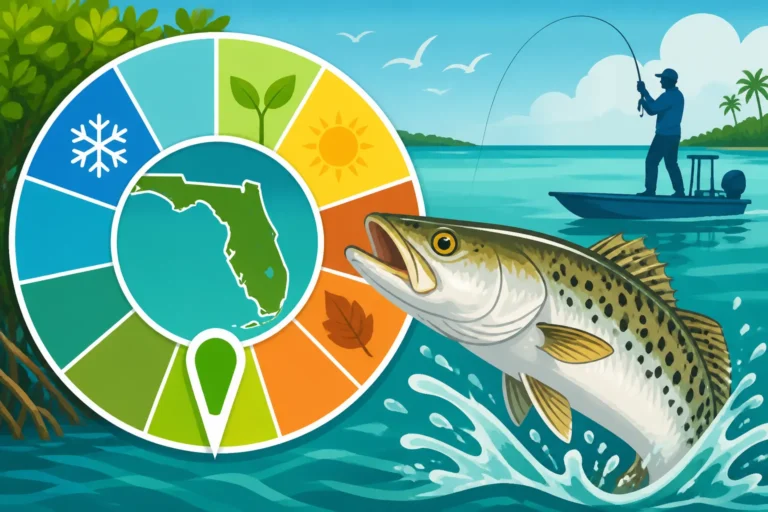
The variety of fish you can target inshore is truly astounding, and it's heavily influenced by the specific environment you're fishing. The "Big Three" of Florida inshore fishing are undoubtedly Snook, Redfish, and Spotted Seatrout, which thrive in these protected habitats. You'll often find these species lurking around mangrove roots, cruising shallow flats, or ambushing baitfish in tidal creeks. Beyond them, anglers frequently encounter Flounder, Mangrove Snapper, Black Drum, and even the elusive Permit or powerful Tarpon, especially during their seasonal migrations in the warmer months.
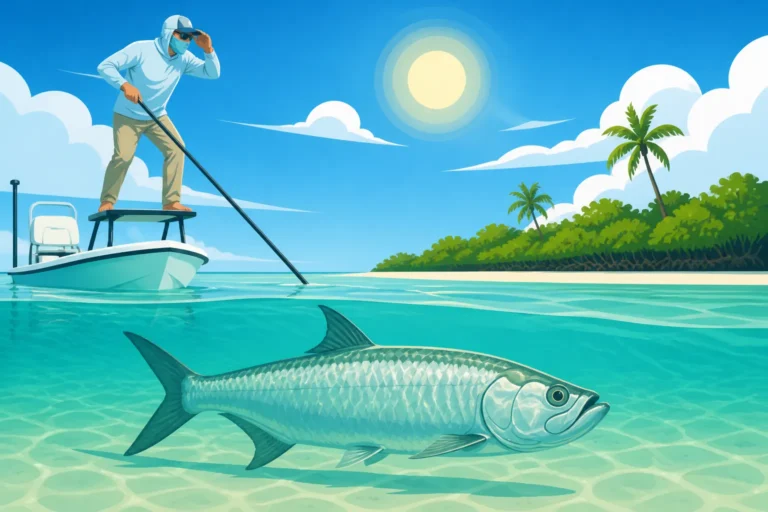
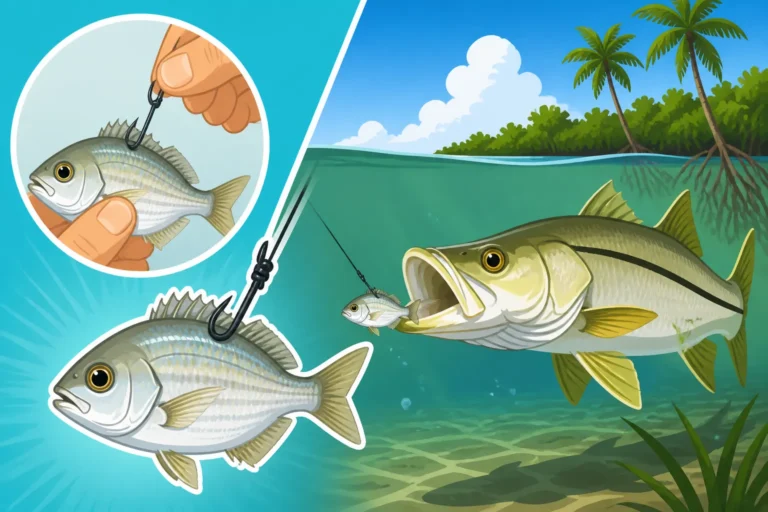
The techniques for inshore fishing tend to be more nuanced and visual. Florida Inshore Fishing Techniques often involve sight fishing on the flats, where you actively spot fish before making a cast – a thrilling challenge that tests your casting accuracy and stealth. Anglers use a variety of artificial lures like soft plastics, topwater plugs, and jerkbaits, or opt for live bait such as shrimp, pilchards, pinfish, or mullet, often fished under a popping cork or free-lined. The focus is usually on precision casting, subtle presentations, and reading the water to find where the fish are hiding. It's a game of finesse and keen observation.
Gear and Accessibility
One of the great appeals of inshore fishing is its accessibility and the relatively lighter gear required. You don't need a massive, fuel-guzzling offshore battlewagon to get in on the action. Many inshore anglers use smaller skiffs, bay boats, or even kayaks and paddleboards to navigate the shallow waters. This also means you can often launch from numerous public boat ramps, fish from docks, piers, or even wade directly from the shore in many areas.
The tackle itself is generally lighter than what you'd need for offshore excursions. Think medium to medium-heavy spinning rods, typically 7 to 7.5 feet long, paired with reels spooled with 10-20 lb braided line. This lighter setup allows for longer casts with smaller lures and provides a sporting fight with powerful inshore species. You can find excellent quality light spinning combos from brands like Penn, Shimano, or Daiwa, and a quick search on Amazon will show you countless options with varying price points to fit any budget. Don't forget a good pair of polarized sunglasses – they are absolutely essential for spotting fish in the shallows!
Exploring Offshore Fishing in Florida
Now, let's talk about offshore fishing, which is a completely different beast, offering a grander scale of adventure and generally larger, more powerful fish. When you head offshore in Florida, you're leaving the familiar coastline behind and venturing into the deep, vast expanses of the Atlantic Ocean or the Gulf of Mexico. This isn't just a few miles out; we're talking about distances where land disappears from view, and the ocean floor drops dramatically into canyons, ledges, and deep wrecks.
Defining Offshore and its Deep Waters
Offshore fishing truly begins when you pass beyond the state waters and move into federal waters, often more than 9 miles out in the Gulf or 3 miles out in the Atlantic. This is where the water turns a deep, dark blue, and the waves can build up significantly. Common offshore fishing grounds include the incredible reef systems off the Florida Keys, the productive deep ledges off Destin in the Panhandle, or the famous Gulf Stream current that flows close to Florida's Atlantic coast. These areas are characterized by significant underwater structures like natural reefs, artificial wrecks, and drastic changes in bottom contour, which act as magnets for pelagic and bottom-dwelling species. It's a humbling experience to be out there, surrounded by nothing but the ocean, with endless possibilities beneath your boat.
Species, Strategies, and the Chase
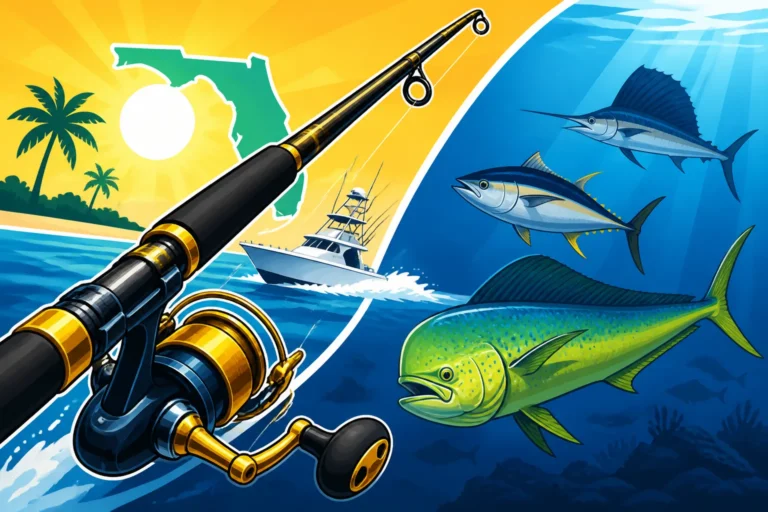
The fish you target offshore are often bigger, faster, and more aggressive than their inshore counterparts. This is where you chase giants! Popular offshore species include various types of Grouper (Gag, Red, Black, Scamp), several Snapper species (Red Snapper, Grey Snapper, Lane Snapper, Vermilion Snapper), and highly sought-after pelagic species like Mahi-Mahi (Dolphin), King Mackerel, Wahoo, Sailfish, and even Tuna. These fish are powerful fighters that demand heavy tackle and often test an angler's endurance. You'll want to review Florida Grouper Fishing Guide or Florida Mahi Mahi Fishing Guide for specific details on these species.
Offshore fishing techniques are generally more robust and involve different strategies. Florida Offshore Fishing Techniques often include trolling, where you drag a spread of lures or baits behind a moving boat to cover large areas and entice pelagic fish. For bottom dwellers like grouper and snapper, techniques like bottom fishing with heavy sinkers and multiple hooks, or deep dropping with electric reels, are employed over reefs and wrecks. Chumming, where you consistently introduce cut bait or ground fish into the water, can also be incredibly effective at drawing fish to your boat. It’s a game of covering ground, finding structure, and then applying brute force and stamina to bring in the big ones.
Equipment and the Offshore Vessel
Given the size and power of offshore fish and the unpredictable nature of the open sea, specialized, heavy-duty equipment is essential. Offshore boats are typically much larger and more robust than inshore vessels, often center consoles or full-blown sportfishers equipped with powerful engines, advanced navigation, and sophisticated fish-finding electronics. These boats are designed to handle rough seas and long runs, providing a safer and more stable platform miles from shore.
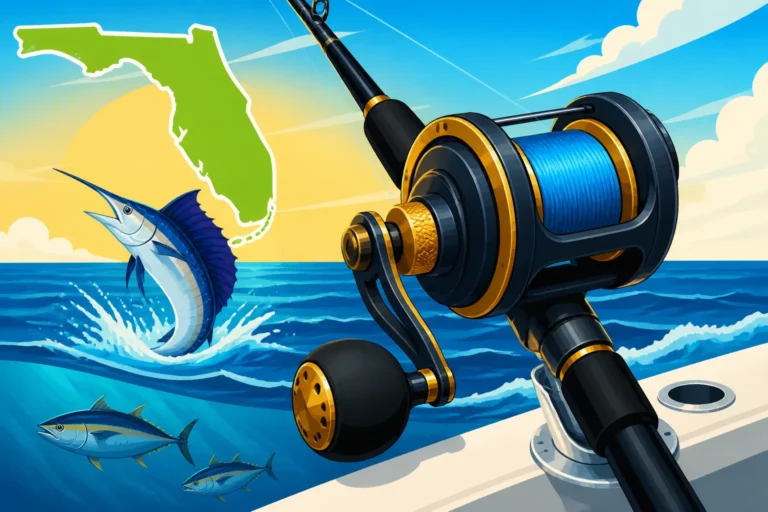
Your tackle will also be significantly beefed up. Expect heavy action rods, often 6 to 7 feet long, paired with large conventional or spinning reels spooled with 50-80 lb braided line, sometimes even heavier. This allows you to handle powerful runs and the intense drag settings needed to pull fish away from structure. You'll need stout leaders, heavy sinkers, and large, strong hooks. When it comes to lures for trolling, there's a huge variety, from skirted lures designed to mimic baitfish to large plugs, and you can easily stock up on these by browsing fishing gear sections on Amazon. Don't forget critical safety gear like EPIRBs, flares, a good VHF radio, and plenty of water – being prepared is paramount when you're miles offshore.
Key Distinctions: Inshore vs. Offshore Comparison
To truly appreciate both forms of fishing, it helps to see their primary differences laid out clearly. Each offers unique challenges and rewards, catering to different preferences, skill levels, and expectations.
A Side-by-Side Look at the Experience
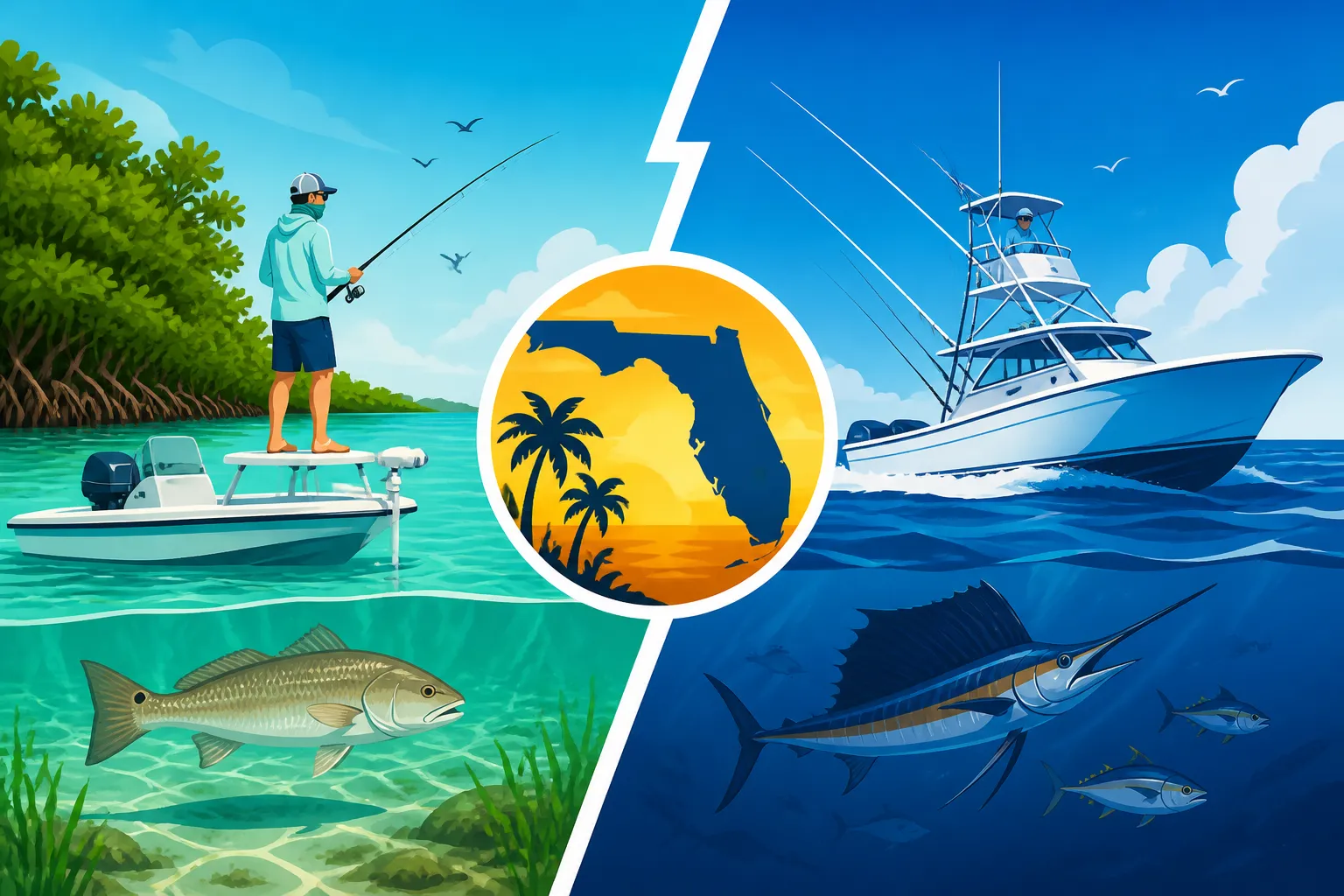
The experience of inshore versus offshore fishing couldn't be more different. Inshore fishing generally offers calmer waters, often within protective bays or rivers, which is fantastic for those prone to seasickness or families with young children. The scenery is often diverse, with mangroves, islands, and cityscapes in the background. Trips tend to be shorter, more focused on specific areas, and typically less expensive due to lower fuel consumption and smaller boat requirements. It's a more intimate experience, often involving detailed observation of the environment.
Offshore fishing, on the other hand, is an epic journey into the vast blue. The waters can be rough, and the runs to fishing spots can be long, often starting before dawn. The scenery is predominantly open ocean, a mesmerizing expanse of water and sky. The cost is usually higher due to fuel, boat maintenance, and specialized gear. However, the reward can be truly magnificent: the thrill of hooking into a colossal Tuna, the acrobatic leaps of a Sailfish, or filling a cooler with delicious Grouper and Snapper. It's an adventure for those who crave the unknown and the challenge of the deep.
Gear, Bait, and Tactics Differences
The distinctions in gear, bait, and tactics are fundamental. Inshore fishing leans towards finesse, often using lighter tackle, smaller natural baits like live shrimp or finger mullet, and artificial lures that mimic smaller baitfish. The techniques focus on casting accuracy, stealth, and reading shallow water features. Think of it as a chess match with the fish.
Offshore fishing is more about power and persistence. Heavy-duty rods and reels are standard, designed to handle the immense strain of deep-dwelling or fast-moving pelagic species. Baits are typically larger, whether live pilchards, goggle-eyes, or dead ballyhoo for trolling, or substantial chunks of cut bait for bottom fishing. Tactics involve advanced electronics for locating deep structure, trolling patterns, and the sheer strength to crank up a fish from hundreds of feet below. It's often more akin to a wrestling match.
Here's a quick comparison table to summarize the key differences:
| Feature | Inshore Fishing | Offshore Fishing |
|---|---|---|
| Locations | Bays, estuaries, flats, rivers, canals, nearshore reefs | Beyond sight of land, deep reefs, wrecks, ledges, Gulf Stream |
| Water Depth | Shallow (a few feet to tens of feet) | Deep (hundreds to thousands of feet) |
| Water Conditions | Generally calmer, protected | Can be rough, open ocean conditions |
| Target Species | Snook, Redfish, Seatrout, Flounder, Mangrove Snapper, Tarpon (seasonal) | Grouper, Snapper, Mahi-Mahi, King Mackerel, Sailfish, Wahoo, Tuna |
| Typical Gear | Light to medium spinning tackle, 10-20 lb braid | Heavy conventional or spinning tackle, 50-80+ lb braid |
| Boat Type | Skiffs, bay boats, kayaks | Center consoles, sportfishers, larger vessels |
| Techniques | Sight fishing, casting artificials, live baiting, popping corks | Trolling, bottom fishing, deep dropping, chumming |
| Accessibility | From shore, kayak, small boat, piers | Requires a capable boat; often charter-dependent |
| Trip Duration | Half-day to full-day (4-8 hours) | Full-day or extended (6-12+ hours) |
| Cost | Generally lower (less fuel, smaller boats) | Generally higher (more fuel, larger boats, specialized gear) |
Choosing Your Florida Fishing Adventure
Deciding between inshore and offshore fishing isn't about one being "better" than the other; it's about what you're looking for in your fishing experience. Both offer incredible opportunities to connect with Florida's abundant aquatic life and create lasting memories.
Factors to Consider for Your Trip
When planning your trip, consider a few crucial factors. First, your experience level and that of your group. If you're a beginner or fishing with kids, the calmer waters and often more consistent action of inshore fishing might be a gentler introduction. Many Best Fishing Charters for Beginners in Florida focus on inshore trips. For seasoned anglers seeking a bigger challenge and potentially trophy fish, offshore might be the call.
Next, think about your comfort with open water. If you or members of your party are prone to seasickness, inshore is definitely the safer bet. Your target species preference is also key. Do you dream of sight-casting to tailing redfish on the flats, or do you long for the scream of a reel as a marlin strikes a trolled lure? Your budget will also play a role; offshore trips typically incur higher costs for charters, fuel, and specialized bait. Finally, consider the time available for your trip. Inshore trips can often be shorter, allowing more flexibility, while offshore excursions usually demand a full day or more. Also, remember to factor in Best Time of Year to Fish in Florida for your desired species.
Planning and Preparation for Both
Regardless of whether you choose inshore or offshore, thorough planning and preparation are non-negotiable for a safe and successful trip in Florida. Always check the local weather forecast before you head out, paying close attention to wind speed, wave height (especially for offshore), and potential thunderstorms that are common in Florida, especially during summer afternoons. For inshore trips, understanding the tides is critical, as fish movement and feeding patterns are heavily influenced by the ebb and flow of water.
Familiarize yourself with Florida's current fishing regulations and bag limits for the species you intend to target. This is crucial for conservation and to avoid legal trouble. Every angler (with some exemptions) needs a valid Florida fishing license. You can find all the details you need in our comprehensive Florida Fishing License Guide or specifically for saltwater, Florida Saltwater Fishing License Rules.
If you're chartering a boat, be sure to communicate your expectations and preferences with your captain. They are a wealth of local knowledge and will help you make the most of your day. Remember to pack essentials like sunscreen, hats, polarized sunglasses, appropriate clothing, and plenty of water. A comfortable fishing shirt from Amazon with UPF protection can make a huge difference in the intense Florida sun. For a comprehensive list, check out What to Bring on a Florida Fishing Charter. Whether you're chasing Redfish in the mangroves or Grouper over a deep-water wreck, being prepared will ensure a fantastic day on the water.
Disclaimer
This article is for general informational purposes only and does not constitute professional advice. Laws, prices and regulations vary by location and change over time. Consult a qualified professional for guidance on your specific situation.