Best Canals for Fishing in South Florida
So many people dream of fishing in Florida, picturing themselves out on the open ocean, battling a giant marlin, or wading through the flats in the Keys for elusive bonefish. But what if you're looking for something a little different, maybe something easier to access, closer to home, or even right in the heart of the city? The truth is, South Florida's intricate network of canals offers an incredible, often overlooked, fishing experience that can be just as thrilling and rewarding. This guide is here to unravel the secrets of these urban and suburban waterways, showing you exactly where to go, what to catch, and how to make the most of your canal fishing adventures in the Sunshine State.
Why South Florida Canals Are a Unique Angler's Paradise
South Florida is crisscrossed by thousands of miles of canals, an artificial network built primarily for flood control and drainage. What started as utilitarian infrastructure has, over decades, blossomed into a unique and incredibly productive fishery. These aren't just ditches; they're dynamic ecosystems teeming with life, offering a distinct fishing experience unlike any other in the state.
The Urban Oasis and Biodiversity
It might seem counterintuitive to think of prime fishing spots nestled amidst bustling cities and suburban sprawl, but South Florida's canals defy expectations. These waterways often connect larger freshwater lakes, rivers, and even brackish estuaries, acting as conduits for a diverse array of fish species. You can be casting a line just a stone's throw from a shopping center and hook into a fish that would make anglers in remote wilderness areas jealous. The beauty of it is that this urban integration makes them incredibly accessible. You don't always need a boat or a long drive; many canals can be fished right from the bank, a bridge, or a kayak launched from a neighborhood park.
Beyond the convenience, the biodiversity in these canals is truly astounding. While you'll certainly find native species, South Florida's canals are famous for their thriving populations of exotic, non-native fish. These species, often introduced unintentionally or through the aquarium trade, have found the warm, stable waters and abundant food sources in the canals to be a perfect home. This adds an exciting, unpredictable element to every fishing trip, as you never quite know what unique catch might be on the end of your line.
Year-Round Fishing Opportunities
One of the greatest perks of fishing in South Florida's canals is the consistent, year-round action. Unlike many other regions where fishing might slow down significantly during colder months, the subtropical climate here means water temperatures rarely drop low enough to completely shut down the bite. While seasonal patterns still influence fish behavior and preferred locations, you can practically always find something biting.
During the warmer months, fish are incredibly active, often feeding aggressively on topwater or shallow-diving baits. The abundance of baitfish keeps predators on the hunt. When cooler weather finally does arrive, usually between December and February, fish might become a bit more lethargic and seek deeper holes or structure, but they certainly don't disappear. Anglers just need to adjust their tactics, perhaps slowing down their retrieve or switching to live bait, to continue finding success. This predictability, combined with the sheer number of fish, makes canal fishing a reliable option no matter when you visit.
Accessibility for Every Angler
The accessibility of South Florida's canals is a game-changer for many anglers. You don't need a fancy offshore rig or even a flats boat to enjoy some fantastic fishing. Many sections of the canals are easily reached from public parks, bridges, sidewalks, and residential areas. For those who prefer a more mobile approach, kayaks, canoes, and small jon boats are perfect for navigating the narrower stretches and reaching less-pressured spots. Even stand-up paddleboards are becoming a popular way to explore these waters.
This ease of access is particularly appealing for families with kids, beginner anglers, or those on a budget. You can often pull right up to a canal bank, set up your gear, and start fishing without the hassle and expense of launching a large boat. It's a fantastic way to introduce someone to the joys of fishing or simply enjoy a peaceful afternoon casting a line without needing to plan an elaborate excursion. If you're looking to explore deeper into the network or want expert guidance, many local guides specialize in canal fishing, and you can often find them through platforms like FishingBooker, ready to take you to the hottest spots.
Top Contenders: The Best Canals for Fishing in South Florida
While South Florida boasts an extensive canal system, some areas stand out for their consistent action and diverse catches. These are the spots where local legends are made and where you're most likely to have a memorable day on the water.
Miami-Dade County's Legendary Canals
When people talk about canal fishing in South Florida, Miami-Dade County often comes up first, and for good reason. This area is home to some of the most famous and productive canals, especially for those targeting the aggressive and beautiful peacock bass. The vast network here connects directly and indirectly to the Everglades, bringing an incredible influx of both native and exotic species.
The C-4 Canal Snapper Creek Canal
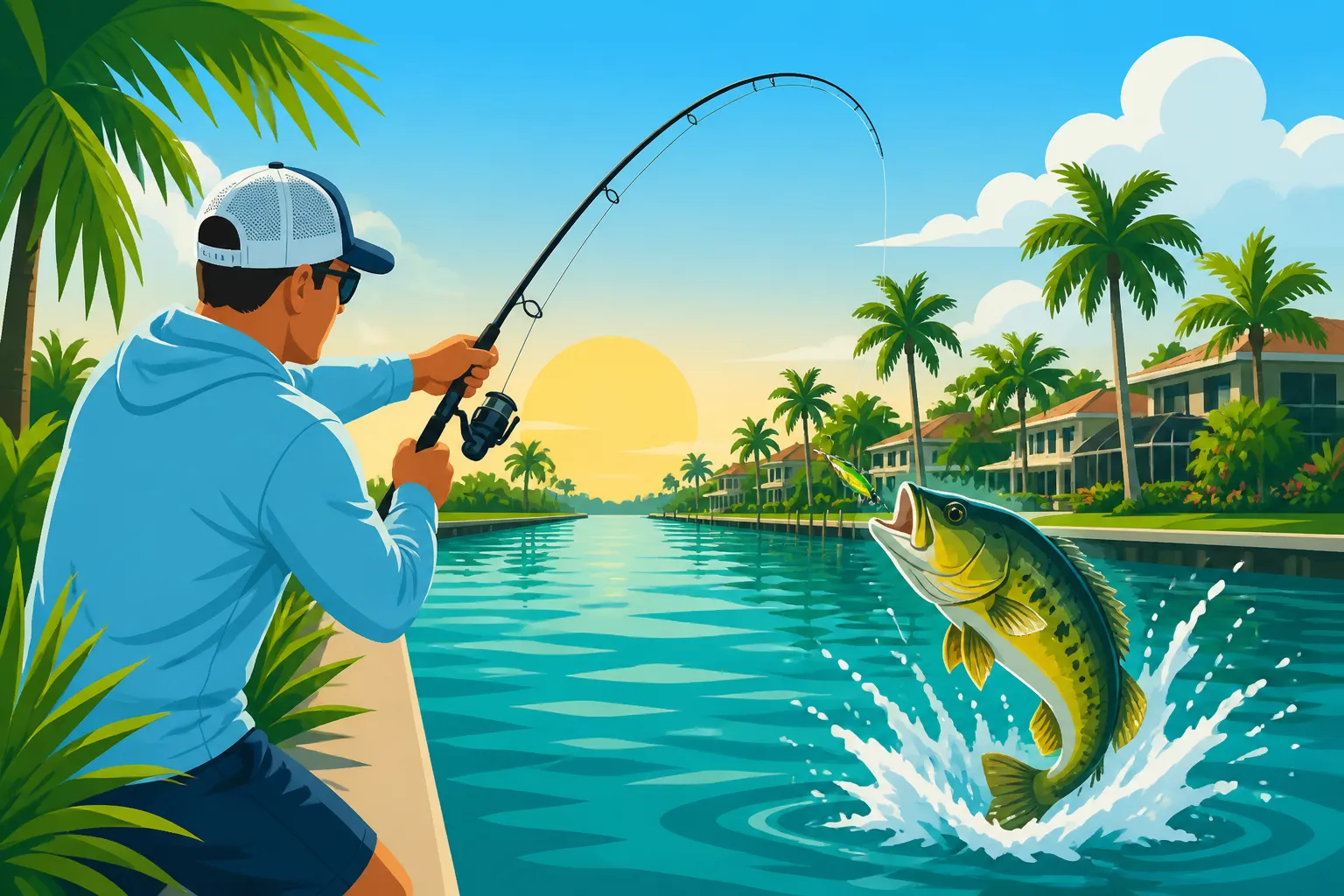
The C-4 Canal, also known as Snapper Creek Canal, is arguably one of the most celebrated freshwater fishing spots in Miami. It stretches for miles, winding through residential areas and alongside major roads, offering countless access points. What makes the C-4 so legendary is its robust population of peacock bass, often reaching impressive sizes. Alongside them, you'll find healthy populations of largemouth bass, which thrive in the same environments.
Beyond the bass, the C-4 is also known for exotic species like the clown knife fish, an elusive, prehistoric-looking fish that puts up an incredible fight. You might also encounter Mayan cichlids, oscars, and even the occasional tilapia. The canal's banks are often lined with thick vegetation, offering excellent cover for predatory fish. Anglers often target areas around bridges, culverts, and canal intersections where current creates ambush points. For those who want to learn how to fish a soft plastic jerkbait for bass, the C-4 offers plenty of opportunities to practice, especially around submerged structure.
The C-100 Black Creek Canal
Another powerhouse in Miami-Dade is the C-100 Canal, or Black Creek Canal. Similar to the C-4, the C-100 is a fantastic destination for peacock bass, often producing trophy-sized specimens. This canal also has several connections to brackish water areas closer to Biscayne Bay, which means you might even encounter some unexpected saltwater visitors. Imagine casting a lure for peacock bass and suddenly getting hit by a snook! This is where the canal fishing truly becomes unique.
The C-100 also has numerous public access points, including parks and boat ramps suitable for kayaks and small skiffs. Anglers often find success by working their way along the banks, casting into pockets of submerged vegetation, around seawalls, and near any fallen trees or brush. The depth of these canals can vary, with some sections offering deeper channels perfect for targeting fish during cooler weather.
Broward County's Extensive Network
Just north of Miami-Dade, Broward County offers its own impressive system of canals, particularly around cities like Fort Lauderdale and extending westward towards the Everglades. These canals are just as productive, often less crowded than their Miami counterparts, and provide excellent fishing for both native and exotic species.
Fort Lauderdale's Urban Waterways
Fort Lauderdale, known as the "Venice of America" for its extensive canal system, isn't just for luxury yachts. Many of its lesser-known canals and smaller waterways are teeming with fish. While some of these are tidal and brackish, offering great opportunities for snook and tarpon, the freshwater sections further inland are prime for largemouth bass and peacock bass.
Fishing around residential docks, seawalls, and bridge pilings can be incredibly productive. These structures offer cover, ambush points, and often hold baitfish. Anglers frequently use artificial lures like crankbaits and soft plastics, but live shiners are always a top choice for enticing a bite. The numerous neighborhood parks and even public road shoulders provide convenient access for shore anglers. Understanding Florida fishing regulations and bag limits is crucial here, as you might transition from freshwater to brackish or even saltwater species depending on the canal's connection to the Atlantic.
Canals Bordering the Everglades
As you move west into Broward County, the canals begin to take on a more wild, Everglades-like feel. These canals, often bordering conservation areas, can be incredibly productive, holding large largemouth bass, especially. The water here tends to be clearer in some sections, allowing for sight fishing opportunities for peacock bass and various cichlids.
These western canals are often wider and deeper, making them ideal for small boats, kayaks, and canoes. You'll find fewer urban distractions and more natural vegetation, including lily pads and cattails, which are prime hiding spots for fish. The challenge here is navigating some of the more remote access points, but the reward is often a less-pressured fishery and the chance to truly feel immersed in nature, even if you're still within striking distance of civilization.
Palm Beach County's Freshwater Gems
Venturing further north, Palm Beach County continues the tradition of excellent canal fishing, with a strong emphasis on largemouth bass and a diverse array of exotic species. Many of these canals are part of the vast Central and Southern Florida Flood Control Project and often connect to or drain from Lake Okeechobee, ensuring a healthy flow of water and fish.
The Loxahatchee Slough and Related Canals
The Loxahatchee Slough Natural Area and the surrounding canal systems offer fantastic freshwater fishing. These areas are renowned for their healthy populations of largemouth bass, with many anglers reporting trophy-sized catches. The habitat often includes expansive stretches of submerged grasses, lily pads, and cypress trees, providing excellent cover.
Beyond largemouth, you'll find bluegill, crappie, and a surprising number of exotic cichlids like the oscar and Mayan cichlid, which thrive in these conditions. Access can be found at various boat ramps, particularly for kayaks and small boats, allowing anglers to explore extensive stretches of these productive waters. For those interested in Florida bass fishing techniques, these canals provide a perfect proving ground for flipping, pitching, and working topwater frogs over heavy cover.
Canals Around Belle Glade and Lake Okeechobee Periphery
While not strictly within the urban confines, the extensive canal system that rings Lake Okeechobee and surrounds towns like Belle Glade falls within Palm Beach County and offers some of the best freshwater fishing in Florida. These massive canals, like the Rim Canal and smaller drainage canals, are highways for largemouth bass.
The sheer size and depth of these canals mean they can hold truly massive fish. Anglers here often use larger shiners or heavy jigs to target the bigger bass lurking in the depths or around dense hydrilla beds. While not "urban" in the same sense as Miami canals, they are incredibly accessible via numerous public boat ramps and offer a more rural, yet highly productive, canal fishing experience.
Targeting South Florida Canal Species: What You'll Catch
The beauty of South Florida canal fishing lies in the sheer variety of species you might encounter. From hard-fighting natives to colorful exotics, every cast can be an adventure.
The Mighty Peacock Bass
If there's one fish that epitomizes South Florida canal fishing, it's the peacock bass. Introduced to control populations of unwanted exotic cichlids in the mid-1980s, these vibrant, aggressive, and incredibly strong fish have become a beloved sportfish. Native to the Amazon, they thrive in the warm, clear-to-stained waters of South Florida's canals.
The Fight of a Lifetime and Preferred Habitats
Peacock bass are renowned for their explosive strikes and powerful, drag-screaming runs. They are visual predators, often ambushing baitfish from cover. They prefer areas with structure, such as submerged logs, rock piles, bridge pilings, seawalls, and especially shady overhangs. During sunny days, they often congregate in the shadiest parts of the canal, so targeting these areas is key. They are most active when water temperatures are warm, generally above 70°F (21°C), which is most of the year in South Florida.
Best Baits and Lures for Peacock Bass
For those looking to target these magnificent fish, live shiners are a perennial favorite. A frisky shiner on a small hook, free-lined or under a float, is often irresistible. However, artificial lures are incredibly effective too. Topwater lures like poppers, prop baits, and walk-the-dog style baits provoke explosive strikes, especially during low light conditions or when fish are actively feeding on the surface. For subsurface action, jerkbaits, small crankbaits, and soft plastic swimbaits rigged on jig heads work wonders. When asking what do peacock bass eat?, the answer is generally smaller baitfish, so matching the hatch with your lure selection is a good strategy.
Largemouth Bass and Exotics
While peacocks steal the show, the canals are also fantastic places to catch their native cousins, the largemouth bass, often in significant numbers and impressive sizes. But the list doesn't stop there; the canals are a melting pot of fascinating and challenging exotic species.
Traditional Bass Fishing Meets New Challenges
Largemouth bass in the canals behave much like their counterparts in lakes and ponds, favoring cover like lily pads, hydrilla, submerged timber, and canal edges. Standard bass fishing techniques work well here: Texas-rigged worms, spinnerbaits, crankbaits, and jigs are all effective. The constant flow in some canals can also concentrate largemouth in eddies and current breaks. You can learn more about Florida Largemouth Bass Fishing Guide for detailed tactics.
Beyond the bass, you'll encounter a fascinating array of exotic cichlids. Mayan cichlids, with their colorful patterns, are aggressive and fun to catch on light tackle. Oscars, another popular aquarium fish, have established large populations and put up a surprisingly strong fight. Jaguar guapote, spotted tilapia, and even pacu can occasionally be found. These exotics often respond well to small jigs, worms, or live bait.
Differences in Tactics for Exotics
Fishing for exotics often requires slightly different tactics than for native bass. Many cichlids are smaller-mouthed, so downsized baits and hooks are often more effective. They can also be more structure-oriented, hugging tight to seawalls, rock piles, or dense vegetation. A patient approach, presenting baits precisely into tight spots, can yield excellent results. They are also often less wary than native fish, making them a great target for beginners.
Surprise Catches: Snook and Tarpon in Brackish Waters
One of the most exciting aspects of South Florida canal fishing is the possibility of hooking into a saltwater species, especially if you're fishing canals that connect to tidal estuaries or the ocean. Snook and tarpon are prime examples of species that readily move between fresh and saltwater.
Where and Why Saltwater Species Appear
In canals with direct or indirect connections to brackish or saltwater environments, such as those leading to Biscayne Bay or the Intracoastal Waterway, you can find a fascinating mix of species. Snook, in particular, are well-known for their tolerance of freshwater and will often push far up into canals, especially during cooler months seeking warmer, more stable temperatures. Tarpon, especially juvenile "baby" tarpon, also frequent these canal systems, growing up in the abundant waters before heading out to the open ocean. These canals essentially act as nurseries and feeding grounds.
How to Target Them in Canals
Targeting snook and tarpon in canals requires a slight adjustment in gear and tactics. For snook, you'll want a medium-heavy rod, a reel spooled with strong braided line, and a fluorocarbon leader to withstand their abrasive mouths. Live pilchards, mullet, or shrimp are highly effective. For artificials, soft plastic paddle tails, suspending jerkbaits, and even topwater lures can entice a strike. For more details, check out our Florida Snook Fishing Guide. You might also want to consult Best Bait for Snook Fishing in Florida and Best Lure for Topwater Snook Fishing.
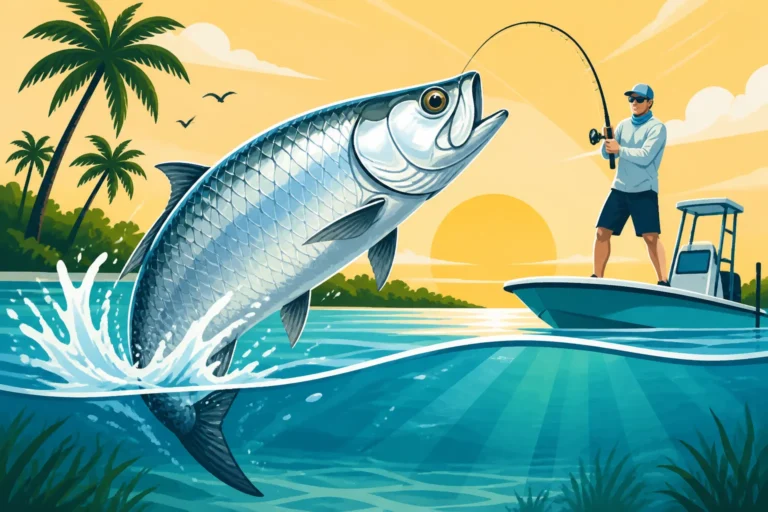
Tarpon, especially the smaller canal fish, will hit similar baits and lures. They are known for their spectacular acrobatic jumps once hooked, so a flexible rod tip and a smooth drag are essential. Always remember that tarpon are catch-and-release only in Florida, unless you purchase a tarpon tag.
Essential Gear and Tactics for Canal Fishing
Having the right gear and understanding effective tactics can make all the difference in your South Florida canal fishing success. You don't need to break the bank, but a few key items will enhance your experience.
Rods, Reels, and Line Selection
For the diverse array of fish in South Florida canals, versatility is key.
The All-Around Setup
A medium-heavy spinning rod, typically 6'6" to 7'6" in length, paired with a 2500-4000 series spinning reel, makes for an excellent all-around setup. This provides enough backbone to handle a feisty peacock or largemouth bass, yet is sensitive enough to detect subtle bites from cichlids or even a cruising snook. A good quality reel with a smooth drag is crucial, especially when you hook into something unexpectedly large.
Line Choices and Leaders
For mainline, 15-30 lb braided line is highly recommended. Braid offers superior casting distance, sensitivity, and strength, which is invaluable when fishing around heavy cover. Since braid is visible to fish and can be cut by sharp teeth or abrasive structures, always tie on a fluorocarbon leader. For general canal fishing, a 20-30 lb fluorocarbon leader, about 2-3 feet long, is a good starting point. If you're specifically targeting larger snook or tarpon, you might bump that up to 40-50 lb.
Baits and Lures That Get Bites
The variety of species means you'll want a versatile tackle box.
Live Bait Supremacy
When in doubt, live bait is often the most effective option, especially for peacocks, largemouth, and snook. Live shiners (golden shiners) are king in freshwater canals and can be purchased at most local tackle shops. Small live shrimp or mud minnows can be deadly in brackish areas. Presenting live bait on a simple float rig or free-lined near cover is often all it takes.
Artificials for Every Situation
Artificial lures offer the advantage of covering more water and enticing reaction strikes.
- Topwater Lures: Poppers, walk-the-dog baits (like Heddon Super Spooks or Rapala Skitter Walks), and prop baits are incredibly exciting, especially at dawn and dusk.
- Jerkbaits/Crankbaits: Suspending jerkbaits (e.g., Rapala X-Raps, Lucky Craft Pointer) and shallow-diving crankbaits (e.g., Strike King KVD 1.5) are excellent for targeting fish holding a few feet down.
- Soft Plastics: Paddle tail swimbaits (like those from Z-Man or Gulp!) on a jig head, soft plastic jerkbaits (e.g., Bass Assassin Sea Shads), and creature baits are incredibly versatile. They can be worked slowly, bounced off the bottom, or retrieved steadily. Remember to explore how to fish a soft plastic jerkbait for bass, as this technique can be deadly.
Mastering Canal Fishing Techniques
Canal fishing isn't just about casting; it's about precision and understanding fish behavior.
Casting Accuracy and Working Structure
Accuracy is paramount. Fish in canals often hold tight to seawalls, under docks, beneath overhanging trees, and around submerged logs or culverts. Being able to cast a lure or bait precisely into these small pockets of cover will significantly increase your hook-up ratio. Practice pitching and flipping techniques to present your bait softly and accurately into tight spots.
Stealth and Observation
While canals can be busy, the fish are still wary. Minimize noise and sudden movements on the bank or in your kayak. Often, you can spot peacock bass cruising the edges or hiding in the shade. Observing the water for baitfish activity, subtle boils, or even jumping fish can tell you where to focus your efforts. Look for changes in the canal—points, bends, areas where smaller ditches flow in, or changes in bottom composition. These are often hotspots.
Navigating the Canals: Access and Regulations
Before you grab your rod and head out, it's crucial to understand how to access these unique fishing spots and what rules you need to follow. Florida has specific fishing licenses and regulations that apply to almost all public waters.
Public Access Points and Hidden Gems
South Florida's canals offer a wealth of access opportunities, from well-marked parks to less obvious neighborhood spots.
Parks and Designated Access Areas
Many county and city parks located along canals offer excellent public access. These often include paved parking, picnic areas, and clear paths to the water's edge. Some even have kayak or small boat launches. Examples include Snapper Creek Park in Miami-Dade or various community parks throughout Broward and Palm Beach counties. These are usually the safest and most convenient options, especially if you're unfamiliar with the area. It's also worth noting that you might need a license to fish in a Florida State Park, so always check local rules.
Bridge Fishing and Roadside Opportunities
Bridges are natural congregation points for fish due to the structure they provide and the way current often funnels baitfish around their pilings. Many canals have public bridges with pedestrian walkways or shoulders where anglers can safely cast a line. Similarly, many roads run parallel to canals, offering easy pull-off spots for bank fishing. Always be mindful of traffic, private property signs, and ensure you're not obstructing walkways or driveways. Respecting private property is key to keeping these access points open for everyone.
Understanding Local Regulations and Permits
Fishing in Florida requires adherence to state and sometimes local regulations. Ignorance of the law is not an excuse, so always be prepared.
Florida Fishing License Requirements
Generally, anyone 16 years of age or older needs a valid Florida fishing license to fish in public waters. This includes the vast majority of South Florida canals. Whether you need a freshwater or saltwater license (or both) depends on the specific canal and its connections. If a canal is purely freshwater, a Florida Freshwater Fishing License Rules applies. If it connects to brackish or saltwater, a Florida Saltwater Fishing License Rules is necessary, or often easier, a combination license. You can easily purchase a Florida Fishing License Online or at many local tackle shops, Walmart, or Bass Pro Shops. Don't forget that Florida Fishing License Age Requirements dictate who needs a license.
Bag Limits and Size Restrictions
Even in canals, fish species are subject to state bag limits and size restrictions. This is especially true for popular species like largemouth bass, snook, and sometimes even peacock bass (though peacock bass often have a more generous or no bag limit due to their exotic status). Always consult the latest FWC (Florida Fish and Wildlife Conservation Commission) regulations pamphlet or their website before you head out. These rules are in place to ensure sustainable fishing for future generations. For example, knowing the Florida Snook Slot Limit Explained is vital if you catch one in a brackish canal.
Here's a quick comparison of some popular South Florida canals:
| Canal System | County | Primary Species | Best Access Methods | Unique Features |
|---|---|---|---|---|
| C-4 (Snapper Creek) | Miami-Dade | Peacock Bass, Largemouth | Bank, Kayak, Small Boat | Renowned for Peacock Bass, urban settings |
| C-100 (Black Creek) | Miami-Dade | Peacock Bass, Snook, Largemouth | Bank, Kayak, Small Boat | Brackish connections, potential for saltwater species |
| Fort Lauderdale Canals | Broward | Largemouth, Snook, Exotics | Bank, Kayak, Small Boat | Urban network, some tidal influence |
| Everglades Outskirts | Broward | Largemouth, Peacock Bass | Kayak, Small Boat, Limited Bank | More natural setting, large bass potential |
| Loxahatchee Slough | Palm Beach | Largemouth, Exotics | Bank, Kayak, Small Boat | Connected to natural areas, diverse cichlids |
| Lake Okeechobee Periph. | Palm Beach | Largemouth, Crappie, Catfish | Large Boat, Bank, Kayak | Larger, deeper canals, trophy largemouth |
Safety First: Alligator and Urban Environment Awareness
While canal fishing is generally safe, it's essential to be aware of your surroundings, both natural and urban.
Alligator Presence
Florida is alligator country, and they are present in virtually all freshwater canal systems. Always assume alligators are present. Never feed them, keep a safe distance, and be especially cautious around launch points or areas with dense vegetation. Keep pets on a leash and away from the water's edge. While alligator attacks on humans are rare, common sense and respect for wildlife are crucial.
Urban Environment Considerations
When fishing in urban canals, be mindful of your personal safety and belongings. Avoid fishing alone in isolated areas, especially at night. Keep your phone charged, inform someone of your plans, and carry basic safety items. Also, be aware of boat traffic, especially in wider canals, and any regulations regarding fishing near bridges or navigation channels. Remember, you can also consider hiring a local guide through services like FishingBooker if you're venturing into new territory and prefer the added safety and expertise of a professional.
Disclaimer
The information provided in this guide is for general informational purposes only and does not constitute legal advice regarding fishing regulations. Regulations can change frequently, and it is the responsibility of the angler to stay informed about the most current rules and requirements set forth by the Florida Fish and Wildlife Conservation Commission (FWC) and any local ordinances before engaging in fishing activities. Always consult the official FWC website or pamphlets for the latest and most accurate information.