Best Spots on Lake Istokpoga for Bass
Oh, Lake Istokpoga! It's one of Florida's true gems for bass fishing, but if you've ever tried to navigate its vastness without a game plan, you know it can feel like trying to find a needle in a haystack. Many anglers get out there, look at the endless grass lines and open water, and just wonder where the big bass are hiding. This guide is here to cut through that confusion, giving you the insider scoop on the best spots, techniques, and times to target trophy largemouth bass on this incredible Central Florida lake.
Understanding Lake Istokpoga's Unique Bass Habitat
Lake Istokpoga isn't just another body of water; it's a shallow, sprawling system that offers a distinct challenge and immense reward for bass anglers. Knowing its characteristics is the first step to unlocking its secrets.
The Layout and Water Characteristics
Imagine a massive, irregularly shaped dinner plate, mostly shallow, with a few deeper channels and holes scattered throughout. That's Lake Istokpoga in a nutshell. Covering over 27,000 acres, it's one of Florida's largest lakes, yet its average depth hovers around 4 to 6 feet, with some areas being even shallower. This means much of the lake is influenced by wind, creating varying water clarity and temperature swings, which can greatly impact where bass decide to hang out.
The bottom composition is primarily a mix of sand and mud, but it's the abundant vegetation that truly defines Istokpoga's character. Expect to see vast fields of hydrilla, peppergrass, eelgrass, and scattered mats of duckweed and hyacinths. These aren't just pretty greenery; they are critical ambush points and feeding grounds for largemouth bass. Understanding how these different types of vegetation grow and where they form transition lines is paramount. For instance, a submerged hydrilla mat next to an open pocket of water can be a prime target, especially if there's a slight depth change. The water clarity can range from stained to moderately clear, depending on wind and recent rainfall, and bass often prefer areas with slightly stained water where they can ambush prey without being easily seen.
Key Forage and Structure for Largemouth
What makes Istokpoga a bass factory? It's the buffet of baitfish and crustaceans thriving within its watery embrace. Largemouth bass here have a smorgasbord of options, from shiners and shad to bluegill, sunfish, and even small mudfish. This rich food source allows bass to grow to impressive sizes, making it a popular destination for anglers chasing a true trophy.
Beyond the aquatic menu, the "structure" of Istokpoga is almost entirely vegetation-based. Unlike some lakes with rocky ledges or extensive timber, here you're looking for subtle variations in the grass. This includes:
- Hydrilla Lines and Edges: These are critical. Bass will position themselves just inside or outside the dense hydrilla, waiting to ambush baitfish moving along the edge.
- Peppergrass Beds: Often found in shallower areas, peppergrass creates dense cover that bass love to hide in, especially during sunny conditions.
- Cattail and Bulrush Rims: Along the shorelines, these emergent grasses provide excellent cover and shade, particularly in areas where the bank drops slightly into deeper water.
- Isolated Grass Clumps: Sometimes, a small, isolated clump of hydrilla or lily pads in an otherwise open area can hold a trophy bass looking for a unique ambush point.
- Hard Bottom Spots: While rare, finding a patch of harder bottom within softer mud can be a magnet for bass, especially during colder months. Keep an eye out for these subtle changes with your electronics.
The constant presence of these diverse vegetation types means bass have endless places to hide, hunt, and seek refuge from the sun or cold. It forces anglers to be precise with their presentations and to understand how bass relate to different types of cover throughout the day and across seasons.
Top Bass Fishing Hotspots on Lake Istokpoga
Alright, let's get down to the nitty-gritty: where do you actually cast your line on this huge lake? While bass can be found almost anywhere, certain areas consistently produce bigger fish and higher numbers.
The North and Northeast Shoreline
This expansive stretch of Lake Istokpoga is a prime area for several reasons. It's often where you'll find significant grass lines, particularly healthy hydrilla and peppergrass, extending out from the shore. The prevailing winds can also push baitfish into this area, creating a feeding frenzy for opportunistic bass.
-
Joe Overstreet Road Area: This is a classic starting point for many anglers. The canal leading out from Joe Overstreet Road provides easy access to the main lake. Once you exit the canal, you'll find vast expanses of hydrilla and scattered lily pads. Focus on the transition lines where the denser grass meets open water, or look for pockets and cuts within the mats. Early mornings and late evenings are fantastic here for topwater action, but during the day, flipping jigs or soft plastics into the thick stuff can yield monster bass. Many local guides, often found through services like FishingBooker, will recommend exploring this particular zone due to its consistent productivity.
-
Arbuckle Creek Mouth: Located on the northeast side, where Arbuckle Creek empties into Lake Istokpoga, this area is a significant draw for bass. The creek itself acts as a natural funnel for baitfish and also provides slightly different water conditions. Bass will congregate around the mouth, especially where the creek channel meets the lake's shallower flats. Target the grass lines and any submerged timber or brush piles near the creek mouth. Spinnerbaits and chatterbaits can be deadly here, particularly when there's a bit of current or stained water.
-
Powerline Area: Sometimes referred to as the "Powerline Trail," this stretch along the northern side features a series of power lines that run across the lake. While the lines themselves aren't structure, the associated cuts, ditches, and harder bottom areas that often run parallel to them can be incredibly productive. These subtle changes can hold concentrations of bait and, consequently, bass. Lipless crankbaits or Carolina rigs can be effective here to cover water and find those elusive hard spots.
The South and Southeast Grass Lines
Don't neglect the southern stretches of Istokpoga. These areas can be just as fruitful, especially when conditions favor them, and often offer a different kind of fishing experience.
-
Whidden's Creek Mouth & Canal System: On the southeastern side, Whidden's Creek flows into the lake. Similar to Arbuckle Creek, this area is a high-traffic zone for baitfish and a haven for bass. The intricate canal system connected to Whidden's Creek offers protected waters, which can be fantastic during windy days or colder fronts. Pitching or flipping heavy jigs and worms into the canal edges, especially near culverts or bends, can be highly effective. The confluence where the creek meets the main lake is another prime ambush point for bass.
-
Cone's Ditch to Big Grassy: This area, extending from the entrance of Cone's Ditch (another significant canal) southwest towards a region often called "Big Grassy," is characterized by vast expanses of healthy submerged and emergent vegetation. This is where you'll find some of the thickest hydrilla and cattail beds. Fishing here often involves punching through mats with heavy weights or slowly working Texas-rigged worms through open pockets. The key is patience and meticulous coverage. This region is a classic example of where Florida Bass Fishing Techniques like flipping and pitching really shine.
-
Eagle Island Area: While "Eagle Island" might suggest a solid landmass, it's more of a vast, elevated grassy flat often surrounded by deeper water and open areas. The sheer amount of healthy grass here provides endless cover. Bass will scatter throughout, but focusing on the edges, points, and any breaks in the vegetation is key. Look for areas where the grass changes density or where a slight depth contour might exist. This is a great spot for slow-rolling spinnerbaits or using weedless soft plastics.
Key Creeks and Canals Entering the Lake
Lake Istokpoga is fed by several creeks and canals, and these arteries are vital for bass populations, providing pathways for migration, spawning, and year-round habitat.
-
Istokpoga Canal (Connecting to Lake Placid): This major canal on the western side of the lake connects Istokpoga to Lake Placid. While fishing within the canal itself requires different tactics and can offer its own rewards (especially for species like crappie), the mouth of the canal where it meets Lake Istokpoga is a hotspot for bass. Fish will stage here, particularly during colder months or pre-spawn periods, seeking the warmer, more stable water within the canal or feeding on baitfish pushed out into the main lake. Consider targeting the bridge pilings, seawalls, and deep bends near the mouth with jigs, crankbaits, or live shiners.
-
Sloop Branch and Josephine Creek: These smaller tributaries on the western side, while less prominent than Arbuckle or Whidden's, also contribute to the lake's ecosystem. Their mouths can be excellent spots, especially after heavy rains when new nutrients and baitfish are washed into the main lake. These areas might not hold as many fish consistently but can surprise you with a giant. They are often overlooked, making them great spots for anglers seeking less pressure. Employ smaller crankbaits or soft plastics that mimic native baitfish.
Understanding these access points and feeder creeks is crucial for year-round fishing success, as fish behavior can change dramatically with the seasons. It's also where you might find local experts who offer Florida Fishing Charter Guide services, ready to put you on the fish.
Essential Techniques and Timing for Istokpoga Bass
Fishing Lake Istokpoga effectively requires adapting your techniques and understanding seasonal patterns. What works in one month might be futile in another.
Best Baits and Lures for Different Conditions
The vast amount of vegetation means weedless presentations are generally king on Istokpoga. However, versatility is your best friend.
-
Flipping and Pitching Baits: When dealing with dense hydrilla mats or cattail edges, heavy tungsten weights (1 oz or more) paired with creature baits, craws, or large worms (like the Senko or Speed Worm) are indispensable. This technique allows you to punch through the thick cover and get your bait right into the bass's living room. Colors like Junebug, Black & Blue, and Watermelon Red are perennial favorites.
-
Topwater Lures: Early mornings and late evenings, or overcast days, are prime for topwater action. Frogs are fantastic for working over thick mats, while walking baits (e.g., Heddon Super Spook) and prop baits excel in open pockets or along grass edges. The explosion of a big bass on a topwater lure is an unforgettable experience on Istokpoga. You can learn more about specific options in our guide to Best Lures for Florida Bass Fishing.
-
Spinnerbaits and Chatterbaits: These are excellent search baits for covering vast grass lines and transition areas. Their flash and vibration can draw bass out of cover, especially in stained water or during windy conditions. Choose models with Colorado blades for more thumping vibration in murky water, or Willowleaf blades for faster retrieves and less snagging in sparse grass. White, chartreuse, and perch patterns are often effective.
-
Lipless Crankbaits: For deeper grass lines or areas with scattered vegetation and a harder bottom, lipless crankbaits are fantastic. Rip them through the grass, letting them tick and occasionally foul, then pause for the strike. This erratic action often triggers reaction bites. Chrome/blue, shad, and crawfish patterns are good starting points.
-
Texas-Rigged and Carolina-Rigged Worms/Creatures: These remain staples for a reason. Texas-rigged worms are incredibly versatile for working through various types of grass, offering a weedless and subtle presentation. Carolina rigs are excellent for covering open flats, especially when you need to keep your bait just above submerged vegetation, effectively presenting a baitfish struggling near the bottom.
Seasonal Strategies and Weather Considerations
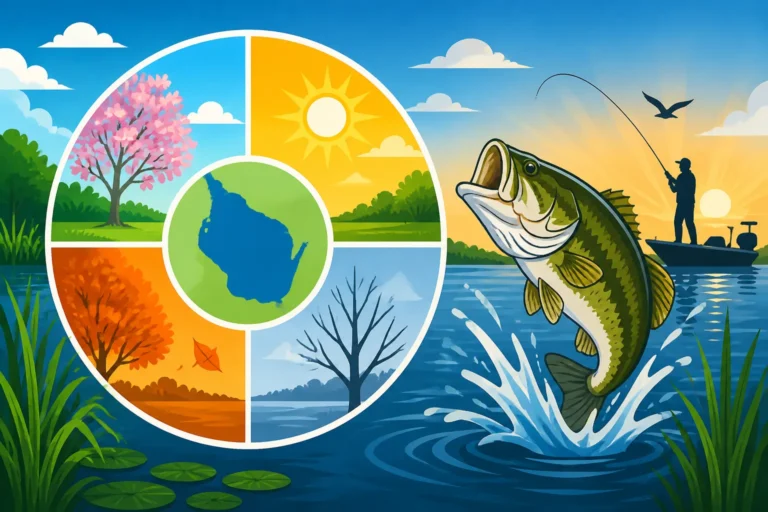
Lake Istokpoga bass behavior changes significantly throughout the year, driven by water temperature and light conditions. Understanding these patterns is key to consistent success, and our overall Best Time of Year to Fish in Florida guide offers broader insights.
-
Winter (December – February): Bass typically move to slightly deeper water or seek out canals and protected areas with more stable temperatures. They become less active, so slow presentations are crucial. Jigs, slow-rolled spinnerbaits, and even live shiners fished under a bobber can be effective. Look for sunny banks where water warms up quickest.
-
Spring (March – May): This is prime spawning season, and bass will move shallower. Target expansive flats with peppergrass or lily pads, and focus on pockets within hydrilla. Topwater baits, soft plastics, and flipping jigs are incredibly effective. This is often the Best Time of Year to Catch a Trophy Bass in Florida. Pay close attention to changes in weather; a cold front can push fish back to deeper edges temporarily.
-
Summer (June – August): The heat pushes bass into denser cover or deeper grass lines during the day. Early mornings and late evenings are still excellent for topwater. Otherwise, heavy flipping and punching into the thickest mats is your best bet during midday. Also, consider fishing around dawn and dusk, or even at night, when the water is cooler. Remember that How Hot Weather Affects Summer Fishing in Florida can make midday fishing tough.
-
Fall (September – November): As temperatures cool, bass become more active and start feeding aggressively, preparing for winter. They can be found in various depths and cover types. This is a great time to experiment with different techniques: crankbaits, spinnerbaits, topwater, and soft plastics can all produce. Look for schooling baitfish, as bass will often be in hot pursuit.
Always keep an eye on the weather forecast. Wind direction and speed significantly impact water clarity and where baitfish are concentrated. A strong north wind can muddy up parts of the lake, making certain areas less productive, while others might clear up.
Navigating and Preparing for a Lake Istokpoga Bass Trip
Getting out on Lake Istokpoga requires a bit of preparation, especially if you're not familiar with its layout.
Boat Access and Navigation Challenges
Lake Istokpoga is well-equipped with public boat ramps, making access fairly straightforward. Popular ramps include:
- Joe Overstreet Road Public Boat Ramp: Located on the north side, this is one of the most popular and easiest access points, offering ample parking and good facilities.
- Istokpoga Park & Campground Boat Ramp: On the western shore, this ramp offers another convenient launch point.
- Highlands Hammock State Park Ramp: While technically part of the park, it provides access to one of the smaller canals leading into the lake.
Once on the water, navigation can be a bit tricky due to the lake's shallow nature and extensive vegetation. It’s critical to:
- Consult a good lake map or use GPS: Navionics or similar apps on your phone or fish finder are invaluable. They show channels, depth contours, and major grass lines.
- Exercise caution in shallow areas: The lake is notorious for sudden shallow spots and submerged hydrilla, which can foul propellers or even damage lower units if you're not careful. Trim up your motor when running in unfamiliar areas.
- Watch for airboat trails: These can sometimes serve as navigation aids, indicating slightly deeper, clear paths through dense grass.
- Stay aware of markers: Look for buoys and channel markers, especially around the main cuts and deeper sections.
Gear and Safety Recommendations
Beyond your fishing rods and reels, a few key items will make your Istokpoga trip safer and more enjoyable.
- Trolling Motor: A powerful trolling motor is essential for navigating the dense vegetation and quietly approaching fishing spots. A shallow-water anchor system (like a Power-Pole or Talon) is also a huge advantage for silently holding your position.
- Reliable Electronics: A good fish finder with GPS and mapping capabilities will help you identify key structures, depth changes, and navigate safely.
- Sun Protection: Florida sun is no joke! Pack plenty of high-SPF sunscreen, wide-brimmed hats, sunglasses, and UV-protective clothing. Dehydration is a real risk, so bring lots of water or sports drinks.
- First Aid Kit: Always a good idea to have on board for minor cuts, scrapes, or hook incidents.
- Fishing License: Don't forget your Florida Fishing License Guide requirements! Make sure your license is current. Penalties for fishing without one can be steep. You'll also want to be familiar with Florida Fishing Regulations and Bag Limits for largemouth bass, which typically involve a protected slot limit to preserve trophy fish.
- Proper Rod and Reel Setup: For bass fishing on Istokpoga, a good medium-heavy to heavy action baitcasting rod with a strong reel (check out our thoughts on Spinning Reel vs Baitcaster for Bass Fishing) spooled with at least 50-65 lb braided line is recommended, especially for punching mats. For lighter presentations, a medium-heavy spinning setup is also useful.
Lake Istokpoga is a fantastic fishery, but it demands respect and preparation. Whether you're a seasoned pro or trying your luck for the first time, understanding its unique characteristics and arming yourself with the right knowledge will dramatically increase your chances of landing that trophy Florida largemouth.
Disclaimer
The information provided in this guide is for general informational purposes only and is subject to change. Always consult the latest regulations and advisories from the Florida Fish and Wildlife Conservation Commission (FWC) before engaging in any fishing activities. Fishing conditions, fish populations, and access points can vary.