Can You Go to Jail for Fishing Without a License in Florida?
It's a common worry that crosses many anglers' minds, especially when you're out enjoying Florida's incredible waterways and suddenly realize you might have forgotten a crucial detail: your fishing license. That nagging thought, "Can I actually go to jail for this?" can really put a damper on your day. Navigating the rules and regulations around fishing licenses in the Sunshine State can feel like a labyrinth, but don't fret. This comprehensive guide is here to clear up the confusion, explain the potential consequences of fishing without a license in Florida, and ensure you understand exactly what's at stake.
Understanding Florida's Fishing License Requirements
Before we dive into the nitty-gritty of penalties, it’s really important to grasp why we even have fishing licenses in Florida and who needs one. It’s not just some bureaucratic hurdle; it’s a fundamental part of keeping our fisheries healthy and thriving for generations to come.
The Basics of Fishing Licenses in Florida
Think of fishing licenses as your personal contribution to conservation. The fees collected from these licenses go directly back into managing Florida's diverse aquatic ecosystems, funding everything from habitat restoration projects to fisheries research and enforcement. It's a system designed to protect the very resources we love to enjoy. So, when you purchase a license, you're not just getting permission to fish; you're actively investing in the future of Florida fishing.
Generally speaking, if you're 16 years of age or older and you plan to harvest fish (meaning you intend to keep them), you're going to need a license. This applies whether you're a seasoned local or an out-of-state visitor hoping to catch some of Florida's legendary game fish. There are, however, some specific exemptions to these rules, which can sometimes lead to confusion. For instance, residents fishing from shore with a valid Florida driver's license might qualify for a Florida Free Shoreline Fishing License for Residents in some saltwater situations, and certain age groups or specific activities might also have different requirements. It really pays to check the Florida Fish and Wildlife Conservation Commission (FWC) guidelines, which are often available in handy booklets you can sometimes find even on platforms like Amazon.
Different Types of Licenses and Their Importance
Florida's waterways are incredibly diverse, offering everything from trophy largemouth bass in freshwater lakes to formidable tarpon in the saltwater flats. To reflect this, the state issues different types of fishing licenses. You'll typically encounter:
- Freshwater Fishing Licenses: These cover all non-saltwater bodies, including lakes, rivers, and canals, which are perfect for targeting species like bass, crappie, and bluegill.
- Saltwater Fishing Licenses: These are for fishing in the Gulf of Mexico, Atlantic Ocean, and all brackish waters like bays and estuaries. This is where you'll chase after snook, redfish, trout, and countless other species.
- Combination Licenses: For those of us who love both freshwater and saltwater angling, a combination license is often the most convenient and cost-effective option, saving you the hassle of buying two separate licenses. You can learn more about the costs in our guide on Florida Fishing License Costs and Fees.
- Special Permits: Beyond the basic licenses, certain species, like snook or lobster, require additional permits. These are critical for managing populations of highly sought-after species and ensure sustainable harvesting. You don't want to accidentally land a snook without the proper endorsement, even if you have a general saltwater license, as that can lead to additional penalties.
Understanding Florida Saltwater vs Freshwater Fishing License differences is key. Many anglers might inadvertently fish in the wrong type of water with the wrong license, which can lead to the same consequences as fishing without one altogether. Before heading out, especially if you're exploring a new area, always double-check the specific requirements for your target species and location. This diligence is your best defense against unintended legal complications.
Legal Consequences of Fishing Without a License
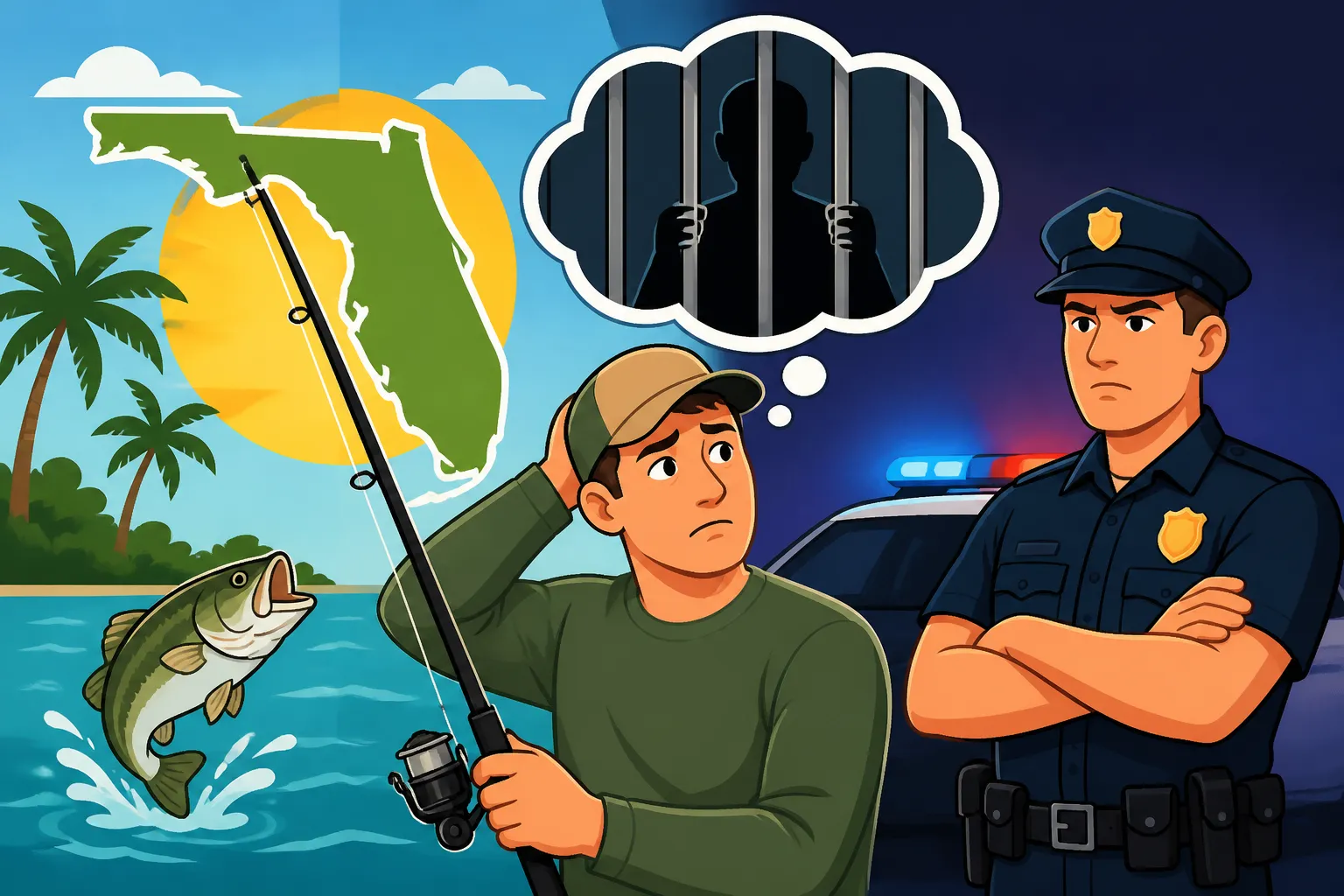
Now, let's get to the question that’s probably been weighing on your mind: Can you actually go to jail for fishing without a license in Florida? The short answer is, yes, it's possible, but it's generally not the first outcome for a simple, first-time offense.
Is It a Criminal Offense?
Fishing without the proper license in Florida is classified as a second-degree misdemeanor. This is a criminal offense, not just a civil infraction. While a second-degree misdemeanor might sound scary, for a first-time violation that involves only the absence of a license and no other serious infractions, you're typically looking at a citation and a fine rather than handcuffs. However, the legal framework does allow for more severe penalties.
A second-degree misdemeanor, by law, can carry a maximum penalty of:
- Up to $500 in fines.
- Up to 60 days in county jail.
Now, let me be clear: FWC officers generally prefer to educate and correct rather than incarcerate, especially for minor, first-time offenses. They're usually dedicated conservationists, not looking to throw every angler into jail. But the possibility of jail time exists, and it becomes a much more realistic threat if there are aggravating circumstances or if you're a repeat offender. It's a warning shot, a reminder of the seriousness with which Florida treats its natural resources. So, while you might not automatically be carted off to jail, ignoring the requirement is a roll of the dice you definitely don't want to take.
Fines and Penalties for First-Time Offenders
For most first-time offenders who are caught fishing without a license and haven't committed any other violations, the immediate consequence is usually a citation. This is essentially a ticket, similar to a traffic ticket. The fine amount can vary by county, but typically, you might expect a base fine of around $50 to $100. However, this base fine is rarely the total cost. You also need to factor in court costs, processing fees, and sometimes a mandatory administrative fee, which can easily double or triple the initial fine.
So, while the base fine might seem manageable, the total out-of-pocket cost can quickly add up to several hundred dollars. Imagine you're on vacation, enjoying a relaxing day of fishing, and then suddenly you're facing a $200-$300 bill just for forgetting a piece of paper. It certainly takes the joy out of the trip! The Florida FWC website, or resources like Florida Fishing License Costs and Fees, often provides breakdowns of these potential expenses.
Example Scenario:
Let's say you're visiting from out-of-state, fishing from a public pier in St. Petersburg, and an FWC officer approaches to check licenses. You genuinely forgot to purchase a Florida Nonresident Fishing License Rules before casting your line. For a first offense, you would likely receive a citation with a fine, perhaps $75, plus an additional $150 in court and processing fees. That's a minimum of $225 for an honest mistake. While inconvenient and costly, it's usually preferable to the alternative.
Escalated Penalties for Repeat Offenders and Aggravating Factors
This is where the "jail" possibility becomes much more real. If you've been caught fishing without a license before, FWC officers and the court system tend to take a much stricter stance. Repeat offenses demonstrate a pattern of disregard for conservation laws, and the penalties will reflect that.
Repeat Offenders:
- A second or subsequent offense for fishing without a license can lead to significantly higher fines, potentially closer to the maximum $500, and a much higher likelihood of spending time in county jail. The judge might feel that previous fines weren't enough of a deterrent.
- They might also impose other consequences, such as confiscation of fishing gear or even temporary suspension of fishing privileges, making it illegal for you to obtain a license for a certain period.
Aggravating Factors:
The situation also escalates dramatically if fishing without a license is combined with other violations. These aggravating factors include:
- Exceeding Bag Limits: If you're caught without a license and you have more fish than the legal limit, or fish that are undersized/oversized, this is a much more serious violation. Our guide on Florida Fishing Regulations and Bag Limits details these crucial rules.
- Fishing in a Closed Area: If you're fishing in an area designated as closed for conservation purposes, or during a closed season (e.g., Florida Snook Closed Season Dates), this compounds the offense.
- Using Illegal Gear: Employing prohibited fishing methods or gear can lead to severe penalties.
- Providing False Information: Lying to an FWC officer or presenting false identification is a serious crime that will absolutely escalate the situation.
- Resisting Arrest or Obstruction: Any attempt to evade an officer or interfere with their duties will turn a minor offense into a much more serious criminal charge, almost certainly leading to arrest and jail time.
Example Scenario:
Imagine you're caught fishing without a license for the third time in two years. This time, you've also kept several undersized redfish, which is a separate violation. In this case, an FWC officer is much more likely to issue an arrest warrant or take you into custody on the spot. You would face not only the increased fine for the license violation but also additional fines and potential jail time for the bag limit infractions. Your fishing gear, including your boat and tackle, could also be seized. This highlights the importance of not just having a license, but also adhering to all Florida Fishing Regulations and Bag Limits.
| Offense Type | Classification | Typical First-Offense Fine (Est.) | Maximum Statutory Fine | Potential Jail Time |
|---|---|---|---|---|
| Fishing Without License (First Offense) | Second-Degree Misdemeanor | $50 – $100 (plus court costs) | $500 | Up to 60 days |
| Fishing Without License (Repeat Offender) | Second-Degree Misdemeanor | $200 – $500 (plus court costs) | $500 | Up to 60 days (more likely) |
| With Aggravating Factors | Can escalate to First-Degree Misdemeanor or Felony | Significantly higher fines ($500+) | $1,000+ | 6 months to several years |
(Note: Fines and penalties are subject to change and vary by jurisdiction and specific circumstances. This table provides general guidance.)
The Reality of Getting Caught Without a License
Nobody wants to encounter law enforcement when they're trying to enjoy a peaceful day on the water. But understanding what to expect and how to respond can make a huge difference in the outcome.
What to Expect from a Florida Fish and Wildlife Conservation Commission FWC Officer Encounter
FWC officers are highly trained law enforcement professionals with jurisdiction over Florida's fish and wildlife resources. They patrol everything from vast offshore waters to secluded freshwater ponds. If an FWC officer approaches you while you're fishing, the most important thing to do is remain calm, polite, and cooperative.
Here's a typical scenario:
- Approach and Identification: An officer, often in uniform and clearly marked vessel or vehicle, will approach and identify themselves. They'll likely ask to see your fishing license and identification.
- License Check: This is where you present your physical or digital license (many states, including Florida, allow digital licenses on your phone via apps like the Florida GoOutdoors App Fishing License). If you don't have one, or if it's expired, this is the point where the conversation will shift.
- Questioning: The officer will likely ask why you don't have a license. Be honest. A simple "I forgot to renew it" or "I wasn't aware I needed one" is much better than trying to fabricate a story. They've heard it all, and dishonesty only creates more problems.
- Inspection: They may also inspect your catch, gear, and bait to ensure compliance with bag limits, size limits, and gear restrictions.
- Outcome:
- Education/Warning: For very minor, borderline cases, or if you're truly just a few minutes from buying one, an officer might issue a warning, especially if you're immediately cooperative and show genuine intent to comply. This is rare for fishing without a license, but not unheard of.
- Citation: This is the most common outcome for a first-time offense. You'll be issued a written ticket outlining the violation and the associated fine. You'll then be directed on how to pay the fine or contest it.
- Arrest: If you're a repeat offender, have multiple violations, resist the officer, or are otherwise uncooperative or disrespectful, an arrest is a distinct possibility. They won't hesitate to take you into custody if the situation warrants it.
Remember, an FWC officer's job is to enforce the law and protect Florida's natural resources. Treating them with respect, even if you're upset or frustrated, will always result in a better interaction.
Avoiding the Trouble: Simple Steps to Stay Compliant
The easiest way to avoid fines, stress, and potential jail time is to simply be prepared. Staying compliant is surprisingly straightforward with a little planning.
- Know Before You Go: Before every fishing trip, especially if you're exploring new waters or a different species, take a few minutes to check the current FWC regulations. This includes understanding Florida Fishing License Age Requirements and Who Needs a Fishing License in Florida.
- Purchase Your License: You can buy a Florida fishing license in several convenient ways:
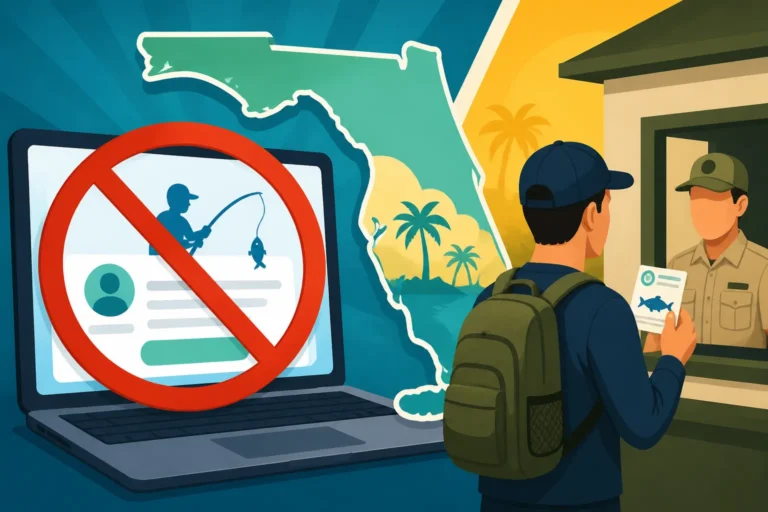
- Online: The FWC's Go Outdoors Florida website is the easiest way to purchase and renew licenses. You can buy a Florida Fishing License Online from the comfort of your home.
- In Person: Many bait and tackle shops, sporting goods stores (like Bass Pro Shops and select Walmart locations), and county tax collector offices sell licenses. Our guide on Where to Buy a Florida Fishing License Near You can help you find a location.
- By Phone: You can also call the FWC customer service line.
- Carry Proof: Always carry your physical license card or have easy access to your digital license on your phone. Keeping a screenshot on your phone is a good backup, but the official app is even better for verification.
- Understand Exemptions: While there are exemptions (like Florida Fishing License Exemptions for certain age groups, disabilities, or specific fishing scenarios like fishing from a licensed pier or a charter boat where the vessel's license covers you), don't assume you're exempt without verifying. If in doubt, buy a license. It's cheaper than a ticket!
- Check Expiration Dates: Licenses aren't forever. They typically expire annually from the date of purchase. Make a note of your expiration date and renew it promptly. The FWC often sends reminders, but it's ultimately your responsibility. You can find out When Florida Fishing Licenses Expire.
By making these simple checks part of your routine, you can enjoy Florida's fantastic fishing knowing you're fully compliant and contributing to the conservation efforts that keep our waters teeming with life.
What to Do If You've Received a Citation
So, you've been issued a citation for fishing without a license. It’s a frustrating moment, but how you handle it next can significantly impact the final outcome.
Understanding Your Options: Paying the Fine vs. Contesting It
Once you have a citation in hand, you generally have two main paths:
-
Pay the Fine: This is the most common and often the simplest route, especially for a clear-cut first-time offense where you genuinely didn't have a license. The citation will clearly state the fine amount, court costs, and instructions on how and by when to pay. Many counties allow online payment. By paying the fine, you are effectively admitting guilt to the second-degree misdemeanor. While it means a mark on your record, it closes the case quickly and avoids the need for a court appearance.
- Pros: Simple, avoids court, typically no further action needed.
- Cons: Still a criminal offense on your record (though minor), financial cost.
-
Contest the Citation: If you believe you were wrongly cited, that you did have a valid license, or that there was a misunderstanding of the law, you have the right to contest the citation in court.
- Pros: Opportunity to explain your side, possibility of having the charges dismissed.
- Cons: Requires a court appearance, potentially legal fees if you hire an attorney, no guarantee of a favorable outcome, and if you lose, you still pay the fine and possibly additional court costs.
When to consider contesting:
- You had a valid license but couldn't produce it at the time (e.g., it was in your tackle box in the car, and the officer didn't allow you to retrieve it, or your digital license app wasn't working). In such cases, if you can later provide proof of a valid license at the time of the incident, the charge might be dropped or reduced.
- You were genuinely exempt from needing a license (e.g., fishing on a pier with a valid pier license, during a Florida Free Fishing Day, or within specific Florida Fishing License Exemptions).
- There was a clear factual error in the citation.
Before deciding to contest, gather all your evidence and consider the time and effort involved. Sometimes, paying the fine, despite the frustration, is the more pragmatic choice for a minor first offense.
The Importance of Legal Counsel in Complex Cases
While a simple fishing without a license citation for a first-time offender might not usually warrant hiring an attorney, there are definitely situations where legal counsel becomes highly advisable, if not essential.
- Repeat Offenses: If this isn't your first rodeo, and you're facing escalated penalties, a lawyer can help navigate the court system, potentially negotiate with the prosecutor, and argue for leniency or alternative solutions to jail time. They understand the nuances of the law and can present your case in the best possible light.
- Aggravating Factors: If your citation includes additional, more serious charges like exceeding bag limits, fishing in closed areas, or using illegal gear, you are dealing with a much more significant legal challenge. These offenses carry higher fines and a greater risk of jail time. An attorney can help you understand the charges, protect your rights, and build a defense.
- Confiscated Property: If your boat, vehicle, or expensive fishing gear was seized by FWC, a lawyer can assist in the process of attempting to recover your property.
- Unclear Circumstances: If you feel the officer's account was inaccurate, or if there were unusual circumstances surrounding the incident, a lawyer can help investigate and present a clearer picture to the court.
Even for simpler cases, some people prefer to consult with an attorney just for peace of mind or to fully understand the implications of a misdemeanor charge on their record. While it's an added expense, the cost of legal advice can be far less than the consequences of mismanaging a serious legal issue. Knowing What Happens If You Fish Without a License in these escalated scenarios can truly underline the value of professional help.
In Florida, fishing is more than a hobby; it’s a way of life. But with that privilege comes the responsibility to adhere to the rules designed to protect our precious resources. While a simple forgotten license might not land you in jail for a first offense, it is a criminal misdemeanor, and the financial penalties can be a real sting. Worse, repeat offenses or combining the lack of a license with other serious violations can absolutely lead to arrest and jail time. So, do yourself, and Florida's future fisheries, a favor: always check your license, know the rules, and fish responsibly.
Disclaimer
Please note that this article provides general information and guidance regarding Florida fishing license requirements and penalties. Fishing regulations, laws, and associated fines can change. Always consult the official Florida Fish and Wildlife Conservation Commission (FWC) website or contact FWC directly for the most current and accurate information before fishing. This content is not intended as legal advice. If you receive a citation or face legal action, seeking advice from a qualified legal professional is highly recommended.