Best Guides for Fly Fishing the Flats
Trying to find that perfect guide for fly fishing the flats in Florida can feel like searching for a needle in a haystack, especially when you're looking for someone who truly understands the subtle art of sight-fishing for wary shallow-water species. It's not just about finding someone with a boat, it's about connecting with an expert who can put you on fish, teach you a thing or two, and make your time on the water truly unforgettable. This guide will walk you through exactly what to look for and how to secure the best guides for an incredible flats fly fishing experience.
Understanding Fly Fishing the Flats in Florida
Fly fishing the flats in Florida is a truly unique and exhilarating experience. It’s an art form, a dance between angler and nature, where patience, precision, and stealth are paramount. Unlike offshore fishing where you might be blind-casting, flats fishing is primarily sight-fishing – spotting your target before you even cast a line. This shallow-water pursuit, often in just inches to a few feet of water, takes place in the pristine, expansive grass flats and sandy bottoms that Florida is famous for, especially in areas like the Florida Keys, Biscayne Bay, and the vast Indian River Lagoon.
The Allure of the Flats for Fly Anglers
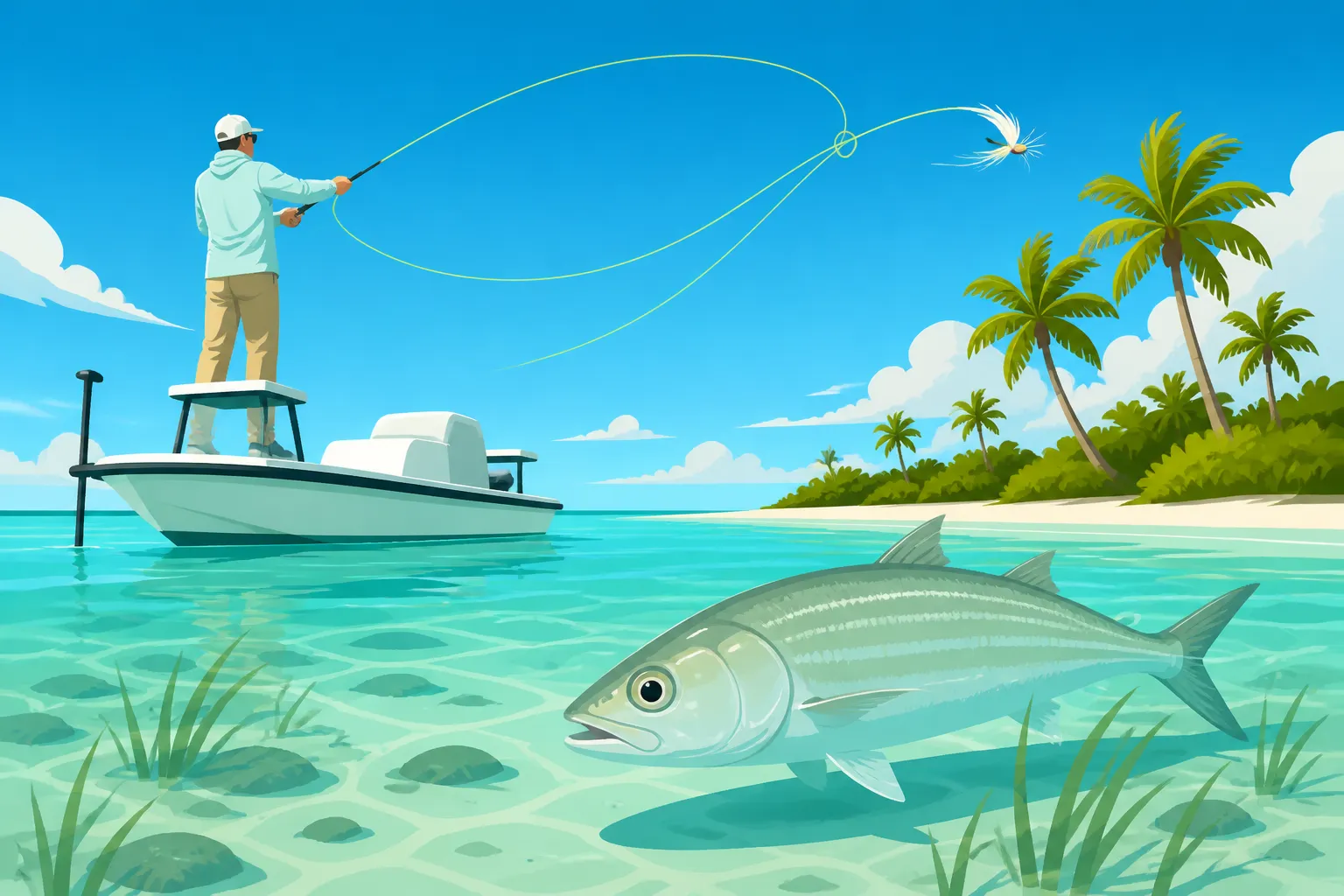
What draws so many fly anglers to these shallow, sun-drenched waters? It's the challenge, pure and simple. Imagine poling silently across crystal-clear water, scanning for the subtle signs of a tailing redfish, the nervous wake of a cruising snook, or the tell-tale "shadow" of a bonefish. When you spot them, the adrenaline surge is immediate. You then have to make a precise cast, often into a stiff breeze, without spooking your target. It's a game of inches and timing, and when it all comes together, it's incredibly rewarding. The visual aspect of the hunt is a huge part of the appeal, turning every trip into a strategic quest. It's a world away from simply dropping a line; it's a deep engagement with the ecosystem and its inhabitants.
Primary Target Species on Florida Flats
The flats of Florida are a veritable buffet for fly anglers, hosting a diverse range of prized sportfish. Each species presents its own unique challenges and thrills.
- Tarpon: Often called the "Silver King," these magnificent fish are the ultimate prize for many fly anglers. Their acrobatic jumps and powerful runs test every piece of your tackle and every ounce of your skill. Fly Fishing for Florida Tarpon is a whole different ballgame, requiring heavy rods and strong nerves. Targeting them usually happens during their migration season.
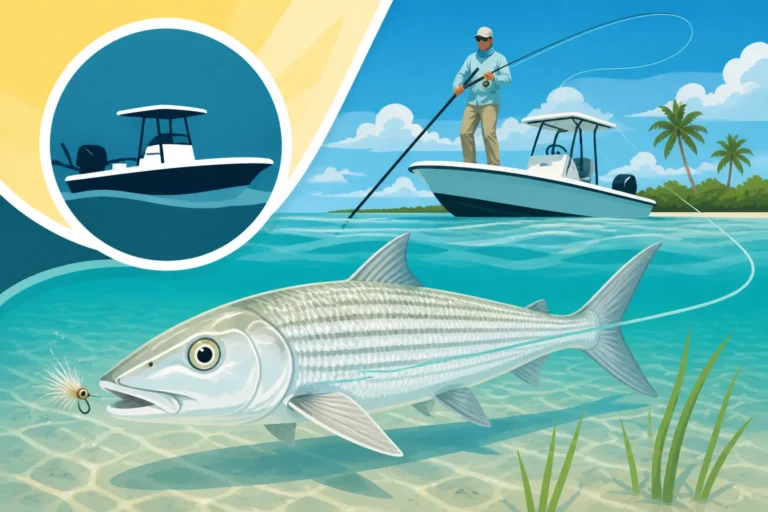
- Bonefish: Known as "ghosts of the flats," bonefish are incredibly wary and fast. Spotting them against the bottom is a skill in itself, and a precise, delicate presentation is crucial. When hooked, they peel line off your reel with astounding speed. Anglers often travel specifically for Fly Fishing for Florida Bonefish.
- Redfish: These bronze-colored beauties are aggressive eaters and a favorite target. They often "tail" in shallow water, head-down, rooting for crustaceans, making them a visible and exciting target. A well-placed fly near a tailing redfish usually results in an explosive strike. You can find more details on Florida Redfish Fishing Guide.
- Snook: A true brawler, snook are powerful fish that love structure and ambush prey. While often found near mangroves or dock lights, they also cruise the edges of flats, offering incredible sight-fishing opportunities. Their strong runs and headshakes make them a formidable opponent on a fly rod. Learn more about Florida Snook Fishing Guide.
These species, among others, contribute to the vibrant ecosystem of the flats and make every outing an adventure.
Qualities of an Exceptional Flats Fly Fishing Guide
Finding a truly exceptional flats fly fishing guide is crucial for a successful and enjoyable trip. It's not just about knowing where the fish are; it's about possessing a rare blend of skills, knowledge, and personality that elevates the entire experience. A great guide can turn a slow day into a learning opportunity and a good day into an unforgettable one.
Deep Local Knowledge and Experience
The best guides are essentially living encyclopedias of their local waters. They have spent countless hours poling, observing, and understanding the intricate rhythms of the flats.
- Understanding Tides and Weather Patterns: Florida's tides, currents, and constantly shifting weather play a huge role in fish behavior. A top guide knows how to read these conditions and anticipate where fish will be, whether it's an incoming tide flooding a particular flat or a sudden cold front pushing fish into deeper channels. They can tell you exactly What Tide Is Best for Snook Fishing or how a specific moon phase might affect tarpon movements. This isn't something you can learn from a map; it comes from years of direct observation.
- Identifying Productive Flats and Fish Behavior: Beyond just knowing "spots," a great guide understands why certain flats are productive at different times. They can identify subtle changes in the bottom, grass density, and water clarity that indicate fish presence. More importantly, they understand the nuances of fish behavior – how they react to different light conditions, boat noise, or even the shadows of passing clouds. For instance, in areas like Best Flats Around Islamorada for Sight Fishing, a guide's knowledge of specific muds or potholes can be the difference between seeing fish and catching them.
Expert Casting and Teaching Abilities
A flats guide isn't just there to drive the boat; they are your mentor and coach on the water. Many anglers come to the flats to hone their fly casting skills, and a guide who can effectively teach is invaluable.
- Diagnosing Casting Issues and Offering Solutions: Even experienced fly casters can struggle with the unique demands of flats fishing, particularly in windy conditions or when trying to make quick, accurate shots to moving targets. An excellent guide can quickly observe your casting mechanics, diagnose any issues, and offer concise, actionable advice to improve your accuracy and efficiency. They won't just say "cast farther"; they'll explain how to achieve it.
- Patient and Encouraging Demeanor: Fly fishing on the flats can be frustrating. You might make dozens of perfect casts without a take, or blow several shots at trophy fish. A truly great guide maintains a positive, patient, and encouraging attitude, even when things are tough. They understand the mental game of fly fishing and help keep your spirits high, fostering a supportive environment that enhances the learning process.
Top-Notch Equipment and Boat Handling
While the guide's expertise is paramount, having the right tools for the job is equally important. A professional operation reflects respect for the craft and the client.
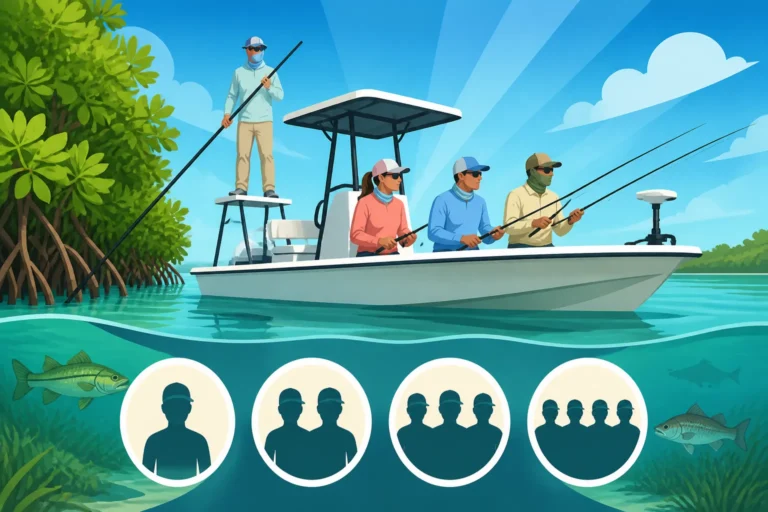
- Well-Maintained Skiff and Quality Gear: The ideal flats boat is a shallow-drafting skiff, designed for silent poling and easy access to skinny water. A top guide will have a boat that is clean, well-maintained, and perfectly suited for the specific flats they fish. They'll also provide high-quality fly rods, reels, and lines, properly spooled and rigged for the target species. This includes a range of weights, from lighter setups for bonefish to heavier gear for tarpon. It also means they are prepared with a variety of proven flies, leader materials, and tippets to match the conditions.
- Stealthy Poling and Positioning: The hallmark of an exceptional flats guide is their ability to pole the skiff silently and efficiently, positioning the boat so you have the best possible casting angle without spooking the fish. This requires incredible balance, strength, and a deep understanding of wind and current. They can anticipate fish movements and put you in a prime position for a shot, often before you even realize a fish is there. This stealth is critical, as fish on the flats are highly sensitive to noise and vibration.
Finding and Booking Your Ideal Flats Fly Fishing Guide
Once you understand what makes a great flats fly fishing guide, the next step is actually finding and booking them. This requires a bit of research and knowing what questions to ask to ensure you're getting the right match for your trip.
Researching Potential Guides
The internet has made it easier than ever to find guides, but not all sources are created equal. You want to dig deeper than just a basic listing.
- Online Platforms and Directories: Websites like FishingBooker are excellent resources, offering profiles of numerous guides, often with customer reviews, photos, and information about their boats and target species. These platforms can be a good starting point to narrow down options in specific regions, such as the Florida Keys, the Everglades, or the Panhandle. Beyond these, specific guide associations for fly fishing, or even local fly shops, often maintain lists of reputable guides. Don't be afraid to read through multiple reviews to get a comprehensive picture of a guide's strengths.
- Word-of-Mouth Referrals: Personal recommendations are gold in the world of fishing guides. Talk to fellow anglers, ask at local tackle shops, or join online fishing forums dedicated to Florida fly fishing. Someone who has had a fantastic experience is usually eager to share their guide's contact information. These firsthand accounts can provide insights into a guide's personality, teaching style, and ability to handle different fishing conditions – details you might not find in an online profile.
Key Questions to Ask When Contacting a Guide
Before you commit, have a list of questions ready. This conversation is your chance to assess if a guide is the right fit for your expectations and skill level.
- Experience with Fly Anglers and Target Species: Always ask about their specific experience guiding fly anglers. Some guides are phenomenal spin fishermen but less experienced with the unique demands of fly casting and presentation. Clarify which species they specialize in for fly fishing. For example, if your dream is to catch a tarpon on the fly, make sure they have a strong track record as a Florida Tarpon Fishing Guide. Ask about how many years they've been guiding in the area and their approach to different skill levels, from beginner to advanced.
- Inclusions, Pricing, and Policies: Transparency is key. Understand what's included in the charter price. Does it cover flies, leaders, tippets, and the use of their rods and reels? What about drinks, snacks, or lunch? Discuss the Florida Flats Fishing Guide Rates upfront to avoid surprises. Inquire about their cancellation policy, especially regarding weather. It's also a good idea to ask about their policy on catch and release versus keeping fish, and if fish cleaning is part of the service.
- Approach to Guiding and Client Expectations: This is where you get a feel for their personality and guiding philosophy. Do they focus purely on numbers, or are they keen on teaching and improving your skills? Are they patient with beginners? What do they expect from you as an angler? This conversation helps manage expectations on both sides and ensures you're looking for a similar experience. Some anglers prioritize a guide who offers quiet instruction, while others want a more hands-off approach. How to Choose a Florida Fishing Guide emphasizes considering these personal preferences.
Booking Considerations and Best Practices
Once you've found your ideal guide, smart booking practices will ensure a smooth trip.
- Booking in Advance: Especially for peak seasons (like spring tarpon season) or highly sought-after guides, booking well in advance is essential. Popular guides often have their calendars filled months, or even a year, ahead of time. This is particularly true if you are looking for specific dates, such as during the Best Season to Book a Tarpon Charter in Florida.
- Communication is Key: Before and after booking, maintain clear communication with your guide. Confirm details closer to your trip date, and don't hesitate to ask any last-minute questions. Inform them of any specific physical limitations, dietary needs, or preferences you might have. Platforms like FishingBooker often facilitate this communication, providing messaging tools between anglers and guides.
- Deposits and Payment: Most guides require a deposit to secure your booking. Understand the terms of this deposit, including if it's refundable under certain circumstances. Clarify the preferred payment method for the balance (cash, check, credit card). Remember to budget for a tip, as Tipping Etiquette for Florida Fishing Guides suggests it's customary to show appreciation for a guide's hard work.
Preparing for Your Flats Fly Fishing Trip with a Guide
You've done your research, booked an awesome guide, and now the trip is approaching! Proper preparation on your part can significantly enhance your experience and even increase your chances of success on the water.
Essential Gear to Bring
While your guide will likely provide rods, reels, and flies, there are crucial personal items you should always bring to be comfortable and protected.
- Appropriate Clothing and Sun Protection: Florida sun is no joke, especially on the glaring flats. Think light-colored, long-sleeved fishing shirts made from moisture-wicking materials, sun gloves, a wide-brimmed hat, and polarized sunglasses. Polarized sunglasses are absolutely non-negotiable for flats fishing; they allow you to see fish under the water's surface. Also, bring a buff or neck gaiter to protect your face and neck. Don't forget high-SPF, reef-safe sunscreen. Protecting yourself from the elements means you can focus on the fishing without discomfort.
- Personal Comfort Items: Staying hydrated is key, so bring a reusable water bottle. While many guides provide some drinks, having your preferred beverages and snacks can make a long day more enjoyable. If you're prone to seasickness, take preventative measures before you even step on the boat. A camera is a great idea to capture memories, but ensure it's waterproof or kept in a dry bag. Check out our comprehensive list on What to Bring on a Florida Fishing Charter for more detailed recommendations.
Physical and Mental Readiness
Flats fly fishing, while often serene, can also be physically demanding and mentally challenging. Being ready for both will make a difference.
- Casting Practice Beforehand: Even if you're an experienced caster, a little practice before your trip can make a huge difference. Focus on quick, accurate casts at various distances (20-60 feet) and practice handling a bit of wind. Being able to deliver a fly quickly and precisely when a fish pops up unexpectedly will greatly increase your hook-up opportunities. If you feel rusty, don't be afraid to let your guide know; they can often offer pointers.
- Patience and Openness to Instruction: Flats fishing demands immense patience. Fish can be spooky, tides can be slow, and perfect shots are often fleeting. Go into the trip with an open mind, ready to learn, and understanding that success isn't always measured by the number of fish caught, but by the experience itself. Listen carefully to your guide's instructions – they've seen it all and know what works best in their specific waters. Sometimes, simply standing quietly and observing with your guide can be as rewarding as a hundred casts. They know the habits of a Florida Bonefish Fishing Guide better than anyone.
On the Water Etiquette
Good etiquette is about showing respect for your guide, the environment, and the fishery.
- Respecting the Guide's Expertise and Equipment: Your guide is a professional. Listen to their advice, follow their instructions, and handle their equipment with care. They're working hard to put you on fish and ensure your safety. If you bring your own gear, make sure it's appropriate for the conditions and the species you'll be targeting.
- Minimizing Noise and Movement: This is paramount on the flats. Fish are incredibly sensitive to noise and vibrations. Walk softly in the boat, avoid slamming hatches, and speak in low tones. Quick, jerky movements can also send fish fleeing. Your guide will likely offer gentle reminders, but being mindful of your presence will always pay off. Remember, stealth is your biggest ally when hunting the "ghosts of the flats" or wary redfish in inches of water.
| Aspect of Guide Quality | Description | Why it Matters for Fly Fishing the Flats |
|---|---|---|
| Local Knowledge | Deep understanding of tides, currents, fish behavior, and specific productive spots. | Essential for consistently finding wary shallow-water fish and adapting to changing conditions. |
| Experience | Years spent specifically guiding fly anglers in the flats environment. | Ensures the guide understands the unique challenges of fly casting, presentation, and fish fighting on light tackle. |
| Teaching Skills | Ability to clearly explain casting techniques, fish identification, and flats etiquette. | Crucial for improving your own skills, especially for intricate casts or understanding subtle fish movements. |
| Patience & Demeanor | Calm, encouraging, and positive attitude, even during slow fishing or missed opportunities. | Makes the experience enjoyable and reduces frustration, fostering a better learning environment. |
| Equipment Quality | Well-maintained, shallow-drafting skiff and high-quality fly rods, reels, lines, and flies. | Ensures reliable gear, access to prime fishing areas, and appropriate tackle for target species. |
| Boat Handling/Poling | Skillful, silent maneuvering of the skiff to position the angler for optimal casts without spooking fish. | Direct impact on casting opportunities and the ability to get close to wary fish. |
Disclaimer
This article is for general informational purposes only and does not constitute professional advice. Laws, prices and regulations vary by location and change over time. Consult a qualified professional for guidance on your specific situation.