Cost of a Peacock Bass Guide in Miami
Thinking about booking a peacock bass guide in Miami can feel a bit like trying to solve a puzzle, especially when you’re just trying to figure out what it's actually going to cost you. You see all these amazing photos of vibrant peacock bass, but the price tag for getting on the water with a local expert often remains elusive until you're deep into a booking conversation. This guide is here to pull back the curtain, explaining what truly goes into the pricing of a Miami peacock bass guide and how you can plan your budget effectively for an unforgettable fishing trip.
Understanding What Influences Peacock Bass Guide Costs in Miami
When you’re looking to reel in some of those beautiful, hard-fighting peacock bass in Miami, the cost of a guide isn’t just a random number plucked from the air. It’s a reflection of several key factors, all contributing to the overall value and experience you’re going to receive. Understanding these elements can help you make an informed decision and ensure you’re getting the most bang for your buck on your South Florida fishing adventure.
Trip Duration and Type
One of the most immediate factors affecting the cost of a peacock bass guide is how long you plan to be out on the water. Just like most things in life, more time generally means a higher price. Guides typically offer a few standard options to cater to different schedules and fishing goals.
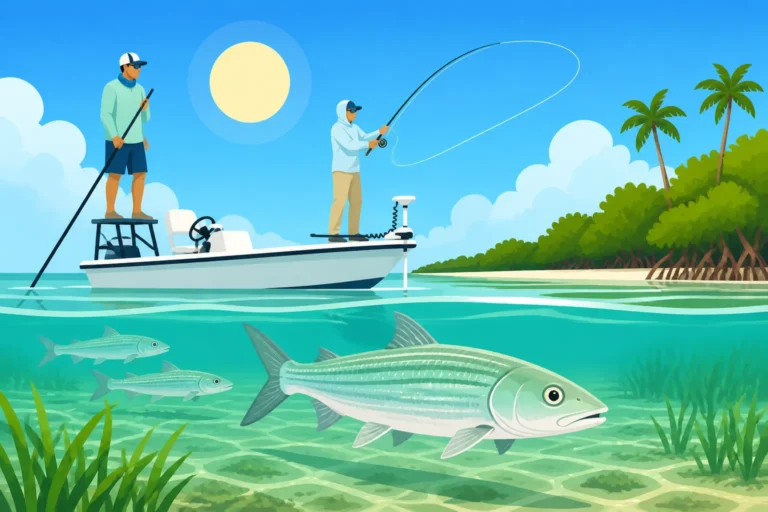
Most commonly, you’ll find half-day and full-day trips. A half-day trip, usually lasting around four hours, is often the more budget-friendly option and can be perfect if you're new to peacock bass fishing, have limited time, or simply want a taste of the action without committing to a full day under the Florida sun. It gives you enough time to get comfortable with the gear, learn some basic techniques, and hopefully land a few fish. On the other hand, a full-day trip, which can range from six to eight hours, provides a much more immersive experience. This extended time allows the guide to explore more locations, adapt to changing conditions, and gives you ample opportunity to hone your skills and target those trophy-sized peacocks. Imagine you're out there, and the bite suddenly turns on in the afternoon; having that extra time can make all the difference between a good day and an epic one. Some guides might even offer specialized trips, like targeting peacock bass with fly fishing gear, which could have a slightly different pricing structure due to the specialized equipment and expertise required.
Inclusions and Exclusions
Another significant aspect of the guide's cost revolves around what is—and isn't—included in the base price. It's crucial to clarify this upfront to avoid any surprises when you're ready to head out. Many guides will include essential items like quality rods, reels, and a selection of lures or live bait (often shiners, which peacock bass absolutely love). They might also provide bottled water and some light snacks to keep you hydrated and energized throughout your trip.
However, some guides might price their services more à la carte, meaning certain items like live bait could be an additional charge. While charter boats typically cover the required fishing licenses for everyone on board, it’s always a good idea to confirm if your specific peacock bass guide service includes this, especially if they operate a smaller vessel or if you're fishing from shore or a kayak. You might also want to inquire about fish cleaning services if you plan on keeping any of your catch (though peacock bass are often released due to their sport-fishing value and sometimes for taste preferences, it's good to know the options). Some guides might happily clean your fish for a small fee, while others might not offer the service at all. Being clear about these details ensures you know exactly what you’re paying for and what you might need to bring or budget for separately.
Guide Experience and Reputation
Just like in any profession, the experience and reputation of your peacock bass guide play a considerable role in their rates. A highly sought-after guide with decades of experience navigating Miami's intricate canal systems and a consistent track record of putting clients on big fish will naturally command a higher price than a newer guide just starting out. These veteran guides have an intimate knowledge of the local waterways, understanding seasonal patterns, water levels, and the subtle nuances that make all the difference in a successful peacock bass trip.
Their expertise isn’t just about finding fish; it’s about providing an educational and enjoyable experience, teaching you valuable techniques, and sharing local insights. When you're browsing platforms like FishingBooker, you'll often see guides with extensive reviews and glowing testimonials, which are a strong indicator of their value. While a newer guide might offer a more attractive price point, a more experienced one often provides a higher probability of success and a richer overall experience, especially when targeting a specific species like the peacock bass. It’s a bit like choosing between a new artist and a seasoned master – both can be good, but the master often brings a level of polish and reliability that comes with years of dedicated practice.
Typical Cost Structures and What to Expect
Now that we’ve looked at what influences the price, let’s talk about the practical side of what you can generally expect when it comes to the cost structures for peacock bass guides in Miami. It's not always a flat fee, and understanding the common breakdowns can help you budget realistically and choose the best option for your group and goals.
Half-Day vs. Full-Day Rates
As mentioned, the duration of your trip is often the primary driver of the base cost. Half-day trips are typically more affordable, offering a concentrated burst of fishing action. These shorter trips are often chosen by anglers who might be in Miami for other reasons and want to squeeze in some fishing, or by families with younger children who might not have the stamina for a full day. Think of it as a solid introduction to peacock bass fishing, giving you a chance to catch a few without committing an entire day.
Full-day trips, while a higher investment upfront, often provide better value per hour of fishing. With more time, a guide can take you to multiple spots, adapt to changing weather or fish behavior, and give you more opportunities to land that bucket-list peacock. If you're serious about trophy hunting or want to maximize your learning experience, a full-day excursion is usually the way to go. Imagine starting in one canal system and, if the bite is slow, being able to relocate to another entirely different network of waterways to find more active fish – that flexibility is a huge advantage of a full-day trip. It allows for a more relaxed pace and a more comprehensive exploration of Miami’s unique urban fishery, increasing your chances of success.
Group Size and Boat Capacity
Most peacock bass guides in Miami operate smaller vessels, often flats boats or bass boats, designed for navigating the narrow canals and shallow waters where these fish thrive. Because of this, their base rates are typically set for one or two anglers. If you're planning a trip with a larger group, say three or four people, you'll often encounter an additional angler fee for each person beyond the initial one or two.
It’s important to clarify the maximum capacity of the guide's boat and any associated costs for extra people when you book. While some guides can accommodate up to four anglers, especially if they have a larger bay boat, space can be tighter, and the fishing experience might be a bit more crowded. For optimal comfort and casting room, especially when targeting such an aggressive species, many seasoned anglers prefer to keep groups small. If you're a family of four with two adults and two kids, you might find a guide who can accommodate everyone, but expect the price to reflect the increased number of passengers and potentially additional gear needed. Always be upfront about your group size when inquiring about costs.
Seasonal Fluctuations and Demand
The demand for peacock bass guides in Miami isn't constant throughout the year, and these fluctuations can impact pricing. The cooler months, generally from late fall through spring, are considered peak season for peacock bass fishing. During this time, the weather is more comfortable for anglers, and the peacock bass are often more active and easier to locate as they become more aggressive feeders. Naturally, with higher demand comes potentially higher prices, and guides' calendars tend to fill up quickly.
Conversely, during the warmer summer months, you might find slightly lower rates or more availability. While the fishing can still be excellent, the heat and humidity can be intense, and the fish might be found in different patterns, often seeking deeper, cooler water. Weekends and holidays almost always see higher demand compared to weekdays, so if you have flexibility in your schedule, opting for a weekday trip during the off-peak season could be a way to find slightly better rates. Planning ahead and booking well in advance, especially for prime dates, is always a smart move to secure your preferred guide and avoid any last-minute rush or surge pricing. This can be especially important if you’re trying to coordinate a trip during Florida's peak tourist season.
| Trip Type | Typical Duration | Best For | Typical Inclusions | Potential Additional Costs |
|---|---|---|---|---|
| Half-Day | 4-5 hours | Beginners, short trips, families | Rods, reels, basic tackle, water | Live bait, fish cleaning, extra anglers |
| Full-Day | 6-8 hours | Serious anglers, trophy hunting, learning | Rods, reels, extensive tackle, water | Live bait, fish cleaning, extra anglers |
Maximizing Value and Finding the Right Miami Peacock Bass Guide
Finding the perfect peacock bass guide in Miami isn't just about the price; it's about securing an experience that meets your expectations and delivers on the promise of incredible fishing. There are smart ways to approach your search that ensure you're getting excellent value for your investment.
Researching and Booking Your Guide
The first step in maximizing value is thorough research. Don't just pick the first guide you find. Platforms like FishingBooker are fantastic resources because they allow you to compare multiple guides, read detailed descriptions of their services, and, most importantly, pore over reviews from past clients. These reviews offer invaluable insights into a guide's personality, fishing success rates, and overall professionalism. A guide might offer a fantastic rate, but if their reviews consistently mention a lack of patience or poor communication, it might not be the right fit for you. Take your time to read between the lines.
When you've narrowed down your choices, don't hesitate to reach out to potential guides directly with questions. Inquire about their typical fishing spots, their preferred techniques for peacock bass (lures vs. live bait), and what they recommend you bring. A good guide will be happy to answer all your questions and help you feel prepared. Remember, a successful trip starts with good communication and a clear understanding of what to expect. You want to make sure the guide’s approach aligns with your fishing style and goals. If you're a fly fishing enthusiast, for instance, you'll want to ensure the guide specializes in fly fishing for Florida peacock bass or at least is well-versed in it. This level of detail ensures there are no surprises on the day of your trip. Consider looking at How to Choose a Florida Fishing Guide and How to Find a Reputable Fishing Guide in Florida for more comprehensive advice.
Understanding Tipping Etiquette
After a great day on the water, showing your appreciation for your guide’s hard work and expertise is customary. Tipping is a significant part of a fishing guide's income and reflects the quality of service you received. While there's no strict rule, a general guideline for tipping a fishing guide is typically around 15-20% of the total trip cost. This amount can be adjusted based on your experience – if your guide went above and beyond, worked tirelessly to find fish, was incredibly patient, or provided exceptional instruction, a more generous tip is always appreciated.
Even if the fish aren't biting as well as you hoped, remember that fishing can be unpredictable. If your guide put in a full effort, communicated well, and made the experience enjoyable despite slow fishing, a good tip is still warranted. They can't control the fish, but they can control their attitude and effort. Always factor this into your overall budget when planning your trip. It's a small gesture that goes a long way in acknowledging their dedication. For a more detailed breakdown, check out Tipping Etiquette for Florida Fishing Guides.
What to Bring for Your Trip
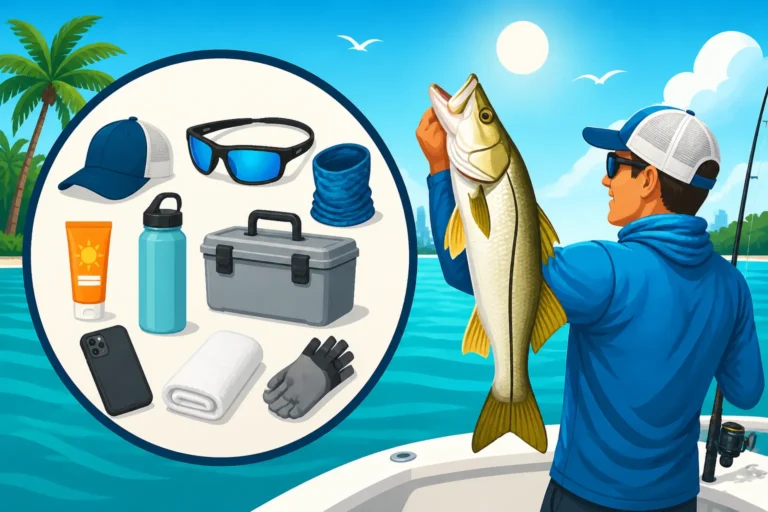
While most guides provide the essential fishing gear, knowing what to bring yourself can significantly enhance your comfort and enjoyment, regardless of the guide's cost. Essential items include polarized sunglasses, which are crucial for spotting fish in the clear canal waters, and a good hat to protect you from the intense Florida sun. Sunscreen is a must, and long-sleeved, breathable clothing can provide extra protection.
Don't forget to bring your camera to capture those vibrant peacock bass and the unique urban landscape you'll be fishing in. While guides often provide water, bringing additional drinks or snacks tailored to your preferences is a good idea, especially on a full-day trip. If you have a particular lucky lure or specific fly you want to try, ask your guide if it's appropriate for the target species and conditions. Being well-prepared allows you to focus entirely on the fishing experience rather than worrying about discomfort. Always consult your guide before your trip for their specific recommendations on What to Bring on a Florida Fishing Charter.
Beyond the Base Cost: Other Considerations for Your Miami Fishing Adventure
The upfront cost of a guide is just one piece of the puzzle. To truly understand the value and prepare for your Miami peacock bass adventure, it’s important to think about the broader picture, including the unique aspects of this specific fishery and planning for unforeseen circumstances.
The Value of Local Expertise for Peacock Bass
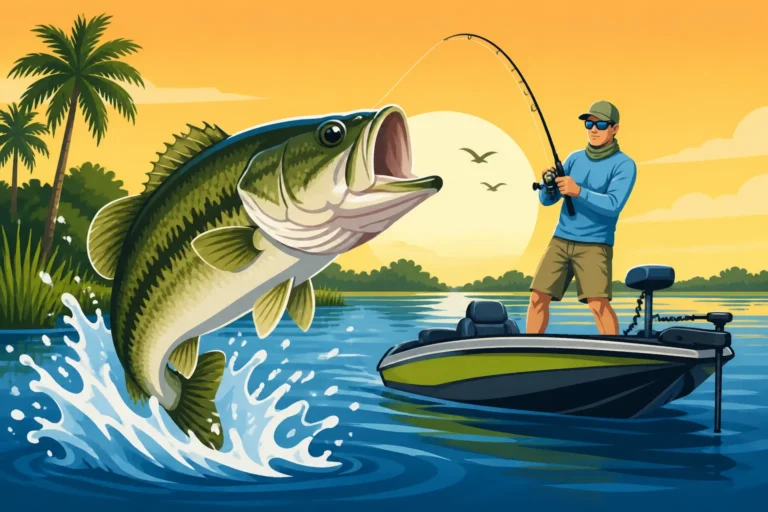
Miami's peacock bass fishery is truly one-of-a-kind. These beautiful, hard-fighting fish thrive in the vast network of freshwater canals that crisscross the metropolitan area. Unlike open natural lakes or ocean environments, navigating these urban waterways and consistently finding active peacock bass requires a very specific, hyper-local knowledge base. This is where the true value of a dedicated guide comes into play, transcending the simple hourly rate.
A knowledgeable Miami peacock bass guide knows which canals are holding fish at different times of the year, understands the impact of water levels and clarity, and can pinpoint key structures like culverts, bridges, and submerged vegetation where these fish like to ambush their prey. They've spent countless hours mapping these intricate systems in their minds, identifying the Best Canals in Miami for Peacock Bass. This isn't information you can easily gather from a map or a quick online search. Their expertise significantly increases your chances of success, turning what could be a frustrating day of searching into a productive day of catching. They know Where to Catch Peacock Bass in South Florida and how to approach them without spooking them. When you consider the unique challenge and reward of targeting a non-native, yet incredibly popular, game fish like the Florida Peacock Bass Fishing Guide, that local insight becomes priceless.
Permits and Licenses
One of the convenient aspects of booking a guided fishing trip in Florida is that recreational fishing licenses for everyone on board are typically covered by the charter or guide's commercial license. This means you usually don't need to purchase a separate personal license to fish for peacock bass when you’re with a registered guide. This is a huge relief for many anglers, especially out-of-state visitors, as it simplifies the planning process and saves you a bit of money.
However, it’s always a good practice to confirm this detail with your guide when you book. While this is the standard for most charters, it never hurts to double-check. Understanding the rules ensures you're fishing legally and can fully enjoy your time on the water without any worries. You might find it useful to read about Do You Need Your Own License for a Florida Charter? to understand the general rules. Specific permits like a Florida Snook Permit Requirements or Florida Lobster Permit Requirements are generally not relevant for peacock bass but demonstrate that Florida has various regulations for different species, so clarification is always wise.
Planning for the Unexpected
Even with the best planning, Mother Nature in Florida can be unpredictable. Pop-up thunderstorms, sudden cold fronts, or other weather events can impact your fishing trip. This is why understanding your guide's cancellation and refund policy is absolutely critical before you commit to a booking. Reputable guides will have clear policies regarding weather cancellations, typically offering to reschedule your trip or provide a full refund if conditions are unsafe or unfavorable.
It's important to differentiate between genuinely unfishable weather (like lightning storms or torrential downpours) and simply less-than-ideal conditions (like light rain or a cloudy day). Most guides will still run trips in light rain, as fish often bite well under those conditions. A good guide will communicate clearly with you leading up to the trip if there's any concern about the weather. Having this clarity beforehand ensures that if something unexpected does happen, you're not left in a difficult situation. Platforms like FishingBooker often facilitate clear communication and policy transparency, which can be a huge benefit. Knowing What Happens If a Florida Charter Is Canceled for Weather? can save you a lot of headache.
Disclaimer
This article is for general informational purposes only and does not constitute professional advice. Laws, prices and regulations vary by location and change over time. Consult a qualified professional for guidance on your specific situation.