What Age Can Kids Fish Without a License in Florida?
It’s a common question that pops up in every parent or guardian’s mind when planning a fishing trip in the Sunshine State: "Do my kids actually need a fishing license?" The confusion is totally understandable, especially with Florida's vast fishing opportunities and diverse regulations. You want to make sure you're doing everything by the book, but navigating the rules can feel like trying to untangle a bird's nest of fishing line. This guide is here to clear up that very specific question, making it easy for you to focus on the joy of getting your little ones hooked on fishing.
The Simple Answer: Florida's Age Exemption for Young Anglers
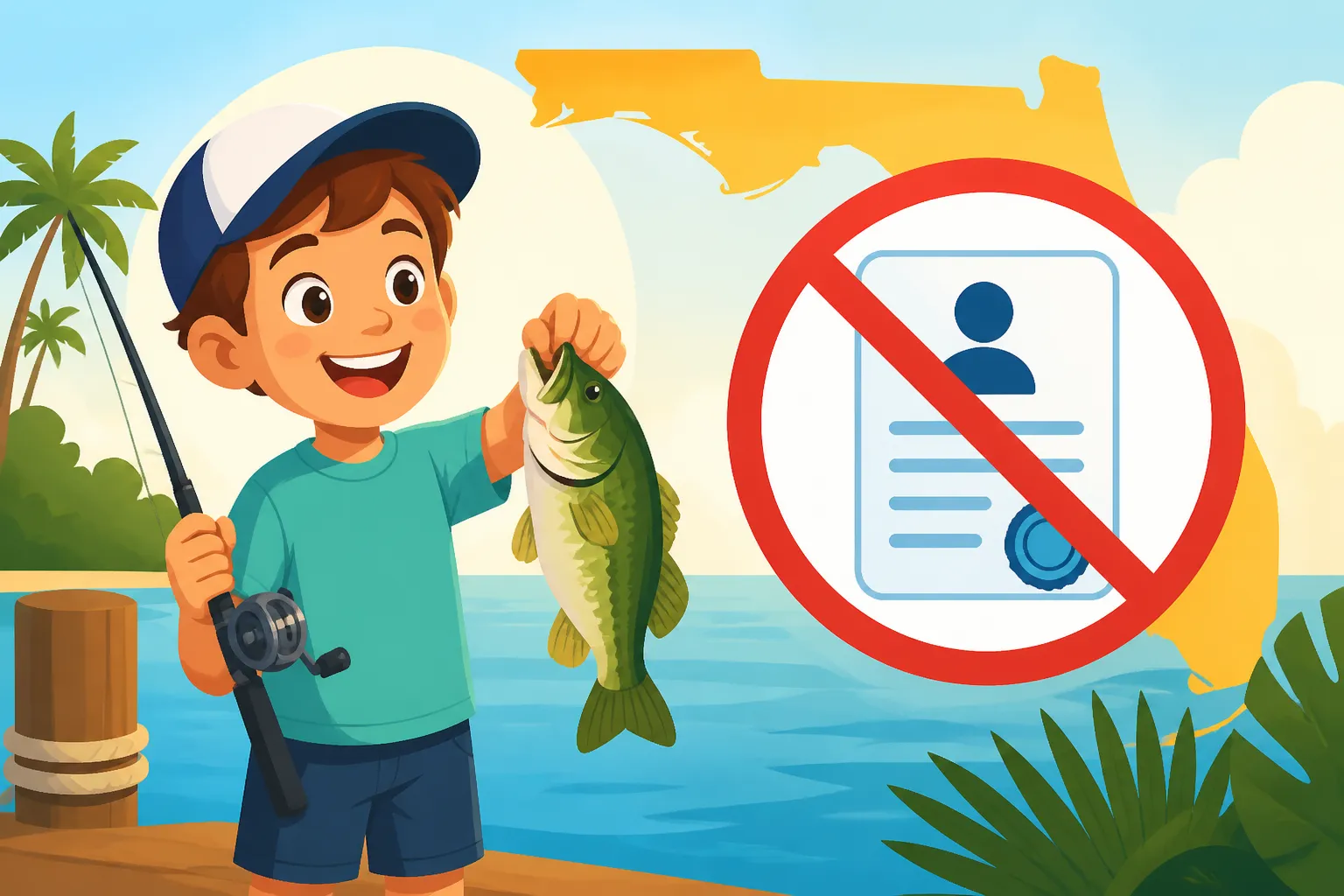
Let's cut right to the chase because, frankly, you've got enough on your plate without unnecessary legal jargon. In Florida, if a child is under 16 years old, they generally do not need a recreational freshwater or saltwater fishing license. That's the core rule, plain and simple, and it's a huge relief for families looking to introduce their youngsters to the wonders of Florida's incredible fisheries.
Understanding the Core Rule for Children
This exemption is one of the Florida Fish and Wildlife Conservation Commission's (FWC) ways to encourage youth participation in outdoor activities and foster an early appreciation for nature and conservation. Think about it: requiring every single child, from a toddler casting their first line to a budding teenage angler, to have a separate license would be a real barrier. It would add cost, paperwork, and just a general headache that could deter families from even trying. Instead, Florida makes it easy for the next generation of anglers to get out on the water.
This rule applies across the board, whether you're targeting largemouth bass in a peaceful freshwater lake or casting for snapper in the salty estuaries of the Gulf Coast. The idea is to make fishing accessible and enjoyable for kids, removing financial and administrative hurdles. It's a fantastic policy that directly benefits families and helps instill a lifelong passion for fishing and environmental stewardship.
What "Under 16" Truly Means
The "under 16" rule might seem straightforward, but it sometimes leads to questions when a child is approaching that milestone birthday. To be absolutely clear, a child is considered "under 16" up until their 16th birthday. So, if your child is 15 years and 364 days old, they are still good to go without a license. The moment they turn 16, however, the clock starts ticking, and they are then required to obtain the appropriate Florida fishing license for whatever type of water they plan to fish.
This age cutoff applies uniformly to all children, regardless of whether they are Florida residents or out-of-state visitors. So, if you're a family from Ohio visiting Orlando and planning to hit a local pond, your 10-year-old won't need a license, just like a Florida native of the same age. This universal exemption simplifies things immensely for tourist families who might not be familiar with all the local rules. It's truly a welcoming policy for all young anglers enjoying Florida's waters. For a broader overview, you might want to check out the Florida Fishing License Age Requirements guide, which dives deeper into all age-related rules.
Navigating the Nuances of Youth Fishing in Florida
While the "under 16" rule is generally very clear, there are a few scenarios where it's good to be aware of how the rules interact, especially for the adults accompanying young anglers. These aren't necessarily complications for the child, but rather important considerations for the whole fishing party.
When a License Might Still Be Relevant for Accompanying Adults
Here's the critical point: while your child might not need a license, you as the accompanying adult almost certainly will. Unless you yourself fall under a specific exemption, if you're holding a rod, touching bait, or assisting in any way that could be interpreted as actively fishing, you need your own valid Florida fishing license. This often causes a bit of a head-scratcher. You might think, "Well, I'm just helping my son cast," or "I'm only netting his fish." However, the FWC regulations are designed to prevent adults from using a child's exemption to fish without their own license.
Consider a scenario where you're fishing side-by-side with your 12-year-old. You both have a rod in the water. Even if your intent is solely to assist your child, if you're actively participating in the act of fishing, you need a license. It’s always best for any adult actively fishing, or even passively participating with their own gear, to have a proper license to avoid any misunderstandings with law enforcement. Understanding the full scope of Who Needs a Fishing License in Florida can help prevent any unwanted surprises on your trip.
Specific Exemptions and Situations to Consider
Florida offers a few other exemptions that can sometimes overlap or add to the general understanding of youth fishing. While the "under 16" rule is paramount for kids, these specific situations are worth knowing:
Charter Boats and For-Hire Vessels: If you book a fishing trip with a licensed charter captain or a for-hire guide, generally, the vessel itself holds a valid recreational fishing license that covers everyone on board. This means that both adults and children, regardless of age, typically do not need to purchase individual licenses for that specific trip. It’s a great perk and simplifies things significantly, especially for out-of-state visitors. However, it's always smart practice to confirm this detail with your captain when booking your trip. They are the ultimate authority on their specific vessel's licensing. For more details on this, take a look at our Florida Charter Boat Fishing License Rules guide.
Private Ponds and Property: If you're fishing in a private pond that is entirely enclosed and located on private land, with the owner's permission, typically no one needs a fishing license, regardless of age. This applies to both the adults and the children. The key here is "entirely enclosed" – meaning the pond has no connection to public waters where fish could freely migrate. This is a common scenario for backyard ponds, farm ponds, or community lakes that are fully self-contained. Our article on Do You Need a License to Fish a Private Pond in Florida? offers a thorough explanation of these specific rules.
Florida Free Fishing Days: Florida also offers several "Free Fishing Days" throughout the year. On these designated days, all recreational anglers – residents and non-residents alike – can fish without a license. While this is a fantastic opportunity for adults and older teens who would normally require a license, it doesn't change anything for kids under 16, as they don't need a license anyway! However, these days are still wonderful for families as it makes fishing an even more accessible and budget-friendly activity for everyone. You can find out more about these special days in our Florida Free Fishing Days article.
Here's a quick summary table for clarity:
| Scenario | Child Under 16 | Adult Accompanied by Child | Notes |
|---|---|---|---|
| General Public Waters (FL/SW) | NO | YES | Adult must have a license if actively fishing. |
| Licensed Charter/For-Hire Boat | NO | NO | Vessel's license covers all passengers. Confirm with captain. |
| Enclosed Private Pond | NO | NO | Must be on private property with owner's permission, no connection to public waters. |
| Florida Free Fishing Days | NO | NO | License not required for anyone on these specific dates. Still check bag/size limits. |
Beyond the License: Encouraging a Love for Fishing
Getting your child out on the water without the hassle of a license is just the first step. The real magic happens when they develop a genuine love for fishing, nature, and the responsibility that comes with it. Beyond the legalities, there's a lot you can do to foster that passion.
Essential Gear for Young Anglers and Where to Find It
Outfitting your child with the right gear can make all the difference in their enjoyment and success. You don't need to break the bank, but a few well-chosen items will go a long way. For beginners, a simple spincast rod and reel combo, often called a "push-button" reel, is perfect. Brands like Zebco have been making reliable, kid-friendly combos for decades. Look for a lightweight rod that's easy for small hands to manage, typically in the 4- to 5-foot range. You can often find these budget-friendly combos at big box stores like Walmart or on online retailers like Amazon, making it super convenient to get everything you need delivered right to your door.
Beyond the rod and reel, keep the tackle simple. A small tackle box containing an assortment of bobbers, hooks (size 6-8 is good for small freshwater fish), split shot weights, and maybe a few plastic worms or small jigs is usually sufficient. Live bait, like worms or crickets for freshwater, or shrimp for saltwater, is often the easiest and most effective way to guarantee some action for young anglers. Don't forget the essentials for comfort and safety: a wide-brimmed hat, plenty of sunscreen, insect repellent, and a reusable water bottle. Being comfortable makes the whole experience much more pleasant for everyone.
Teaching Conservation and Regulations Early On
Even though your little ones don't need a license, this is a prime opportunity to teach them about responsible angling and conservation. Fishing isn't just about catching fish; it's about respecting the environment and ensuring healthy fisheries for future generations. Talk to them about why we have rules like bag limits and size limits, explaining that these help protect fish populations. Our Florida Fishing Regulations and Bag Limits guide can give you all the specifics you'll need.
Encourage catch-and-release practices, especially for species that are out of season or that you don't plan to eat. Show them how to properly handle a fish gently, supporting its body, and releasing it quickly and carefully back into the water. This is a great lesson in empathy and stewardship. You can find excellent advice in our Catch and Release Best Practices for Snook article, which applies to many species. Also, teach them about leaving no trace: always pack out everything you pack in, and if you see litter, pick it up. These early lessons will stick with them and foster a deep respect for Florida's precious natural resources.
Preparing for a Family Fishing Adventure in Florida
A successful family fishing trip, especially with kids, involves more than just showing up with a rod and bait. A little planning can turn a good day into a great memory.
Planning Your Destination and Species
When fishing with kids, especially younger ones, managing expectations is key. Aim for spots where they have a high chance of getting a bite, even if it's smaller fish. Public piers are fantastic for this, as they often have railings for safety, restrooms, and sometimes even bait shops right on site. Many public parks also have accessible ponds or calm canals that are perfect for kids. Consider locations like Lake Kissimmee or areas in the Indian River Lagoon that are known for consistent action. For a variety of great suggestions, check out Best Family-Friendly Fishing Spots in Florida.
As for species, targeting those that are abundant and relatively easy to catch will keep their attention and excitement levels high. In freshwater, bluegill, sunfish, and small catfish are usually eager biters. For saltwater, grunts, pinfish, and small mangrove snapper are often plentiful near docks, seawalls, or shallow grass flats. The goal is frequent action, not necessarily trophy fish, to keep them engaged. Our guide on the Easiest Fish to Catch in Florida for Beginners offers fantastic recommendations for this very purpose.
Double-Checking Current Rules and Resources
Even with the "under 16" exemption, it's always a good habit for adults to double-check the latest fishing regulations before heading out. Fishing rules, especially concerning bag limits, size limits, and seasonal closures for specific species, can change. The Florida Fish and Wildlife Conservation Commission (FWC) website is your absolute best friend for this. Their site, MyFWC.com, has all the up-to-date information, including detailed brochures for both freshwater and saltwater fishing.
You can also download the "Go Outdoors Florida" app on your smartphone, which puts license purchasing (for adults!), rules, and even helpful identification guides right in your pocket. It’s incredibly convenient. Remember, staying informed helps ensure a safe, legal, and enjoyable trip for everyone. While your child is exempt, the overall Florida Fishing License Guide is an essential read for any adult planning to fish in Florida, ensuring you have all the necessary information at your fingertips.
Disclaimer
Please note that fishing regulations can change. While every effort has been made to provide accurate and up-to-date information, it is always the angler's responsibility to verify current rules and regulations with the Florida Fish and Wildlife Conservation Commission (FWC) before engaging in any fishing activities. This guide is for informational purposes only and should not be considered legal advice.