Steinhatchee Fishing Guide
There's something truly special about Steinhatchee, Florida – a place often lovingly referred to as "Florida's Last Frontier." But beneath that charm lies a unique fishing environment that can be both incredibly rewarding and, let's be honest, a little intimidating if you've never experienced it before. Forget the hustle and bustle of bigger coastal towns; Steinhatchee offers a tranquil, raw angling experience, but knowing where to start and what to expect can make all the difference between a frustrating day and a phenomenal one. This guide is here to walk you through everything you need to know to truly unlock the fishing potential of this incredible destination.
Why Steinhatchee is a Gulf Coast Gem for Anglers
Steinhatchee is not just another dot on the map; it's a vibrant, unspoiled corner of Florida's Big Bend region. The unique geography and pristine waters make it a genuine haven for a wide array of fish species. If you're looking for that "Old Florida" feel, where the natural world takes center stage and the fishing is as authentic as it gets, you've found your spot.
The Unique "Old Florida" Appeal and Ecosystem
What sets Steinhatchee apart is its expansive, shallow seagrass flats, fed by clear, tannin-stained rivers like the Steinhatchee River, which eventually flow into the Gulf of Mexico. This unique blend of freshwater influence and saltwater expanse creates a phenomenal estuarine ecosystem. Unlike areas with deep channels and dramatic drop-offs close to shore, Steinhatchee's inshore waters are characterized by vast, productive grass flats that stretch for miles, punctuated by numerous oyster bars and isolated rock piles. This seemingly endless expanse can feel daunting, but it's precisely why it's so rich in marine life. The clear, shallow water often allows for incredible sight fishing opportunities, making it a favorite for those who love to stalk their prey. It's a place where the rhythm of the tides, often subtle, dictates the movement of fish, and understanding these nuances is key. For those accustomed to more developed coastal towns with immediate deep-water access, the shallow, wild nature of Steinhatchee might take some getting used to, but that's part of its charm and why the fishing pressure often feels lighter here.
What Fish Call Steinhatchee Home
The diversity of the Steinhatchee ecosystem means a wide variety of fish species thrive here, offering something for every type of angler. Inshore, the undisputed kings are the Spotted Seatrout and Redfish. These two species dominate the shallow grass flats and oyster beds, providing consistent action throughout much of the year. Beyond them, you'll find healthy populations of Flounder ambushing baitfish near structure and sandy bottoms, and even Snook pushing the northern limits of their range, especially in warmer months.
As you venture slightly further out, into the nearshore waters, the game changes. Here, you'll encounter schools of Spanish Mackerel and larger King Mackerel, especially during their migratory seasons. Cobia are also a highly sought-after prize around structure and baitfish aggregations. Head further offshore, into the deeper Gulf waters, and the bottom fishing truly shines. The ledges and natural limestone bottom are home to various Grouper species, including Gag, Red, and often Scamp, alongside several types of Snapper, with Mangrove Snapper being a year-round staple and Red Snapper a highly anticipated seasonal target. The beauty of Steinhatchee is that you can often fill your cooler with a diverse mix of species in a single trip, offering a truly rewarding experience.
Unlocking Inshore Success in Steinhatchee's Waters
Fishing the inshore waters of Steinhatchee is a quintessential Florida experience. It requires a keen eye, a bit of stealth, and an understanding of how fish utilize the unique features of this environment. It's less about deep holes and more about understanding the vast, shallow landscapes.
Navigating the Expansive Grass Flats and Oyster Bars
The vast seagrass flats are the lifeblood of Steinhatchee's inshore fishery. These lush, submerged meadows provide food, cover, and hunting grounds for an incredible array of marine life, making them prime habitat for trout and redfish. When approaching the flats, it's crucial to be mindful of prop dredging – digging up the grass with your propeller – not only is it bad for the environment, but it also spooks fish for a wide radius. Many anglers opt for poling skiffs or boats with jack plates to navigate these skinny waters.
Look for areas where the grass transitions to sandy patches, or where there are potholes within the grass. These are often ambush points for predatory fish. Oyster bars, whether exposed at low tide or submerged, are also magnets for fish. They provide structure, attract bait, and create current breaks where redfish love to lie in wait. Fishing the edges of these bars, especially on an incoming or outgoing tide, can be incredibly productive. Places like the "Steinhatchee Reefs," which are actually a series of artificial reefs and natural rock outcroppings closer to shore, provide excellent structure in slightly deeper inshore waters, often holding bigger trout and even cobia. Understanding the subtle tides of Steinhatchee is paramount here; fish will move with the water, pushing onto the flats with the incoming tide to feed and retreating to slightly deeper edges or channels as the water falls.
Targeting the Big Three: Trout, Redfish, and Flounder
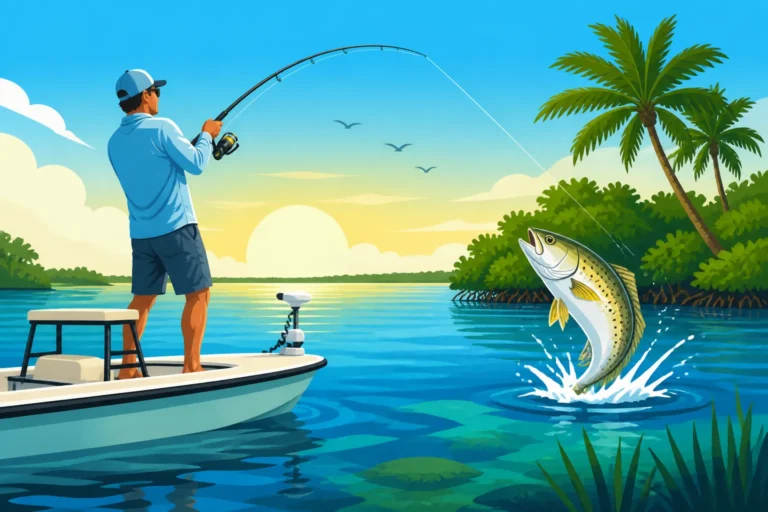
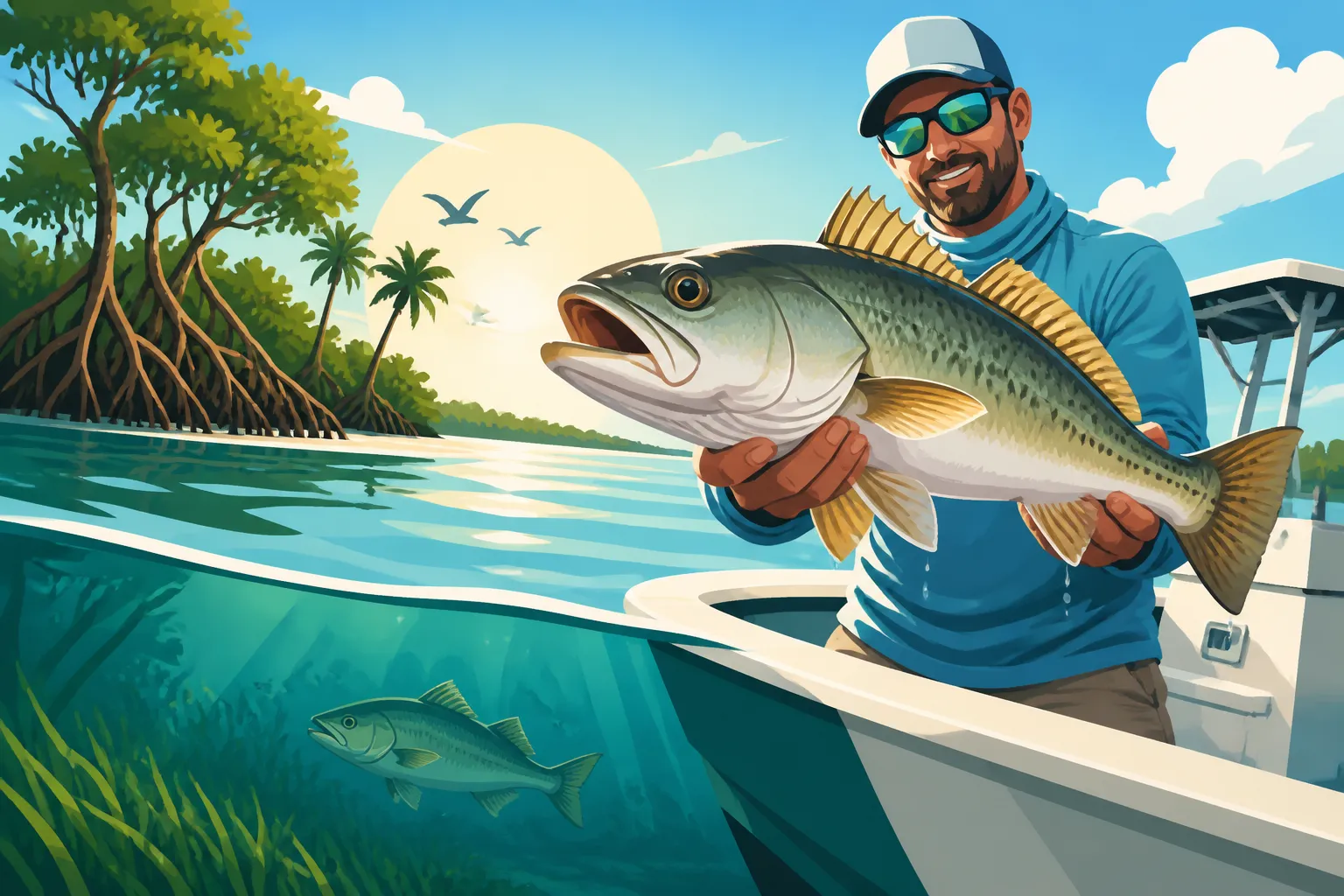
Spotted Seatrout are abundant in Steinhatchee and are often the easiest to catch, making them perfect for beginners or those looking for steady action. They patrol the grass flats, especially during cooler mornings or evenings. Effective techniques include drifting across the flats while casting soft plastic jerkbaits or grubs under a popping cork. Live shrimp, suspended under a popping cork, is almost always a surefire bet. During colder months, trout tend to move to deeper pockets and creek mouths within the flats or even into the Steinhatchee River itself. If you're looking for consistent action, targeting Spotted Seatrout Fishing Guide in Florida is a great way to go.
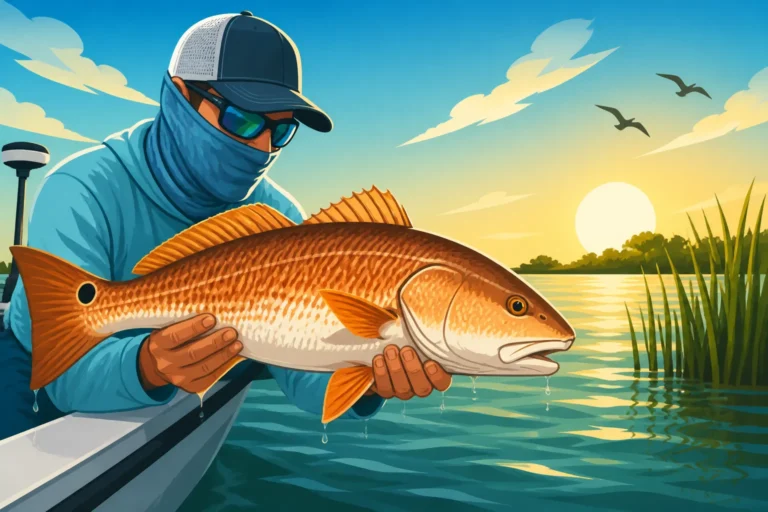
Redfish offer a more challenging but incredibly rewarding experience. These powerful fish are often found cruising the edges of the grass flats, around oyster bars, and tucked into mangrove shorelines (though mangroves are less prevalent in Steinhatchee than further south). Sight casting to "tailing" redfish in ultra-skinny water is a highlight for many anglers. Use weedless spoons, soft plastics, or live or cut bait (like mullet or pinfish) cast accurately to their noses. Redfish are strong fighters, and a well-placed cast can lead to an explosive strike. Many anglers find the Florida Redfish Fishing Guide invaluable for learning more about these hard-fighting fish.
Flounder are masters of camouflage, burying themselves in sandy bottoms near structure to ambush passing prey. Target them by slowly dragging jigs tipped with Gulp! artificial baits or strips of cut bait along sandy potholes, channel edges, and around oyster bars. A slow, methodical retrieve is key to enticing a strike from these flatfish. They are delicious table fare, making the effort well worth it.
Venturing Beyond the Shallows: Nearshore and Offshore Adventures
While the inshore fishing in Steinhatchee is legendary, don't overlook the incredible opportunities that lie just beyond the shallows. The Gulf of Mexico offers a different kind of angling, from fast-paced trolling action to deep-water bottom fishing for prized species.
Chasing Mackerel and Other Pelagics Nearshore
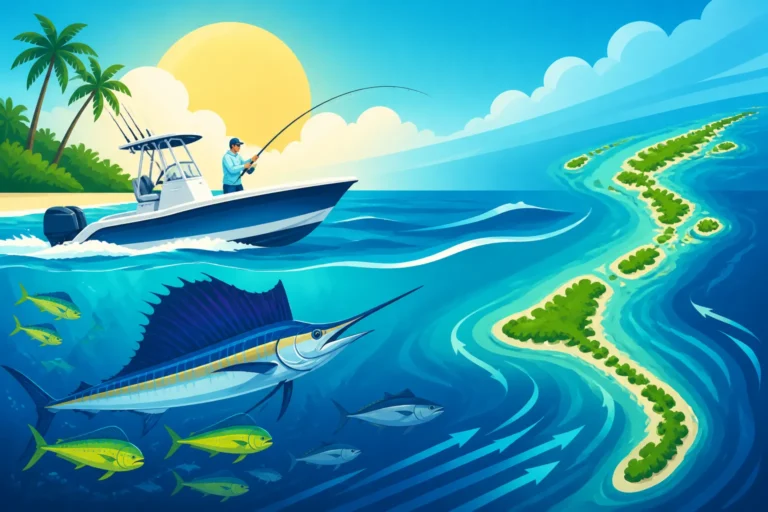
Just a short run from the Steinhatchee River mouth, the nearshore waters can erupt with pelagic action, especially during spring and fall migrations. Spanish Mackerel are a common target, often found in large schools feeding on baitfish. Look for diving birds or surface commotion, then cast Gotcha plugs, small spoons, or troll fast with dusters. They're aggressive and offer a thrilling fight on light tackle. Further out, especially around distinct temperature breaks or areas where baitfish congregate, you'll find larger King Mackerel. Trolling with live baits like blue runners or ribbonfish, or even dead cigar minnows, is a popular and effective method. These toothy predators are known for their blistering runs and impressive aerial displays.
Beyond mackerel, the nearshore waters can also hold Cobia, often seen cruising near buoys, channel markers, or even large rays. Keep a heavy jig or live bait ready for a quick cast if you spot one. When the conditions are right, and the bait is plentiful, these nearshore adventures offer some of the most exciting fishing Steinhatchee has to offer. Understanding the migratory patterns and looking for signs of baitfish are key to success.
Deep Water Rewards: Grouper and Snapper Grounds
For anglers craving the pull of a powerful bottom fish, Steinhatchee is a gateway to some of the Gulf's most productive Grouper and Snapper grounds. The journey offshore takes you to depths where ledges, rocky outcroppings, and artificial reefs hold impressive populations of Gag, Red, and Scamp Grouper, along with various snapper species. Targeting these fish requires heavier tackle, braided line, and a good understanding of bottom structure.
The primary technique is bottom fishing with live or cut bait. Live pinfish, grunts, or even squid are excellent choices. Position your boat over a promising piece of structure, drop your bait, and be ready for a solid strike. Grouper are notorious for making a powerful initial run straight back into the rocks, so it's crucial to "reef" them immediately – pulling them away from the structure before they can cut your line. Snapper, like the highly prized Mangrove Snapper, are often found in the same areas and are a year-round favorite for their excellent table fare. Florida Grouper Season Guide will give you the lowdown on when you can keep these magnificent fish. Keep an eye on Florida Red Snapper Season Dates too, as these prized catches have very specific, often short, seasons. Many local captains excel at finding these offshore honey holes and are invaluable for a productive trip.
Mastering the Elements: Seasons, Tides, and Weather
Fishing in Steinhatchee, like anywhere in Florida, is heavily influenced by the seasons, the movement of the tides, and the whims of the weather. Being prepared for these factors is not just about comfort; it's about putting yourself in the best position to catch fish.
Seasonal Strategies for Consistent Catches
Florida's climate blesses us with year-round fishing, but each season in Steinhatchee brings its own unique opportunities and challenges. If you're wondering about the Best Time of Year to Fish in Florida, here's a quick breakdown for Steinhatchee:
- Spring (March-May): This is often considered prime time. As water temperatures rise, fish become incredibly active. Trout and redfish flood the flats, often staging for spawning. Nearshore, Spanish mackerel and kingfish arrive, and offshore bottom fishing kicks into high gear. The weather is generally pleasant, making it a favorite for many.
- Summer (June-August): It gets hot, but the fishing remains strong, especially early in the morning or late in the evening. Trout and redfish are still on the flats, but may move to slightly deeper edges or stay closer to river mouths. This is also Scallop Season, which brings a lively atmosphere to Steinhatchee, but also more boat traffic. Offshore, grouper and snapper continue to bite well.
- Fall (September-November): Another fantastic season. As temperatures cool, baitfish migrate, and predatory fish feed aggressively to prepare for winter. Redfish schools can be massive, and trout fishing is excellent. King mackerel and cobia are strong nearshore targets. The weather is usually stable, with fewer afternoon thunderstorms than summer.
- Winter (December-February): This is the slowest season due to cold fronts. However, savvy anglers can still find success. Fish move to deeper, warmer water, congregating in river channels, deep creeks, and spring-fed areas. Targeting trout in these deeper holes with slow-moving baits or jigs can be very productive. Redfish will often school up tight in protected creeks. Offshore fishing can be excellent on calm days, but cold fronts can make venturing out challenging.
Decoding Steinhatchee's Subtle Tides and Weather Patterns
Unlike many areas with dramatic tide swings, the Big Bend region, including Steinhatchee, experiences very subtle tides. This doesn't mean they're unimportant; quite the opposite. These subtle movements are critical for inshore fishing, triggering baitfish movements and feeding frenzies.
- Incoming Tide: As the water rises, baitfish are pushed onto the shallow grass flats and over oyster bars. This is often the best time for sight fishing redfish as they follow the bait into their feeding grounds. Trout will also become very active.
- Outgoing Tide: As the water recedes, baitfish are pulled off the flats and through natural drains and channels. Predatory fish will stage at these pinch points to ambush easy meals. Fishing creek mouths and the edges of flats where water is flowing out can be incredibly effective for both trout and redfish.
The key is to pay close attention to the tide charts, but also to observe the water movement firsthand. Even a few inches of water can make a huge difference in Steinhatchee's shallow environment.
Weather, especially wind, plays a massive role. Strong winds can churn up the shallow flats, making the water murky and sight fishing impossible. It can also make boat control difficult. Cold fronts, particularly in winter, can drastically drop water temperatures, sending fish seeking deeper, warmer refuge. Conversely, a stable weather pattern with light winds often means fantastic fishing conditions. It's always a good idea to check the marine forecast before heading out and be prepared to adjust your plans if conditions aren't favorable – nobody likes to deal with a blown-out day on the water!
Essential Tools for Your Steinhatchee Fishing Trip
A successful fishing trip in Steinhatchee isn't just about knowing where to go; it's also about having the right tools for the job. From your rod and reel setup to the bait you choose, being prepared can drastically increase your chances of success.
Must-Have Gear and the Right Bait
For inshore fishing in Steinhatchee's shallow grass flats, a medium-light to medium power spinning rod, around 7 feet in length, paired with a 2500-3000 series reel, is a versatile setup. Spool it with 10-15 lb braided line, which offers sensitivity and casting distance, and use a 20-30 lb fluorocarbon leader for abrasion resistance and stealth. This setup is perfect for casting light lures and handling the average trout or redfish. If you're getting into Florida Inshore Fishing Techniques, this is your bread and butter.
When you venture offshore, you'll need to beef up your tackle considerably. For bottom fishing grouper and snapper, a heavy conventional or spinning rod (rated for 30-80 lb line) paired with a powerful reel (6000-10000 series spinning or a conventional reel like a Penn Fathom or Shimano Torium) spooled with 50-80 lb braided line is standard. You'll need stout leaders, often 60-100 lb monofilament or fluorocarbon, to withstand the abrasion of rocks and the powerful runs of these fish. Learn more about appropriate gear in the Florida Offshore Fishing Techniques guide.
Bait choices are crucial. For inshore, live shrimp are king. They catch everything from trout and redfish to flounder and even snook. You can also net or buy live pilchards or pinfish, which are excellent for targeting larger redfish and snook. If live bait isn't available, cut mullet or ladyfish works wonders for redfish, especially around oyster bars. For lures, soft plastic paddle tails or jerkbaits (like those from Gulp! or Z-Man) on a 1/8 to 1/4 oz jig head are incredibly effective for trout and redfish. Topwater plugs are thrilling for early morning or late evening action. For offshore, live pinfish, grunts, or squirrelfish are preferred for grouper, while squid, cut bait, or frozen cigar minnows work well for snapper and other species. For more details on what works best, check out Best Live Bait for Florida Inshore Fishing.
Navigating Florida's Fishing License Requirements
Before you even think about wetting a line in Steinhatchee, you absolutely must ensure you have the correct Florida fishing license. It's not just a formality; it's a legal requirement, and violating it can lead to fines and headaches. In Florida, you generally need a saltwater fishing license if you're fishing in saltwater, which covers Steinhatchee's primary fishing grounds.
The Florida Fish and Wildlife Conservation Commission (FWC) oversees these regulations. You can easily purchase your license online through the FWC website, by phone, or in person at various retailers like local bait shops, Walmart, or sporting goods stores. Make sure you understand the difference between resident and non-resident licenses, and if you're planning to target specific species like Snook or Lobster, you might need additional permits. For example, a Florida Snook Permit Requirements details specific add-ons you might need. Don't forget to check out the comprehensive Florida Fishing License Guide for all the nuances, including potential exemptions for certain age groups or situations. It's always better to be safe than sorry – get your license squared away before you hit the water!
| Species | Primary Season (Steinhatchee) | Common Bait/Lure | Ideal Depth | Notes |
|---|---|---|---|---|
| Spotted Seatrout | Spring, Fall, Summer (early/late) | Live Shrimp (popping cork), Soft Plastics | Shallow Grass Flats | Abundant, great for beginners |
| Redfish | Spring, Fall | Live/Cut Mullet, Pinfish, Weedless Spoons | Shallow Flats, Oyster Bars | Strong fighters, often sight-fished |
| Flounder | Fall, Winter (cooler months) | Gulp! Shrimp, Live Shrimp, Small Jigs | Sandy Bottoms, Structure | Delicious, ambush predators |
| Spanish Mackerel | Spring, Fall | Spoons, Gotcha Plugs, Trolled Feathers | Nearshore | Fast action, schooling fish |
| King Mackerel | Spring, Fall | Live Blue Runners, Cigar Minnows (trolled) | Nearshore | Fast runs, sharp teeth |
| Gag Grouper | Spring, Fall, Winter (offshore) | Live Pinfish, Grunts, Cut Bait (bottom rig) | Offshore Ledges, Reefs | Powerful, reef dwellers |
| Mangrove Snapper | Year-Round | Live Shrimp, Cut Bait, Squid (knocker rig) | Inshore/Offshore Structure | Excellent eating, good fighters |
Guide or Go It Alone: Maximizing Your Steinhatchee Experience
Deciding whether to hire a fishing guide or embark on a do-it-yourself adventure is a common dilemma, especially in a unique place like Steinhatchee. Both options have their merits, but understanding the local intricacies can help you make the best choice for your trip.
The Undeniable Value of a Local Fishing Guide
For many, especially those new to Steinhatchee or new to fishing in general, hiring a local fishing guide is an investment that pays dividends. These captains live and breathe these waters. They know the subtle tides, where the bait is holding, and precisely where the fish are hiding based on current conditions. Their local knowledge can save you hours, even days, of trial and error. A good guide will also provide all the necessary gear, bait, and most importantly, safety equipment, ensuring you have a worry-free day on the water.
Guides offer instruction on local techniques, help you improve your casting, and teach you how to read the water specific to Steinhatchee. This is invaluable learning that you can apply to future trips. For specific species, like stalking redfish on the shallow flats or navigating miles offshore to elusive grouper holes, a guide's expertise is unmatched. Platforms like FishingBooker can be an excellent resource for finding reputable Steinhatchee fishing charters. You can read reviews, compare prices, and see what different captains specialize in, whether it's inshore light tackle or offshore deep dropping. Exploring options on FishingBooker ensures you find a guide that matches your fishing style and target species. Many anglers find the How to Choose a Florida Fishing Guide post helpful when making this decision. While there is a Florida Fishing Charter Cost Guide, the experience and knowledge gained are often priceless, making it a worthwhile splurge for many visitors.
DIY Fishing: Tips for Self-Navigating the Big Bend
If you have your own boat and experience navigating shallow water, a DIY fishing trip in Steinhatchee can be incredibly rewarding. The sense of accomplishment from finding fish on your own in this unique environment is hard to beat. However, it comes with its own set of challenges.
First and foremost, navigation is critical. The vast, shallow grass flats can be confusing, and prop dredging is a real concern. Study detailed charts (digital or paper), pay attention to channel markers, and always be aware of your depth. Many local boat ramps, like the one at Steinhatchee River Inn and Marina or the public ramp, offer convenient access. Always launch and retrieve carefully, especially during lower tides.
Secondly, tide awareness is paramount. Even small tides influence fish movement dramatically. Plan your fishing around the tides, knowing that an outgoing tide might concentrate fish in specific areas, while an incoming tide opens up vast feeding grounds. Learning How to Read a Tide Chart for Fishing is essential.
Lastly, safety is non-negotiable. File a float plan, let someone know where you're going and when you expect to return, and carry all required safety equipment, including a VHF radio for offshore trips. Cell service can be spotty in some remote areas. Packing plenty of water, sunscreen, and bug spray (especially if you're venturing into creek systems) is also wise. While DIY offers freedom, it demands responsibility and thorough preparation.
Disclaimer
Please remember that fishing regulations in Florida, including bag limits, size restrictions, and seasons, can change. Always consult the latest Florida Fish and Wildlife Conservation Commission (FWC) guidelines before your trip to ensure compliance. This guide is for informational purposes only and does not constitute legal advice.