Best Way to Cook Grouper
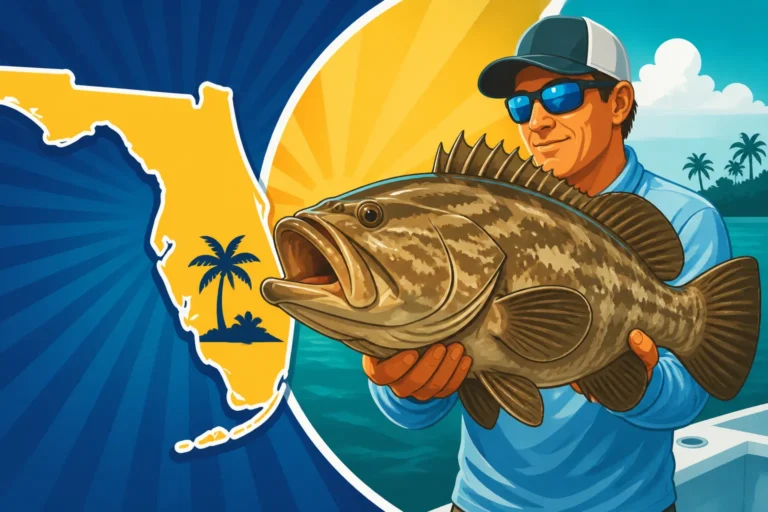
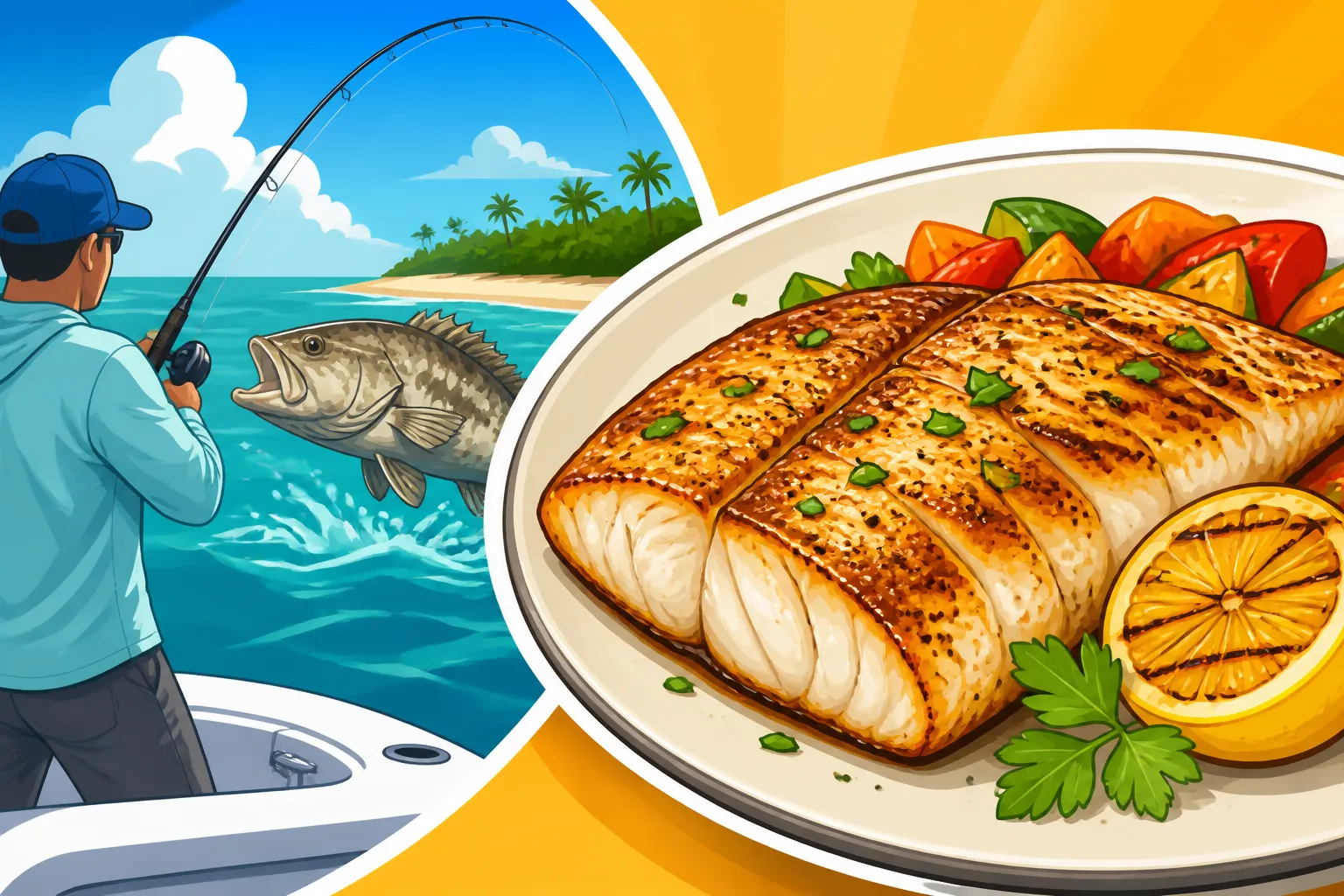
You’ve battled the waters, reeled in that magnificent Florida grouper, and now it's staring back at you from the cooler. Congratulations! But now comes the next crucial step: how do you transform this prized catch into a meal that truly celebrates its incredible flavor? This guide is going to walk you through the very best ways to cook grouper, ensuring every flake is tender, moist, and absolutely delicious.
Understanding Grouper: Why It's a Top Choice for the Dinner Table
Grouper isn't just a fun fish to catch; it's also revered by chefs and home cooks alike for its culinary versatility and delightful taste. There’s a reason it’s a staple on menus across the Sunshine State, from casual beachside shacks to upscale dining establishments. If you've been wondering Is Grouper Good to Eat?, the answer is a resounding yes, and once you try it prepared right, you'll understand why it's so highly sought after.
The Mild, Flaky Texture of Fresh Grouper
One of the defining characteristics of grouper is its wonderfully mild flavor and firm, yet flaky, white flesh. It's not "fishy" in the way some other species can be, which makes it a fantastic option even for those who are a bit hesitant about eating seafood. When cooked correctly, the fillets separate into large, moist flakes that just melt in your mouth. This delicate profile means it readily absorbs flavors from marinades and seasonings without being overwhelmed, allowing you to get creative in the kitchen.
Imagine pulling a perfectly cooked fillet off the pan, its edges slightly caramelized, and the inside steaming with succulent tenderness. That's the grouper experience we're aiming for. It's truly a blank canvas for a variety of culinary styles, making it an exciting fish to work with.
Different Types of Grouper and Their Nuances
While "grouper" is a general term, Florida waters are home to several species, each with subtle differences that can impact your cooking. You might land a Red Grouper, a Black Grouper, or even a Gag Grouper. While their appearances differ, their culinary characteristics are quite similar. For instance, Gag Grouper, which has specific Gag Grouper Size and Bag Limits you'll want to be aware of, offers a slightly firmer texture than Red Grouper, but both respond beautifully to the same cooking methods.
The key takeaway here is that you don't need to stress too much about which specific type of grouper you have in hand. The methods we’ll discuss are applicable across the board, guaranteeing a delicious outcome regardless of the particular species you’ve managed to reel in during your Florida Grouper Fishing Guide adventure. What truly matters is the freshness of the fish itself.
Importance of Freshness from the Florida Waters
There’s simply no substitute for fresh-caught grouper. If you're lucky enough to catch your own, you're already ahead of the game. The quality of your fish directly impacts the final dish. When you get your grouper home, proper handling and timely preparation are paramount.
Think about it: that grouper you just pulled from the clear Florida waters, perhaps after using a Jigging Technique for Grouper in offshore depths, is at its peak. The firm flesh, the vibrant color – it all speaks to its pristine condition. If you're purchasing grouper, always look for fillets that are bright white, firm to the touch, and have a clean, ocean-like scent, not an overly fishy one. Freshness is the foundation of any great grouper dish, so prioritize it above all else.
The Golden Rules of Cooking Grouper
Before we dive into specific cooking methods, let's establish some universal truths about preparing grouper. These "golden rules" will serve as your compass, guiding you to a perfectly cooked, moist, and flavorful meal every time. Ignoring these can lead to a dry, disappointing experience, and nobody wants that after all the effort of catching such a fine fish!
Preparing Your Fillets: Cleaning and Seasoning Tips
Proper preparation begins the moment the fish is off the hook. If you caught it yourself, knowing How to Fillet a Grouper properly is essential to maximize your yield and ensure clean, boneless portions. Start by rinsing your fillets under cold water and patting them thoroughly dry with paper towels. Excess moisture can prevent a good sear and dilute flavors.
Next, it's time for seasoning. Grouper's mild flavor means it takes well to a wide range of spices. A simple approach is often the best:
- Salt and Pepper: A good quality sea salt and freshly cracked black pepper are your best friends.
- Citrus: Lemon, lime, or even orange zest can brighten the flavor without overpowering it.
- Herbs: Fresh dill, parsley, thyme, or oregano complement grouper beautifully.
- Garlic: Minced garlic or garlic powder adds a wonderful aromatic depth.
- Paprika/Cajun Spices: For a bit of a kick, a pinch of smoked paprika or a light dusting of a good quality Cajun or Old Bay seasoning can be fantastic.
Don't be afraid to experiment! Just remember to season both sides of the fillet evenly. You can find a fantastic selection of spices and even specific fish seasoning blends on Amazon if you're looking to expand your spice cabinet.
Don't Overcook It! The Grouper Paradox
This is, without a doubt, the most critical rule for cooking grouper. Grouper is lean, and its delicate texture means it cooks quickly. Overcooking is the cardinal sin, turning that luscious, flaky fillet into a dry, rubbery, sad shadow of its former self. This is often called the "grouper paradox" because people are so eager to ensure it's "done" that they push it too far.
How do you know it's done? The flesh should become opaque, and it should flake easily with a fork at its thickest point. It's always better to err on the side of slightly underdone, as it will continue to cook for a minute or two after you remove it from the heat. A meat thermometer inserted into the thickest part should read around 145°F (63°C). Pull it off just before it hits that mark. Keep a close eye on your fish – it's often faster than you think, especially thinner fillets!
Best Seasonings to Complement, Not Mask, Grouper's Flavor
As mentioned, grouper has a subtle, sweet flavor that you want to enhance, not cover up. The goal is to highlight the fish, not to bury it under a mountain of strong spices.
Here are some classic flavor profiles that sing with grouper:
- Lemon-Butter-Garlic: A timeless combination. Melted butter, fresh lemon juice, and minced garlic create a rich, tangy sauce that soaks into the flakes beautifully. A sprinkle of fresh parsley at the end adds color and freshness.
- Mediterranean Herb Blend: Olive oil, a squeeze of lemon, fresh oregano, thyme, and a hint of rosemary. This light and aromatic blend transport you straight to the sun-drenched coasts.
- Mild Cajun or Blackened: For those who like a little heat, a light application of a good quality blackened seasoning can create a fantastic crust while keeping the inside moist. Be careful not to use too much, as some blends can be very salty.
- Asian-Inspired: A touch of soy sauce (light), ginger, and green onion can offer a different, yet equally delicious, take on grouper, especially if you plan to steam or bake it.
Remember, a little goes a long way. Taste your seasonings before applying them, and adjust to your preference. You can find many unique seasoning blends, including sugar-free or low-sodium options, on Amazon to fit any dietary need or taste preference.
Top Methods for Cooking Grouper: From Pan to Plate
Now for the exciting part: putting these rules into practice with specific cooking techniques. Each method offers a distinct experience, allowing you to match your cooking style to your mood or what you have on hand. Whether you're aiming for a quick weeknight dinner or a special occasion meal, grouper delivers.
Pan-Seared Grouper: A Crispy, Flavorful Classic
Pan-searing is arguably one of the most popular and rewarding ways to cook grouper. It creates a beautiful, golden-brown crust while keeping the interior incredibly moist and tender. This method is quick, making it perfect for those busy evenings when you want a delicious meal without a fuss.
Step-by-Step Pan-Searing:
- Prep: Ensure your grouper fillets are completely dry. Season generously with salt, pepper, and your chosen spices (lemon pepper, garlic powder, paprika, or a mild Cajun blend work wonders here).
- Heat: Place a heavy-bottomed skillet (cast iron or stainless steel are ideal for getting a good sear) over medium-high heat. Add a tablespoon or two of high-smoke-point oil, like avocado oil, grapeseed oil, or clarified butter. You want the oil to be shimmering hot, almost smoking.
- Sear: Carefully place the grouper fillets skin-side down (if skin is on) or presentation-side down into the hot oil. Don't overcrowd the pan; cook in batches if necessary.
- Cook First Side: Let it cook undisturbed for about 3-4 minutes, or until a beautiful golden-brown crust forms and the fish easily releases from the pan. You'll see the opaque cooked portion creeping up the sides of the fillet.
- Flip: Gently flip the fillets.
- Finish: Reduce the heat to medium and continue cooking for another 2-4 minutes, depending on thickness, until the fish is opaque throughout and flakes easily. For extra flavor, you can add a knob of butter, a few garlic cloves, and a sprig of fresh thyme or rosemary to the pan during the last minute of cooking, basting the fish with the melted butter.
- Serve: Remove immediately and serve with a squeeze of fresh lemon.
This method is quick and creates a stunning presentation. A good cast-iron skillet, which holds heat exceptionally well, can be purchased easily on Amazon.
Baked or Roasted Grouper: Simple Elegance
Baking or roasting offers a hands-off approach that’s perfect for larger fillets or when you're preparing multiple dishes. It’s a healthy option that allows the natural flavors of the grouper to shine, creating a moist, delicate result.
Step-by-Step Baking/Roasting:
- Preheat: Preheat your oven to 400°F (200°C).
- Prep Pan: Line a baking sheet with parchment paper or foil for easy cleanup. Lightly grease the surface.
- Season: Place the grouper fillets on the prepared baking sheet. Drizzle with olive oil or melted butter. Season with salt, pepper, garlic powder, and your choice of herbs like dill or parsley. You can also add lemon slices directly on top or alongside the fish.
- Bake: Bake for 10-15 minutes, depending on the thickness of the fillets. The fish is done when it's opaque throughout and flakes easily with a fork.
- Rest (Optional): Let the fish rest for a minute or two before serving to allow the juices to redistribute.
This method is forgiving and excellent for showcasing the fish itself. For a flavorful twist, consider baking it "en papillote" – wrapped in parchment paper with vegetables and herbs – which steams the fish to perfection in its own juices. This technique is often used in a Florida Fishing Charter Guide to prepare the day's catch!
Grilled Grouper: Infusing Smoky Goodness
Grilling adds a fantastic smoky depth to grouper, making it a favorite for outdoor cooks, especially here in Florida. The key to successful grilled grouper is a hot, clean grill and careful handling to prevent sticking.
Step-by-Step Grilling:
- Preheat: Preheat your grill (charcoal or gas) to medium-high heat. Make sure the grates are clean and lightly oiled.
- Prep Fish: Brush your grouper fillets lightly with olive oil and season generously. Consider a robust seasoning blend with paprika, cumin, and chili powder for grilling, or simply salt, pepper, and garlic.
- Grill: Place the fillets directly on the hot grates. Grill for 3-5 minutes per side, depending on thickness. Resist the urge to move the fish too soon, allowing a good crust to form, which will prevent sticking.
- Check Doneness: The fish is done when it easily flakes with a fork and is opaque throughout.
Grilled grouper is amazing in fish tacos, salads, or simply served with fresh mango salsa. If you're using a delicate grouper, a fish basket on the grill can be a lifesaver to prevent it from falling apart. A quality grill brush is essential for keeping your grates clean, and you can find a wide range of grilling accessories on Amazon to enhance your outdoor cooking experience.
Fried Grouper: The Southern Florida Favorite
When you think of classic Florida fish sandwiches or platters, fried grouper often comes to mind. This method delivers a satisfyingly crunchy exterior and a juicy, tender interior. It's a comforting, indulgent way to enjoy your catch.
Step-by-Step Frying:
- Prep Breading Station: Set up a dredging station:
- Bowl 1: All-purpose flour seasoned with salt, pepper, garlic powder, onion powder, and a touch of cayenne or Old Bay.
- Bowl 2: Egg wash (1-2 eggs whisked with a splash of milk or water).
- Bowl 3: Panko breadcrumbs or finely crushed cornflakes for extra crunch, seasoned again.
- Bread Fish: Dredge each grouper fillet first in the flour, shaking off excess. Then dip it in the egg wash, letting any excess drip off. Finally, coat it thoroughly in the breadcrumbs, pressing gently to ensure adherence.
- Heat Oil: Pour about an inch of high-smoke-point oil (vegetable, canola, or peanut oil) into a heavy-bottomed skillet or Dutch oven. Heat to 350-375°F (175-190°C). A thermometer is highly recommended here to maintain consistent temperature.
- Fry: Carefully place 1-2 breaded fillets into the hot oil, ensuring not to overcrowd the pan. Fry for 3-5 minutes per side, or until golden brown and cooked through.
- Drain: Remove the fried grouper with a slotted spoon and place it on a wire rack set over paper towels to drain excess oil.
- Serve: Serve hot with tartar sauce, coleslaw, and a lemon wedge.
This is the method that often features in discussions about whether How Many Grouper Can You Keep in Florida? is enough for a big family fish fry!
Here's a quick comparison of the top cooking methods:
| Method | Pros | Cons | Best For… | Flavor Profile |
|---|---|---|---|---|
| Pan-Seared | Quick, crispy crust, moist interior. | Requires attention, can splatter. | Weeknight meals, showcasing fresh fillets. | Rich, caramelized, great with simple seasonings. |
| Baked/Roasted | Hands-off, healthy, easy cleanup. | Less crispy, can be bland if under-seasoned. | Larger fillets, meal prep, healthy options. | Delicate, pure fish flavor, excellent with herbs. |
| Grilled | Smoky flavor, beautiful char marks. | Can stick, requires outdoor grill. | Outdoor cooking, fish tacos, summer meals. | Earthy, smoky, holds up to bolder marinades. |
| Fried | Crispy, indulgent, classic comfort food. | Higher calorie, messy, requires oil. | Fish sandwiches, family meals, Southern flair. | Crunchy exterior, juicy interior, pairs well with tangy sauces. |
Side Dishes and Pairings to Elevate Your Grouper Meal
A perfectly cooked grouper is a star on its own, but the right supporting cast can elevate the entire dining experience. Pairing your fish with complementary sides and sauces can transform a simple meal into something truly memorable. Whether you're making this after a successful day guided by a Florida Fishing License Guide or simply picked up some fresh grouper from a market, these pairings will seal the deal.
Light and Zesty Accompaniments
Because grouper has a mild flavor, light and zesty accompaniments work wonderfully. They cut through any richness and brighten the palate.
- Lemon-Dill Sauce: A creamy, bright sauce made with mayonnaise or Greek yogurt, fresh lemon juice, and plenty of chopped fresh dill. It’s a classic for a reason!
- Mango Salsa: Diced fresh mango, red onion, cilantro, jalapeño (optional), and lime juice. This vibrant salsa adds a burst of tropical flavor that’s quintessential Florida. It's particularly fantastic with grilled or pan-seared grouper.
- Coleslaw: A fresh, crunchy coleslaw with a light vinaigrette or a creamy dressing provides a refreshing contrast, especially with fried grouper.
- Asparagus or Green Beans: Lightly steamed or roasted asparagus or green beans with a squeeze of lemon and a sprinkle of sea salt offer a simple, elegant vegetable side that doesn't compete with the fish.
- Quinoa Salad: A light quinoa salad with cherry tomatoes, cucumber, feta, and a lemon-herb dressing is a healthy and satisfying option.
These sides are perfect for a lighter meal, allowing the delicate flavor of the grouper to remain at the forefront.
Heartier Sides for a Complete Meal
Sometimes, you want a more substantial meal to fill you up, especially after a long day of fishing. Heartier sides can provide that satisfying feeling without overpowering the star of the plate.
- Roasted Potatoes or Sweet Potato Fries: Crispy roasted potatoes seasoned with rosemary and garlic, or sweet potato fries, make a comforting side. They offer a textural contrast to the flaky fish.
- Risotto: A creamy lemon-parmesan risotto can be a sophisticated pairing, providing a rich, satisfying base. Keep the risotto flavors relatively mild so as not to overshadow the grouper.
- Southern-Style Grits: Especially delicious with fried or blackened grouper, creamy grits evoke a true Southern comfort food experience. You can even add a little cheese for extra indulgence.
- Coconut Rice: For an Asian-inspired grouper dish, a side of fluffy coconut rice can add a subtle sweetness and aromatic quality that ties the flavors together beautifully.
No matter how you choose to prepare your grouper, remember that fresh ingredients and thoughtful preparation are your best tools. Enjoy your delicious Florida grouper meal!
Disclaimer
This article is for general informational purposes only and does not constitute professional advice. Laws, prices and regulations vary by location and change over time. Consult a qualified professional for guidance on your specific situation.