How to Catch Pinfish for Bait
Few things are more frustrating for a Florida angler than getting to your prime fishing spot only to realize you’re low on good, live bait, or worse, you’re relying on less-than-lively frozen options. While artificial lures have their place, sometimes a predator just wants the real deal, and that's where pinfish shine. These feisty, hardy little fish are an absolute staple in the bait bucket of any serious Florida fisherman, and knowing how to consistently catch them yourself can dramatically improve your fishing success. This guide will walk you through everything you need to know about targeting and catching pinfish, ensuring your livewell is always brimming with the best bait around.
Why Pinfish Are Gold for Florida Anglers
For many species in Florida's abundant waters, a live pinfish swimming enticingly near a structure or over a grass flat is simply irresistible. They're like candy to the biggest, most aggressive fish out there. Understanding why they're so effective is the first step to appreciating their value as bait.
The Allure of Live Bait
There's a reason why live bait often outperforms artificial lures, especially when the bite is tough. Live bait provides natural scent, movement, and vibration that can trigger a strike from even the most finicky predator. It's an instinctive response; a struggling baitfish signals an easy meal. While some artificial lures do an incredible job mimicking these characteristics, they can never truly replicate the real thing.
Pinfish, in particular, are exceptional live bait. They are incredibly hardy, meaning they can survive for extended periods in a well-aerated livewell, staying frisky and active. This resilience is crucial on a long day out on the water. Their natural markings and erratic swimming patterns make them stand out to predators, and their tough scales and fins mean they stay on the hook longer, allowing for more casting or drifting opportunities. They're a natural part of the Florida ecosystem, a food source that countless predatory fish are already accustomed to hunting.
Target Species That Love Pinfish
When you have a healthy supply of pinfish in your livewell, you're essentially carrying a buffet for some of Florida's most prized game fish. Their versatility makes them ideal for targeting a wide array of species, both inshore and nearshore.
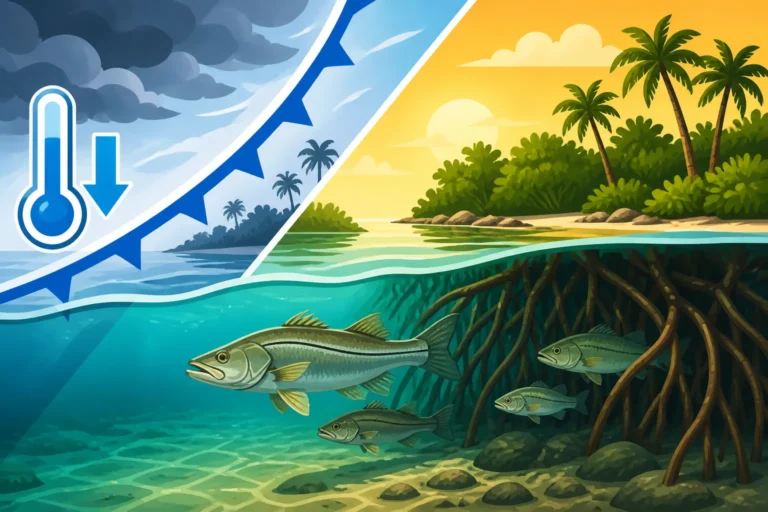
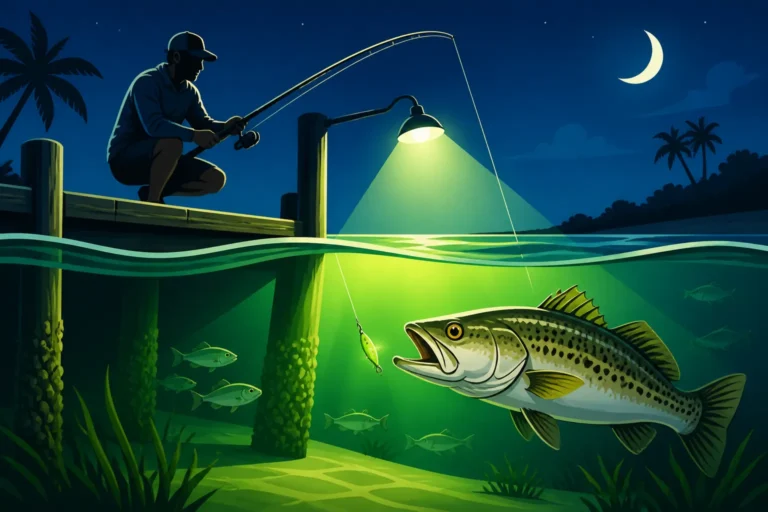
- Snook: Known for their explosive strikes and powerful runs, snook absolutely devour pinfish. Whether you're fishing mangrove lines, oyster bars, or bridge pilings, a lively pinfish is often the key to enticing a trophy snook.
- Redfish: These bronze beauties, particularly the larger "bull" redfish, can't resist a well-presented pinfish. Drift them over grass flats or along structure, and hold on tight.
- Tarpon: The "Silver King" is legendary for a reason, and during their migrations, a large, frisky pinfish can be one of the most effective baits.
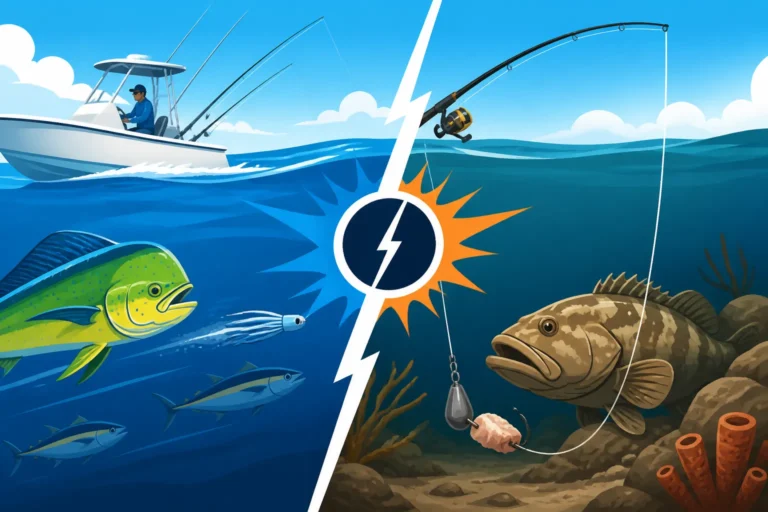
- Groupers & Snappers: When fishing nearshore reefs, wrecks, or ledges, a weighted pinfish sent to the bottom is a top choice for a variety of grouper species like gag and red, as well as snapper such as mangrove and mutton.
- Cobia: These strong, curious fish often cruise near structures or on the surface, and a free-lined pinfish cast in front of them can lead to an epic fight.
- King Mackerel & Spanish Mackerel: While often caught on trolled lures, a fast-swimming pinfish can be deadly for mackerel, especially when rigged on a stinger hook.
This list isn't exhaustive, but it highlights just how valuable pinfish are across the board. If you're looking to catch quality fish in Florida, learning how to get your own pinfish supply is a game-changer.
Essential Gear for Pinfish Procurement
You don't need a boatload of specialized gear to catch pinfish, but having the right tools for the job will make your bait-gathering efforts much more efficient and enjoyable. There are a few primary methods, each with its own preferred equipment.
Cast Nets: Your Primary Tool
For sheer volume and efficiency, a good cast net is often the go-to tool for catching pinfish. It allows you to scoop up dozens of baitfish in a single throw if you locate a school. When choosing a cast net, you’ll want to consider a few factors:
- Size: Cast nets are measured by their radius (e.g., 6-foot, 8-foot, 10-foot). For most bait-catching purposes, a 6-foot or 8-foot net is manageable for a single person and effective enough. Larger nets cover more area but are heavier and harder to throw accurately, especially for beginners. You can find a wide variety of cast nets on Amazon, ranging from beginner-friendly models to advanced, heavier options from brands known for quality.
- Mesh Size: This refers to the size of the holes in the net. For pinfish, which are relatively small, a ¼-inch or ⅜-inch mesh is ideal. Anything larger, and many of your target pinfish will simply swim right through. Anything smaller, and the net becomes much harder to sink and retrieve, and you might accidentally catch juvenile game fish you need to release.
- Weight: The weight of the lead line around the perimeter of the net determines how fast it sinks. For shallow grass flats, a lighter net might be sufficient, but for slightly deeper water or areas with more current, a heavier net (around 1 to 1.5 pounds per foot of radius) will sink faster and "pocket" the fish more effectively.
Learning to throw a cast net takes practice, but once you master it, it's incredibly rewarding. Focus on a smooth, controlled motion to get a full spread, aiming just beyond where you see baitfish or over likely habitat.
Pinfish Traps: The Passive Approach
If you prefer a more relaxed approach or are setting up camp for a few days, pinfish traps can be an excellent, passive way to gather bait. These traps are typically wire mesh cubes or cylinders with funnel-shaped openings that allow small fish to enter but make it difficult for them to exit.
To use a pinfish trap effectively, you'll need to bait it. Small pieces of cut bait like squid, shrimp, or even leftover bread or old crackers can work wonders. Place the trap in areas where you suspect pinfish congregate, such as near docks, rock piles, or on the edges of seagrass beds. Secure it with a rope to a dock piling, a mangrove branch, or a weighted buoy, and check it periodically. Pinfish traps are also readily available online, with many anglers finding good deals on platforms like Amazon for various sizes and designs.
The main advantage of a trap is that it requires minimal effort once set. You can leave it soaking while you fish with other methods or tend to other tasks. The downside is that it's a slower method and you won't get the instant gratification or large hauls that a well-thrown cast net can provide. They are, however, fantastic for keeping a steady supply of fresh bait without constant activity.
Rod and Reel Setup for Targeted Pinfish
Sometimes, throwing a cast net isn't feasible, or you simply want to enjoy catching your bait on a rod and reel. This method is often preferred for kids or for anglers who want to selectively target larger pinfish.
A very light tackle setup is all you need:
- Rod: A light action spinning rod, around 6 to 7 feet long, is perfect. Think of a panfish rod or a very light inshore setup.
- Reel: A small spinning reel (1000 or 2000 series) spooled with 6 to 10-pound monofilament or braided line will provide plenty of sensitivity and fun.
- Line: Light line is key for casting small baits and detecting subtle bites.
- Hooks: Use tiny, sharp hooks. A size 6 or 8 circle hook is excellent, as it helps prevent gut hooking and makes releasing smaller pinfish easier.
- Weight: A small split shot or a tiny egg sinker just heavy enough to get your bait down is all you need.
- Bobber (optional): A small float can help suspend your bait at a desired depth, especially over grass.
This method allows you to precisely target individual pinfish, which can be particularly useful if you're trying to catch larger ones for bigger game fish like grouper or tarpon. It's also a great way to introduce new anglers, especially children, to the joys of fishing without the pressure of catching a huge game fish immediately.
Where to Find Pinfish: Prime Habitats and Hotspots
Pinfish are incredibly widespread in Florida's coastal and brackish waters. Knowing their preferred habitats will significantly increase your success rate, regardless of your chosen catching method. They are generally found in shallower, protected waters where food is abundant and they can hide from larger predators.
Grassy Flats and Seagrass Beds
If there's one habitat synonymous with pinfish, it's the vast, productive seagrass flats found throughout Florida's coastal regions. These underwater meadows are bustling ecosystems, providing both food and shelter for countless species, including pinfish.
Pinfish graze on the tiny invertebrates and plant matter found within the seagrass. They also find refuge among the blades, blending in and darting away from predators. To locate pinfish on these flats, look for subtle disturbances in the water, dark patches where grass is thicker, or even small schools of fish rippling the surface. Sometimes, you'll see larger predatory fish like trout or redfish lurking nearby, a sure sign that bait is present. Approaching these areas quietly, whether by poling a flats boat quietly or slowly wading, is crucial to avoid spooking the schools. Areas like the Best Grass Flats in Tampa Bay for Trout are renowned for holding ample baitfish, including pinfish. Drop your cast net directly over these grass beds, or set your pinfish trap on the edge where grass meets sand.
Docks, Piers, and Structures
Any submerged structure that offers cover and a place for marine growth to accumulate is a magnet for pinfish. This includes docks, piers, bridge pilings, jetties, rock seawalls, and even submerged debris. These structures provide protection from currents and predators, and often host barnacles, algae, and other small organisms that pinfish feed on.
When fishing around docks and piers, cast your net close to the pilings, especially on the side that offers the most shade or protection from the current. For pinfish traps, secure them directly to the pilings. If using a rod and reel, drop your bait tight to the structure. Remember to be respectful of private property when fishing around docks, and always check local regulations, especially concerning public access or if you Do You Need a License to Fish From a Florida Pier?. These spots are convenient and often hold consistent numbers of pinfish.
Mangrove Edges and Canals
Florida's intricate network of mangrove shorelines and canals are vital nurseries and feeding grounds, brimming with life. Pinfish thrive in these environments, using the complex root systems of mangroves as ultimate protection from predators like snook and juvenile sharks.
The water along mangrove edges and within canals is often calmer and can be slightly brackish, which pinfish tolerate well. Target the shady pockets, areas with submerged roots, or small cuts and coves within the mangrove line. A well-placed cast net along a mangrove edge can yield a fantastic haul. For rod and reel fishing, use a bobber to keep your bait from snagging on the roots. Many urban and suburban canals, especially in South Florida, teem with baitfish. If you're exploring areas like the Best Canals for Fishing in South Florida, pay attention to their banks; you'll likely find pinfish lurking there. These areas are not only great for bait, but often hold the game fish you intend to target with that bait!
Best Baits and Techniques to Lure Pinfish
Pinfish aren't typically picky eaters, which is good news for the bait collector. However, using the right bait and technique can make the difference between a few stragglers and a full livewell.
What Pinfish Love to Eat
Pinfish are omnivores, meaning they'll eat a variety of things. In their natural environment, they graze on algae, small crustaceans, and tiny invertebrates. When you're trying to catch them, you can capitalize on their opportunistic feeding habits.
- Shrimp: This is often the undisputed king of pinfish baits. Small pieces of fresh or frozen shrimp, cut into pea-sized chunks, are irresistible. The scent trail they put out is fantastic for attracting pinfish.
- Squid: Similar to shrimp, small bits of squid are tough, stay on the hook well, and are highly attractive to pinfish.
- Fish Bites / Fish Guts: If you have any small pieces of cut bait from other fish you've caught, or even tiny strips of a fish fillet, pinfish will readily take them.
- Bread/Cracker Crumbs: For a very inexpensive option, especially when using a trap or chumming, stale bread or crushed crackers can work. This creates a cloud of particles that draws them in.
- Chum: This is incredibly effective. A block of frozen chum, or a homemade mix of oats, fish meal, and old bread, deployed near your target area, will create a feeding frenzy that draws pinfish right to you. This is also how you How to Chum for Fish From a Boat to attract many other species.
The key is small bait. Pinfish have small mouths, so tiny pieces are much more effective than large chunks.
Effective Rigging and Fishing Methods
For targeting pinfish with a rod and reel, simplicity is your friend. You don't need complicated rigs.
- Simple Bottom Rig: A tiny hook (size 6 or 8), a small split shot weight crimped a few inches above the hook, and a small piece of shrimp or squid is all you need. Cast it out and let it sink to the bottom near structure or grass.
- Bobber Rig: If fishing over grass or where snags are prevalent, a small bobber can suspend your bait just above the bottom. Adjust the depth so your bait is a few inches to a foot or two off the seabed. This also makes it easier to see subtle bites.
- Chumming and Jigging: If you're using chum, deploy it upstream of your fishing location or near your trap. Once pinfish start gathering, you can often catch them by simply dropping a tiny piece of bait on a hook into the chum slick. Very light jigging motions can also entice a strike.
The bites from pinfish are often light taps, so pay close attention. Don't be afraid to let them nibble for a second or two before setting the hook gently.
Cast Netting Techniques for Pinfish
Cast netting for pinfish is all about location and execution. Once you've identified a promising spot (like a seagrass bed or around a dock), approach carefully and observe.
- Spot the Schools: Look for dark patches, ripples, or nervous water indicating baitfish. Sometimes, you'll see a flash of silver as they move.
- Positioning: Try to position yourself upwind or upcurrent from the school if possible, so your net drifts over them.
- The Throw: A good cast net throw should spread out evenly, forming a large pancake shape as it hits the water. This maximizes the area covered and increases your chances of encircling the school. Practice your throw on land until you can consistently achieve a full spread.
- Wait for the Sink: Allow the net to sink completely before retrieving. This ensures it settles over the fish. The lighter the mesh and heavier the lead line, the faster it will sink.
- Quick Retrieval: Once it has sunk, retrieve the net quickly and steadily, pulling the retrieve line to close the net around the fish.
Don't get discouraged if your first few throws aren't perfect. It takes time to develop the technique. The more you practice, the more pinfish you'll be able to catch with ease.
Keeping Your Pinfish Alive and Kicking
Catching pinfish is only half the battle; keeping them alive and lively until they become bait is equally important. A healthy, frisky pinfish will always be more effective than a sluggish, stressed one.
The Importance of a Good Livewell
Your livewell is your pinfish's temporary home, and its quality directly impacts their survival. Pinfish are hardy, but like all fish, they need proper conditions to thrive.
- Aeration: This is non-negotiable. A good livewell system will constantly pump fresh water into the well and circulate it, ensuring high oxygen levels. If your boat doesn't have a built-in aerated livewell, a portable bait bucket with an air pump is a must. Battery-operated aerators are readily available and can be a lifesaver.
- Water Circulation: Beyond aeration, constant water exchange helps remove waste products (like ammonia) that build up as fish respire. Many livewells have an intake that continuously pulls in fresh saltwater and an overflow that pushes old water out.
- Temperature Control: Extreme temperature changes are deadly for baitfish. Try to keep the livewell water temperature as close to the ambient water temperature where you caught the pinfish as possible. On hot days, adding a frozen water bottle (not ice directly, which can shock them) can help keep the water cool, but avoid drastic changes. Overcrowding in a small livewell, especially in warm water, will quickly deplete oxygen and stress your bait. Remember, a lively bait makes for a better catch, so ensuring the Best Way to Keep Fish Fresh on a Boat is paramount.
Handling and Acclimation
How you handle your pinfish also plays a significant role in their longevity. Every time you touch a fish, you remove some of its protective slime coat, making it more susceptible to disease.
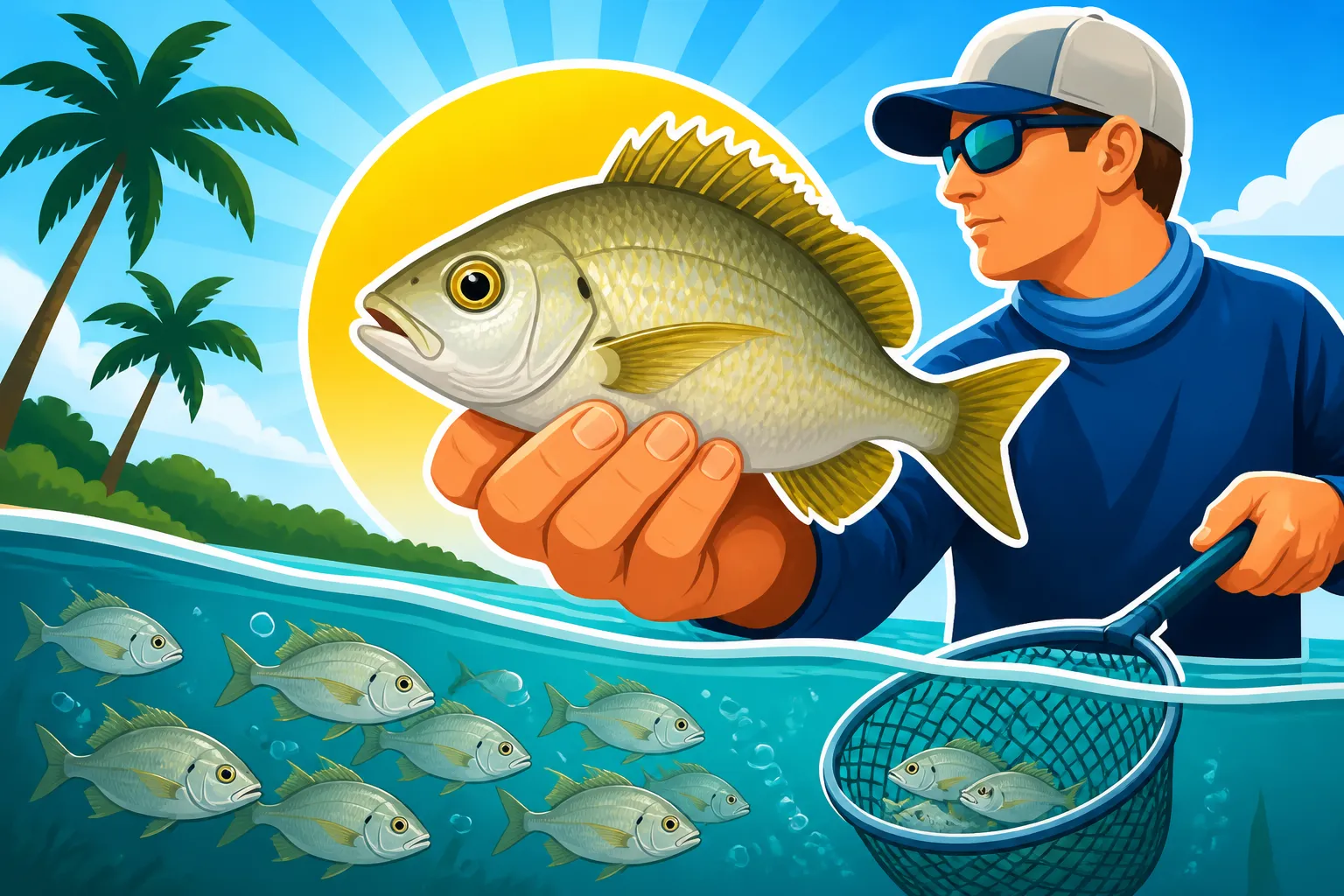
- Minimize Handling: Use a small net to transfer pinfish from your cast net or trap into the livewell, rather than handling them with your bare hands.
- Quick Transfer: The less time pinfish spend out of water, the better. Get them into the livewell quickly after capture.
- Acclimation (if needed): If there's a significant temperature difference between the water you caught the pinfish in and your livewell water (e.g., you caught them in a very shallow, warm flat and your livewell has cooler, offshore water), try to acclimate them slowly. You can do this by gradually mixing the waters or by placing them in a separate bucket with a mix of both temperatures for a short period before introducing them to the main livewell. This avoids thermal shock.
By paying attention to these details, you'll have a tank full of energetic pinfish, ready to entice that next big bite.
Legality and Conservation Notes
While pinfish are primarily baitfish, it's still important to be aware of any regulations surrounding their collection and to practice responsible bait harvesting. Florida's fisheries are a precious resource, and good conservation practices extend even to bait species.
Pinfish and Recreational Limits
Generally speaking, pinfish do not have specific size or bag limits for recreational anglers when caught for bait. This is because they are not typically considered a game fish. However, laws can and do change, and sometimes regional or temporary rules may apply. It's always a good practice to quickly check the latest Florida Fish and Wildlife Conservation Commission (FWC) regulations before heading out, especially if you plan on keeping a large quantity. You can typically find detailed information on Florida Fishing Regulations and Bag Limits on the FWC website.
While specific regulations are rare for pinfish, it's good etiquette to only take what you need. Over-harvesting, even of common baitfish, can impact local ecosystems, especially smaller, localized populations. If you catch more than you can reasonably use or keep alive, consider releasing the excess.
Habitat Protection
The habitats where pinfish thrive – particularly seagrass beds and mangrove estuaries – are critically important to the health of Florida's entire marine ecosystem. These areas serve as nurseries for countless juvenile fish, including many of the game fish you love to target.
- Protect Seagrass: When cast netting or wading in seagrass beds, be mindful not to damage the grass. Avoid dragging your net unnecessarily and try not to tear up large patches of grass with your feet or boat propeller. Healthy seagrass means healthy baitfish populations, which in turn means healthy game fish populations.
- Respect Mangroves: Mangrove shorelines are delicate. When setting traps or casting near them, be careful not to break branches or disturb the root systems, which are vital for shoreline stability and habitat.
By taking care of the environment where pinfish live, you're contributing to the long-term health and sustainability of Florida's incredible fishing opportunities. Collecting bait can be a very hands-on way to connect with the local ecosystem, and with that connection comes a responsibility to protect it.
Comparison of Pinfish Catching Methods
Let's break down the different ways to catch pinfish, highlighting their pros and cons, to help you decide which method best suits your needs and fishing style.
| Method | Speed of Collection | Effort Level | Equipment Cost (Initial) | Best for Volume | Best for Selective Size | Ideal Scenarios |
|---|---|---|---|---|---|---|
| Cast Net | Fast | Moderate | Low to Moderate | High | Low (less control) | Shallow flats, open water schools, quick hauls |
| Pinfish Trap | Slow/Passive | Low | Low to Moderate | Moderate | Low (less control) | Overnights, prolonged bait supply, hands-off |
| Rod & Reel | Slow | Moderate | Very Low (light tackle) | Low | High (precise control) | Leisurely collection, specific sizes, teaching kids |
This table shows that each method has its strengths. If you need a lot of bait quickly, a cast net is your best bet. If you prefer a relaxed approach or need a steady supply, a trap is ideal. And for precision or a fun, interactive experience, a rod and reel can't be beaten. Many seasoned anglers utilize a combination of these methods to ensure they always have the right bait for the job.
Disclaimer
This article is for general informational purposes only and does not constitute professional advice. Laws, prices and regulations vary by location and change over time. Consult a qualified professional for guidance on your specific situation.