Lake Toho Fishing Guide in Central Florida
Oh, Lake Toho! If you've ever felt that undeniable pull towards landing a truly massive bass, but found yourself overwhelmed by the sheer number of famous Florida fishing spots, you're not alone. Many anglers spend countless hours chasing legends elsewhere, not realizing that one of Central Florida's most incredible and accessible trophy bass fisheries is right in their backyard. This guide is your deep dive into conquering Lake Toho, revealing its secrets, and helping you put those monster largemouth in your boat.
Why Lake Toho is a Central Florida Bass Angler's Dream
Lake Tohopekaliga, affectionately known as Lake Toho by locals, isn't just another body of water; it's a legendary bass factory located just south of Orlando, Florida. For decades, this sprawling lake has consistently produced some of the biggest largemouth bass in the state, making it a bucket-list destination for serious anglers and a fantastic spot for casual fishers looking for an unforgettable day on the water. Its reputation for trophy fish is well-earned, drawing comparisons to other titans like Lake Okeechobee.
A Legacy of Lunkers: Trophy Bass Potential
When we talk about trophy bass, we're not just talking about healthy 3 or 4-pounders, though Toho certainly has plenty of those. We're talking about double-digit monsters that can give you the fight of your life. Lake Toho holds the distinction of producing numerous ShareLunker-sized bass (over 13 pounds) for the Florida Fish and Wildlife Conservation Commission's TrophyCatch program. The genetics in these waters are incredible, and the abundant forage, combined with ideal habitat, allows bass to grow to enormous sizes. Many anglers come here specifically with the goal of landing a personal best, and Lake Toho frequently delivers on that promise. It's a place where every cast could genuinely be "the one."
The Kissimmee Chain Connection: A Vast Fishery
Lake Toho isn't an isolated gem; it's the northernmost lake in the vast Kissimmee Chain of Lakes, a series of connected waterways that stretch for miles across Central Florida. This connection means that bass can move freely between Toho, Cypress Lake, Lake Kissimmee, and other smaller lakes, creating a dynamic and incredibly healthy ecosystem. This extensive system provides diverse habitats and ensures a robust fish population. Understanding that you're fishing a connected chain, rather than just a single lake, can inform your strategies and open up possibilities for exploring adjacent waters. It's a massive aquatic playground for bass and anglers alike, making it one of the premier Best Fishing Spots in Florida for freshwater enthusiasts.
Accessibility and Angler Amenities
Despite its wild, natural feel, Lake Toho is remarkably accessible, especially given its proximity to major population centers and tourist destinations like Kissimmee and Orlando. You'll find well-maintained public boat ramps that make launching your vessel a breeze, regardless of its size. Surrounding the lake are various services, from bait and tackle shops to restaurants and lodging, ensuring that anglers have everything they need for a comfortable and productive trip. This ease of access, combined with its reputation, makes it a popular choice for both local and visiting anglers, offering a great experience even if you're exploring the Best Public Lakes for Bass Fishing Near Orlando.
Understanding Lake Toho's Unique Ecosystem and Structure
Lake Toho is a relatively shallow, large lake, covering approximately 22,700 acres. Its character is defined by its extensive shallow flats, intricate canal systems, and a rich variety of aquatic vegetation. To truly unlock its potential, you need to understand where the fish live and why they choose those spots. The lake's structure isn't always obvious to the naked eye, but with a bit of knowledge, you can quickly identify prime bass real estate.
Hydrilla, Kissimmee Grass, and Cattails: Key Habitats
The aquatic vegetation in Lake Toho is the lifeblood of its ecosystem, providing food, cover, and ambush points for largemouth bass. Hydrilla, a submerged grass, is particularly prevalent and can form dense mats that extend for acres. These mats offer excellent protection from predators and the sun, making them prime habitat. Flipping and pitching into the holes and edges of hydrilla is a classic Toho technique.
Beyond hydrilla, you'll encounter extensive stands of Kissimmee grass, a taller, emergent vegetation that grows along the shorelines and on shallow flats. Bass often patrol the outer edges of this grass, ambushing baitfish. Lastly, cattails, another emergent plant, provide dense cover, particularly in shallower, marshier areas. Understanding how bass use each type of vegetation throughout the year is crucial for success. These diverse plant structures mean you can find fish in a variety of depths and situations, offering endless opportunities to refine your approach.
Depths, Channels, and Drop-Offs: Underwater Features
While largely shallow, Lake Toho does have important deeper areas, channels, and subtle drop-offs that concentrate fish, especially during colder months or when fish are transitioning between feeding and spawning grounds. The Kissimmee River, which flows through the lake, creates a distinct main channel and several feeder creeks and canals that offer deeper water. These areas can act as highways for bass moving to and from spawning flats, or as thermal refuges when water temperatures fluctuate.
Anglers often focus on these channel edges and deeper pockets, especially during post-frontal conditions when bass might pull off shallower cover. Subtle contour changes, even just a foot or two in depth, can hold significant numbers of fish. Using your depth finder to identify these underwater features will be key to unlocking patterns, particularly when bass aren't actively cruising the flats.
Understanding Water Levels and Their Impact
Lake Toho's water levels can fluctuate, sometimes significantly, due to seasonal rainfall, flood control efforts, and management by the South Florida Water Management District. These fluctuations have a profound impact on fishing patterns. High water levels can push bass further into flooded vegetation and shallow marshy areas, opening up new fishing grounds but making them harder to access. Conversely, low water levels can concentrate fish in tighter areas, exposing structure that was previously hidden, and making certain channels and drop-offs more prominent.
Staying informed about current water levels is a critical piece of the puzzle for any Toho angler. Local bait shops, online forums, and even a quick chat with a knowledgeable guide can provide invaluable insights into how recent water level changes are affecting the bite. This dynamic environment means successful anglers must be adaptable and willing to adjust their strategies based on current conditions.
Essential Techniques for Lake Toho Bass Fishing
Fishing Lake Toho is all about adapting to the conditions and the dense cover. While conventional methods can certainly produce, some techniques stand out as particularly effective for targeting the lake's abundant and often hefty largemouth bass.
Flipping and Pitching Heavy Cover
This is arguably the quintessential Lake Toho technique. Given the extensive mats of hydrilla, Kissimmee grass, and cattails, getting your bait into the thick stuff is paramount. Flipping and pitching allow you to quietly present a heavy jig or creature bait into small openings, dense cover, or along hard-to-reach edges where big bass love to hide. You'll need stout rods, heavy braided line (think 50-65 lb test), and tungsten weights to punch through vegetation.
The key is precision and patience. Make accurate casts, let your bait sink, and work it slowly, feeling for that subtle thump or a sudden weight. Big bass often don't move far from their cover, so placing your bait directly in their strike zone is critical. This method is incredibly effective, especially when bass are sluggish or hiding from bright sun, offering a true test of an angler's skill and patience.
Topwater Action and Frogging in the Mats
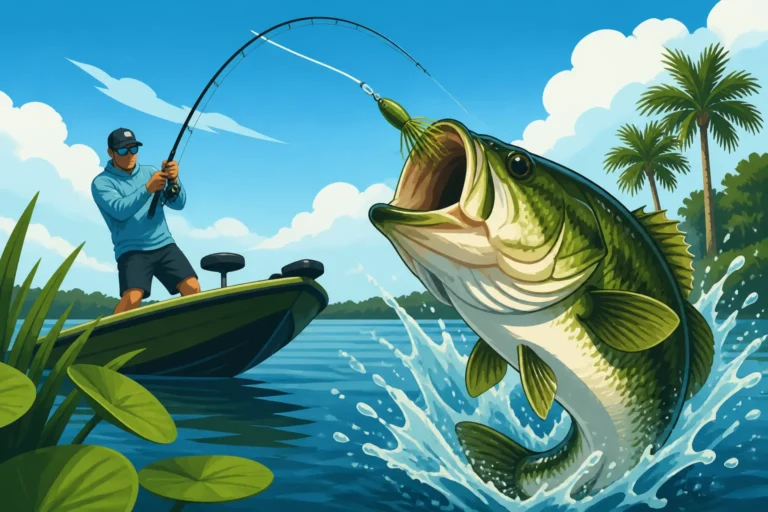
There's nothing quite as exhilarating as a massive bass exploding on a topwater lure. Lake Toho offers incredible opportunities for topwater fishing, particularly with frog lures worked over the vast hydrilla mats. When the water is warm and conditions are calm, especially during early mornings or late evenings, bass will readily ambush baits on the surface.
Frogs are designed to glide effortlessly over thick vegetation, and their weedless design allows you to cast them into areas where other lures would snag immediately. Walk the dog, pause, and twitch your frog to entice a strike. Other topwater lures like poppers, prop baits, and walking baits can also be deadly when fished along grass lines or over sparse cover. The visual aspect of this technique makes it incredibly addicting and often productive for larger, more aggressive fish.
Spinnerbaits, Chatterbaits, and Swim Jigs for Reaction Bites
Sometimes, you need to cover water and trigger a reaction strike. Spinnerbaits, Chatterbaits (bladed jigs), and swim jigs are excellent choices for this in Lake Toho. These lures create flash, vibration, and erratic movement that can draw bass out of cover or convince them to strike even when they're not actively feeding. They are especially effective when fished along the edges of grass lines, around submerged structure, or through open pockets in the vegetation.
Experiment with different retrieve speeds and depths. A slow roll with a large spinnerbait can be deadly on deeper edges, while a faster retrieve with a Chatterbait can provoke a more aggressive bite. Swim jigs, often paired with a plastic trailer, offer a more subtle but equally effective presentation, mimicking baitfish fleeing cover. Having a selection of these moving baits in your tackle box is essential for adapting to changing conditions and finding active fish across different types of cover.
Live Bait and Shiner Fishing Strategies
While artificial lures are incredibly popular, live bait fishing, particularly with wild shiners, is a time-honored and highly effective method for catching trophy bass on Lake Toho. Shiners are a natural food source for big bass, and their frantic struggles often prove irresistible. Anglers typically "free-line" shiners or suspend them under a float along grass lines, over submerged structure, or near known bass haunts.
This method often requires specialized gear, including larger rods and reels capable of handling big bass and the heavy shiners. Many guides on Lake Toho specialize in this technique, as it can be incredibly productive for enticing the biggest fish in the lake. If you're serious about landing a true Toho giant, don't overlook the power of a lively wild shiner. This approach, similar to using Best Live Bait for Florida Inshore Fishing, simply applies to freshwater giants.
Best Times and Seasons to Fish Lake Toho
Florida's climate means fishing is a year-round sport, but Lake Toho, like any fishery, has its peak seasons and times of day when particular patterns emerge. Understanding these seasonal shifts is crucial for planning a successful trip.
Winter and Spring: The Spawning Spectacle
Without a doubt, late winter and early spring are the most famous times to fish Lake Toho, primarily because it's when the big largemouth bass move into the shallower waters to spawn. This period, typically from December through April, sees massive female bass, heavy with roe, becoming more accessible as they create beds in protected coves and along shallow grass lines. This is the prime time for trophy hunting and is when many of the lake's biggest bass are caught. Understanding the Florida Bass Spawning Season is paramount during these months.
During this time, sight fishing for bedding bass is a popular and exciting technique, though it requires stealth and keen eyesight. However, even if you're not sight fishing, the sheer number of big fish in shallow water makes for incredible action. Mornings are often the best, as fish are active and water temperatures are still comfortable. While the crowds can be heavier, the rewards are often well worth it.
Summer's Heat: Early Mornings and Late Evenings
As Central Florida's temperatures soar in the summer, Lake Toho fishing shifts. The mid-day sun can make bass sluggish, pushing them into the densest cover or deeper channels. However, the early mornings and late evenings offer fantastic opportunities. During these cooler periods, bass become more active, moving out of heavy cover to feed. Topwater lures, particularly frogs worked over mats, can be incredibly effective at first light or dusk.
Summer fishing also calls for heavier presentations, like flipping and pitching jigs into thick hydrilla to target bass seeking refuge from the heat. Don't shy away from fishing during or immediately after summer thunderstorms; the sudden drop in temperature and increased oxygen can spark a feeding frenzy. Adaptability is key – focus on shaded areas, deeper grass lines, and periods of low light for the most success. For general tips on maximizing your time, consider the Best Time of Day to Fish in Florida.
Fall Transition: Following the Bait
Fall on Lake Toho, generally from September through November, is a transition period marked by cooling water temperatures and bass becoming more aggressive as they feed up for winter. This is a fantastic time to target baitfish schools, as bass will often follow these schools into various parts of the lake. Reaction baits like spinnerbaits, Chatterbaits, and even crankbaits fished along grass lines and channels can be highly productive.
The fall bite can be a bit more unpredictable than spring, but it offers a dynamic challenge. Bass might be found in diverse locations, from shallow flats chasing bait to deeper pockets. Keep an eye on water temperatures and baitfish activity. As the water cools, the fish become more comfortable roaming and aggressively striking, making for some truly exciting fishing.
| Season | Primary Techniques | Key Lures | Best Times of Day | Notes |
|---|---|---|---|---|
| Winter | Flipping, pitching, live shiners | Jigs, creature baits, wild shiners | Mid-morning to Afternoon | Spawning begins, trophy potential very high. |
| Spring | Flipping, pitching, topwater, sight fishing | Frogs, jigs, creature baits, soft plastics | Early Morning to Mid-day | Peak spawning, extremely high trophy potential. |
| Summer | Flipping, pitching, topwater, deep cranking | Frogs, heavy jigs, deep diving crankbaits | Early Morning, Late Evening | Fish move to heavy cover or deeper water during heat. |
| Fall | Spinnerbaits, Chatterbaits, swim jigs, topwater | Spinnerbaits, bladed jigs, swim jigs, walking baits | Morning and Evening | Aggressive feeding as water cools, chasing baitfish. |
Navigating Lake Toho: Access, Ramps, and Local Resources
Getting onto Lake Toho and knowing where to go once you're there makes all the difference. While the lake feels wild, it's supported by a robust infrastructure designed to help anglers succeed.
Public Boat Ramps and Access Points
Lake Toho is well-equipped with several excellent public boat ramps that can accommodate a wide range of boats, from small jon boats to larger bass boats. The most popular and well-known access point is the Kissimmee Lakefront Park in Kissimmee, which offers multiple ramps, ample parking, and convenient facilities. This location is often buzzing with anglers, especially during peak seasons. Other notable ramps include Shingle Creek at the northern end and facilities near Southport Park further south.
When planning your trip, it's always a good idea to check the specific ramp conditions, especially if water levels have been fluctuating. These ramps provide direct access to the main lake and its various channels, setting you up for a productive day. Familiarizing yourself with these entry points will save you time and hassle, allowing you to focus on the fishing.
Local Bait Shops and Guides
Local bait and tackle shops are invaluable resources for any angler, and Lake Toho is no exception. Places like Big Toho Marina (though the physical shop might have changed, the spirit of local knowledge remains) or other smaller shops in the Kissimmee area are goldmines for current fishing reports, bait availability, and expert advice. The folks working there live and breathe Lake Toho fishing; they'll often tell you what's biting, where, and on what.
They're also the best place to pick up fresh live bait, particularly wild shiners, if you plan to go that route. Don't be shy about striking up a conversation – their insights can drastically improve your chances of success. They also carry the specific lures and gear that are proven to work on Toho, saving you from guessing.
Booking Charters and Guides
For those looking to maximize their chances of catching a trophy bass, or for newcomers who want to learn the ropes, hiring a professional fishing guide is an excellent investment. Lake Toho boasts a fantastic roster of experienced guides who know the lake like the back of their hand. They understand the seasonal patterns, the best baits, and where the big fish are hiding. They can quickly put you on fish, teach you techniques, and often provide all the necessary gear.
Many reputable guides list their services on platforms like FishingBooker, making it easy to browse options, read reviews, and book a trip that suits your schedule and preferences. A good guide will not only help you catch fish but also impart valuable knowledge about the lake's ecosystem and bass behavior, enhancing your overall understanding of Florida fishing techniques. This is particularly useful if you're targeting a specific species like largemouth bass or just want to ensure a productive day without the guesswork.
Beyond Bass: Other Species in Lake Toho
While Lake Toho is rightly famous for its largemouth bass, it's a diverse fishery that offers opportunities to catch a variety of other popular freshwater species. Diversifying your targets can add an extra layer of fun to your fishing trip, especially if the bass bite is slow or if you're fishing with family and want consistent action.
Crappie Fishing Opportunities
Also known as speckled perch or "specs" by locals, crappie are another highly sought-after species in Lake Toho. These delicious panfish congregate in schools and can provide fast-paced action, especially during the cooler months. Crappie often relate to brush piles, submerged timber, and deeper channels, and can be caught using small jigs, live minnows, or even tiny spinnerbaits.
The Kissimmee River channel and its associated canals within Lake Toho are prime crappie territory. Many anglers specifically target crappie, enjoying the challenge of finding the schools and the excellent table fare they provide. If you're looking to switch things up from bass fishing or want a different kind of challenge, crappie fishing on Toho is a rewarding experience.
Bluegill, Shellcracker, and Catfish
Lake Toho is also home to abundant populations of other panfish, including bluegill and shellcracker (redear sunfish), as well as various species of catfish. These fish are generally easier to catch, making them excellent targets for beginners, kids, or anyone looking for consistent bites. Bluegill and shellcracker can be found in shallower vegetated areas, often near lily pads or grass edges, and readily bite on crickets, worms, or small artificial lures.
Catfish, particularly channel catfish and bullheads, are often found in deeper holes, channels, and near structure. They're opportunistic feeders and can be caught using a variety of baits, including cut bait, worms, and stink baits. Targeting these species can provide continuous action throughout the day and are perfect for a relaxing afternoon on the water, proving that Toho offers something for everyone, regardless of their preferred target.
Disclaimer
Fishing conditions and regulations in Florida can change frequently. Always consult the latest Florida Fish and Wildlife Conservation Commission (FWC) guidelines and local advisories before heading out on the water. This guide is for informational purposes only and should not be considered legal advice or a substitute for official regulations. Stay safe and have fun!