Florida Spanish Mackerel Fishing Guide
Many anglers come to Florida with visions of battling giant game fish, but often overlook one of the state's most accessible, exciting, and delicious catches: the Spanish mackerel. These torpedo-shaped speedsters zip through our coastal waters, offering fast-paced action and a fantastic meal, yet many struggle with consistently locating and landing them. This guide will dive deep into everything you need to know to successfully target and enjoy Spanish mackerel fishing here in the Sunshine State, from understanding their habits to the best gear and techniques.
Understanding the Florida Spanish Mackerel
Before you can effectively chase these silver bullets, it's crucial to understand who you're dealing with. Spanish mackerel are fascinating creatures, built for speed and perfectly adapted to their coastal environment. Knowing their characteristics, preferred hangouts, and travel patterns will dramatically increase your chances of a successful day on the water.
Appearance and Characteristics
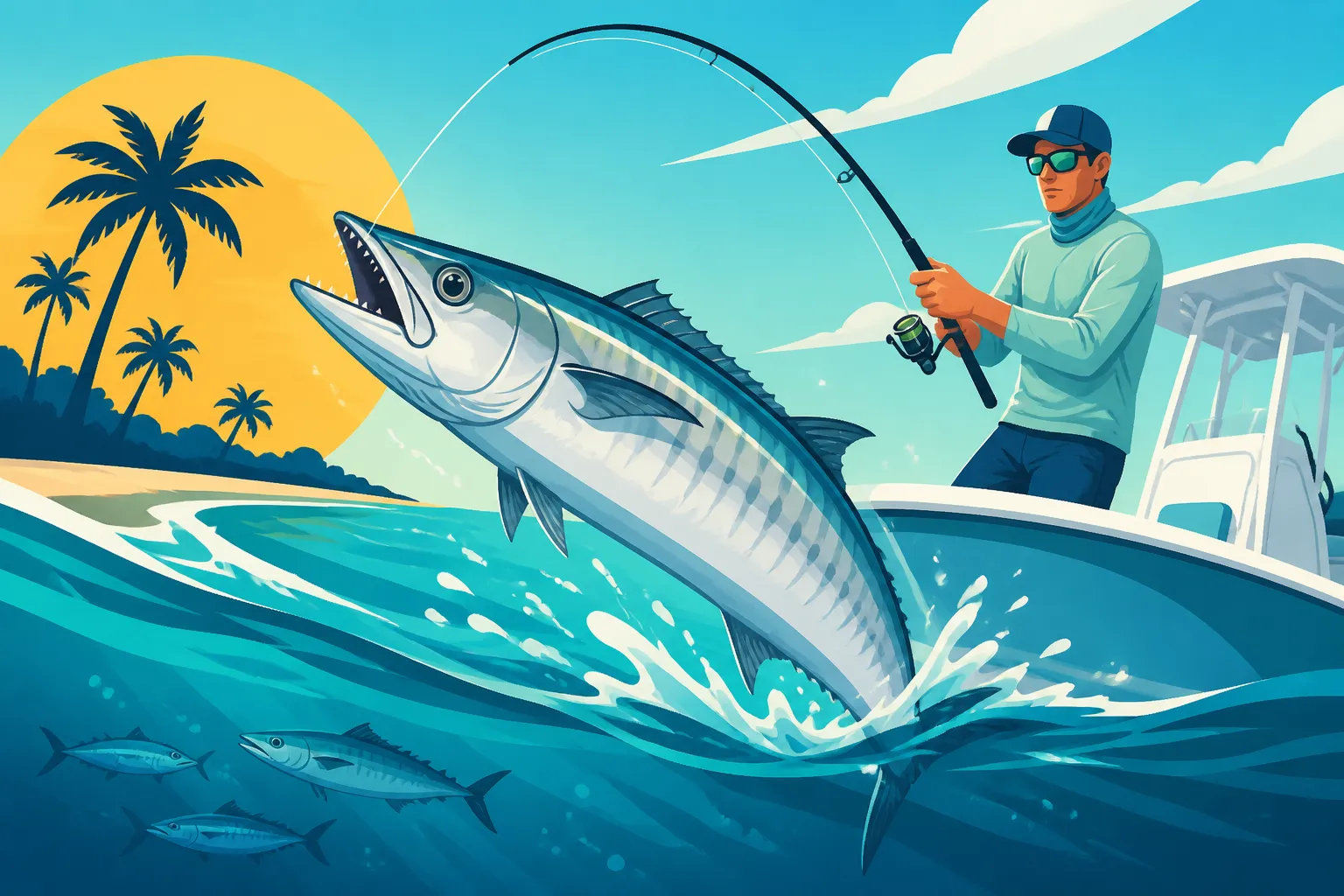
Spanish mackerel (Scomberomorus maculatus) are truly a sight to behold, especially when they're zipping through clear water. They possess a sleek, streamlined body, designed for incredible speed and agility, allowing them to ambush baitfish with remarkable efficiency. Their flanks shimmer with a silvery iridescence, fading to a darker, almost metallic blue-green along their back. What truly sets them apart, however, are the distinctive oval, brassy spots that adorn their sides – these spots aren't quite circles, but more like irregular ellipses, which is a key identifier when distinguishing them from their larger, less spotted cousin, the king mackerel.
Their mouths are equipped with a set of razor-sharp, conical teeth, perfect for slicing through bait. Seriously, these teeth are no joke, so always exercise caution when handling a landed mackerel. They typically range from about one to five pounds, though it's not uncommon to encounter larger "smokers" pushing ten pounds or more, especially early or late in their migratory seasons. Don't let their average size fool you; even a smaller Spanish mackerel can put up an impressive fight on light tackle, making them a favorite among anglers looking for constant action.
Typical Habitat and Behavior
Spanish mackerel are primarily an inshore and nearshore species, preferring the warmer, shallower waters of the Atlantic and Gulf coasts of Florida. You'll find them congregating in areas where baitfish are abundant, often in depths ranging from a few feet to about 40-50 feet. Think about places where tides create current, where structures hold bait, or where clear, clean water meets nutrient-rich estuaries. They love clear water but won't shy away from slightly murkier areas if there's a feeding opportunity.
They are pelagic, meaning they swim in the open water column, rather than clinging to the bottom. Spanish mackerel are highly predatory, spending their days actively hunting schools of small baitfish like pilchards, glass minnows, anchovies, and small sardines. You'll often spot them on the surface, crashing into bait schools, causing frenzied explosions of water that are a dead giveaway to their presence. These feeding frenzies are known as "busts" or "boils," and seeing one can send an angler's heart racing. They are social fish, usually traveling in large schools, which means where you find one, you're likely to find many more. This schooling behavior is what makes them such a fantastic target for consistent action.
Migratory Patterns and Seasons
Understanding the migratory patterns of Spanish mackerel is like cracking a secret code to consistent fishing success. These fish are highly migratory, moving north and south along the coasts of Florida with the changing seasons and water temperatures. Generally, they follow the warmth, heading south to the warmer waters of South Florida and the Keys during the cooler winter months, and then spreading north along both coasts as spring arrives and water temperatures rise.
For most of Florida, the peak season for Spanish mackerel fishing is typically spring and fall. In spring, as baitfish schools begin to appear in larger numbers and water temperatures climb into the mid-60s and 70s Fahrenheit, the mackerel move into nearshore waters and inlets. This is often when you'll find some of the larger "smoker" mackerel mixed in with the smaller fish. They'll remain plentiful through the summer in many areas, particularly along the Panhandle and North Florida coasts, before starting their southward migration again in the fall as temperatures begin to drop. During winter, they can still be found in good numbers in the southernmost parts of the state, such as the Florida Keys and parts of the Gulf Coast south of Tampa Bay. Keep in mind that while there's generally a "best time" to fish, they are often available year-round somewhere in Florida. It's always a good idea to check local fishing reports or chat with tackle shop owners to get the most current information for your specific area. Florida Fishing Seasons Explained offers a broader look at what's biting when.
Essential Gear for Spanish Mackerel Fishing
Having the right tackle can make all the difference when targeting Spanish mackerel. These fish are fast, have sharp teeth, and can be quite aggressive, so you need gear that can stand up to the challenge while still being sensitive enough to enjoy the fight. You certainly don't need a heavy-duty offshore setup, but a few specific considerations will greatly improve your experience and success rate.
Rods, Reels, and Line Selection
For Spanish mackerel, light to medium-light spinning tackle is usually the way to go. This setup provides the sensitivity needed to detect subtle bites and the backbone to handle their blistering runs, all while making the fight incredibly fun. A 7-foot spinning rod with a fast action is pretty much the sweet spot, allowing for long casts with lighter lures while still having enough power to control the fish. Rods rated for 8-15 lb test line are generally ideal. You can find excellent options for this setup on Amazon, with many reputable brands offering rods that fit the bill perfectly without breaking the bank.
Pair that rod with a quality spinning reel in the 2500 to 3000 size range. Look for a reel with a smooth drag system, as Spanish mackerel are known for their initial, blistering runs. A jerky drag can lead to snapped lines or pulled hooks in a hurry. For line, braid is often preferred for its incredible strength-to-diameter ratio and lack of stretch, which enhances sensitivity and casting distance. Spool your reel with 10-15 lb braided line. While braid is fantastic, it's virtually invisible to fish in clear water, so you'll always want to use a fluorocarbon leader, which we'll discuss next. Best Rod and Reel Setup for Florida Inshore Fishing provides more general advice on picking your setup.
Lures, Baits, and Rigs
Spanish mackerel are opportunistic predators, and they respond well to a variety of artificial lures and natural baits. The key is often matching the hatch – replicating the baitfish they are currently feeding on.
When it comes to lures, speed is your friend. Spanish mackerel love a fast retrieve.
- Spoons: Thin metal spoons, like Johnson Sprites or Clarkspoons, in silver, gold, or even pink, are perennial favorites. Sizes from 1/2 oz to 1 oz are common.
- Jigs: Small, flashy jigs, often called "casting jigs" or "diamond jigs," retrieved quickly, can also be highly effective. Brands like Gotcha often offer great casting jigs, and you can stock up on a variety of weights and colors from Amazon.
- Gotcha Plugs: These are classic Spanish mackerel lures. Their erratic darting action on a fast retrieve drives mackerel wild. They come in various colors, but white, chartreuse, and pink are usually good starting points.
- Small Bucktail Jigs: Tipped with a piece of shrimp or a small soft plastic, these can be deadly, especially when fishing around structure.
For natural bait, live or fresh dead baitfish are tough to beat.
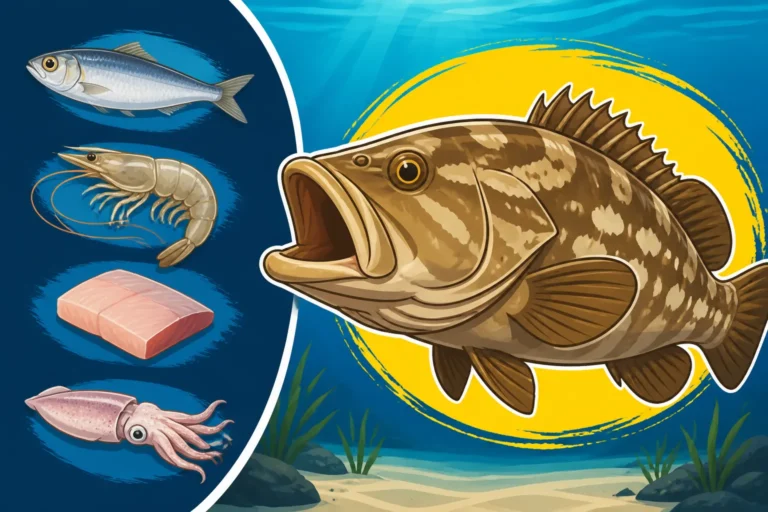
- Live Bait: Pilchards, threadfin herring, glass minnows, and finger mullet are irresistible to Spanish mackerel. Present them free-lined or under a very small float.
- Dead Bait: Small strips of fresh-cut bait, particularly oily fish like mullet or sardines, can be effective when allowed to drift in the current or trolled slowly.
Regardless of your lure or bait choice, the most crucial component of your rig will be your leader. Those razor-sharp teeth can make quick work of monofilament or fluorocarbon line.
- Fluorocarbon Leader: A 20-30 lb fluorocarbon leader, about 18-24 inches long, is a good starting point. Fluorocarbon is more abrasion-resistant and less visible than monofilament.
- Wire Leader: For added insurance against bite-offs, especially when targeting larger mackerel or when bite-offs are frequent, a short section (6-12 inches) of light, single-strand wire leader (e.g., #2 or #3) can be employed. This might slightly reduce your bite rate in extremely clear water, but it will save you from losing many lures. Attach it to your main fluorocarbon leader with a small barrel swivel, which also helps prevent line twist. Best Live Bait for Florida Inshore Fishing gives good tips for baiting up.
Terminal Tackle and Accessories
Beyond your rod, reel, line, and choice of lure or bait, a few essential pieces of terminal tackle and accessories will complete your Spanish mackerel setup and make your fishing trip smoother.
Terminal Tackle:
- Swivels: Small, high-quality barrel or ball-bearing swivels are essential for connecting your braided main line to your leader. They help prevent line twist, which can be a common issue when rapidly retrieving spoons or Gotcha plugs.
- Snaps/Clips: Many anglers like to use small snaps or snap swivels on their leader to quickly change lures. Just make sure they are rated for saltwater and strong enough for the task.
- Hooks: If you're using natural bait, small, sharp J-hooks or circle hooks (size 1 to 2/0) are generally appropriate. Always check local regulations for hook type requirements if you're targeting other species alongside mackerel.
Accessories:
- Pliers/Dehookers: Due to their sharp teeth, handling Spanish mackerel directly can be risky. A good pair of long-nose pliers or a dehooker is invaluable for safely removing hooks. Look for saltwater-resistant options.
- Cooler with Ice: Spanish mackerel are excellent table fare, but they spoil quickly if not kept cold. A well-iced cooler is non-negotiable if you plan to keep your catch.
- Cast Net: If you plan on catching your own live bait, a good cast net is indispensable. Practice makes perfect with these!
- Sun Protection: Florida sun is no joke. Hats, polarized sunglasses (to spot those bait schools and busting fish!), and sunscreen are critical for a comfortable and safe day on the water.
- Leader Material: Always bring extra spools of fluorocarbon and wire leader material. Bite-offs happen, and you'll want to re-tie quickly to get back in the action.
- Tackle Box: A well-organized tackle box or bag will keep all your lures, leaders, swivels, and other small items in order. You can find many practical options on Amazon to suit your needs.
Top Techniques for Catching Spanish Mackerel
Spanish mackerel are known for being aggressive and fast, but knowing the right techniques to present your bait or lure will significantly improve your hook-up ratio. It's not just about what you use, but how you use it!
Trolling for Spanish Mackerel
Trolling is arguably one of the most effective methods for locating and catching Spanish mackerel, especially when they are scattered or you're trying to cover a lot of water. It mimics a fleeing baitfish, triggering their predatory instincts.
To troll effectively for Spanish mackerel, you'll want to move at a moderate speed, typically between 4 to 8 knots. The exact speed can vary based on conditions and what the fish are responding to, so don't be afraid to experiment. Use smaller spoons, like Clarkspoons, or even small diving lures behind a planer or trolling weight to get them down to the desired depth. Planers are fantastic because they dive when the boat moves and trip when a fish hits, bringing your lure to the surface and indicating a strike. Alternatively, a small trolling weight (e.g., 1-3 ounces) can be used to achieve similar results, though it requires a more consistent boat speed to maintain depth.
Many anglers will deploy multiple lines at different depths and distances behind the boat to figure out the mackerel's preference for the day. Staggering your lines also helps prevent tangles when a fish strikes. When you get a bite, try to keep moving for a short distance; often, where there's one mackerel, there are many, and you might hook into a "double" or even a "triple." Trolling is excellent for covering large areas, such as along channel edges, over grass flats, or around offshore reefs and wrecks that hold bait.
Casting and Retrieving
For a more active and engaging experience, casting and retrieving lures is incredibly effective, especially when you spot busting fish or are fishing around known structures like piers, jetties, or inlets.
The key to successful casting for Spanish mackerel is a fast retrieve. These fish are built for speed, and they often react best to lures that are darting and zipping through the water. Once your lure (like a spoon, Gotcha plug, or casting jig) hits the water, immediately begin a brisk retrieve. Some anglers incorporate a twitching or jerking motion into their retrieve to make the lure appear even more erratic and enticing. Don't be shy about reeling as fast as you can, because if they're there and hungry, they'll often chase it down.
When you see signs of active feeding, such as birds diving or baitfish scattering on the surface, cast directly into or just beyond the commotion. This is when the action can be furious! Keep your eyes peeled for those telltale splashes and don't hesitate to cast. If you're not getting bites on a fast, steady retrieve, try varying your speed, adding pauses, or changing to a different lure color. Sometimes, a slight change is all it takes to get them to commit. Best Lure Color for Murky Water in Florida can help you choose the right lure for various water conditions.
Pier and Shore Fishing Strategies
You don't need a boat to get in on the Spanish mackerel action. Piers and even some beaches and jetties offer fantastic opportunities to catch these speedy fish, making them accessible to just about everyone.
Pier Fishing: Piers extend into deeper water where mackerel often patrol, making them prime locations. From a pier, the most common and effective technique is casting and retrieving. Again, Gotcha plugs and metal spoons are your best friends here. Cast them out as far as you can and retrieve them quickly. Many piers also have lights at night, which can attract baitfish, and in turn, mackerel. Chumming from a pier can also be highly effective. A simple chum bag filled with ground menhaden or oats can create a scent trail that brings mackerel right to your casting range. Always be mindful of other anglers and local pier rules regarding chumming. Best Pier Fishing Spots in Florida details some excellent locations for this.
Shore/Surf Fishing: While less common than pier fishing, you can definitely catch Spanish mackerel from Florida's beaches, especially near inlets or cuts where current and bait are present. The technique is similar to pier fishing: long casts with metal spoons or casting jigs, retrieved at a high speed. Look for areas with deeper troughs or sudden drop-offs close to shore, as these are natural highways for mackerel. Early mornings and late evenings, or during incoming tides, are often the most productive times. A sand spike can be useful to hold your rod while you set up or wait for a bite. Remember that a Florida Shoreline Fishing License Explained might be necessary even for fishing from the beach. For more specific spots, check out Best Beaches for Surf Fishing in Florida.
Best Fishing Spots and Times in Florida
Florida is a vast state with thousands of miles of coastline, offering endless opportunities to target Spanish mackerel. Knowing where and when to go can greatly increase your chances of a successful outing.
Coastal Areas and Inlets
Spanish mackerel are found on both the Gulf and Atlantic coasts of Florida, though their presence and peak seasons can vary slightly.
Atlantic Coast: From Jacksonville down to the Florida Keys, the Atlantic coast is a Spanish mackerel hotspot. During spring and fall migrations, you'll find them in abundance in nearshore waters, along beaches, and especially concentrated around major inlets like Sebastian Inlet, Port Canaveral, and St. Lucie Inlet. These inlets act as natural funnels for baitfish, making them prime ambush points for mackerel. Look for them just outside the passes, where the clean ocean water meets the more estuarine waters. They also frequent artificial reefs and wrecks a few miles offshore.
Gulf Coast: The Gulf Coast offers equally thrilling Spanish mackerel fishing, from the Panhandle to the Everglades. Areas like Destin, Panama City Beach, and St. Petersburg are well-known for their spring and fall runs. Tampa Bay and Charlotte Harbor can also hold large schools. Much like the Atlantic side, target nearshore waters, especially around passes, barrier islands, and areas with good current. They’ll also be found over grass flats adjacent to deeper channels and around structures like navigational markers and channel buoys, which often hold bait.
Pier and Bridge Hotspots
As mentioned earlier, piers and bridges are fantastic for accessing Spanish mackerel without a boat, and Florida has some legendary spots.
Piers: Some of the most famous piers for Spanish mackerel include:
- Skyway Fishing Pier State Park (St. Petersburg/Palmetto): This massive pier, built on the remnants of the old Sunshine Skyway Bridge, offers incredible access to Tampa Bay's productive waters. You can fish from either side, covering vast areas.
- Sebastian Inlet State Park (Melbourne Beach): Known for its strong currents and abundance of bait, the jetties and piers here are magnets for mackerel, snook, and other species.
- Naples Pier: A beautiful pier that stretches far into the Gulf, often seeing good mackerel runs.
- Panama City Beach City Pier and Russell-Fields Pier: These two piers in the Panhandle are excellent during spring and fall, especially for casting spoons and Gotcha plugs.
These piers often have bait shops and sometimes even provide fishing licenses on-site, making them very convenient.
Bridges: While less accessible for casting than piers, many bridges that span major inlets or intercoastal waterways can be great places to find Spanish mackerel from a boat, particularly if they create current breaks or eddies where bait congregates. Fishing from a boat near these structures allows you to troll or cast to fish holding in these specific areas.
Optimal Weather and Tide Conditions
Like most fish, Spanish mackerel can be influenced by weather and tides.
- Tides: Moving water is almost always better than slack tide for Spanish mackerel. An incoming or outgoing tide creates current, which concentrates baitfish and makes it easier for mackerel to ambush them. Look for the peak of the tide movement, roughly an hour before and after the high or low tide, for the most active feeding.
- Weather: Overcast days with a light chop on the water can sometimes produce excellent fishing, as the reduced light may make the mackerel less wary. However, they'll bite on sunny days too. The main thing to avoid is extremely clear, calm, bright conditions, which can make them skittish, or very rough, windy conditions that make it difficult to spot busting fish and present lures effectively.
- Water Temperature: As noted in their migratory patterns, Spanish mackerel prefer warmer waters. Generally, water temperatures between 68-78°F (20-25°C) are ideal. If the water gets too cold (below 60°F) or too hot (above 85°F), they tend to move offshore or to deeper, more comfortable waters.
- Bait Presence: The absolute best condition is the presence of abundant baitfish. Look for diving birds, nervous bait schools showering on the surface, or "flips" from mackerel chasing bait. Where there's bait, there are usually mackerel.
Florida Regulations and Conservation
Fishing responsibly is paramount, especially in a state like Florida with such incredible marine resources. Understanding and adhering to regulations not only keeps you legal but also contributes to the sustainability of the fishery for future generations.
Size and Bag Limits
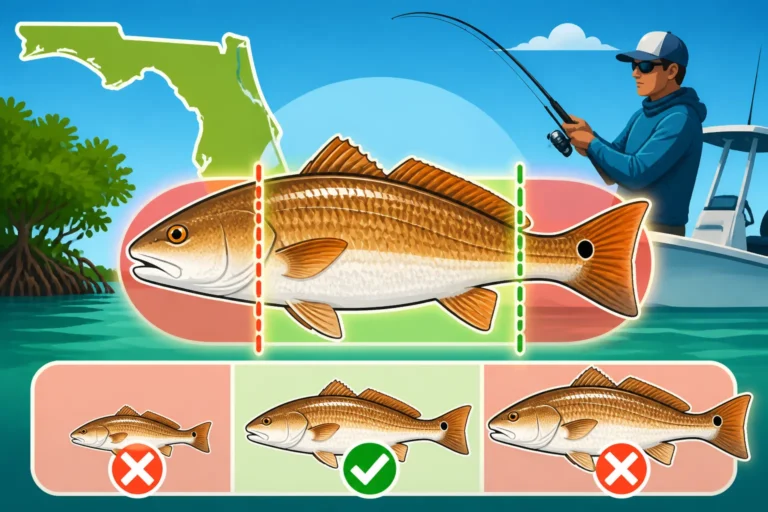
Florida has specific regulations for Spanish mackerel that can change, so it’s vital to always check the most current Florida Fish and Wildlife Conservation Commission (FWC) rules before heading out. Generally, Spanish mackerel have a minimum size limit and a daily bag limit per person. The minimum size is usually around 12 inches fork length (measured from the tip of the snout to the fork in the tail), and the bag limit is often around 15 fish per person per day. However, these numbers can vary seasonally or by region, so you really need to look up the latest FWC guidelines.
There are often additional considerations, such as whether you are fishing in state or federal waters, which can sometimes have different rules, particularly for species that move further offshore. Always have a copy of the current regulations handy, either a printed version or accessible via the FWC's website or app on your phone. Ignorance of the law is not an excuse, and fines for violating bag or size limits can be substantial. For a comprehensive overview, familiarize yourself with Florida Fishing Regulations and Bag Limits and Florida Saltwater Fishing License Rules.
Handling and Releasing Spanish Mackerel
Even if you plan to keep your catch, practicing proper handling is crucial, as some fish might be undersized or you might decide to release them. Spanish mackerel are delicate fish that can be easily injured, and their sharp teeth pose a risk to anglers.
Safe Handling:
- Use Pliers/Dehookers: As mentioned earlier, never put your fingers directly into a mackerel's mouth. Use long-nose pliers or a dehooker to remove the hook.
- Lip Grips: Fish lip grips can be very useful for controlling a mackerel without touching its body or getting near its teeth. They allow you to hold the fish vertically and unhook it safely.
- Support the Body: If you need to hold the fish horizontally for a photo, always support its body, especially if it's a larger fish, to avoid damaging its internal organs or spine.
Proper Release:
- Minimize Air Time: If releasing, get the fish back into the water as quickly as possible. Prolonged exposure to air is stressful and can reduce their chances of survival.
- Wet Hands: If you must touch the fish, wet your hands first. Dry hands can remove the fish's protective slime coat, making it more susceptible to disease.
- Revive If Necessary: If a fish seems sluggish, hold it gently in the water, facing into the current, and move it back and forth slightly to help water flow over its gills until it regains strength and swims away on its own.
- Cut the Line: If a fish is deeply hooked and you can't easily remove the hook without causing more damage, it's often better to simply cut the line as close to the hook as possible. The hook will usually corrode and fall out over time. Understanding What Happens If You Keep an Undersized Fish in Florida? reinforces the importance of knowing these limits.
Sustainability and Responsible Angling
The health of Florida's fisheries depends on all of us being responsible stewards of the marine environment.
- Respect Limits: Always adhere to all size and bag limits. These regulations are in place to ensure healthy fish populations for the future.
- Know Your Target: Be able to correctly identify Spanish mackerel to avoid accidentally keeping an undersized king mackerel or another protected species.
- Leave No Trace: Pack out everything you pack in. Never leave trash, discarded fishing line, or bait containers on piers, beaches, or in the water. Fishing line, especially, is a deadly hazard to marine wildlife.
- Report Violations: If you witness any fishing violations, such as someone keeping too many fish or undersized fish, report it to the FWC. Their enforcement efforts are vital to protecting our resources.
- Support Conservation: Consider purchasing the "Saltwater Fishing License and Habitat Stamp" or similar add-ons when buying your Florida Fishing License Guide, as a portion of these fees often goes directly to conservation efforts. How Florida Fishing License Fees Fund Conservation explains this in more detail.
Preparing and Enjoying Your Catch
So, you've successfully landed some beautiful Spanish mackerel – now what? These fish are fantastic table fare, but like any fresh catch, a little care in handling and preparation goes a long way.
Cleaning and Filleting Tips
Spanish mackerel, like many fast-swimming predatory fish, have darker, richer meat. To get the best flavor, it's crucial to bleed them immediately after catching and get them on ice quickly. This helps improve the taste and texture of the fillets.
Bleeding and Icing:
- Bleed Immediately: As soon as you catch a mackerel you intend to keep, cut its gills or sever the artery just behind the pectoral fin. Let it bleed out into a bucket of saltwater for a few minutes. This removes much of the blood, which can impart a strong, "fishy" flavor.
- Ice Down: After bleeding, place the fish directly into a cooler filled with ice water. Getting the fish cold rapidly stops bacterial growth and ensures the freshest possible fillets.
Filleting:
- Sharp Knife: A sharp, flexible fillet knife is your best friend. A dull knife makes the job harder and more dangerous. You can find excellent fillet knife sets on Amazon.
- Standard Fillet Method: Spanish mackerel fillet much like other round-bodied fish. Make an initial cut behind the pectoral fin down to the backbone, then turn your knife and run it horizontally along the backbone, all the way to the tail. Flip the fillet over and remove the rib cage.
- Skinning: Spanish mackerel skin is edible but can be tough for some, and the darker "bloodline" meat just under the skin (especially towards the tail) is often removed to reduce strong flavor. To skin, place the fillet skin-side down, hold the tail end firmly, and work your knife at a shallow angle between the skin and meat. You can also trim away any darker, red meat along the lateral line.
- Pin Bones: Spanish mackerel have a row of small pin bones running down the center of the fillet. You can either remove these with pliers or cut a "V" shape around them. For smaller fish, they may cook away, but for larger ones, it's best to remove them. You might find How to Fillet a Grouper a useful guide for general filleting techniques that can be adapted.
Popular Cooking Methods
Spanish mackerel has a rich, pronounced flavor, often described as "strong" or "fishy" if not handled properly. However, when fresh and prepared correctly, it's delicious! Its firm, flaky white meat holds up well to various cooking methods.
- Grilling: This is one of the most popular methods. Marinate fillets in citrus (lemon, lime), herbs (dill, parsley), garlic, and olive oil for about 30 minutes to an hour. Grill skin-side down first until crispy, then flip. The high heat seals in moisture and can mellow the flavor.
- Baking/Broiling: Similar to grilling, baking or broiling with butter, herbs, and lemon can yield excellent results. Wrap fillets in foil with vegetables for a healthy, easy meal.
- Frying: The firm texture of mackerel makes it great for frying. A simple dredge in seasoned flour or cornmeal will give you crispy, golden-brown fillets.
- Smoking: Spanish mackerel is fantastic smoked! The smoking process transforms the flavor, making it incredibly rich and savory. Smoked mackerel dips are a beloved Florida tradition.
- Ceviche: For extremely fresh fish, a ceviche can be delightful. The acidity of citrus "cooks" the fish, resulting in a tangy, refreshing dish. Ensure your fish is absolutely fresh for this method.
Don't be afraid to experiment with bold flavors like capers, olives, or tomatoes, which pair wonderfully with mackerel's richness.
Keeping Your Catch Fresh
The secret to delicious Spanish mackerel is maintaining its freshness from the moment it leaves the water until it hits your plate. Mackerel are particularly prone to spoiling quickly due to their oily flesh.
- Immediate Icing: As stressed, get your fish on ice immediately after bleeding. A slushy mixture of ice and saltwater works best, completely submerging the fish. This keeps the temperature consistently low and prevents "freezer burn" on the skin.
- Process Quickly: Try to fillet your fish as soon as possible after returning from your trip. The longer a whole fish sits, even on ice, the more its quality can degrade.
- Short-Term Storage: Fresh fillets can be stored in the refrigerator for 1-2 days. Place them in an airtight container or wrap them tightly in plastic wrap.
- Long-Term Storage (Freezing): For longer storage, freezing is the way to go.
- Vacuum Sealing: This is the absolute best method. Vacuum-sealed fillets can last for several months in the freezer without losing significant quality.
- Water Glaze: If you don't have a vacuum sealer, you can create a "water glaze" by placing fillets in a freezer bag, adding enough water to cover them, and freezing them in a solid block of ice. This prevents air exposure and freezer burn.
- Thawing: Always thaw frozen fish slowly in the refrigerator overnight. Avoid thawing at room temperature or in hot water, as this can negatively impact texture and flavor. Best Way to Keep Fish Fresh on a Boat offers more details on how to maintain quality during your trip.
Disclaimer
This article is for general informational purposes only and does not constitute professional advice. Laws, prices and regulations vary by location and change over time. Consult a qualified professional for guidance on your specific situation.