What If You Catch Nothing on a Florida Charter?
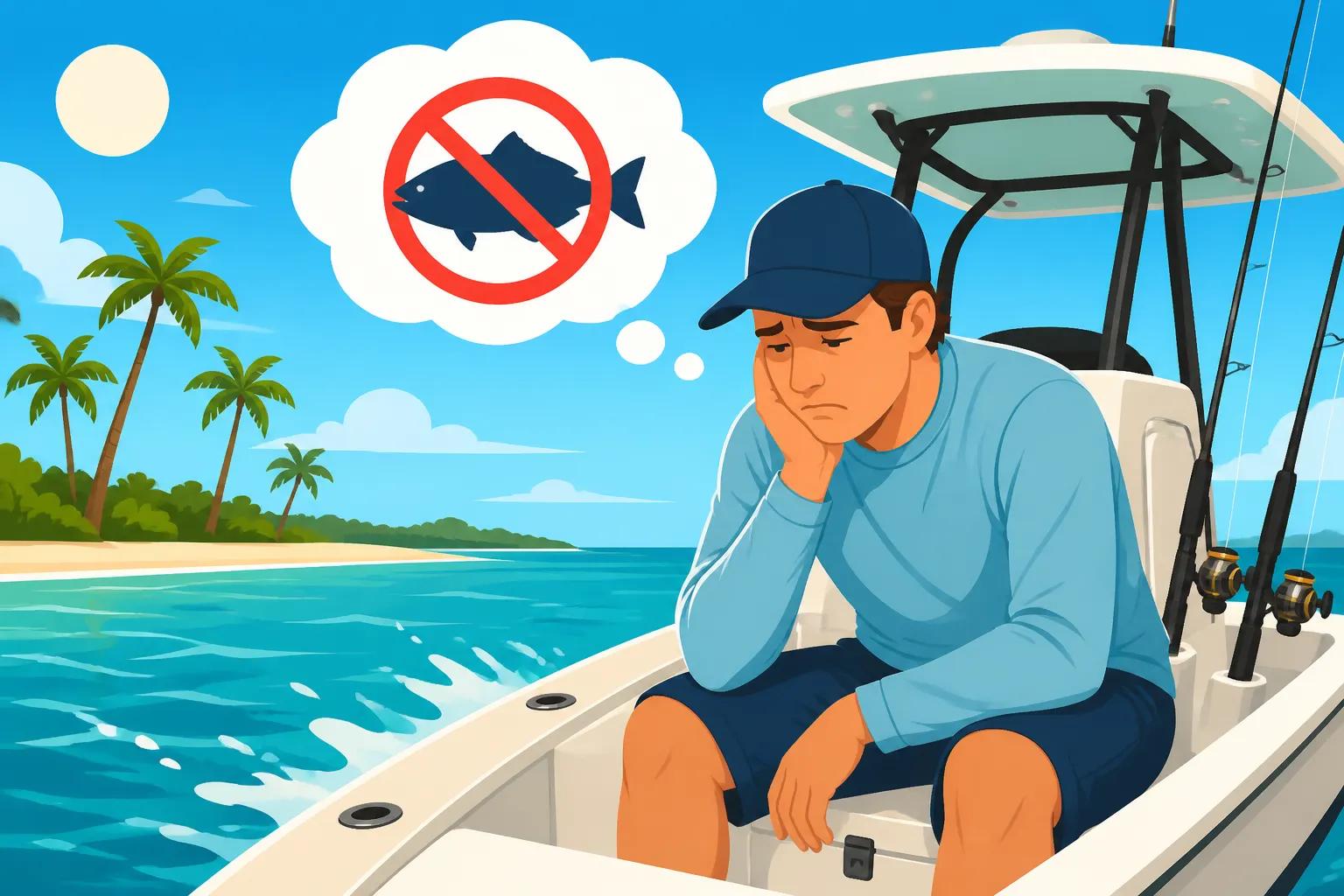
It's one of those anxieties that hangs over any angler planning a Florida fishing charter: what if you spend all that money, wake up before dawn, and still come home empty-handed? It's a valid concern, and one many of us have faced. This guide is here to walk you through what to realistically expect if your dream fishing trip doesn't yield a single catch, what policies might be in place, and how to make the most of the experience regardless.
Understanding Charter Expectations and Realities
Let's be honest, fishing isn't like going to the grocery store. You can't just pick out the fish you want and bring it home. It's a hunt, an interaction with nature, and sometimes, nature just isn't cooperating. This is the fundamental truth often overlooked when booking a charter.
The Nature of Fishing: It's Not a Guarantee
When you book a fishing charter in Florida, you're paying for the experience, the expertise of the captain, the boat, the fuel, the bait, and the gear. You are not paying for a guaranteed fish count or a specific species on the hook. This can be a tough pill to swallow, especially if you're traveling a long distance or it's a special occasion. We all see those glossy photos of smiling anglers with monster fish, and it's easy to assume every trip will look like that. However, even the most seasoned captain on the best day can encounter conditions where the fish just aren't biting. It's part of the challenge and the allure of the sport, but it also means managing expectations is key.
Think about it: fish are wild animals. They have their own schedules, preferences, and instincts. They might be affected by water temperature, tidal movements, barometric pressure, recent cold fronts, or even just feeling a bit "off" that day. A skilled captain will do everything in their power to put you on fish, using their knowledge of local waters, migration patterns, and bait techniques. But sometimes, despite all that effort and expertise, the fish simply aren't cooperating. It's a humbling experience that teaches patience and resilience, even for the most experienced among us.
What Guides Can and Cannot Control
Your fishing guide or charter captain is a professional, and they bring a lot to the table. They control the vessel, navigate the waters, provide the gear, know the local regulations, and understand fish behavior. They'll choose the spots, the baits, and the techniques based on current conditions and their years of experience. They're often out there scouting when they're not on charters, constantly learning and adapting. This is where a service like FishingBooker can be helpful, as it often provides detailed profiles of captains, highlighting their expertise and specific target species.
However, there's a long list of things outside their control. Weather is a huge one – sudden squalls, unexpected wind shifts, or even just a flat calm day when fish prefer chop can impact success. Water conditions like clarity, temperature, and current strength also play a massive role. Red tide events, for example, can devastate a fishery for weeks or months, making it incredibly difficult to find biting fish. Even fishing pressure from other boats can make fish lockjaw. A great captain can pivot and try new strategies, but they can't magically change the fundamental environmental factors at play. Understanding this distinction is crucial for a positive charter experience, whether you catch fish or not.
How to Set Realistic Expectations Before Booking
Before you even step foot on the boat, having a frank conversation with yourself and your potential captain about expectations is vital. Don't go into a charter expecting to fill a cooler or land a specific trophy fish, unless the captain explicitly tells you that's highly likely for the season and conditions. Instead, focus on the experience itself: being on the water, learning new techniques, seeing Florida's incredible marine life, and spending time with friends or family.
It's a good idea to research the typical success rates for the species you're targeting during that specific time of year. Ask the captain directly during your booking process, "What's a realistic expectation for catches this time of year?" or "What happens if we don't catch anything?" Most reputable captains will be honest with you. Some might offer a "no fish, no pay" guarantee under very specific circumstances, but these are rare in the charter world, particularly for longer trips. Remember, you're paying for the captain's time, expertise, and operational costs, which don't disappear just because the fish are being shy. Setting realistic goals ensures that even if the fish aren't biting, you can still enjoy the journey.
Common Charter Policies Regarding "No Catch" Scenarios
So, you're out on the water, you've tried everything, and the bite just isn't happening. It's frustrating, but what happens next? Understanding the typical policies can help you navigate this situation with grace.
Standard No-Guarantee Policies
The vast majority of Florida fishing charters operate on a "no guarantee of catch" policy. This means that regardless of whether you catch one fish, a dozen, or none at all, the charter fee is still owed and typically non-refundable. This isn't because captains are trying to pull a fast one; it's simply the reality of their business. They have fixed costs for fuel, bait, tackle, boat maintenance, insurance, and their own time. These expenses are incurred whether the fish decide to cooperate or not.
Think of it this way: you pay for a concert ticket, but the band plays a song you don't like. You wouldn't expect a refund for that one song, would you? Similarly, you're paying for the service, the knowledge, and the opportunity. Many captains will go above and beyond to try and make it a successful day, staying out a little longer or burning extra fuel to find a new spot. But ultimately, the wild nature of fishing means they can't promise a specific outcome. Do Florida Charters Guarantee a Catch? delves deeper into this common misconception.
When a Partial Refund or Rebooking Might Be Offered
While rare, there are specific situations where a captain might offer some form of recompense for a truly unproductive trip. This usually hinges on factors entirely within the captain's control or very unusual circumstances. For instance, if the captain was ill-prepared, showed up late, had faulty equipment that significantly hindered fishing, or if the trip was cut short due to a mechanical issue, you would certainly have a strong case for a partial refund or a rebooking at a discounted rate.
Some captains, especially those focused on customer satisfaction and repeat business, might voluntarily offer a discount on a future trip or a small partial refund if the fishing was exceptionally poor and they genuinely feel they couldn't deliver a reasonable experience. This is almost always at the captain's discretion and not a contractual obligation. It speaks volumes about a captain's character when they do this, and it’s why reading reviews on platforms like FishingBooker, which often include feedback on challenging trips, can be so valuable when choosing a charter. It's always worth having a polite conversation with your captain after the trip if you feel the experience fell significantly short of reasonable expectations, but be prepared for them to uphold their standard no-guarantee policy.
Distinguishing Between "No Catch" and "Poor Weather Cancellation"
It's crucial to understand the difference between a trip with no catches and a trip canceled due to weather. A "no catch" trip means you went out, fished for the agreed-upon time, and simply didn't hook anything. In this scenario, the charter fee is typically non-refundable, as the captain fulfilled their part of the agreement by providing the service.
However, if the captain cancels the trip before or during the outing due to unsafe weather conditions (like high winds, lightning, or severe storms), that's a completely different situation. Most reputable charters have a clear Cancellation Policy for Florida Fishing Charters that outlines how weather-related cancellations are handled. Generally, if the captain cancels due to weather, you'll receive a full refund or the option to rebook for another day. This is a safety issue, and no responsible captain will risk their passengers or vessel in dangerous conditions. Sometimes, a trip might be shortened if weather unexpectedly rolls in, and in those cases, a partial refund or credit for future use might be offered, again, at the captain's discretion.
What to Do If Your Trip Yields No Fish
So, the worst-case scenario happened: you spent the day fishing your heart out and came back with nothing to show for it. It's a bummer, but how you handle it can still shape your overall memory of the trip.
Communicating with Your Captain During the Trip
The best approach when fishing is slow is proactive communication with your captain. Don't wait until the end of the trip to express your frustration. During the outing, if you notice the bite is really off, or if you're feeling discouraged, have a calm conversation. Ask questions: "Captain, is this typical for this time of year?" or "Is there another spot we could try, even for different species?" A good captain will appreciate your engagement and will likely be trying everything in their playbook already.
They might explain why the fishing is tough – perhaps a recent cold front has pushed the fish into deeper water, or the tide isn't quite right. This transparency can help manage your expectations in real-time. You might even suggest trying something completely different if the target species isn't biting, like switching to bottom fishing for whatever might be down there, or even a quick cruise to spot some dolphins. The key is to be collaborative, not confrontational. Remember, the captain wants you to catch fish as much as you do; their reputation often depends on it!
Post-Trip Discussion and Feedback
Once the boat is docked and the gear is stowed, take a moment for a brief, honest conversation with your captain. Thank them for their hard work and effort, even if the fish didn't cooperate. If you have concerns, express them politely. You might say, "Captain, we really appreciated your effort today, but we were a bit disappointed with the lack of bites. Is there anything you'd suggest for next time, or was it just one of those days?" This open dialogue allows the captain to explain their strategy and the challenges they faced.
This is also a chance for them to offer a gesture of goodwill if they feel it's warranted. Remember the Tipping Etiquette for Florida Fishing Guides; even if the fishing was slow, they still provided a service, worked hard, and incurred expenses. A reduced tip might be appropriate if you genuinely feel the effort wasn't there, but a complete stiffing should be reserved for truly egregious situations of poor service, not just bad fishing. Honest, constructive feedback, even on a tough day, helps captains improve their business and helps other anglers make informed decisions, especially when looking at future bookings on sites like FishingBooker.
Appreciating the Overall Experience (Even Without Fish)
Sometimes, despite the best efforts, you just get skunked. It happens. But does that mean the entire trip was a waste? Absolutely not! Florida offers some of the most beautiful waterways and incredible wildlife in the world. Even without a fish on the line, you might have seen dolphins playing in the wake, manatees grazing in the flats, osprey diving for their lunch, or even an alligator lounging on a riverbank.
The experience of being out on the open water, breathing the fresh air, and escaping the hustle and bustle of daily life is a reward in itself. For many, a fishing charter is also a chance to bond with family and friends, share stories, or simply enjoy a peaceful day away from it all. Learning about the local ecosystem from an experienced guide, even if it's just about what should be biting, can be incredibly enriching. Focus on the journey, the scenery, and the company, and you'll find that even a "no catch" day can be a memorable and valuable experience. After all, the worst day fishing is still better than the best day at work, right?
Avoiding the "Skunk" on Future Trips
While no fishing trip is ever truly guaranteed, there are definitely steps you can take to significantly increase your chances of success and minimize the risk of a "skunked" day. It's all about doing your homework and asking the right questions.
Researching Reputable Charters and Guides
The foundation of a successful fishing trip, regardless of the catch, is choosing the right captain and charter. This isn't just about finding the cheapest option; it's about finding someone with a proven track record, excellent local knowledge, and a commitment to customer service. Start by looking at detailed reviews and ratings on reputable booking platforms or even local fishing forums. A captain who consistently gets high marks for effort, professionalism, and putting clients on fish, even on challenging days, is a good bet.
Don't be afraid to How to Check Reviews for a Florida Fishing Charter before you commit. Pay attention not just to the number of stars, but to the content of the reviews. Do people mention the captain's patience with kids? Their willingness to try different spots? Their expertise in reading the conditions? These details speak volumes. A captain who communicates well and clearly sets expectations, even if it means acknowledging tough fishing, is often a sign of a true professional. Platforms like FishingBooker are a great resource for this kind of in-depth research, allowing you to compare many options side-by-side.
Asking the Right Questions Before You Book
Once you've narrowed down your choices, don't hesitate to reach out to potential captains directly before booking. This conversation is crucial for setting expectations and understanding their approach. Here are some questions to consider:
- "What's been biting recently, and what's a realistic expectation for catches this time of year?"
- "What's your policy if the weather turns bad, or if we get completely skunked?" (They might not offer a refund, but their candidness is important.)
- "What kind of fishing experience do you specialize in, and is that a good fit for our group (e.g., beginners, experienced anglers, kids)?"
- "Are there any specific bait or tackle requirements I should be aware of?"
- "What measures do you take to find fish when the bite is slow?"
This direct communication helps avoid misunderstandings and ensures you and the captain are on the same page. A good captain will welcome these questions, as it shows you're serious about your trip. For more guidance on this, check out How to Choose a Florida Fishing Guide.
Choosing the Right Time of Year and Conditions
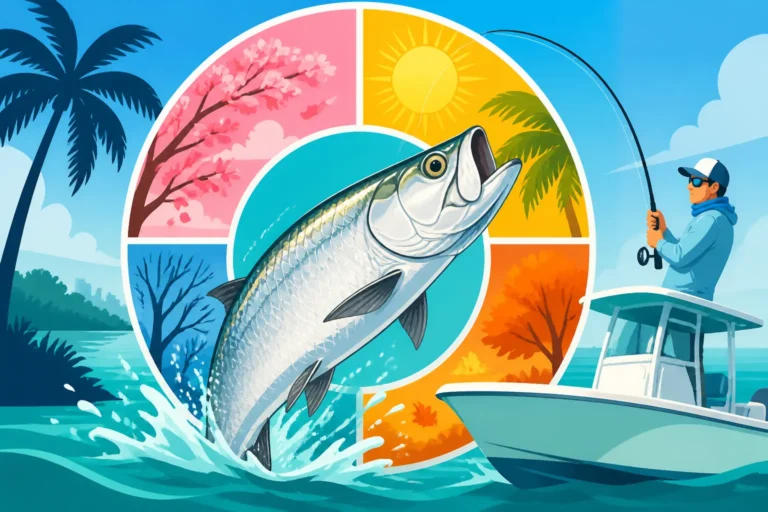
While a good captain can make the best of any situation, some times of year and certain conditions are simply more conducive to catching fish than others. Researching Florida Fishing Seasons Explained and Best Time of Year to Fish in Florida for your target species and location can dramatically improve your odds. For example, trying to catch tarpon during their peak migration in the Keys is usually more productive than trying to find them in the dead of winter.
Pay attention to weather forecasts not just for rain, but for wind and cold fronts. Sudden drops in temperature, especially in winter, can send fish scurrying to deeper, warmer waters and shut down the bite for days. High winds can make offshore trips uncomfortable and difficult for bottom fishing. If you have flexibility, try to schedule your trip around favorable tides and calmer weather windows. While you can't control the weather on your specific day, understanding seasonal patterns and being mindful of the forecast can help you pick a date that maximizes your chances of a successful and fish-filled day on the water.
| Factor | Captain's Control | Angler's Control / Influence | Impact on "No Catch" Scenario |
|---|---|---|---|
| Experience/Knowledge | Yes (Skill, local expertise) | No (Relies on captain) | High. A good captain adapts to find fish. |
| Equipment & Bait | Yes (Quality, availability) | No (Relies on captain) | High. Proper gear and fresh bait are critical. |
| Weather & Water Temp | No (Can choose to cancel for safety) | Yes (Can choose booking date, discuss conditions) | High. Unfavorable conditions often mean slow fishing. |
| Fish Behavior | No (Wild animals, unpredictable) | No | High. Fish may simply not be biting, despite efforts. |
| Communication | Yes (Sets expectations, explains conditions) | Yes (Asks questions, expresses concerns politely) | Medium. Can lead to adjustments or better understanding. |
| Trip Duration | Yes (Offers half-day, full-day options) | Yes (Chooses desired duration) | Medium. More time on water generally means more opportunities. |
Disclaimer
This article is for general informational purposes only and does not constitute professional advice. Laws, prices and regulations vary by location and change over time. Consult a qualified professional for guidance on your specific situation.