What Is the Difference Between Recreational and Commercial Grouper Limits?
The world of Florida fishing can sometimes feel like navigating a labyrinth, especially when you're trying to understand all the rules and regulations. One common point of confusion for many anglers, myself included, is the difference between recreational and commercial fishing limits, particularly for popular species like grouper. It’s easy to get frustrated when you see commercial boats bringing in what seems like a massive haul, while you’re strictly limited to one or two fish. This guide is here to untangle that complexity, explaining exactly why these limits exist and how they differ, so you can fish with confidence and stay on the right side of the law.
Understanding Florida's Grouper Management Philosophy
Florida's waters are teeming with incredible life, and grouper are a prized catch for both their fighting spirit and their delicious meat. Managing these valuable fish populations is a delicate balancing act, requiring a clear philosophy that addresses the needs of various stakeholders while prioritizing the long-term health of the species. It's not just about today's catch; it's about ensuring future generations can enjoy the same abundance.
Why Separate Rules Exist
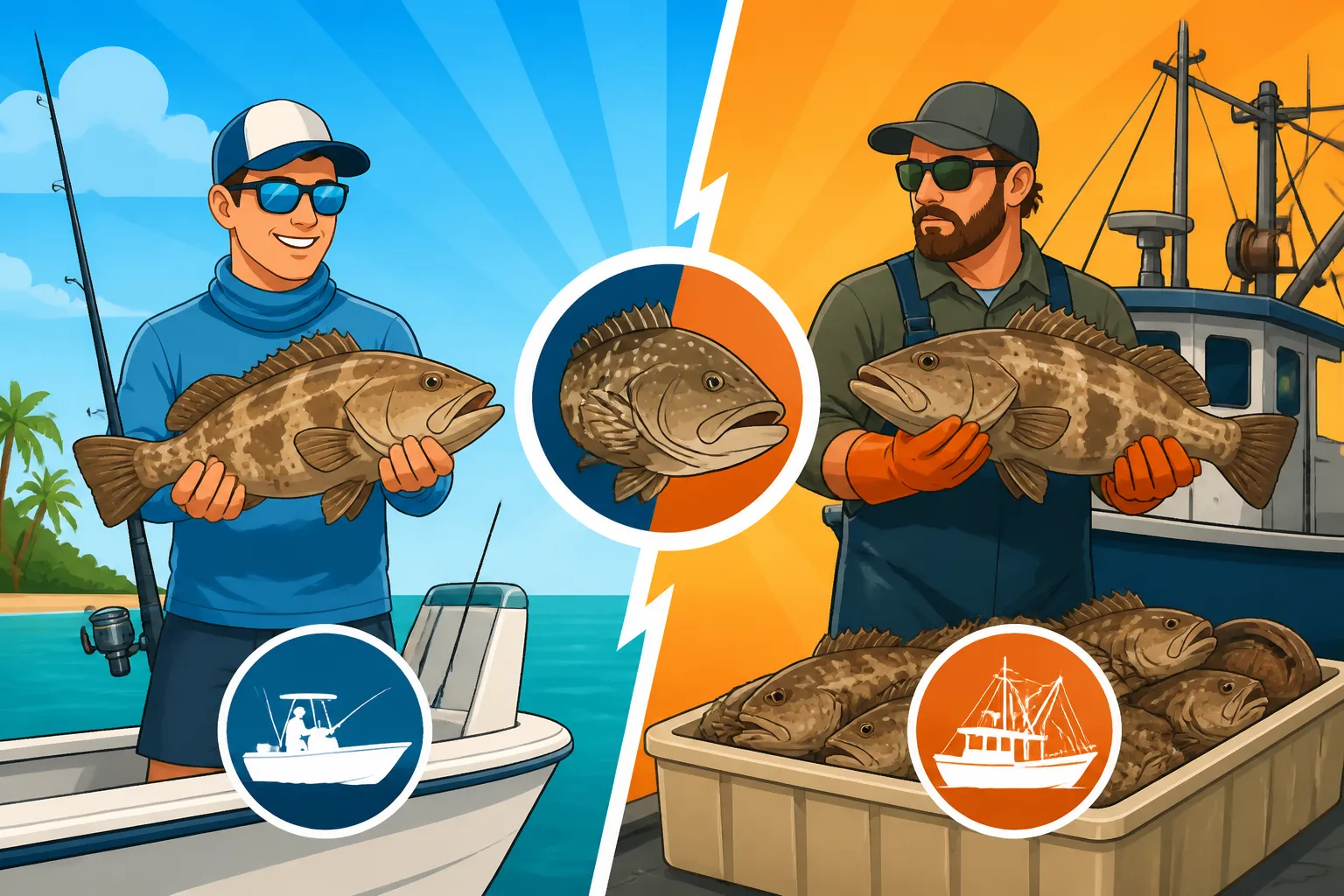
At its heart, the reason for separate recreational and commercial grouper limits boils down to conservation and sustainability. Recreational anglers, like you and me, typically fish for personal enjoyment, a meal for the family, or the thrill of the sport. We might spend a weekend or a few dedicated days on the water. Commercial fishermen, however, depend on fishing for their livelihood. This difference in purpose creates vastly different pressures on the fish stocks.
Think about it this way: if every recreational angler could take as many fish as a commercial operation, the grouper populations would quickly become depleted. Conversely, if commercial fishermen were restricted to recreational bag limits, many would simply go out of business. The distinct rules are designed to manage these separate impacts, allowing both sectors to operate sustainably. It's about allocating a finite resource in a way that attempts to meet both economic and recreational demands, while always keeping the health of the grouper population at the forefront. Without these distinctions, it would be impossible to achieve a truly sustainable fishery.
The Role of State and Federal Agencies
Navigating the rules for grouper means understanding that different governmental bodies oversee different waters. In Florida, the Florida Fish and Wildlife Conservation Commission (FWC) sets the regulations for state waters, which typically extend nine nautical miles into the Gulf of Mexico and three nautical miles into the Atlantic Ocean. Beyond these lines, you enter federal waters, where the National Oceanic and Atmospheric Administration (NOAA) Fisheries, in conjunction with regional fishery management councils (like the Gulf of Mexico Fishery Management Council), takes the lead.
This division can sometimes make things a bit confusing, as regulations might change depending on how far offshore you venture. For instance, a grouper season might be open in state waters but closed in federal waters, or vice-versa, or the size limits could vary. It's crucial for anglers to know where these lines are drawn, as violating federal regulations can carry much heavier penalties. You can learn more about these distinctions in our guide, State Waters vs Federal Waters Fishing Rules in Florida. Both FWC and NOAA Fisheries rely on scientific data, stock assessments, and input from various fishing groups to make their decisions, aiming for a balance between harvest and conservation. This collaborative effort helps ensure that regulations are based on the best available science and respond to changing environmental conditions.
Recreational Grouper Limits in Florida
For most of us who hit the water for fun, understanding recreational grouper limits is paramount. These rules are designed to allow individuals to enjoy the thrill of catching grouper while still ensuring that enough fish remain in the ecosystem to reproduce and thrive. It's all about responsible angling.
Key Regulations for Recreational Anglers
When you're out fishing for grouper as a recreational angler, there are several key regulations you absolutely need to be aware of:
- Bag Limits: This is the most common regulation. A bag limit specifies how many fish of a particular species you can keep per person, per day. For grouper, these limits are often quite restrictive, sometimes just one or two fish per person, depending on the species and location. This ensures that the collective impact of many anglers doesn't overharvest the population.
- Size Limits: Just as important as how many you can keep is how big they must be. Size limits prevent the harvest of juvenile fish that haven't had a chance to reproduce yet, and sometimes they also protect very large, older breeding fish (known as "slot limits" or "maximum size limits"). You'll often find a minimum size requirement for most grouper species. Always measure your fish carefully!
- Open and Closed Seasons: Grouper, like many species, have specific times of the year when they are more vulnerable, often during spawning. To protect them during these crucial periods, management agencies implement open and closed seasons. This means there will be specific dates when you can legally harvest certain grouper species, and other dates when it's completely prohibited, regardless of size or bag limit. These seasons can also vary between the Gulf and Atlantic coasts, further complicating things.
Staying informed about these regulations is key to avoiding fines and contributing to healthy fish stocks. Reputable tackle shops often have the latest regulations printed, or you can find them easily on the FWC website or through their Fish Rules app, which is a fantastic resource.
Common Recreational Grouper Species and Their General Limits
Florida is home to a variety of grouper species, and each one can have its own specific set of rules. While I can't give you exact numbers as they change, I can describe the types of limits you'll encounter for some of the most popular recreational targets:
- Red Grouper: Often found throughout the Gulf of Mexico and Atlantic, Red Grouper are a favorite for their delicate white meat. Recreational limits for Red Grouper usually involve a relatively small bag limit (e.g., one or two per person) and a minimum size requirement that ensures juveniles are left to grow. They tend to have generous open seasons, but these can still be adjusted based on stock assessments.
- Gag Grouper: These feisty fish are another highly sought-after species. Gag Grouper regulations are often a bit more complex, with distinct size and bag limits, and often shorter, more tightly managed seasons, especially in the Gulf. It's not uncommon to see a one-per-person bag limit and a stricter minimum size. Knowing Gag Grouper Size and Bag Limits is essential before you head out.
- Black Grouper: Known for their power and larger size, Black Grouper are often targeted by more experienced anglers. Their regulations can be similar to Gag Grouper, with specific size requirements and often a single-fish bag limit. These species typically inhabit both state and federal waters, so checking both FWC and federal regulations is important.
It's also worth noting that some species, like Goliath Grouper, are strictly catch-and-release and cannot be harvested recreationally or commercially. When you do catch a grouper that is out of season or undersized, having a proper dehooking tool and a descending device is crucial for a successful release. Many anglers, myself included, rely on quality tools found on platforms like Amazon to ensure we're doing our part for conservation. Always prioritize the health of the fish you release. For a broader overview of regulations, check out Florida Fishing Regulations and Bag Limits.
Commercial Grouper Limits and Regulations
Commercial fishing is a highly regulated industry in Florida, and for good reason. These operations involve dedicated vessels, specialized gear, and professional crews whose livelihoods depend on consistent, albeit sustainable, harvests. The rules governing commercial grouper fishing are vastly different from recreational ones, reflecting the scale and economic impact of the industry.
Commercial Permits and Endorsements
The first and most significant difference between recreational and commercial fishing for grouper is the requirement for specialized permits. You can't just buy a standard Florida fishing license and start selling your catch. Commercial fishermen targeting grouper in federal waters (and often in state waters if they plan to sell their catch) need specific federal and/or state permits and endorsements. These can include:
- Federal Gulf Reef Fish Permit: For those operating in the Gulf of Mexico, this is often a prerequisite for harvesting grouper commercially. These permits are limited in number and are often very expensive to acquire, reflecting the value and exclusivity of the commercial fishery.
- Federal Atlantic Grouper/Tilefish Permit: Similar to the Gulf permit, this is required for commercial grouper harvest in the federal waters off Florida's Atlantic coast.
- State Restricted Species Endorsement: Florida also has state-level requirements for selling certain species, including grouper. This typically involves holding a Restricted Species Endorsement in addition to a standard commercial fishing license.
These permits are not easily obtained. They are often subject to moratoriums (meaning no new permits are being issued) or can only be bought from existing permit holders. This limited access ensures that the number of commercial vessels targeting grouper remains within sustainable limits, preventing an uncontrolled "race to fish" that could decimate populations.
Quotas, Trip Limits, and Seasons for Commercial Harvesters
Commercial grouper fishing is managed through a complex system of quotas, trip limits, and specific seasons, all designed to ensure that the total commercial harvest remains within scientifically determined sustainable levels.
- Quotas: Unlike recreational fishing, which has individual bag limits, commercial fishing often operates under a total allowable catch (TAC) or quota for a given species over a period (usually a year). Once that total quota is met, the commercial season for that species closes, even if it's earlier than anticipated. This is why you might see Why Grouper Season Closes in Parts of the Year abruptly.
- Trip Limits: To prevent a few large operations from catching the entire quota too quickly, commercial vessels are often subject to "trip limits." This means a vessel can only bring a certain amount of a specific grouper species back to shore per trip, regardless of how much they could have caught. This helps spread the harvest out among more fishermen and over a longer period.
- Individual Transferable Quotas (ITQs): Some fisheries, particularly the Gulf of Mexico Red Snapper and Grouper fisheries, utilize ITQ programs. Under this system, a portion of the total quota is allocated to individual fishermen as "shares" or "pounds." Fishermen can buy, sell, or lease these shares, allowing them more flexibility in when and how they harvest their fish, but always within their allocated poundage. This system is designed to reduce overcapitalization and improve economic efficiency in the fishery.
- Seasons: While recreational seasons are often set by calendar dates, commercial seasons can be much more dynamic. They open on a set date but will close as soon as the quota is projected to be met. This can lead to very short or unpredictable commercial seasons, requiring fishermen to be highly efficient and adaptable.
Reporting Requirements and Gear Restrictions
The commercial fishing industry is held to rigorous standards regarding reporting and gear use, far beyond what recreational anglers typically face.
- Reporting Requirements: Commercial fishermen are required to meticulously document their catches. This often involves detailed logbooks, electronic reporting systems, and even Vessel Monitoring Systems (VMS) that track their location at sea. Every pound of grouper brought to shore must be accounted for. This data is absolutely vital for fishery managers to monitor quotas, assess stock health, and make informed decisions for future seasons. Without this precise data, managing a sustainable commercial fishery would be nearly impossible.
- Gear Restrictions: Specific gear types and configurations are often mandated or prohibited for commercial grouper fishing. This might include:
- Hook Size: Minimum hook sizes to reduce the catch of undersized fish.
- Trap Limits: For certain species, there might be limits on the number of traps, trap design, or even areas where traps can be deployed.
- Prohibited Gear: Certain gears, like longlines or gillnets, might be entirely prohibited in specific areas or for specific species to minimize bycatch or habitat damage.
- Descending Devices: Just like recreational anglers, commercial fishermen are often required to carry and use descending devices for released fish to increase their survival rate.
These stringent regulations ensure accountability, provide essential data for management, and promote fishing practices that minimize harm to the ecosystem while maximizing the sustainability of the commercial harvest.
The Impact of Different Limits and Why It Matters to You
Understanding the distinctions between recreational and commercial grouper limits isn't just about avoiding a fine; it's about appreciating the broader ecological and economic picture of Florida's fisheries. These different sets of rules have profound impacts on conservation, the seafood market, and how we, as individual anglers, approach our time on the water.
Conservation Efforts and Stock Health
The primary driver behind these varied and complex regulations is the long-term conservation of grouper populations. By having distinct rules, management agencies can:
- Prevent Overfishing: Each sector (recreational and commercial) has a defined impact. Separate limits ensure that the combined harvest from both doesn't exceed what the fish stock can sustain. Without these careful divisions, it would be much harder to prevent overfishing and the subsequent collapse of a species.
- Protect Spawning Stocks: Seasons are often closed during critical spawning periods to allow fish to reproduce without pressure. Size limits ensure that enough mature fish are left in the water to contribute to future generations, while also allowing younger fish to grow.
- Collect Better Data: The detailed reporting required from commercial fishermen, combined with angler surveys and scientific stock assessments, provides a comprehensive picture of grouper populations. This data is essential for understanding trends, adjusting limits, and ensuring the health of the fishery into the future. It's a living system, constantly monitored and adapted.
Ultimately, these different limits are tools in a larger conservation toolbox, all working towards the goal of healthy, abundant grouper populations for everyone. You might even find educational materials on platforms like Amazon that delve deeper into marine conservation.
Economic Implications and Market Availability
The distinct commercial limits have a direct and significant impact on the economy, particularly for coastal communities, and on the availability and price of grouper in seafood markets and restaurants.
- Livelihoods: Commercial grouper fishing supports thousands of jobs, from the captains and deckhands on the boats to the seafood processors, distributors, and restaurant workers who bring grouper to your plate. The quotas and trip limits are carefully balanced to allow these businesses to operate profitably while remaining sustainable.
- Market Price and Supply: When commercial seasons are short, or quotas are restrictive, the supply of fresh, locally caught grouper can decrease. This often leads to higher prices for consumers. Conversely, a longer season with a healthy quota might mean more readily available and more affordable grouper. The fluctuations you see in seafood prices at your local market are often a direct reflection of these commercial regulations and the success of the harvest.
- Sustainability Branding: Many commercial operations and seafood distributors now proudly promote their grouper as sustainably sourced, thanks to these robust management practices. This appeals to conscious consumers and helps maintain market demand for responsibly caught fish.
These economic factors underscore why commercial limits are not just about fish, but about people, jobs, and the flow of delicious, fresh seafood to our tables.
What Recreational Anglers Should Know
As a recreational angler, it's easy to get caught up in the excitement of a day on the water, but staying informed and respectful of the rules is crucial. Here's what you should always keep in mind:
- Your Limits are Your Limits: Just because you might see a commercial vessel offloading hundreds of pounds of grouper at the dock, remember that their rules are not your rules. You must always adhere to the current recreational bag limits, size limits, and seasons for the specific grouper species you are targeting. There's no exception.
- Stay Informed: Regulations change. Sometimes seasons open or close unexpectedly based on quotas being met, or new scientific data emerging. Always check the latest regulations before each trip. The FWC website and resources like the Fish Rules app are your best friends here. Many bait and tackle shops, like those found at Bass Pro Shops or even smaller local ones, also provide up-to-date information, which is a convenient way to double-check.
- Responsible Angling: Beyond just following the rules, practice responsible angling. Use appropriate gear, handle fish carefully, and utilize dehooking tools and descending devices for released fish. Your individual actions contribute to the collective health of the fishery.
- Appreciate the System: While the regulations can sometimes feel restrictive, understand that they are in place for a good reason. They are designed to protect the resource, ensuring that grouper fishing remains a vibrant part of Florida's culture and economy for years to come.
Being a knowledgeable and responsible angler is part of the fun of fishing in Florida. By understanding these distinctions, you not only protect yourself from legal trouble but also contribute to the health and sustainability of our amazing marine resources. If you're looking for more details on specific grouper species, consider guides like Gag Grouper Size and Bag Limits or How to Identify a Gag Grouper vs Red Grouper.
Recreational vs. Commercial Grouper Limits: A Quick Comparison
To help clarify the core differences, here's a quick comparison of the general distinctions between recreational and commercial grouper fishing in Florida.
| Feature | Recreational Fishing (General) | Commercial Fishing (General) |
|---|---|---|
| Purpose | Personal consumption, sport, leisure, enjoyment. | Livelihood, selling catch for profit. |
| License/Permits | Standard Florida fishing license (plus any required stamps/permits). | Commercial fishing license + specific federal/state permits (e.g., Gulf Reef Fish Permit, Restricted Species Endorsement). |
| Bag/Trip Limits | Individual daily bag limits (e.g., 1-2 fish per person). | Trip limits (pounds per vessel per trip) or Individual Transferable Quotas (ITQs). |
| Size Limits | Minimum size limits (sometimes maximum/slot limits). | Minimum size limits (often similar to recreational, but strictly enforced). |
| Seasons | Calendar-based open/closed seasons. | Quota-based open/closed seasons; can close abruptly when quota is met. |
| Reporting | No mandatory catch reporting for individuals (voluntary surveys exist). | Mandatory, detailed catch reporting (logbooks, electronic reporting, VMS). |
| Gear | General recreational gear (rod and reel, spear). | Often specialized gear, with specific restrictions on type, size, and deployment. |
| Catch Disposition | Kept for personal consumption, donated, or released. | Must be sold to licensed dealers. |
Disclaimer
This article is for general informational purposes only and does not constitute professional advice. Laws, prices and regulations vary by location and change over time. Consult a qualified professional for guidance on your specific situation.