Tampa Bay Fishing Guide
Navigating the vast and intricate waterways of Tampa Bay for a successful fishing trip can feel like trying to find a needle in a haystack, especially for those new to the area or even seasoned anglers seeking specific species. The sheer size and diversity of this incredible estuary often leave people wondering where to begin, what fish are biting, and what gear they truly need. This comprehensive guide is designed to cut through the confusion, offering you an in-depth look at Tampa Bay's best fishing spots, target species, essential techniques, and crucial insights to help you land the fish of a lifetime.
Why Tampa Bay is a Premier Fishing Destination
Tampa Bay isn't just a big body of water; it's a living, breathing ecosystem that supports an astounding array of marine life, making it one of Florida's most productive and celebrated fishing grounds. From the bustling urban coastlines of St. Petersburg and Tampa to the serene mangrove tunnels and expansive grass flats, this region offers an unparalleled fishing experience.
Unique Estuary System Characteristics
What makes Tampa Bay so special for fishing begins with its unique geography and hydrology. As Florida’s largest open-water estuary, it’s a delicate balance of freshwater runoff from rivers like the Hillsborough and Alafia, mixing with the salty Gulf of Mexico tides. This brackish environment creates an ideal nursery for countless baitfish, crustaceans, and the sport fish that prey upon them. The bay itself is relatively shallow, with extensive seagrass beds that act as vital habitats, providing food and shelter. These vast, nutrient-rich flats are the lifeblood of the inshore fishery, drawing in everything from tiny baitfish to trophy-sized predators. Understanding the ebb and flow of these waters, and the role of the diverse habitats, is key to unlocking Tampa Bay's fishing potential.
The constant tidal exchange with the Gulf brings in fresh seawater, oxygen, and new food sources, while also flushing out bait and creating current breaks where predatory fish lie in ambush. This dynamic interaction ensures a healthy flow of nutrients and keeps the ecosystem vibrant. Because the bay is so large, different areas exhibit unique characteristics. For example, the northern reaches tend to be shallower and more brackish, while areas closer to the mouth of the bay near Egmont Key have higher salinity and deeper channels. This variation allows for an incredible diversity of fishing experiences within a single system.
Biodiversity Hotspot and Abundant Species
The rich tapestry of habitats—from the shallow grass flats and dense mangrove shorelines to oyster bars, artificial reefs, and deep shipping channels—supports an incredible array of fish species. This biodiversity is precisely why anglers from all over the world flock to Tampa Bay. Whether you're chasing the elusive "silver king" or sight-fishing for a trophy redfish, the bay has something to offer every angler.
The sheer volume of baitfish, including mullet, pilchards, threadfin herring, and whitebait, provides a constant buffet for larger predators. This abundance means that when you find the bait, you're usually not far from the game fish. Beyond the classic inshore species, the nearshore waters just outside the passes offer opportunities for migratory fish, while the deep channels and artificial reefs hold a variety of bottom dwellers. It’s a place where you can switch from catching snook in mere feet of water to battling a grouper in 30 feet, all within a relatively short boat ride. This remarkable concentration of fish makes Tampa Bay an undisputed gem on the Florida fishing map.
Top Fish Species to Target in Tampa Bay
Tampa Bay is famous for its "Big Three" inshore species, but the fishing opportunities extend far beyond that, offering a thrilling challenge for every angler. Knowing what you're targeting helps you tailor your approach, from bait selection to the specific spots you'll hit.
Redfish, Snook, and Spotted Seatrout: The Inshore Grand Slam
These three species are the bread and butter of inshore fishing in Tampa Bay, and catching all three in one day is known as the coveted "Florida Inshore Grand Slam." They are highly sought after for their fighting spirit and, in the case of trout and redfish, their delicious table fare.
Redfish
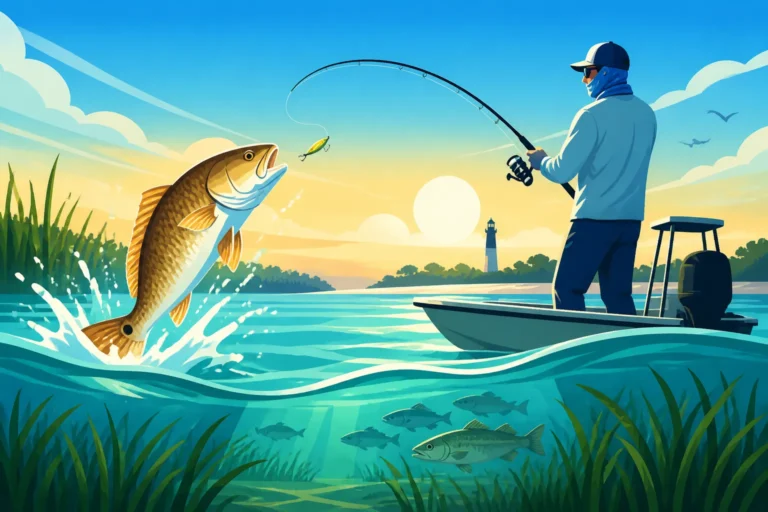
Redfish, or red drum, are powerful fighters known for their distinctive spot (or spots!) on their tail. They patrol the shallow grass flats, oyster bars, and mangrove edges, often "tailing" as they root for crustaceans and small fish in the skinny water. They are aggressive eaters, making them a fantastic target for both live bait and artificial lures. You'll often find them schooled up in cooler months, while in warmer weather, they might spread out more. Targeting redfish often involves casting close to structure or patiently polling across clear flats, looking for their tell-tale tails or wakes. Their powerful runs make them a favorite, and adhering to Florida Redfish Size and Bag Limits is crucial for conservation.
Snook
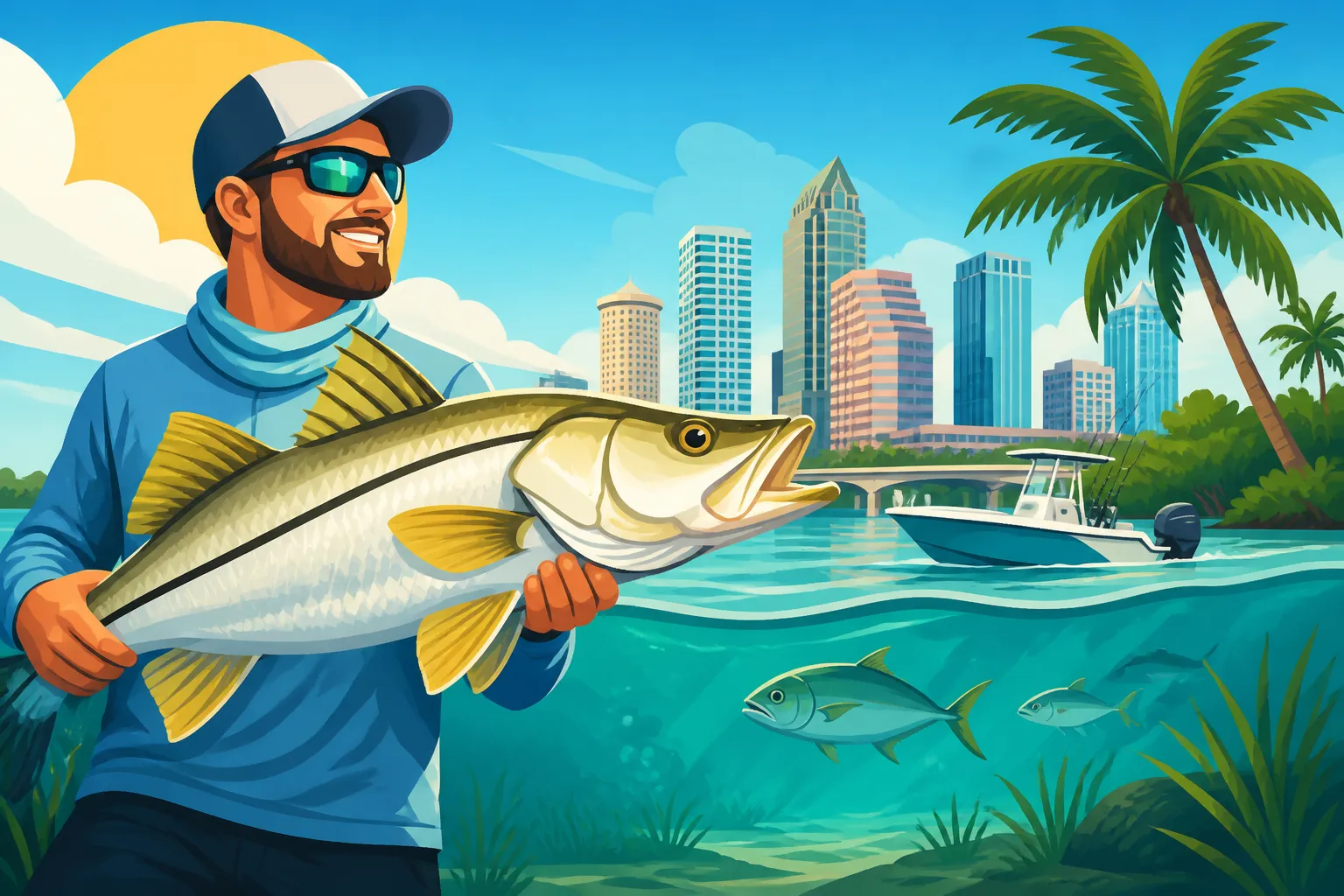
Snook are perhaps the most iconic inshore sport fish in Florida, and Tampa Bay is home to some truly massive specimens. Known for their explosive strikes and acrobatic jumps, snook are structure-oriented fish, preferring to ambush prey from around mangroves, docks, bridge pilings, and rocky areas. They are highly sensitive to cold water, so their patterns change significantly with the seasons. Live bait, especially pilchards and mullet, are irresistible to snook, but they will readily smash topwater lures and suspending plugs. Catching a large snook is an unforgettable experience, and strict Florida Snook Fishing Guide regulations apply to help protect this prized species.
Spotted Seatrout
Spotted seatrout, often just called "trout," are another staple of Tampa Bay's inshore fishery. While not as brutish as a redfish or snook, they offer consistent action and are excellent eating. Trout love seagrass beds, especially those with potholes or sandy spots where they can camouflage and ambush baitfish. They can be found in large numbers, making them a great target for anglers of all skill levels. They respond well to a variety of baits, from live shrimp and pilchards to soft plastic jigs and topwater lures. The key to consistent trout fishing is often finding extensive healthy grass flats, and understanding Florida Spotted Seatrout Fishing Guide regulations is important.
Tarpon, Cobia, and Grouper: Other Popular Species
Beyond the inshore "Big Three," Tampa Bay and its immediate nearshore waters offer incredible opportunities for other hard-fighting and delicious species.
Tarpon
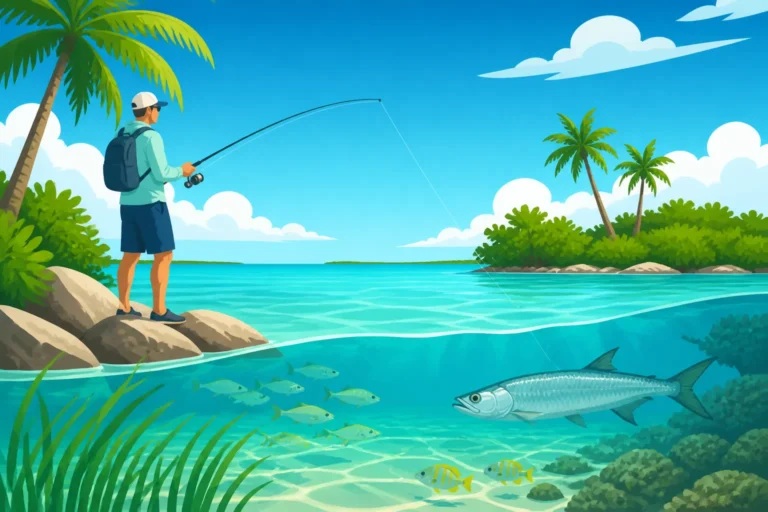
The legendary "Silver King" makes its annual migration through Tampa Bay, especially during the warmer months, offering one of the most exciting big-game fishing experiences available inshore. Tarpon are powerful, acrobatic, and notoriously difficult to land, making them the ultimate challenge for many anglers. They can be found rolling and feeding in deep passes, along beaches, and even far up into the bay's river systems. Live crabs, mullet, and pinfish are top baits, and fly anglers can experience heart-pounding action sight-casting to rolling fish. The Florida Tarpon Fishing Season Guide outlines specific rules for targeting these magnificent fish, which are strictly catch-and-release only for recreational anglers.
Cobia
Cobia are curious, strong, and highly prized for their delicious white meat. They are often found cruising near structures like channel markers, buoys, wrecks, and even large rays or sharks. Sight-fishing for cobia is a popular and exhilarating method, where anglers spot the fish near the surface and cast a live eel, pinfish, or large jig to them. They can be unpredictable, sometimes ignoring every offering, and other times striking with fierce aggression. When you hook a cobia, be prepared for a long, powerful fight that often involves multiple hard runs. They are truly a unique and exciting catch in Tampa Bay's nearshore waters.
Grouper
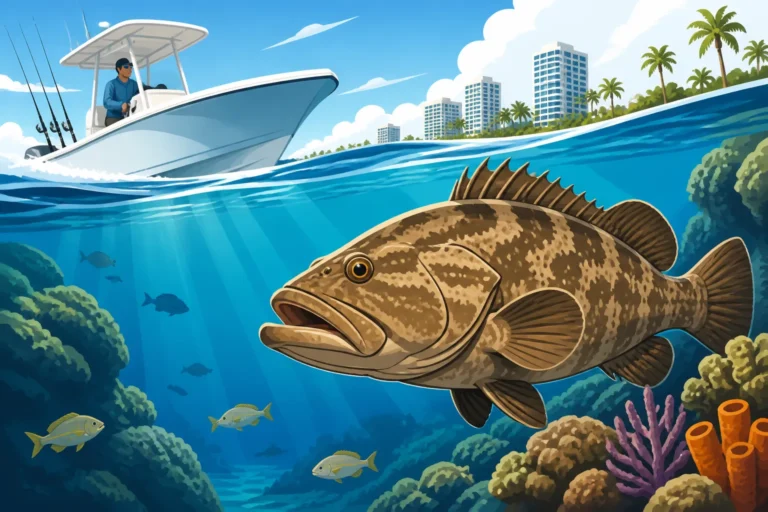
While many think of grouper as an offshore species, the artificial reefs, ledges, and rocky areas just outside Tampa Bay's passes, and even some deeper spots within the bay itself, hold populations of gag grouper and red grouper. Gag grouper, in particular, are common in the nearshore Gulf during open seasons, often found around ledges and hard bottom areas. They are notorious for their "head-shaking" fight and their ability to quickly dive back into structure, trying to "rock you up" and break your line. Bottom fishing with live pinfish, grunts, or cut bait are effective methods. Understanding the varying Florida Grouper Season Guide and specific bag limits is essential, as these can change frequently based on conservation efforts.
Here's a quick reference for some of Tampa Bay's top species:
| Species | Preferred Habitat | Best Baits/Lures | Notes |
|---|---|---|---|
| Redfish | Grass flats, oyster bars, mangrove shorelines | Live shrimp, pinfish, cut bait, soft plastics | Strong fighters, often tailing in shallow water |
| Snook | Mangroves, docks, bridge pilings, rocky areas | Live pilchards, mullet, topwater plugs | Explosive strikes, acrobatic, sensitive to cold |
| Spotted Seatrout | Extensive seagrass beds, sandy potholes | Live shrimp, small pilchards, soft plastics | Consistent action, good eating, indicator of healthy flats |
| Tarpon | Deep passes, channels, beaches, river systems | Live crabs, mullet, pinfish, large flies | Legendary "Silver King," strictly catch & release |
| Cobia | Channel markers, buoys, wrecks, large rays | Live eels, pinfish, large jigs, bucktails | Powerful fighters, excellent eating, often sight-fished |
| Gag Grouper | Nearshore reefs, ledges, hard bottom | Live pinfish, grunts, cut bait | Bottom dwellers, powerful head shakes, seasonal |
| Mangrove Snapper | Docks, pilings, rock piles, oyster bars | Live shrimp, small pilchards, cut bait | Abundant, great eating, often found in numbers |
| Spanish Mackerel | Open bay, passes, nearshore Gulf | Live pilchards, spoons, jigs | Fast swimmers, exciting surface action, sharp teeth |
Best Fishing Spots in Tampa Bay for Different Techniques
Tampa Bay is so expansive that breaking it down into specific zones and understanding what each offers is crucial. Whether you prefer the tranquility of shallow flats or the excitement of deeper water, there's a perfect spot waiting for you.
Inshore Flats and Mangroves
These are the quintessential Tampa Bay fishing grounds, teeming with life and offering endless opportunities, especially for the "Big Three." The sheer expanse of seagrass beds, punctuated by intricate mangrove systems, makes these areas prime hunting grounds.
Grass Flats
The vast grass flats are the backbone of Tampa Bay's inshore fishery. Areas like the Weedon Island Preserve flats, the flats surrounding Fort De Soto Park, and the expansive areas north of the Gandy Bridge are legendary. These fertile grounds hold countless baitfish, which in turn attract redfish, snook, and especially large numbers of spotted seatrout. When fishing the flats, look for areas with good current flow, "potholes" (sandy depressions within the grass), and edges where the grass meets deeper water. These are natural ambush points. Early mornings or late evenings often yield the best results, as fish are more active in cooler temperatures and lower light. Polling quietly or using a trolling motor to cover ground allows you to spot cruising fish or subtle signs of feeding activity.
Mangrove Shorelines
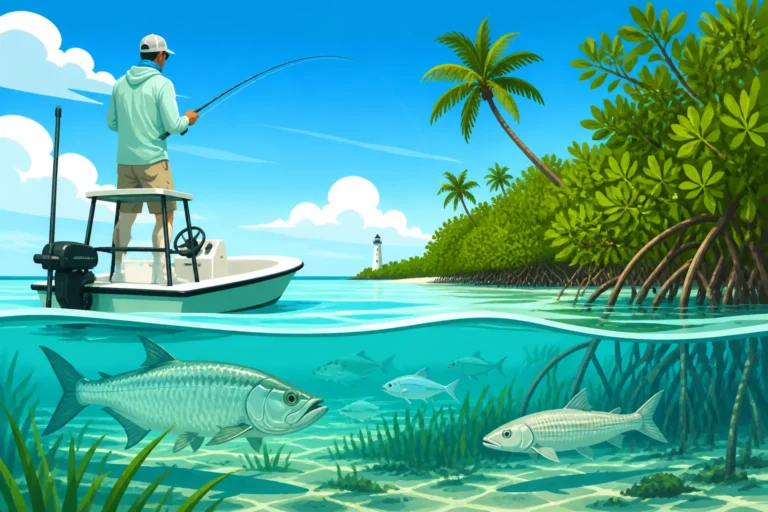
The intricate network of mangroves that line many of Tampa Bay's islands and mainland shores provides critical cover and ambush points for snook, redfish, and even juvenile tarpon. Places like the mangrove tunnels around Terra Ceia Aquatic Preserve and the numerous small islands dotting the bay are classic snook habitats. When fishing mangroves, target the shaded areas, points, and any fallen trees or snags where fish can hide. Casting live pilchards, whitebait, or even artificial lures like suspending twitch baits tight against the roots can trigger explosive strikes. The challenge here is getting the fish out of the structure once hooked, as they'll immediately try to dive back into the tangled roots. This calls for strong tackle and quick reactions.
Oyster Bars
Often overlooked but incredibly productive, oyster bars are magnets for fish due to the food and shelter they provide. These calcified structures harbor small crabs, shrimp, and baitfish, making them a buffet for redfish, snook, and even large trout. You'll find oyster bars scattered throughout the bay, often near mangrove shorelines or along the edges of grass flats. When fishing oyster bars, a careful approach is key, as they can be very shallow and easily spook fish. Live shrimp or scented soft plastics jigged slowly along the edges of the bar are highly effective. Be prepared for cut-offs, as the sharp oyster shells can easily fray line, so a robust leader is essential.
Nearshore Reefs and Structures
As you move out from the immediate shoreline, Tampa Bay offers a different kind of fishing challenge and reward, focusing on deeper structures that attract a wide range of species.
Artificial Reefs
Tampa Bay and its surrounding nearshore Gulf waters boast a network of artificial reefs, intentionally deployed structures like concrete culverts, bridge rubble, and even old barges that create habitat for marine life. These reefs quickly become homes for baitfish, which then attract predatory species like gag grouper, snapper (mangrove, lane, and occasionally red snapper during specific seasons), amberjack, and even king mackerel. Popular examples include the St. Pete Beach Reef and various smaller, unnamed rubble piles just a few miles offshore. Fishing these reefs often involves bottom fishing with live bait (pinfish, grunts) or cut bait, and jigging with heavy spoons or bucktails. A good GPS and depth sounder are invaluable for pinpointing these hotspots.
Bridges and Piers
The numerous bridges that span Tampa Bay—the Sunshine Skyway Bridge, Gandy Bridge, Howard Frankland Bridge, and Cortez Bridge—are iconic fishing spots. Their pilings create massive artificial reefs, attracting snook, redfish, mangrove snapper, sheepshead, and even tarpon. The deep channels beneath them hold grouper and other bottom dwellers. Fishing bridges often requires strong current knowledge and heavier tackle to combat the structure and powerful fish. Live bait fished on the bottom or suspended in the current is very effective. Piers like the St. Pete Pier and those at Fort De Soto Park offer excellent land-based fishing, often allowing access to similar species found on bridge pilings without needing a boat. These are great spots for Where You Can Fish in Florida Without Buying a License if you stick to the public fishing zones.
Ledges and Rock Piles
Just outside the main passes of Tampa Bay, particularly off St. Petersburg and Clearwater, there are natural limestone ledges and rock piles on the Gulf bottom. These subtle changes in depth and contour attract a variety of bottom fish, including gag grouper, various snapper species, and even hogfish. These spots can be harder to find without local knowledge or good electronics, but they often yield bigger fish. Fishing these spots typically involves drifting live or cut bait over the structure or anchoring up-current and dropping baits directly into the ledges. Pay attention to your depth sounder for any sudden drops or returns that indicate fish activity.
Deepwater Channels and Passes
For anglers seeking big game or those who enjoy a more dynamic fishing experience, the deepwater channels and passes of Tampa Bay offer distinct advantages, especially during strong tidal flows.
Shipping Channels
Tampa Bay is a major shipping hub, and its deep, dredged channels, such as the Tampa Bay Shipping Channel and the Egmont Channel, are vital arteries for commerce and fantastic fishing grounds. These channels often have strong currents, creating rips and eddies where baitfish congregate. Predator fish like tarpon, king mackerel, Spanish mackerel, cobia, and even large sharks patrol these deeper waters, especially during bait migrations. Trolling artificial lures or live baits like threadfin herring or blue runners along the channel edges can be very effective. Bottom fishing in the deeper parts of the channels can also produce large grouper and snapper. Watch out for boat traffic, as these are active commercial waterways.
Inlets and Passes
Passes like Egmont Key Pass, Pass-a-Grille Pass, and Bunces Pass are the gateways between Tampa Bay and the Gulf of Mexico. These areas are characterized by strong tidal currents, which flush massive amounts of baitfish and create productive feeding zones. This makes them prime locations for tarpon, snook, redfish, Spanish mackerel, and even migratory species like kingfish. Fishing these passes often involves anchoring up-current of a good rip or drop-off and free-lining live baits into the current. The outgoing tide can be particularly good for flushing bait out to waiting predators. Remember that strong currents require heavier sinkers or weights to keep your bait in the strike zone, and a proper Florida Saltwater Fishing License Rules is essential when fishing these dynamic waters.
Essential Tampa Bay Fishing Techniques and Strategies
To consistently catch fish in Tampa Bay, it's not just about knowing where to go, but how to fish once you're there. Different species and habitats call for specific approaches, and mastering a few key techniques will significantly boost your success.
Live Bait Fishing: The Gold Standard
When it comes to consistent action, especially for the "Big Three" and tarpon, live bait is king in Tampa Bay. Nothing beats the natural presentation and scent of a lively baitfish or crustacean.
Common Baits and Rigging
The most popular live baits in Tampa Bay include pilchards (also known as whitebait), threadfin herring, mullet, and shrimp.
- Pilchards and Threadfins: These small schooling baitfish are irresistible to almost every predatory species. They are typically caught using a cast net over grass flats or near channel markers where bait pods are visible. Once caught, they are kept alive in a well-aerated livewell. For snook, redfish, and trout, rigging them on a small J-hook or circle hook (size 1/0 to 3/0, depending on bait size) through the nose or just in front of the dorsal fin allows them to swim naturally. A light fluorocarbon leader (20-30lb) is crucial for stealth.
- Mullet: Larger mullet (finger mullet or bigger) are excellent for targeting bigger snook, redfish, and especially tarpon. They can be caught with a cast net or purchased from bait shops. Rigging them similarly to pilchards, but with larger hooks (3/0-5/0) is common.
- Shrimp: Live shrimp are universal fish candy and are particularly effective for spotted seatrout, redfish, flounder, and mangrove snapper. They are readily available at local bait shops. Rig them with a small J-hook (1/0) through the tail or just under the horn on the head. A popping cork is often used with shrimp over grass flats to create attracting noise, or they can be free-lined or fished with a small weight.
Bait Presentation and Tactics
The key to live bait fishing is making the bait look as natural as possible.
- Free-lining: This involves no weight, allowing the bait to swim naturally with the current or over a flat. It’s deadly for snook and redfish around mangroves or tarpon in passes.
- Under a Popping Cork: Popular for trout and redfish over grass flats, a popping cork creates a "chugging" sound that mimics feeding fish, drawing attention to your live shrimp or small baitfish suspended below.
- Carolina Rig: Ideal for bottom fishing around oyster bars, deeper holes, or structure. A sliding egg sinker above a swivel, then a fluorocarbon leader and hook, keeps the bait near the bottom but allows it to move naturally. This is very effective for redfish, snappers, and flounder.
Using a strong, yet subtle, leader is paramount, especially when targeting wary fish like snook or when fishing around abrasive structures. Learning How to Rig a Live Shrimp for Trout or How to Rig a Pinfish for Snook can make all the difference.
Artificial Lure Fishing: The Thrill of the Hunt
While live bait is a consistent producer, the satisfaction of fooling a fish with an artificial lure is unparalleled. Lure fishing allows for covering more water, active searching, and can be incredibly rewarding.
Types of Lures and When to Use Them
- Soft Plastics: These are incredibly versatile and effective for nearly all inshore species. Paddle tails, jerk shads, and curly tail grubs rigged on a jig head (1/8 to 1/4 oz) mimic baitfish or shrimp. They are excellent for casting over grass flats for trout, redfish, and even snook, especially when bounced along the bottom or retrieved with a steady retrieve and occasional twitch. DOA Lures and Z-Man ElaZtech are popular choices among local anglers.
- Topwater Lures: Nothing beats the explosive strike of a snook or redfish blowing up on a topwater plug. Walk-the-dog style lures like the Heddon Super Spook Jr. or poppers are exciting to use, particularly during low light conditions (dawn/dusk) or overcast days. The key is to work them with a consistent retrieve that creates an enticing "walk" or "splash" on the surface.
- Suspending/Sinking Plugs: These hard baits, such as MirrOlure MirrOdine or Rapala Skitter Walk, are excellent for imitating wounded baitfish. They can be twitched and paused, allowing them to hang in the strike zone, which is often irresistible to snook and redfish around docks, mangroves, or potholes.
- Spoons: Gold or silver spoons (e.g., Johnson Silver Minnow) are classics for redfish and can also attract trout and Spanish mackerel. They cast a mile and offer a unique wobbling action that fish can't resist.
- Jigs (Bucktail/Feather): Bucktail jigs are workhorses, especially effective for snook, redfish, and even cobia. The classic Salty Jig or DOC's Goofy Jigs are local favorites. They can be jigged vertically in deeper water or cast and retrieved with a jigging motion.
Retrieval Methods and Targeting
The way you retrieve your lure is just as important as the lure itself. Experiment with speed, pauses, and twitches until you find what triggers a strike. For soft plastics on the flats, a slow, methodical retrieve with occasional pauses to let the jig hit the bottom often works best. For snook, a fast, erratic retrieve with a topwater near mangroves can provoke a reaction strike. The beauty of artificial lures is the control you have over the presentation, making it a truly engaging way to fish. For a more detailed comparison, check out Live Bait vs Artificial Lures for Florida Inshore Fishing.
Fly Fishing in the Flats: The Ultimate Challenge
For many, fly fishing the shallow clear water flats of Tampa Bay is the pinnacle of inshore angling. It demands skill, patience, and a keen eye, offering a uniquely intimate experience with the environment and its inhabitants.
Gear and Techniques
Fly fishing in Tampa Bay primarily targets redfish, snook, and tarpon, and occasionally permit or bonefish in specific areas closer to the Gulf.
- Rods and Reels: An 8-weight fly rod is versatile for redfish and snook, while a 10- or 12-weight is necessary for the powerful runs of tarpon. A good quality saltwater reel with a smooth drag and ample backing is crucial.
- Fly Lines: Weight-forward floating lines are standard for flats fishing, allowing for delicate presentations. Intermediate lines might be used for slightly deeper water or windier conditions.
- Flies: Popular flies include shrimp patterns (e.g., Puglisi Spawning Shrimp, EP Flex Crab), baitfish imitations (e.g., Clouser Minnow, Deceiver), and classic Gurgler or popper patterns for topwater snook. Matching the hatch (what the fish are actually eating) is often key.
- Presentation: Sight-casting is the primary technique. This involves quietly poling a shallow draft boat over clear flats, spotting fish, and making a precise cast to lead them without spooking them. The retrieve should mimic the natural movement of the bait, often with short, subtle strips.
Targeting Specific Species on Fly
- Redfish: They are often the most forgiving species for fly anglers. Look for "tails" (their tails sticking out of the water) or pushes of water. A well-placed shrimp or crab fly will usually get their attention.
- Snook: More challenging due to their ambush predator nature and preference for heavy cover. Flies need to be cast accurately into tight spots along mangroves or under docks. Baitfish imitations often work best.
- Tarpon: The ultimate fly fishing challenge. Spotting rolling or cruising tarpon, making a long, accurate cast, and then enticing a strike from these wary giants is a true test of skill. Crabs and baitfish patterns are go-to choices.
The challenge and reward of fly fishing the flats make it a truly addictive pursuit for dedicated anglers. It’s an immersive experience that connects you deeply with the serene beauty of the bay's backcountry.
Understanding Tampa Bay's Tides, Seasons, and Weather
Fishing success in Tampa Bay is heavily influenced by environmental factors. Mastering the nuances of tides, understanding seasonal patterns, and preparing for weather changes are critical components of any productive trip.
Tidal Influences on Fishing
Tides are arguably the most important factor in Tampa Bay fishing. The bay's relatively shallow nature means that water movement dictates where fish feed, when they're most active, and how accessible certain spots become.
Best Tides for Different Species and Spots
- Incoming Tide: As the tide rises, it pushes baitfish and clean Gulf water into the bay and over the shallow flats. This is generally an excellent time to fish, as predators move with the rising water to hunt new feeding grounds. Snook and redfish will push deep into mangrove creeks and over oyster bars. Many anglers prefer the latter half of the incoming tide, especially around high tide.
- Outgoing Tide: As the tide falls, it flushes baitfish out of the shallow creeks, off the flats, and into deeper channels or along mangrove edges. This concentrates bait and often makes for explosive fishing, as predators set up ambush points. Target points, creek mouths, and deeper edges. The last hour or two of the outgoing tide, especially around low tide, can be exceptionally productive, though sometimes very low tides can make certain areas unfishable.
- Slack Tide: This is the period of minimal water movement between tides. While not always "bad," fish activity often slows significantly during slack tide, as there's less current to push bait. It can be a good time to move between spots or focus on deeper areas where current might still be present.
Understanding Best Tides for Inshore Fishing in Florida is paramount for planning any Tampa Bay fishing trip. You can find local tide charts online or through fishing apps, which are essential tools.
Seasonal Patterns Throughout the Year
Florida's "seasons" are less about temperature extremes and more about subtle shifts that dictate fish behavior and migration. Tampa Bay experiences distinct patterns throughout the year.
Spring (March-May)
Spring is one of the best times to fish Tampa Bay. As water temperatures rise, fish become incredibly active. Snook move out of their winter hideouts and begin their pre-spawn feed. Redfish are abundant on the flats, and spotted seatrout are voracious. Baitfish, especially pilchards and threadfins, start to show up in large schools, signaling the arrival of migratory species. Tarpon begin to show up in the passes and along the beaches, building up for their summer spawn. It's a fantastic time for all species, offering diverse opportunities.
Summer (June-August)
Summer brings hot weather, afternoon thunderstorms, and the peak of the tarpon migration. While mid-day heat can slow inshore action, early mornings and late evenings can be phenomenal. Snook are often found on the beaches and in the passes as they spawn. Redfish remain active, and trout fishing is good on deeper grass flats. Offshore, the bite for king mackerel, snapper, and grouper (during open seasons) can be excellent. The key is to fish early, late, or around strong tides, and always be mindful of pop-up thunderstorms.
Fall (September-November)
Fall is another prime fishing season, often rivaling spring. As temperatures cool slightly, baitfish pour out of the bay and along the beaches, triggering a massive feeding frenzy. This is when the "fall run" for redfish and snook kicks into high gear, with some of the best action of the year. Tarpon may still be present early in the fall. Spanish mackerel and king mackerel become prevalent in the passes and nearshore. The weather is generally more stable, and the fishing pressure often less intense than in spring.
Winter (December-February)
Winter brings cooler water temperatures, which significantly impact inshore species. Snook are highly sensitive to cold and will move into deeper channels, residential canals, and river systems to seek warmer water. Redfish often school up in large numbers in deeper holes or dark-bottomed flats that absorb more heat. Spotted seatrout also move to deeper grass flats or channels. While the action can slow, targeting these concentrated fish can lead to some incredible days, especially after a few days of stable, cooler weather. You'll need to adjust your techniques, often slowing down your retrieve and focusing on live shrimp or slow-moving artificials. It's also a great time for sheepshead and pompano around structures.
Weather Considerations
Tampa Bay's weather can be unpredictable, and understanding its impact on fishing is crucial for safety and success.
Storms and Cold Fronts
- Thunderstorms: During summer, pop-up afternoon thunderstorms are a daily occurrence. They can be dangerous with lightning and strong winds. Always check the forecast and be prepared to head in if storms approach. Fishing before a front often triggers a bite, while the immediate aftermath can slow things down.
- Cold Fronts: In winter, strong cold fronts can drop water temperatures quickly. This usually shuts down the bite for snook and can make other species lethargic. It's often best to wait a few days after a strong front for the water to stabilize and fish to become active again, often in deeper, warmer areas.
Red Tide and Algae Blooms
Occasionally, Tampa Bay can experience red tide or other harmful algae blooms. These natural phenomena can deplete oxygen, kill fish, and make fishing unpleasant or unhealthy. It’s always a good idea to check local reports from the Florida Fish and Wildlife Conservation Commission (FWC) or local news outlets before heading out if there have been reports of blooms. While frustrating, these are usually localized and temporary, and fishing might still be good in unaffected parts of the bay or just outside it. How Red Tide Affects Fishing in Florida can provide more detailed information on this topic.
Gear and Tackle Recommendations for Tampa Bay
Having the right equipment can make all the difference between a frustrating day and a successful one on Tampa Bay. While you don't need the most expensive gear, having reliable, appropriate tackle is key.
Inshore Rods and Reels
For the majority of inshore fishing in Tampa Bay, you'll want a versatile setup that can handle everything from feisty trout to powerful snook and redfish.
Spinning Gear
- Rods: A 7-foot to 7-foot, 6-inch medium-heavy to heavy action spinning rod is the workhorse for inshore. This length provides good casting distance and enough leverage to fight strong fish around structure. A fast tip allows for sensitive bite detection and accurate casting. Brands like Penn, Shimano, and Daiwa offer excellent saltwater-specific options.
- Reels: A 3000 to 4000 size spinning reel is ideal. This size offers a good balance of line capacity, drag power, and weight. Look for reels with smooth drags that can handle strong runs and saltwater-resistant components. Spool your reel with 15-20 lb braided line, which offers superior casting distance, sensitivity, and strength compared to monofilament.
Baitcasting Gear
Some anglers prefer baitcasting setups for certain applications, especially when casting heavier lures or targeting larger fish with more precision.
- Rods: A 7-foot to 7-foot, 6-inch medium-heavy casting rod is a good choice.
- Reels: A 150-200 size low-profile baitcaster is typically sufficient. Spool with 20-30 lb braided line. Baitcasters excel at pitching baits into tight spots around mangroves or docks with extreme accuracy.
The choice between spinning and baitcasting often comes down to personal preference and comfort, but most anglers find spinning gear more versatile for general inshore use, especially for beginners.
Offshore/Nearshore Gear
If you plan to venture into the deeper channels or the immediate nearshore Gulf for species like gag grouper, snapper, or king mackerel, you'll need to step up your tackle.
Heavier Spinning and Conventional Setups
- Rods: For nearshore bottom fishing or light offshore trolling, a 7-foot medium-heavy to heavy conventional or spinning rod is appropriate. These rods need more backbone to pull fish away from structure.
- Reels: A 5000-6000 size spinning reel or a smaller conventional reel (like a Penn Fathom 15 or 25) spooled with 30-50 lb braided line is recommended. These setups offer increased line capacity and drag power necessary for larger, harder-fighting fish in deeper water.
- Wire Leaders: For toothy critters like king mackerel and barracuda, a short section of wire leader (e.g., 40-80 lb fluorocarbon-coated wire or actual steel wire) is essential to prevent cut-offs.
It's always better to be slightly over-gunned than under-gunned when targeting larger species, especially when fishing around structure. Losing a big fish to inadequate tackle is one of the most common frustrations.
Terminal Tackle and Accessories
These are the unsung heroes of your tackle box, often making the difference between a hook-up and a lost fish.
Leaders and Hooks
- Fluorocarbon Leader: This is crucial for stealth in clear Florida waters. Always attach a fluorocarbon leader (20-40 lb test) to your braided main line using a strong knot like an FG knot or an Albright Special. The length can vary from 18 inches to several feet, depending on conditions and species.
- Hooks: A variety of hooks are needed. For live bait, circle hooks (1/0 to 5/0, depending on bait and target species) are highly recommended, as they greatly reduce gut-hooking and are often required by regulations for certain species. J-hooks (1/0 to 3/0) are good for artificial lures or certain bait presentations. Always use sharp, strong hooks.
- Jig Heads: A selection of jig heads in various weights (1/8 oz to 1/2 oz) and hook sizes is essential for soft plastics.
- Swivels and Sinkers: Small, strong barrel or ball-bearing swivels are useful for connecting leaders, especially for preventing line twist when using certain lures or baits. A selection of egg sinkers or slip sinkers (1/8 oz to 1 oz) will allow you to present bait at different depths and in varying currents.
Essential Tools and Accessories
- Pliers/Forceps: Crucial for safely removing hooks, especially from toothy fish or deep-hooked fish. Long-nose pliers or specialized fishing pliers are a must.
- Line Cutters: Sharp braid scissors or a good pair of fishing nippers are indispensable for clean cuts.
- Sun Protection: Florida sun is no joke! A wide-brimmed hat, polarized sunglasses (essential for spotting fish), and high SPF sunscreen are non-negotiable.
- Fishing License: Don't forget your Florida Fishing License Guide! It's legally required for most recreational fishing in Florida waters.
- Cooler: For keeping your catch fresh, but also for water and snacks.
- First-Aid Kit: Basic first aid for minor cuts, hook pokes, or sunburn.
- Net or Lip Grippers: For safely landing fish. A rubberized landing net is gentler on fish you intend to release. Lip grippers (like BogaGrip or similar brands) are great for handling snook, redfish, and other aggressive fish.
- Navigation: A reliable GPS (either on your phone, a dedicated unit, or chart plotter) is essential for navigating Tampa Bay, especially for finding fishing spots and returning safely.
Hiring a Fishing Charter or Guide in Tampa Bay
For many, especially those new to the area or seeking to maximize their chances of success, hiring a local fishing charter or guide is an invaluable investment. They offer expertise, equipment, and access that would be difficult to achieve on your own.
Benefits of a Local Guide
A professional fishing guide in Tampa Bay is more than just a boat captain; they are a local expert with intimate knowledge of the waterways, fish behavior, and current conditions.
Local Knowledge and Expertise
- Hot Spots: Guides know where the fish are biting right now. They spend countless hours on the water, tracking migrations, understanding tidal patterns for specific locations, and knowing which spots are holding fish. This insider knowledge saves you precious time and greatly increases your chances of success. They know the subtle nuances of where to find redfish tailing on a certain tide or which dock lines are holding big snook.
- Technique Mastery: Guides are experts in the most effective techniques for the local species. They can teach you how to cast a net for live bait, rig a bait perfectly, or retrieve a lure to trigger a strike. Their guidance can rapidly accelerate your learning curve.
- Safety: Local guides are licensed, insured, and prioritize your safety on the water. They know the channels, shallow areas, and how to navigate changing weather conditions.
Equipment and Convenience
- Top-Notch Gear: Charters provide all the necessary rods, reels, tackle, and often bait. This means you don't have to invest in expensive equipment or worry about what to bring. Guides maintain their gear meticulously, ensuring you're using high-quality, functional equipment.
- Live Bait: Many guides will spend time catching fresh live bait before your trip, saving you the effort. Having a well-aerated livewell full of frisky pilchards or threadfins is a huge advantage.
- Fish Cleaning: Most guides will clean and fillet your catch at the end of the day, making it easy for you to take your fresh fish home.
- License Covered: When you fish with a licensed charter, your recreational fishing license is typically covered by the boat's blanket license, saving you the hassle of purchasing one yourself. This is a significant benefit, especially for out-of-state visitors.
Choosing the Right Charter
Tampa Bay has a multitude of fishing charters, so selecting the right one depends on your goals, budget, and group size. Platforms like FishingBooker are excellent resources for finding and comparing local charters.
Inshore vs. Offshore Charters
- Inshore Charters: These focus on the shallow waters of Tampa Bay for species like snook, redfish, and spotted seatrout. Boats are typically smaller (18-24 feet), allowing access to skinny water. They are ideal for sight-fishing, fly fishing, or a more intimate fishing experience.
- Nearshore/Offshore Charters: These venture into the Gulf of Mexico for species like grouper, snapper, king mackerel, and amberjack. Boats are larger and more robust, designed to handle open water. They are great for those seeking bigger fish or a deep-sea experience. Determine what species you want to target before booking, as this dictates the type of charter you'll need.
Boat Types and Group Size
- Flats Boats/Bay Boats: These shallow-draft boats are perfect for inshore fishing, capable of navigating skinny water and getting you close to the action. Most accommodate 1-4 anglers.
- Center Consoles: Versatile boats, typically 20-30+ feet, that can handle both inshore and nearshore trips. They usually accommodate 2-6 anglers comfortably.
- Party Boats (Head Boats): Larger vessels that take multiple groups of anglers on shared trips, typically for bottom fishing nearshore or offshore. These are more budget-friendly per person but offer less personalized attention.
Consider your group size and desired level of privacy and personalization. For a more in-depth understanding of costs, refer to the Florida Fishing Charter Cost Guide.
Reputation and Communication
- Reviews: Always check online reviews on platforms like FishingBooker, Google, or TripAdvisor. Look for consistent positive feedback about the captain's professionalism, fishing success, and boat condition.
- Communication: A good captain will be communicative before your trip, discussing target species, weather, and what to expect. Don't hesitate to ask questions about their experience, what's included, and their cancellation policy.
- Specialties: Some captains specialize in certain techniques (e.g., fly fishing) or species (e.g., tarpon). If you have a specific goal, seek out a guide with that expertise. For comprehensive advice, check out How to Choose a Florida Fishing Guide.
Conservation and Regulations in Tampa Bay
Fishing in Tampa Bay is a privilege, and it comes with the responsibility of adhering to regulations and practicing ethical angling to ensure these incredible fisheries remain healthy for future generations.
Understanding Bag and Size Limits
The Florida Fish and Wildlife Conservation Commission (FWC) sets specific regulations for recreational fishing, including bag limits (how many fish you can keep) and size limits (minimum and sometimes maximum lengths). These rules are designed to protect fish populations and ensure sustainable fishing.
Why Limits Matter
- Population Management: Size and bag limits prevent overfishing, especially of breeding-age fish, allowing populations to reproduce and grow.
- Sustainable Harvest: They ensure that anglers can continue to enjoy fishing while minimizing negative impacts on the ecosystem.
- Ecosystem Health: Healthy fish populations are indicators of a thriving marine environment.
Common Regulations to Know
- Redfish: Typically has a slot limit (e.g., 18-27 inches) and a reduced bag limit (e.g., one fish per person per day). Regions within Florida can have different regulations, so always double-check the FWC website for current rules specific to Tampa Bay.
- Snook: Has a slot limit and typically a one-fish-per-person bag limit during open seasons. Snook also have closed seasons during colder months and summer spawning, making them catch-and-release only during those times.
- Spotted Seatrout: Has a slot limit and a specific bag limit, which can vary by region.
- Grouper and Snapper: These species often have complex regulations with varying seasons, size limits, and bag limits depending on the species (gag, red, mangrove, etc.) and whether you're fishing in state or federal waters.
It is your responsibility as an angler to know and follow all current Florida Fishing Regulations and Bag Limits. Ignorance is not an excuse for violations, which can result in significant fines and penalties. Always consult the FWC's official website or their Fish Rules app (a fantastic resource!) before each trip, as regulations can change frequently.
Catch and Release Practices
While harvesting fish for consumption is part of the fishing experience, practicing proper catch and release is vital, especially for species with strict limits, those in closed seasons, or fish you simply don't intend to eat.
Minimizing Harm to Fish
- Handle with Care: Always wet your hands before touching a fish to protect its slime coat, which is crucial for disease prevention. Avoid handling fish by the eyes or gills.
- Minimize Air Time: Get the fish back into the water as quickly as possible. Prolonged exposure to air can cause severe stress and damage to their internal organs.
- Use Proper Tools: Use de-hookers or long-nose pliers to remove hooks quickly and safely. If a fish is deeply hooked, especially in the gills or gut, cut the line as close to the hook as possible rather than trying to rip it out. Circle hooks significantly reduce gut hooking.
- Support the Fish: When holding a fish for a quick photo, support its body horizontally, especially larger fish, to avoid damaging its spine or internal organs. Never hold a large fish vertically by its jaw or gills without supporting its tail.
- Revive Carefully: If a fish seems lethargic before release, gently hold it upright in the water, facing into the current, allowing water to flow over its gills until it's strong enough to swim away on its own.
Adhering to Catch and Release Best Practices for Snook and other vulnerable species ensures that they can survive to spawn another day. Responsible angling is a cornerstone of maintaining Tampa Bay's incredible fishery for generations to come.
Disclaimer
The information provided in this guide is for general informational purposes only and should not be considered legal advice or a substitute for official regulations. Fishing rules and regulations in Florida, including bag limits, size limits, and seasons, are subject to change by the Florida Fish and Wildlife Conservation Commission (FWC). It is the angler's sole responsibility to consult the most current FWC regulations and local advisories before engaging in any fishing activity. Always prioritize safety on the water and adhere to all applicable laws.