How to Fly Fish for Bonefish
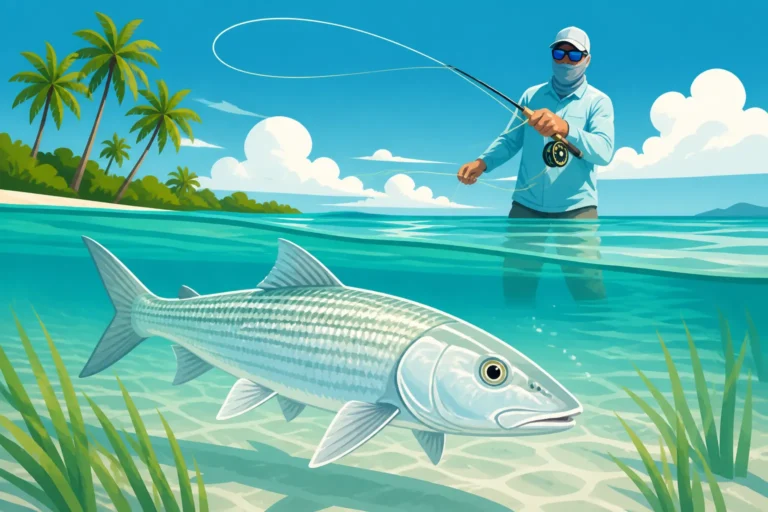
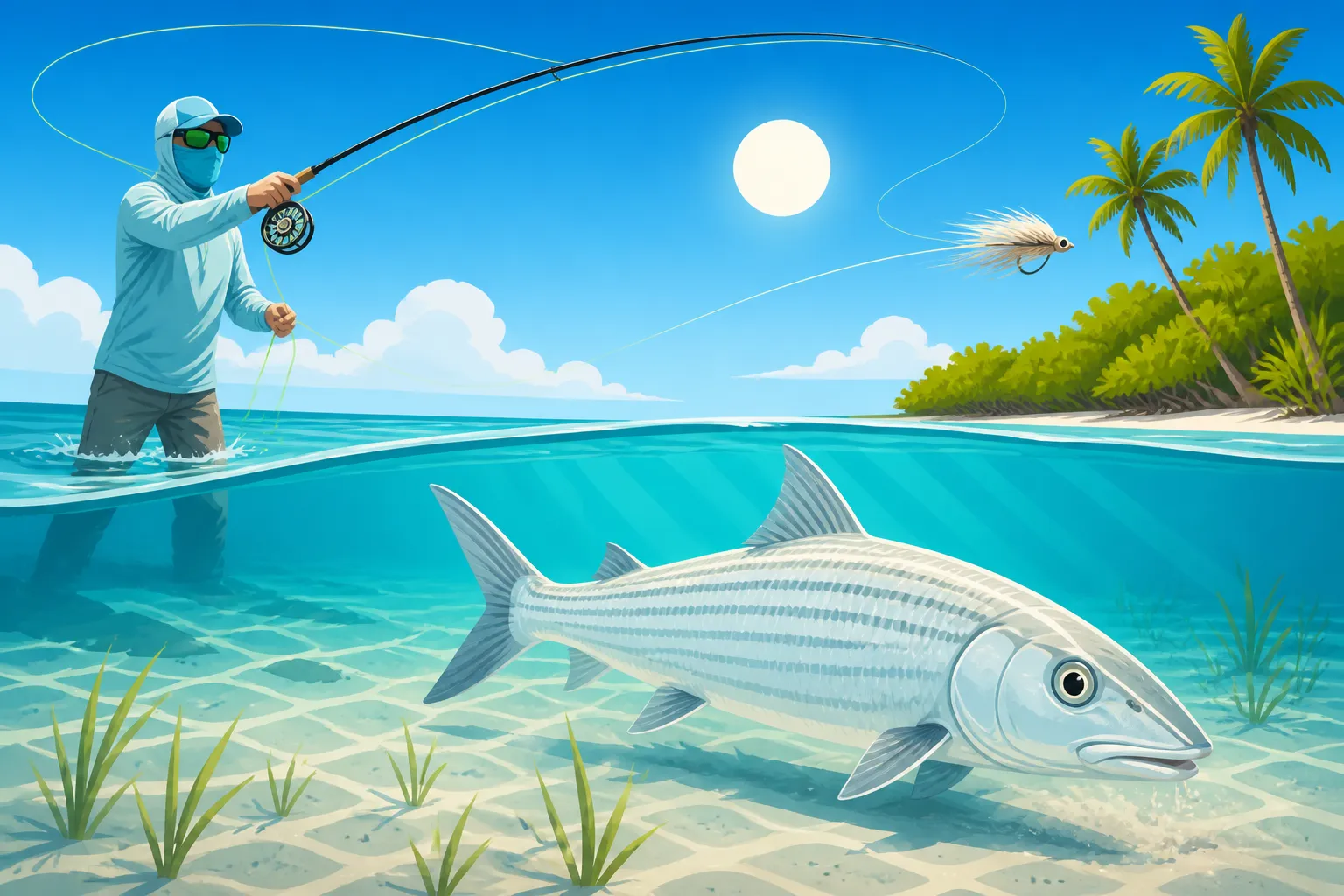
The thrill of chasing bonefish on the fly in Florida is unlike any other angling experience. These incredible creatures, often called the "Grey Ghosts of the Flats," are notoriously wary, lightning-fast, and possess an uncanny ability to disappear into their surroundings. Many anglers arrive in Florida with dreams of landing one on a fly rod, only to find themselves battling frustration more than fish. But don't despair! This comprehensive guide is designed to demystify the art of fly fishing for bonefish in Florida, equipping you with the knowledge, techniques, and insider tips you need to successfully pursue these elusive speedsters.
The Elusive Bonefish: Understanding Your Quarry in Florida
Before you even think about casting, understanding the bonefish itself – its habits, habitat, and how it behaves – is absolutely crucial. These aren't your typical freshwater bass; they're an entirely different challenge.
Where Bonefish Roam in Florida's Waters
Bonefish thrive in specific environments, and knowing where to find them is the first step toward success. In Florida, their prime real estate is the vast network of shallow, clear water flats, particularly prevalent in the southern parts of the state. Think of the sun-drenched, sandy expanses of the Florida Keys and the expansive seagrass beds of Biscayne Bay. These areas offer the perfect combination of food sources and camouflage.
They gravitate towards areas with sandy bottoms, mixed sand and grass, or even subtle mud flats where they can root around for crustaceans. These shallow zones, often just a few inches to a few feet deep, are their feeding grounds. You won't typically find bonefish hanging out in deep channels or turbulent open water; they prefer the calm, protected environment of the flats. Understanding their preferred hangouts is key to narrowing down your search. Keep an eye out for subtle changes in bottom composition, as these can be crucial indicators of a feeding zone.
Reading the Water for Bonefish Signs
One of the biggest frustrations for new bonefish anglers is simply seeing the fish. They blend in so perfectly with their surroundings that they truly earn their "grey ghost" moniker. This is where diligent observation and knowing what signs to look for come into play. You're not just looking for a fish; you're looking for disturbances. "Tailing" is perhaps the most exciting sight – when a bonefish is digging its nose into the bottom, its tail breaks the surface of the water, waving like a flag. This is a clear indicator of a feeding fish and a prime target.
Another common sign is "pushing water." This occurs when a fish or a school of fish moves through very shallow water, creating a V-shaped wake or a subtle bulge on the surface. It can be incredibly subtle, often just a shimmering distortion in the water, but with practice, you'll learn to spot it. "Muds" are also great indicators; these are cloudy patches of disturbed sediment caused by bonefish rooting around on the bottom. If you see a mud, scan the edges intently, as the bonefish responsible may still be in the vicinity. The light conditions and time of day, along with the Best Tides for Inshore Fishing in Florida, will heavily influence how well you can spot these signs. Early morning or late afternoon, when the sun is at an angle, can create shadows that make spotting fish easier, but a high sun directly overhead can often make visibility more challenging.
The Bonefish Diet and Why Flies Work
Bonefish are primarily bottom feeders with powerful, crushing plates in their mouths designed to pulverize the shells of their prey. Their diet consists overwhelmingly of crabs, shrimp, and other small invertebrates found burrowing in the sand and seagrass. Occasionally, they'll snatch a small baitfish, but crustaceans are their bread and butter.
This specific diet is precisely why fly fishing for bonefish is so effective and why certain fly patterns are so critical. The flies we use aren't meant to look like flashy streamers or big baitfish; they are meticulously crafted to imitate the small crabs and shrimp that make up the bulk of a bonefish's meal. The weight, color, and movement of the fly are all designed to trick the bonefish into believing it's a natural food item scuttling or crawling along the bottom. This mimicry is at the heart of successful bonefish fly fishing and understanding it will guide your fly selection and presentation strategy.
Gearing Up: Essential Fly Fishing Tackle for Florida Bonefish
You wouldn't bring a butter knife to a sword fight, and you certainly wouldn't bring inadequate gear to chase a bonefish. Having the right tools for the job is non-negotiable when targeting these powerful, fast fish on a fly rod.
Rods, Reels, and Lines for the Fight
When it comes to fly rods for bonefish, you'll want something with enough backbone to cast in the often-windy Florida conditions and handle the blistering runs of these fish. An 8-weight fly rod is generally considered the standard for bonefish. It offers a good balance of casting power and sensitivity. However, for larger bonefish, or particularly windy days, many anglers opt for a 9-weight, or even a 10-weight, especially if there's a chance of encountering other strong species like permit or juvenile tarpon. Look for a fast-action rod, which provides the power needed for quick, accurate casts and fighting stubborn fish.
Your reel is arguably even more important than your rod when chasing bonefish. These fish make incredibly long, drag-screaming runs, and a subpar reel will fail you spectacularly. You need a high-quality, large-arbor saltwater fly reel with an exceptionally smooth, sealed drag system. The large arbor helps with faster line retrieval, which can be crucial when a bonefish changes direction quickly. Ensure it has plenty of capacity for at least 200-250 yards of 20-pound backing, as bonefish will test the limits of your spool. Many excellent reels are available, and you can find a wide selection of reputable brands like Orvis, Tibor, or Abel on platforms like Amazon.
For fly lines, a weight-forward, floating line designed for tropical conditions is essential. These lines have a slightly stiffer coating to resist wilting in the heat and humidity, and a powerful taper designed to turn over bonefish flies in the wind. A specific "bonefish taper" line is often ideal, as it's engineered for quick loading and accurate delivery of small, weighted flies.
Leaders, Tippet, and Knots You Can Trust
The connection between your fly line and your fly – your leader and tippet – is a critical component that is often overlooked. Bonefish have excellent eyesight, especially in clear, shallow water, so stealth is paramount. A properly constructed tapered leader is crucial for a delicate presentation. Typically, you'll start with a 9 to 12-foot tapered leader, with a butt section of about 40-pound test, tapering down to a 10- or 12-pound fluorocarbon tippet. Fluorocarbon is preferred because it's nearly invisible underwater and is more abrasion-resistant than monofilament.
Your tippet strength should match the size of the fish and the conditions. For average Florida bonefish, 10-pound test is a good starting point, but you might go up to 12-pound if you're consistently breaking off or targeting larger fish. The knots you use must be flawless. Popular choices for connecting your backing to the fly line include the Albright knot or a nail knot. For connecting your leader to your tippet, a blood knot or triple surgeon's knot works well. The fly itself should be attached with a non-slip mono loop knot; this allows the fly to move more naturally in the water, enhancing its appeal to the bonefish. Always inspect your knots regularly and retie if there's any sign of weakness. You can find high-quality fluorocarbon tippet material from brands like Seaguar or Rio, easily ordered through Amazon for convenience. This meticulous attention to detail in your leader setup significantly increases your chances of success.
The Right Flies for Florida Bonefish
Choosing the right fly can feel overwhelming given the vast array available, but for bonefish, it often comes down to imitation and conditions. You're trying to mimic the small crabs and shrimp that are their primary food source. Weight is critical: the fly needs to sink quickly but not too fast, and land softly.
Here’s a table outlining some popular bonefish flies and when to use them:
| Fly Pattern | Primary Imitation | Typical Sizes (Hook) | Ideal Conditions | Notes |
|---|---|---|---|---|
| Gotcha | Shrimp | #4, #6, #8 | Sandy bottoms, clear water, varied depths | A classic, very versatile. Colors like tan, pink, or white. Often has bead chain eyes. |
| Crazy Charlie | Shrimp | #4, #6, #8 | Sandy bottoms, clear to slightly murky water | Another legendary pattern, especially in white or tan. Can be tied with bead chain or lead eyes for different sink rates. Excellent for quick, short strips. |
| Squimp | Shrimp/Crab | #2, #4, #6 | Mixed grass and sand, slightly deeper water | A "fuller" pattern that pushes more water. Natural colors like tan, olive, or brown. Good choice when fish are less aggressive or in slightly stained water. |
| Peterson's Spawning Shrimp | Spawning Shrimp | #4, #6, #8 | Shallow flats, clear water, particularly good when fish are spooky | Often tied with rubber legs for added lifelike movement. Natural shrimp colors. Excellent for a delicate presentation. |
| Veverka's Spawning Shrimp | Spawning Shrimp | #4, #6, #8 | Clear, very shallow water, spooky fish | Another very effective shrimp imitation. Often features an epoxy body for durability and a lifelike sheen. |
| Merkin Crab | Small Crab | #2, #4 | Grassy flats, coral rubble, deeper edges | A go-to for crab eaters. Natural colors like tan, olive, or brown. Can be tied with heavier lead eyes to get down quickly in deeper water or current. |
Beyond these, experiment with various colors (tan, pink, white, olive, brown) and eye types (bead chain for shallower water, lead eyes for deeper or faster sinking). Always carry a variety to match the specific conditions, water depth, and bottom composition you encounter. Often, a local fly shop will have the most current "hot" patterns, but for general purposes, you can stock up on these essentials on Amazon.
Mastering the Art of the Cast and Presentation
This is where the rubber meets the road. All the best gear in the world won't matter if you can't present your fly effectively to a bonefish. It requires a blend of accuracy, delicacy, and quick thinking.
The Critical Role of Sight Fishing
Unlike many forms of fishing where you cast blindly or target structure, fly fishing for bonefish is almost exclusively a game of sight fishing. You must see the fish before you cast to it. The moment a bonefish sees you first, it's usually game over. This means constant scanning of the water, utilizing polarized sunglasses, and often working from an elevated position, such as on a poling platform.
As you navigate the flats, whether on foot or from a poling skiff, your eyes should be glued to the water, looking for those tell-tale signs: tails, pushes, or even the subtle glint of a bonefish’s side as it turns. The sun's position is a huge factor; having the sun at your back illuminates the water and makes spotting fish significantly easier. This dedicated Sight Fishing Technique for Shallow Flats isn't just a suggestion; it’s fundamental to bonefishing success. It takes practice, patience, and a keen eye to spot what often looks like nothing more than a shadow or a ripple.
Delivering the Fly: Accuracy and Delicacy
Once you spot a bonefish, the real challenge begins: making the perfect cast. Bonefish are constantly moving, so you need to lead them with your cast, often by 5-10 feet, depending on their speed and direction. The goal is for the fly to land softly, without spooking the fish, and then settle naturally on the bottom in front of the fish. This creates the illusion of an unsuspecting crab or shrimp scuttling into its path.
Accuracy is paramount. A cast that's too far to the side, too short, or (worst of all) too long and lands on the fish, will send it rocketing away. Often, you'll need to make quick, precise casts at distances ranging from 30 to 60 feet. The single haul and double haul casting techniques are invaluable here, helping you generate line speed for distance and maintain tight loops, especially when battling the ever-present Florida wind. Think of landing your fly on a "dinner plate" in front of the fish – a small, precise landing zone where the bonefish can easily intercept it.
The Retrieve: Bringing Your Fly to Life
The retrieve is just as crucial as the cast. Once your fly has landed and settled, you want to bring it to life in a way that mimics natural prey. For shrimp and crab imitations, this usually means slow, short strips, often just a few inches at a time, with pauses in between. Imagine a crab scuttling or a shrimp flicking away. Avoid long, fast retrieves, which rarely look natural to a bonefish.
Watch the fish's reaction to your retrieve. If it speeds up and closes the distance, you’re doing something right. If it turns away or ignores the fly, try changing your retrieve speed or adding longer pauses. The "strip strike" is absolutely essential when a bonefish takes your fly. Instead of lifting the rod tip like you would with a trout, you keep the rod pointed at the fish and pull the line sharply with your stripping hand. This sets the hook much more effectively on a fast-moving, hard-mouthed bonefish and prevents the dreaded slack-line hookset that often results in a missed fish. Maintain a constant connection to your fly; if you're not feeling it, you're not in control.
On the Flats: Advanced Strategies and Best Practices
Beyond the mechanics of casting and retrieving, there are broader strategies and a certain mindset you need to adopt to truly excel at bonefish fly fishing.
Approaching Bonefish Without Spooking Them
Bonefish are incredibly wary, a trait that makes them such a captivating challenge. The key to getting a shot at them is stealth, above all else. Whether you're wading or in a poling skiff, every movement must be deliberate and quiet. On a boat, your guide will use a push pole to move silently across the flats, avoiding any sudden noise or splashing that could send fish scattering. If wading, shuffle your feet to avoid kicking up mud and walk slowly, never stomping.
Always consider the wind and current. Try to approach fish from downwind or down-current, as this naturally masks your presence and carries any subtle disturbances away from the fish. When fishing from a boat, maintaining a low profile is essential; avoid standing up suddenly or making large, sweeping motions with your rod. This principle of How to Approach Fish Without Spooking Them extends to everything you do on the water. Many anglers find working with an experienced Florida flats guide invaluable; their knowledge of local waters, fish behavior, and precise poling skills are often the difference between success and frustration.
Fighting the "Grey Ghost" on Fly Tackle
When a bonefish takes your fly and you execute a proper strip strike, be ready for an exhilarating fight! Their initial run is legendary – a blistering, drag-screaming sprint that will test your reel, your knots, and your nerves. The most important thing during this first run is to not touch the fly line. Let the fish take the line freely from the reel, keeping your rod bent to absorb the shock. If you try to stop it, you'll likely snap your tippet or pull the hook.
Once the initial run slows, you can begin to retrieve line, applying steady, side pressure to turn the fish and wear it down. Bonefish often make several powerful runs, so be prepared for a give-and-take battle. Keep your rod tip high enough to maintain pressure, but low enough to react to sudden changes in direction. Unlike fighting a large snook or tarpon, where heavy pressure is sometimes needed to turn them from structure (see Florida Tarpon Fishing Season Guide for comparisons on fighting powerful fish), bonefish are generally fought in open water, allowing you to use more finesse. Always ensure your drag is set properly – tight enough to create resistance, but loose enough to let the fish run without breaking the line.
Beyond the Gear: Mindset and Conservation
Ultimately, success in fly fishing for bonefish in Florida isn't just about having the right gear or the perfect cast; it's also about patience, persistence, and a willingness to learn from every outing. There will be days when the fish are simply not cooperative, or when your casts just aren't hitting their mark. Don't get discouraged! Every missed opportunity is a chance to refine your technique and observe the fish's behavior. The journey, the hunt, and the challenge are as rewarding as the catch itself.
Moreover, practicing responsible angling is vital. Bonefish are a precious resource, and proper catch and release techniques ensure their populations remain healthy for future generations. Handle fish gently, minimize their time out of water, and use barbless hooks to reduce harm. Understanding Catch and Release Best Practices for Snook can provide excellent guidance, as the principles are similar for bonefish. For the most part, bonefish are a protected species and fall under Florida Fishing Regulations and Bag Limits that mandate catch-and-release only for their protection. Embrace the challenge, enjoy the stunning beauty of the Florida flats, and savor every moment you spend pursuing the grey ghost.
Disclaimer
The information provided in this guide is for general informational purposes only and does not constitute legal or professional advice. Fishing regulations, licensing requirements, and best practices can change frequently. Always consult the latest Florida Fish and Wildlife Conservation Commission (FWC) regulations before engaging in any fishing activity. Adherence to all local, state, and federal laws is the sole responsibility of the angler.