Best Time to Fish an Incoming Tide at an Inlet
There’s nothing quite as frustrating as showing up at a promising Florida inlet, full of anticipation, only to find the fish have lockjaw. It can truly feel like a guessing game trying to figure out the best time to cast your line, especially with the ever-changing tides. This comprehensive guide will help you understand the nuances of fishing an incoming tide at a Florida inlet, so you can stop guessing and start catching, maximizing your success every time you hit the water.
Understanding Incoming Tides at Florida Inlets
Florida’s inlets are dynamic, vibrant ecosystems, constantly influenced by the push and pull of the ocean’s tides. For anglers, these tidal movements are the lifeblood of successful fishing, dictating when and where various species will feed. Understanding the mechanics of an incoming tide is the first step to unlocking its full potential.
The Dynamics of Tidal Flow in Inlets
Imagine a massive funnel. That’s essentially what a Florida inlet is: a natural or man-made channel connecting a large body of water, like the Atlantic Ocean or the Gulf of Mexico, to an estuarine system such as a bay or lagoon. As the ocean tide begins to rise, it pushes a substantial volume of water through this relatively narrow opening. This creates a strong, often turbulent current, carrying with it a buffet of nutrients, small baitfish, shrimp, and crabs.
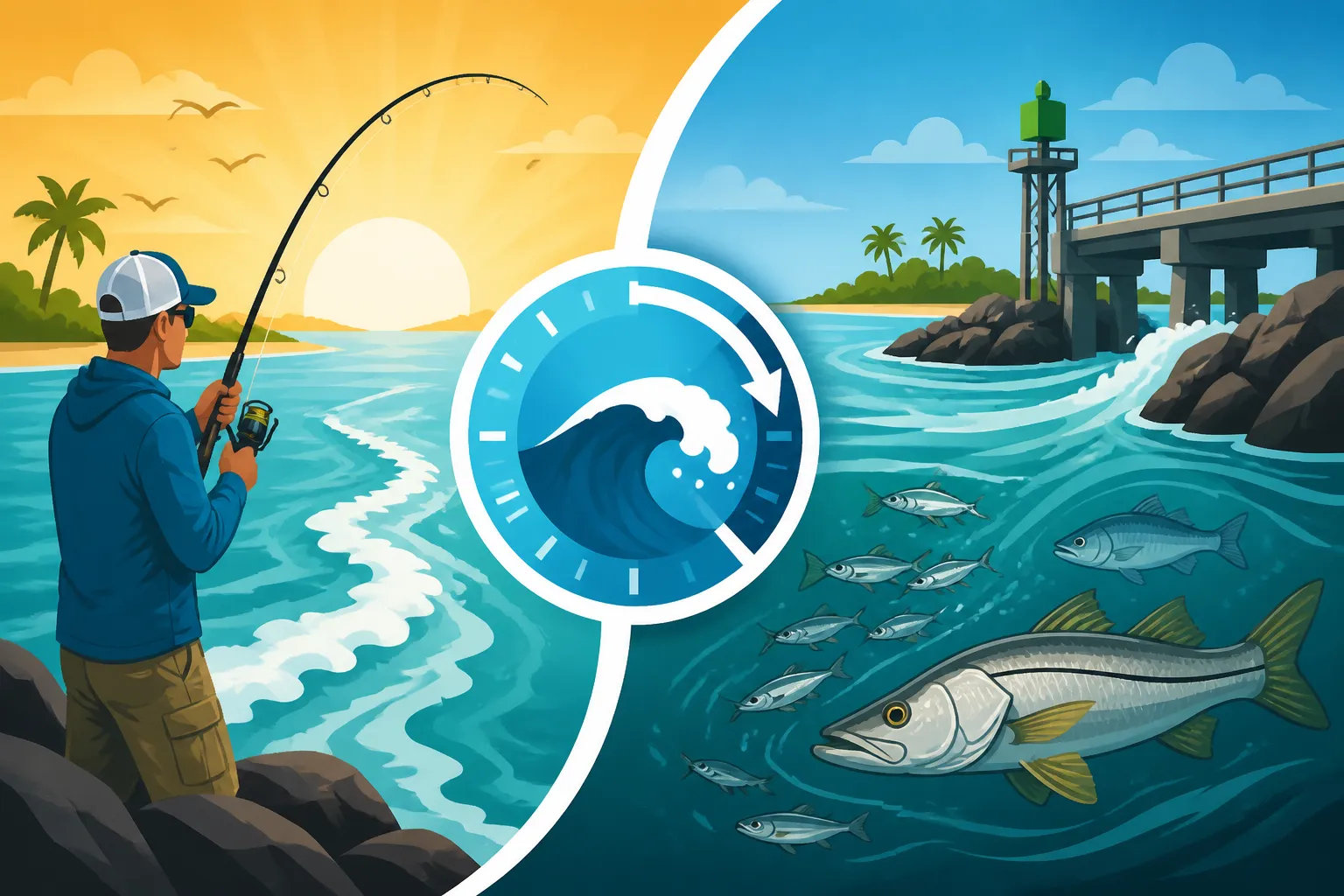
This rush of water is precisely what makes incoming tides so appealing to predatory fish. They don’t have to work as hard to find food; the current delivers it right to their waiting mouths. The water moving in brings cooler, cleaner, more oxygenated water from the ocean into the sometimes warmer, murkier bay waters, which can invigorate fish and make them more active. You’ll often see a distinct line where the clearer ocean water meets the bay water, a prime feeding zone. Observing these current lines and eddies, which are whirlpool-like currents, is key. Fish will stage themselves in these areas, waiting for bait to be swept past them. Think of it like a conveyer belt for dinner!
Why Incoming Tides are Often Productive
It's not just about the food delivery system. An incoming tide, especially in its early to mid-stages, creates a whole cascade of conditions that are highly favorable for fishing. As the water level rises, it floods shallow flats, oyster bars, and mangrove shorelines that were previously exposed or too shallow for larger predators. This means more hunting grounds open up for fish like snook, redfish, and trout, allowing them to push into areas where smaller baitfish and crustaceans seek refuge.
The moving water also stimulates the metabolism of many fish species, triggering a feeding response. It's a natural instinct: moving water equals food. What Tide Is Best for Snook Fishing? often comes down to this very principle. Fish use the current to their advantage, expending less energy while ambush feeding. For instance, a snook might sit just behind a submerged rock or pilings, letting the current wash bait directly into its strike zone. This is a crucial distinction from a slack tide, where the lack of movement often corresponds to a lull in feeding activity. The sheer volume and speed of the incoming water stirs up the bottom, dislodging crabs and shrimp, further enhancing the food chain.
How Moon Phase and Weather Affect Inlets
While incoming tides are generally good, not all incoming tides are created equal. The moon, our celestial neighbor, plays a huge role in the strength of these tidal flows. During a full moon and a new moon (the "spring tides"), the gravitational pull is strongest, resulting in higher high tides and lower low tides, which means a more pronounced and swifter incoming current. These stronger currents can be a double-edged sword: they can bring in a ton of bait and really get the fish fired up, but they can also make it challenging for anglers to keep their baits in the strike zone. Conversely, during quarter moons (the "neap tides"), the tidal swing is less dramatic, leading to weaker currents.
Weather, of course, also throws a wrench into things. A strong onshore wind blowing against an outgoing tide can effectively mimic an incoming tide, pushing water into the inlet and sometimes creating confusing current patterns. A sustained offshore wind, however, might dampen the incoming flow. Rain, especially a heavy downpour, can initially flush bait from estuaries, making fishing good, but prolonged freshwater input can lower salinity and spook some saltwater species. Barometric pressure changes, often associated with approaching or passing fronts, can also impact fish behavior, sometimes making them more aggressive right before a storm or more lethargic afterward. It's like juggling several balls at once, but with experience, you start to anticipate these changes.
Pinpointing the Prime Window for Success
Knowing when the tide is coming in is good, but knowing the best moment within that incoming tide to drop your line is truly what separates a decent day from an epic one. It’s not simply about being there as soon as the water starts moving; there’s a sweet spot.
The Critical Period: Early Incoming to Mid-Tide
For most Florida inlets, the absolute prime window for fishing on an incoming tide is from the very beginning of the incoming flow up until about mid-tide. Why this specific window? As the tide first starts to push in, the water levels are still relatively low from the previous low tide. This concentrates the baitfish and the predators in the deeper channels, around structure, and along the edges of the newly flooding flats. The water is often at its clearest, allowing sight-feeding fish to spot their prey more easily.
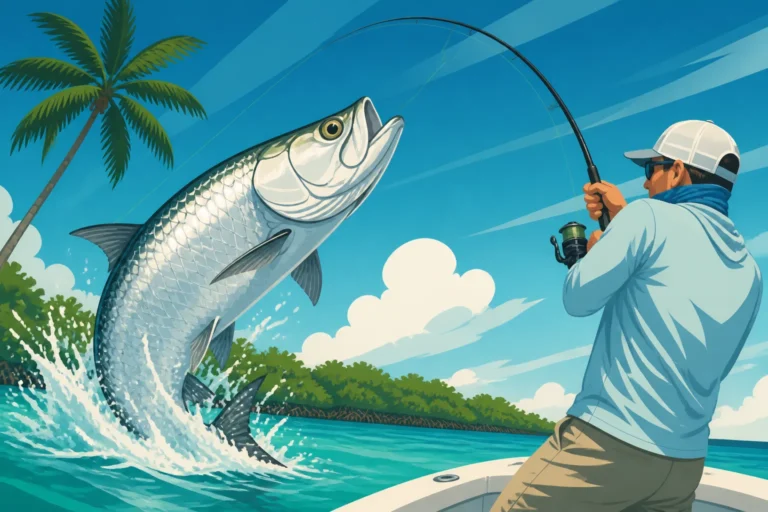
As the incoming tide gains momentum, the current starts to pick up, bringing in that fresh, oxygenated water and a consistent flow of food. This is when the fish really become active, positioning themselves to ambush anything the current delivers. They’re still somewhat concentrated, but the increasing water level gives them more freedom of movement. Many anglers will tell you that the bite often slows down significantly as the tide approaches its peak high, and then again as it begins to turn outgoing. It’s during that initial rush and steady flow of the first half of the incoming tide that fish are most likely to be aggressively feeding. This applies whether you're targeting snook, redfish, or even the mighty tarpon that frequent these inlets. Do Fish Bite Better at High Tide or Low Tide? – for inlets, the answer is often the former, especially in its initial stages.
Reading the Water: Signs of Life
The fish themselves will tell you when it’s prime time, if you know how to listen and look. Keep an eye out for visual cues on the water’s surface. Diving birds, like pelicans or terns, are almost always a dead giveaway that baitfish are schooling near the surface, often being pushed by predators from below. You might see frenzied splashes, known as "nervous water" or "busting bait," where larger fish are actively feeding on schools of mullet or pilchards.
Beyond surface activity, observe the current itself. Look for areas where the current forms eddies, rips, or current seams around structure like jetties, bridge pilings, or rock formations. These are natural ambush points. Also, pay attention to water clarity. The incoming tide usually brings in cleaner, bluer water from the ocean, and the line where this clear water meets the murkier estuarine water is a prime feeding zone. Fish will often hold along this line, darting out to grab passing prey. Being able to How to Read a Tide Chart for Fishing combined with these visual observations will dramatically increase your success rate.
Best Baits and Lures for an Incoming Inlet Tide
When the tide is ripping in and the fish are on the hunt, presentation is key. Live bait is almost always a top choice. Finger mullet, pilchards, threadfin herring, or live shrimp, if available, are incredibly effective. A free-lined live bait, allowed to drift naturally with the current, mimics what the fish are already expecting to see. You can rig these baits with a simple circle hook, perhaps a small split shot if you need a little more depth, and let the current do the work.
For artificial lures, mimicking the local baitfish is crucial. MirrOlure MirrOdine XL or Twitchbaits are fantastic for imitating injured baitfish struggling against the current. Soft plastic paddle tails on a jig head, such as those from Z-Man, are also excellent, allowing you to control the depth and retrieve through the water column. Jerkbaits and topwater plugs can also be incredibly effective, especially if you see fish actively feeding on the surface. Don’t be afraid to experiment with retrieve speeds; sometimes a faster retrieve to mimic fleeing bait is best, while other times a slow, methodical twitch will entice a strike. For a comprehensive selection, check out the fishing tackle section on Amazon. You'll find a huge variety of options, from specialized jig heads to your preferred brand of fishing line. Best Bait for Snook Fishing in Florida and Best Bait for Redfish Fishing in Florida will give you even more specific ideas.
Navigating Common Challenges and Maximizing Your Chances
Fishing inlets on an incoming tide isn't without its challenges. The very forces that make it so productive can also make it tricky to fish effectively. But with a few strategies, you can turn these challenges into opportunities.
Dealing with Strong Currents and Eddies
Strong incoming currents, especially during spring tides, can make it incredibly difficult to present your bait naturally. Light tackle can get swept away too quickly, and lures may not sink fast enough to reach the feeding zone. This is where heavier jig heads, perhaps 1/2 oz to 1 oz or more, become essential for soft plastics. For live bait, consider using a heavier leader or a slightly larger split shot to help your bait get down and stay down without impeding its natural movement too much. Sometimes, fishing directly in the strongest current isn't the best idea. Instead, look for the edges of the main current, where it meets slower water, or inside large eddies. Fish will often stage here, conserving energy while waiting for food to be swept past the current break.
Another technique is to cast upcurrent and allow your bait or lure to drift back down through the strike zone naturally. This gives the fish more time to see and react to your presentation. Don't be afraid to cast directly at visible structure like bridge pilings or jetty rocks; just be ready for an immediate strike once your bait gets close. Remember that these strong currents also mean that fish will be fighting harder, so having the right gear is paramount.
Adapting to Different Inlet Structures
Not all inlets are created equal. Some Florida inlets are primarily natural passes, with shifting sandbars and deeper channels, while others are heavily fortified with man-made jetties, rock walls, and extensive bridge systems. Each type of structure presents its own unique challenges and opportunities.
Jetties and Rock Walls: These are magnets for fish. They provide current breaks, ambush points, and habitat for smaller prey. Fish close to the rocks on the incoming side, casting into the seams and eddies. Be prepared to lose some tackle to snags. How to Fish a Bridge for Snook provides similar tactics for vertical structure.
Bridge Pilings: Bridge pilings create incredible current breaks and shade. On an incoming tide, fish will often hold on the downcurrent side of the pilings, waiting for food. Target these areas with live bait or jigs.
Sandbars and Channels: Inlets often have deeper channels bordered by shallower sandbars. During an incoming tide, fish will move from the deeper channels onto the top of the sandbars as the water rises, especially if bait is schooling there. Later, as the tide recedes, they’ll fall back into the channels. Adjust your casting depth and retrieve accordingly. Having a good pair of polarized sunglasses, available on Amazon, can help you spot these underwater features.
Safety Considerations at Inlets
Inlets, with their strong currents and boat traffic, demand respect. Always prioritize safety. If you’re fishing from shore or a jetty, be mindful of rogue waves or slippery rocks. If you're in a boat, understand the immense power of the current, especially around the peak of the tide. Never anchor in the middle of a strong channel where you could become a hazard to navigation. Always have appropriate safety gear, including life jackets, and let someone know your float plan if you're venturing out alone. During a rapidly moving incoming tide, the water can be surprisingly turbulent and unpredictable, so always keep an eye on your surroundings.
Gear Recommendations for Inlet Fishing
Having the right tackle can make all the difference when you're battling strong currents and powerful fish in Florida's inlets. You need gear that can stand up to the challenge, from casting into the wind to handling a surging snook.
Rods, Reels, and Line for the Fight
For inlet fishing, you'll want gear that offers a good balance of power, sensitivity, and durability.
Rods: A medium-heavy to heavy action spinning rod, typically in the 7 to 8-foot range, is ideal. This length provides good casting distance to reach those distant current seams and gives you leverage when fighting fish in strong currents. The medium-heavy to heavy power ensures you have enough backbone to handle larger species like snook, redfish, tarpon, or even jacks. Look for rods with a fast action tip for sensitivity to detect subtle bites, but enough stiffness in the mid-section to drive a hook home and control a powerful fish. Best Rod for Inshore Fishing in Florida will give you more details on specific types.
Reels: Pair your rod with a robust spinning reel in the 4000 to 6000 size range. These reels offer excellent drag systems to absorb blistering runs and provide ample line capacity. A high-quality sealed drag system is a must, as saltwater environments are harsh. Shimano and Penn are reputable brands often favored by experienced anglers, and many models can be found on Amazon.
Line: Braided line is the standard for inlet fishing. Its lack of stretch provides superior sensitivity, allowing you to feel every bump and bite, even in strong currents. It also offers incredible strength-to-diameter ratio, meaning you can use a thinner, stronger line that casts farther. For most inlet scenarios, 20-40 lb braided line is a good starting point. Always use a fluorocarbon leader, typically 30-60 lb test, depending on your target species and the presence of abrasive structure. The fluorocarbon is nearly invisible underwater and offers excellent abrasion resistance against sharp rocks or oyster shells. What Pound Test Line for Snook Fishing? will help you choose the right strength for specific species. Do You Need Steel Leader for Florida Saltwater Fishing? will advise on when to use steel for toothy critters.
Essential Terminal Tackle
Beyond your main rod and reel setup, there are some terminal tackle items you absolutely can't do without.
Hooks: Circle hooks are a non-negotiable for live bait. They are designed to hook fish in the corner of the mouth, minimizing gut-hooking and making catch-and-release much easier. Sizes 3/0 to 7/0 are common, depending on bait size. For artificial lures, ensure your trebles are sharp and saltwater-resistant.
Jig Heads: A variety of jig head weights (1/4 oz to 1 oz+) is essential to adapt to different current speeds and depths. Keep a selection of weights and colors, often found in multi-packs on Amazon, to match the prevailing conditions.
Swivels and Leaders: Quality barrel swivels help prevent line twist, especially with braided line. Heavy-duty fluorocarbon leader material in various strengths is also a must.
Plastics and Lures: Stock up on soft plastic jerkbaits, paddle tails, and possibly some hard-bodied twitchbaits or topwater plugs. Having a range of colors and sizes will allow you to "match the hatch" – or imitate the baitfish that are currently present in the inlet.
| Tidal Stage | Key Characteristics | Fish Behavior | Recommended Tactics |
|---|---|---|---|
| Early Incoming | First movement, lower water, increasing clarity | Concentrated, moving into shallow areas, actively feeding | Live bait, heavier jigs, target channel edges |
| Mid-Incoming | Stronger current, good bait flow, rising water | Aggressive feeding, staging in current breaks | Free-lined live bait, paddle tails, twitchbaits |
| Late Incoming | Peak current, high water, less concentrated bait | May slow down, less active, spread out | Fan casting, lighter presentations, deeper drifts |
| Slack High Tide | Minimal current, high water | Generally slower bite, fish disperse | Target structure directly, slower retrieves |
Remember, consistency is key when fishing an inlet. The more time you spend observing the water, learning the currents, and understanding the fish patterns, the more successful you will become. Don’t get discouraged if one trip isn’t a blowout; every outing is a learning experience. Keep refining your approach, and those incoming tides at Florida's inlets will start giving up their secrets to you.
Disclaimer
This article is for general informational purposes only and does not constitute professional advice. Laws, prices and regulations vary by location and change over time. Consult a qualified professional for guidance on your specific situation.