How Many Snook Can You Keep in Florida?
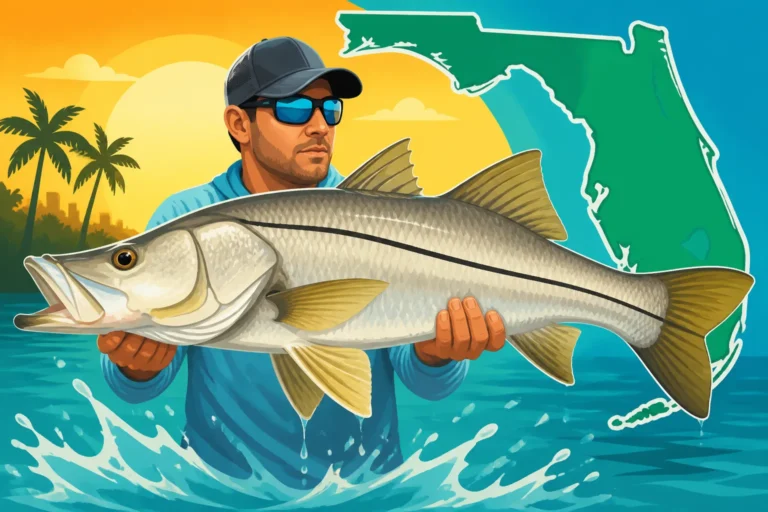
It's incredibly frustrating when you're out on Florida's beautiful waters, the snook are biting, and you find yourself constantly second-guessing whether that gorgeous fish in your hands is a keeper. The rules around snook can feel like a moving target, with seasons, sizes, and bag limits shifting, leaving many anglers confused and worried about accidental violations. This comprehensive guide is here to untangle the complexities of Florida's snook regulations, helping you understand exactly how many snook you can keep, and more importantly, when and why these rules are in place to protect one of our most beloved sportfish.
Understanding Florida's Snook Regulations: It's More Than Just a Number
Fishing for snook in Florida is an experience unlike any other. These powerful, elusive fish are a true prize for any angler, but their popularity also means they require careful management to ensure healthy populations for generations to come. The regulations aren't just arbitrary numbers; they are a sophisticated system designed to protect snook throughout their life cycle.
Why Snook Regulations Exist (Conservation First!)
Snook are incredibly sensitive fish. They're particularly vulnerable to cold weather, which can lead to large-scale die-offs if water temperatures drop too low. They also have specific spawning patterns that make them susceptible during certain times of the year. Beyond that, their sheer desirability as a sportfish means they face significant fishing pressure. Without regulations, it wouldn't take long for snook populations to decline, impacting not only the ecosystem but also the cherished fishing experiences we all love.
The Florida Fish and Wildlife Conservation Commission (FWC) continuously monitors snook populations, considering factors like environmental conditions, spawning success, and angler catch rates. This data informs their decisions on seasons, bag limits, and size restrictions. It's a dynamic process, and understanding that these rules are rooted in science and conservation, rather than just restriction, can help us all be more responsible stewards of Florida's fisheries. This careful management is critical for a species that is not only fun to catch but also plays an important ecological role in our estuaries and nearshore waters. You can learn more about general rules in our Florida Fishing Regulations and Bag Limits guide.
The Importance of the "Slot Limit"
When it comes to snook, the term "slot limit" is absolutely critical. Unlike a simple minimum size, a slot limit specifies both a minimum and a maximum length for fish that can be harvested. For example, a common snook slot limit might be "not less than 28 inches and not more than 33 inches total length." This means any snook shorter than 28 inches must be released, and any snook longer than 33 inches must also be released.
So, why do they do this? The slot limit is a powerful conservation tool. By protecting the smaller, immature fish, it allows them to grow to maturity and contribute to the spawning population. Even more importantly, by protecting the very largest fish – the ones over the maximum slot limit – it safeguards the most prolific breeders. These large female snook produce a massive number of eggs, making them vital for the species' future. It's about ensuring a healthy genetic pool and robust spawning potential, which is a big reason why trophy-sized snook are always released. Our Florida Snook Size and Slot Limits article dives deeper into this topic.
Regional Differences in Snook Management
Florida is a huge state, with diverse ecosystems ranging from the Panhandle to the Everglades and the Keys. It stands to reason that snook populations and their specific challenges might vary across these regions. Because of this, Florida's snook management is often split into different regions: the Atlantic Coast, the Gulf Coast, and sometimes specific areas within those, like the Everglades National Park or the Florida Keys.
These regional distinctions mean that while some general rules apply statewide, the open seasons or even specific slot limits can differ depending on where you're casting your line. What might be legal to keep on the Atlantic side could be completely off-limits on the Gulf side, or vice versa, during certain times. This regional approach allows FWC to tailor management strategies to the unique ecological needs and fishing pressures of each area, providing more targeted protection. It means as an angler, you always need to check the specific regulations for the region you plan to fish before heading out.
The Current Snook Bag Limit and Size Restrictions in Florida
Alright, let's get down to the nitty-gritty: the actual numbers you're looking for. Remember, these regulations are subject to change, so always double-check the latest FWC rules before your trip. However, I can share the typical framework that has been in place for a long time regarding snook.
The Statewide Bag Limit (When Open!)
When snook season is open in your specific region, the recreational bag limit is generally one snook per person, per day. This means that no matter how many snook you catch within the legal slot limit, you are only allowed to keep one. This strict limit reinforces the conservation efforts, making sure that even during open seasons, the pressure on the population remains manageable.
It's crucial to stress that this "one per person" rule applies whether you're fishing from your own boat, from shore, or even on a private pier. There's no exception for group catches; each individual angler is accountable for their own bag limit. This low bag limit underscores the value placed on snook as a sportfish, encouraging anglers to enjoy the thrill of the catch-and-release experience even after they've decided to keep their one legal fish. This is why Catch and Release Best Practices for Snook are so important.
Deciphering the Slot Limit: Measurement Matters
Beyond the one-fish bag limit, the most critical piece of information is the slot limit itself. Historically, the recreational slot limit for snook has been not less than 28 inches and not more than 33 inches total length.
Here’s how to measure correctly:
- Total Length: This means measuring from the most forward point of the head to the farthest tip of the tail with the tail compressed or squeezed together. This is a common point of confusion, as some anglers might just measure to the fork of the tail. Always compress the tail for an accurate measurement.
- Fish Positioning: Lay the fish flat on its side on a measuring device. A good, reliable measuring board or tape measure is essential. Many anglers keep a simple, sturdy measuring device, often made of plastic or metal, readily available on their boat or even from a retailer like Amazon, which offers various options for accurate fish measurement.
- Immediate Release: If your snook falls outside of that 28-33 inch slot – either too small or too large – it must be immediately and carefully released. There's no room for error or "close enough" when it comes to snook regulations.
This table summarizes the typical snook harvest criteria:
| Criterion | Standard Rule (When Season is Open) |
|---|---|
| Bag Limit | One (1) snook per person, per day |
| Minimum Size | Not less than 28 inches total length |
| Maximum Size | Not more than 33 inches total length |
| Measurement | Total length (head to compressed tail tip) |
| License | Valid Florida saltwater fishing license + Snook Permit |
Keep in mind, as mentioned earlier, these specific numbers can vary by region or change due to FWC decisions. It's truly vital to verify the current regulations for your specific fishing location and date before every trip.
Closed Seasons: When Snook Are Strictly Off-Limits
Perhaps even more important than the bag and slot limits are the closed seasons. During these periods, it is illegal to harvest any snook, regardless of size. Any snook caught during a closed season must be immediately released. These closures are put in place for specific biological reasons, primarily to protect snook during their most vulnerable times.
Typical closed seasons for snook generally include:
- Winter Months: Often December through February, when snook are highly susceptible to cold fronts. They can become lethargic and congregate in deeper, warmer waters, making them easy targets. Protecting them during these periods is vital for their survival.
- Summer Spawning Months: Frequently May through August, which coincides with their peak spawning season. Allowing them to reproduce undisturbed is paramount to sustaining healthy populations.
These seasonal closures are often region-specific. For instance, the Atlantic coast might have different closed dates than the Gulf coast. A sudden severe cold snap or an unexpected environmental event could also trigger emergency closures. That's why checking the FWC website or a reliable fishing app, or even calling your local bait shop, is paramount before you head out. Don't rely on last year's knowledge! Knowing When Does Florida Snook Season Close? is just as important as knowing the bag limit. Furthermore, be aware that you'll typically need a Florida Saltwater Fishing License Rules and a Snook Permit to harvest a snook when the season is open.
Practical Tips for Responsible Snook Angling
Beyond simply knowing the rules, being a responsible snook angler means adopting practices that minimize your impact on the fish, whether you plan to keep one or release them all. Snook are tough fighters, but they're also delicate, and proper handling makes a huge difference in their survival post-release.
Proper Catch and Release Techniques
Since you can only keep one snook (when the season is open and it's within the slot), most of the snook you catch will be released. This makes proper catch and release techniques absolutely paramount. The goal is to get the fish back in the water healthy and ready to fight another day.
Here are some best practices:
- Minimize Fight Time: Use appropriate tackle that allows you to land the fish quickly without completely exhausting it. A long, drawn-out fight can stress the fish to the point where it can't recover.
- Avoid Excessive Handling: Try to handle the fish as little as possible. If you must handle it, do so with wet hands to protect its slime coat. Avoid squeezing it, especially around its belly or gills.
- Use a Gripping Tool: A lip-gripping tool can be invaluable for controlling a snook without touching its body, especially if you're taking a quick photo. Just be sure to support the fish's weight with your other hand if it's a larger one.
- Circle Hooks: Consider using circle hooks, especially if you're bait fishing. They are designed to hook fish in the corner of the mouth, significantly reducing gut-hooking, which is often fatal.
- Quick Hook Removal: Have your dehooking tools (pliers, dehookers) ready to quickly remove the hook. If the hook is deeply embedded and you can't remove it easily, snip the line as close to the hook as possible. The hook will often rust out over time.
- Revive If Necessary: If a snook seems sluggish upon release, hold it gently in the water, facing into the current, allowing water to flow over its gills until it regains its strength and swims away on its own. This might take a few minutes, but it's worth the effort.
These techniques, combined with knowing How to Handle a Redfish for Release or How to Land a Snook Without a Net, can significantly increase the survival rate of released fish.
Gear Considerations for Minimizing Stress
The gear you choose can play a significant role in how well a snook survives its encounter with you. It's not just about what catches fish; it's about what minimizes harm to the fish you intend to release.
- Rod and Reel Match: Use a rod and reel combination that is appropriately sized for the snook you are targeting. Too light of tackle can prolong the fight, over-stressing the fish. Too heavy, and you might miss the subtle bites. A good medium-heavy spinning setup is often ideal for most inshore snook fishing. If you're looking for specific recommendations, What Pound Test Line for Snook Fishing? can offer some guidance.
- Line Choice: Monofilament, fluorocarbon, and braided lines all have their place. Braided line offers strength and sensitivity, allowing for quicker fights. Pairing it with a fluorocarbon leader provides stealth and abrasion resistance. Many anglers buy their fishing line, leaders, and even pre-made snook rigs from online retailers like Amazon, ensuring they have fresh, quality materials.
- Hook Selection: As mentioned, circle hooks are fantastic for reducing mortality. If using J-hooks, opt for single hooks over trebles when possible, as they are easier to remove and cause less damage. Always choose hooks that are strong enough not to straighten out during a fight.
- Landing Gear: A rubber-coated net is ideal for landing snook if you plan to bring them into the boat for a quick measurement and photo. The rubber coating protects their slime layer and fins much better than traditional knotted nylon nets. Alternatively, a lip-gripping tool can be used, ensuring you support the fish's weight to prevent jaw damage.
Staying Informed: Your Role as a Conservationist
The best way to ensure you're always compliant with Florida's snook regulations, and truly acting as a conservationist, is to stay informed. Regulations can and do change, sometimes with little notice, especially if environmental conditions warrant an emergency closure.
Here's how you can stay on top of the rules:
- FWC Website: The Florida Fish and Wildlife Conservation Commission (myfwc.com) is the official source for all fishing regulations. Bookmark their saltwater fishing regulations page and check it regularly, especially before heading out.
- FWC Fish|Hunt Florida App: Many states, including Florida, offer official mobile apps that provide up-to-date regulations, including closed seasons, bag limits, and size restrictions, right on your phone. This is an invaluable tool to have with you on the water.
- Local Bait and Tackle Shops: These local experts are often the first to hear about regulation changes and can provide invaluable insights into current conditions and species behavior. Don't be shy about asking questions when you pick up your Best Bait for Snook Fishing in Florida.
- Sign up for FWC Newsletters: Many agencies offer email newsletters or alerts that will notify you directly of significant regulation changes or emergency closures.
- Official Fishing Guides/Books: While you should always verify the latest, purchasing a good Florida fishing guide book (often available on Amazon) can provide an excellent foundational understanding of species, habitats, and general regulations. Just remember that printed materials can become outdated.
Being an ethical angler means doing your part to protect the resource. By understanding the regulations, using proper techniques, and staying informed, you contribute directly to the health of Florida's snook populations, ensuring that future generations can enjoy the thrill of catching these magnificent fish. Always remember to check Florida Fishing License Guide to ensure you have all the necessary permits before your trip.
Disclaimer
This article is for general informational purposes only and does not constitute professional advice. Laws, prices and regulations vary by location and change over time. Consult a qualified professional for guidance on your specific situation.