How Big Do Largemouth Bass Get in Florida?
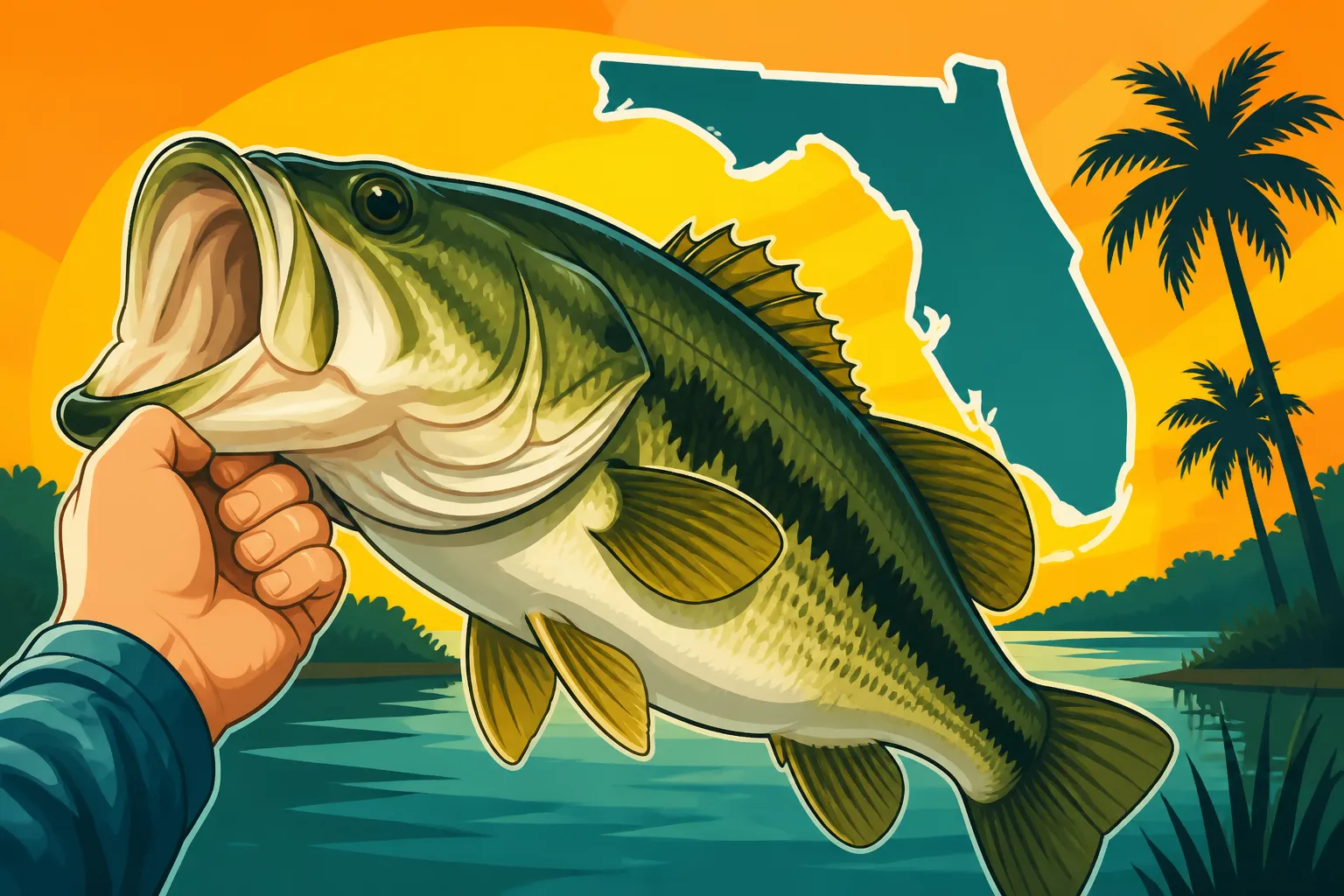
It's easy to get caught up in the legends of giant bass, especially when you hear the whispers of Florida's famous fisheries. You might scroll through social media and see anglers hoisting up what look like small green footballs, making you wonder, "Is that really what I should expect to catch?" The truth is, while Florida is renowned for its largemouth bass fishing, setting realistic expectations about just how big these fish get can dramatically improve your fishing experience. This guide will dive deep into the real sizes of Florida largemouth bass, what factors contribute to their impressive growth, and what you can truly hope to catch when you cast your line in the Sunshine State.
Setting Expectations: What's a "Big" Largemouth Bass in Florida?
When you talk about bass fishing in Florida, the term "big bass" can mean different things to different people. For some, a five-pounder is a fish of a lifetime; for others, anything under ten pounds barely raises an eyebrow. Let's break down what's truly considered an average catch versus a genuine trophy in Florida's waters.
The Realistic Average vs. Dream Catches
Let's be honest, most of the bass you'll pull out of a Florida lake or canal won't be headline-grabbing monsters. The average largemouth bass an angler catches in Florida typically falls into the 1 to 3-pound range. These are healthy, feisty fish that provide plenty of fun on the end of a line. They're abundant and represent the bulk of the bass population across the state. You'll encounter many of these, especially if you're exploring smaller local ponds or less famous stretches of river.
However, Florida didn't earn its reputation for nothing. While averages might be modest, the potential for truly massive bass is undeniably there. Those dream catches, the ones that make anglers pack their bags and head south, generally start around 8 pounds and can go well into the double digits. These aren't an everyday occurrence, but they are certainly within the realm of possibility if you know where and how to look. It’s the constant promise of that one gigantic bite that keeps so many anglers coming back.
Understanding the "Trophy" Benchmark
So, what exactly constitutes a "trophy" largemouth bass in Florida? For most seasoned Florida bass anglers, a bass weighing 8 pounds or more is firmly in trophy territory. Once you hit the 10-pound mark, you're talking about a truly exceptional fish, often referred to as a "double-digit" bass. These are the fish that require a bit of luck, a lot of skill, and often, a trip to specific, well-managed fisheries.
Many organizations, like the Florida Fish and Wildlife Conservation Commission (FWC), recognize catches of 8 pounds or more through various angler recognition programs. This helps solidify that 8-pound benchmark as the unofficial starting point for a true trophy. Anything over 10 pounds is often considered a "giant" or "lunker" by any standard, and these fish often carry legendary status within local fishing communities. Imagine hooking into a fish that heavy—it’s an unforgettable experience that can truly test your tackle and your nerves.
The Science Behind the Size: Factors Influencing Florida Bass Growth
Florida's unique environment plays a massive role in why its largemouth bass grow so large. It's not just a coincidence; it's a perfect storm of biological and ecological factors that stack the odds in favor of giant fish.
Habitat and Forage: Fueling the Growth
One of the primary reasons Florida bass can grow so large is the abundance and quality of their habitat and food sources. Florida's warm climate means a longer growing season compared to more northern states. Bass can feed and grow year-round, without the extended periods of dormancy that colder winters impose. This continuous feeding window allows them to pack on pounds at an accelerated rate.
Beyond the climate, the sheer diversity and richness of Florida's aquatic ecosystems provide a banquet for bass. Our lakes, rivers, and even canals are teeming with an incredible variety of forage fish, from shiners and shad to sunfish and tilapia. Think about a lake like Lake Okeechobee Fishing Guide; it's a massive, fertile basin providing endless food options. A bass in an environment with a consistent and plentiful food supply will naturally grow bigger than one struggling to find its next meal. The dense vegetation and structure in many Florida waters also provide ample ambush points for bass, making them incredibly efficient predators.
Genetics and Angler Pressure: The Hidden Influencers
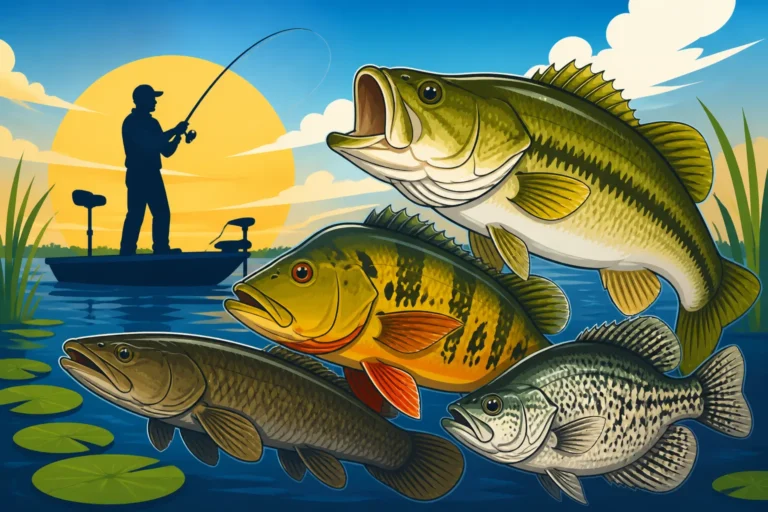
While habitat and food are crucial, genetics also play a significant role. Florida is home to a unique subspecies, the Florida Largemouth Bass (Micropterus salmoides floridanus), which is genetically predisposed to grow larger than its Northern Largemouth Bass cousin (Micropterus salmoides salmoides). These Florida-strain bass are just built for size and power, a factor that contributes immensely to the state’s reputation for trophy fish.
Angler pressure and fishery management also indirectly influence the size of bass. In heavily fished public waters, bass might be caught and released frequently, potentially stunting growth or making them more wary. However, many of Florida's trophy bass waters are actively managed by the FWC and local entities. This includes stocking programs, habitat restoration, and strict regulations on size and bag limits to ensure a healthy population of large, mature fish. For instance, understanding Florida Bass Spawning Season is critical for managing these populations, as protecting them during this vulnerable time helps future generations thrive. This dedication to conservation is a silent hero in the story of Florida's giant bass.
Water Quality and Environment: More Than Just a Place to Swim
It might seem obvious, but healthy water equals healthy fish. Good water quality, characterized by appropriate pH levels, dissolved oxygen, and nutrient balance, is essential for bass growth and overall fish health. Florida's vast freshwater systems, from the sprawling Everglades Fishing Guide to the winding St. Johns River Fishing Guide, are generally rich environments.
However, environmental factors like temperature swings, particularly cold snaps, can have a noticeable impact. While bass thrive in warm water, extreme cold can stress them, making them lethargic and less inclined to feed. Conversely, sustained warm temperatures, especially in nutrient-rich waters, keep their metabolism high and their appetite strong. This balance of factors, along with ample oxygen provided by healthy aquatic plants, creates an ideal environment for bass to not only survive but truly flourish and reach impressive sizes.
| Factor | Impact on Bass Size | Description |
|---|---|---|
| Warm Climate | Longer growing season, higher metabolism | Allows bass to feed and grow year-round without extended periods of inactivity. |
| Abundant Forage | Consistent, high-energy food source | Diverse prey like shiners, shad, sunfish, and tilapia fuel rapid weight gain. |
| Florida Genetics | Predisposition to larger size | The native Florida Largemouth Bass subspecies grows inherently larger than northern strains. |
| Healthy Habitat | Ample structure (vegetation, cover) for ambush hunting | Provides ideal conditions for efficient predation and protection from predators, allowing bass to conserve energy and grow. |
| Water Quality | Optimal health and metabolic function | Balanced pH, oxygen, and nutrient levels prevent stress and disease, supporting robust growth. |
| Fishery Management | Protected populations, balanced ecosystem | Size limits and conservation efforts ensure a healthy ratio of mature, trophy-sized bass are present and reproducing. |
Chasing Giants: Where and How to Find Florida's Biggest Bass
So, you're convinced and ready to try for one of these Florida giants. The good news is, there are specific places and techniques that significantly increase your odds. It’s not just about luck, it’s about strategy and persistence.
Prime Locations for Trophy Largemouth
Florida boasts several legendary locations for big bass. If you're serious about hooking a double-digit fish, these are the waters you should be researching:
- Lake Okeechobee: The undisputed king. This massive "liquid heart" of Florida is a sprawling, fertile ecosystem that consistently produces some of the biggest bass in the state. Its vast hydrilla and cattail mats, combined with an endless food supply, create a perfect environment. If you're targeting trophy fish, a Lake Okeechobee Fishing Guide is invaluable. Look for areas with dense cover and good access to deeper channels. You'll find many anglers heading to specific hot spots like the Best Bass Fishing Hot Spots on Lake Okeechobee, Florida.
- Lake Toho (Tohopekaliga): Located near Kissimmee in Central Florida, Lake Toho is famous for its trophy potential, especially during the colder months when big bass stage for spawning. It's a fantastic spot for anglers using shiners or pitching heavy jigs into thick cover. Our Lake Toho Fishing Guide in Central Florida can help you explore this legendary lake.
- Rodman Reservoir: Situated in North Florida, Rodman is a unique, periodically drawn-down impoundment known for its exceptional trophy bass fishing. The drawdowns concentrate forage and bass, making for incredible fishing during certain times of the year. If you want to fish a truly unique trophy fishery, check out the Rodman Reservoir Fishing Guide in North Florida.
- Other Noteworthy Lakes: Don't overlook other gems like Lake Kissimmee, the Harris Chain of Lakes, and even many smaller, lesser-known waters managed for quality bass. While not as famous as Okeechobee or Toho, they can still yield impressive catches. Sometimes, the quieter, more remote lakes are where you find truly untouched giants.
Gear and Tactics for Monster Bass
Catching big bass isn't just about showing up; it's about being prepared with the right tools and techniques. When you’re targeting fish that could weigh as much as a small bowling ball, your finesse gear might not cut it.
- Heavy Tackle: Forget the ultralight gear. For Florida giants, you'll want heavy-action rods (often 7' to 7'6" long) paired with powerful baitcasting reels spooled with at least 50-65 lb braided line. This setup provides the backbone needed to pull big fish out of dense cover and stand up to their powerful runs. Many anglers find durable, high-quality gear on platforms like Amazon, ensuring they're ready for the fight.
- Big Baits: Big bass eat big meals. Live wild shiners are perhaps the most famous and effective trophy bass bait in Florida. These large, lively minnows are irresistible to hungry lunkers. If artificials are your game, oversized swimbaits, large plastic worms (10-12 inches), creature baits, and big jigs are excellent choices. Best Lures for Florida Bass Fishing can give you more ideas for your tackle box.
- Targeting Cover: Florida bass love cover. Focus your efforts on hydrilla mats, lily pads, cattail edges, submerged timber, and deep grass lines. These areas provide ambush points and shade, making them prime locations for big fish to hide and wait for prey. Pitching and flipping techniques are essential here, allowing you to present your bait accurately into tight spaces.
- Timing: While you can catch bass year-round, the cooler months (late fall, winter, and early spring) often produce the biggest fish, as they bulk up for the spawn. During this time, they are more active and aggressive, making them more susceptible to larger baits. Understanding Best Time of Year to Catch a Trophy Bass in Florida can significantly increase your success rate.
Understanding State Records and Personal Bests
The official Florida state record for largemouth bass is an astounding 17 pounds, 4 ounces, caught in 1986 by Billy O'Berry in Polk County. This monumental catch exemplifies the true potential of Florida's bass fisheries. While most anglers will never come close to this incredible feat, it serves as a powerful reminder of what is possible. For more details on this incredible fish, you can look up What Is the Florida State Record Largemouth Bass?.
Comparing your personal best to the state record helps put things into perspective. A 5-pound bass is a great catch, an 8-pounder is a fantastic trophy, and a 10-pounder is truly a fish of a lifetime for most. Don't let the existence of a state record diminish your own accomplishments. Every angler's journey is unique, and celebrating your personal best, whether it's 3 pounds or 13, is what makes fishing so rewarding.
Lifespan and Growth Patterns of Florida Largemouth
Understanding the biology of these fish—how long they live and how quickly they grow—helps complete the picture of why Florida produces such impressive specimens. It's a fascinating look into the life of a largemouth.
How Long Do Florida Bass Live?
The lifespan of a largemouth bass in Florida can vary based on environmental conditions, food availability, and fishing pressure. Generally, largemouth bass in Florida can live anywhere from 8 to 15 years, with some exceptional individuals living even longer in ideal conditions. The oldest recorded largemouth bass have sometimes exceeded 20 years, though this is quite rare.
Female bass typically live longer and grow larger than males. This is a common characteristic among many fish species, where the females require more time and energy to produce eggs, thus developing larger bodies. A 10-pound female bass might be 8-10 years old or even older, having spent many years growing and avoiding predators and anglers. These longer lifespans, combined with the favorable growing conditions, are key to the development of truly giant bass. Consistently good water quality and an abundance of food sources contribute significantly to their longevity.
Growth Rates and Age vs. Size
Florida largemouth bass exhibit impressive growth rates, especially in their early years, thanks to the warm climate and ample forage. In their first year, a bass can grow rapidly, sometimes reaching a pound or more. This fast initial growth sets the stage for their larger adult size.
However, growth slows down significantly as they mature. A 5-pound bass might be 4-6 years old, while an 8-pound bass could be 6-9 years old. The difference between an 8-pounder and a 10-pounder often represents several more years of continuous, albeit slower, growth. Environmental factors like water temperature, diet quality, and population density directly impact how quickly an individual bass grows. For instance, a bass in a nutrient-rich lake with a diverse and abundant forage base will generally grow faster and larger than one in a less productive environment. Anglers often weigh their catches using digital scales, many of which can be found on Amazon, to track their progress and celebrate their successes accurately.
Ultimately, Florida offers an incredible opportunity to catch a truly impressive largemouth bass. While the average catch might be modest, the potential for a trophy fish—an 8-pounder or even a double-digit lunker—is very real. It's a combination of unique genetics, a year-round growing season, abundant forage, and dedicated fishery management that allows these bass to reach sizes that anglers dream of. So pack your heavy tackle, target those prime locations, and get ready for the fight of a lifetime.
Disclaimer
This article is for general informational purposes only and does not constitute professional advice. Laws, prices and regulations vary by location and change over time. Consult a qualified professional for guidance on your specific situation.