Minimum Size for Keeping a Sheepshead in Florida
It can be incredibly frustrating to head out for a day of Florida fishing, only to hook into a beautiful sheepshead, pull it aboard, and then suddenly doubt whether it’s even legal to keep. The rules and regulations for various species can feel like a moving target, constantly changing and often leaving anglers scratching their heads. This guide is here to clear up that confusion specifically for sheepshead, detailing the minimum size requirement in Florida so you can fish with confidence and stay on the right side of the law.
Understanding the Sheepshead Minimum Size Requirement in Florida
Sheepshead, with their distinctive "human-like" teeth and delicious white meat, are a highly sought-after species in Florida. They're often found around structure like docks, pilings, and oyster beds, making them accessible even for shore anglers. However, just because you can catch them doesn't mean you can keep them, and adhering to the minimum size limit is crucial for both conservation and avoiding legal trouble.
The Specific Numbers: What You Need to Know
Let's get straight to the point. In Florida, sheepshead have a very specific minimum size limit that applies to both recreational and commercial anglers in state and federal waters. This isn't a complex regulation with different zones or seasons, making it a bit easier to remember.
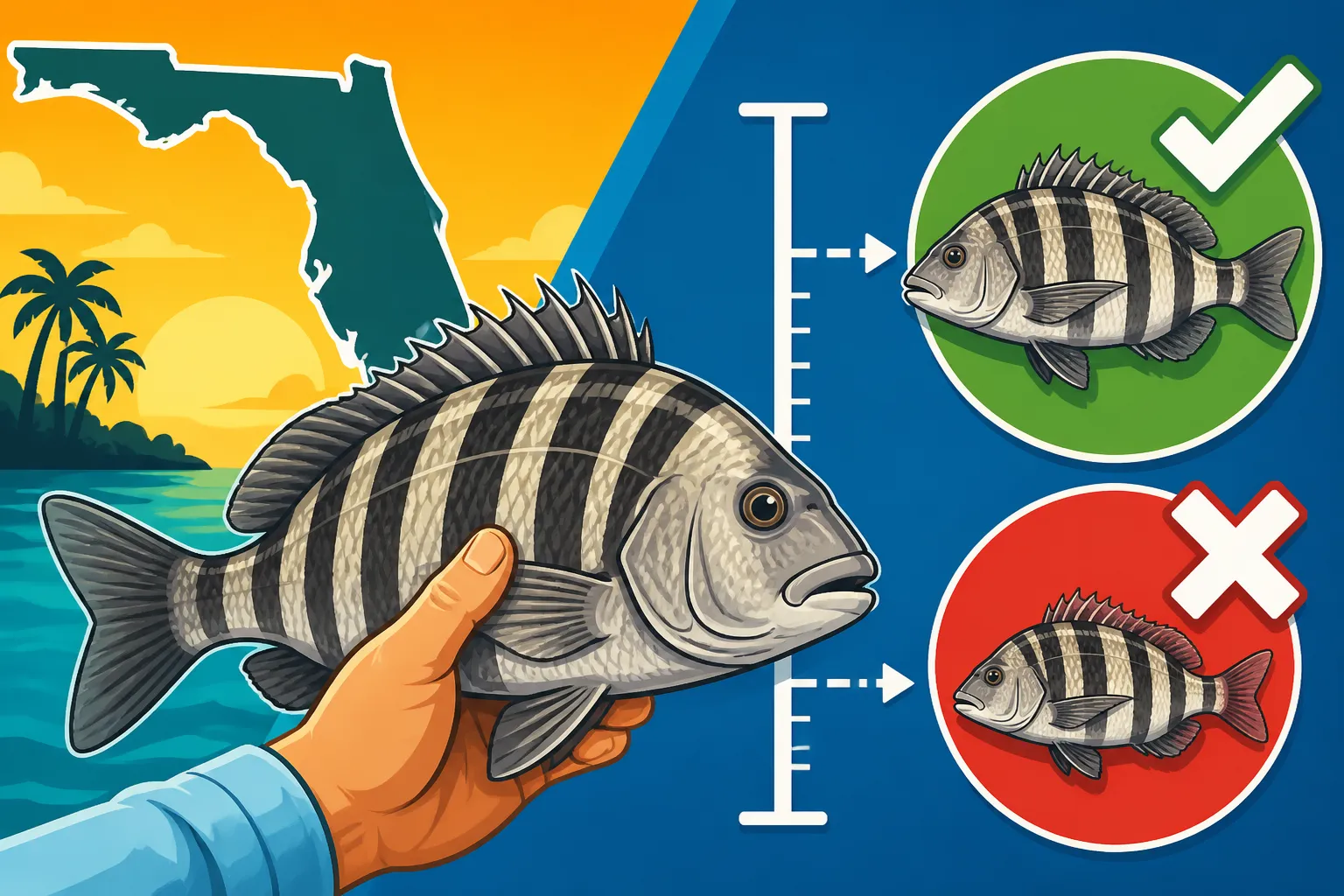
The statewide minimum size limit for sheepshead in Florida is 12 inches total length.
That "total length" part is incredibly important and often where anglers make a mistake. It means you measure from the most forward point of the head to the farthest tip of the tail, with the tail compressed or squeezed together. You can't just measure to the fork of the tail or let the tail be naturally splayed out. Always make sure to pinch that tail to get an accurate measurement. If your sheepshead measures even a hair under 12 inches, it needs to go back into the water, and quickly, to maximize its chances of survival. Knowing this specific detail is key to compliance.
Why These Regulations Matter: Protecting the Resource
You might wonder why we even have these rules. They're not put in place to make your fishing trip harder; quite the opposite, in fact. The Florida Fish and Wildlife Conservation Commission (FWC) establishes these regulations, including the minimum size for sheepshead, with a primary goal: conservation. They want to ensure that sheepshead populations remain healthy and sustainable for future generations of anglers.
By setting a minimum size of 12 inches, the FWC ensures that most sheepshead have the chance to reach sexual maturity and reproduce at least once, if not multiple times, before they're harvested. This allows them to contribute to the next generation of fish, preventing overfishing and potential declines in population numbers. Imagine if everyone kept every sheepshead they caught, regardless of size. The species wouldn't stand a chance. These rules are about responsible angling and playing our part in maintaining Florida's incredible marine ecosystems. It's not just about a single fish, it's about the health of the entire fishery that brings so much joy and economic benefit to our state. You can learn more about general regulations in our Florida Fishing Regulations and Bag Limits guide.
Practical Tips for Identifying and Measuring Your Sheepshead Catch
Knowing the 12-inch minimum is one thing, but actually applying it accurately on a rocking boat or a busy pier can be another challenge entirely. Anglers often face situations where they're not quite sure if their fish meets the mark or if they've even caught a sheepshead in the first place. A few simple practices can make all the difference.
How to Accurately Measure Your Fish
Measuring a wiggling fish, especially one with sharp fins like a sheepshead, requires a bit of technique and the right tools. Forget trying to use a flimsy tape measure or a ruler you found in your tackle box that isn't clearly marked. Investing in a good quality fish measuring board or a sturdy, non-stretchable tape measure is crucial. Many anglers prefer a bump board, where you can "bump" the fish's nose against a fixed end and then read the measurement at the tail. This ensures consistency and accuracy, especially with the "total length" requirement.
When you bring a sheepshead aboard, quickly and carefully lay it on your measuring device. Make sure its mouth is closed and its nose is at the zero mark. Then, gently but firmly compress the tail fin. This means squeezing the lobes of the tail together so they form a straight line, giving you the maximum possible length. Read the measurement at the tip of the compressed tail. If it's 12 inches or more, congratulations! If it's even slightly under, release it immediately. Practicing this quickly and efficiently will reduce stress on the fish. You can find many reliable fish measuring devices on Amazon, often specifically designed for saltwater species.
Distinguishing Sheepshead from Lookalikes
While sheepshead are pretty distinctive once you know what to look for, especially those famous teeth, sometimes in the heat of the moment or with a quick glance, anglers might confuse them with other species. Some fish, particularly certain types of porgies or even smaller drum species, can have a somewhat similar body shape or coloration, leading to honest mistakes.
The key identifying features of a sheepshead are:
- Vertical Black Bars: They typically have 5-7 prominent dark vertical bars on their silver-gray bodies, which fade as the fish gets older but are very distinct on smaller fish.
- "Human-like" Teeth: This is perhaps their most unique and famous feature. They have incisor-like teeth at the front of their mouths, perfect for crushing shells, and molars further back.
- Deep Body: They have a relatively deep, compressed body shape.
Familiarize yourself with these characteristics. If you're ever in doubt, it's always safer to assume it's not a legal sheepshead and release it, rather than risking a violation. A quick photo reference on your phone or a laminated fish identification card can be a lifesaver in these situations. Our Florida Sheepshead Fishing Guide offers more details on these remarkable fish.
What Happens If You Don't Follow Sheepshead Regulations
Ignorance of the law is never an excuse, especially when it comes to fishing regulations. Florida's FWC officers are vigilant, and while they prefer to educate, they won't hesitate to enforce the rules when necessary. Getting caught with an undersized sheepshead can turn a fun day on the water into a costly and frustrating experience.
Common Misconceptions and Costly Mistakes
One of the biggest misconceptions is that if you "accidentally" keep an undersized fish, you'll just get a warning. While officers sometimes exercise discretion, especially for minor infractions or obvious first-time offenders who are genuinely trying, it's not something to count on. The rules are clear, and the responsibility falls squarely on the angler. Another common mistake is not carrying a measuring device or relying on a guestimate. A sheepshead might look 12 inches, but looks can be deceiving. Always measure!
People also sometimes forget about the "total length" rule, only measuring to the fork of the tail. This can easily lead to keeping an 11.5-inch fish that they thought was legal. Similarly, some might assume that if they are fishing with a Florida Saltwater Fishing License Rules, they are exempt from size limits, which is absolutely not the case. The license grants you the privilege to fish, but you must still abide by all species-specific regulations. These small oversights can lead to big problems.
The Enforcement and Penalties
When an FWC officer finds you in possession of an undersized sheepshead, the consequences can vary depending on the severity of the violation, your history, and the officer's discretion. However, generally, fishing violations in Florida are considered non-criminal infractions, similar to traffic tickets.
The penalty usually involves a monetary fine. This fine can add up quickly, especially if you have multiple undersized fish. Beyond the immediate financial hit, repeated violations can lead to more serious consequences, including the suspension or revocation of your fishing license. Imagine losing your ability to fish in Florida because of a few undersized sheepshead! It's simply not worth the risk. Always make sure to check the most current regulations, as fines and rules can change. If you're wondering What Happens If You Keep an Undersized Fish in Florida?, the answer isn't pleasant.
Related Regulations and Considerations for Sheepshead Anglers
Fishing for sheepshead, like any species in Florida, involves more than just knowing the minimum size limit. There are other important rules that go hand-in-hand with size limits, ensuring a holistic approach to conservation. Being aware of these additional guidelines will make you an even more responsible and successful angler.
Bag Limits and Other Important Rules
Beyond the minimum size, sheepshead also have a bag limit in Florida. A bag limit specifies how many fish of a particular species you can keep per person, per day. For sheepshead, the recreational bag limit is 8 fish per person, per day. This means even if you catch twenty 13-inch sheepshead, you can only legally keep eight of them. These bag limits are just as critical as size limits in preventing overharvesting and allowing the population to thrive.
Furthermore, remember that you'll generally need a valid Florida fishing license to fish for sheepshead, unless you fall under specific exemptions. For most anglers heading out for a day of targeting these striped beauties, a saltwater fishing license is a must-have. You can find comprehensive information on various licenses, including the Florida Fishing License Guide, on the FWC website or from authorized retailers. It's also vital to distinguish between state and federal waters. While sheepshead regulations are generally consistent across both for this species, it's a good habit to understand State Waters vs Federal Waters Fishing Rules in Florida as they can vary for other species.
Where to Find the Most Up-to-Date Information
Fishing regulations are not static; they can change based on scientific assessments, conservation needs, and legislative actions. Relying on old information or hearsay is a recipe for trouble. The absolute best place to get the most accurate, current information on sheepshead regulations, or any Florida fishing regulation, is directly from the source: the Florida Fish and Wildlife Conservation Commission (FWC).
Their website, MyFWC.com, is a treasure trove of information, regularly updated with regulation changes, news releases, and helpful guides. They also publish an annual recreational fishing regulations brochure, which is available online and often at tackle shops. You can also download the official FWC Fish|Hunt Florida app, which puts all the regulations right in your pocket. Always check before you go, especially if it's been a while since your last trip or if you're fishing a new area. Being proactive about checking the rules ensures you're always compliant and helps protect the amazing sheepshead fishery for everyone. Many anglers also carry a waterproof copy of the regulations they might purchase from a sporting goods store or even print at home, perhaps even put it in a clear protective sleeve from Amazon.
Sheepshead Regulations at a Glance
To make it easy, here's a quick summary of the key Sheepshead regulations in Florida. Remember, always double-check with the FWC for the very latest information, as rules can change.
| Regulation Type | Details |
|---|---|
| Minimum Size | 12 inches total length. Measure from the most forward point of the head to the farthest tip of the tail, with the tail compressed. |
| Bag Limit | 8 fish per person, per day. This applies to both recreational and commercial anglers in both state and federal waters. |
| License Required? | Generally, yes, a valid Florida saltwater fishing license is required unless you meet specific exemptions (e.g., fishing from a licensed pier, certain age groups). See Do You Need a License to Fish From a Florida Pier?. |
| Season | Open year-round. There are no closed seasons for sheepshead in Florida. |
| Location | Regulations apply statewide in Florida state and federal waters. |
Knowing these regulations, carrying a reliable measuring device you can buy on Amazon, and checking current FWC guidelines will ensure your sheepshead fishing trips are not only successful but also responsible.
Disclaimer
This article is for general informational purposes only and does not constitute professional advice. Laws, prices and regulations vary by location and change over time. Consult a qualified professional for guidance on your specific situation.