How NOAA Sets Florida’s Red Snapper Season Length
It's a frustrating annual dance, isn't it? You spend all year dreaming of dropping a line for those prized Gulf Red Snapper, only to find the season is either incredibly short, incredibly complicated, or both. It feels like every year there’s a new announcement, a new set of rules, and a new reason why your window to fish is closing fast. This guide is here to demystify that process, breaking down exactly how the National Oceanic and Atmospheric Administration (NOAA) Fisheries, in conjunction with regional councils, determines those often-too-brief Red Snapper season lengths in Florida, helping you understand the complex web of science, policy, and conservation.
The Perennial Puzzle: Why Red Snapper Seasons Feel So Short
For many anglers, the Red Snapper season in the Gulf of Mexico feels like a blink-and-you'll-miss-it event. One year it's a few weeks, the next it might be a few days, and then suddenly you hear about state waters having different rules than federal waters. This inconsistency and brevity can be incredibly perplexing, leading to understandable frustration among recreational and commercial fishermen alike who simply want to enjoy their passion and put some delicious fish on the table.
The Gulf Coast's Prized Catch
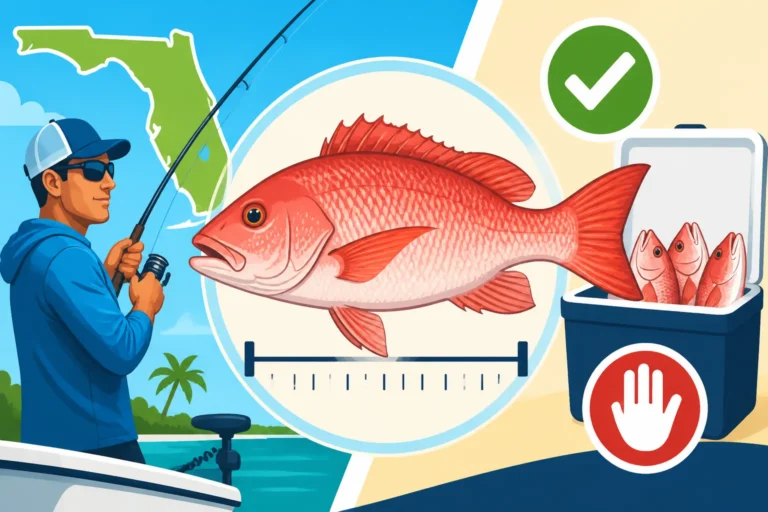
Red Snapper ( Lutjanus campechanus) are truly iconic fish in the Gulf of Mexico. They're highly sought after for their fighting spirit and, let's be honest, their incredible taste on the dinner plate. Their vibrant red color and robust size make them a trophy catch for many anglers, symbolizing a successful day out on the water. This high demand, coupled with their relatively slow growth and late maturity compared to some other species, makes them particularly vulnerable to overfishing, which is precisely why their management is such a critical and contentious topic. If you're looking for more details on this fantastic species, check out our Florida Red Snapper Fishing Guide.
The Frustration of Limited Access
Imagine planning your vacation around the Red Snapper season, booking a charter, getting all your gear ready, only to find out the federal season is just a few days long, or perhaps the weather doesn't cooperate during that narrow window. It’s a common complaint, and it’s valid. The feeling of being shut out from a resource you cherish, especially when you perceive the stock to be healthy, can lead to a lot of questions about the fairness and effectiveness of the management system. Anglers often spend a lot of money on boats, tackle, and fuel, and a short season feels like a barrier to entry rather than a sustainable management tool. This is especially true when considering the federal versus state waters distinctions, which can add another layer of confusion, as outlined in State Waters vs Federal Waters Fishing Rules in Florida.
Unpacking NOAA's Mandate: Guardians of the Gulf's Resources
At the heart of federal fisheries management in the United States is NOAA Fisheries, a division of the National Oceanic and Atmospheric Administration. Their primary job, along with regional fishery management councils, is to conserve and manage marine fisheries resources. This isn't just about limiting catches; it's about ensuring healthy fish populations for future generations, balancing the needs of commercial fishermen, recreational anglers, and the ecosystem itself.
The Magnuson-Stevens Act: The Foundation
The legal framework for this complex management system is the Magnuson-Stevens Fishery Conservation and Management Act (MSA). This act, first passed in 1976 and reauthorized multiple times, is often referred to as the "Mag-Act" by those in the know. It mandates that federal fisheries be managed for long-term sustainability, explicitly aiming to prevent overfishing, rebuild overfished stocks, and achieve optimal yield. For Red Snapper, a species that was historically overfished, the MSA dictates a very conservative approach to allow the population to fully recover and thrive. This is why you often hear terms like "Annual Catch Limits" (ACLs) and "Accountability Measures" (AMs) when discussing Red Snapper management – these are direct requirements of the MSA to prevent stocks from dipping back into an overfished state.
Regional Councils and Scientific Committees
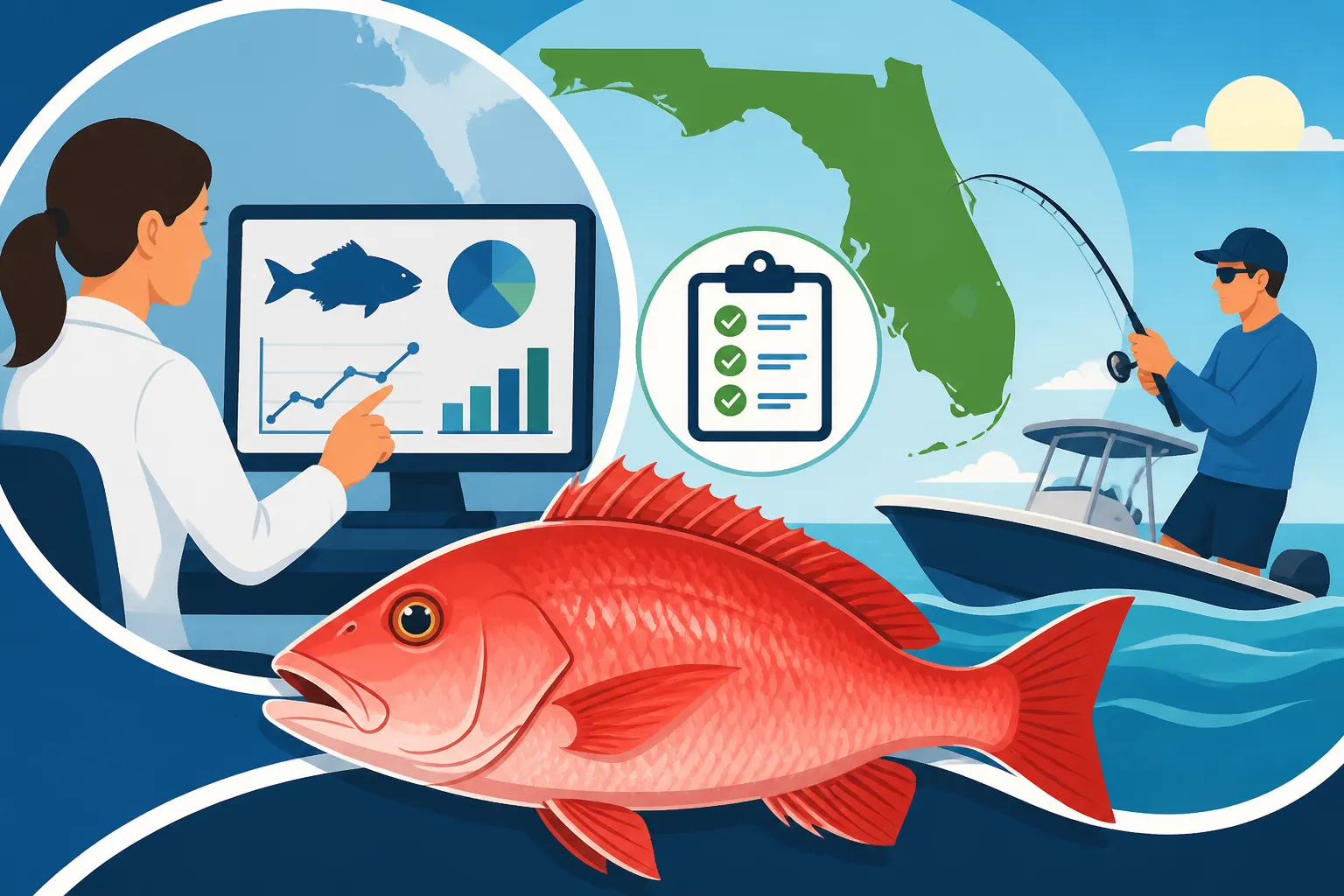
The Gulf of Mexico Fishery Management Council (GMFMC) is one of eight regional councils established by the MSA. This council, composed of representatives from each Gulf state (Florida, Alabama, Mississippi, Louisiana, and Texas), commercial and recreational fishing interests, and federal officials, is responsible for developing fishery management plans (FMPs) for species like Red Snapper. These plans, however, aren't just pulled from thin air. They rely heavily on the scientific advice from specialized committees, such as the Scientific and Statistical Committee (SSC) and various stock assessment panels. These scientists crunch numbers, analyze data, and provide the best available science to inform the council's decisions. It's a structured, data-driven process, even if the outcomes can sometimes feel arbitrary to those on the water. You can often find official management plans and scientific reports directly through the Gulf of Mexico Fishery Management Council's website, or even search on platforms like Amazon for books explaining marine conservation policies.
The Scientific Backbone: How Data Drives Decisions
You might wonder how they even know how many Red Snapper are out there, let alone how long a fishing season should be. This isn't guesswork; it's a rigorous scientific process that involves collecting vast amounts of data and conducting complex analyses. This scientific data forms the bedrock upon which all management decisions are made, including the length of the Red Snapper season.
Collecting the Critical Data
Think about trying to count every fish in the ocean – it's impossible! So, scientists use a variety of methods to estimate fish populations. This includes data from commercial landings (how much fish is caught and sold), recreational surveys (creel surveys at boat ramps, dockside interviews, angler reporting apps like the FWC's Fish|Hunt Florida app, or even federal programs like MRIP), and independent scientific surveys conducted by NOAA research vessels. These surveys might involve trawls, longlines, or even acoustic technology to get an estimate of how many fish are in different age classes and how widely they are distributed. Researchers also study things like growth rates, reproductive cycles, and natural mortality to build a comprehensive picture of the stock's health. The more data they have, the more accurate their assessments can be.
Understanding Stock Assessments and Overfishing Status
Once all this raw data is collected, it goes through a process called a stock assessment. Imagine taking all those individual data points – catches, sizes, ages – and feeding them into a sophisticated computer model. This model then estimates the current size of the fish population, its reproductive capacity, and its historical trends. For Red Snapper, these assessments often show fluctuating populations due to various factors, including environmental changes and past fishing pressure. A key outcome of a stock assessment is determining if a species is "overfished" (meaning the population size is too low) or "undergoing overfishing" (meaning too many fish are being caught, regardless of current population size).
When a stock is deemed overfished, the MSA requires a rebuilding plan to be put in place, and that means significantly reduced fishing pressure. The Red Snapper stock in the Gulf has been in various stages of rebuilding for a long time, which is the fundamental reason for the strict management measures and short seasons. The ultimate goal is to reach a point where the stock is fully rebuilt and can sustain higher levels of fishing pressure without falling back into an overfished state.
From Science to Policy: Crafting the Annual Regulations
So, the scientists have done their part, telling the council how many fish are out there and how many can be caught sustainably. Now comes the hard part: translating that science into actual fishing seasons and regulations that affect thousands of anglers and businesses. This is where the rubber meets the road, and where much of the debate and dissatisfaction arises.
Calculating the Allowable Catch
Based on the stock assessment data and rebuilding targets, the Scientific and Statistical Committee (SSC) recommends an "Acceptable Biological Catch" (ABC). This is the maximum number of fish that can be harvested without jeopardizing the long-term health of the stock. The Gulf of Mexico Fishery Management Council then sets the "Annual Catch Limit" (ACL), which usually aligns with or is slightly below the ABC, and may include buffers for scientific uncertainty or other management considerations.
This ACL, a number in pounds of Red Snapper, is the absolute ceiling for all fishing activity for the year, encompassing both commercial and recreational sectors. If the ACL is small, it immediately means that the seasons for everyone will be shorter. If you're wondering how many red snapper can you keep in Florida, those bag limits are part of ensuring the state stays within its allocation.
Splitting the Pie: Recreational vs. Commercial Allocations
This is arguably the most contentious part of the Red Snapper management process. The total ACL for Red Snapper is divided between the commercial and recreational fishing sectors. Currently, in the Gulf of Mexico, this allocation is fixed: commercial fishermen receive 49% of the total allowable catch, and recreational fishermen receive 51%. This allocation was set many years ago and has been the subject of intense debate, with each sector often arguing for a larger share.
Once the recreational share of the ACL is determined, NOAA Fisheries then estimates how long it will take for recreational anglers, both in federal and state waters, to catch that allocated amount. This calculation considers factors like the number of anglers, historical catch rates, and expected effort. The shorter the season, the less time there is for anglers to hit their allocation. This is why you often hear the question, When Does Florida Red Snapper Season Open in the Gulf?—because it's directly tied to these complex allocations and calculations.
The Role of State Waters and Federal Waters
Adding another layer of complexity, Florida, like other Gulf states, has management authority over Red Snapper within its state waters (typically out to 9 nautical miles in the Gulf). Federal waters extend beyond that. While NOAA sets the federal season, states have the option to set their own seasons within state waters, often in coordination with federal efforts but sometimes with slightly different rules. This "split management" can be confusing. Florida's Fish and Wildlife Conservation Commission (FWC) works to ensure Florida anglers have access to this fishery, sometimes resulting in state-specific seasons that may differ in length or timing from the federal season. This is a critical distinction, and it's why understanding Florida Fishing Regulations and Bag Limits is so important. Often, the state waters season might be longer than the federal one, leading to unique opportunities for shore-based or smaller vessel anglers.
The Angler's Perspective: Navigating the Regulations and Looking Ahead
So, you've got the background on how NOAA sets the seasons. Now, what does that mean for you, the angler, and what can you do?
Staying Informed and Compliant
Given the dynamic nature of Red Snapper seasons, staying informed is paramount. Before every trip, always check the latest regulations from both NOAA Fisheries and the Florida Fish and Wildlife Conservation Commission (FWC). These regulations can change rapidly based on in-season monitoring of catches. Many anglers find the FWC website and social media channels to be invaluable resources. Apps and publications detailing Florida Fishing Seasons Explained are also helpful. Ignorance of the law is not an excuse, and violations can lead to significant penalties. Make sure you have the appropriate Florida Fishing License Guide and any necessary permits before heading out.
A quick reference table for understanding the regulatory bodies:
| Regulatory Body | Primary Role | Jurisdiction | Key Impact on Anglers |
|---|---|---|---|
| NOAA Fisheries | Federal fisheries management, stock assessments | All U.S. federal waters | Sets federal Red Snapper season dates |
| Gulf of Mexico Fishery Management Council (GMFMC) | Develops federal fishery management plans | Gulf of Mexico federal waters | Recommends ACLs and allocations |
| Florida Fish and Wildlife Conservation Commission (FWC) | State fisheries management, enforcement | Florida state waters (up to 9 miles) | Sets Florida's state waters season |
Advocacy and Future Management Efforts
If you feel passionately about Red Snapper management, remember that your voice matters. Many fishing organizations actively engage with NOAA Fisheries and the Gulf of Mexico Fishery Management Council to advocate for anglers' interests. Joining these groups, attending public meetings (either in person or virtually), and submitting comments during public comment periods are all ways to participate in the process.
There's ongoing research and discussion about alternative management strategies for Red Snapper, including regional management where each state could manage its own federal allocation, or even approaches like "sector separation" within the recreational fishery. These discussions are complex, but they reflect a continuous effort to find more equitable and effective ways to manage this highly valued resource. The hope is that with continued scientific advancements, improved data collection (perhaps from new apps or electronic logbooks that you could even buy on Amazon), and collaborative management, future Red Snapper seasons will provide more stability and access for all who enjoy pursuing this magnificent fish. In the meantime, understanding Why Red Snapper Season Is So Short in the Gulf helps immensely with managing expectations.
Disclaimer
This article is for general informational purposes only and does not constitute professional advice. Laws, prices and regulations vary by location and change over time. Consult a qualified professional for guidance on your specific situation.