Most Popular Fish to Target on Lake Okeechobee
Navigating the vast expanse of Lake Okeechobee, often affectionately called "The Big O," can be an incredibly exciting prospect for any angler. But with its sheer size and incredible biodiversity, it’s easy to feel a little overwhelmed wondering what fish species you should even be trying to target. This guide will cut through the confusion and highlight the most popular and rewarding fish to pursue on this legendary body of water, offering insights into why they thrive here and how you can best catch them.
The Reigning King: Largemouth Bass
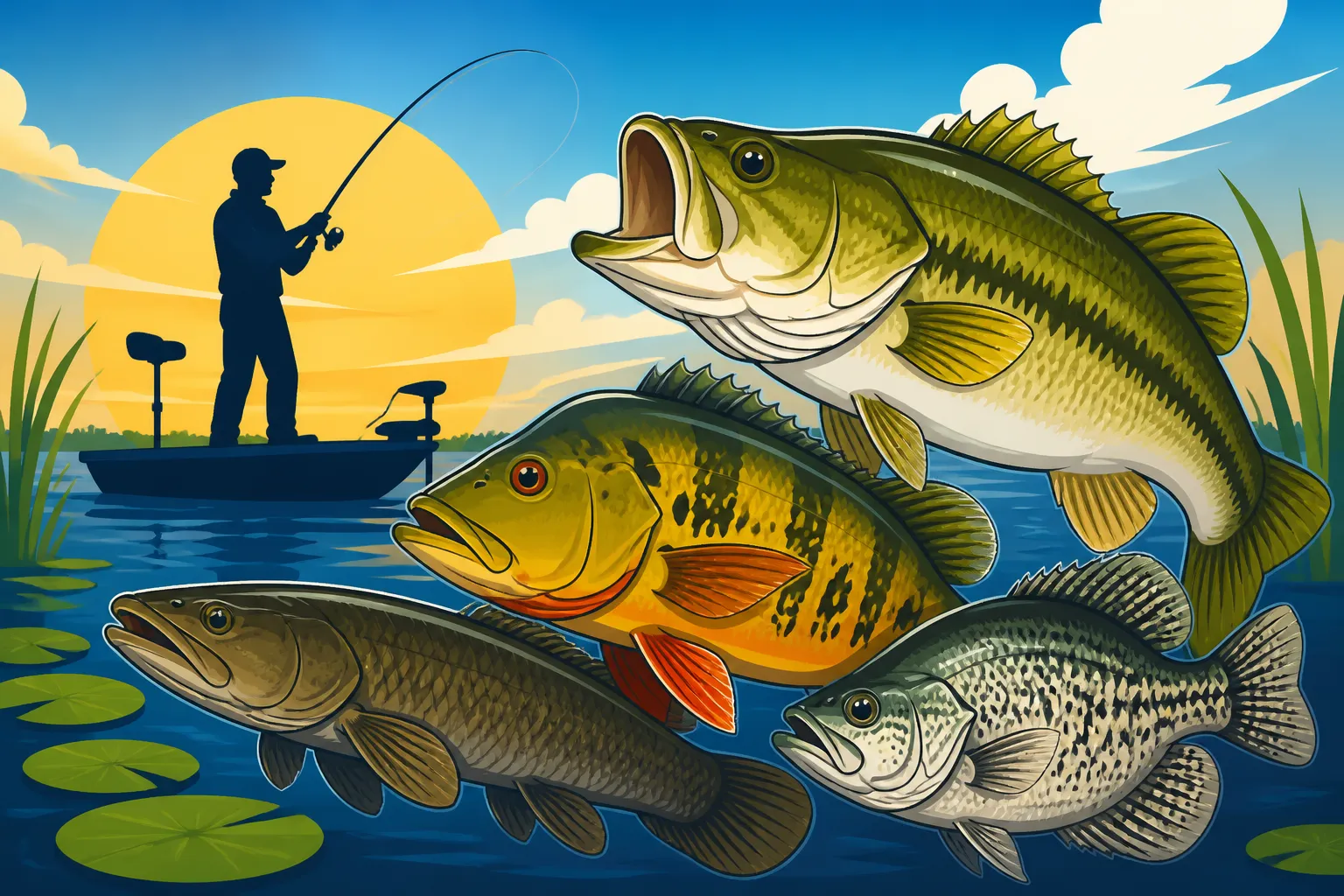
When you mention Lake Okeechobee to almost any angler, the first thing that springs to mind is almost always largemouth bass. This lake is world-renowned for its trophy bass fishing, drawing enthusiasts from every corner of the globe. The sheer volume and size of the bass here are truly something to behold, making it an absolute must-target species for anyone visiting.
Why Lake Okeechobee is a Bass Mecca
Lake Okeechobee offers an almost perfect habitat for largemouth bass to not just survive, but truly thrive. The lake's shallow, nutrient-rich waters are blanketed with expansive beds of native grasses like hydrilla, cattails, and maidencane. These submerged and emergent plants provide ideal cover for bass to ambush prey, offering both shelter from predators and a bounty of food sources. The mild Florida climate ensures a long growing season, contributing to the impressive size many of these bass attain. Plus, the constant influx of smaller baitfish, shiners, and various aquatic insects means the bass here rarely go hungry. It's this combination of abundant cover, diverse food, and optimal environmental conditions that cements Okeechobee's reputation as a premier bass fishery. If you want to dive deeper into why this lake is so special, our Lake Okeechobee Fishing Guide has even more details.
Top Techniques and Baits for Okeechobee Bass
Targeting largemouth bass on Lake Okeechobee often involves a combination of techniques, depending on the conditions and the specific area you're fishing. Here's a breakdown of some of the most effective approaches:
- Flipping and Pitching Heavy Cover: This is arguably the most iconic Okeechobee bass fishing technique. The bass love to bury themselves deep within the thick vegetation. Using heavy-action rods, strong braided line, and tungsten weights paired with soft plastics like creature baits, worms, or jigs allows you to penetrate this dense cover and drop your bait right into a bass's living room. Many anglers swear by dark-colored baits, especially those mimicking crawfish or bluegill.
- Topwater Action: When conditions are right, particularly during dawn and dusk or on overcast days, topwater lures can produce explosive strikes. Buzzbaits, hollow-body frogs (especially over matted vegetation), and walking baits are incredibly effective at drawing bass out of cover. The thrill of a big bass blowing up on a topwater lure is an experience you won't soon forget.
- Soft Plastic Jerkbaits and Swimbaits: These versatile lures are excellent for working the edges of grass lines or over submerged vegetation. A twitch, twitch, pause retrieve with a jerkbait can be irresistible to an active bass, while a swimbait can effectively mimic baitfish cruising through the water. For a wide selection of these lures, check out fishing tackle offerings on Amazon.
- Live Shiners: For those seeking true trophy bass, live wild shiners are often the go-to bait. These large, lively baitfish are an absolute magnet for the biggest bass in the lake. You can free-line them, fish them under a bobber, or even slow-troll them along grass lines. Many local bait shops specialize in shiners for this exact purpose. For a full breakdown of what bass typically eat, our guide on What Do Largemouth Bass Eat? offers excellent insights.
| Technique | Preferred Baits/Lures | Ideal Conditions | Best For |
|---|---|---|---|
| Flipping/Pitching | Jigs, Creature Baits, Heavy Texas-Rigged Worms | Dense vegetation, deeper cover | Aggressive bass, punching through mats |
| Topwater Fishing | Frogs, Buzzbaits, Walking Baits | Low light, calm water, overcast | Exciting surface strikes, active bass |
| Soft Plastics | Senkos, Swimbaits, Jerkbaits | Grass edges, submerged hydrilla | Versatile, can be fished slowly or aggressively |
| Live Bait (Shiners) | Large wild shiners | Any conditions, especially for trophies | Targeting larger, less active bass |
Seasonal Bass Fishing Considerations
Lake Okeechobee offers fantastic bass fishing year-round, but understanding the seasonal patterns can significantly boost your success.
- Winter (December – February): This is often considered prime time for trophy bass. As cooler temperatures arrive, bass move into shallower spawning areas. This is when anglers have their best chance at catching giant prespawn females. Flipping jigs and soft plastics in heavy cover, as well as fishing live shiners, are exceptionally effective.
- Spring (March – May): The spawn continues, and then bass transition into a post-spawn feeding frenzy. The fish will be hungry after spawning, and often cruise grass lines and points. Topwater action can be incredible during this period, especially in the mornings. You can learn more about specific timing in Best Month for Bass Fishing on Lake Okeechobee.
- Summer (June – August): The heat can be intense, and bass often retreat to deeper cover or seek out shade during the brightest parts of the day. Early mornings and late evenings offer the best topwater bites. During the day, punching through thick mats with heavy jigs or worms remains effective, as does fishing deeper hydrilla edges. Look for areas with current or slightly cooler water.
- Fall (September – November): As temperatures begin to cool, bass become more active and feed aggressively, preparing for winter. This is a great time for reaction baits like spinnerbaits and crankbaits, as bass chase baitfish. Topwater fishing can also pick up again, especially on overcast days. For more detailed seasonal advice, check out Best Time of Year to Fish Lake Okeechobee.
No matter the season, paying attention to water levels, clarity, and specific cover types will be key to unlocking the bass fishing potential of Lake Okeechobee. And remember, understanding the Florida Largemouth Bass Fishing Guide will give you all the details on size and bag limits.
Beyond Bass: Other Popular Species
While largemouth bass certainly steal the spotlight, Lake Okeechobee is a diverse fishery that offers incredible opportunities to target other popular freshwater species. These often provide fast action and excellent table fare, making them a great alternative or addition to a bass-centric trip.
Crappie (Speckled Perch) Fishing
Known locally as "speckled perch" or "specks," crappie are another hugely popular target on Lake Okeechobee. These delicious panfish are sought after for their schooling behavior and delicate white meat.
Crappie fishing on Okeechobee really shines during the cooler months, typically from late fall through early spring. This is when they move into shallower water to spawn, becoming more accessible to anglers. You'll often find them congregating around brush piles, submerged timber, and the deeper edges of hydrilla beds.
Effective Techniques for Crappie:
- Jigging: Small jigs (1/16 to 1/8 ounce) tipped with a soft plastic grub, tube, or even a tiny bucktail are incredibly effective. You can vertically jig them around structure or cast and retrieve them slowly. Many anglers prefer ultralight spinning gear for maximum sensitivity.
- Live Minnows: A small live minnow fished under a bobber or on a tight line is a classic and highly productive method for crappie. The key is to keep the minnow lively and present it near known crappie haunts.
- Trolling: For covering more water, especially in open areas with submerged grass, slow trolling with multiple rods can be very productive. Use small spinnerbaits or jigs with a slow retrieve.
Crappie can provide relentless action, and it's not uncommon to catch dozens in a single outing when you find a good school. Check out our Florida Crappie Fishing Guide for detailed information on how to pursue this fantastic species.
Bluegill and Other Panfish
Lake Okeechobee is teeming with a variety of panfish, including bluegill, redear sunfish (shellcrackers), and warmouth. These smaller, feisty fish are fantastic targets, especially for families, beginners, or anyone looking for consistent bites.
These panfish are found throughout the lake, often preferring areas with some aquatic vegetation for cover and feeding. They're typically found in shallower water than crappie, often right on the edges of lily pads, cattails, or hydrilla.
Simple and Effective Panfish Techniques:
- Worms and Crickets: The simplest and often most effective baits are live earthworms, red wigglers, or crickets. Fished under a small bobber with a tiny hook (size 6 or 8), this setup is almost guaranteed to get bites.
- Small Jigs and Spinners: Tiny artificial lures, like 1/32 or 1/64 ounce jigs with a small plastic tail, or micro-spinnerbaits, can also be very productive. They appeal to the panfish's predatory instincts and can cover water more efficiently.
- Bread Balls: Believe it or not, a small ball of bread squeezed onto a tiny hook can be irresistible to bluegill! This is a super accessible and fun method.
Panfishing is a wonderful way to introduce kids to fishing, as the action is usually steady, and the excitement of a tug on the line is always a joy. For more specific details on these species, refer to our Florida Bluegill and Bream Fishing Guide.
Catfish: The Bottom Dwellers
For anglers who enjoy a strong fight and excellent eating, the various species of catfish in Lake Okeechobee offer a rewarding experience. Channel catfish and bullhead catfish are common here, providing robust action, especially at night or during overcast conditions.
Catfish are bottom feeders and are often found in the deeper channels, holes, or areas with softer bottoms where they can scour for food. They are less structure-oriented than bass or crappie, though they will relate to submerged timber or rock piles.
Best Baits and Methods for Catfish:
- Bottom Rigging: The most common method involves a simple bottom rig with a weight (like an egg sinker) above a swivel, and a leader with a hook. This keeps your bait on the bottom where catfish feed.
- Stink Baits and Cut Bait: Catfish have an incredible sense of smell. Prepared stink baits, chicken livers, cut pieces of shad or other oily fish, and even hot dogs are incredibly effective. The stronger the smell, often the better!
- Night Fishing: While you can catch catfish during the day, they are often most active at night. Setting out multiple rods with various baits can lead to some exciting action under the stars.
Catfish are a hearty fish, putting up a respectable fight, and many consider them among the best-tasting freshwater fish. They're a fantastic option for a relaxed fishing trip, especially if you're looking to bring home some dinner. Our Florida Catfish Fishing Guide delves into more specific strategies for landing these whiskered wonders.
Essential Gear and Tips for Okeechobee
Fishing Lake Okeechobee is an incredible experience, but it requires a bit of preparation due to its unique characteristics and the diverse species you might encounter. Having the right gear and knowing how to navigate this vast body of water safely will make all the difference.
Must-Have Tackle for Diverse Species
While specific baits change, having the right rod and reel setups can make you versatile enough to target several species.
- Bass Setup: For largemouth bass, especially when flipping or pitching heavy cover, you'll want a stout setup. A heavy to extra-heavy action baitcasting rod, typically 7' to 7'6" in length, paired with a high-quality baitcasting reel spooled with 50-65 lb braided line is ideal. This allows you to muscle fish out of thick vegetation. For topwater and plastics in more open water, a medium-heavy spinning rod (7' to 7'3") with 20-30 lb braid and a fluorocarbon leader is a great choice. You can find excellent options for both types of setups on Amazon.
- Panfish/Crappie Setup: For these lighter-biting species, a light to ultralight spinning rod, around 6' to 6'6", is perfect. Pair it with a small spinning reel spooled with 4-8 lb monofilament or braid. This sensitive setup allows you to feel the subtle bites and provides a lot of fun fighting smaller fish.
- Catfish Setup: A medium to medium-heavy spinning or baitcasting rod, 7' to 7'6" in length, is good for catfish. Spool your reel with 15-25 lb monofilament or braid. This provides enough backbone to handle larger catfish while still being sensitive enough for detecting bites.
Beyond rods and reels, don't forget essential accessories like a good pair of fishing pliers, line cutters, a quality landing net (especially for bass), and a tackle box stocked with a variety of hooks, sinkers, bobbers, and your preferred lures and baits. Sun protection is also paramount in Florida: wide-brimmed hats, polarized sunglasses (to spot fish and structure), and long-sleeved UPF apparel are highly recommended.
Navigating the Big O: Safety and Preparation
Lake Okeechobee is enormous, covering over 730 square miles. Its size and often shallow nature present unique challenges and necessitate careful preparation for safety.
- Boating Considerations: If you're bringing your own boat, a GPS chartplotter with up-to-date mapping is virtually indispensable. The lake has numerous shallow areas, marked and unmarked hazards, and an intricate system of navigation channels. Stick to these marked channels, especially if you're unfamiliar with the area. Airboats and shallow-draft boats are common for good reason! Always be mindful of changing weather conditions; afternoon thunderstorms can build rapidly.
- Weather Awareness: Florida weather can be unpredictable. Always check the forecast before heading out. High winds can quickly make the lake very rough and dangerous due to its shallow depth. Rain gear, even in summer, is a smart addition to your boat.
- Communication and Emergency Gear: Always let someone know your float plan – where you're going and when you expect to return. Carry a fully charged cell phone (in a waterproof bag!), a VHF radio, and essential safety gear like life jackets for everyone on board, a whistle or horn, and visual distress signals.
Even if you're fishing from shore or a pier, knowing the local conditions and having appropriate gear will ensure a more enjoyable and safe experience. If you’re considering fishing with a guide, they’ll handle many of these navigation challenges for you.
Conservation and Regulations on Lake Okeechobee
As a passionate angler, understanding and adhering to fishing regulations is not just about avoiding fines; it's about protecting the incredible fishery that is Lake Okeechobee for generations to come. The Florida Fish and Wildlife Conservation Commission (FWC) sets these rules to ensure sustainable fishing practices.
- Fishing Licenses: Almost all recreational anglers in Florida need a valid freshwater fishing license. There are specific exemptions, for instance, for very young children or those fishing on certain free fishing days. It's critical to know Who Needs a Fishing License in Florida before you cast your first line. You can easily purchase these online or at many retail locations.
- Size and Bag Limits: Each species, including largemouth bass, crappie, bluegill, and catfish, has specific size and daily bag limits. These limits can vary seasonally or by specific region, though for Lake Okeechobee, they are generally consistent with statewide freshwater regulations. Always consult the most current FWC regulations booklet or website before your trip. These rules are designed to protect spawning fish and ensure a healthy population.
- Catch and Release Practices: While keeping fish for dinner is a cherished part of fishing, practicing proper catch and release for fish you don't intend to keep is vital, especially for larger bass that contribute significantly to the gene pool. Minimize handling time, use wet hands, support the fish horizontally, and use appropriate de-hooking tools.
By being responsible and informed, you contribute to the ongoing health and vitality of Lake Okeechobee's world-class fishing. Our Florida Fishing Regulations and Bag Limits guide provides an excellent overview of the general rules you’ll encounter across the state.
Disclaimer
This article is for general informational purposes only and does not constitute professional advice. Laws, prices and regulations vary by location and change over time. Consult a qualified professional for guidance on your specific situation.