Best Shoes for a Florida Fishing Charter
Oh, the age-old dilemma of what to wear when you're heading out on a Florida fishing charter! It's easy to get caught up in packing the right rods or choosing the perfect lures, but overlooking your footwear can quickly turn a dream fishing day into a miserable, slippery, or even painful experience. From scorching hot decks to unexpected waves splashing over the gunwales, your feet are going to be on the front lines. This guide will help you navigate the often-tricky waters of choosing the absolute best shoes to keep you safe, comfortable, and ready to reel in that trophy fish on your next Florida adventure.
Why Your Footwear Matters on a Florida Fishing Charter
You're probably thinking, "They're just shoes, right?" But on a boat, especially one cutting through choppy Florida waters, your footwear becomes a crucial piece of safety equipment. Imagine casting at a school of redfish when the boat lurches, and your worn-out flip-flops suddenly decide they're not interested in staying on your feet. Or picture spending six hours under the relentless Florida sun, only to discover your feet are blistered and aching because your shoes weren't up to the task. It's not just about looking the part; it's about stability, protection, and endurance. Florida's diverse fishing environments, from the shallow, sun-drenched flats to the deeper, sometimes rougher offshore waters, all present unique challenges for your feet.
The Dangers of Inappropriate Footwear
Let's be real, a boat deck can quickly become a slip-and-slide, especially when it's wet from bait, fish slime, or a rogue wave. Smooth-soled sneakers or, heaven forbid, dress shoes, are an accident waiting to happen. The last thing you want is to be worried about taking a tumble when you should be focused on fighting a fish or simply enjoying the scenery. Beyond slipping, consider the myriad of other hazards. Hooks, sinkers, and even the spines of a feisty snapper can wreak havoc on unprotected feet. Exposed toes in open-toed sandals or flip-flops are particularly vulnerable to these unforeseen dangers. A minor injury can sideline you for the rest of the trip, or worse, require a premature return to shore. Moreover, poor arch support or ill-fitting shoes can lead to foot fatigue and discomfort, making those long hours on the water feel even longer.
Protecting Your Feet from the Elements
Florida's climate is a beautiful beast. It’s glorious sunshine one moment, a sudden downpour the next. Your feet are constantly exposed to the elements, and good footwear acts as your first line of defense. Sunburn on your feet is no joke, and it's surprisingly common if you're not careful. Many open-toed shoes leave your feet vulnerable to those intense UV rays. Then there's the water – it's inevitable. Whether it's spray from the bow, drips from a livewell, or stepping in a puddle of melting ice from the cooler, your feet will get wet. Shoes that don't dry quickly can become heavy, uncomfortable, and even lead to skin irritation or fungal issues. And let's not forget the sheer heat radiating off a boat deck on a summer day. Proper ventilation and material choice can make all the difference in keeping your feet from feeling like they're baking. This kind of preparation really makes a difference in enjoying a full day out on the water, whether you're targeting Florida Tarpon Fishing Season Guide or just enjoying a casual day.
Key Features to Look For in Fishing Charter Shoes
When you're trying to decide what to wear on your feet, think about your shoes as tools, not just accessories. Each feature plays a vital role in enhancing your safety, comfort, and overall enjoyment of the fishing experience. It's about finding that sweet spot where practicality meets pleasure, ensuring your feet are well-equipped to handle whatever the Florida waters throw your way.
Superior Grip and Non-Marking Soles
This is arguably the most critical feature for any boat shoe. You need soles that can grip a wet, slick deck like glue. Look for shoes with siped rubber soles, which have tiny, razor-cut slits that channel water away, much like a car tire. This design dramatically increases traction, preventing slips and falls on even the slimiest of decks. Think of brands known for their boating footwear; they've mastered this technology. Beyond grip, "non-marking" soles are essential. No charter captain appreciates black scuff marks all over their pristine deck. Most quality boat shoes are designed with non-marking rubber to protect the boat's surfaces. When you're searching for your next charter on platforms like FishingBooker, you'll often see captains emphasizing the importance of non-marking shoes in their packing lists, a clear sign of its importance. This attention to detail contributes to a smoother, safer trip, allowing you to focus on the fishing rather than where you're stepping.
Water-Resistant or Quick-Drying Materials
Let's face it, your feet are going to get wet. It's Florida. It's a boat. Acceptance is the first step. The second step is choosing shoes that can handle it gracefully. Water-resistant shoes, often made from synthetic materials, offer a degree of protection from splashes, keeping your feet drier longer. However, if they do get thoroughly soaked, the ability to dry quickly is paramount. Materials like mesh, neoprene, or specialized synthetics allow water to drain away and evaporate rapidly, preventing that soggy, squishy feeling that can lead to blisters and general misery. Cotton-canvas shoes, while comfortable dry, absorb water and stay wet forever, making them a poor choice. Imagine hooking into a big one when you're kayak fishing and a huge splash drenches your feet; you'll be glad for quick-drying footwear. Do You Need a License to Kayak Fish in Florida? is another key piece of information you'll want to review.
Comfort and Support for Long Days
A typical Florida fishing charter can easily last anywhere from a half-day to a full 10-hour excursion. That's a lot of standing, leaning, walking, and sometimes even running around the deck when the action heats up. Comfort and support aren't luxuries; they're necessities. Look for shoes with good arch support and adequate cushioning to absorb the shock of standing on a hard deck. Breathable materials are also crucial to prevent your feet from overheating and sweating excessively, which can lead to discomfort and blisters. Shoes that fit well, without being too tight or too loose, will prevent chafing. If you're planning a trip to a spot known for long battles, like a Florida Tarpon Fishing Guide trip, you'll want every ounce of comfort you can get. Consider trying on shoes with the type of socks you intend to wear to ensure a perfect fit.
Toe and Foot Protection
It's not just about avoiding slips; it's about protecting your entire foot from the unpredictable nature of fishing. Hooks fly, sinkers swing, and even a thrashing fish can inadvertently cause an injury if it flops onto your foot. Closed-toe shoes are generally preferred for this reason, offering a barrier against sharp objects and impacts. If you opt for sandals, ensure they are robust and cover a good portion of your foot, not just straps. Furthermore, thicker soles can provide protection from errant fish spines or sharp shells if you're stepping onto a sandy flat for a moment. Think about the peace of mind knowing that a dropped pair of pliers or a rogue lure won't instantly ruin your day because your toes are vulnerable.
Top Footwear Options for Your Florida Fishing Adventure
Navigating the world of fishing footwear can feel a bit overwhelming with so many options out there. But fear not! We're going to break down the most popular and effective choices, giving you a clear picture of what works best for a Florida fishing charter. Remember, the "best" shoe often depends on the type of fishing you'll be doing and the specific conditions you expect.
Water Shoes and Sandals with Straps
Water shoes have come a long way from those flimsy, neoprene socks of yesteryear. Modern water shoes are designed for serious performance, offering excellent grip, quick-drying capabilities, and often good toe protection. Many feature robust rubber soles with siping and drainage ports to shed water instantly. They're lightweight, flexible, and perfect for situations where your feet are guaranteed to get thoroughly soaked, like when you're wading in the shallows or fishing from a kayak. Good examples include models from companies like Keen or Teva, which often incorporate closed-toe designs and adjustable straps for a secure fit.
Similarly, performance sandals with strong ankle and forefoot straps (not flip-flops!) can be a viable option, especially on hotter days when maximum ventilation is desired. Look for sandals specifically marketed for water sports or boating, as they will have the necessary grip and quick-drying materials. Brands like Chaco or Keen offer sandals with aggressive outsoles that perform well on wet surfaces. The key here is the straps – you need your feet to be securely anchored in the shoe, not sliding around or at risk of falling off. While less protective than a closed-toe water shoe, a well-designed water sandal offers a great balance of comfort and utility for many inshore and nearshore trips.
Deck Shoes and Boat Shoes
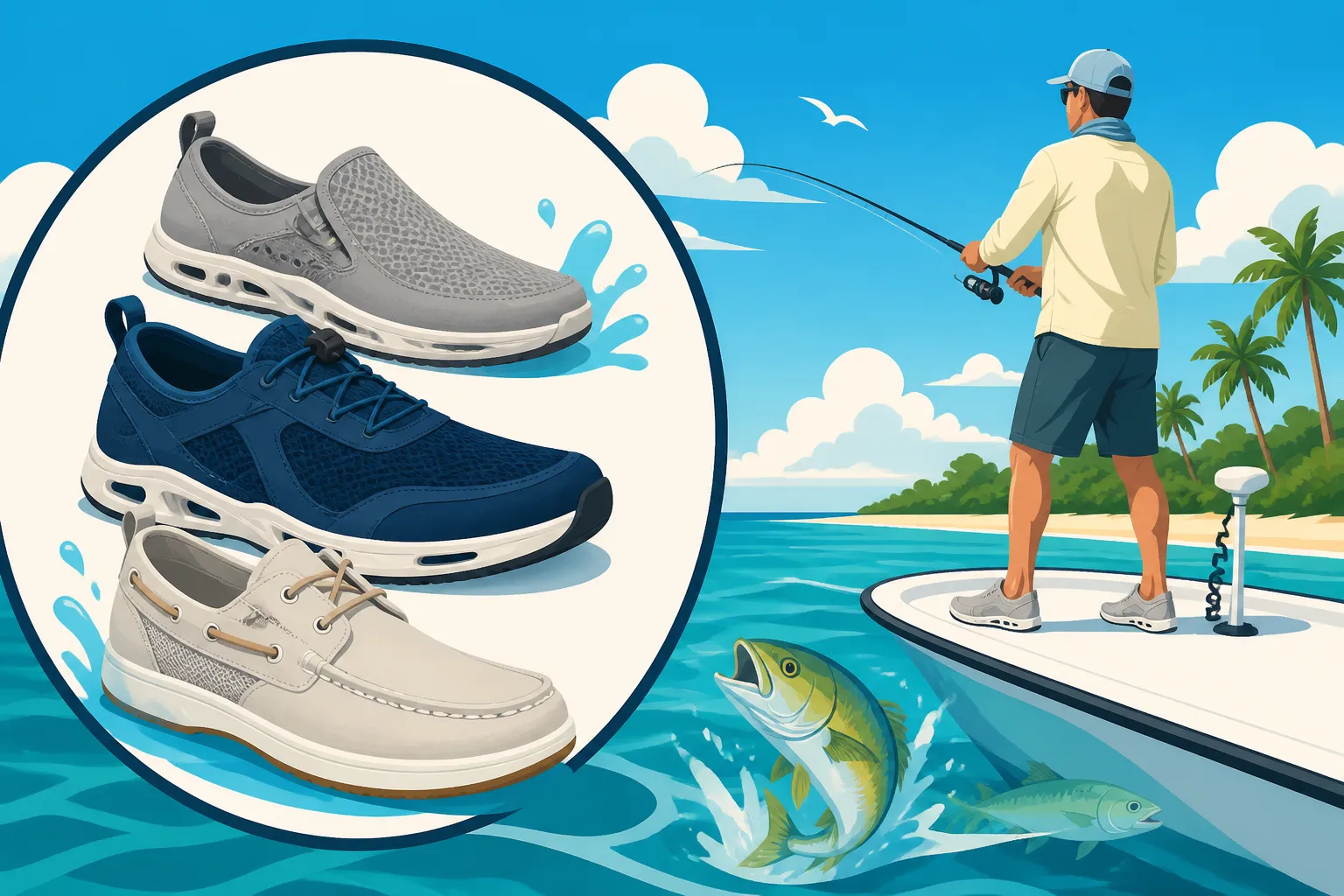
The classic boat shoe, with its traditional moc-toe design and leather construction, has been a staple for generations of anglers. While stylish, many traditional leather boat shoes can take a long time to dry if thoroughly soaked and may not offer the most aggressive grip on truly slimy decks. However, modern interpretations of the deck shoe, often incorporating synthetic materials, mesh panels, and advanced rubber soles, are fantastic choices. These contemporary boat shoes offer:
- Excellent Non-Marking Grip: They are specifically designed for boat decks.
- Quick-Drying Properties: Many now feature mesh or perforated uppers for ventilation and drainage.
- Comfort and Support: Built for long hours on your feet.
- Durability: Designed to withstand the marine environment.
Brands like Sperry (especially their performance lines), Columbia, or Grundens offer excellent deck shoe options that combine the timeless aesthetic with modern functionality. These are often the go-to choice for many professional captains and experienced anglers because they strike an ideal balance of protection, comfort, and grip for most charter scenarios. They're particularly great for trips where you might be standing for extended periods, such as when you're pursuing Florida Snook Fishing Guide or Florida Redfish Fishing Guide on a bay boat.
Fishing Boots or Wading Boots
While not always necessary for every Florida fishing charter, specialized fishing boots or wading boots have their place. These are typically reserved for more extreme conditions or specific types of fishing:
- Rubber Fishing Boots: These knee-high or calf-high boots, often seen on commercial fishermen, provide maximum protection from water, fish guts, and sharp objects. They are excellent for offshore deep-sea trips where the deck can get very messy, or for colder weather when you need extra warmth and dryness. They offer superior grip and are easy to hose clean.
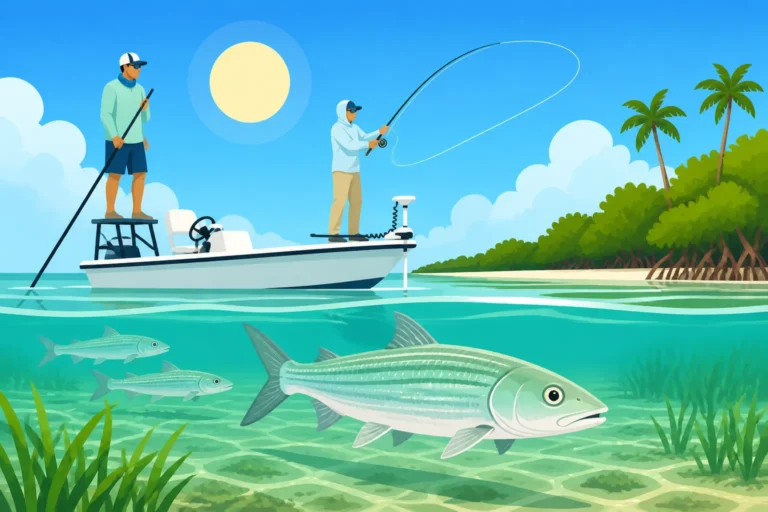
- Wading Boots: If your charter involves any wading – perhaps fly fishing on shallow flats for bonefish or permit – dedicated wading boots are essential. These are worn over neoprene booties (or your regular socks, depending on the setup) and are designed to provide ankle support, foot protection, and incredible grip on slippery, uneven bottoms. They're not typically for general boat use but are indispensable for specialized wade fishing charters.
For most recreational charter experiences, especially in the warmer months, full fishing boots might be overkill and too hot. However, if your trip calls for intense action and a messy deck, or you're specifically targeting species that require you to get in the water, these specialized options are unmatched. It really depends on the specific adventure you've booked; a quick check with your captain (which you can often do after booking through a service like FishingBooker) can confirm if this type of footwear is recommended.
Avoiding Common Footwear Mistakes
Now that we've covered the good, let's talk about the bad and the ugly. Knowing what not to wear is just as important for a successful charter trip.
- Flip-Flops (or 'Thongs' for our Aussie friends): These are the absolute worst choice for a boat. They offer no grip, no protection, and are a massive tripping hazard. They're great for the beach, terrible for a boat.
- Skate Shoes or Fashion Sneakers with Smooth Soles: While comfortable on land, their smooth, often flat soles offer zero traction on a wet deck. These are prime candidates for a nasty slip.
- Open-Toed Sandals (without secure straps): Even if they have a bit of grip, the lack of toe protection is a significant liability when hooks, weights, or fish are flying around.
- Heavy Hiking Boots: These are usually too hot, too bulky, and if they get wet, they'll stay wet for ages, making them incredibly uncomfortable and heavy.
- Brand New, Untested Shoes: Always break in your fishing shoes before a long charter. New shoes can cause unexpected blisters or discomfort that can really detract from your enjoyment.
- Cotton Socks (when wet): While not shoes, wearing cotton socks with your quick-drying shoes will negate the quick-drying benefit. Cotton absorbs water and holds it, leading to blisters.
Choosing appropriate footwear is as critical as checking the weather or packing enough water. It directly impacts your safety and comfort, which are foundational to having a great time on the water.
Beyond the Shoes: Other Footwear Considerations
Choosing the right pair of shoes is a fantastic start, but a truly successful fishing experience means thinking about the complete package for your feet. Just like the right lure needs the right line and rod, your shoes benefit from some thoughtful pairing and care.
The Role of Socks
Socks might seem like a small detail, but they play a huge role in your foot comfort, especially on a long day. Skip the everyday cotton socks, especially in Florida's humid climate. Cotton absorbs moisture (sweat, splashes) and holds onto it, leading to damp, chafed feet and blisters. Instead, opt for performance socks made from moisture-wicking synthetic materials like polyester, nylon, or merino wool. These materials draw moisture away from your skin, helping your feet stay drier and preventing friction. Even if your shoes get wet, these socks will perform better, drying quicker and reducing the risk of irritation. Some fishing-specific socks even offer compression benefits, which can help reduce foot and leg fatigue during prolonged standing. Consider the length of your socks too; taller socks can offer extra protection against sun exposure and insect bites, particularly if you're on an Everglades Fishing Guide trip.
Caring for Your Fishing Footwear
Your fishing shoes are an investment in your comfort and safety, so treating them right will ensure they last and perform their best for many trips to come.
- Rinse After Every Trip: Saltwater, mud, fish guts – these can all degrade materials over time. Give your shoes a thorough rinse with fresh water after each outing.
- Air Dry Completely: Never stash wet shoes in a bag or closet. Let them air dry completely in a well-ventilated area, out of direct harsh sunlight, to prevent mildew and odors. Stuffing them with newspaper can help absorb moisture and maintain their shape.
- Clean Stubborn Stains: For more stubborn grime, use a mild soap and a brush. For synthetic materials, a little dish soap and water usually do the trick. For leather boat shoes, follow the manufacturer's cleaning recommendations.
- Check for Wear and Tear: Regularly inspect the soles for excessive wear, especially the siping, which is crucial for grip. Check seams and laces for damage. Replacing worn-out shoes before they become a safety hazard is always a good idea. A well-maintained pair of fishing shoes will keep you stable and comfortable, whether you're battling a Florida Largemouth Bass Fishing Guide or reeling in a snapper offshore.
Packing for Different Florida Conditions
Florida's weather can be notoriously unpredictable, and what's comfortable in January in the Panhandle might be unbearable in July in the Keys.
| Condition | Recommended Footwear | Considerations |
|---|---|---|
| Hot & Sunny | Ventilated Deck Shoes, Performance Water Sandals | Breathability is key. Sunscreen on feet if wearing open-toed. |
| Cooler Weather | Closed-Toe Deck Shoes, Light Fishing Boots | Layering socks, more coverage for warmth. |
| Rainy/Choppy | Quick-Drying Water Shoes, Rubber Fishing Boots | Maximize grip and water resistance. |
| Wading/Flats Fishing | Specialized Wading Boots, Closed-Toe Water Shoes | Ankle support, superior grip on uneven bottom. Protection from shells. |
| Offshore/Messy Deck | Rubber Fishing Boots, Heavy-Duty Deck Shoes | Full protection from water, fish, and slime. Easy to clean. |
Having a backup pair of dry shoes for the ride home is always a thoughtful touch, too. You might even consider packing two different types of shoes if your trip involves varied activities, like a morning of Florida Shoreline Fishing License Explained followed by an afternoon boat trip. Being prepared for any condition means one less thing to worry about and more time to enjoy your angling adventure.
Disclaimer
This article is for general informational purposes only and does not constitute professional advice. Laws, prices and regulations vary by location and change over time. Consult a qualified professional for guidance on your specific situation.