Do You Need a License to Kayak Fish in Florida?
There’s nothing quite like the peace and quiet of gliding across Florida’s glassy waters in a kayak, paddle dipping rhythmically, with your fishing rod at the ready. It's a fantastic way to connect with nature and chase some of the state's incredible fish species. But before you launch your trusty craft, a common question pops up: do you actually need a fishing license to kayak fish in Florida? This guide will cut through the confusion and explain exactly when and why a license is required, ensuring your paddling and angling adventures are both enjoyable and legal.
Understanding the General Fishing License Requirement
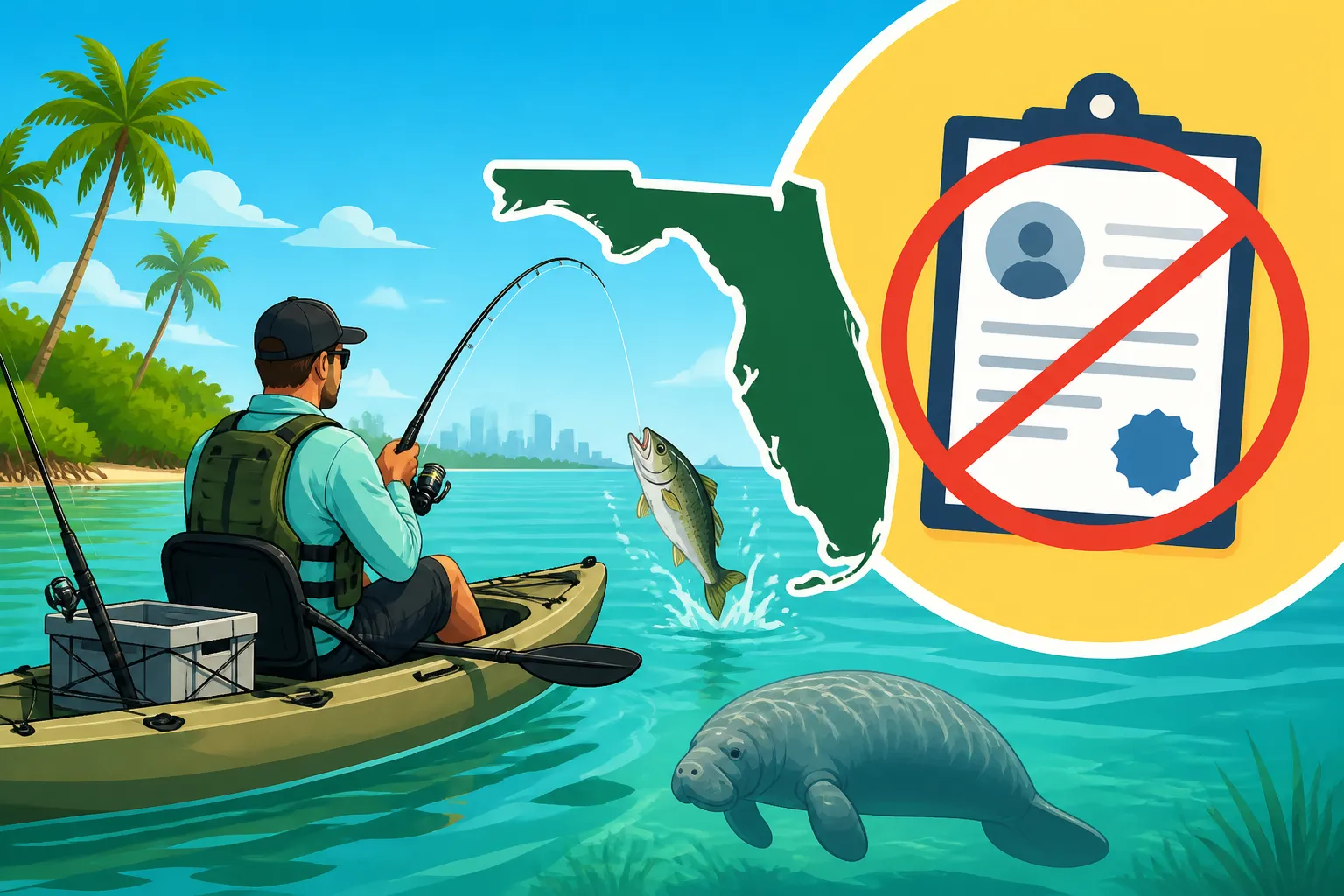
Let's get straight to it: generally speaking, if you're 16 years old or older and you plan to fish from a kayak in Florida, you will need a valid Florida fishing license. It doesn't matter if you're standing on the shore, fishing from a bridge, casting from a boat, or gracefully navigating the mangroves in your kayak; if you're taking or attempting to take fish, the rules usually apply. Many people assume that because a kayak is a small, personal watercraft, it might fall under some different, more relaxed rule, but that's rarely the case. The Florida Fish and Wildlife Conservation Commission (FWC) views fishing from a kayak no differently than fishing from any other vessel or land-based spot when it comes to licenses.
The General Rule for Kayak Anglers
The basic premise is simple: a recreational fishing license is required for any resident or non-resident, aged 16 or over, to take or attempt to take fish, shellfish, or marine invertebrates in Florida waters. This includes the vast expanse of the Gulf and Atlantic, the intricate estuaries, the winding rivers, and the tranquil freshwater lakes. Your kayak might feel like an extension of yourself, a way to intimately experience the water, but legally, it's just another platform from which to fish. Therefore, you need to be prepared with the proper documentation. Getting caught without one could lead to fines, which can quickly turn a peaceful day on the water into a costly headache. Nobody wants that, especially when the cost of a license is so reasonable, and the funds go directly towards conservation efforts that keep Florida's fisheries healthy.
Think about it this way: the fish don't know you're in a kayak. They just know there's a lure or bait in the water. The regulations are designed to manage harvest across all recreational anglers, regardless of their chosen vessel. So, whether you're paddling a sleek Hobie MirageDrive kayak or a more traditional sit-on-top from brands like Perception or Old Town, the licensing requirement remains the same. You might even want to pick up a waterproof license holder, readily available on sites like Amazon, to keep your physical license safe and sound while out on the water.
Distinguishing Freshwater vs. Saltwater Licenses
Florida is unique because it's a peninsula surrounded by two major saltwater bodies – the Atlantic Ocean and the Gulf of Mexico – and it's also brimming with thousands of freshwater lakes, rivers, and ponds. This means you need to be mindful of whether you're targeting freshwater or saltwater species, as different licenses cover these different environments. Many kayak anglers love the versatility of being able to explore both. If your kayak fishing adventures take you exclusively into freshwater environments, like Lake Toho or the St. Johns River, then a freshwater fishing license is what you'll need. However, if you're planning to paddle out into the mangroves of Tampa Bay or along the coast in the Florida Keys, then a saltwater fishing license is essential.
What if you're planning on fishing both? Good news! Florida offers a combination license that covers both freshwater and saltwater fishing. This is often the most convenient and cost-effective option for kayak anglers who want to explore all that Florida's diverse waters have to offer. Imagine paddling your kayak down a brackish river that eventually empties into an estuary. You might start by catching largemouth bass, a freshwater species, and as you move downstream, you could hook into a redfish or snook, both saltwater species. Having the right license ensures you're covered for whichever fish decides to bite. You can find more detailed information on the specific requirements for different water types in our comprehensive guide to Florida Saltwater Fishing License Rules and Florida Freshwater Fishing License Rules.
Key Exemptions and Specific Scenarios for Kayak Anglers
While the general rule is that you need a license, Florida, like many states, does offer specific exemptions. These situations mean you can enjoy kayak fishing without purchasing a license. It’s crucial to understand these nuances to avoid any misunderstandings with law enforcement.
Exemptions Based on Age and Residency
One of the most common exemptions relates to age. In Florida, residents and non-residents under the age of 16 are not required to have a fishing license. This is fantastic news for families who want to introduce their kids to the joys of kayak fishing. Imagine a parent paddling their child in a tandem kayak, teaching them to cast. As long as the child is under 16, they can fish without a license. Once they hit that 16th birthday, however, the requirement kicks in.
Florida also provides exemptions for certain resident senior citizens and disabled residents. For instance, Florida residents who are 65 years of age or older and possess a valid Florida Driver's License or ID card do not need a recreational fishing license. This is a huge benefit for the many retirees who enjoy the Florida lifestyle and its abundant fishing opportunities from their kayaks. Similarly, Florida residents with a qualifying disability may also be exempt. To delve deeper into these specific categories, you can explore resources like Florida Fishing License Age Requirements, Do Seniors Need a Fishing License in Florida?, and information on Florida Fishing License Discounts for Disabled Residents. Always check the latest FWC guidelines to ensure you meet the specific criteria for these exemptions.
Charter Boats and Licensed Piers
Now, this is where it gets a little interesting for kayak anglers, though not always directly applicable. When you fish from a for-hire vessel, like a licensed charter boat, the vessel typically holds a valid saltwater fishing license that covers all its passengers. This means if you were to book a guided kayak fishing tour with a licensed guide or charter captain who provides all the gear, including the kayaks, they might operate under their commercial license. However, this is quite rare for kayak fishing where anglers usually bring their own equipment or rent kayaks and then fish independently. Always confirm with the guide or outfitter if their license covers you.
Another common exemption is for fishing from a licensed pier. While you wouldn't typically launch a kayak from a pier, you might occasionally fish near one. If you are specifically fishing from the structure of a pier that holds a valid pier fishing license, you generally do not need an individual fishing license. However, if you're in your kayak next to the pier, you're not fishing from the licensed pier itself, and therefore, your individual license requirements still apply. The distinction is about being on the licensed structure.
Fishing Private Ponds
This is another common area of confusion for anglers, including those who prefer kayaks. If you're fishing in a private pond that is entirely enclosed within the boundaries of private land and is not connected to any other public waters, you usually do not need a Florida fishing license. This includes farm ponds or retention ponds in private communities, provided they are truly isolated. However, if that "private pond" has a culvert or a small creek that connects it to a public canal, river, or other body of water, then it's no longer considered entirely private, and a license would be required.
Many kayak anglers love to explore these smaller, often overlooked waters, which can hold some surprisingly large bass or panfish. Just make sure to verify the true nature of the pond. Sometimes, what looks like a private, enclosed pond is actually part of a larger water management system. It's always better to err on the side of caution and either confirm its status or simply carry a license. You can find more specific details on this in our guide on Florida Private Pond and Farm Pond Fishing Rules.
How to Get Your Florida Fishing License for Kayak Adventures
So, you've figured out you need a license. Great! The next step is getting one, and thankfully, Florida makes this process quite straightforward, offering several convenient methods to purchase your license.
Online, In-Person, and Phone Options
The easiest and most popular way to buy a Florida fishing license is online through the Florida Fish and Wildlife Conservation Commission (FWC) GoOutdoorsFlorida.com website. It’s a secure and user-friendly platform where you can quickly select your license type, provide your information, and pay. Once purchased, you'll receive a confirmation, and you can even print a temporary license right away. Many anglers also use the FWC's Go Outdoors Florida mobile app, which allows you to store your license digitally on your phone, making it super convenient when you're out on the water in your kayak. No more worrying about a paper license getting soggy!
If you prefer a more traditional route, you can also purchase a license in person. Numerous retail vendors throughout the state are authorized to sell FWC licenses. These include sporting goods stores like Bass Pro Shops and many local Walmart stores. Even some bait and tackle shops, county tax collectors' offices, and FWC regional offices can issue licenses. This is a good option if you have questions or prefer speaking to someone directly. Finally, if you're not tech-savvy or just prefer the phone, you can purchase a license over the phone by calling the FWC customer service line. For a complete list of locations and detailed instructions, refer to our articles on How to Buy a Fishing License Online and Where to Buy a Florida Fishing License Near You.
Understanding License Types and Costs
Florida offers a variety of license types, catering to both residents and non-residents, and covering different durations and fishing types. For kayak anglers, the most common options are annual licenses, but there are also short-term options available for non-residents.
Here’s a quick overview of typical options:
| License Type | Resident Annual Cost (Approx.) | Non-Resident Annual Cost (Approx.) | Covers | Best For Kayak Anglers |
|---|---|---|---|---|
| Freshwater Fishing | $17.00 | $47.00 | Freshwater fish only | Lakes, rivers only |
| Saltwater Fishing | $17.00 | $47.00 | Saltwater fish only | Coasts, estuaries only |
| Combination (Fresh/Salt) | $32.50 | $97.00 | Both fresh & saltwater | Most versatile |
| Non-Resident 3-Day Saltwater | N/A | $17.00 | Saltwater only | Short trips |
| Non-Resident 7-Day Saltwater | N/A | $30.00 | Saltwater only | Week-long trips |
Note: Costs are approximate and subject to change by the FWC. Always check the official FWC website for the most current pricing.
As you can see, the combination license offers excellent value for kayak anglers who want the freedom to explore any of Florida's amazing waters. A non-resident planning a quick vacation might find the 3-day or 7-day options suitable for a short kayak fishing trip along the coast. Remember, these licenses cover your basic recreational fishing. Some specific species, like snook and lobster, require additional permits regardless of your general fishing license. You can learn more about specific costs in articles like Florida Resident Fishing License Costs and Fees and Florida Nonresident Fishing License Types and Costs.
Important Considerations for Kayak Anglers
Beyond just having the right license, kayak fishing in Florida comes with a few extra layers of consideration to ensure a safe, enjoyable, and legal experience. It’s not just about what you catch, but how you pursue it.
Species-Specific Permits
While your general freshwater or saltwater fishing license covers the vast majority of species, Florida has a few prized fish that require additional, species-specific permits. For kayak anglers targeting these particular trophies, these permits are non-negotiable.
The most notable of these is the Snook Permit. Snook are highly sought-after gamefish in Florida's saltwater and brackish waters, and many kayak anglers love targeting them in the shallow, intricate mangrove systems. If you plan to keep a snook (within the legal slot limits and during open season), you absolutely must have a snook permit in addition to your saltwater fishing license. This permit helps the FWC manage the snook population, which is sensitive to environmental changes and fishing pressure. Similarly, if you're an adventurous kayak angler thinking about diving for lobster (which can be done from a kayak with proper gear), you'll need a Lobster Permit along with your saltwater fishing license. You can find all the necessary details on Florida Snook Permit Requirements and Florida Lobster Permit Requirements to ensure you're fully compliant.
Bag Limits and Regulations
Having a license is just the first step. You also need to be keenly aware of Florida's detailed fishing regulations and bag limits. These rules dictate everything from the minimum and maximum size of fish you can keep (slot limits), to the number of fish you can possess (bag limits), and even specific open and closed seasons for certain species. These regulations are in place to ensure sustainable fish populations for future generations of anglers.
For kayak anglers, understanding these rules is crucial, especially since you might be exploring remote areas where an FWC officer might check your catch. Imagine spending a glorious day kayak fishing near the Ten Thousand Islands, catching several redfish. You need to know the specific slot limit for redfish in that region and how many you can keep. Ignorance of the law is not an excuse, and violating these rules can lead to significant penalties, as discussed in articles like Penalty for Fishing Without a License in Florida and Florida Fishing Regulations and Bag Limits. Always check the latest FWC regulations before each trip, as they can change seasonally or in response to fish stock assessments. A laminated copy of the current regulations or the FWC app on your phone can be a kayak angler's best friend.
Safety Gear and Best Practices
While not directly tied to licensing, safety is paramount for kayak anglers. Florida's waters can be unpredictable, from sudden thunderstorms to strong currents and boat traffic. Always equip your kayak with the necessary safety gear: a US Coast Guard-approved Personal Flotation Device (PFD) for every person on board (and worn, not just stored!), a whistle or other sound-producing device, and proper lighting if you'll be on the water after sunset or before sunrise. A paddle leash, extra paddle, and a first-aid kit are also highly recommended.
Beyond gear, practicing smart angling techniques is important. This includes catch-and-release best practices if you're not keeping fish, knowing how to properly handle fish to minimize stress, and being mindful of wildlife, especially large marine animals like manatees or dolphins. Always tell someone your float plan – where you're going and when you expect to return. The relatively small size and low profile of a kayak mean you need to be extra vigilant about larger boats, especially in busy channels. Investing in a bright flag or beacon for visibility, easily attached to a kayak, is a wise move, and you can find many options for these essential items on sites like Amazon. A safe angler is a happy angler, and following these best practices ensures you can enjoy Florida's beautiful waters responsibly.
Disclaimer
The information provided in this guide is for general informational purposes only and does not constitute legal advice. Fishing regulations in Florida can change frequently. It is the responsibility of every angler to consult the latest official rules and regulations published by the Florida Fish and Wildlife Conservation Commission (FWC) before engaging in any fishing activities. Always verify current licensing requirements, bag limits, and season dates directly with the FWC or other relevant authorities.