Does the Guide Clean and Bag Your Fish?
One of the most common questions new anglers have about booking a fishing charter in Florida is what happens once the fish are caught. Many dream of handing over their catch and having it magically appear, perfectly filleted and bagged, ready for the cooler. However, the reality of fish cleaning services on a Florida fishing charter isn't always as straightforward as you might think. This guide will walk you through what to expect, how to confirm these services, and why it's crucial to clarify beforehand to avoid any post-trip surprises.
The Common Expectation vs. Reality on Florida Fishing Charters
It’s easy to assume that if you pay good money for a fishing trip, the captain and crew will handle every aspect, right down to preparing your catch for the ride home. This expectation often stems from stories or past experiences in other regions. But Florida fishing guides operate in a diverse environment, and their services can vary greatly.
What Most Anglers Assume
When you book a trip, especially if you're traveling from out of state or are new to the local fishing scene, it’s natural to picture the guide expertly cleaning your catch at the end of a successful day. You might envision them setting up at the dock, knife flashing, and handing you neat, boneless fillets. This image is often fueled by online videos, fishing shows, or word-of-mouth from friends who had a specific experience. For many, the idea of cleaning fish themselves after a long day on the water isn't particularly appealing, and they see it as part of the "full-service" charter experience. It's an assumed convenience, a bonus that comes with the cost of the trip, allowing you to focus purely on the joy of fishing.
Why It's Not Always a Given
While many Florida guides do offer fish cleaning, it’s far from a universal standard included in every charter price. Several factors can influence whether it's offered, if there's an extra charge, or if it's simply not available. These factors can include the type of fish caught, the duration of your trip, the specific guide's policy, the facilities at the marina, and even the time of day. Some guides might be more inclined to clean a few snapper, but balk at the idea of filleting a cooler full of king mackerel. The truth is, guides are primarily there to put you on fish and ensure a safe, enjoyable experience. The post-trip fish processing is a separate, time-consuming task, and it's not always built into their standard operating procedures or pricing.
Factors Influencing Fish Cleaning Services
So, why isn't it just a simple yes or no answer? It comes down to a few key variables that can swing the decision one way or another for your guide. Understanding these can help you better prepare and know what questions to ask.
Type of Charter and Target Species
The kind of fishing trip you're on and what you're targeting plays a huge role. For example, if you're on a deep-sea offshore trip explicitly targeting table fish like snapper or grouper, where the goal is to bring home dinner, fish cleaning is more commonly offered, sometimes even included. These types of charters are often equipped for it and expect to perform this service.
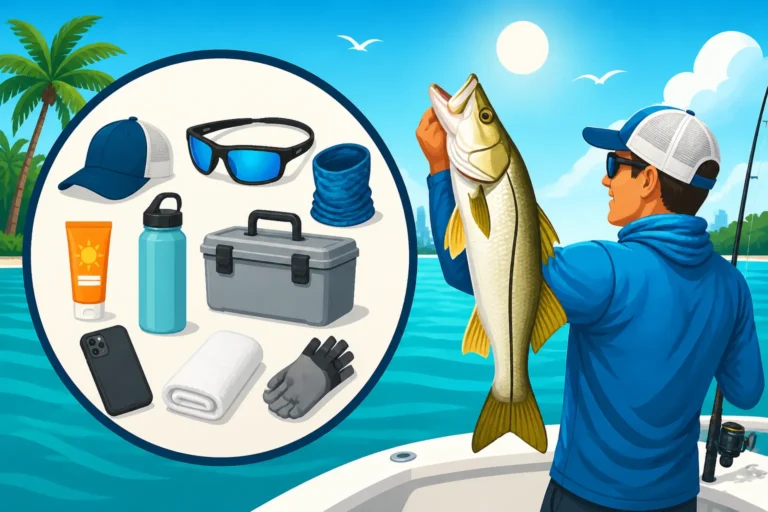
However, if you're on a flats fishing trip for species like tarpon, snook, or redfish, which are often catch-and-release only or have very strict slot limits, fish cleaning becomes less relevant. Many inshore guides specialize in the thrill of the catch and the art of releasing these prized sportfish, not necessarily preparing them for the pan. If you happen to keep a legal snook or redfish, the guide might offer to clean it, but it's not the primary focus of the trip. Consider the difference between a trip centered around getting fillets for a family dinner versus a trophy hunt; the expectations for post-trip services will naturally diverge. You can learn more about Florida Snook Fishing Guide or Florida Redfish Fishing Guide to understand the conservation efforts around these species.
Guide's Personal Policy and Schedule
Every fishing guide runs their business a little differently. Some guides consider fish cleaning a standard part of their customer service and include it in their hourly rate. They might have a dedicated cleaning station at their dock or even on their boat. Others view it as an additional service, requiring an extra fee, often calculated per fish or by the cooler.
Then there are guides who, for various reasons, simply don't offer fish cleaning at all. They might have another charter booked immediately after yours, limiting their time. Or perhaps they've had bad experiences with excessive messes or guests who didn't respect their time. Their schedule, the number of trips they run in a day, and their personal business model all factor into this. It's not a slight against you; it's simply how they've chosen to manage their operation. You might find some of these details when you're looking at How to Choose a Florida Fishing Guide.
Boat Size and Amenities
The vessel itself can dictate cleaning capabilities. Larger offshore charter boats often have more space and sometimes even dedicated wash-down areas, making it easier to clean fish either on board or immediately upon returning to the dock. These boats are designed to handle larger catches and the subsequent mess.
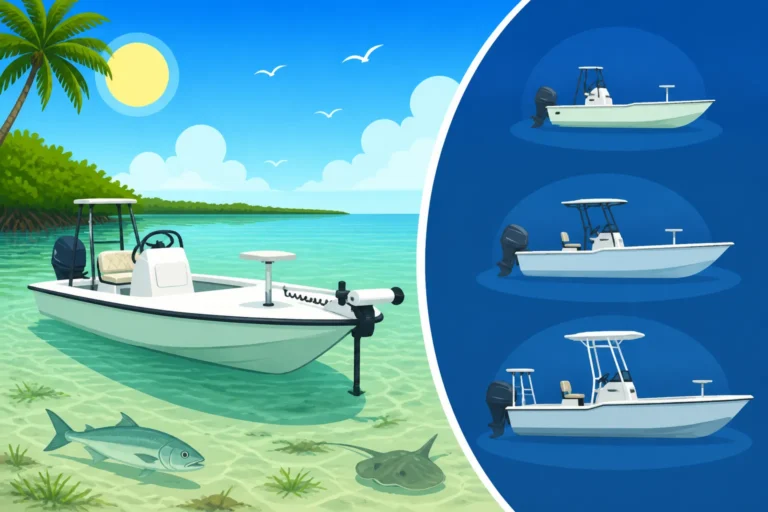
Smaller inshore boats, like flats skiffs or bay boats, are typically more compact. Cleaning a large number of fish on such a boat might not be practical or even sanitary. The guide might prefer to do it on land, but if dockside facilities aren't readily available or are shared and busy, it can become an issue. The amenities, or lack thereof, on the boat and at the marina tie directly into the feasibility of offering a convenient cleaning service.
Location and Facilities
The marina or dock where your charter departs and returns also plays a critical role. Some marinas are equipped with public or private fish cleaning stations, complete with running water and disposal bins. In these locations, guides are more likely to offer cleaning services, as the infrastructure supports it. It's often where you'll see a guide with their dedicated fish cleaning setup, efficiently working through the day's catch.
Other locations, however, might not have these amenities. Perhaps it’s a remote ramp, a busy public dock without designated cleaning areas, or a private slip with limited facilities. In such cases, cleaning fish on site could be difficult, messy, or even prohibited. If your guide doesn't have easy access to proper cleaning facilities, they're much less likely to offer the service, or they might direct you to a local fish market that offers cleaning for a fee.
How to Confirm Fish Cleaning Services Before Your Trip
To avoid any disappointment or confusion after a great day of fishing, the absolute best thing you can do is communicate your expectations clearly before you even step on the boat.
Ask During Booking (Don't Assume!)
This is the golden rule. Never assume fish cleaning is included. When you're making your reservation, whether it's over the phone, via email, or through an online booking platform, make sure to ask explicitly about their fish cleaning policy. A simple question like, "Do you offer fish cleaning for the keepers we catch, and is there an additional charge for that service?" can save a lot of hassle.
Many reputable charter services, especially those listed on platforms like FishingBooker, will often detail what's included in their listing description, but it never hurts to confirm directly. If you book through a platform, you can usually send a direct message to the captain to clarify these details. This proactive approach ensures you and your guide are on the same page from the start.
Check the Charter's Website or Listing
Before you even reach out, take a moment to thoroughly review the charter company’s website or their listing on a booking site. Many professional guides will have a "What's Included" or "FAQ" section that addresses common questions like fish cleaning. Look for specific language regarding post-trip services. If it says "fish cleaned" or "fish filleted," that's a good sign. If it says "check with captain" or "additional charges may apply," then you know to inquire further.
Pay attention to what isn't mentioned, too. If fish cleaning isn't listed among the included amenities (like bait, tackle, and Do Florida Fishing Charters Provide Rods and Reels?), it’s a strong indicator that it might not be part of the standard package, or it could incur an extra cost.
Clarify Costs and Expectations
Once you've confirmed that fish cleaning is offered, make sure you understand any associated costs. Some guides might include it for free as a courtesy, while others charge a nominal fee per fish, per cooler, or even based on the size and type of fish. Don't be shy about asking for these details upfront.
It's also a good idea to clarify how the fish will be cleaned and bagged. Will they be filleted, steaked, or just gutted? Will they be put into Ziploc bags, or should you bring your own cooler with ice? Knowing these specifics helps you prepare adequately for your journey home, especially if you have a long drive or plan to freeze your catch immediately. Understanding Florida Fishing Charter Cost Guide in detail will help you manage your expectations.
What to Expect When Fish Cleaning is Included (or Not)
Having a clear understanding of what will happen to your catch after the trip concludes is essential for a smooth experience.
The Cleaning Process
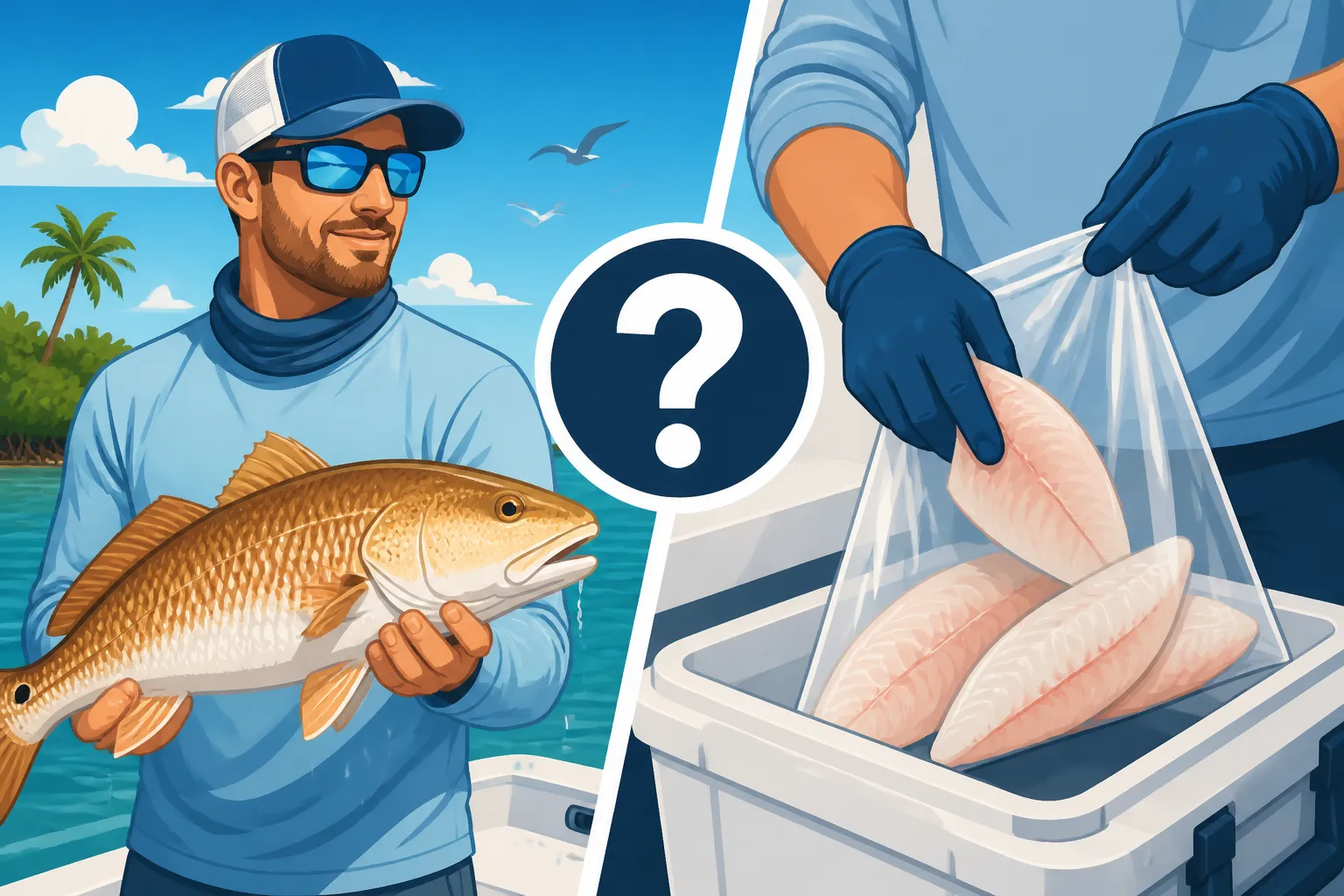
If fish cleaning is included or offered for an extra fee, expect your guide (or a deckhand) to expertly prepare your catch. This typically involves filleting the fish (removing the meat from the bones) or, for larger species, steaking them (cutting cross-sections). They will usually skin the fillets unless you specifically request otherwise. The cleaned fillets will then be rinsed and placed into bags, often Ziploc bags, ready for your cooler.
Guides are usually very efficient and skilled at this task, making quick work of even a sizable catch. Their goal is to get you high-quality, boneless portions suitable for cooking. It’s also common practice for them to save any legal fish carcasses if you request them, especially for those who enjoy making fish stock or want to use them for other purposes. This whole process can take anywhere from 15 minutes to over an hour, depending on the volume and size of fish.
Handling Your Fish if Cleaning Isn't Included
If your guide doesn't offer fish cleaning, or if you opt not to pay an extra fee, you'll be responsible for handling your catch. This means bringing a cooler packed with plenty of ice to keep your fish fresh until you can clean them yourself. You’ll want to ensure you have enough ice to cover the fish completely to maintain their quality. Best Way to Keep Fish Fresh on a Boat is a great resource if you're looking for more tips on this.
You’ll then need to either clean the fish at home, if regulations permit and you have the space and tools, or find a local fish market or seafood processor that offers cleaning services for a fee. Many coastal towns in Florida have these services available, especially near popular fishing docks. It's a good idea to research these options beforehand if you know your charter won't be cleaning fish. Always remember to check Can You Keep the Fish You Catch on a Charter? and other local regulations regarding bringing whole fish home.
Tips and Etiquette
When fish cleaning is provided, it's generally considered good etiquette to offer a separate tip specifically for that service, even if you’ve already tipped for the charter itself. This is especially true if the guide or deckhand put in significant extra time and effort. While standard tipping for the charter might be around 15-20% of the trip cost, a separate gratuity for fish cleaning is a thoughtful gesture. A few dollars per fish or a flat rate based on the volume (e.g., $20-$50 for a cooler full) is a common practice, but it varies depending on your satisfaction and the amount of work involved. Guides often rely on these tips to supplement their income, and a generous tip for a job well done is always appreciated. For more on this, check out Tipping Etiquette for Florida Fishing Guides.
Why Guides Might Charge Extra or Decline Cleaning
It's easy to see fish cleaning as a simple task, but from a guide's perspective, it involves several considerations that go beyond just wielding a knife.
Time is Money
A fishing guide's day often doesn't end when the boat returns to the dock. They still have to clean the boat, refuel, re-rig tackle, and prepare for the next day's trip. Spending an additional 30 minutes to an hour (or more, depending on the catch) cleaning fish cuts into their personal time, family time, or the time they need to prepare for another paying client. If they have a morning and an afternoon charter booked, there's a strict turnaround time, and fish cleaning can severely disrupt that schedule. Charging an extra fee helps compensate them for this valuable time and effort, ensuring they can still make a living while providing a valuable service.
Conservation and Regulations
Florida has specific regulations regarding fish possession and how certain species must be landed. For instance, some species, like Gag Grouper, must be landed with heads and tails intact to allow for proper measurement. Other species have strict slot limits, and showing the whole fish allows enforcement officers to verify compliance. While a guide will know these rules, cleaning fish at sea or immediately upon landing can sometimes complicate enforcement or even be prohibited for certain species. Guides are stewards of the environment and adhere strictly to these rules. Additionally, with many popular sportfish like tarpon and bonefish being catch-and-release only, the need for cleaning is naturally reduced, and guides focus more on safe handling and release practices.
Facilities and Waste Disposal
As mentioned earlier, not all marinas or docks are equipped with adequate fish cleaning stations. Cleaning fish without proper facilities can be messy, unsanitary, and can attract unwanted wildlife, like gulls or even larger predators, depending on the location. Proper disposal of fish carcasses and waste is also a concern. Many guides take pride in leaving their dock areas clean, and cleaning a large number of fish in an unsuitable spot can create a significant mess that they'd rather avoid. In some environmentally sensitive areas, specific waste disposal rules might make on-site cleaning impractical or even illegal.
Fish Cleaning Services on Florida Charters: A Quick Overview
To give you a clearer picture, here's a brief table outlining common scenarios regarding fish cleaning services on Florida fishing charters:
| Type of Charter / Target Species | Likelihood of Cleaning Service | Typical Charges | What to Expect If Not Included |
|---|---|---|---|
| Offshore/Deep Sea (Snapper, Grouper) | High | Often included or small fee | Bring large cooler with ice; may find local seafood processor. |
| Inshore/Bay (Trout, Redfish, Flounder) | Medium | Often small fee or included | Bring large cooler with ice; often easier to clean yourself at home. |
| Flats/Backcountry (Tarpon, Snook, Bonefish) | Low (mostly C&R) | Unlikely, unless specific request | Prepare for catch and release; very few keepers to clean. |
| Party Boat / Head Boat | High | Often a separate fee per fish | Deckhands typically offer cleaning for a fee; bring cash. |
| Private Charters (Specialty) | Varies widely | Varies widely | Always ask directly; research guide's policies. |
Disclaimer
This article is for general informational purposes only and does not constitute professional advice. Laws, prices and regulations vary by location and change over time. Consult a qualified professional for guidance on your specific situation.