Florida Free Fishing Days in April
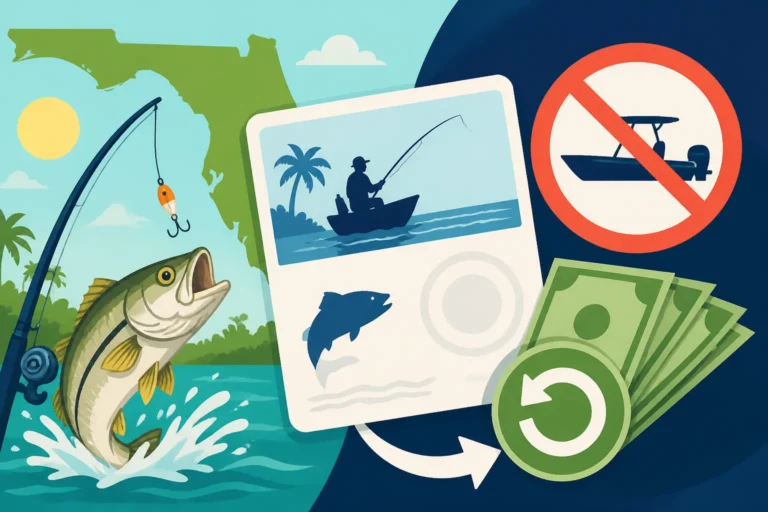
It’s a common scenario: you’re dreaming of a spontaneous fishing trip in the glorious Florida sunshine, rods packed, bait ready, only to hit a snag when you remember that pesky fishing license. For many, the thought of navigating regulations or the cost of a license can sometimes put a damper on those spur-of-the-moment plans. But what if you heard whispers of "free fishing days" in April? This guide is here to untangle the facts about Florida's license-free fishing opportunities, especially what to expect (or not expect) in April, and how to prepare for those days when you truly can cast a line without a license.
Understanding Florida's Free Fishing Days Program
Florida, with its incredible diversity of waterways, from the crystal-clear springs and vast lakes to the bountiful Atlantic and Gulf coasts, is a true angler's paradise. The state actively encourages participation in fishing, not just for the enjoyment it brings, but also for fostering an appreciation for Florida's natural resources. That's where the concept of Free Fishing Days comes in.
What are Free Fishing Days?
Free Fishing Days, also known as license-free fishing weekends, are designated periods when Florida residents and visitors alike can enjoy recreational fishing without needing to purchase a valid Florida fishing license. It's a fantastic initiative by the Florida Fish and Wildlife Conservation Commission (FWC) designed to remove one of the most common barriers to entry for new anglers and to allow seasoned fishers to introduce friends or family to the sport without the initial licensing hurdle. These days are usually spread throughout the year, targeting specific seasons or types of fishing (freshwater or saltwater) to maximize the experience for everyone. While the license requirement is waived, it's crucial to remember that all other fishing laws, such as bag limits and size restrictions, remain fully in effect to ensure the sustainability of our precious fish populations. If you want a full rundown, check out our guide on Florida Fishing Regulations and Bag Limits.
The Purpose Behind License-Free Fishing Weekends
The FWC doesn't just offer these days on a whim; there's a thoughtful purpose behind them. Primarily, Free Fishing Days aim to introduce more people to the joys of fishing and outdoor recreation. Think about it: someone who's never fished before might be hesitant to invest in a license, a rod, and tackle all at once. By removing the license cost, the FWC makes it easier for novices to give fishing a try. This introduction can often spark a lifelong passion for angling and, importantly, for conservation.
Another key reason is to encourage family participation. Fishing is a wonderful activity for all ages, creating lasting memories and teaching valuable lessons about nature and patience. License-free days make it simpler for parents or grandparents to take kids out, or for anyone to invite a friend who's been curious about fishing but never taken the plunge. Ultimately, more anglers mean more advocates for healthy fisheries and aquatic habitats, and the revenue generated from regular license sales directly funds vital conservation efforts across the state. In fact, understanding How Florida Fishing License Fees Fund Conservation reveals just how important these contributions are to maintaining Florida’s vibrant ecosystems.
April's Free Fishing Opportunity: A Closer Look
When you hear talk about Florida's Free Fishing Days, it's natural to wonder about specific months. April often comes to mind because of its fantastic weather, pre-summer fishing conditions, and school holidays. However, the reality for April might not be what you're hoping for.
When Do April's Free Fishing Days Occur?
Here’s the straight truth, and it might be a little disappointing for those hoping for an April freebie: the Florida Fish and Wildlife Conservation Commission (FWC) typically does not designate any statewide license-free fishing days specifically for the month of April.
While many states might sprinkle free fishing opportunities throughout the spring, Florida's official schedule usually focuses on early summer for freshwater fishing and early fall for saltwater fishing. Historically, Florida's Free Fishing Days are structured as follows:
- Freshwater License-Free Fishing Days: These usually occur on the first consecutive Saturday and Sunday in June. This aligns with warmer weather and active freshwater species, making it a prime time to explore Florida's numerous lakes, rivers, and ponds.
- Saltwater License-Free Fishing Days: These generally happen on the first consecutive Saturday and Sunday in September. This timing often coincides with the easing of summer heat and excellent opportunities for various saltwater species.
It's common for people to wish for a free fishing day in April, given the pleasant climate and burgeoning spring bite. However, as of typical FWC schedules, you'll need a valid license to fish recreationally in Florida during April, unless you meet specific exemption criteria, which we'll touch on later. Always check the official FWC website (MyFWC.com) for the most up-to-date and accurate schedule, as dates can occasionally shift due to unforeseen circumstances or policy changes.
What Waters Are Included (When They Do Occur)?
When Florida's Free Fishing Days do occur (typically in June for freshwater and September for saltwater), they cover a vast array of waters across the state. This means you can fish in designated freshwater bodies or saltwater coastal areas without a license, depending on the specific free fishing weekend.
For freshwater free fishing weekends (usually June), this includes:
- Lakes: From the massive expanse of Lake Okeechobee to smaller, community lakes.
- Rivers: Major systems like the St. Johns River, Suwannee River, and countless smaller tributaries.
- Ponds and canals: Publicly accessible ponds and canals across the state.
During saltwater free fishing weekends (usually September), you can cast a line in:
- Coastal waters: This encompasses the vast stretches of the Gulf of Mexico and the Atlantic Ocean.
- Bays and Inlets: Popular spots like Tampa Bay, Biscayne Bay, and Sebastian Inlet.
- Intercoastal Waterways: The network of protected channels running along both coasts.
- Piers, bridges, and jetties: Public fishing structures where you can typically access saltwater species. In some cases, certain piers might have their own blanket license, but during free fishing days, the individual requirement is waived regardless. For more details on this, you might find our article on Florida Shoreline Fishing License Explained helpful, even though it refers to a different type of exemption.
It’s important to note that these free fishing days primarily apply to Florida's state waters. Federal waters, which begin three nautical miles offshore in the Atlantic and nine nautical miles offshore in the Gulf of Mexico, often have different regulations and may still require federal permits for certain species, even if you're fishing license-free in state waters. Always be aware of your location, especially if venturing further offshore.
Making the Most of Any Free Fishing Day
Even though April typically doesn't offer specific license-free fishing days, it's smart to be prepared for the actual dates in June and September. These events are fantastic opportunities to get out on the water, try a new fishing style, or simply enjoy a relaxing day with a rod in hand. Being prepared makes all the difference for a successful and enjoyable experience.
Essential Gear for Your License-Free Adventure
You don't need to break the bank to enjoy Florida fishing, especially on a free fishing day. However, having the right basic gear will significantly enhance your experience.
- Rod and Reel Combo: For beginners, a medium-action spinning rod and reel combo is incredibly versatile. It can handle most inshore saltwater species like seatrout and redfish, as well as common freshwater species like bass and panfish. Many sporting goods stores and even retailers like Amazon offer affordable starter combos that come pre-spooled with line.
- Tackle Box Basics:
- Hooks: A variety of sizes (e.g., #1, 1/0, 2/0 circle hooks for live bait, or smaller J-hooks for freshwater).
- Sinkers/Weights: Split shot and egg sinkers are good multi-purpose options to get your bait down.
- Floats/Bobbers: Essential for suspension fishing, especially in freshwater or for targeting species like mangrove snapper near structure.
- Lures: A few basic artificials can go a long way. For freshwater, soft plastic worms, spinnerbaits, or a simple crankbait. For saltwater, a jig head with a soft plastic tail, a popping cork with a DOA Shrimp, or a spoon can be effective.
- Leader Material: A spool of fluorocarbon leader (15-30 lb test) is invaluable, as it's less visible to fish and more abrasion-resistant.
- Bait: Live bait is often king in Florida. Shrimp, minnows, or even cut bait like squid are readily available at bait shops. If you prefer artificials, the variety is endless, but start simple.
- Tools: Pliers (for hook removal), line cutters, and a measuring tape (to ensure fish meet size limits) are must-haves. A small cooler with ice for drinks and any keepers is also a good idea.
- Personal Items: Sun protection is non-negotiable in Florida! Bring sunscreen, a wide-brimmed hat, polarized sunglasses (they help you see fish!), and plenty of water. A rain jacket, even on sunny days, is smart given Florida's unpredictable weather. You can find excellent deals on high-SPF sunscreen and wide-brimmed hats on Amazon before your trip. For a more comprehensive list of what to bring, consider checking out our guide on What to Bring on a Florida Fishing Charter, even if you're just fishing from shore.
Popular Species to Target During Free Fishing Days
Florida's diverse fisheries mean there's always something biting. During the typical free fishing day periods, you can expect excellent opportunities for a variety of species.
For freshwater free fishing (June):
- Largemouth Bass: The undisputed king of Florida's freshwater, bass are active in June. Look for them around submerged vegetation, docks, and fallen trees. You can learn more about how to target these iconic fish in our Florida Largemouth Bass Fishing Guide.
- Panfish (Bluegill, Crappie, Shellcracker): These smaller, feisty fish are perfect for beginners and kids. They’re abundant in most freshwater bodies and can be caught with simple bait like worms or crickets under a bobber.
- Catfish: Channel catfish and other species are common throughout Florida's rivers and lakes, offering a strong fight and good table fare.
For saltwater free fishing (September):
- Spotted Seatrout: A ubiquitous inshore species, trout are often found over grass flats and around oyster bars. They readily strike soft plastics, live shrimp, or topwater lures. Our Florida Spotted Seatrout Fishing Guide offers deeper insights.
- Redfish (Red Drum): Known for their distinctive tail spot and powerful fight, redfish are a favorite among Florida anglers. Look for them schooling in shallow water, especially in marshy areas or along mangroves.
- Mangrove Snapper: Excellent eating fish, often found around docks, bridges, and rocky structures inshore and nearshore. They bite well on live or cut bait.
- Spanish Mackerel: These fast-swimming predators are usually found in open water, often busting bait schools. They respond well to fast-retrieved spoons or jigs.
Planning Your Trip: Locations and Logistics
Since there are no dedicated Free Fishing Days in April, if you decide to fish that month, remember you’ll need a valid license. However, for when the official free fishing days arrive in June or September, planning ahead will make your experience much smoother.
- Public Access Points: Florida boasts an incredible number of public parks, boat ramps, and fishing piers. Look for state parks, county parks, and FWC-managed areas near you. Many piers, like those in St. Petersburg or Jacksonville Beach, offer easy access to saltwater. For specific recommendations, check out Best Shore Fishing Spots in Florida or Best Pier Fishing Spots in Florida.
- Shoreline and Kayak Fishing: You don't need a boat to enjoy Florida fishing. Many areas allow you to fish directly from the shore or launch a kayak or paddleboard. This is a low-cost, high-reward way to experience the outdoors.
- Check Local Conditions: Always check local weather, tide charts (for saltwater), and any FWC advisories, such as How Red Tide Affects Fishing in Florida, before heading out.
- Bait and Tackle Shops: These local businesses are invaluable resources. The staff can provide up-to-the-minute reports on what's biting, where, and what bait or lure is working best. Plus, you can pick up last-minute supplies.
- Pack Smart: Beyond your fishing gear, bring plenty of water, snacks, bug spray, a first-aid kit, and trash bags to pack out everything you bring in.
Important Rules and Exceptions to Remember
Even on Florida's official Free Fishing Days (when they occur outside of April), "free" primarily refers to the absence of the general recreational fishing license requirement. It's not a free-for-all. Strict regulations are still in place to protect Florida's incredible natural resources.
Still Need Permits for Certain Species?
This is a critical point that many new anglers overlook. While the general recreational fishing license is waived on Free Fishing Days, special permits for certain species are still required, even during license-free periods. This typically applies to highly regulated or specially managed species.
The most common examples in Florida are:
- Snook: If you plan to target snook, you would normally need a Snook Permit in addition to your saltwater fishing license. This permit is not waived during free saltwater fishing days. So, if you manage to hook into one of these magnificent fish, you'll need to release it immediately if you don't possess the proper permit. Our Florida Snook Permit Requirements guide explains this in detail.
- Spiny Lobster: Similarly, during the recreational lobster season, you need a Lobster Permit. This permit is also not waived during license-free days.
- Federal Permits: If you venture into federal waters (beyond 3 miles in the Atlantic, 9 miles in the Gulf), you might need specific federal permits for certain species, regardless of state license status.
The FWC's intention with Free Fishing Days is to promote the general sport of fishing, not to bypass management efforts for sensitive species. Always check the current regulations on the FWC website (MyFWC.com) or consult the annual fishing regulations brochure before your trip to ensure you're in full compliance. Ignorance of the law is never an excuse, and violating these rules can lead to hefty fines and penalties.
Bag and Size Limits Remain in Effect
This is another non-negotiable aspect of Florida's Free Fishing Days. While you don't need a license, all other fishing regulations, including bag limits, size limits, and closed seasons, are still strictly enforced. These limits are scientifically determined to ensure healthy fish populations and sustainable fishing for future generations.
- Bag Limits: This refers to the maximum number of fish of a particular species that an individual angler can keep in a single day. For example, if the bag limit for spotted seatrout is five, you cannot keep six, even if you're on a Free Fishing Day.
- Size Limits: Most species have a minimum and/or maximum size limit (a "slot limit") to protect juvenile fish and large breeding adults. You must have a measuring device on hand (a ruler or tape measure) and release any fish that don't fall within the legal slot immediately and unharmed.
- Closed Seasons: Certain species, like snook or specific types of grouper, have closed seasons to protect them during spawning or other vulnerable times. Fishing for these species is prohibited during their closed seasons, regardless of whether it's a Free Fishing Day or not. This is particularly important for species like Gag Grouper, where Florida Gag Grouper Season Dates are meticulously managed.
FWC law enforcement officers patrol Florida's waters constantly. They will check your catch to ensure it complies with all current regulations. Always be familiar with the rules for the species you are targeting in the specific waters you are fishing. Having a copy of the regulations (either printed or accessible on your phone via the FWC's "Fish Rules" app) is always a good idea. This commitment to conservation is why even on "free" days, the spirit of responsible angling must always prevail.
To summarize, here's a quick overview of Florida's typical Free Fishing Days and key considerations:
| Feature | Freshwater Free Fishing (Typically June) | Saltwater Free Fishing (Typically September) | Important Reminders |
|---|---|---|---|
| Occurrence | First consecutive Saturday & Sunday in June | First consecutive Saturday & Sunday in September | No statewide free fishing days typically in April. |
| License Required? | No (for general recreational fishing) | No (for general recreational fishing) | You still need a valid license for all other days of the year. |
| Waters Covered | All public freshwater lakes, rivers, ponds, canals | All public saltwater coastal areas, bays, inlets | Primarily Florida state waters (not federal waters). |
| Permits Still Needed? | N/A for most freshwater species | Yes, for Snook and Spiny Lobster. | Always confirm specific permit requirements for target species. |
| Regulations Apply? | Yes, all bag limits, size limits, closed seasons | Yes, all bag limits, size limits, closed seasons | Penalties for violations are in effect regardless of license status. |
| Best For | Targeting Largemouth Bass, Panfish, Catfish | Targeting Seatrout, Redfish, Snapper, Mackerel | Introducing new anglers, family outings. |
While April might not be a "free" month for fishing in Florida, the designated license-free days in June and September offer fantastic opportunities. Make sure to mark your calendars, gather your gear, and review the FWC regulations. It’s a wonderful way to experience the Sunshine State’s incredible fisheries!
Disclaimer
Please remember that fishing regulations, including free fishing days, bag limits, and size restrictions, are subject to change by the Florida Fish and Wildlife Conservation Commission (FWC). Always consult the official FWC website (MyFWC.com) or their current regulations brochure before planning any fishing trip to ensure you have the most up-to-date and accurate information. This guide is for informational purposes only and does not constitute legal advice.