Biscayne Bay Fishing Guide in South Florida
Navigating the vast, shimmering waters of Biscayne Bay in South Florida can feel a bit overwhelming, especially if you're new to the area or just trying to figure out where the fish are hiding amongst its incredible diversity. This guide is here to cut through the confusion, offering a deep dive into everything you need to know to successfully fish this iconic South Florida gem, from the specific species you'll find to the best techniques and crucial regulations.
Understanding the Unique Ecosystem of Biscayne Bay
Biscayne Bay isn't just a body of water; it's a living, breathing, complex ecosystem that stretches over 35 miles along the southeastern Florida coast, bordering Miami. This incredible estuary is a true jewel, offering a mix of habitats that cater to an astonishing array of marine life. Understanding its unique characteristics is the first step to becoming a successful angler here.
Geographic Layout and Habitat Diversity
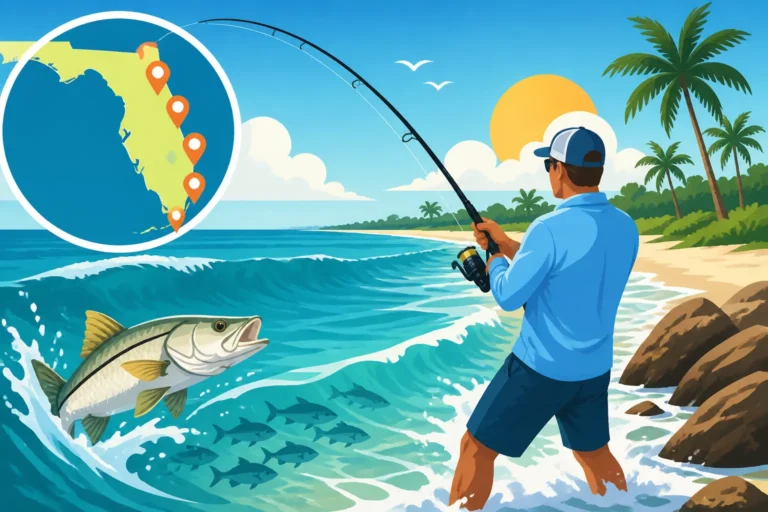
Think of Biscayne Bay as a mosaic of different underwater landscapes. It’s relatively shallow, with an average depth of about 10 feet, but it boasts a complex bathymetry that includes vast, productive seagrass flats, winding tidal creeks, deep dredge channels carved out for navigation, and an intricate network of mangrove shorelines. To the east, barrier islands like Key Biscayne and Miami Beach separate the bay from the powerful Atlantic Ocean, but numerous inlets, such as Government Cut and Baker's Haulover Inlet, provide crucial access and tidal exchange, funneling bait and game fish in and out.
The immense seagrass beds are often called the "nurseries of the bay," providing food and shelter for countless juvenile fish and invertebrates, which in turn become prey for larger predators. Mangrove forests, with their tangled root systems, stabilize the shoreline, filter water, and offer vital cover for snook, redfish, and various baitfish. Beyond the shallow flats, the dredged channels, some as deep as 20-30 feet, act as highways for migrating species and thermal refuges during colder months. Closer to the inlets, you'll find rocky structures and even remnants of old artificial reefs that attract snapper, grouper, and other bottom dwellers. This rich tapestry of environments is what makes Biscayne Bay such a productive and exciting fishing destination.
Key Fish Species You'll Encounter
Biscayne Bay is a true paradise for anglers, home to an incredible variety of sport fish. While you might stumble upon almost anything, some species are particularly sought after due to their prevalence and fighting spirit.
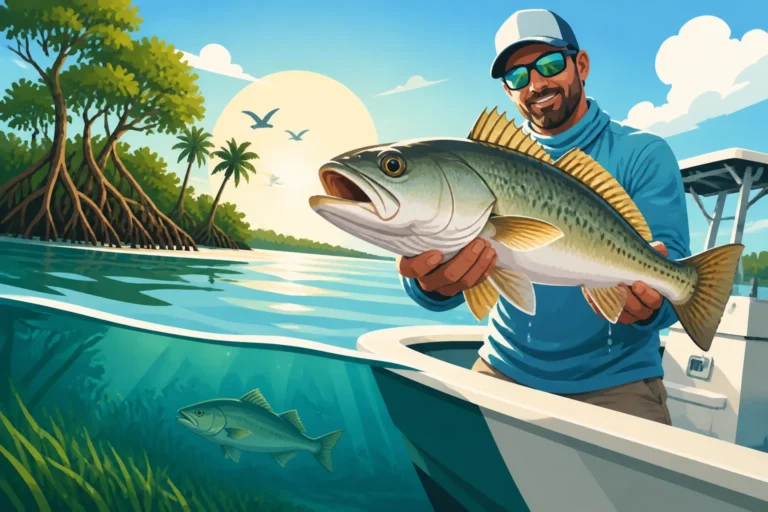
Perhaps the most iconic shallow-water residents are the "glamour species" of the flats: the speedy Bonefish and the elusive Permit. These are often found tailing on the vast seagrass flats, providing thrilling sight-fishing opportunities. Along the mangrove edges, docks, and bridges, you’ll find the powerful Snook and the aggressive Redfish, both highly prized for their hard fights and delicious fillets (when in season and within legal limits, of course). The spotted seatrout, another inshore favorite, is abundant across the grass flats and is a fantastic target for anglers of all skill levels.
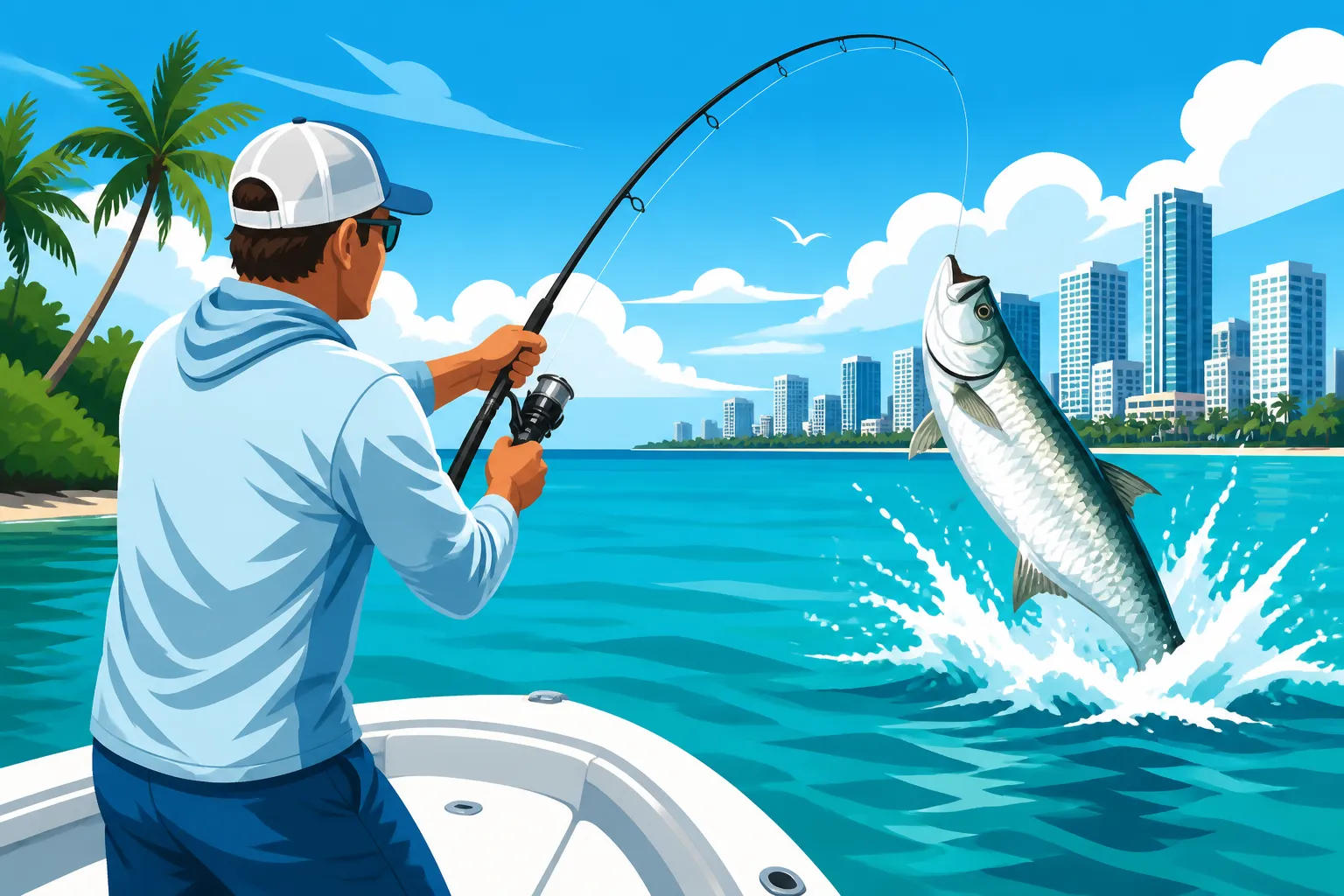
Venturing into the deeper channels and around the inlets, especially during spring and summer, you'll encounter the magnificent Tarpon, often called the "Silver King," known for its acrobatic leaps and incredible strength. Other common catches include Jack Crevalle, notorious for their brutal fights, various species of snapper (like mangrove snapper), barracuda, and occasionally small sharks. Further offshore, near the barrier islands or within striking distance of the main ocean, you might even encounter mahi-mahi or king mackerel during their migrations. This diversity means there’s always something biting, regardless of the season or your preferred fishing style.
Environmental Factors Affecting Fishing
Just like any natural fishery, success in Biscayne Bay is heavily influenced by environmental factors. Keeping an eye on these can significantly improve your chances. Water clarity is paramount, especially for sight fishing on the flats. Clear water allows you to spot tailing fish and present your bait accurately. Strong winds can churn up the bay, reducing visibility, while calm days often mean crystal-clear conditions.
Tides are another critical element. An incoming tide often brings clear, cooler ocean water and baitfish into the bay, which can really turn on the bite. Conversely, outgoing tides can concentrate bait in specific areas as water drains off the flats. Learning to read a tide chart for fishing is essential for maximizing your time on the water. The moon phase also plays a role, with full and new moons typically bringing stronger tidal movements and often more active feeding periods.
Water temperature dictates where fish will be. During colder winter months, species like snook will seek refuge in deeper channels or thermal pockets, while in the scorching summer, they might be more active in the early mornings or late evenings. Unfortunately, environmental concerns like Red Tide or algae blooms can also impact fishing. While less common than on Florida's Gulf Coast, blooms can occasionally occur, affecting water quality and fish behavior. Always check local FWC advisories before heading out, as these conditions can make fishing challenging or even unhealthy. Understanding these subtle shifts in the environment will help you decide where and when to drop a line.
Essential Gear and Tackle for Biscayne Bay
Having the right tools for the job is crucial, especially when you're targeting such a diverse range of species in varying habitats. You wouldn't bring a butter knife to a sword fight, and the same principle applies to your fishing gear in Biscayne Bay.
Rods, Reels, and Line Selection
For the typical inshore fishing experience on the grass flats and around the mangroves, a versatile medium-light to medium action spinning rod, around 7 feet to 7 feet 6 inches in length, is your best friend. Pair this with a 2500-4000 series spinning reel loaded with 10-20 pound braided line. Braid offers incredible sensitivity and casting distance, which is invaluable for reaching those spooky fish on the flats or slinging a lure deep into mangrove cover. A 20-30 pound fluorocarbon leader of about 2-3 feet should always be tied to your main line. Fluorocarbon is nearly invisible underwater and provides abrasion resistance against sharp teeth and rough structure. This setup is perfect for throwing artificial lures or presenting live shrimp to snook, redfish, and trout.
If you’re specifically targeting the "Silver King" – Tarpon – a heavier setup is necessary. Think medium-heavy to heavy action rods, 7 feet to 8 feet, paired with 5000-8000 series spinning reels or conventional reels spooled with 30-50 pound braid. Your leader for tarpon should be 50-80 pound fluorocarbon to handle their powerful runs and abrasive mouths. For the dedicated sight fisherman chasing Bonefish and Permit, a lighter touch is often preferred. A 7-foot medium-light rod with a 2500 reel and 10-pound braid, tipped with 15-20 pound fluorocarbon, is ideal for delicate presentations. The specific gear you choose will largely depend on your primary target, but versatility is key for a mixed bag in Biscayne. For a deeper dive into the best setups, check out our guide on the best rod and reel setup for Florida inshore fishing.
Live Bait and Artificial Lure Strategies
When it comes to bait, Biscayne Bay offers a smorgasbord of options, and your choice can make all the difference. Live bait is often king, especially for species like snook and tarpon. Live shrimp are universally effective and can be fished under a popping cork, free-lined, or on a jig head. Pilchards, threadfin herring, and finger mullet are excellent choices for larger game fish and can often be caught with a cast net right in the bay. Crabs, particularly small blue crabs or fiddler crabs, are irresistible to permit and can be a game-changer when sight fishing for these wary creatures.
For those who prefer artificial lures, Biscayne Bay offers ample opportunities. Soft plastic jerkbaits rigged weedless are fantastic for working grass flats for redfish and trout. Topwater plugs, especially in low light conditions, can provoke explosive strikes from snook and aggressive jacks along the mangroves. Jigs with soft plastic tails or bucktails are incredibly versatile, effective for everything from trout on the flats to snapper in the channels. MirrOlure and D.O.A. Lures are popular brands that consistently produce results here. Experimenting with different presentations – slow retrieves, fast jerks, or steady wobbles – will help you discover what the fish are keying in on that particular day. Matching the hatch, meaning using lures that resemble the local baitfish, is always a smart strategy.
Must-Have Accessories and Safety Gear
Beyond your rods and reels, a few essential accessories can make your Biscayne Bay fishing trip more comfortable, productive, and safe. High-quality polarized sunglasses are non-negotiable, especially for sight fishing on the clear flats. They cut through the glare, allowing you to spot fish, discern bottom structure, and even see submerged hazards. A wide-brimmed hat, SPF clothing, and plenty of sunscreen are vital for protection against the intense South Florida sun.
A cast net is an invaluable tool if you plan on catching your own live bait. Choose one appropriate for the local baitfish size and water depth. Other handy tools include needle-nose pliers or de-hookers for safely removing hooks, a sharp knife, a measuring device for checking fish lengths against regulations, and a cooler with ice to keep your catch fresh (if you plan to harvest).
Safety gear is paramount, particularly if you're venturing out on your own boat. Always have readily accessible personal flotation devices (PFDs) for everyone on board, a sound-producing device (like a whistle or horn), visual distress signals, and a fire extinguisher. Given the shallow nature of much of the bay, a good quality GPS chartplotter with up-to-date nautical charts is essential to avoid running aground on skinny water or protected seagrass beds. Communication devices like a VHF radio or a fully charged cell phone (in a waterproof case) are also highly recommended. Remember, safety first, always.
Top Fishing Techniques and Strategies for Biscayne Bay
Biscayne Bay’s diverse environment means that a single fishing technique won't cut it. To truly unlock its potential, you'll need a repertoire of strategies tailored to different habitats and target species.
Shallow Water Flats Fishing
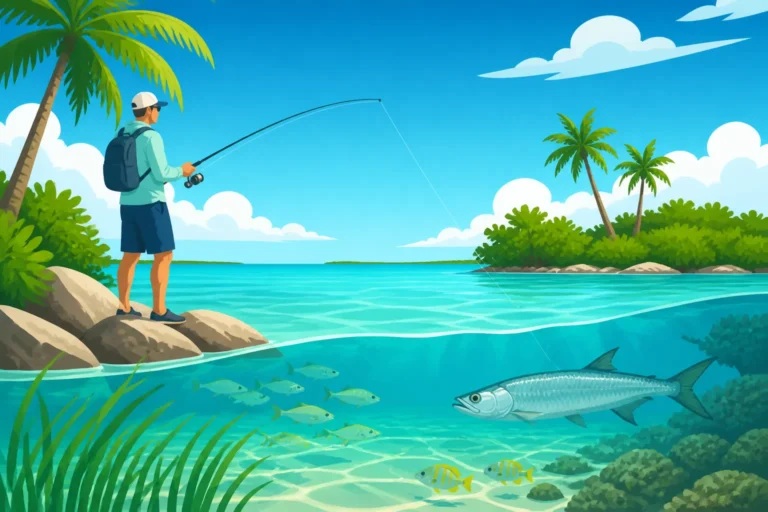
Fishing the shallow water flats of Biscayne Bay is arguably one of the most exciting and challenging experiences you can have. This is the domain of the legendary Bonefish and Permit. The key here is sight fishing. You're not just casting blindly; you're actively searching for fish, often by poling your boat silently across the flats or wading carefully. Look for subtle signs: a "tailing" fish with its tail fin out of the water as it feeds on the bottom, a "mud" plume indicating a feeding fish, or a "nervous water" ripple from a school of fish.
Once you spot a target, a stealthy and accurate presentation is crucial. Bonefish are notoriously spooky, so long, delicate casts with small jigs, live shrimp, or imitation crabs are necessary. For Permit, larger crab imitations or live crabs are the ticket, presented well ahead of the fish's path to avoid alarming them. This type of fishing demands patience, keen eyesight, and a precise cast. It's often slow and methodical, but the payoff of hooking into a powerful Bonefish or a hard-fighting Permit makes every effort worthwhile. The best spots for permit fishing in the Keys extend into this area, proving the quality of the fishing.
Mangrove and Structure Fishing
The intricate network of mangrove shorelines, dock pilings, bridge fenders, and even submerged debris provides perfect ambush points for predators like Snook and Redfish. These fish love to hide in the shadows, waiting for baitfish to swim by. The strategy here is all about accuracy and understanding the tides.
When fishing mangroves, cast your bait or lure as close as possible to the roots. Snook, in particular, will often hold tight to cover, ready to dart out. An accurate cast that lands quietly and quickly gets to the strike zone is crucial. Work your lure parallel to the shoreline or through gaps in the mangroves. On an outgoing tide, focus on the mouths of small creeks or cuts where baitfish are being flushed out. For docks and bridges, cast your offerings around the pilings, letting the current carry them naturally. Heavy fluorocarbon leaders are a must here, as these fish will try to cut you off on the structure. A strong hookset and quick retrieval are essential to get the fish away from cover before it can break you off. Our topwater lure fishing for snook guide offers more in-depth strategies for this specific technique.
Channel and Deeper Water Fishing
While the flats get a lot of attention, the deeper channels and cuts within Biscayne Bay, as well as the immediate areas near the ocean inlets, offer excellent fishing for a different array of species, including the magnificent Tarpon, various Snapper, and even larger Jack Crevalle.
When targeting Tarpon in these deeper areas, especially during their migratory seasons (spring through fall), live bait such as large mullet, pilchards, or even legal-sized ladyfish are highly effective, fished free-lined or under a float. You can drift these baits along current lines or anchor up-current from known tarpon haunts. Bottom fishing with cut bait or live shrimp is productive for catching mangrove snapper, lane snapper, and even occasional grouper around rocky ledges or artificial structures in the channels. Using a fish finder to locate schools of bait or deeper structure can significantly increase your success here.
Another effective technique in the channels is to simply drift with the current, presenting a variety of baits or lures. This allows you to cover more ground and find where the fish are holding. Always pay attention to boat traffic in these areas, as the main channels are also used for navigation. Understanding how to fish an outgoing tide or an incoming tide in these areas will reveal prime feeding windows.
Navigating and Accessing Biscayne Bay's Fishing Hotspots
Biscayne Bay is expansive, and knowing how to get on the water and where to focus your efforts can save you a lot of time and frustration. Miami's urban sprawl meets pristine wilderness here, offering a unique blend of accessibility and remote-feeling fishing.
Public Boat Ramps and Access Points
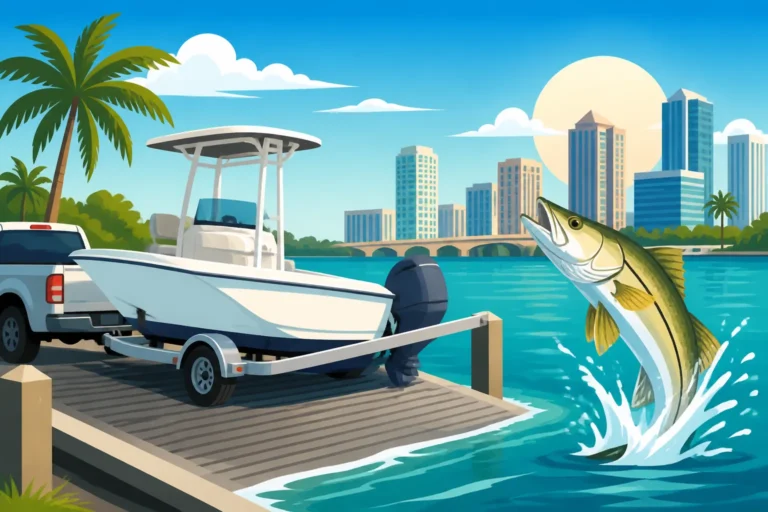
For anglers with their own boats, Biscayne Bay offers several excellent public boat ramps, mostly concentrated in the central and southern parts of the bay. In the northern bay, the public ramp at Haulover Park (near Baker's Haulover Inlet) provides direct access to the ocean and the northern bay's channels. It's a busy ramp but well-maintained.
Further south, Crandon Park Marina on Key Biscayne is another popular choice, offering access to the central bay flats and channels. It's close to downtown Miami but feels worlds away once you're on the water. Even further south, you'll find Matheson Hammock Park Marina, which is known for its picturesque views and user-friendly ramps, perfect for accessing the central and southern flats. For anglers looking to explore the more remote southern reaches of the bay, Black Point Park & Marina in Homestead is an excellent launch point. It provides access to the vast southern flats and mangrove islands, closer to Biscayne National Park.
Most of these ramps have parking, but it can fill up quickly on weekends, so an early start is always a good idea. Fees are often associated with launching and parking, so be prepared with cash or card. Always check ramp conditions and tide charts, as some ramps can be very shallow at low tide, making launching larger boats difficult. For a comprehensive list of launch sites, consider searching for "where to launch a boat on Biscayne Bay" online.
Choosing a Fishing Charter or Guide
If you're new to Biscayne Bay, don't have your own boat, or simply want to maximize your chances of success, hiring a local fishing charter or guide is an absolute game-changer. These captains possess an intimate knowledge of the bay's ever-changing conditions, secret spots, and the nuances of local fish behavior. They'll provide all the necessary gear, bait, and most importantly, their expertise, dramatically increasing your chances of a memorable catch. A good guide can teach you beginner tips for saltwater fishing in Florida and accelerate your learning curve.
When choosing a guide, consider their specialization. Some captains focus exclusively on fly fishing for bonefish and permit on the flats, while others specialize in light tackle for snook and redfish in the mangroves, or even tarpon in the channels. Websites like FishingBooker are fantastic resources for finding reputable, licensed captains in the Biscayne Bay area. You can read reviews, compare prices, and see their specialties. A typical trip might be a half-day (4 hours) or a full-day (8 hours), with prices varying based on the duration, boat size, and number of anglers. While an investment, the experience and local knowledge gained from a professional guide are often priceless. It also takes the stress out of planning and navigating, allowing you to simply enjoy the fishing.
Best Times to Fish Biscayne Bay
Biscayne Bay is a year-round fishery, but the "best" time to fish often depends on what you're targeting. Generally, the spring and fall (March-May and September-November) are considered prime times. During these transitional periods, the weather is milder, and many species, particularly snook and redfish, are highly active as they feed heavily. Tarpon migrations also see increased activity in these months.
Winter (December-February) in South Florida is a fantastic time for sight fishing on the flats for bonefish and permit, as the cooler, drier weather often brings clear water and less wind. Snook will move into deeper channels and canals seeking warmer water, making them a more challenging but rewarding target.
Summer (June-August) brings hotter temperatures and the notorious afternoon thunderstorms. While challenging, the early mornings and late evenings can be incredibly productive for snook and tarpon, especially around the inlets and bridges. This is also a good time for aggressive species like jack crevalle. Always be mindful of the weather forecast, as summer storms can develop quickly. Regardless of the season, understanding the daily tidal patterns will always be your most important tool for knowing when the fish will be most active.
Regulations, Conservation, and Responsible Angling
Florida takes its fisheries seriously, and Biscayne Bay is no exception. As anglers, it's our responsibility to understand and adhere to regulations, practice good conservation, and ensure the health of this incredible ecosystem for future generations.
Understanding Florida Fishing Regulations
First and foremost, virtually everyone aged 16 or older needs a Florida fishing license to fish in Biscayne Bay. This applies to both residents and non-residents, whether you're fishing from a boat, kayak, or even wading the flats. The only exceptions are certain exemptions for seniors, disabled residents, or during designated Florida free fishing days. Even if you're on a charter boat, while the vessel might hold a recreational saltwater license, it's always wise to confirm if you, as an individual angler, need a separate license. For more information, our comprehensive Florida Fishing License Guide covers all the essentials.
Beyond the license, you must be intimately familiar with the size limits, bag limits, and closed seasons for the species you intend to target. Snook and redfish, two of the most popular game fish in Biscayne Bay, have strict slot limits (minimum and maximum lengths for harvest) and closed seasons to protect them during spawning. For example, snook often have seasonal closures, particularly during colder months or peak spawning periods. Spotted seatrout also have specific size and bag limits. These regulations are set by the Florida Fish and Wildlife Conservation Commission (FWC) and are subject to change, so always check the most current rules before you head out. Ignorance of the law is not an excuse, and penalties for violations can be steep, ranging from fines to confiscation of gear.
Catch and Release Best Practices
Many of the prized species in Biscayne Bay, particularly Bonefish, Permit, and sometimes Tarpon, are primarily targeted as catch-and-release only. Even for species that can be harvested, practicing responsible catch and release for fish outside the slot limit or simply for conservation purposes is crucial.
Here are some best practices:
- Minimize Fight Time: Use appropriate tackle to land the fish as quickly as possible, reducing stress.
- Handle with Care: Support the fish horizontally, especially larger ones, to protect internal organs and their spine. Avoid touching their gills or eyes.
- Wet Hands: Always wet your hands before touching a fish to avoid removing their protective slime coat.
- Circle Hooks: Whenever possible, use non-stainless, non-offset circle hooks, especially when fishing with live bait. These hooks dramatically reduce gut-hooking, leading to higher survival rates.
- Quick Release: Have your camera ready, take a quick photo, and get the fish back into the water promptly.
- Revive the Fish: If a fish seems sluggish, hold it gently in the water, facing into the current, allowing water to flow over its gills until it regains strength and can swim away on its own.
These practices help ensure that the vibrant fisheries of Biscayne Bay remain healthy and abundant for generations to come.
Protecting Biscayne Bay's Fragile Environment
Biscayne Bay is a fragile ecosystem, and every angler plays a role in its protection. One of the most critical issues is the protection of its vast seagrass beds. These underwater meadows are vital habitats and nurseries, but they are easily damaged by boat propellers. Always be aware of water depth and avoid running your engine through shallow seagrass. If you find yourself in skinny water, trim your engine up and pole or push your boat out. Prop scars can take years, even decades, to recover.
Waste disposal is another major concern. Never, ever discard trash, fishing line, or bait containers into the bay. Monofilament fishing line can take hundreds of years to break down and poses a severe entanglement risk to marine life. Bring a trash bag with you and pack out everything you pack in. Many boat ramps and marinas have recycling bins for monofilament line.
Support local conservation efforts. Organizations like the FWC actively work to monitor and protect Florida's marine resources. By following regulations, practicing ethical angling, and being mindful of your impact, you contribute directly to the health and future of Biscayne Bay.
| Species | Preferred Habitat | Best Bait/Lure | Key Season | Special Notes |
|---|---|---|---|---|
| Snook | Mangroves, Docks, Channels, Inlets | Live Pilchards/Mullet, Soft Plastic Jerkbaits, Topwater Plugs | Spring, Fall, Summer | Strict slot limits & closed seasons. Powerful fighter. |
| Redfish | Shallow Grass Flats, Mangrove Edges | Live Shrimp/Mullet, Weedless Soft Plastics, Spoons | Spring, Fall | Tail on flats. Aggressive strikes. Slot limits. |
| Tarpon | Channels, Inlets, Deeper Flats | Live Mullet/Ladyfish, Large Swimbaits | Spring-Fall | "Silver King." Acrobatic jumps. Mostly C&R. |
| Bonefish | Clear, Shallow Grass Flats | Live Shrimp, Small Jigs, Crab Imitations | Year-Round (Best Winter) | Extremely spooky. Sight fishing only. C&R. |
| Permit | Deeper Flats, Channels, Reefs | Live Crabs, Crab Imitations | Spring-Summer | Challenging to catch. Very strong. C&R. |
| Spotted Seatrout | Grass Flats, Open Bay | Live Shrimp, Popping Corks, Soft Plastic Jigs | Year-Round | Abundant. Great for beginners. Slot limits. |
| Jack Crevalle | Channels, Inlets, Anywhere Bait is Present | Any Fast-Moving Lure, Live Bait | Year-Round | Brutal fighters. Excellent sport. Not typically eaten. |
| Mangrove Snapper | Docks, Bridge Pilings, Channels, Reefs | Live/Cut Shrimp, Pilchards, Small Jigs | Year-Round | Great table fare. Often found around structure. |
Disclaimer
The information provided in this guide is for general informational purposes only and is subject to change. Fishing regulations, seasons, and licensing requirements in Florida are set by the Florida Fish and Wildlife Conservation Commission (FWC) and can be updated at any time. Always consult the most current FWC regulations before engaging in any fishing activities. We recommend verifying all details with official sources to ensure compliance and safety.